Fowler's hemiodus
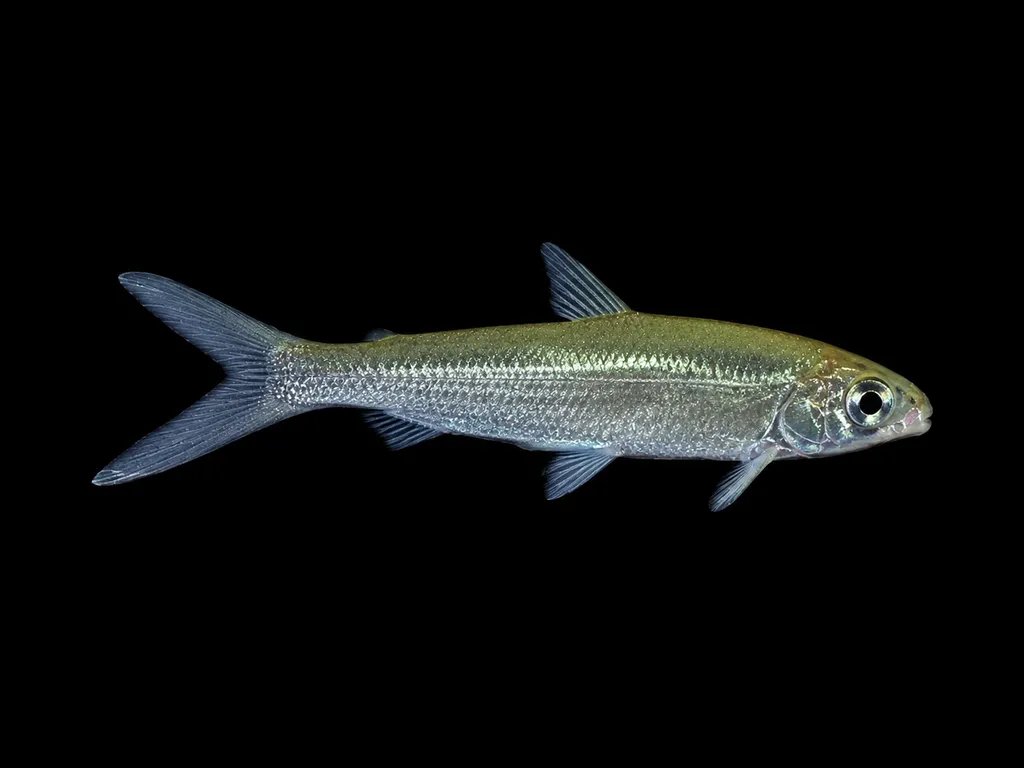
Bivibranchia fowleri
Also known as Sand-sifting hemiodus, Eartheater hemiodus
FreshwaterFish
Care at a glance
- Temperature
- 75–84°F
- 24–29°C
- pH
- 5.5–7.0
- Adult size
- 7.5 in
- 19 cm
- Minimum tank
- 106 gal
- 400 L
- Temperament
- Peaceful
- Social behavior
- Schooling
- Swim level
- Bottom
- Difficulty
- Difficult
- Breeding
- No record
- Rarity
- Rare
- Family
- Hemiodontidae
- Origin
- Guiana Shield rivers and lower Amazon
Overview
Fowler's hemiodus is a peaceful, sand-sifting characin for the bottom of a long tank. It is a demanding fish for experienced keepers.
Did you know
Fowler's hemiodus is a characin that feeds much like a South American eartheater cichlid. Its mouth shoots out into a soft tube, draws in a load of sand and spills clean grit back out while keeping the food. Two very different fish families arrived at the same trick.
Caring for the Fowler's hemiodus
Fowler's hemiodus works the bottom and lower water, so it needs a deep bed of soft sand it can actually process. Never give it bare glass or coarse gravel. Give a group a long tank of about 106 gal (400 L) or more. Roots and scattered leaf litter help, but the open sand bed is the point.
Keep the water clean, soft and warm, at 75 to 84°F (24 to 29°C), with a pH of 5.5 to 7.0. Give it gentle current and high oxygen. In the wild it sifts the bottom for small invertebrates. Feed sinking foods and small frozen items fine enough to pass its sorting.
Keep it in a shoal of six or more, since it is a social fish that frets on its own. It is peaceful, so house it with calm, similarly sized companions. There are no records of it breeding in aquaria.
Good to know
Bivibranchia fowleri is a member of Hemiodontidae. Specialized gill structures help it separate food from grit.
In the wild
Fowler's hemiodus lives over sand flats in the clear and blackwater rivers of the Guiana Shield and the lower Amazon.
Weekly picks
Tank mates
The Fowler's hemiodus is a peaceful, schooling species that keeps to the bottom. These picks share a community profile with it, are safe together in both directions, and overlap on water type, temperature and pH.
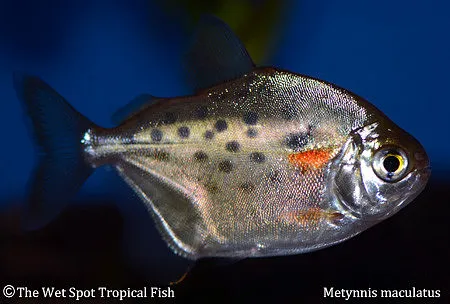
Spotted metynnis
Metynnis maculatus
Freshwater7.1 in (18 cm) · 92 gal (350 L)73–82°F (23–28°C)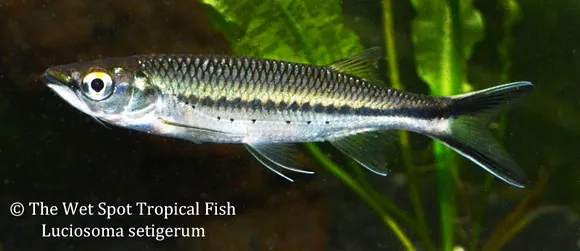
Apollo shark minnow
Luciosoma setigerum
Freshwater11.8 in (30 cm) · 106 gal (400 L)72–81°F (22–27°C)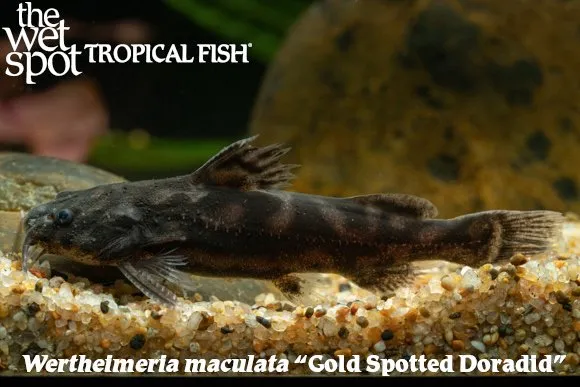
Gold-spotted doradid
Wertheimeria maculata
Freshwater11.8 in (30 cm) · 106 gal (400 L)68–79°F (20–26°C)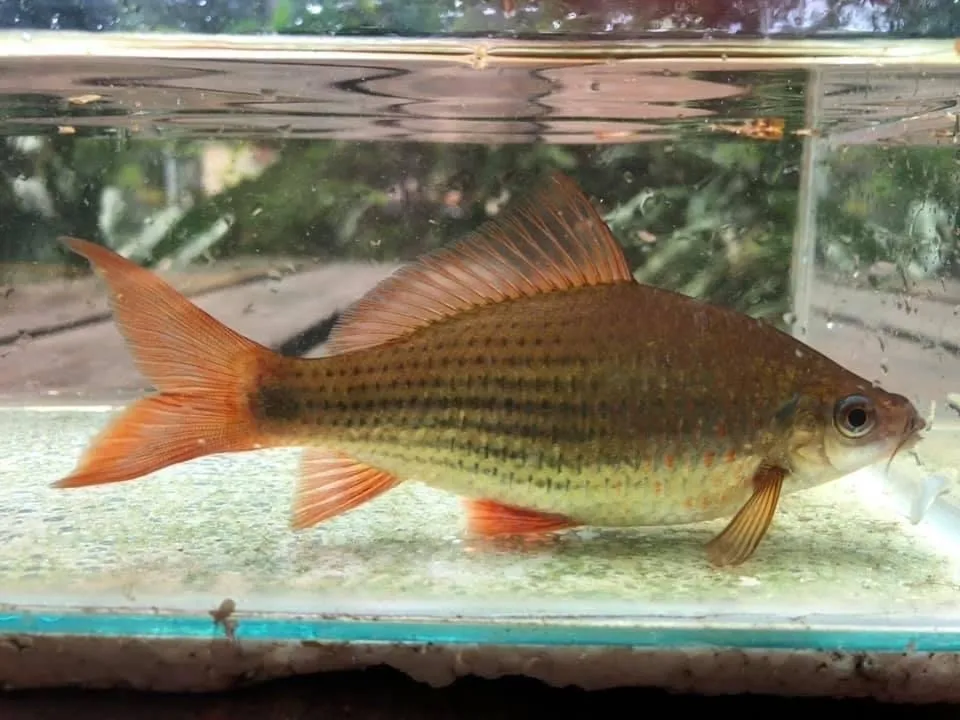
Hard-lipped barb
Osteochilus vittatus
Freshwater11.8 in (30 cm) · 106 gal (400 L)72–82°F (22–28°C)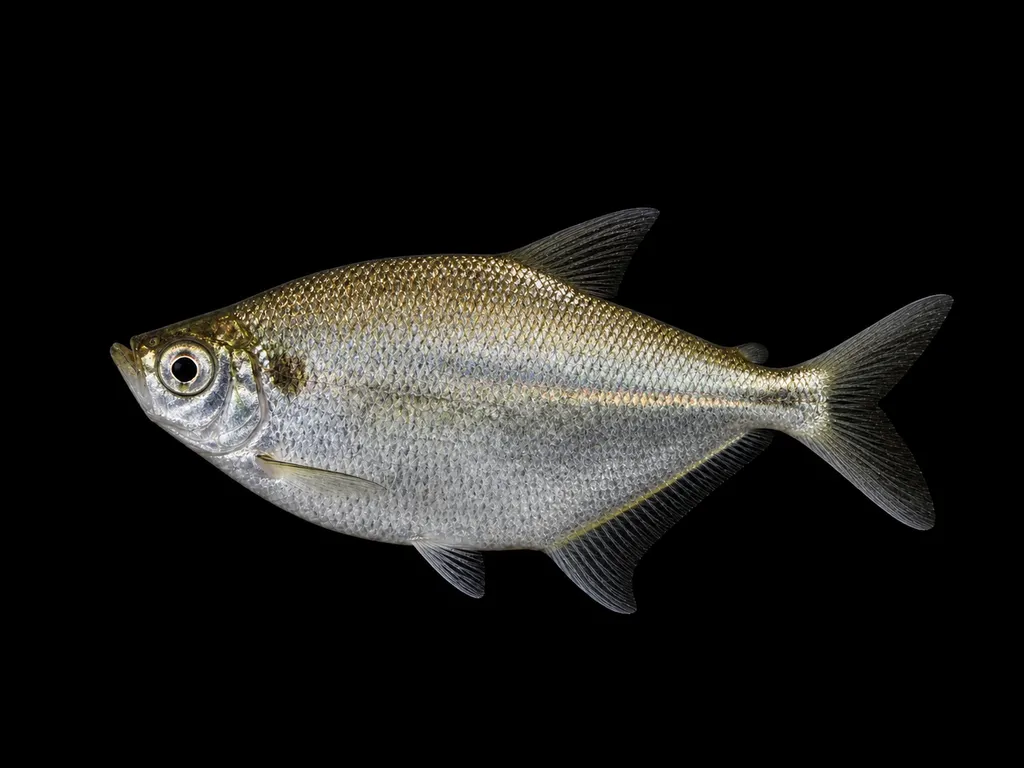
Giant river hatchetfish
Triportheus rotundatus
Freshwater9.8 in (25 cm) · 79 gal (300 L)73–82°F (23–28°C)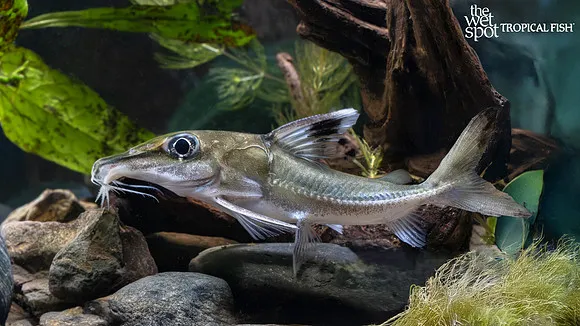
Black-top mouse catfish
Hassar orestis
Freshwater11.8 in (30 cm) · 106 gal (400 L)73–82°F (23–28°C)
Common questions
What size tank does a Fowler's hemiodus need?
A Fowler's hemiodus needs at least 106 gal (400 L). It spends most of its time in the bottom.
What temperature and pH does a Fowler's hemiodus need?
A Fowler's hemiodus is comfortable at 75–84°F (24–29°C) with a pH of 5.5–7.0.
What does a Fowler's hemiodus eat?
Fowler's hemiodus sifts the bottom for small invertebrates in the wild. In the tank, feed it sinking foods and small frozen items fine enough to pass its sorting.
How big does a Fowler's hemiodus get?
An adult Fowler's hemiodus reaches about 7.5 in (19 cm).
Does a Fowler's hemiodus need a group?
Yes. A Fowler's hemiodus is a schooling species and should be kept in a group, not singly.
How does a Fowler's hemiodus breed?
Fowler's hemiodus has no breeding records in aquaria.
Related species
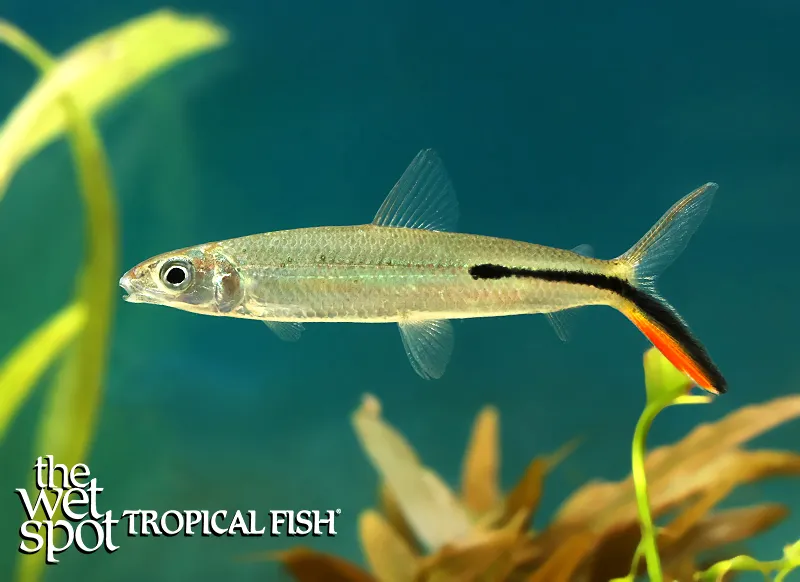 7.1 in (18 cm)66 gal (250 L)73–82°F (23–28°C)
Slender hemiodus
Hemiodus gracilis
7.1 in (18 cm) · 66 gal (250 L)
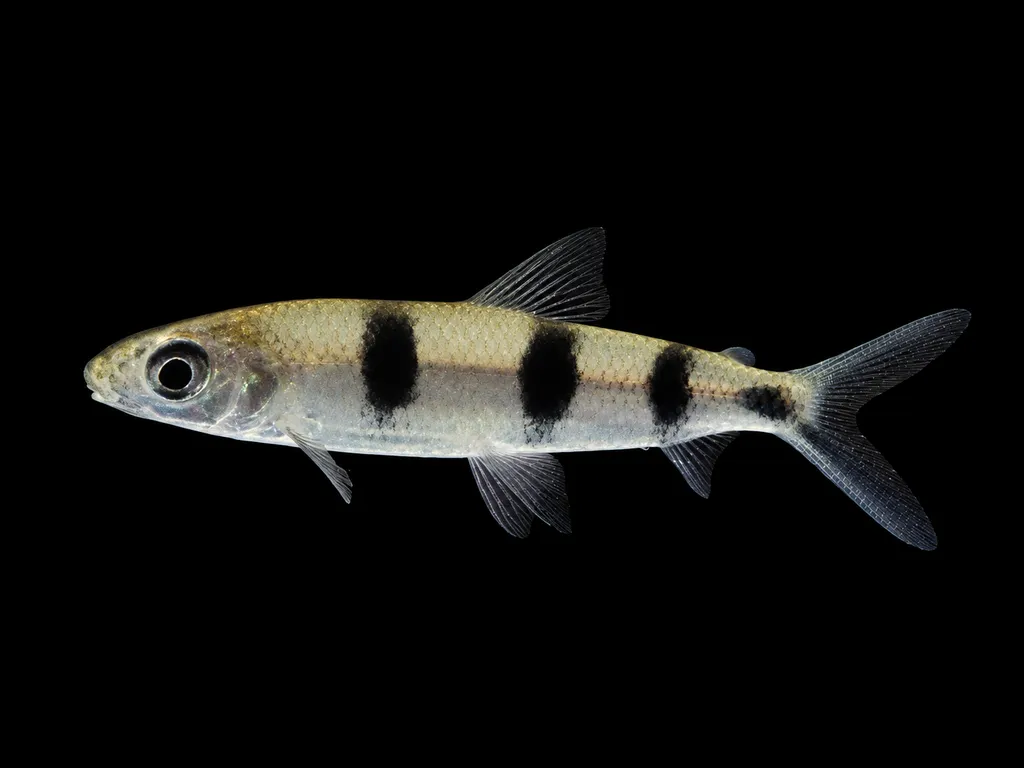 6.3 in (16 cm)106 gal (400 L)75–82°F (24–28°C)
Fourspot hemiodus
Hemiodus quadrimaculatus
6.3 in (16 cm) · 106 gal (400 L)
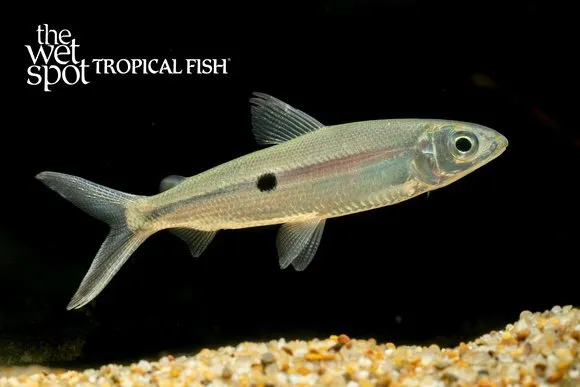 11 in (28 cm)159 gal (600 L)75–84°F (24–29°C)
Smallscale hemiodus
Hemiodus microlepis
11 in (28 cm) · 159 gal (600 L)
- 11.8 in (30 cm)159 gal (600 L)75–84°F (24–29°C)
False hemiodus
Argonectes longiceps
11.8 in (30 cm) · 159 gal (600 L)
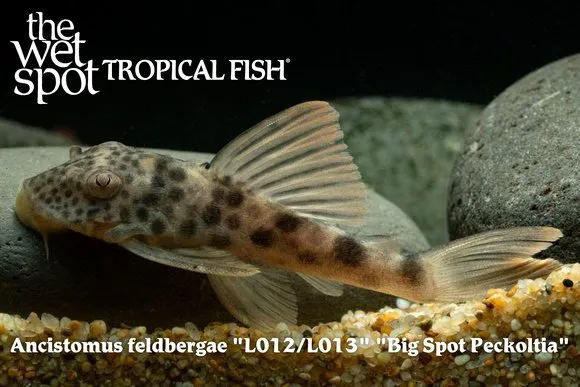 7.9 in (20 cm)66 gal (250 L)79–86°F (26–30°C)
Big spot pleco
Ancistomus feldbergae
7.9 in (20 cm) · 66 gal (250 L)
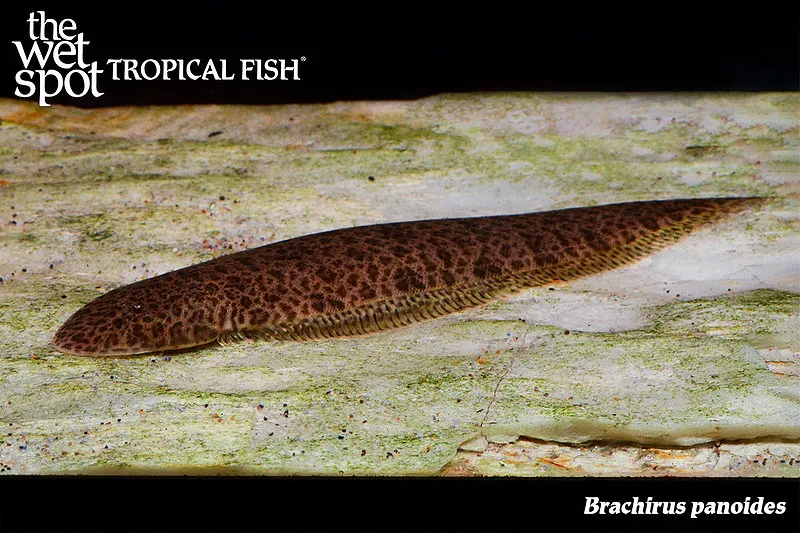 7.9 in (20 cm)55 gal (208 L)73–82°F (23–28°C)
Freshwater sole
Brachirus panoides
7.9 in (20 cm) · 55 gal (208 L)