Freshwater sole
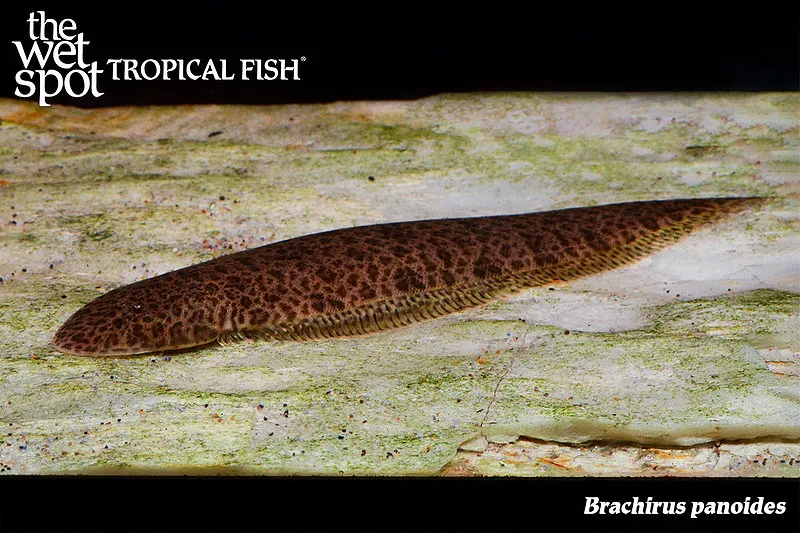
Brachirus panoides
Also known as Freshwater tongue fish
FreshwaterFish
Care at a glance
- Temperature
- 73–82°F
- 23–28°C
- pH
- 6.0–7.5
- Adult size
- 7.9 in
- 20 cm
- Minimum tank
- 55 gal
- 208 L
- Temperament
- Peaceful
- Social behavior
- Solitary
- Tankmates
- With caution
- Swim level
- Bottom
- Difficulty
- Difficult
- Breeding
- No record
- Rarity
- Very rare
- Family
- Soleidae
- Origin
- Malay Peninsula, Thailand
Overview
The freshwater sole is a peaceful, solitary flatfish that lies buried in soft sand during the day with only its eyes showing and forages after dark. It ignores anything it cannot eat but may take tiny fish or shrimp resting on the bottom at night, so keep it with peaceful mid-water and upper-level fish rather than bite-sized bottom dwellers. It needs a large area of fine, soft sand and quiet, clean water. Getting one feeding is the main challenge, since it often wants live foods such as bloodworms and small worms before it accepts frozen fare. Feed after the lights go out. A broad tank of around 208 liters or larger gives it the floor space it needs.
In the wild
The freshwater sole lives along the bottom of the lower rivers and estuaries of the Malay Peninsula and Thailand, moving over soft mud and sand in slow, silty water. It is usually kept in fresh water and does well there, though it comes from tidal reaches and appreciates hard, neutral to slightly alkaline conditions. Give it a deep, soft sand bed to bury in, gentle flow, and clean, well-oxygenated water. Keep the temperature from 23 to 28 C and the pH between 6 and 7.5, and keep decor open so it can glide and settle across the bottom.
Good to know
The freshwater sole belongs to the family Soleidae, the true soles, a group of flatfishes. Adults reach around 20 cm. Like all soles it begins life as an upright, symmetrical larva, then one eye migrates across the head as the fish settles onto one side to live flat against the bottom. Its small, hidden mouth and mottled brown skin suit a life spent lying camouflaged on the substrate. Aquarium breeding is not documented, and these soles are collected from the wild.
Did you know
The freshwater sole all but disappears in the aquarium, shuffling down into the sand until only its eyes remain in view. It stays hidden through the day and does most of its foraging in the dark, feeling along the bottom for small invertebrates with the sensitive underside of its head.
Common questions
What size tank does a Freshwater sole need?
A Freshwater sole needs at least 55 gal (208 L). It spends most of its time in the bottom.
What temperature and pH does a Freshwater sole need?
A Freshwater sole is comfortable at 73–82°F (23–28°C) with a pH of 6.0–7.5.
How big does a Freshwater sole get?
An adult Freshwater sole reaches about 7.9 in (20 cm).
Related species
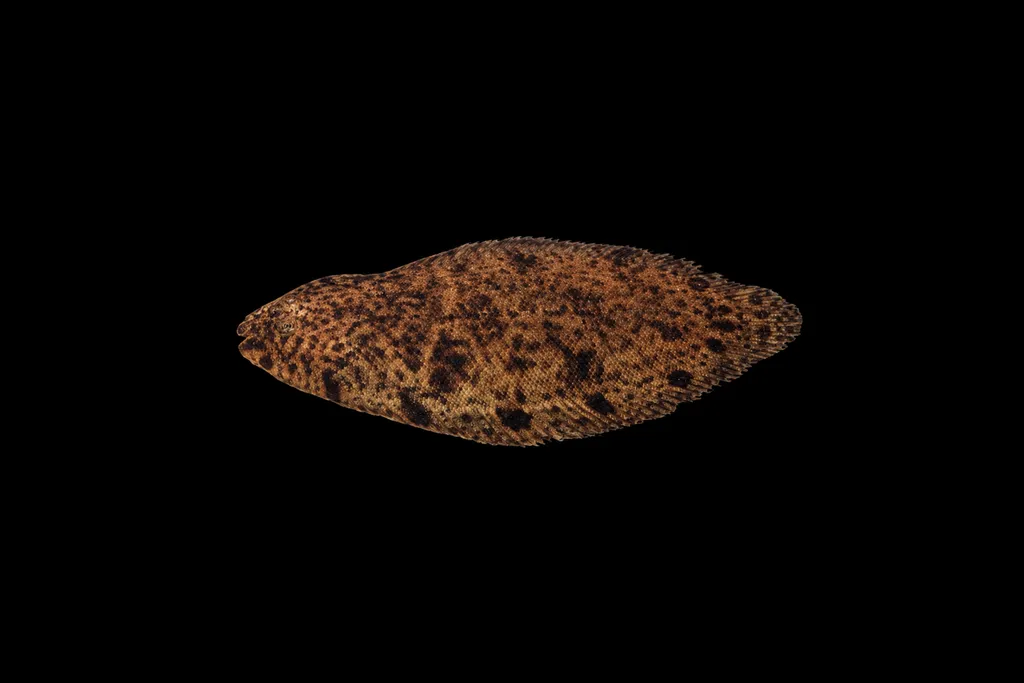 4.1 in (10.5 cm)30 gal (112 L)73–82°F (23–28°C)
Velvet sole
Brachirus villosus
4.1 in (10.5 cm) · 30 gal (112 L)
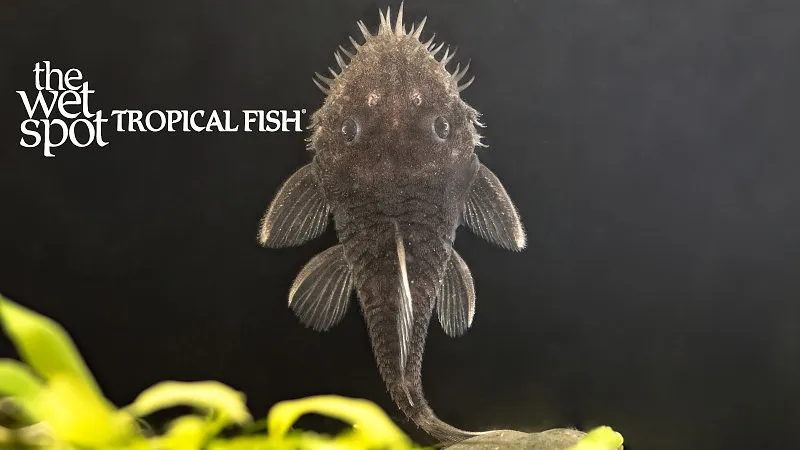 5.9 in (15 cm)40 gal (150 L)79–86°F (26–30°C)
Medusa pleco (L034)
Ancistrus ranunculus
5.9 in (15 cm) · 40 gal (150 L)
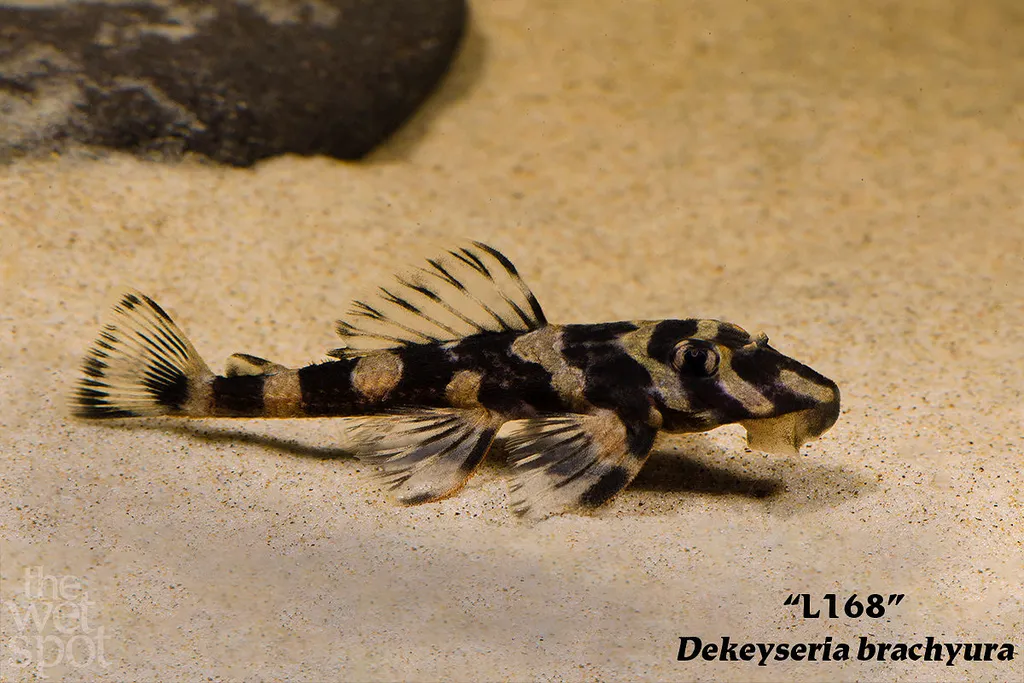 5.5 in (14 cm)40 gal (150 L)77–84°F (25–29°C)
Butterfly pleco (L168)
Dekeyseria brachyura
5.5 in (14 cm) · 40 gal (150 L)
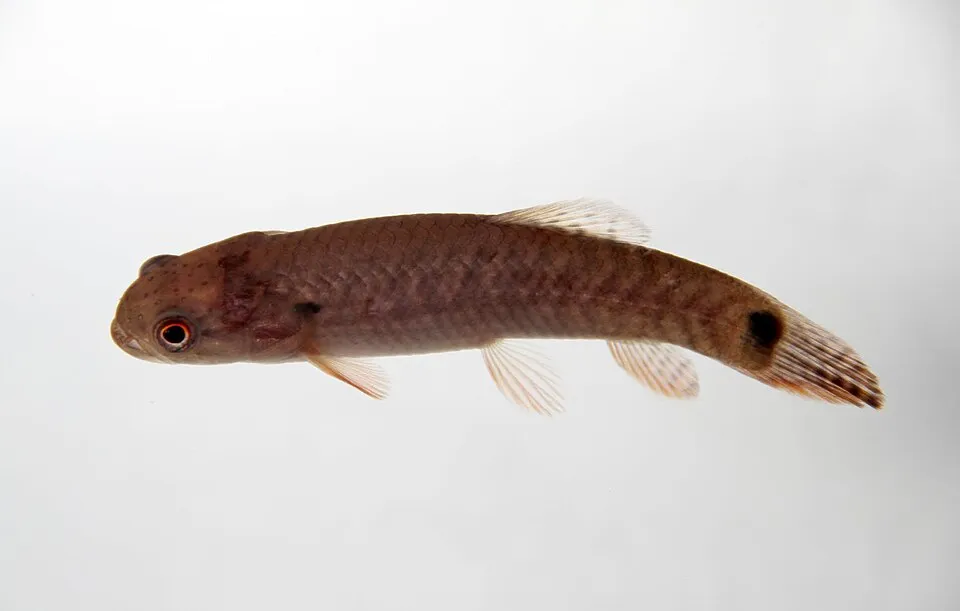 7.9 in (20 cm)40 gal (150 L)72–79°F (22–26°C)
Red wolf fish
Erythrinus erythrinus
7.9 in (20 cm) · 40 gal (150 L)
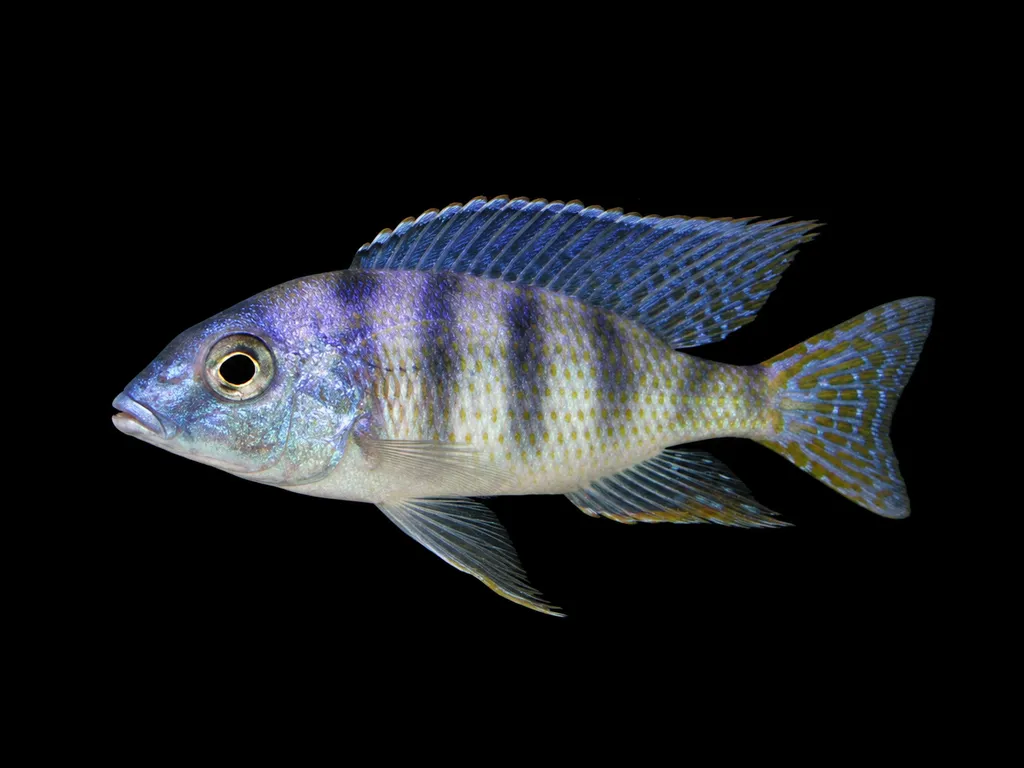 8.1 in (20.5 cm)119 gal (450 L)75–81°F (24–27°C)
Ericotaenia hap
Mylochromis ericotaenia
8.1 in (20.5 cm) · 119 gal (450 L)
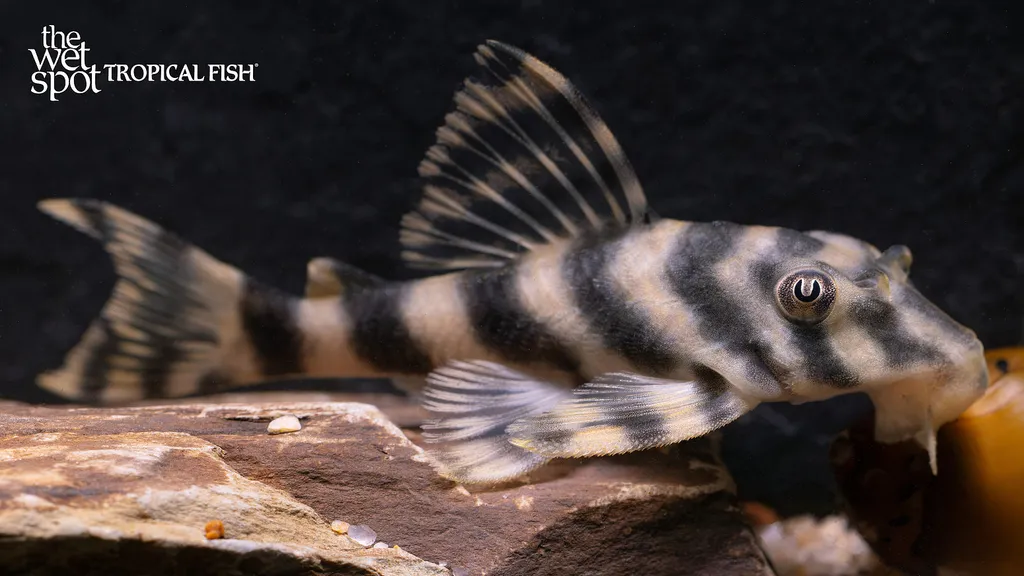 4.7 in (12 cm)30 gal (115 L)77–84°F (25–29°C)
Candy striped pleco (L015)
Peckoltia vittata
4.7 in (12 cm) · 30 gal (115 L)