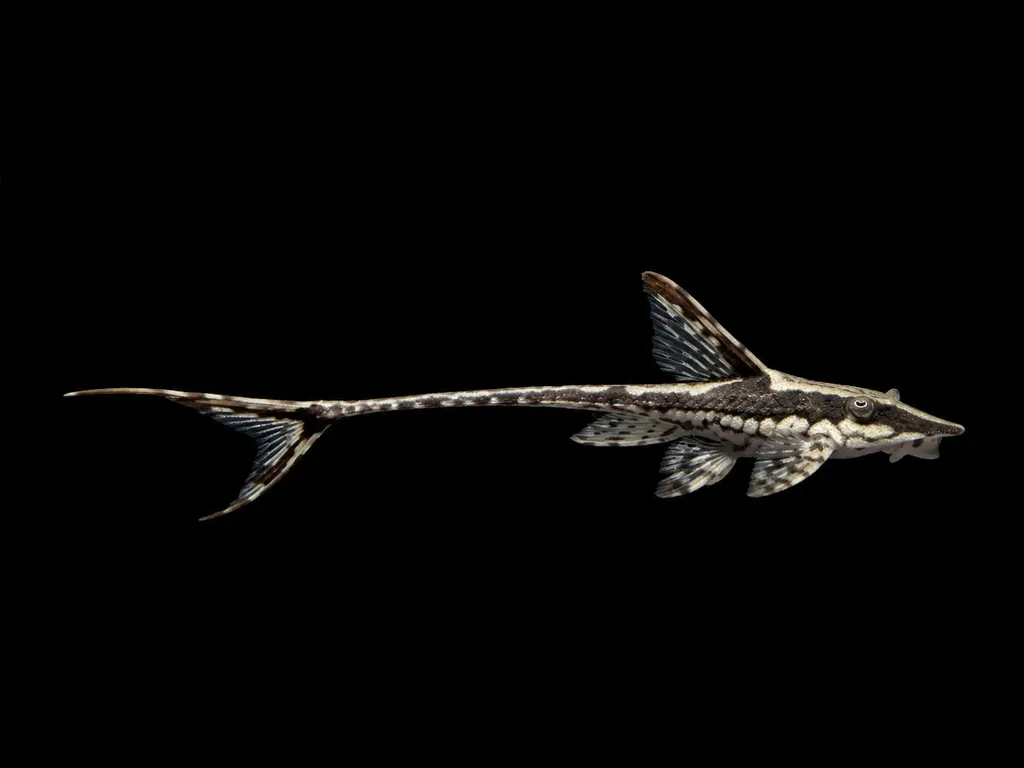
Big spot pleco
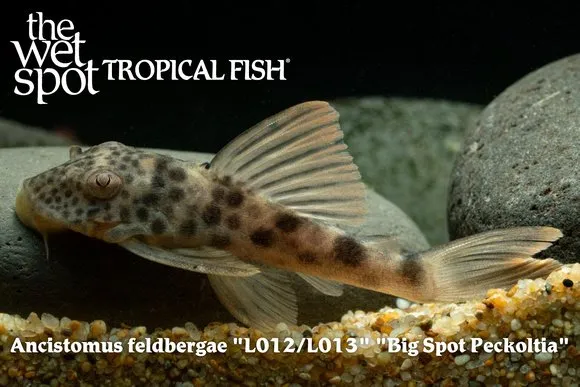
Ancistomus feldbergae
Also known as L012, L013, Feldberg's pleco
FreshwaterFish
Care at a glance
- Temperature
- 79–86°F
- 26–30°C
- pH
- 6.0–7.2
- Adult size
- 7.9 in
- 20 cm
- Minimum tank
- 66 gal
- 250 L
- Temperament
- Peaceful
- Social behavior
- Solitary
- Swim level
- Bottom
- Diet
- Omnivore
- Difficulty
- Medium
- Breeding
- Cave spawner · Medium
- Rarity
- Common
- Family
- Loricariidae
- Origin
- Tocantins basin, Brazil
Overview
The big spot pleco is a sturdy, spotted bottom dweller for a warm, rocky tank. It is a step up from the easiest fish.
Did you know
Juvenile big spot plecos wear polka dots the size of their eyes, and adulthood shrinks them.
Caring for the big spot pleco
Keep one big spot pleco in a tank of at least 66 gal (250 L), with heavy stonework and caves. It patrols rock seams and wood rather than sitting still.
Keep the water warm, at 79 to 86°F (26 to 30°C) and a pH of 6.0 to 7.2, with strong flow. The high temperature means oxygen has to be pushed, so circulation matters more than in a cooler tank.
It is an omnivore rather than a strict grazer. Feed sinking pellets, frozen bloodworm and prawn alongside vegetable foods.
It is peaceful with fish but will defend a chosen cave against other bottom dwellers. It is a cave spawner, and breeding it is moderately difficult.
Good to know
Ancistomus feldbergae is covered in bold pale spots over a dark ground. The genus Ancistomus was separated from Peckoltia to hold a group of larger, longer-snouted species. Older references and L-number lists often still place this fish under Peckoltia. It is also sold as L012 and L013, and as Feldberg's pleco.
In the wild
The big spot pleco lives in the Tocantins basin in Brazil, among rock in warm, fast, well-oxygenated water.
Weekly picks
Tank mates
The big spot pleco is a peaceful, solitary species that keeps to the bottom. These picks share a community profile with it, are safe together in both directions, and overlap on water type, temperature and pH.
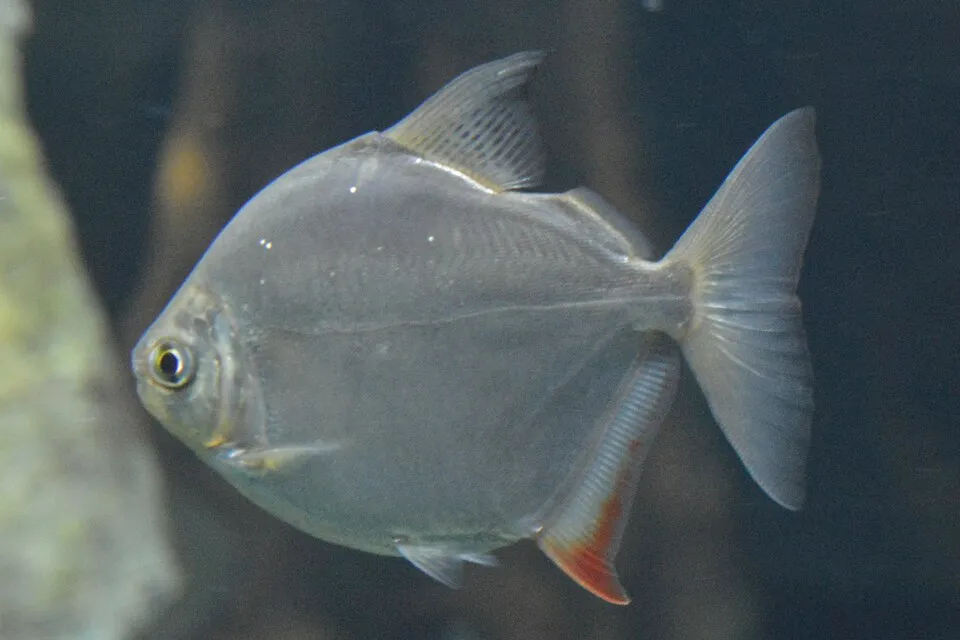
Plain metynnis
Metynnis hypsauchen
Freshwater5.5 in (14 cm) · 70 gal (265 L)75–82°F (24–28°C)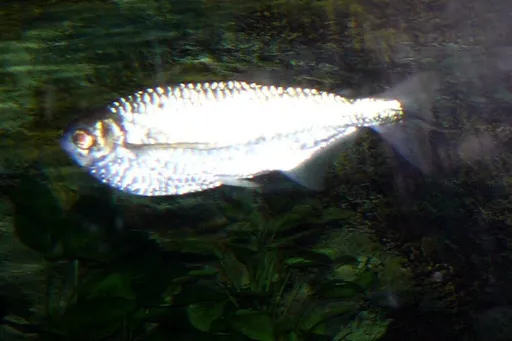
Narrow hatchetfish
Triportheus angulatus
Freshwater9.8 in (25 cm) · 79 gal (300 L)73–82°F (23–28°C)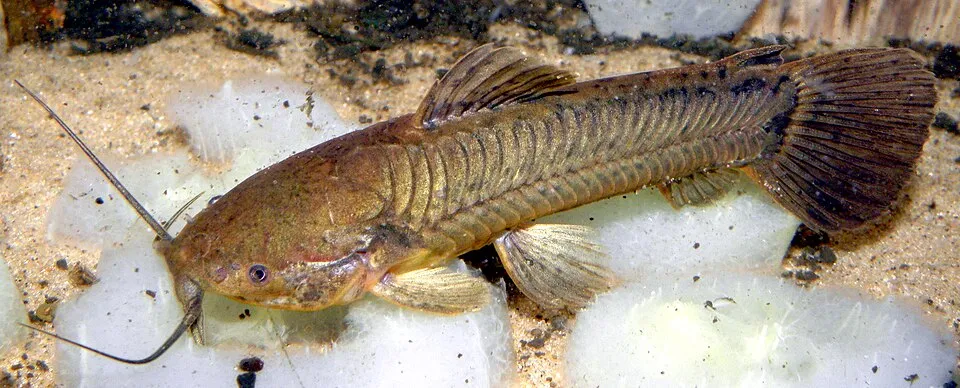
Cascarudo
Callichthys callichthys
Freshwater7.9 in (20 cm) · 63 gal (240 L)66–81°F (19–27°C)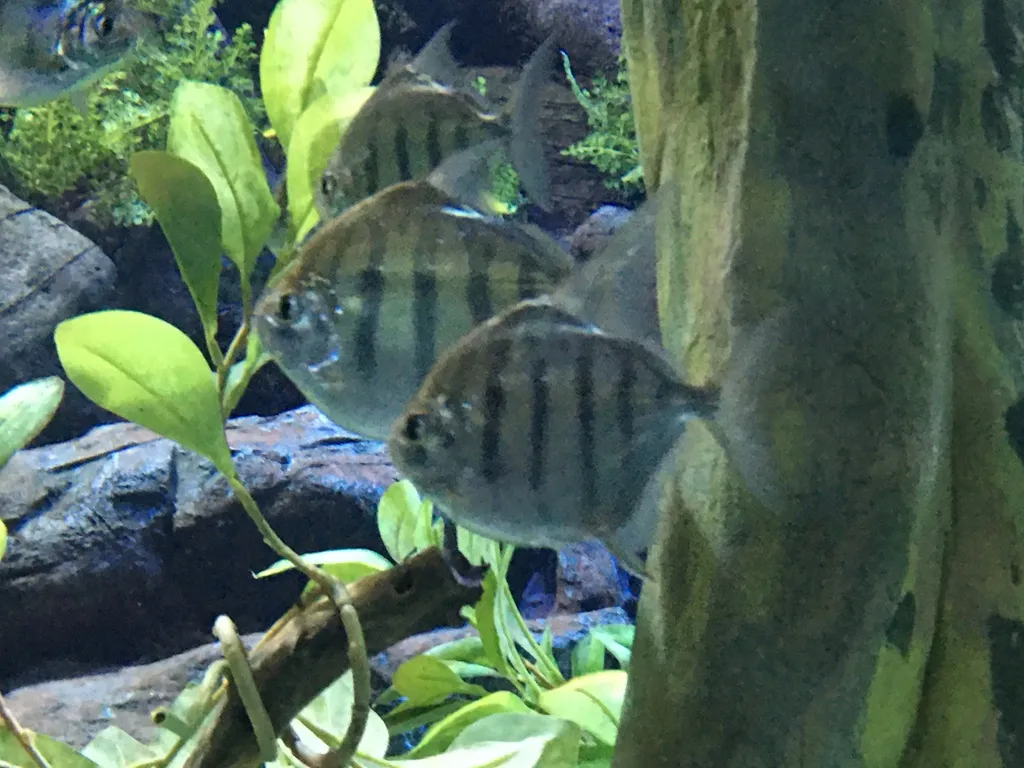
Banded silver dollar
Metynnis fasciatus
Freshwater3.9 in (10 cm) · 70 gal (265 L)75–82°F (24–28°C)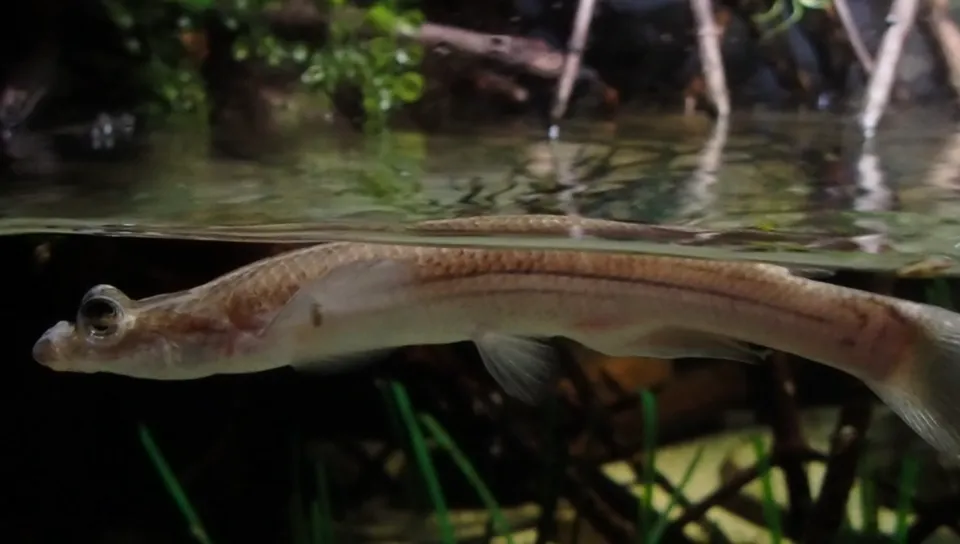
Largescale four-eyed fish
Anableps anableps
FreshwaterBrackish11.8 in (30 cm) · 70 gal (265 L)77–88°F (25–31°C)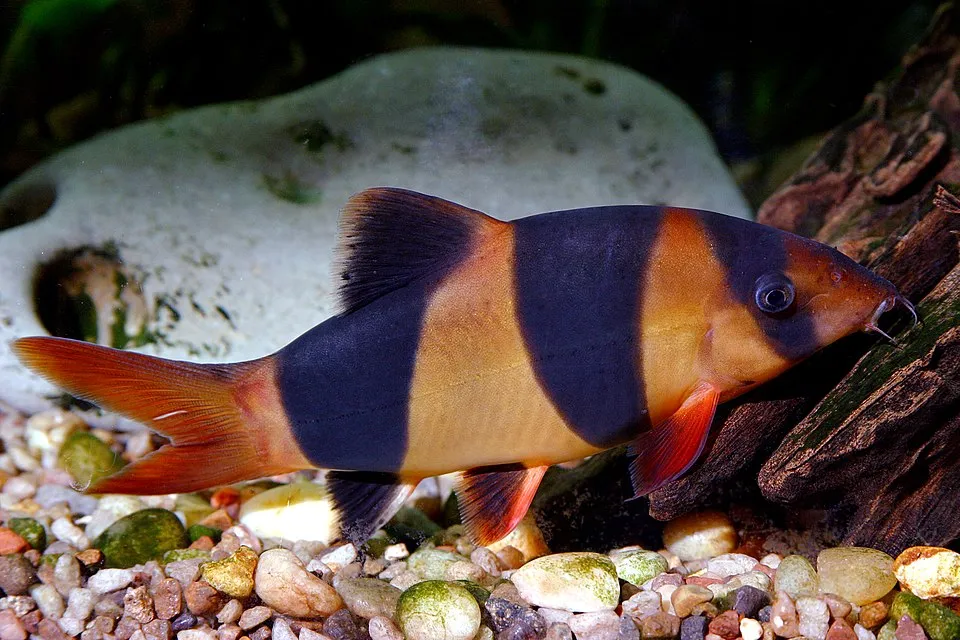
Clown loach
Chromobotia macracanthus
Freshwater11.8 in (30 cm) · 75 gal (285 L)75–86°F (24–30°C)
Common questions
What size tank does a big spot pleco need?
A big spot pleco needs at least 66 gal (250 L). It spends most of its time in the bottom.
What temperature and pH does a big spot pleco need?
A big spot pleco is comfortable at 79–86°F (26–30°C) with a pH of 6.0–7.2.
What does a big spot pleco eat?
A big spot pleco is an omnivore rather than a strict grazer. Feed it sinking pellets, frozen bloodworm and prawn alongside vegetable foods.
How big does a big spot pleco get?
An adult big spot pleco reaches about 7.9 in (20 cm).
How does a big spot pleco breed?
Big spot plecos spawn in caves, and breeding them is moderately difficult.
Related species
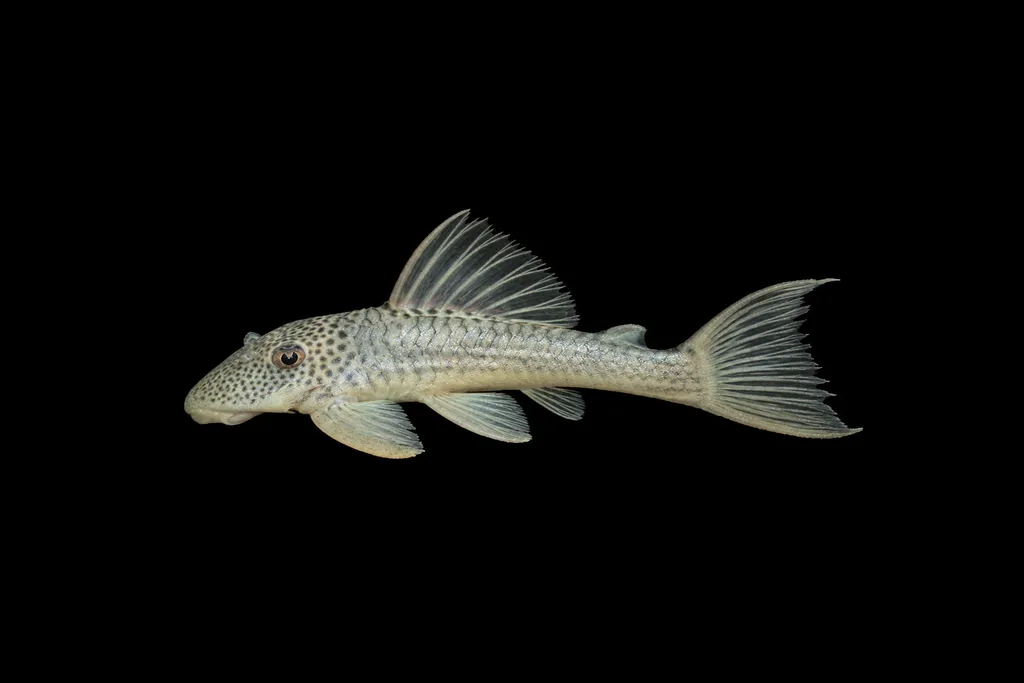 8.7 in (22 cm)66 gal (250 L)77–84°F (25–29°C)
Ghost pleco
Ancistomus snethlageae
8.7 in (22 cm) · 66 gal (250 L)
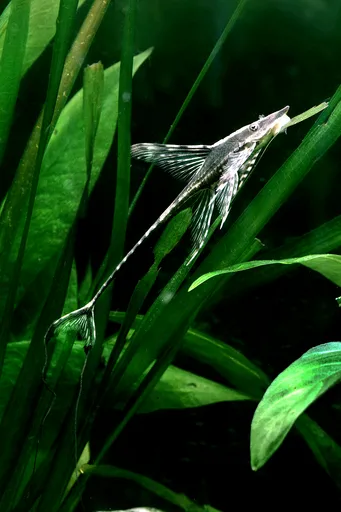 7.9 in (20 cm)53 gal (200 L)73–81°F (23–27°C)
Giant whiptail catfish
Sturisomatichthys aureus
7.9 in (20 cm) · 53 gal (200 L)
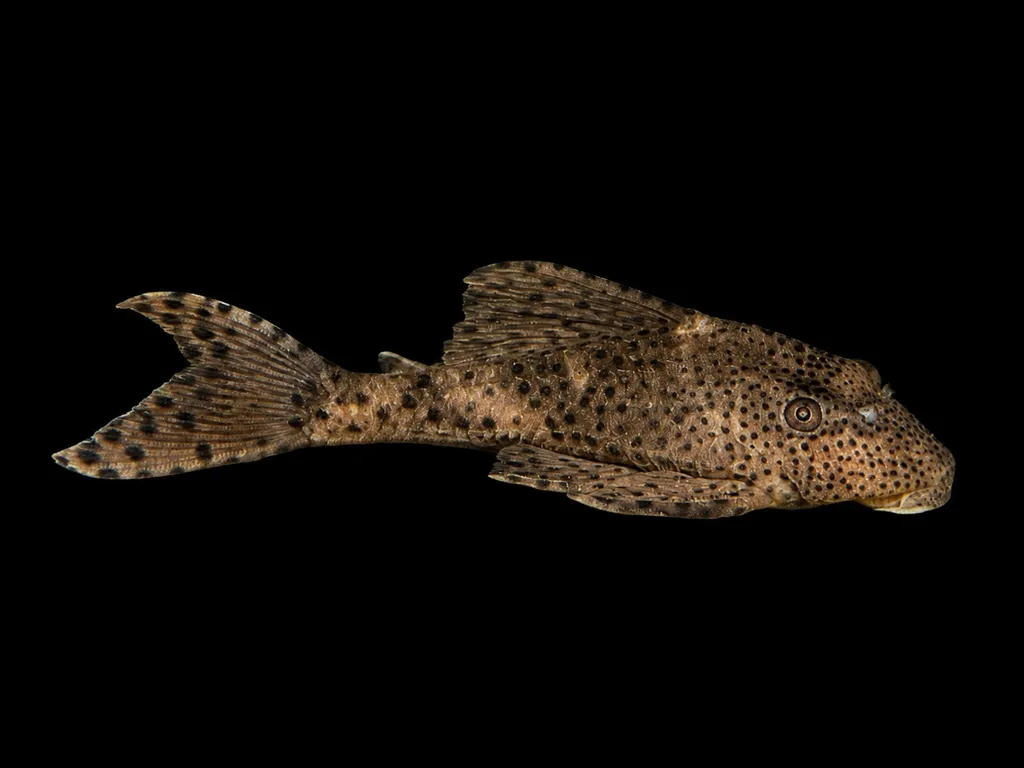 7.9 in (20 cm)79 gal (300 L)77–84°F (25–29°C)
Macushi pleco
Hypostomus macushi
7.9 in (20 cm) · 79 gal (300 L)
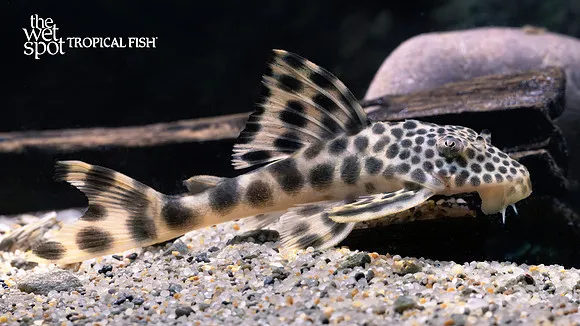 7.9 in (20 cm)66 gal (250 L)77–84°F (25–29°C)
Para pleco
Peckoltia sabaji
7.9 in (20 cm) · 66 gal (250 L)
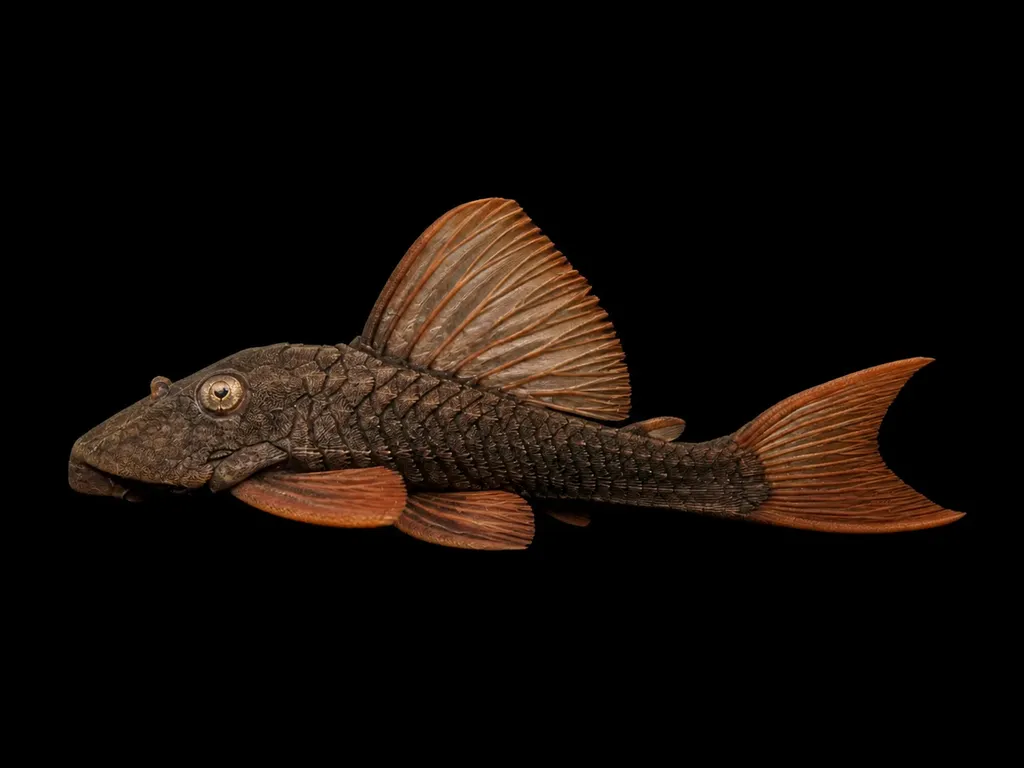 7.9 in (20 cm)79 gal (300 L)77–84°F (25–29°C)
Red bruno pleco
Hypostomus soniae
7.9 in (20 cm) · 79 gal (300 L)
 7.9 in (20 cm)40 gal (150 L)72–82°F (22–28°C)
Royal whiptail catfish
Sturisoma panamense
7.9 in (20 cm) · 40 gal (150 L)