Giant whiptail catfish
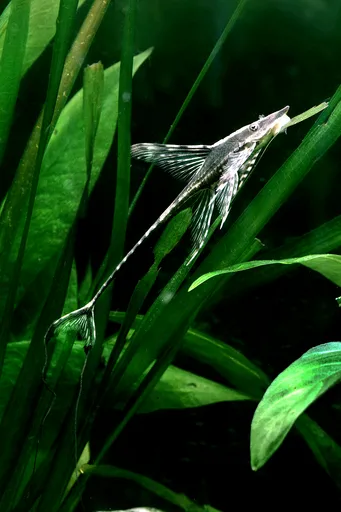
Sturisomatichthys aureus
Also known as Giant farlowella, Golden whiptail, Royal farlowella
FreshwaterFish
Care at a glance
- Temperature
- 73–81°F
- 23–27°C
- pH
- 6.0–7.5
- Adult size
- 7.9 in
- 20 cm
- Minimum tank
- 53 gal
- 200 L
- Temperament
- Peaceful
- Social behavior
- Social
- Swim level
- Bottom
- Diet
- Herbivore
- Difficulty
- Medium
- Breeding
- Egg layer · Medium
- Rarity
- Common
- Family
- Loricariidae
- Origin
- Colombia (Magdalena, San Jorge, Cesar river basins)
Overview
The giant whiptail catfish is a long, peaceful grazer for the bottom of a calm community tank. It suits a keeper with a little experience.
Did you know
On a giant whiptail catfish, most of what looks like body is actually tail. The trailing filament can make up a good share of the fish's total length.
Caring for the giant whiptail catfish
Give giant whiptail catfish a tank of at least 53 gal (200 L) with a long footprint and plenty of open floor. A long tank matters more than a tall one. Lay down fine sand and add bogwood for them to graze on.
Keep the water clean, well oxygenated and on the cooler side, at 73 to 81°F (23 to 27°C) with a pH of 6.0 to 7.5. They do not tolerate warm water. Gentle flow suits them.
They are nocturnal grazers that come alive when the lights go out. Through the night they work the sand and wood for algae and biofilm. Feed a vegetable-based diet of algae wafers and blanched vegetables, along with the biofilm on the bogwood.
Keep them in a small group, though a single fish does fine too. They are peaceful and social, so pair them with other calm, similarly peaceful tank mates. Breeding is doable but takes some work, and the male guards the eggs until they hatch.
Good to know
This whiptail catfish belongs to the family Loricariidae and is also sold as the giant farlowella, golden whiptail or royal farlowella. It grows slowly and lives a long time in stable, well-oxygenated water.
In the wild
Giant whiptail catfish come from the Magdalena, San Jorge and Cesar river basins of Colombia. There they graze along the bottom over sand and submerged wood.
Weekly picks
Tank mates
The giant whiptail catfish is a peaceful, social species that keeps to the bottom. These picks share a community profile with it, are safe together in both directions, and overlap on water type, temperature and pH.
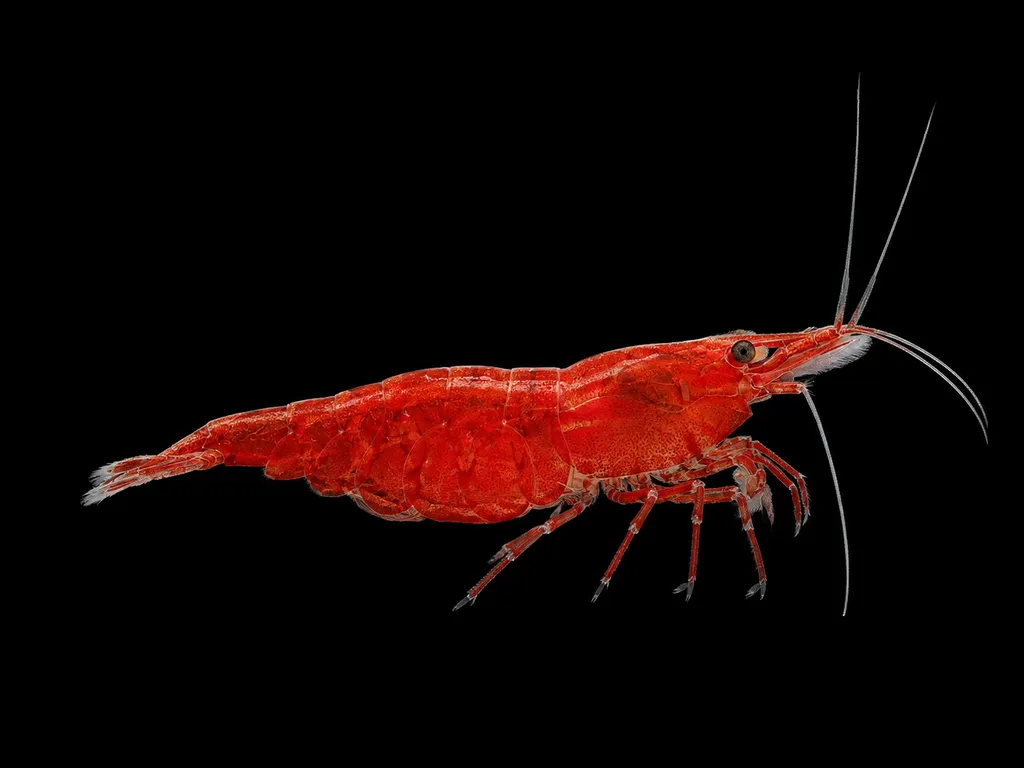
Neocaridina shrimp
Neocaridina davidi
Freshwater1.6 in (4 cm) · 5 gal (19 L)59–84°F (15–29°C)
Guppy
Poecilia reticulata
FreshwaterBrackish2.4 in (6 cm) · 10 gal (38 L)64–82°F (18–28°C)
Neon tetra
Paracheirodon innesi
Freshwater1.5 in (3.8 cm) · 11 gal (40 L)70–77°F (21–25°C)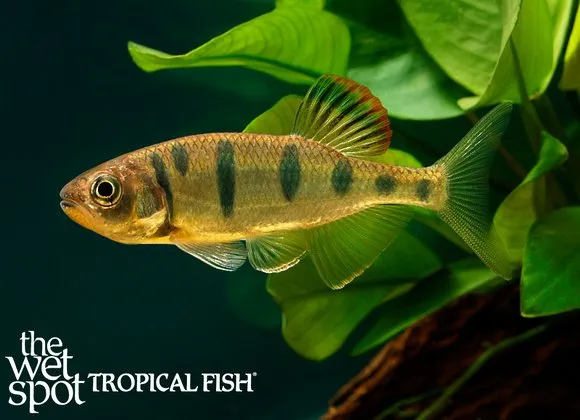
Jeweled baril
Opsarius pulchellus
Freshwater5.1 in (13 cm) · 53 gal (200 L)72–81°F (22–27°C)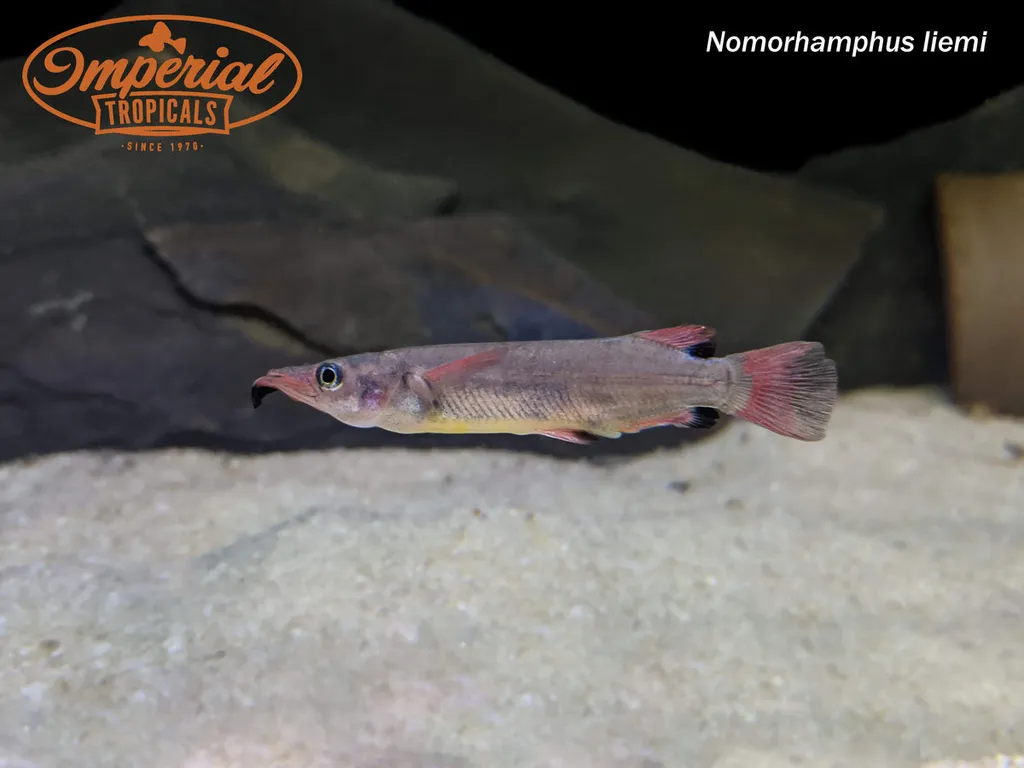
Celebes halfbeak
Nomorhamphus liemi
Freshwater3.5 in (9 cm) · 40 gal (150 L)68–77°F (20–25°C)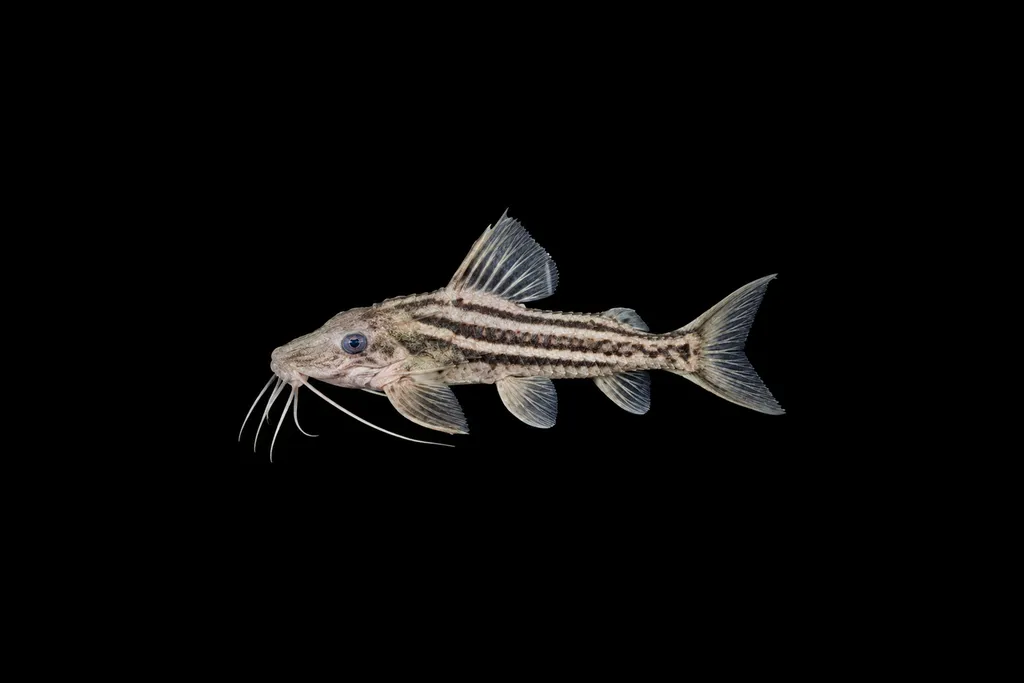
Hancock's talking catfish
Platydoras hancockii
Freshwater5.9 in (15 cm) · 53 gal (200 L)73–82°F (23–28°C)
Common questions
What size tank does a giant whiptail catfish need?
A giant whiptail catfish needs at least 53 gal (200 L). It spends most of its time in the bottom.
What temperature and pH does a giant whiptail catfish need?
A giant whiptail catfish is comfortable at 73–81°F (23–27°C) with a pH of 6.0–7.5.
What does a giant whiptail catfish eat?
A giant whiptail catfish grazes algae and biofilm, mostly through the night. Feed it a vegetable-based diet of algae wafers and blanched vegetables, plus the biofilm on bogwood.
How big does a giant whiptail catfish get?
An adult giant whiptail catfish reaches about 7.9 in (20 cm).
How does a giant whiptail catfish breed?
A giant whiptail catfish lays eggs, and the male guards them until they hatch. Breeding it is doable but takes some work.
Related species
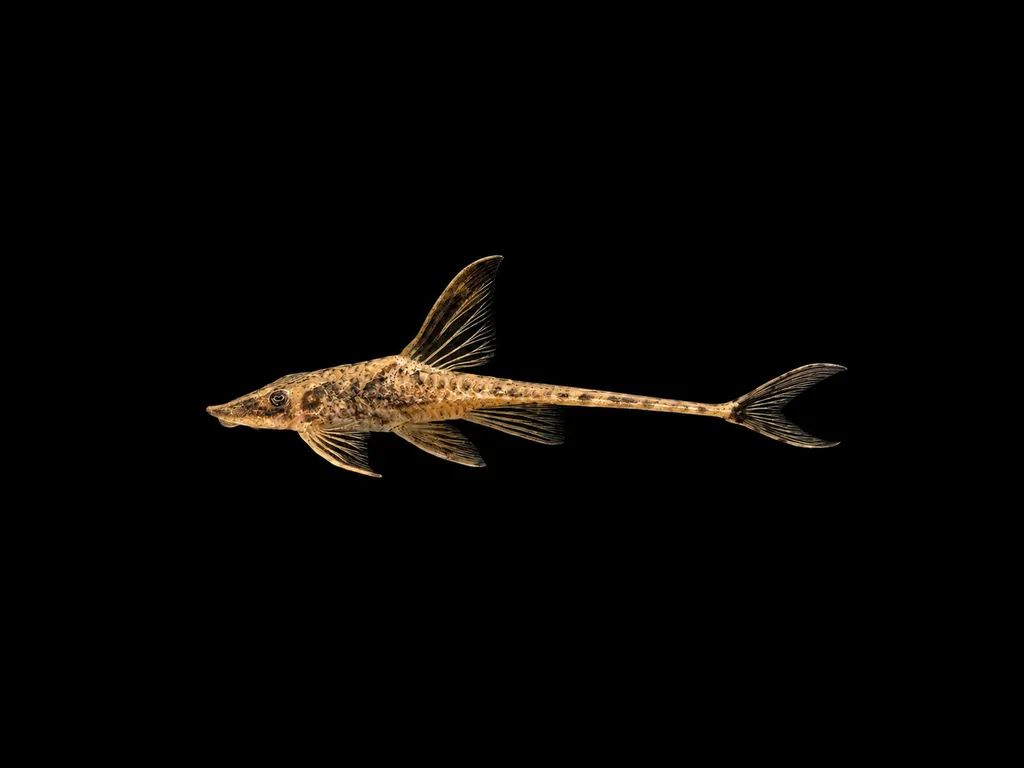 8.7 in (22 cm)53 gal (200 L)75–82°F (24–28°C)
Tamana royal farlowella
Sturisomatichthys tamanae
8.7 in (22 cm) · 53 gal (200 L)
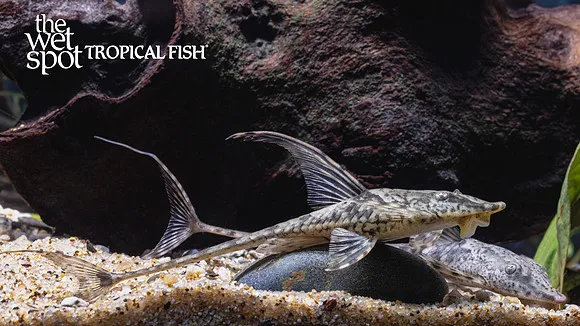 5.9 in (15 cm)42 gal (160 L)75–82°F (24–28°C)
Dwarf royal twig catfish
Sturisomatichthys leightoni
5.9 in (15 cm) · 42 gal (160 L)
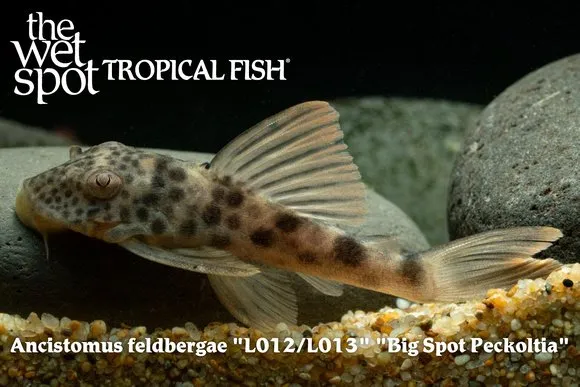 7.9 in (20 cm)66 gal (250 L)79–86°F (26–30°C)
Big spot pleco
Ancistomus feldbergae
7.9 in (20 cm) · 66 gal (250 L)
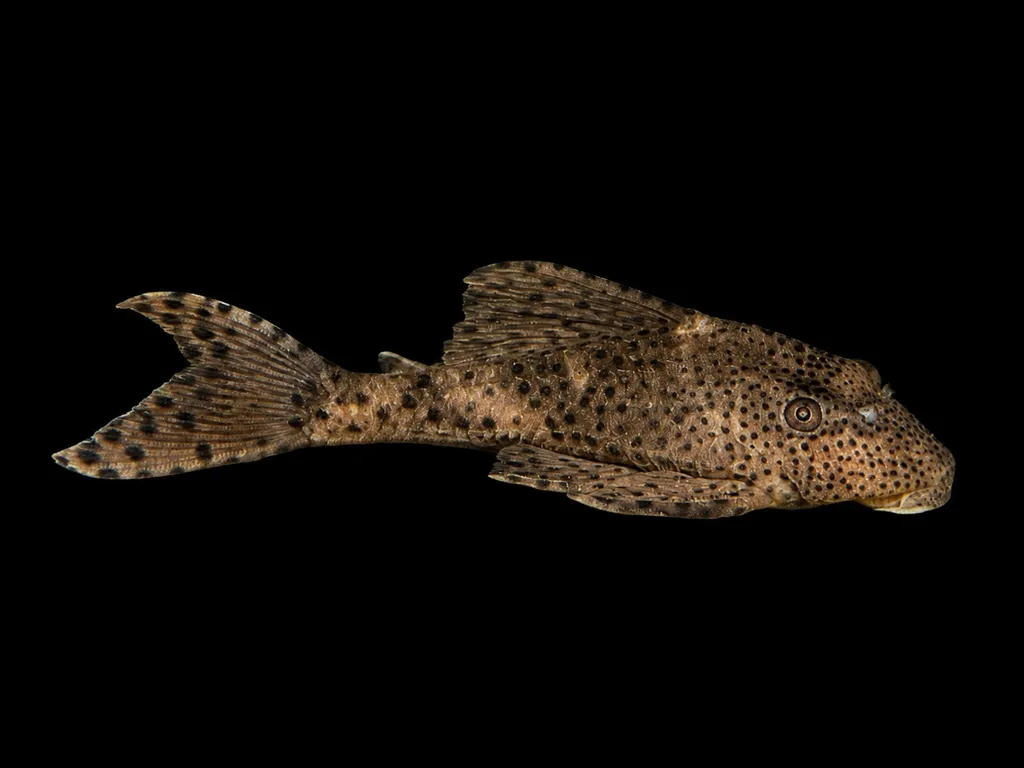 7.9 in (20 cm)79 gal (300 L)77–84°F (25–29°C)
Macushi pleco
Hypostomus macushi
7.9 in (20 cm) · 79 gal (300 L)
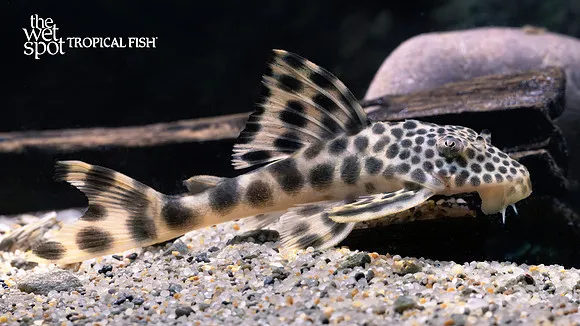 7.9 in (20 cm)66 gal (250 L)77–84°F (25–29°C)
Para pleco
Peckoltia sabaji
7.9 in (20 cm) · 66 gal (250 L)
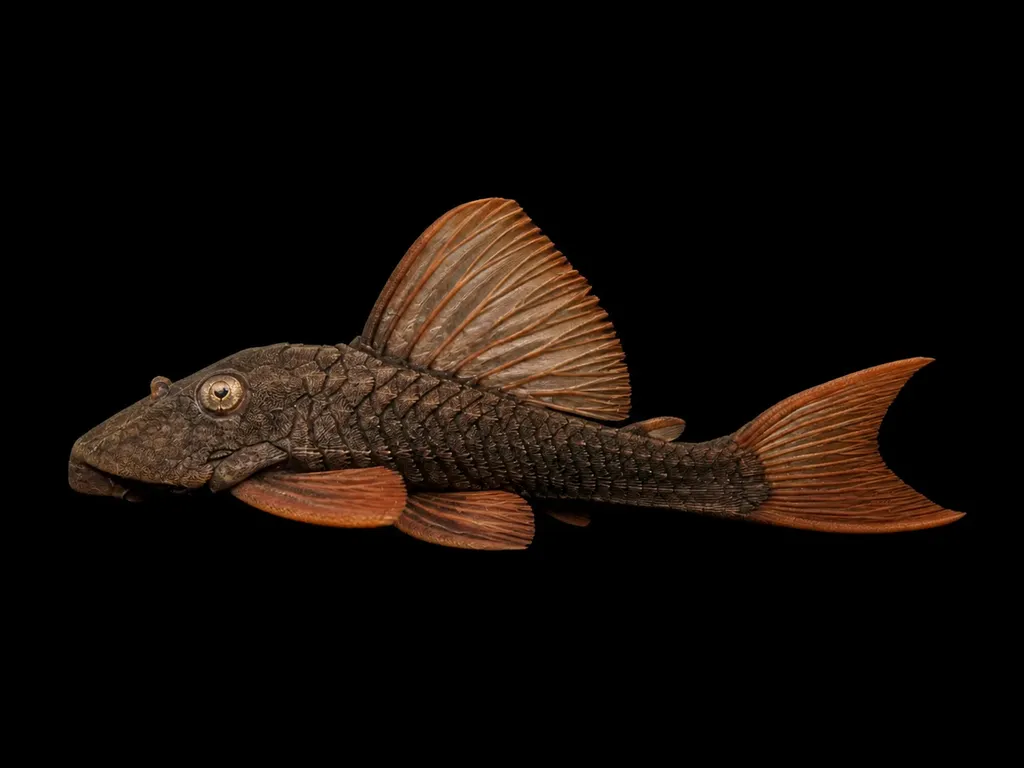 7.9 in (20 cm)79 gal (300 L)77–84°F (25–29°C)
Red bruno pleco
Hypostomus soniae
7.9 in (20 cm) · 79 gal (300 L)