Smallscale hemiodus
Hemiodus microlepis
Also known as Silver hemiodus microlepis
FreshwaterFish
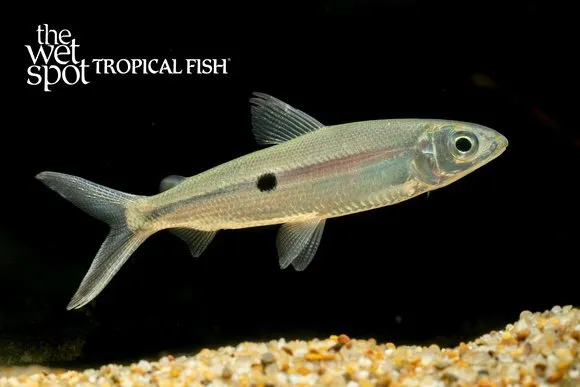
Care at a glance
- Temperature
- 75–84°F
- 24–29°C
- pH
- 5.5–7.0
- Adult size
- 11 in
- 28 cm
- Minimum tank
- 159 gal
- 600 L
- Temperament
- Peaceful
- Social behavior
- Schooling
- Swim level
- Middle
- Difficulty
- Difficult
- Breeding
- No record
- Rarity
- Rare
- Family
- Hemiodontidae
- Origin
- Amazon and Orinoco basins
Overview
The smallscale hemiodus is a big, restless schooling characin for the open middle of a very large tank. It is a fish for experienced keepers.
Did you know
The smallscale hemiodus and its relatives keep teeth only in the upper jaw, with none in the lower. They scrape and graze using just the top half of the mouth. That odd setup named the whole family, since Hemiodus means halftooth.
Caring for the smallscale hemiodus
The smallscale hemiodus patrols the open middle water at speed, so it needs a long tank with plenty of clear swimming room. A group needs a large tank of about 159 gal (600 L) or more. It uses the whole length of the tank, so leave the swimming lanes open rather than filling them with hardscape. Give it a sandy bottom, high oxygen and a gentle to brisk current.
Hold the water soft and warm, at 75 to 84°F (24 to 29°C), with a pH of 5.5 to 7.0. It grazes and micro-feeds by day. Offer sinking foods, frozen items and some vegetable matter.
It only settles in a crowd, so keep at least six together. On its own it stays skittish and dashes about. Share the tank with other calm, good-sized fish rather than tiny tank mates. Breeding is not recorded in aquaria.
Good to know
Hemiodus microlepis belongs to Hemiodontidae, the halftooths. Its species name means small-scaled, for the fine scaling that gives it a smooth silver sheen.
In the wild
The smallscale hemiodus ranges through open water in the Amazon and Orinoco basins. It moves in shoals along sandy river reaches.
Weekly picks
Tank mates
The smallscale hemiodus is a peaceful, schooling species that keeps to the middle. These picks share a community profile with it, are safe together in both directions, and overlap on water type, temperature and pH.
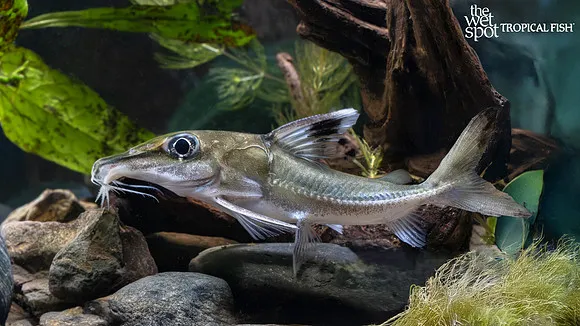
Black-top mouse catfish
Hassar orestis
Freshwater11.8 in (30 cm) · 106 gal (400 L)73–82°F (23–28°C)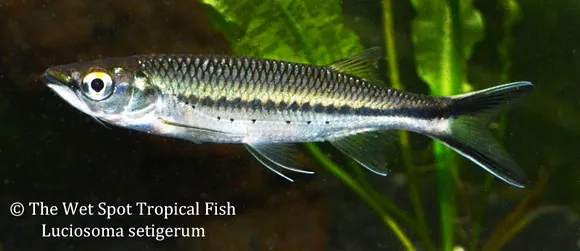
Apollo shark minnow
Luciosoma setigerum
Freshwater11.8 in (30 cm) · 106 gal (400 L)72–81°F (22–27°C)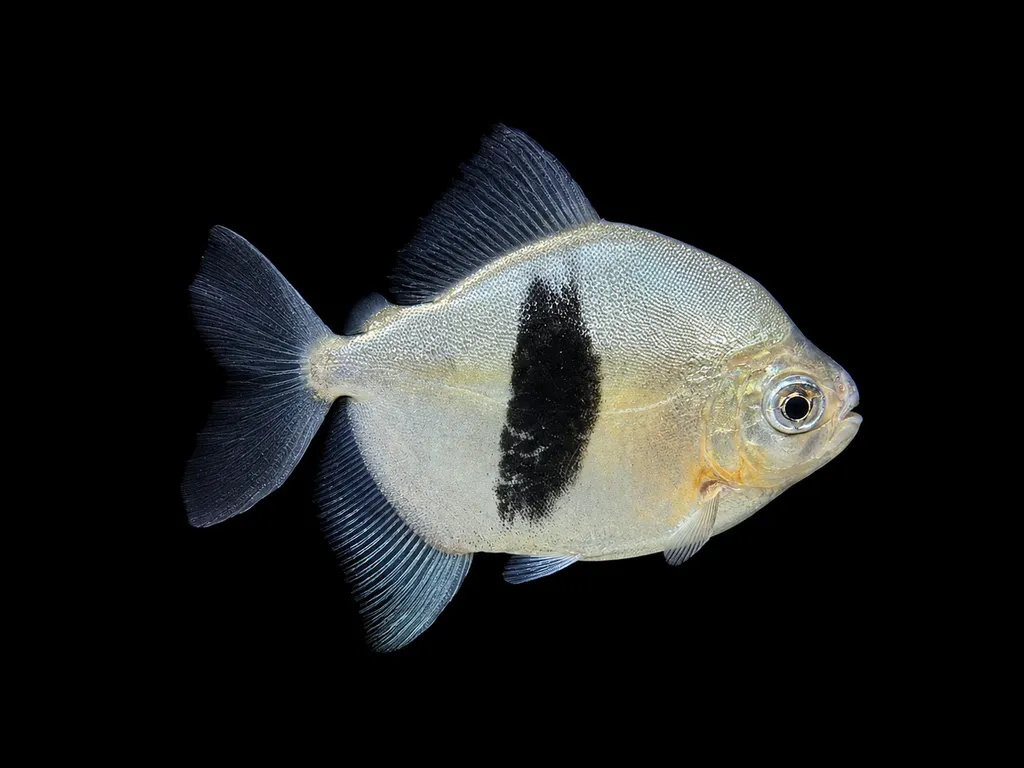
Blue hook silver dollar
Myloplus aylan
Freshwater13.8 in (35 cm) · 170 gal (645 L)75–82°F (24–28°C)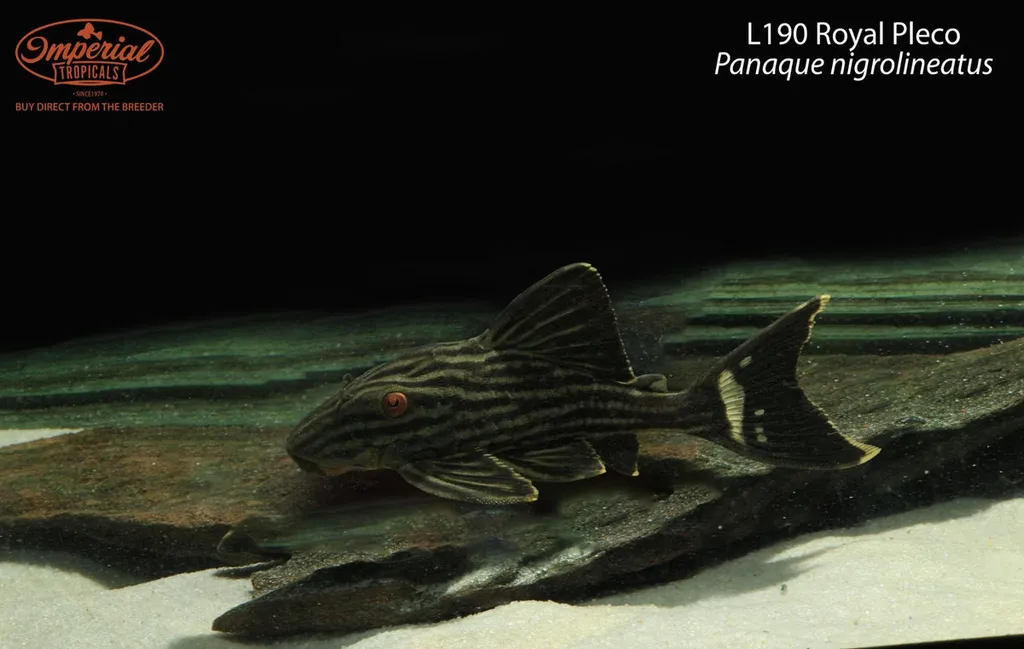
Royal pleco
Panaque nigrolineatus
Freshwater16.9 in (43 cm) · 125 gal (473 L)72–82°F (22–28°C)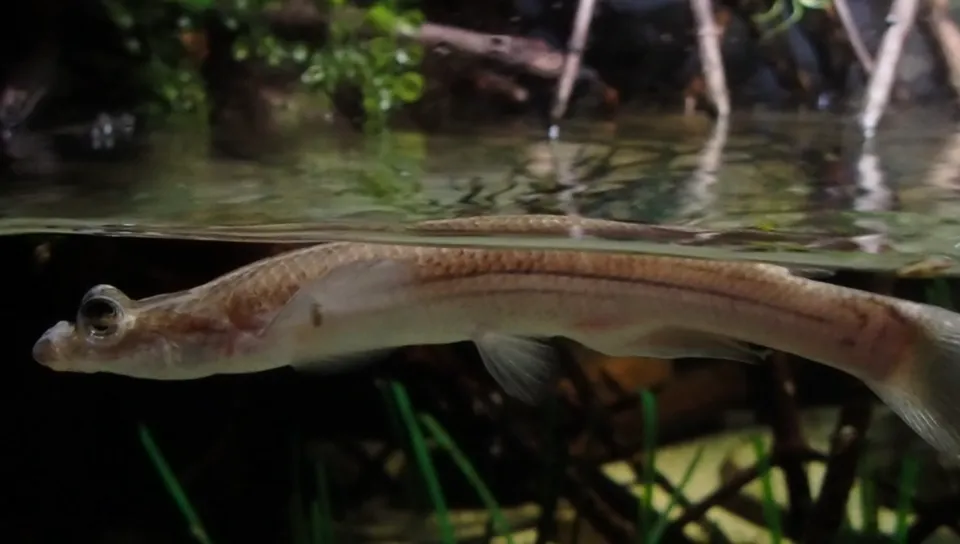
Largescale four-eyed fish
Anableps anableps
FreshwaterBrackish11.8 in (30 cm) · 70 gal (265 L)77–88°F (25–31°C)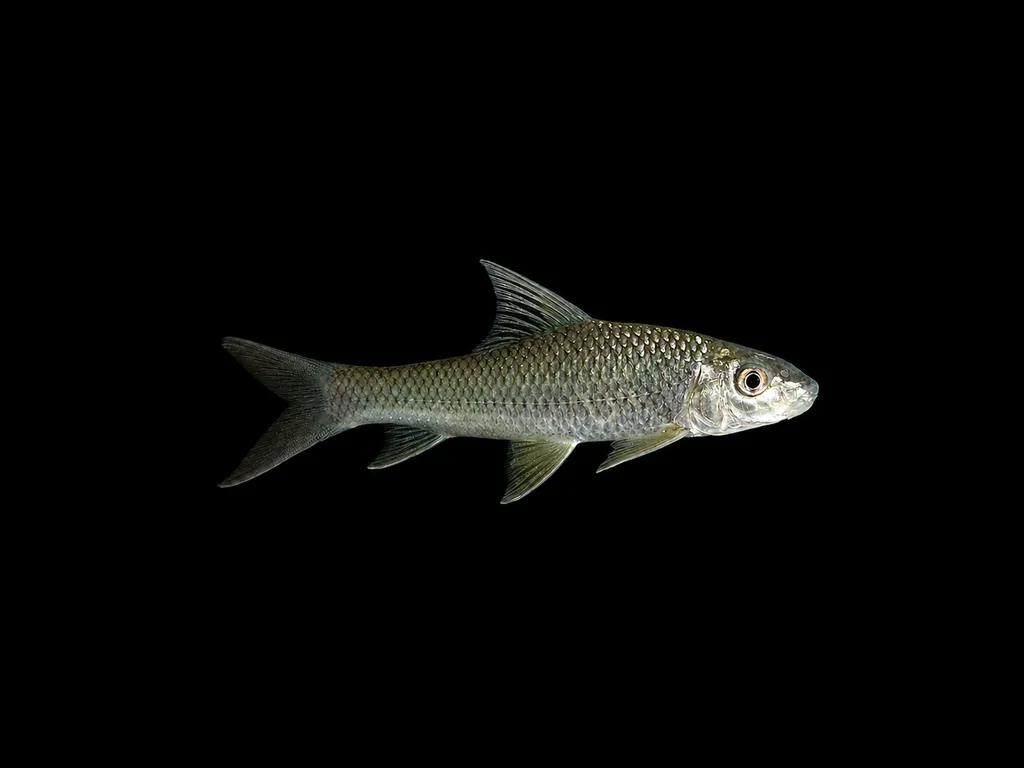
Sucker barb
Barbichthys laevis
Freshwater12.2 in (31 cm) · 159 gal (600 L)72–82°F (22–28°C)
Common questions
What size tank does a smallscale hemiodus need?
A smallscale hemiodus needs at least 159 gal (600 L). It spends most of its time in the middle.
What temperature and pH does a smallscale hemiodus need?
A smallscale hemiodus is comfortable at 75–84°F (24–29°C) with a pH of 5.5–7.0.
What does a smallscale hemiodus eat?
A smallscale hemiodus grazes and micro-feeds by day. Offer it sinking foods, frozen items and some vegetable matter.
How big does a smallscale hemiodus get?
An adult smallscale hemiodus reaches about 11 in (28 cm).
Does a smallscale hemiodus need a group?
Yes. A smallscale hemiodus is a schooling species and should be kept in a group, not singly.
How does a smallscale hemiodus breed?
Smallscale hemiodus breeding is not recorded in aquaria.
Related species
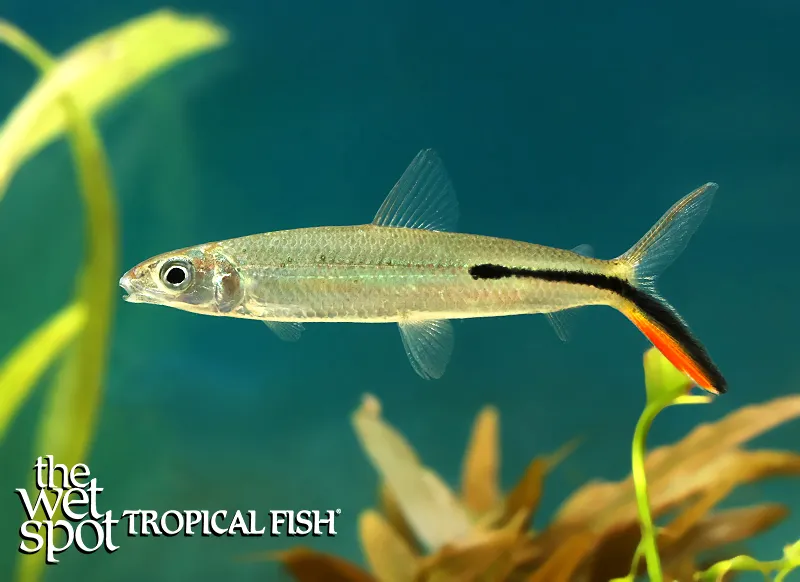 7.1 in (18 cm)66 gal (250 L)73–82°F (23–28°C)
Slender hemiodus
Hemiodus gracilis
7.1 in (18 cm) · 66 gal (250 L)
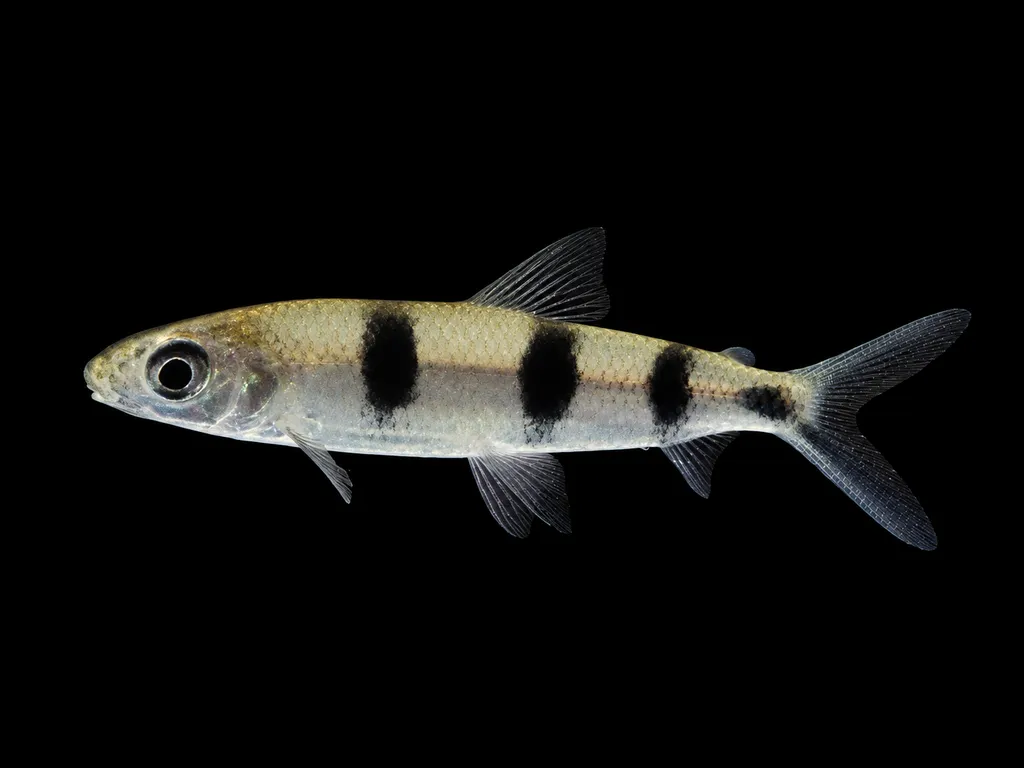 6.3 in (16 cm)106 gal (400 L)75–82°F (24–28°C)
Fourspot hemiodus
Hemiodus quadrimaculatus
6.3 in (16 cm) · 106 gal (400 L)
- 11.8 in (30 cm)159 gal (600 L)75–84°F (24–29°C)
False hemiodus
Argonectes longiceps
11.8 in (30 cm) · 159 gal (600 L)
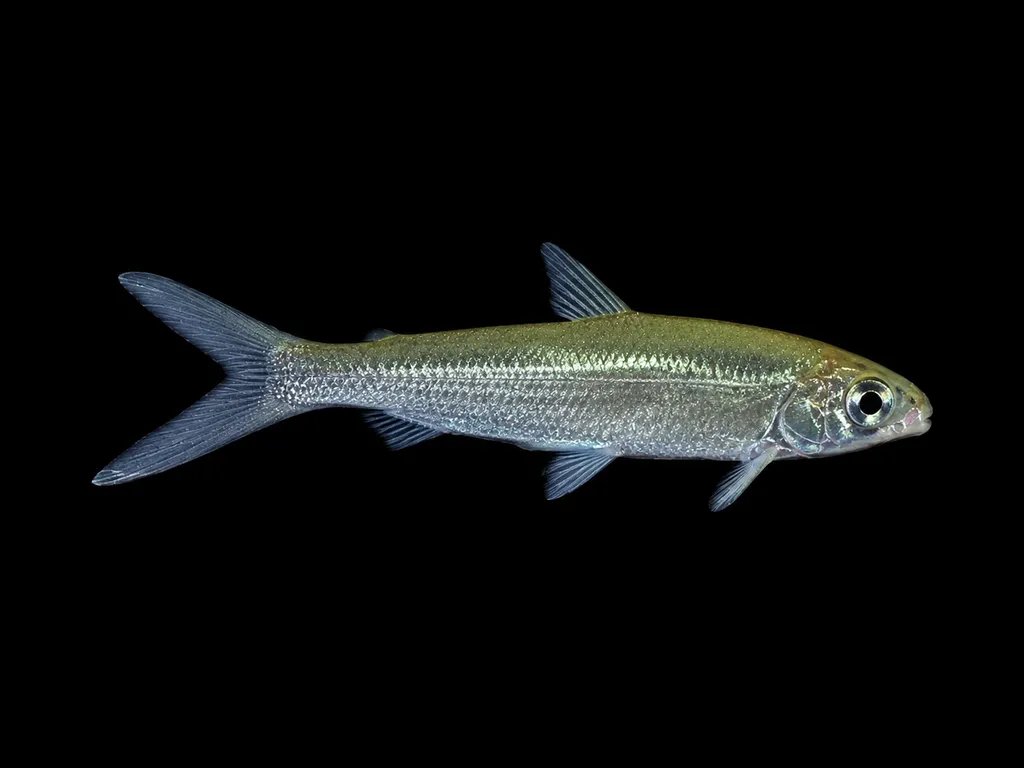 7.5 in (19 cm)106 gal (400 L)75–84°F (24–29°C)
Fowler's hemiodus
Bivibranchia fowleri
7.5 in (19 cm) · 106 gal (400 L)
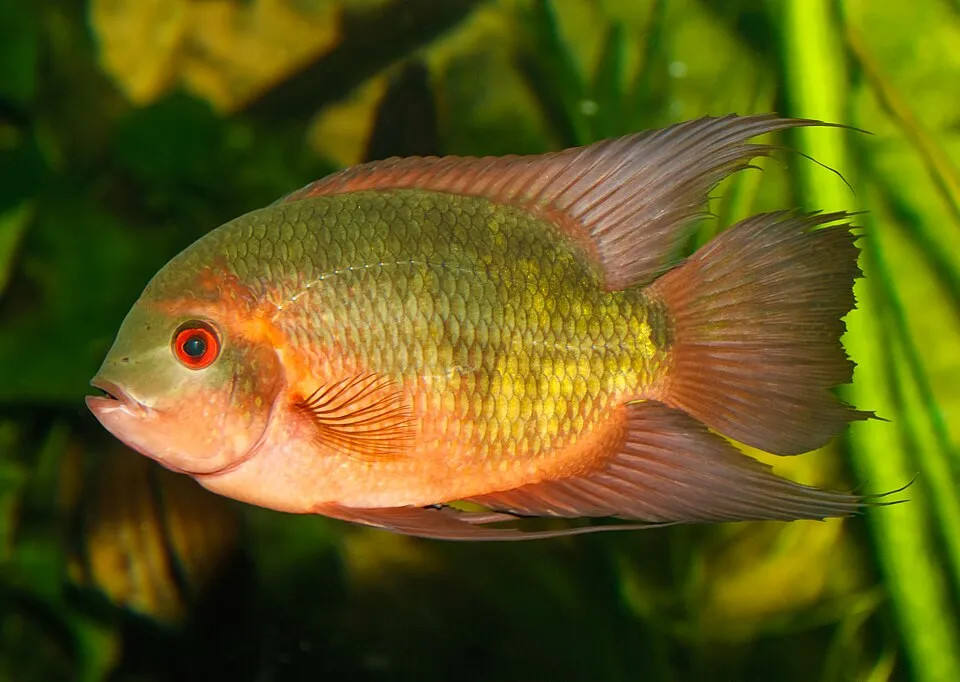 11.8 in (30 cm)65 gal (245 L)77–86°F (25–30°C)
Chocolate cichlid
Hypselecara temporalis
11.8 in (30 cm) · 65 gal (245 L)
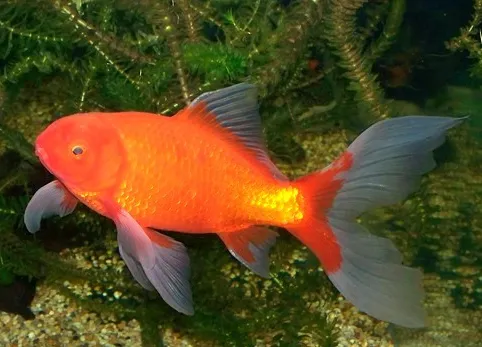 11.8 in (30 cm)50 gal (190 L)39–75°F (4–24°C)
Comet
Carassius auratus
11.8 in (30 cm) · 50 gal (190 L)