False hemiodus
Argonectes longiceps
FreshwaterFish
Care at a glance
- Temperature
- 75–84°F
- 24–29°C
- pH
- 5.5–7.0
- Adult size
- 11.8 in
- 30 cm
- Minimum tank
- 159 gal
- 600 L
- Temperament
- Peaceful
- Social behavior
- Schooling
- Swim level
- Middle
- Difficulty
- Difficult
- Breeding
- No record
- Rarity
- Rare
- Family
- Hemiodontidae
- Origin
- Orinoco and Amazon basins
Overview
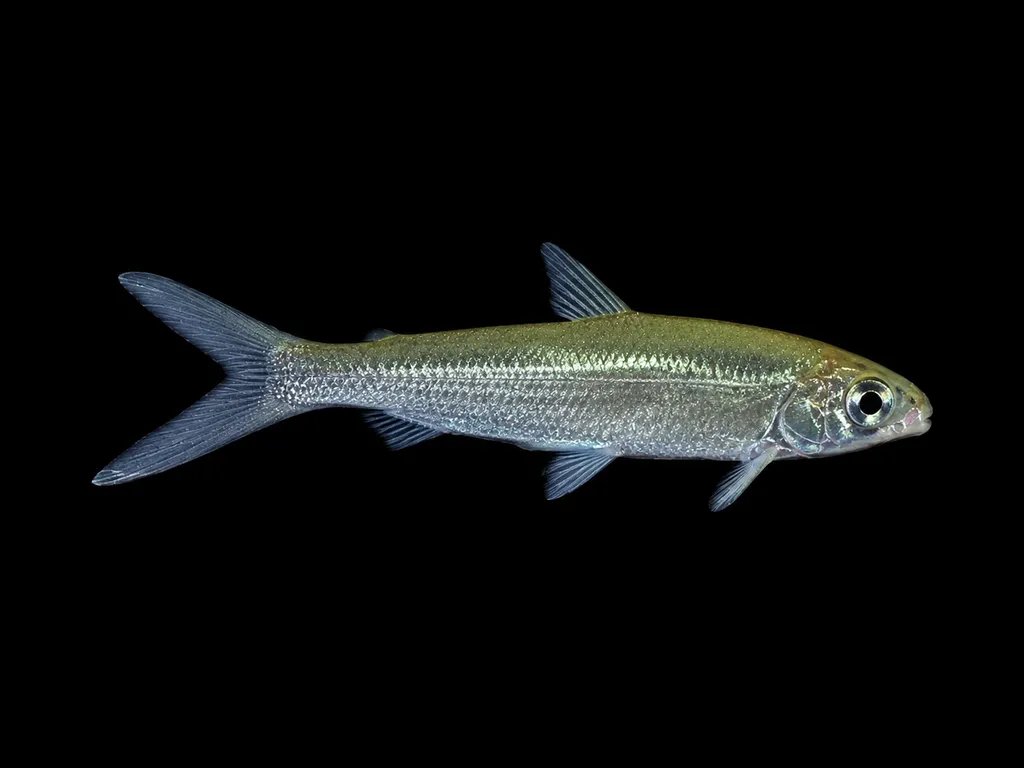
The false hemiodus is a large, nervous, fast-swimming schooler that needs both numbers and room. Keep it in a group of six or more, because lone fish and small groups panic and crash into the glass. It cruises the open middle water, so it wants a long tank with clear swimming lanes and steady flow, kept alongside other large but peaceful fish such as silver dollars or big characins rather than anything small enough to be treated as food. Feed sinking and frozen foods with some vegetable matter. A settled group needs a big tank of around 600 liters or more.
In the wild
The false hemiodus swims in large, often blackwater channels of the Orinoco and Amazon basins, the Negro among them, favoring swift, open, sandy stretches. In a tank it needs length above all, with strong water movement, high oxygen, and a sandy floor. Keep the water soft and warm, from about 24 to 29 C, with a pH between 5.5 and 7.0. Bright open water and current matter far more than decor.
Good to know
Argonectes longiceps is a hemiodontid that reaches about 30 centimeters, a slender silver fish built for open-river cruising. Its name means long head, describing the drawn-out snout. Unlike its close relatives in the genus Hemiodus, which rest and swim in a head-up, oblique posture, Argonectes holds a level, horizontal position. Aquarium breeding is unrecorded.
Did you know
Many hemiodus relatives hang in the water at a distinct head-up tilt, but this one breaks the family habit and swims dead level, which is one of the quickest ways to tell it apart from its cousins.
Weekly picks
Tank mates
False hemiodus is a peaceful, schooling species that keeps to the middle. These picks share a community profile with it, are safe together in both directions, and overlap on water type, temperature and pH.
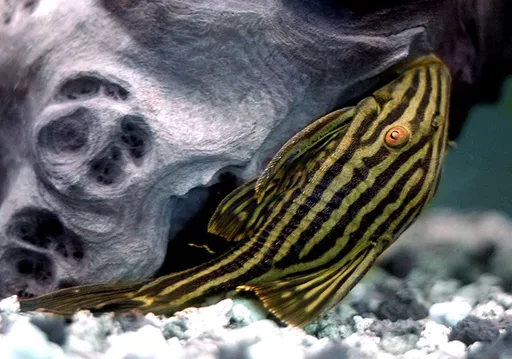
Royal pleco
Panaque nigrolineatus
Freshwater16.9 in (43 cm) · 125 gal (473 L)72–82°F (22–28°C)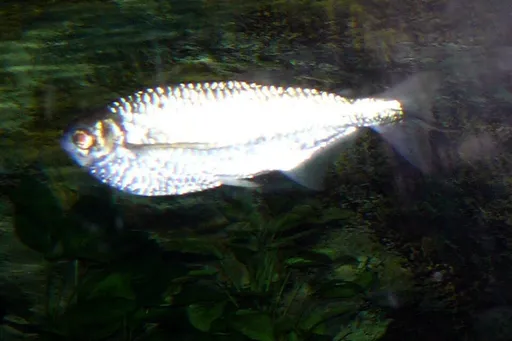
Narrow hatchetfish
Triportheus angulatus
Freshwater9.8 in (25 cm) · 79 gal (300 L)73–82°F (23–28°C)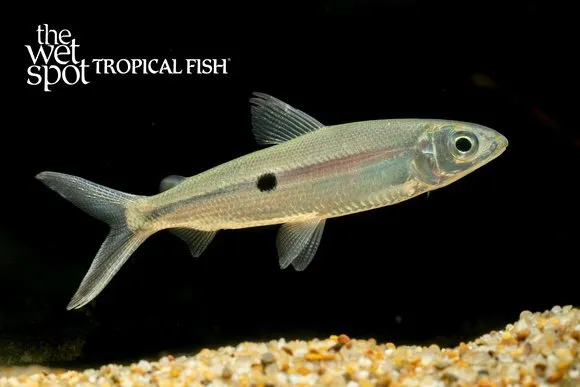
Smallscale hemiodus
Hemiodus microlepis
Freshwater11 in (28 cm) · 159 gal (600 L)75–84°F (24–29°C)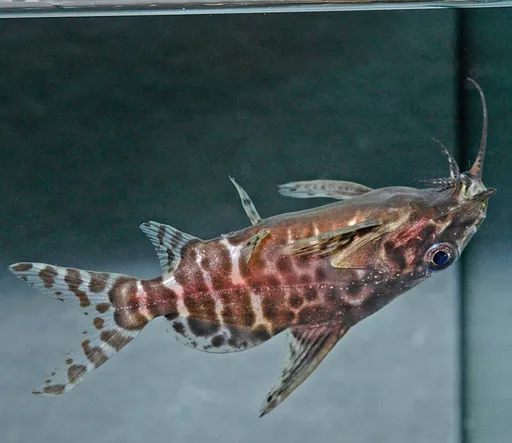
Giant upside-down catfish
Synodontis batensoda
Freshwater11.8 in (30 cm) · 79 gal (300 L)72–81°F (22–27°C)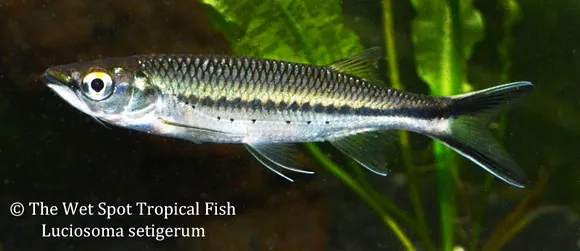
Apollo shark minnow
Luciosoma setigerum
Freshwater11.8 in (30 cm) · 106 gal (400 L)72–81°F (22–27°C)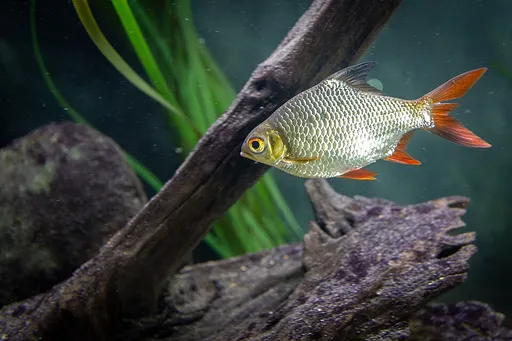
Tinfoil barb
Barbonymus schwanenfeldii
Freshwater13.8 in (35 cm) · 180 gal (680 L)72–82°F (22–28°C)
Common questions
What size tank does a False hemiodus need?
A False hemiodus needs at least 159 gal (600 L). It spends most of its time in the middle.
What temperature and pH does a False hemiodus need?
A False hemiodus is comfortable at 75–84°F (24–29°C) with a pH of 5.5–7.0.
How big does a False hemiodus get?
An adult False hemiodus reaches about 11.8 in (30 cm).
Does a False hemiodus need a group?
Yes. A False hemiodus is a schooling species and should be kept in a group, not singly.
Related species
- 11 in (28 cm)159 gal (600 L)75–84°F (24–29°C)
Smallscale hemiodus
Hemiodus microlepis
11 in (28 cm) · 159 gal (600 L)
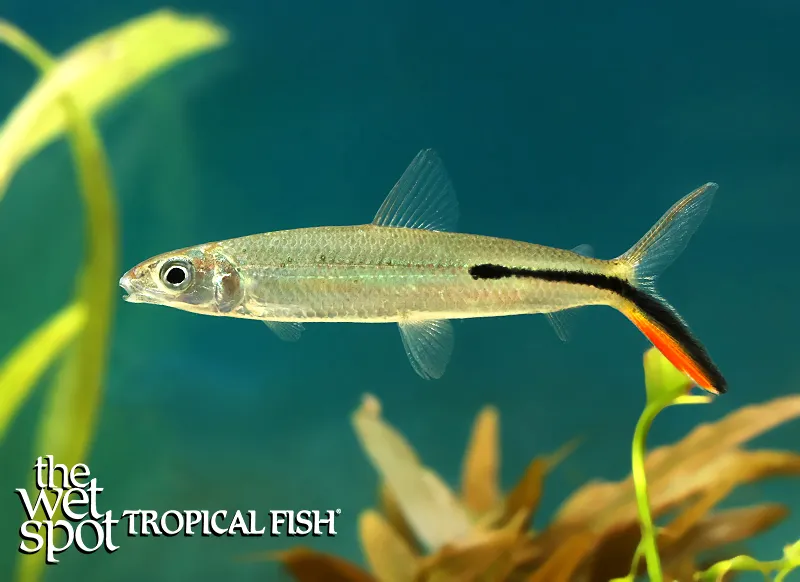 7.1 in (18 cm)66 gal (250 L)73–82°F (23–28°C)
Slender hemiodus
Hemiodus gracilis
7.1 in (18 cm) · 66 gal (250 L)
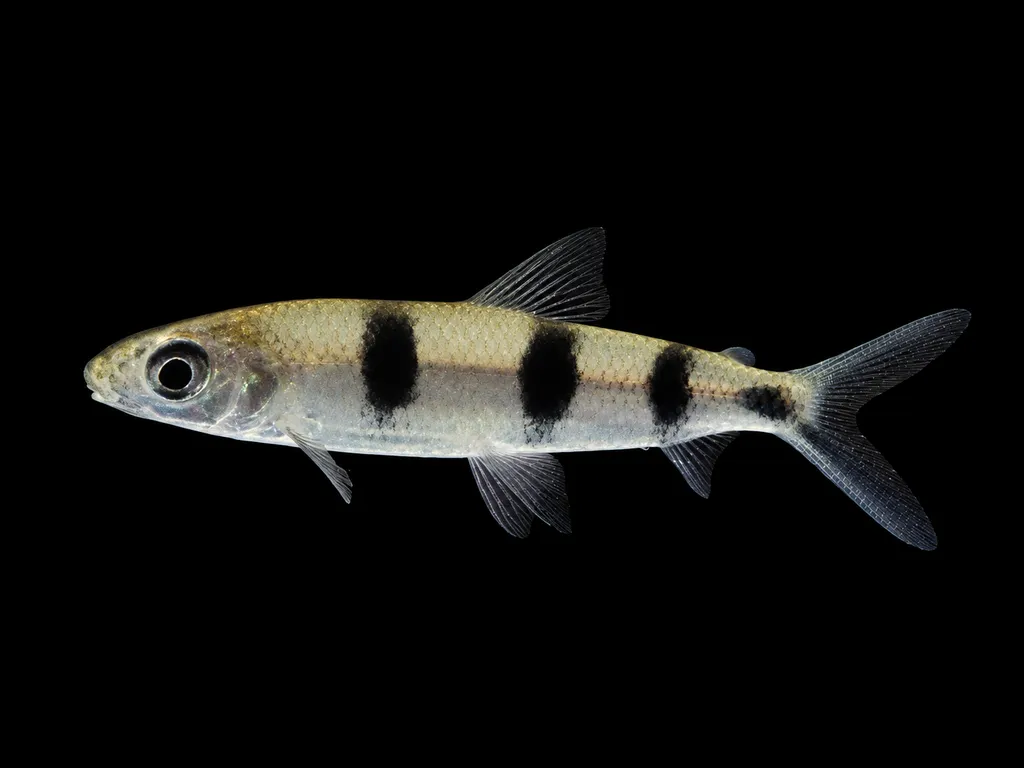 6.3 in (16 cm)106 gal (400 L)75–82°F (24–28°C)
Fourspot hemiodus
Hemiodus quadrimaculatus
6.3 in (16 cm) · 106 gal (400 L)
 7.5 in (19 cm)106 gal (400 L)75–84°F (24–29°C)
Fowler's hemiodus
Bivibranchia fowleri
7.5 in (19 cm) · 106 gal (400 L)
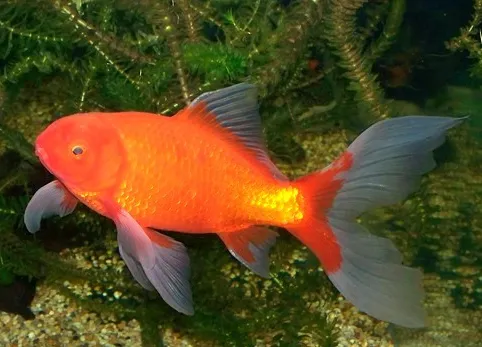 11.8 in (30 cm)50 gal (190 L)39–75°F (4–24°C)
Comet
Carassius auratus
11.8 in (30 cm) · 50 gal (190 L)
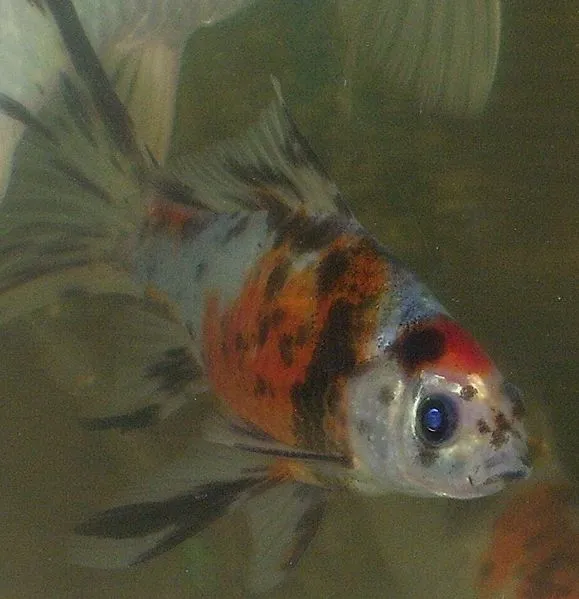 11.8 in (30 cm)50 gal (190 L)39–75°F (4–24°C)
Shubunkin
Carassius auratus
11.8 in (30 cm) · 50 gal (190 L)