Lilith demonfish
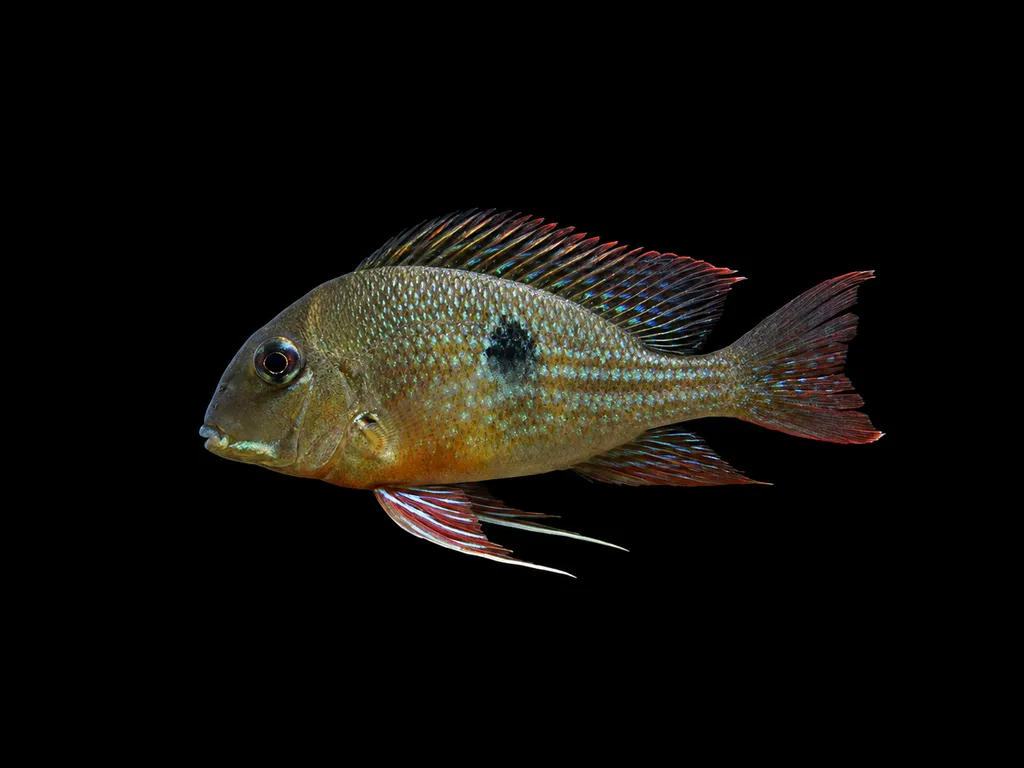
Satanoperca lilith
Also known as Red spot demonfish, Lilith eartheater
FreshwaterFish
Care at a glance
- Temperature
- 77–84°F
- 25–29°C
- pH
- 4.8–6.5
- Adult size
- 11.8 in
- 30 cm
- Minimum tank
- 159 gal
- 600 L
- Temperament
- Mostly peaceful
- Social behavior
- Social
- Swim level
- Bottom
- Difficulty
- Medium
- Breeding
- Mouthbrooder · Medium
- Rarity
- Rare
- Family
- Cichlidae
- Origin
- Rio Negro and Madeira blackwaters
Overview
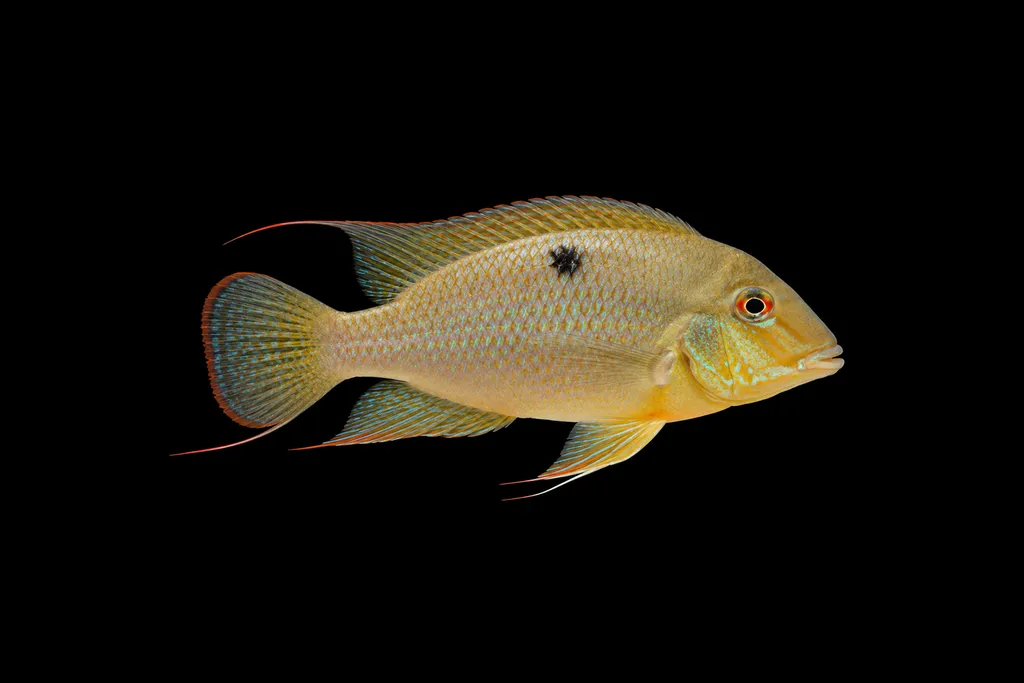
The Lilith demonfish is the largest of the demon eartheaters, a sand-sifting cichlid for the bottom of a big soft-water tank. It is a step up from the easiest fish.
Did you know
The Lilith demonfish's names promise a monster and deliver a gentle one. Satanoperca means devil perch, and lilith recalls a figure of midnight legend. Yet the fish is one of the calmest sand-sifters in the hobby, and it spends its days quietly combing the bottom.
Caring for the Lilith demonfish
Give Lilith demonfish a roomy tank of at least 159 gal (600 L), with a big open floor. They must have a deep bed of soft sand to feed naturally. Add driftwood and leaf litter for a dim, tea-colored look.
Keep the water soft and warm, at 77 to 84°F (25 to 29°C), and hold the pH low, from 4.8 to 6.5. Run steady, gentle filtration. They work the bottom, taking mouthfuls of sand and filtering out the edible bits. Feed sinking foods and frozen invertebrates they can sift.
Lilith demonfish are mostly peaceful and social, and they are fine alone or in a group. A group should number four or more, so the fish can settle into a gentle hierarchy. Peaceful tank mates of similar size suit them.
They are mouthbrooders that pick up their eggs to protect them. Breeding them is of medium difficulty.
Good to know
The Lilith demonfish is a South American eartheater in the family Cichlidae. Its genus name was coined long ago for a relative. Kullander and Ferreira added the species name lilith when they described the fish in 1988. A single dark shoulder spot marks its silvery flank.
In the wild
Satanoperca lilith sifts sand in the blackwater rivers of the Rio Negro and Madeira. The water there is soft and acidic, stained brown with tannins.
Weekly picks
Tank mates
The Lilith demonfish is a mostly peaceful, social species that keeps to the bottom. These picks share a community profile with it, are safe together in both directions, and overlap on water type, temperature and pH.
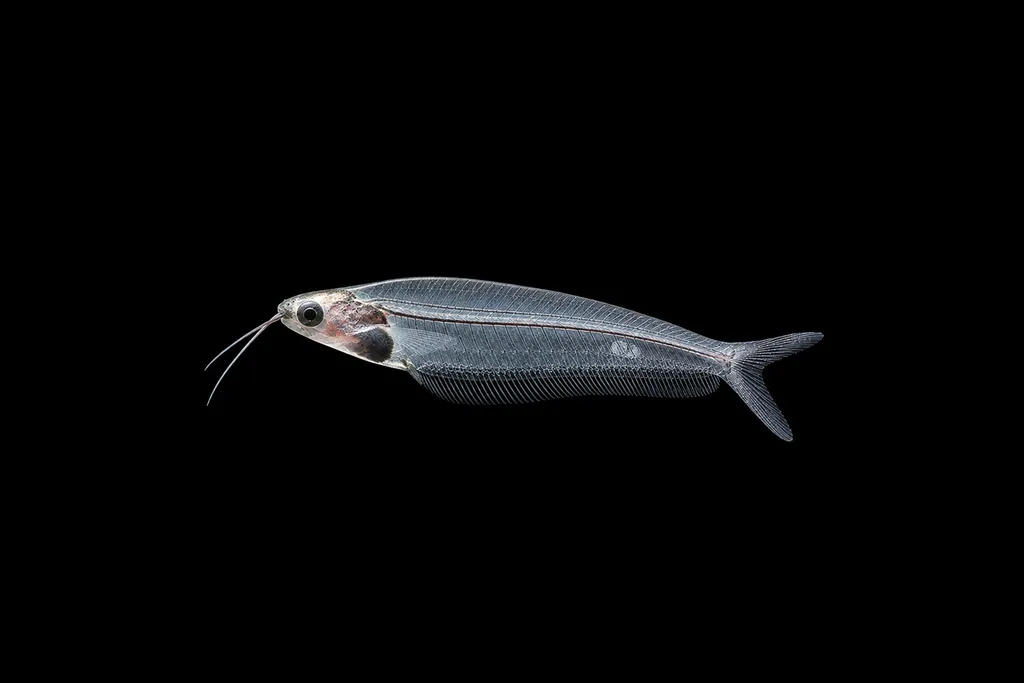
Mekong glass sheatfish
Kryptopterus limpok
Freshwater11.8 in (30 cm) · 119 gal (450 L)73–81°F (23–27°C)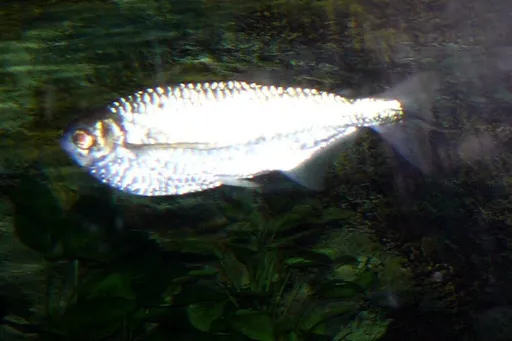
Narrow hatchetfish
Triportheus angulatus
Freshwater9.8 in (25 cm) · 79 gal (300 L)73–82°F (23–28°C)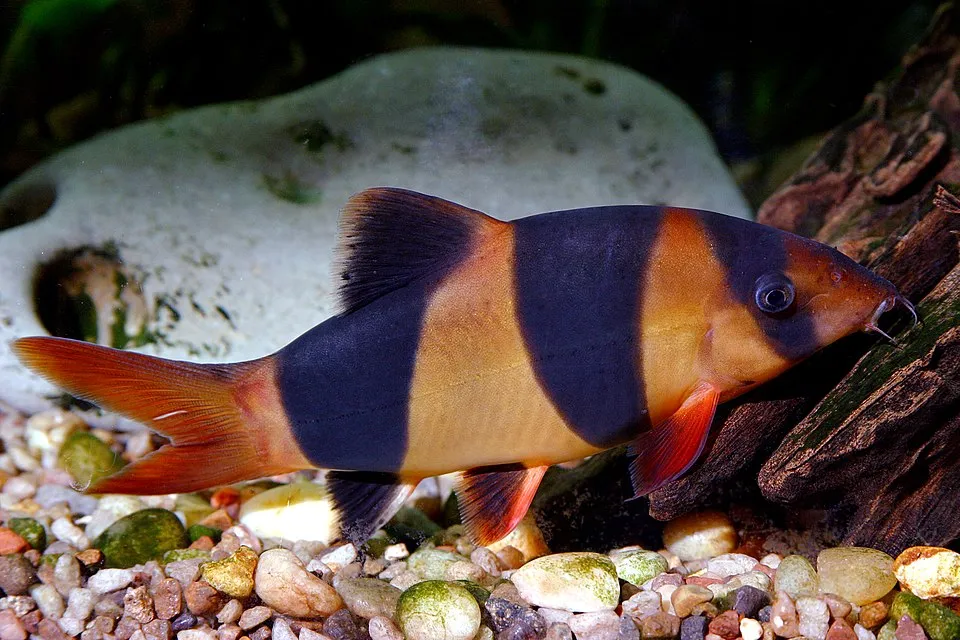
Clown loach
Chromobotia macracanthus
Freshwater11.8 in (30 cm) · 75 gal (285 L)75–86°F (24–30°C)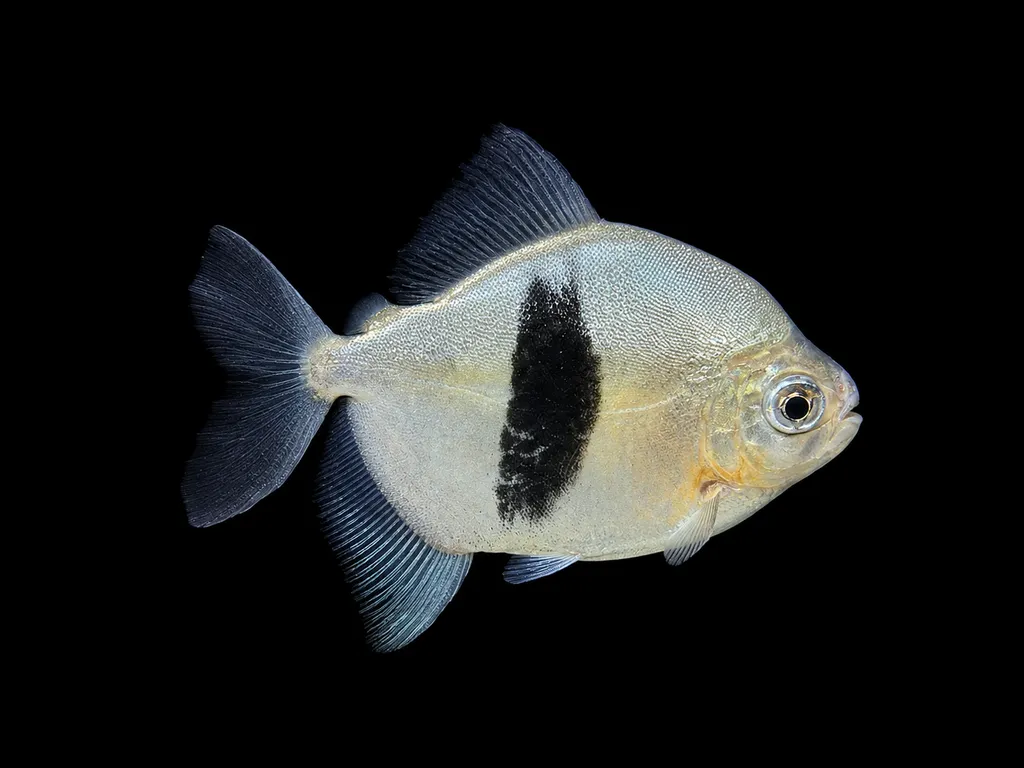
Blue hook silver dollar
Myloplus aylan
Freshwater13.8 in (35 cm) · 170 gal (645 L)75–82°F (24–28°C)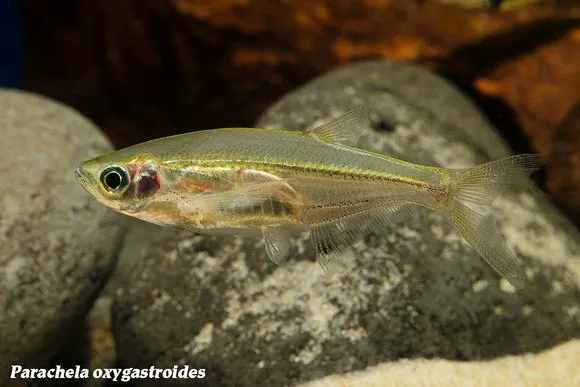
Asian glass hatchetfish
Parachela oxygastroides
Freshwater7.9 in (20 cm) · 79 gal (300 L)73–82°F (23–28°C)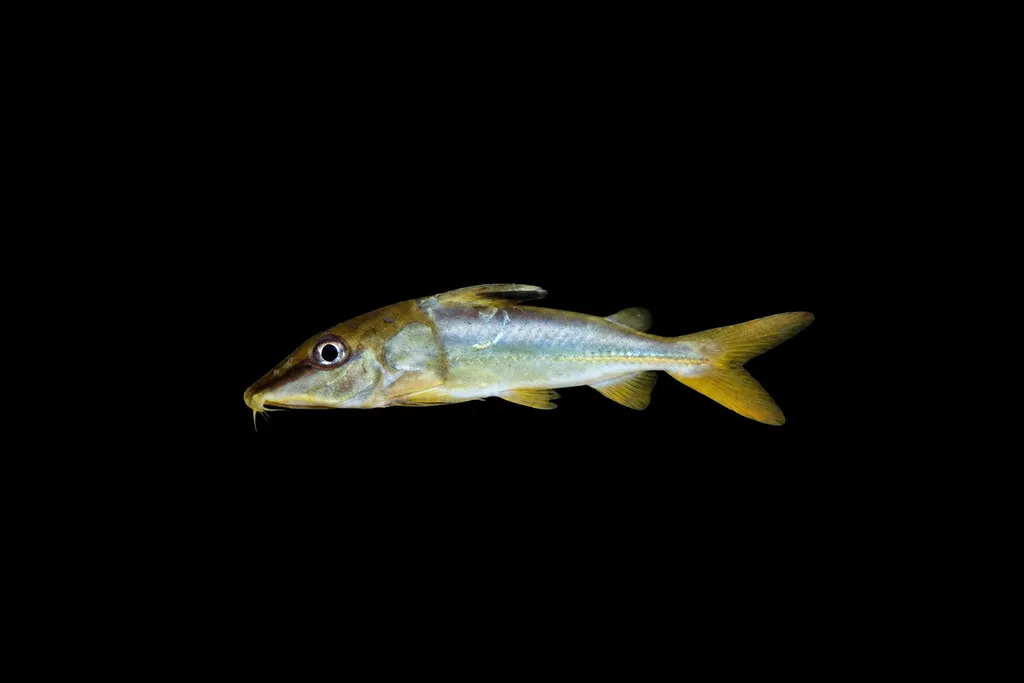
Wilder's mouse catfish
Hassar wilderi
Freshwater9.8 in (25 cm) · 106 gal (400 L)73–82°F (23–28°C)
Common questions
What size tank does a Lilith demonfish need?
A Lilith demonfish needs at least 159 gal (600 L). It spends most of its time in the bottom.
What temperature and pH does a Lilith demonfish need?
A Lilith demonfish is comfortable at 77–84°F (25–29°C) with a pH of 4.8–6.5.
What does a Lilith demonfish eat?
A Lilith demonfish eats sinking foods and frozen invertebrates that it can sift. It feeds by taking mouthfuls of sand and filtering out the edible bits.
How big does a Lilith demonfish get?
An adult Lilith demonfish reaches about 11.8 in (30 cm).
How does a Lilith demonfish breed?
A Lilith demonfish is a mouthbrooder that picks up its eggs to protect them. Breeding it is of medium difficulty.
Related species
 7.9 in (20 cm)119 gal (450 L)77–84°F (25–29°C)
Sharphead demonfish
Satanoperca acuticeps
7.9 in (20 cm) · 119 gal (450 L)
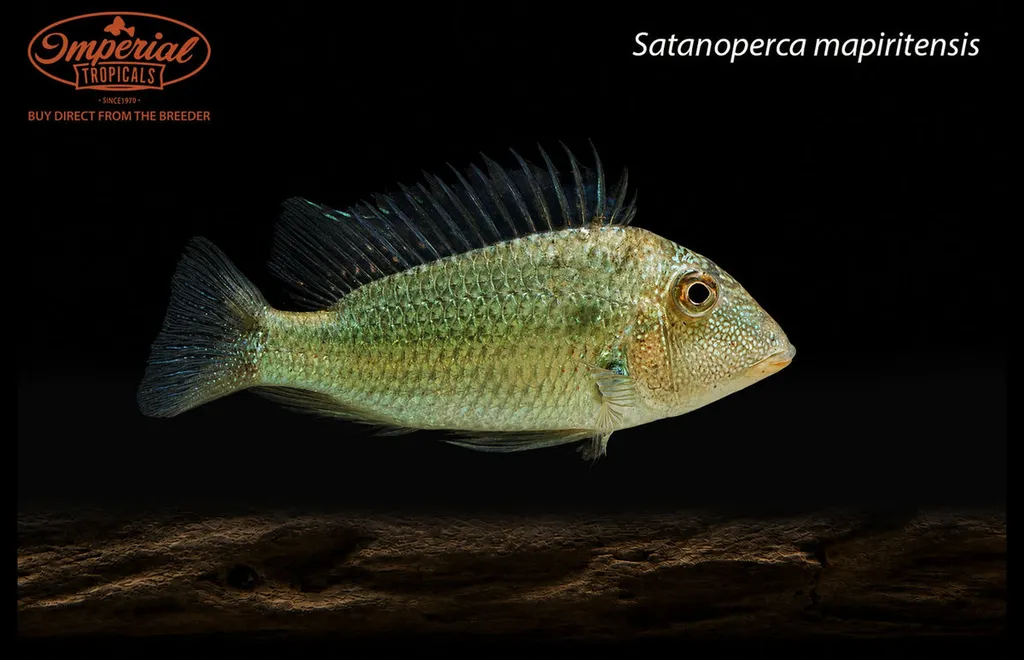 6.7 in (17 cm)106 gal (400 L)77–84°F (25–29°C)
Fine-spotted eartheater
Satanoperca mapiritensis
6.7 in (17 cm) · 106 gal (400 L)
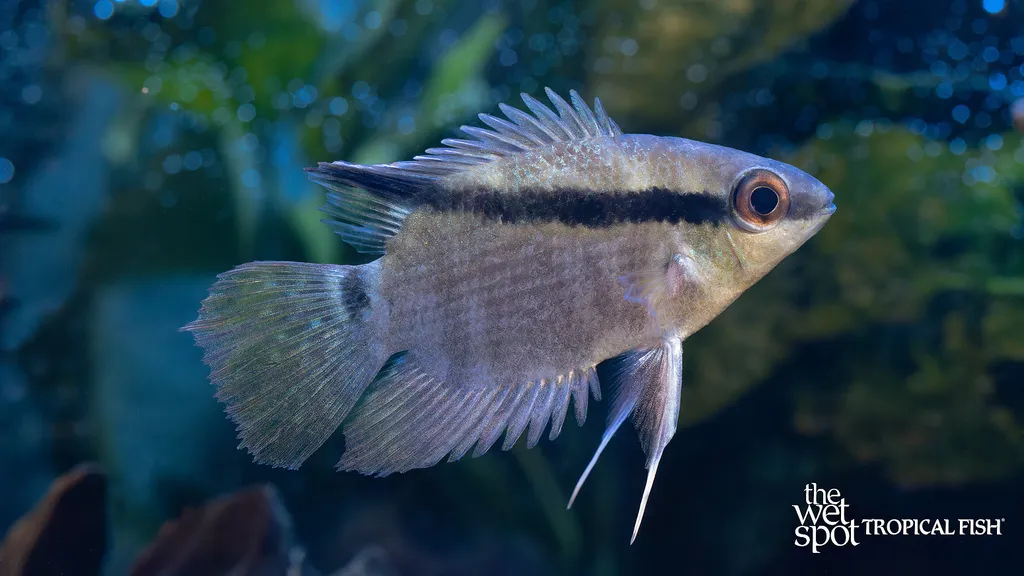 9.8 in (25 cm)119 gal (450 L)79–86°F (26–30°C)
Threespot eartheater
Satanoperca daemon
9.8 in (25 cm) · 119 gal (450 L)
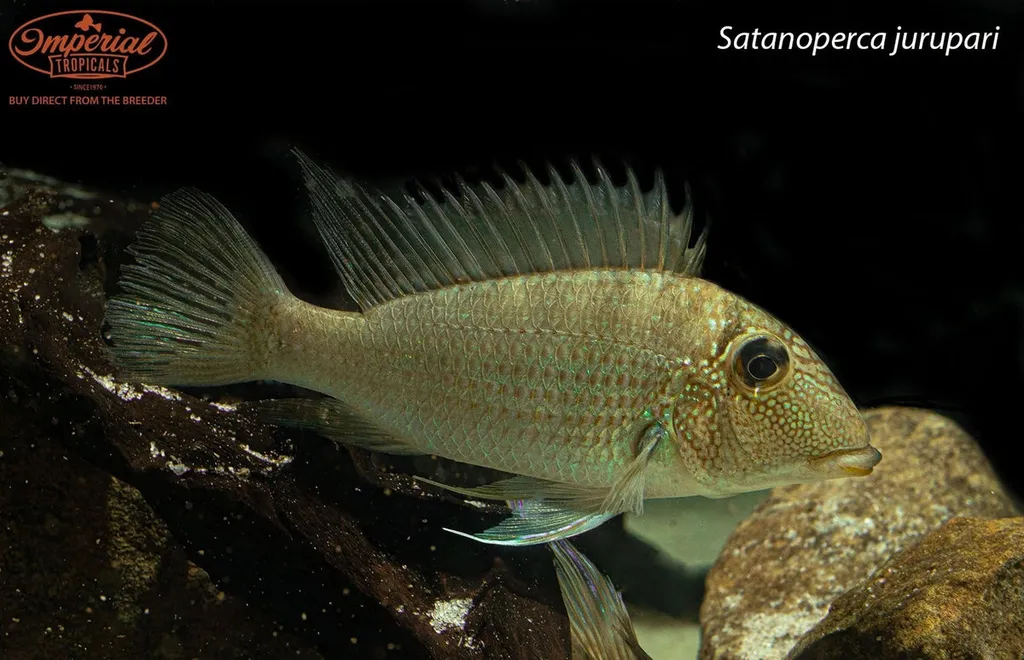 7.1 in (18 cm)119 gal (450 L)75–82°F (24–28°C)
Demon eartheater
Satanoperca jurupari
7.1 in (18 cm) · 119 gal (450 L)
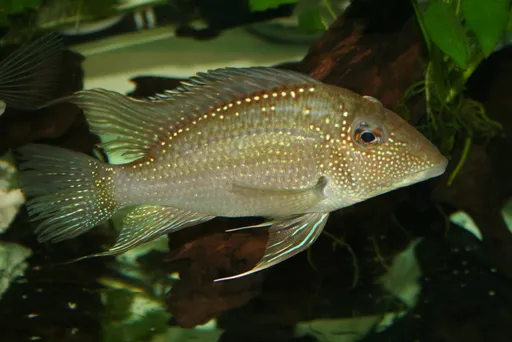 7.1 in (18 cm)79 gal (300 L)75–84°F (24–29°C)
Whitespot eartheater
Satanoperca leucosticta
7.1 in (18 cm) · 79 gal (300 L)
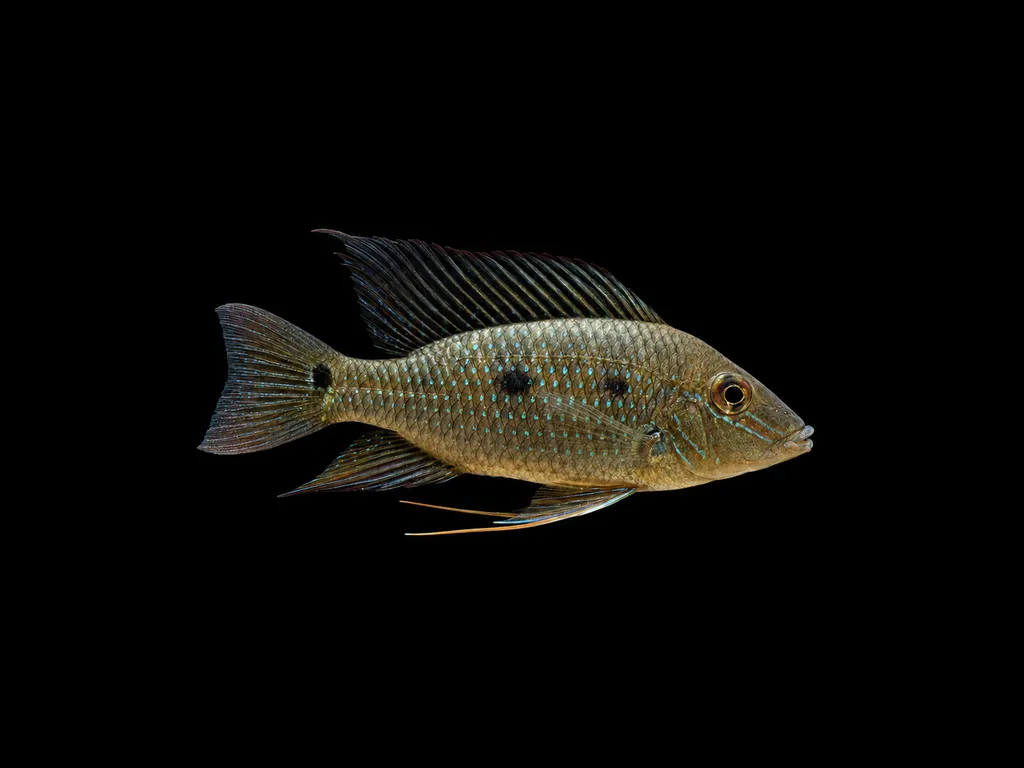
 11.8 in (30 cm)159 gal (600 L)77–84°F (25–29°C)
Proximus eartheater
Geophagus proximus
11.8 in (30 cm) · 159 gal (600 L)