Whitespot eartheater
Satanoperca leucosticta
Also known as Whitespotted eartheater, Jurupari, Geophagus leucostictus
FreshwaterFish
Care at a glance
- Temperature
- 75–84°F
- 24–29°C
- pH
- 5.5–7.5
- Adult size
- 7.1 in
- 18 cm
- Minimum tank
- 79 gal
- 300 L
- Temperament
- Peaceful
- Social behavior
- Social
- Swim level
- Bottom
- Difficulty
- Medium
- Breeding
- Mouthbrooder · Medium
- Rarity
- Common
- Family
- Cichlidae
- Origin
- Guiana Shield rivers of eastern Venezuela, Guyana, Suriname, and northern Brazil, over sand and leaf litter in channels and floodplain lakes.
Overview
The whitespot eartheater is a peaceful cichlid that sifts sand on the bottom of the tank. It is a step up from the easiest fish.
Did you know
Most fish sold in shops as Satanoperca jurupari are actually whitespot eartheaters.
Caring for the whitespot eartheater
Give the whitespot eartheater a tank of at least 79 gal (300 L), with open sand and some wood. A deep, soft sand bed is essential for its natural feeding.
Keep the water at 75 to 84°F (24 to 29°C) and a pH of 5.5 to 7.5. Feed sinking pellets and frozen foods, along with whatever the fish sift from the sand.
Whitespot eartheaters are sociable, and a group of five or more suits them. They are peaceful, so choose gentle tank mates.
It is a delayed mouthbrooder. It lays its eggs on the substrate, then takes them into its mouth once they are ready to move. Breeding it is of moderate difficulty.
Good to know
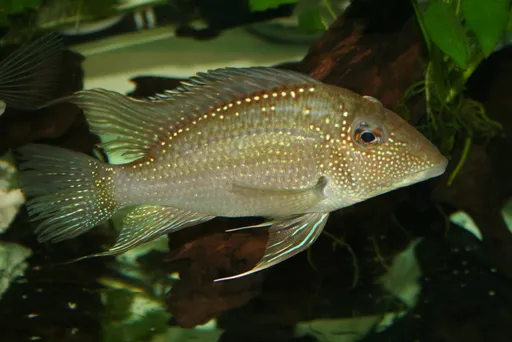
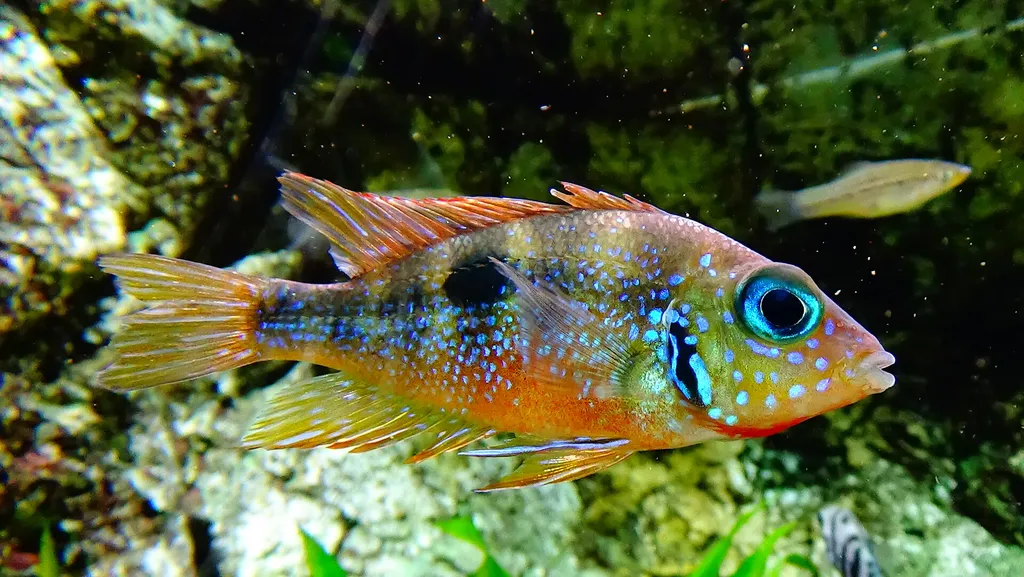
Satanoperca leucosticta is an eartheater in the family Cichlidae, described by Muller and Troschel in 1849. Its body is covered in iridescent white and blue spangles, which give it its name.
In the wild
The whitespot eartheater lives across the Guiana Shield in eastern Venezuela, Guyana, Suriname and northern Brazil. It occupies river channels, tributaries and floodplain lakes over sand and leaf litter. It feeds by taking mouthfuls of sand and sifting out small invertebrates.
Weekly picks
Tank mates
The whitespot eartheater is a peaceful, social species that keeps to the bottom. These picks share a community profile with it, are safe together in both directions, and overlap on water type, temperature and pH.
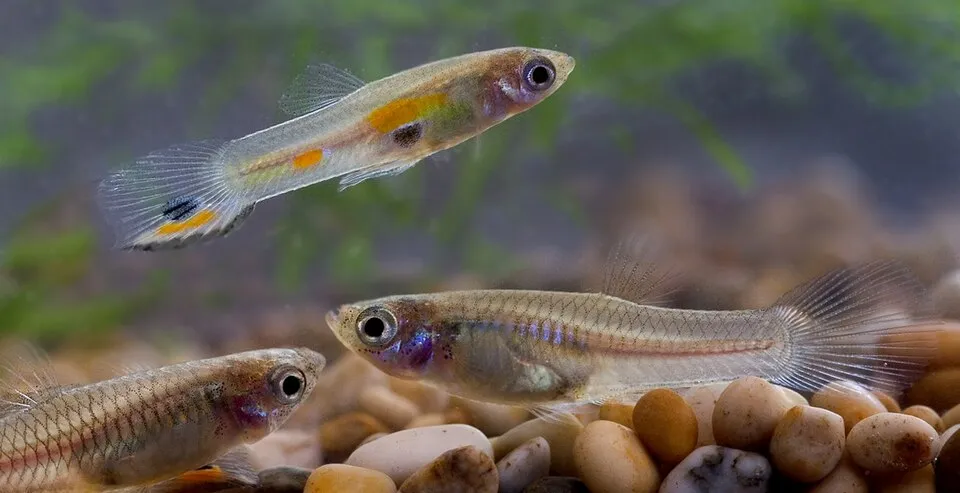
Guppy
Poecilia reticulata
FreshwaterBrackish2.4 in (6 cm) · 10 gal (38 L)64–82°F (18–28°C)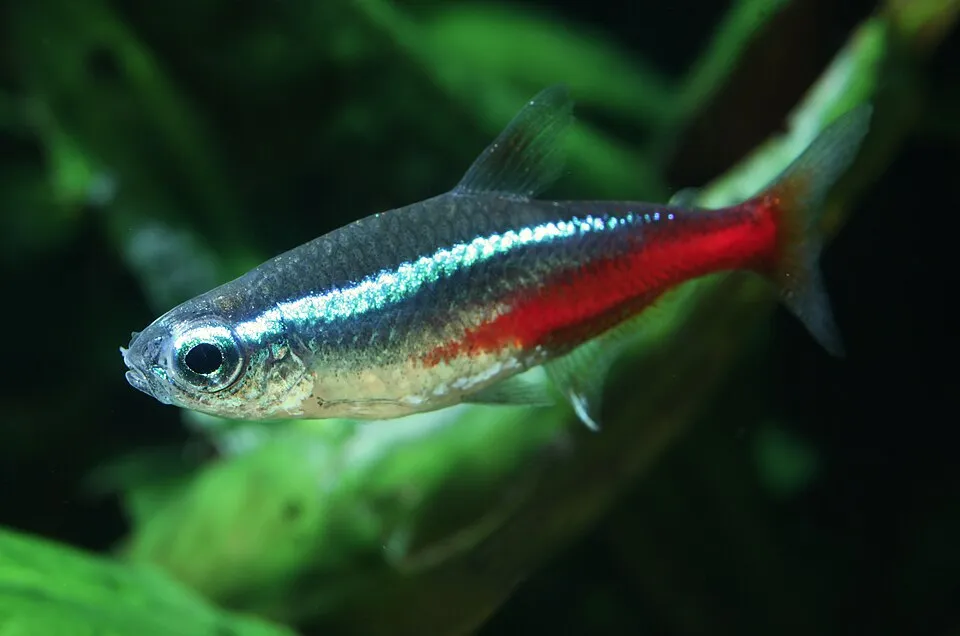
Neon tetra
Paracheirodon innesi
Freshwater1.5 in (3.8 cm) · 11 gal (40 L)70–77°F (21–25°C)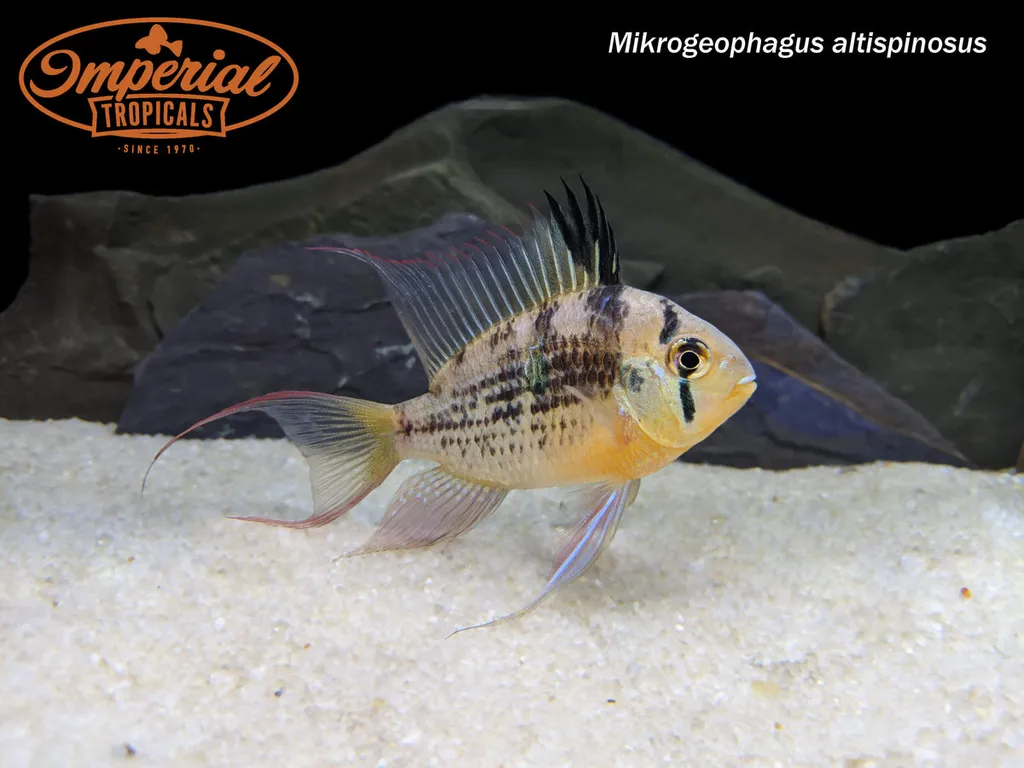
Bolivian ram
Mikrogeophagus altispinosus
Freshwater3.1 in (8 cm) · 45 gal (170 L)75–82°F (24–28°C)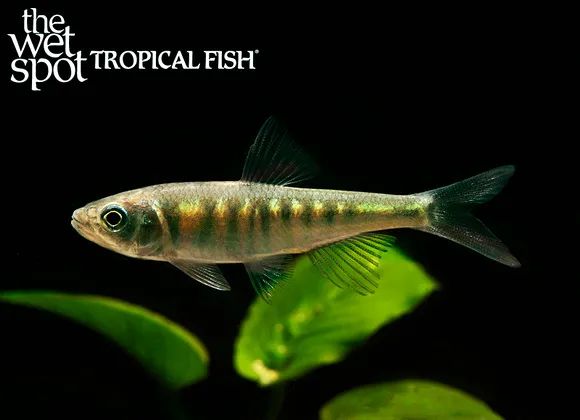
Pale chub
Zacco platypus
Freshwater7.9 in (20 cm) · 79 gal (300 L)54–75°F (12–24°C)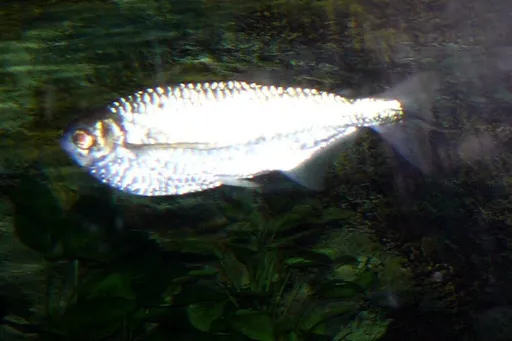
Narrow hatchetfish
Triportheus angulatus
Freshwater9.8 in (25 cm) · 79 gal (300 L)73–82°F (23–28°C)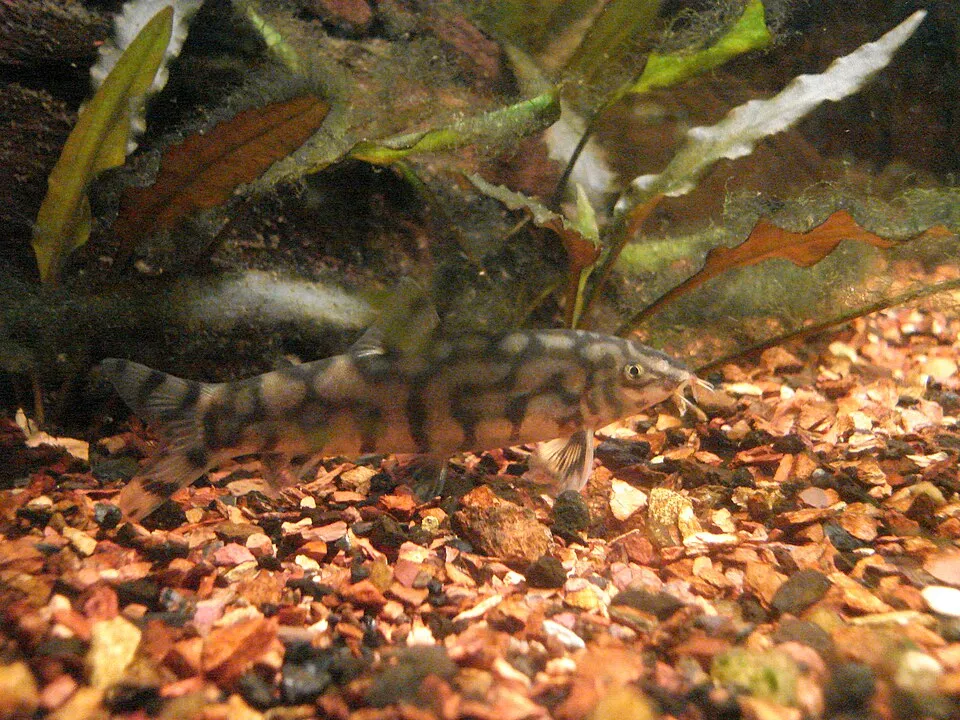
Yoyo loach
Botia almorhae
Freshwater6.3 in (16 cm) · 42 gal (160 L)66–81°F (19–27°C)
Common questions
What size tank does a whitespot eartheater need?
A whitespot eartheater needs at least 79 gal (300 L). It spends most of its time in the bottom.
What temperature and pH does a whitespot eartheater need?
A whitespot eartheater is comfortable at 75–84°F (24–29°C) with a pH of 5.5–7.5.
What does a whitespot eartheater eat?
A whitespot eartheater eats sinking pellets and frozen foods. It also eats whatever it sifts from the sand.
How big does a whitespot eartheater get?
An adult whitespot eartheater reaches about 7.1 in (18 cm).
How does a whitespot eartheater breed?
A whitespot eartheater is a delayed mouthbrooder. It lays its eggs on the substrate, then takes them into its mouth once they are ready to move. Breeding it is moderately difficult.
Related species
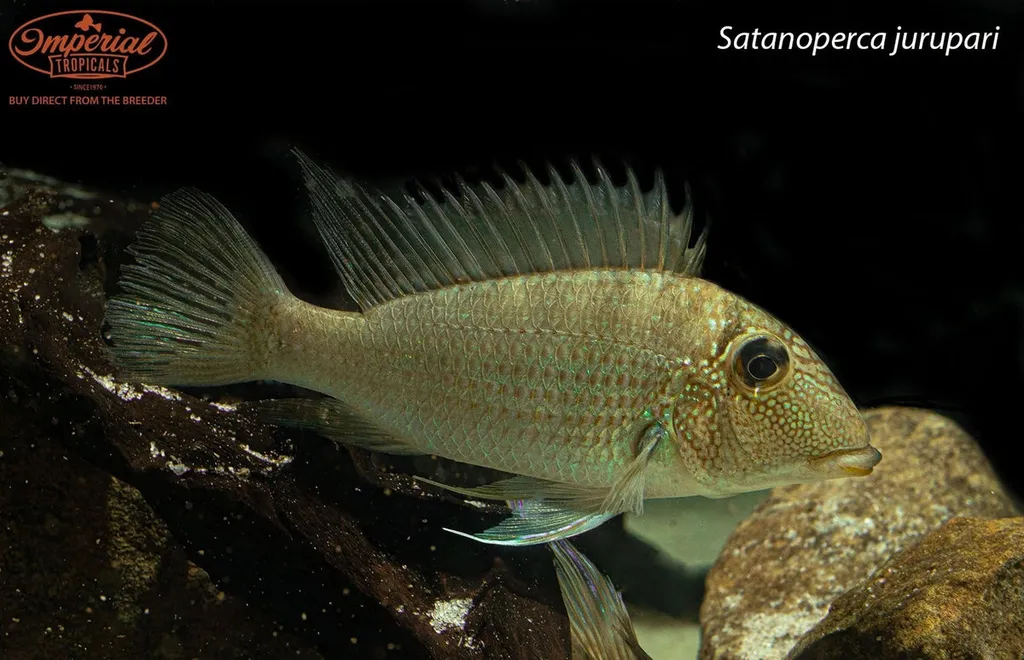 7.1 in (18 cm)119 gal (450 L)75–82°F (24–28°C)
Demon eartheater
Satanoperca jurupari
7.1 in (18 cm) · 119 gal (450 L)
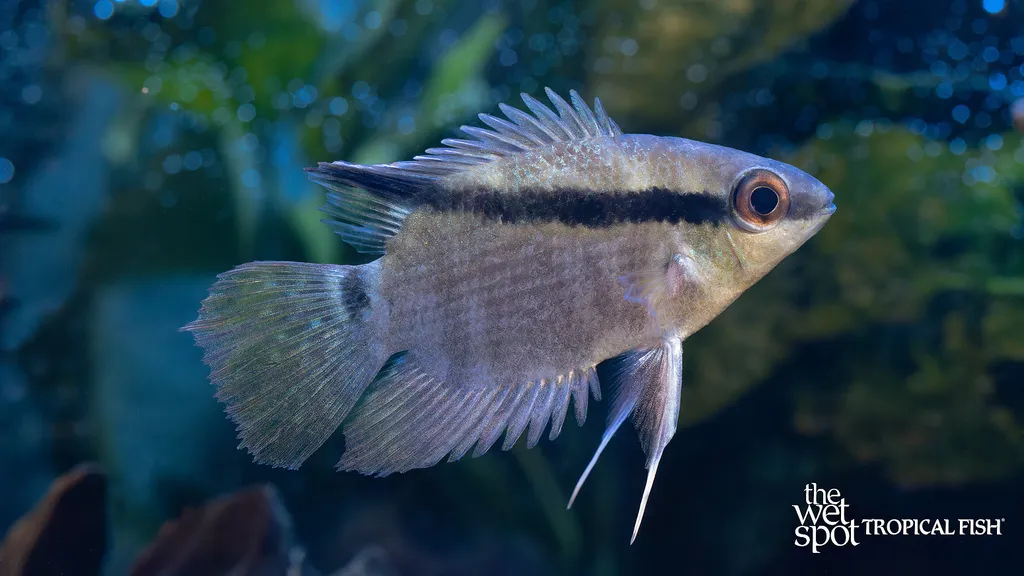 9.8 in (25 cm)119 gal (450 L)79–86°F (26–30°C)
Threespot eartheater
Satanoperca daemon
9.8 in (25 cm) · 119 gal (450 L)
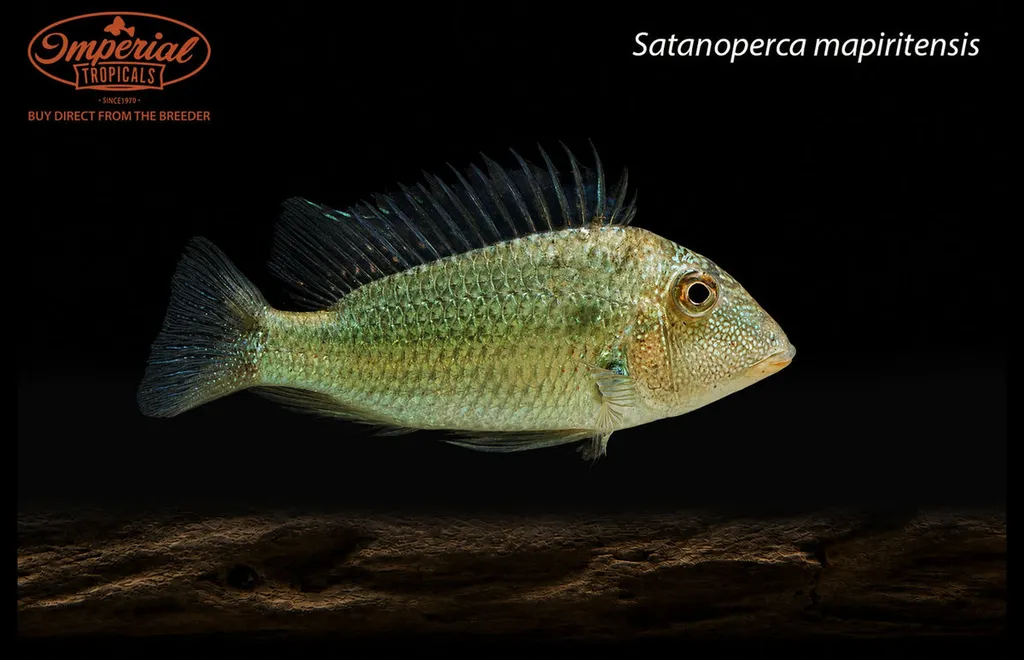 6.7 in (17 cm)106 gal (400 L)77–84°F (25–29°C)
Fine-spotted eartheater
Satanoperca mapiritensis
6.7 in (17 cm) · 106 gal (400 L)
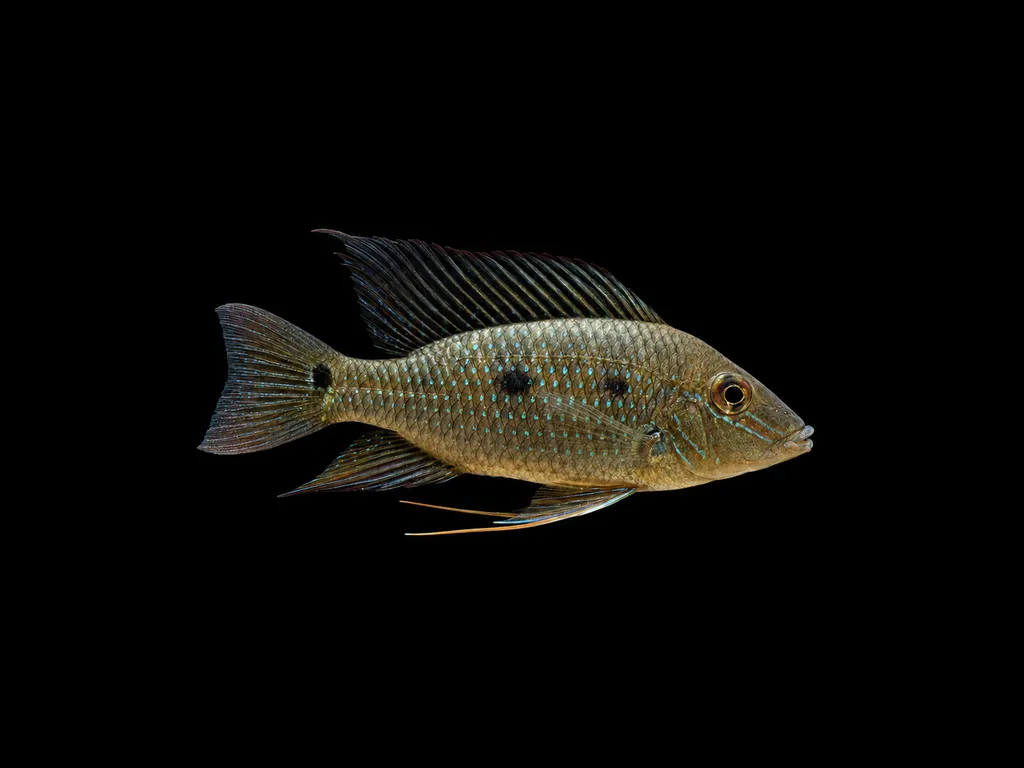 7.9 in (20 cm)119 gal (450 L)77–84°F (25–29°C)
Sharphead demonfish
Satanoperca acuticeps
7.9 in (20 cm) · 119 gal (450 L)
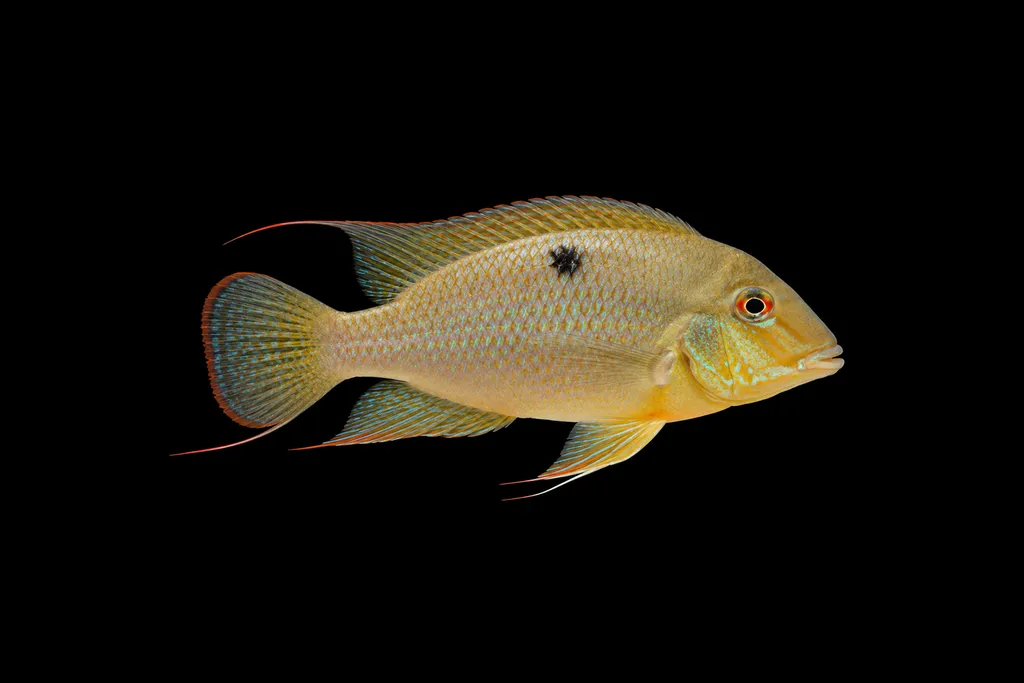 11.8 in (30 cm)159 gal (600 L)77–84°F (25–29°C)
Lilith demonfish
Satanoperca lilith
11.8 in (30 cm) · 159 gal (600 L)
 7.1 in (18 cm)66 gal (250 L)75–84°F (24–29°C)
Blue flash firemouth
Thorichthys aureus
7.1 in (18 cm) · 66 gal (250 L)