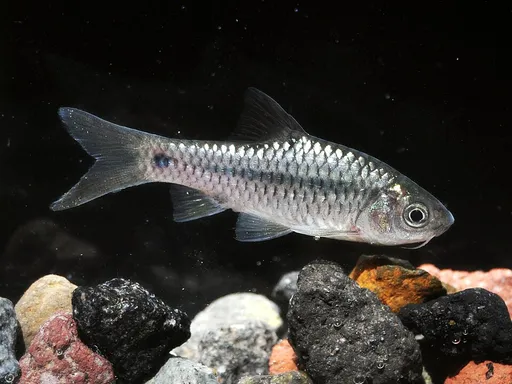
Pale chub
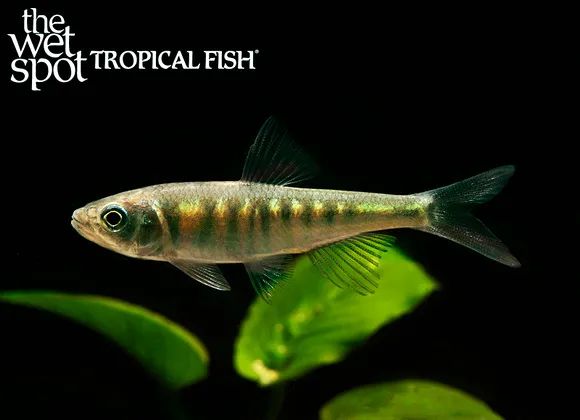
Zacco platypus
Also known as Freshwater minnow, Dragon minnow
FreshwaterFish
Care at a glance
- Temperature
- 54–75°F
- 12–24°C
- pH
- 6.5–7.8
- Adult size
- 7.9 in
- 20 cm
- Minimum tank
- 79 gal
- 300 L
- Temperament
- Mostly peaceful
- Social behavior
- Schooling
- Swim level
- Middle
- Diet
- Omnivore
- Difficulty
- Medium
- Breeding
- No record
- Rarity
- Rare
- Family
- Cyprinidae
- Origin
- Rivers of China, Korea, and Japan
Overview
The pale chub is an active coldwater schooling fish for a large, long tank with brisk current. It is best kept by someone with a little experience.
Did you know
Female pale chubs in a published study chose their mates by the intensity of the males' red breeding color. A male's success in the spring riffles comes down to how bright a red he can show.
Caring for the pale chub
Give pale chubs a long tank of at least 79 gal (300 L), with strong current and open swimming lanes. A bed of sand, gravel and cobbles suits them. They are fast, restless river fish, not slow community animals.
Keep them at 54 to 75°F (12 to 24°C) and a pH of 6.5 to 7.8, so most homes need no heater. They want cool, moving water, and high oxygen and brisk flow matter more to them than warmth.
Pale chubs are unfussy omnivores that take flake, pellets, and frozen and live foods. Keep a group of at least six. They are mostly peaceful but boisterous, and can nip slow or long-finned tank mates. Pair them with other hardy, active coldwater or subtropical species.
In the breeding season, males develop long anal fins, breeding tubercles on the head, and vivid red and blue-green nuptial colors. Aquarium breeding is not documented, but in the wild the pale chub is a seasonal river spawner.
Good to know
Zacco platypus is a member of the carp family, Cyprinidae. It is one of East Asia's most widespread river fish, and a popular quarry for anglers and fly fishers.
In the wild
The pale chub lives in the fast, clear riffles of rivers across China, Korea and Japan, in cool, highly oxygenated water. It is a subtropical to temperate fish.
Weekly picks
Tank mates
The pale chub is a mostly peaceful, schooling species that keeps to the middle. These picks share a community profile with it, are safe together in both directions, and overlap on water type, temperature and pH.
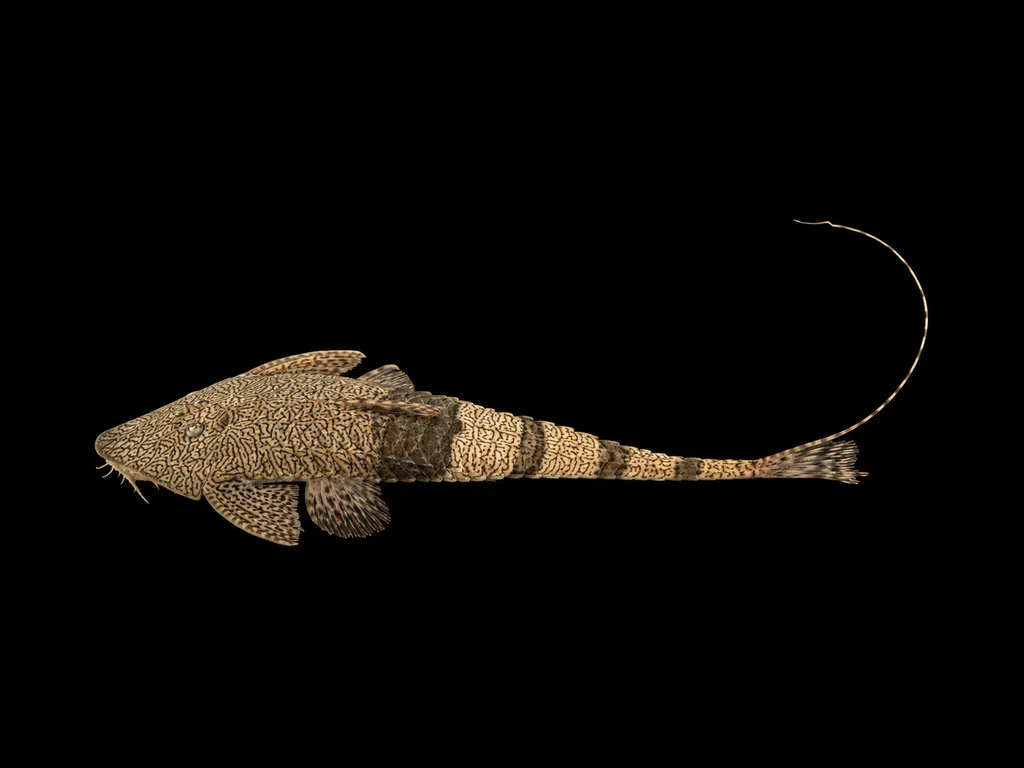
Chameleon whiptail
Pseudohemiodon apithanos
Freshwater6.7 in (17 cm) · 79 gal (300 L)75–82°F (24–28°C)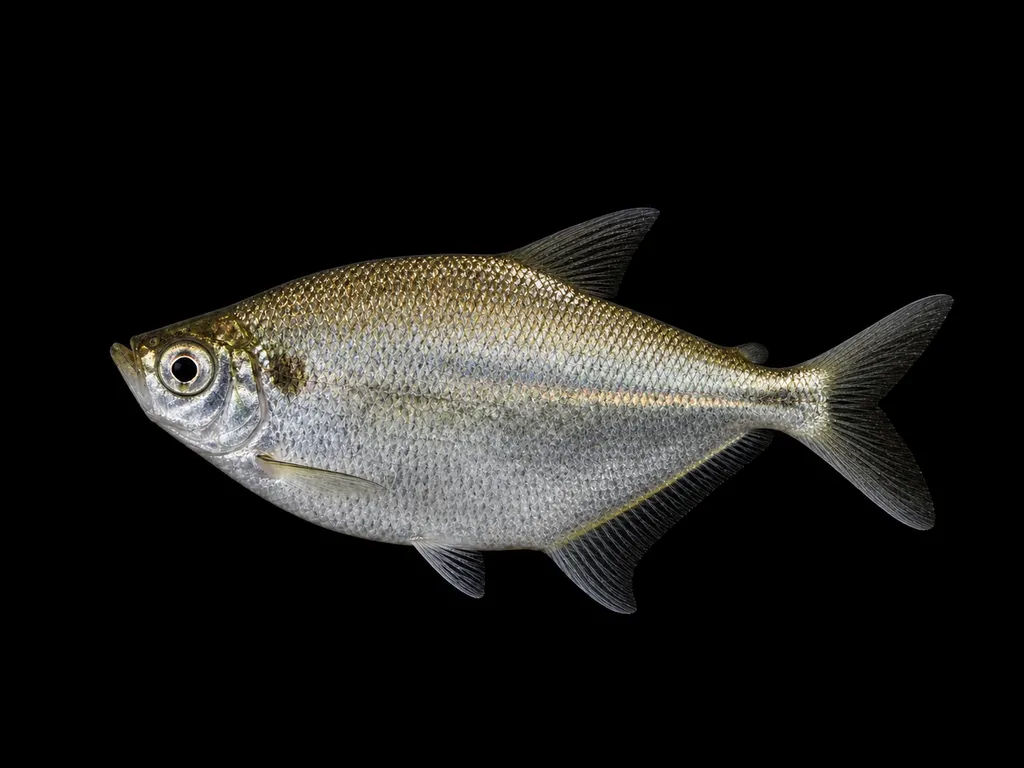
Giant river hatchetfish
Triportheus rotundatus
Freshwater9.8 in (25 cm) · 79 gal (300 L)73–82°F (23–28°C)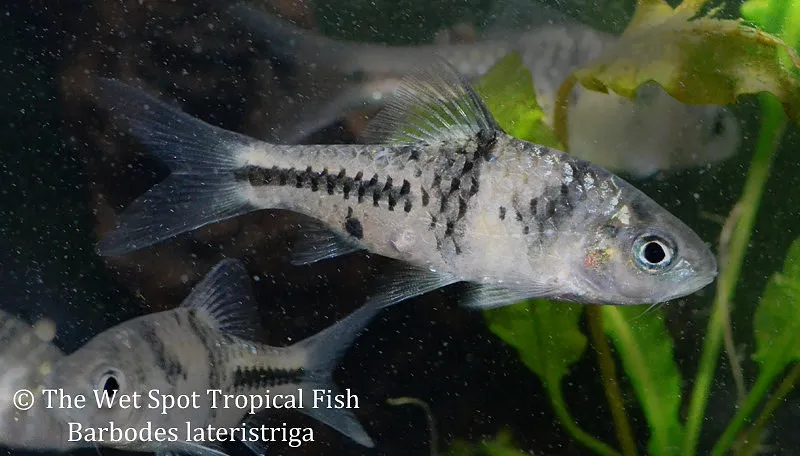
Spanner barb
Barbodes lateristriga
Freshwater5.9 in (15 cm) · 74 gal (280 L)72–79°F (22–26°C)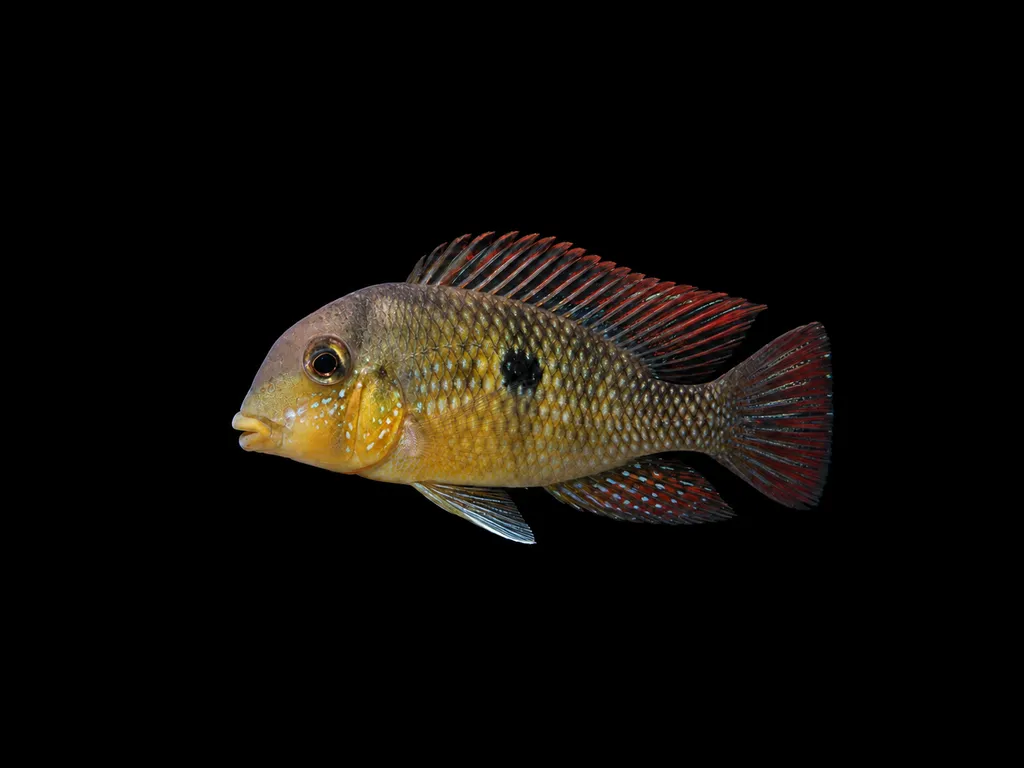
Thicklip gymnogeophagus
Gymnogeophagus labiatus
Freshwater7.1 in (18 cm) · 79 gal (300 L)61–79°F (16–26°C)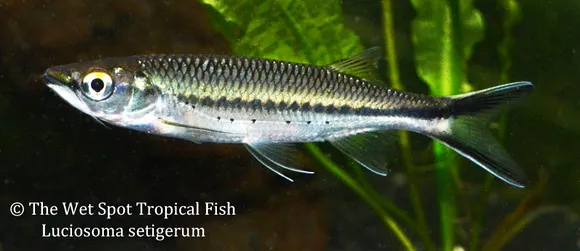
Apollo shark minnow
Luciosoma setigerum
Freshwater11.8 in (30 cm) · 106 gal (400 L)72–81°F (22–27°C)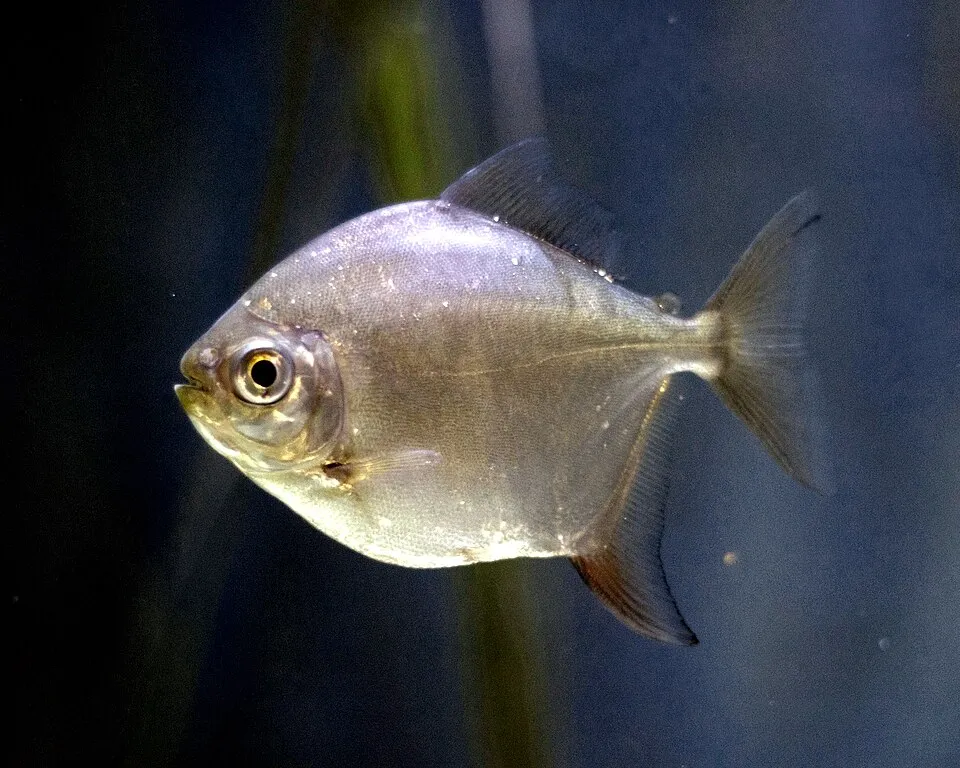
Silver dollar
Metynnis argenteus
Freshwater5.9 in (15 cm) · 70 gal (265 L)75–82°F (24–28°C)
Common questions
What size tank does a pale chub need?
A pale chub needs at least 79 gal (300 L). It spends most of its time in the middle.
What temperature and pH does a pale chub need?
A pale chub is comfortable at 54–75°F (12–24°C) with a pH of 6.5–7.8.
What does a pale chub eat?
A pale chub is an unfussy omnivore. It takes flake and pellets, along with frozen and live foods.
How big does a pale chub get?
An adult pale chub reaches about 7.9 in (20 cm).
Does a pale chub need a group?
Yes. A pale chub is a schooling species and should be kept in a group, not singly.
How can you tell a male pale chub from a female?
Males change in the breeding season, growing long anal fins and tubercles on the head. They also show vivid red and blue-green nuptial colors.
How does a pale chub breed?
The pale chub spawns seasonally in rivers in the wild. Its breeding in aquariums is not documented.
Related species
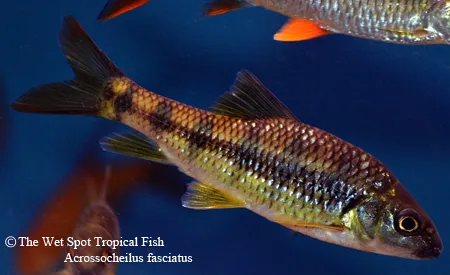 7.5 in (19 cm)79 gal (300 L)61–75°F (16–24°C)
Railway barb
Acrossocheilus fasciatus
7.5 in (19 cm) · 79 gal (300 L)
- 5.9 in (15 cm)74 gal (280 L)72–79°F (22–26°C)
Spanner barb
Barbodes lateristriga
5.9 in (15 cm) · 74 gal (280 L)
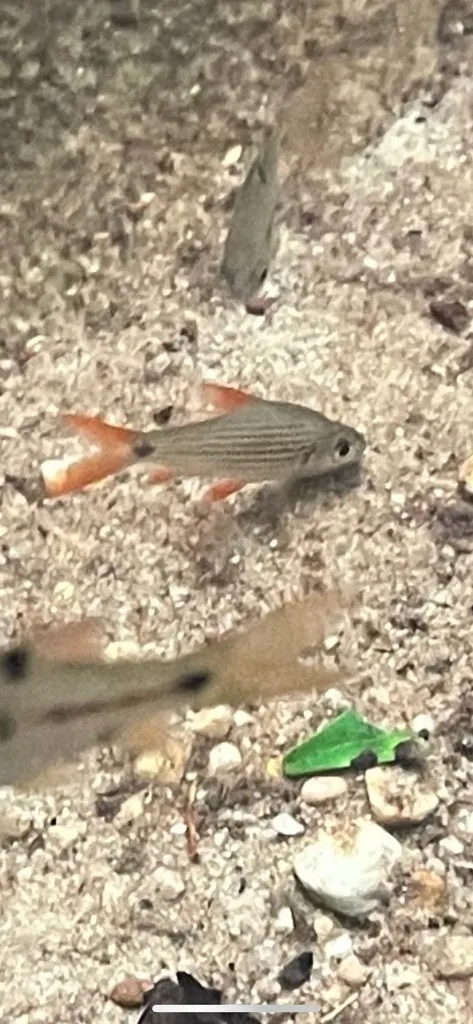
 5.9 in (15 cm)63 gal (240 L)72–79°F (22–26°C)
Spotted barb
Barbodes binotatus
5.9 in (15 cm) · 63 gal (240 L)
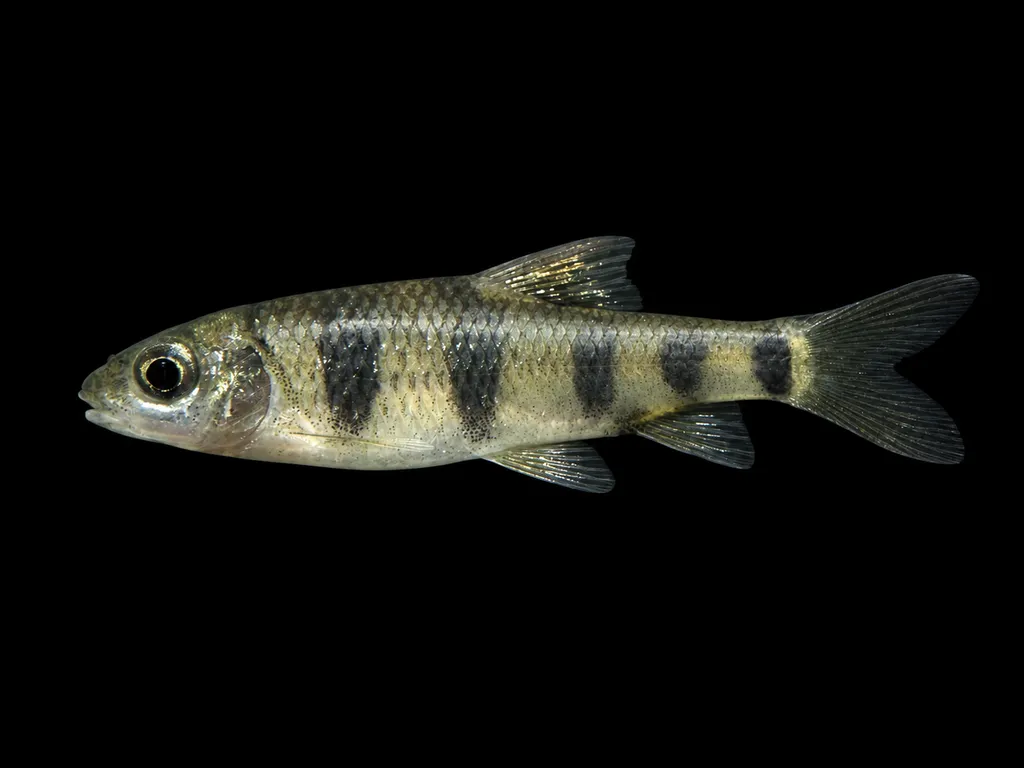
 7.9 in (20 cm)66 gal (250 L)72–82°F (22–28°C)
Beardless barb
Cyclocheilichthys apogon
7.9 in (20 cm) · 66 gal (250 L)
 5.1 in (13 cm)53 gal (200 L)64–79°F (18–26°C)
Beijiang barb
Acrossocheilus beijiangensis
5.1 in (13 cm) · 53 gal (200 L)
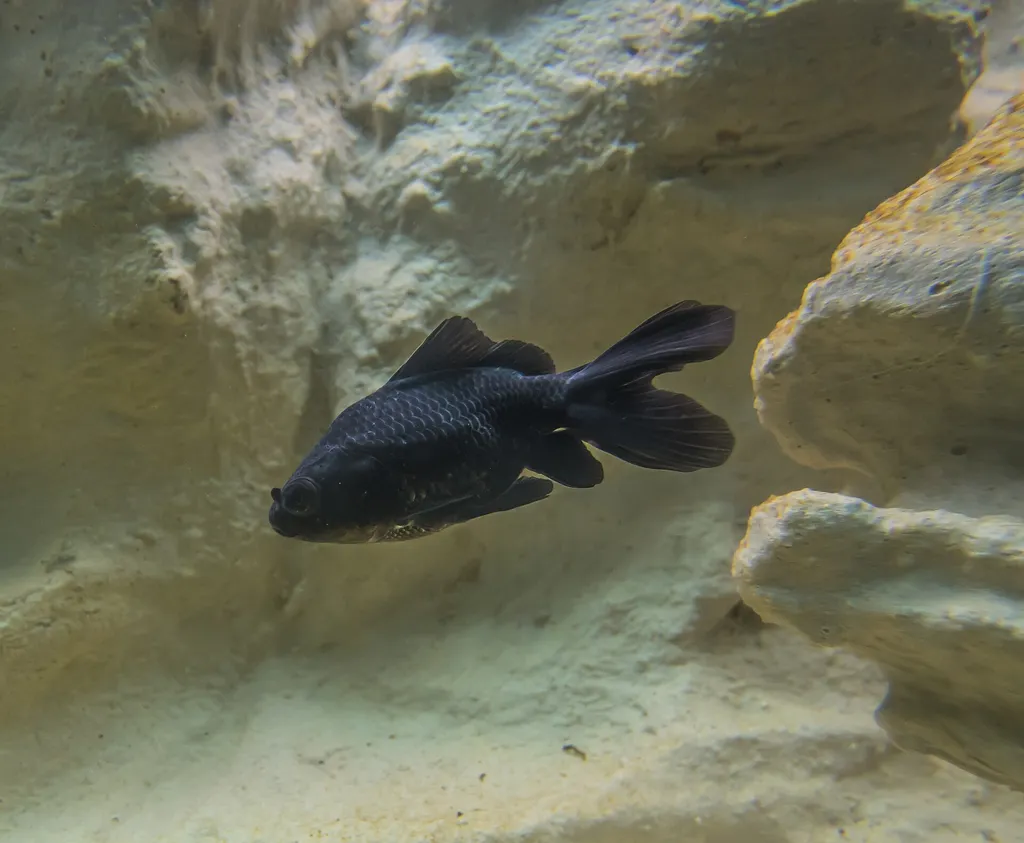 7.9 in (20 cm)25 gal (95 L)61–75°F (16–24°C)
Black moor
Carassius auratus
7.9 in (20 cm) · 25 gal (95 L)