Beijiang barb
Acrossocheilus beijiangensis
Also known as Beijiangensis barb
FreshwaterFish
Care at a glance
- Temperature
- 64–79°F
- 18–26°C
- pH
- 6.5–7.8
- Adult size
- 5.1 in
- 13 cm
- Minimum tank
- 53 gal
- 200 L
- Temperament
- Mostly peaceful
- Social behavior
- Schooling
- Swim level
- Middle
- Diet
- Omnivore
- Difficulty
- Medium
- Breeding
- No record
- Rarity
- Rare
- Family
- Cyprinidae
- Origin
- Beijiang and Pearl River tributaries, southern China
Overview
The Beijiang barb is a lively, grazing stream barb for a cool tank with strong current. It asks a little more of its keeper than the easiest fish do.
Did you know
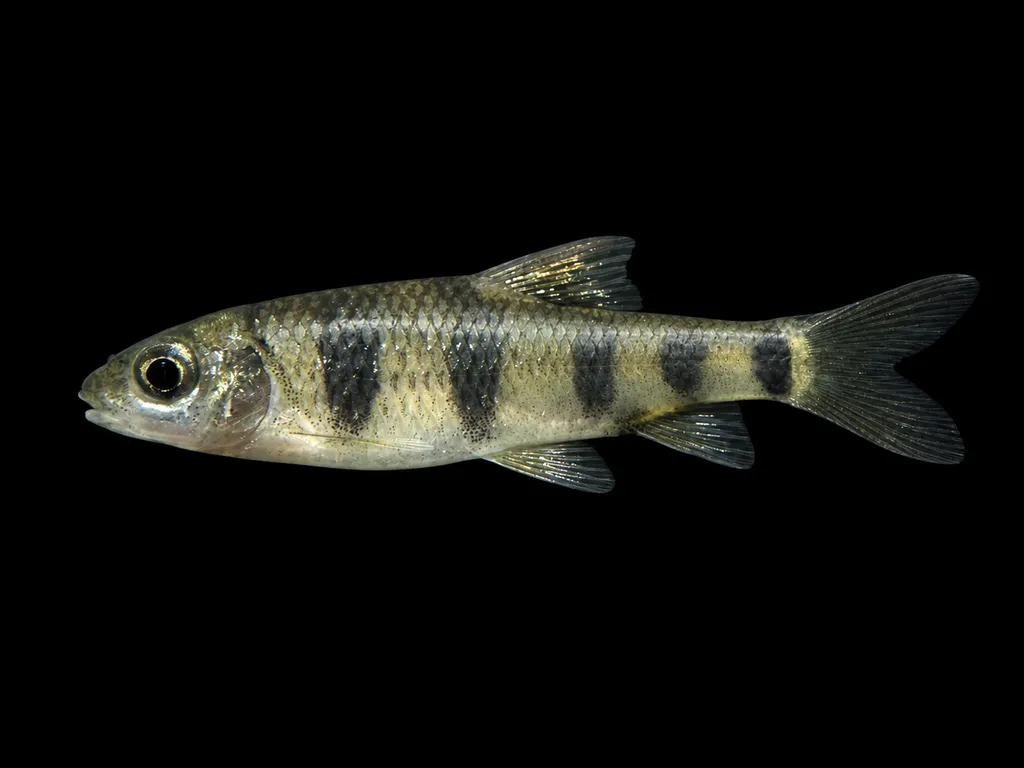
The Beijiang barb's bold flank bars recall a tiger barb, yet it lives two climate zones farther north in cool southern Chinese streams. It also grows to roughly twice the length of the little tiger barb it resembles.
Caring for the Beijiang barb
Give Beijiang barbs a roomy tank of at least 53 gal (200 L), with strong flow over rock and gravel. They prefer well-oxygenated water with current.
They come from water that runs cooler than most tropical tanks, so they do not need a heater in a warm room. Keep them at 64 to 79°F (18 to 26°C), with a pH of 6.5 to 7.8.
Feed a mixed diet that leans on vegetable matter and biofilm. Offer algae wafers, spirulina flake and some frozen foods. They work the middle and lower water, grazing surfaces as much as they swim in open water.
Keep a group of five or more. They are mostly peaceful but lively, and a group spreads out their energy. Good tank mates are other active, sturdy fish that enjoy cooler, flowing water, such as danios, hillstream loaches and other stream barbs. Beijiang barbs are not known to have been bred in home aquariums.
Good to know
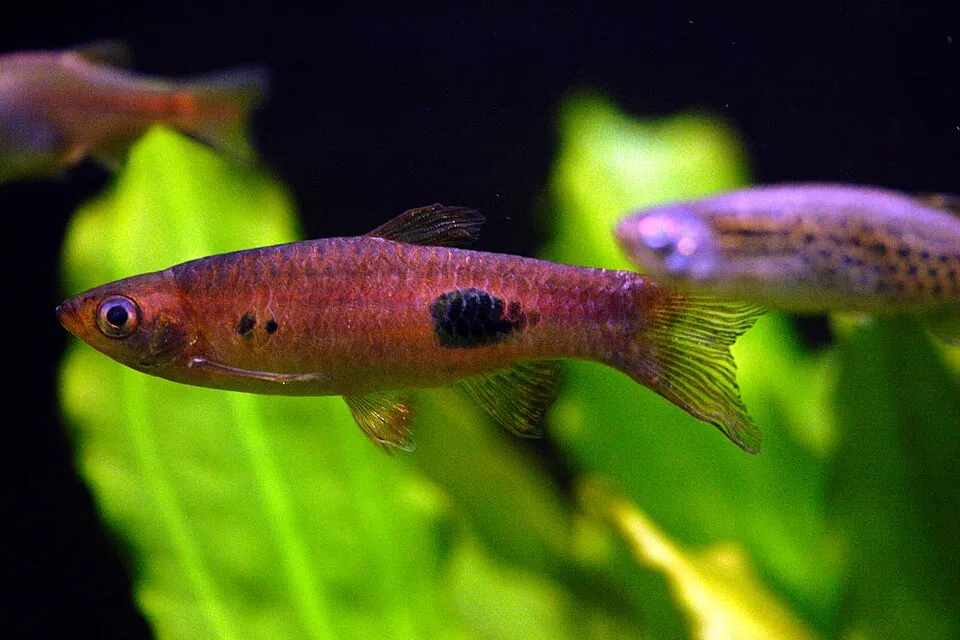
Acrossocheilus beijiangensis is a brassy cyprinid. Thick, fleshy lips sit over an inferior mouth built for grazing.
In the wild
The Beijiang barb lives in clear, swift, subtropical streams of the Bei and Pearl river systems in southern China. Wild fish rasp biofilm from stones and pick at benthic invertebrates.
Weekly picks
Tank mates
The Beijiang barb is a mostly peaceful, schooling species that keeps to the middle. These picks share a community profile with it, are safe together in both directions, and overlap on water type, temperature and pH.
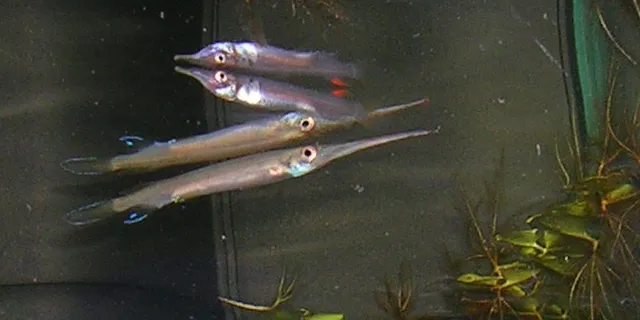
Forest halfbeak
Hemirhamphodon pogonognathus
Freshwater3.5 in (9 cm) · 34 gal (130 L)75–82°F (24–28°C)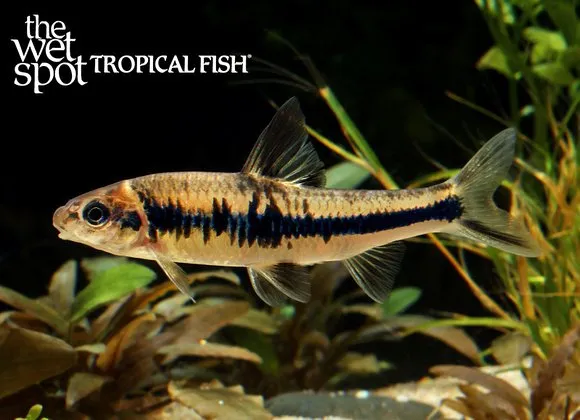
Rainbow gudgeon
Sarcocheilichthys nigripinnis
Freshwater6.3 in (16 cm) · 53 gal (200 L)57–75°F (14–24°C)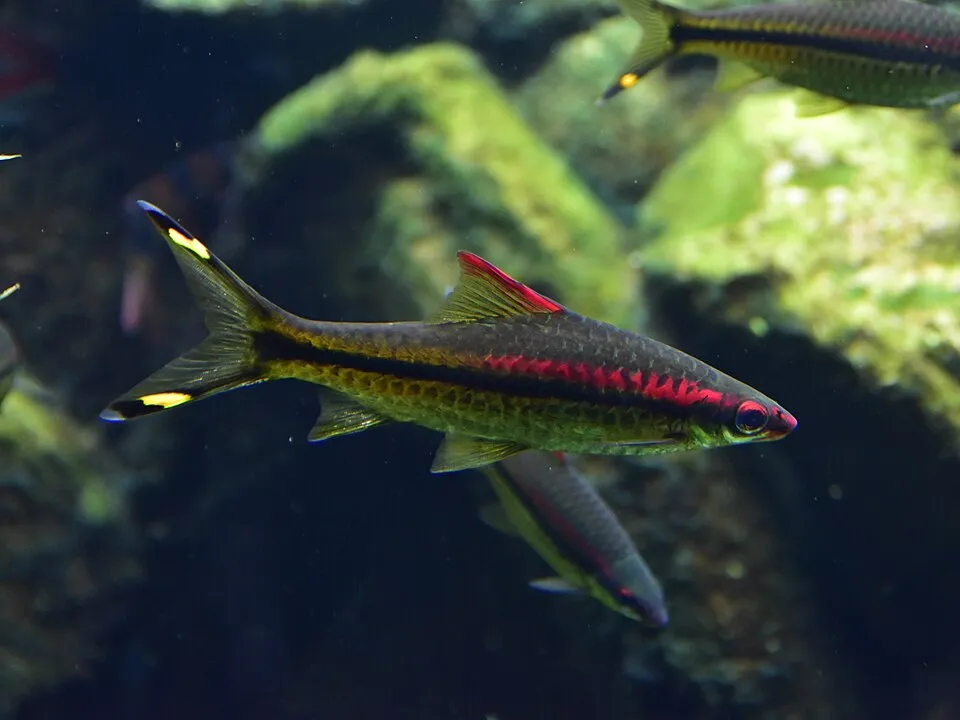
Redline torpedo barb
Sahyadria denisonii
Freshwater4.3 in (11 cm) · 53 gal (200 L)59–77°F (15–25°C)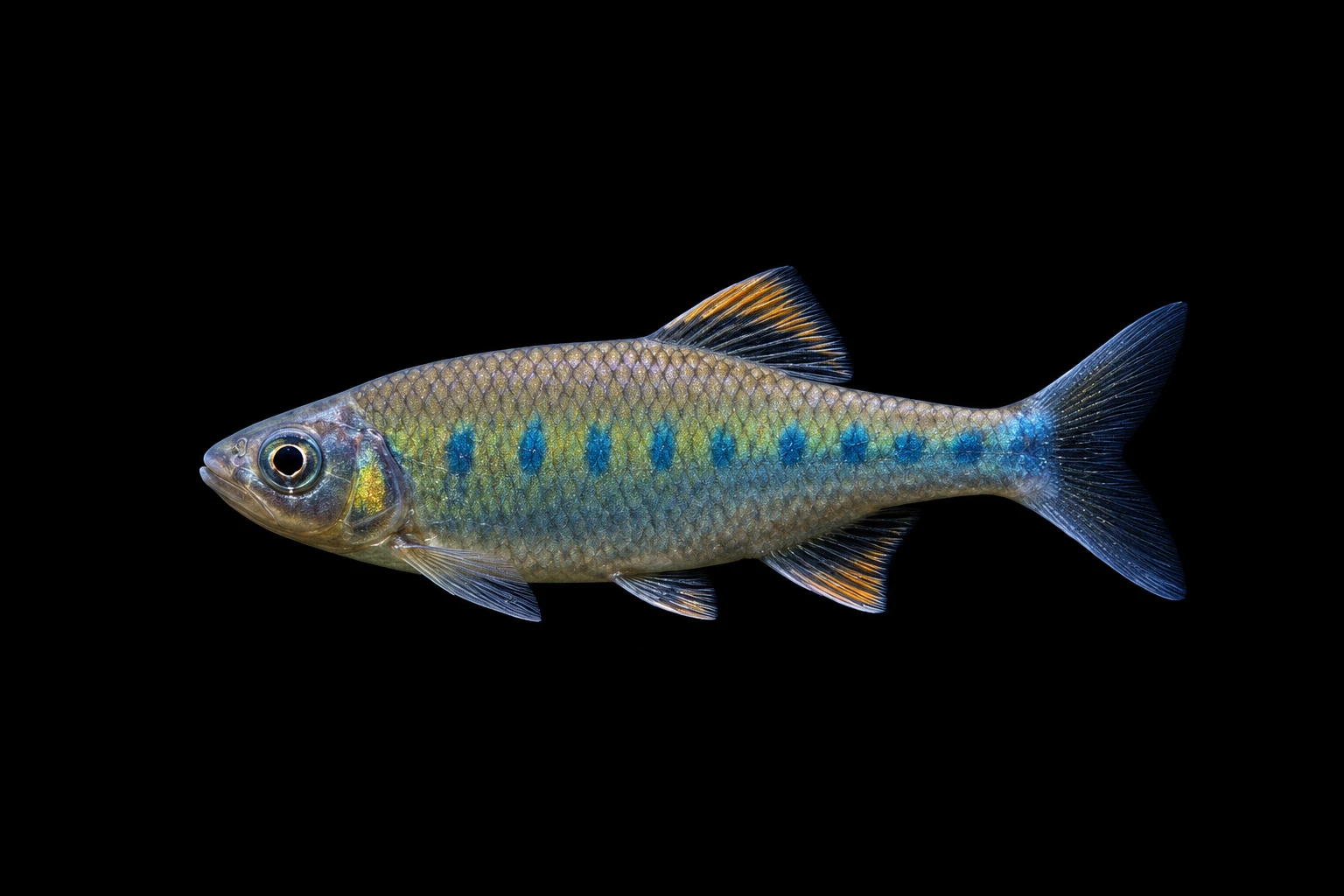
Blue spotted hill trout
Barilius bakeri
Freshwater5.1 in (13 cm) · 53 gal (200 L)64–79°F (18–26°C)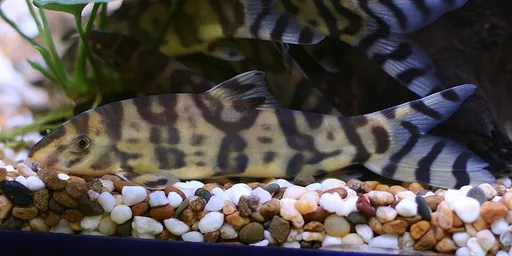
Burmese border loach
Botia histrionica
Freshwater5.1 in (13 cm) · 53 gal (200 L)72–82°F (22–28°C)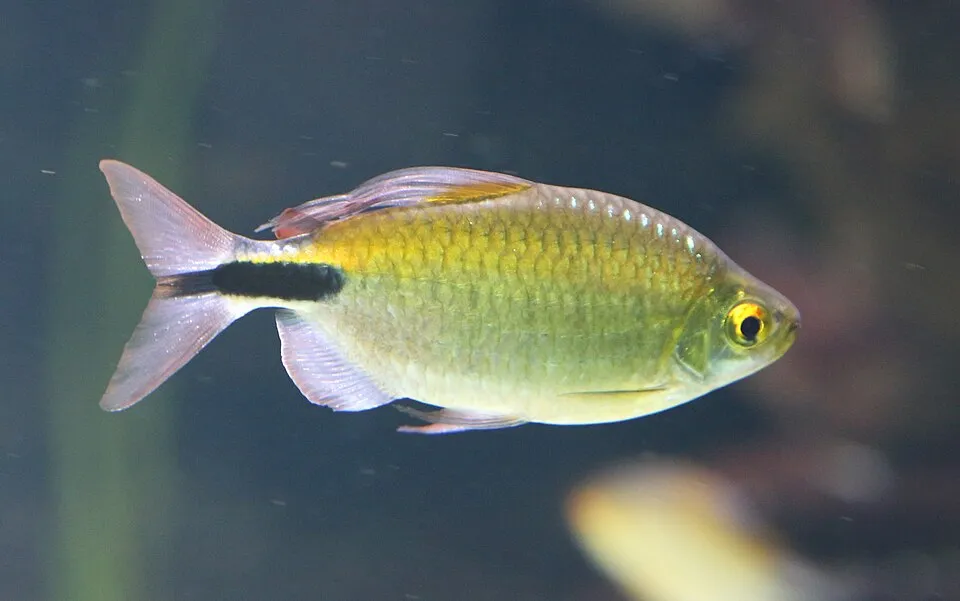
Long-fin tetra
Brycinus longipinnis
Freshwater4.9 in (12.5 cm) · 50 gal (190 L)72–79°F (22–26°C)
Common questions
What size tank does a Beijiang barb need?
A Beijiang barb needs at least 53 gal (200 L). It spends most of its time in the middle.
What temperature and pH does a Beijiang barb need?
A Beijiang barb is comfortable at 64–79°F (18–26°C) with a pH of 6.5–7.8.
What does a Beijiang barb eat?
A Beijiang barb eats a mixed diet that leans on vegetable matter and biofilm. Offer algae wafers and spirulina flake, along with some frozen foods.
How big does a Beijiang barb get?
An adult Beijiang barb reaches about 5.1 in (13 cm).
Does a Beijiang barb need a group?
Yes. A Beijiang barb is a schooling species and should be kept in a group, not singly.
Related species
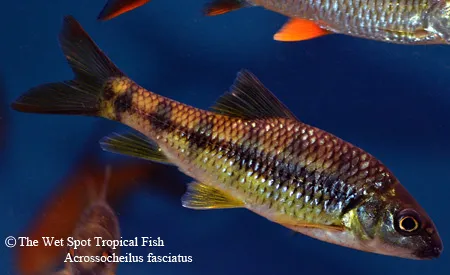 7.5 in (19 cm)79 gal (300 L)61–75°F (16–24°C)
Railway barb
Acrossocheilus fasciatus
7.5 in (19 cm) · 79 gal (300 L)
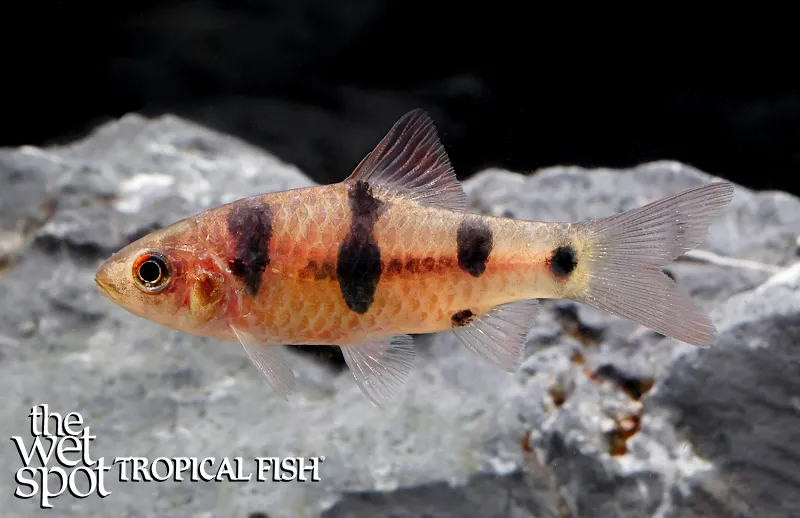 5.1 in (13 cm)53 gal (200 L)75–82°F (24–28°C)
Clown barb
Barbodes dunckeri
5.1 in (13 cm) · 53 gal (200 L)
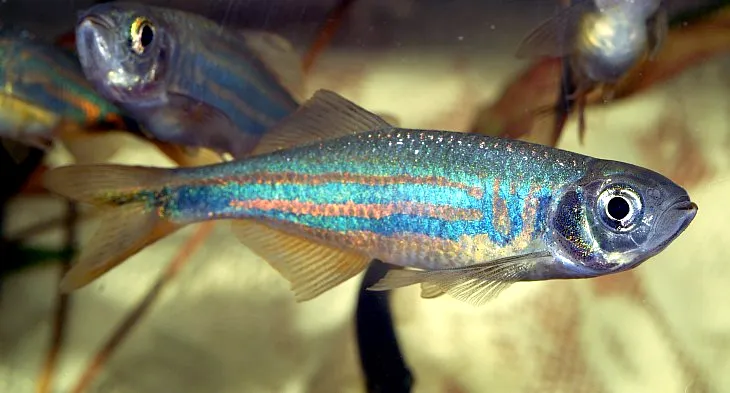 5.1 in (13 cm)48 gal (180 L)64–77°F (18–25°C)
Malabar danio
Devario malabaricus
5.1 in (13 cm) · 48 gal (180 L)
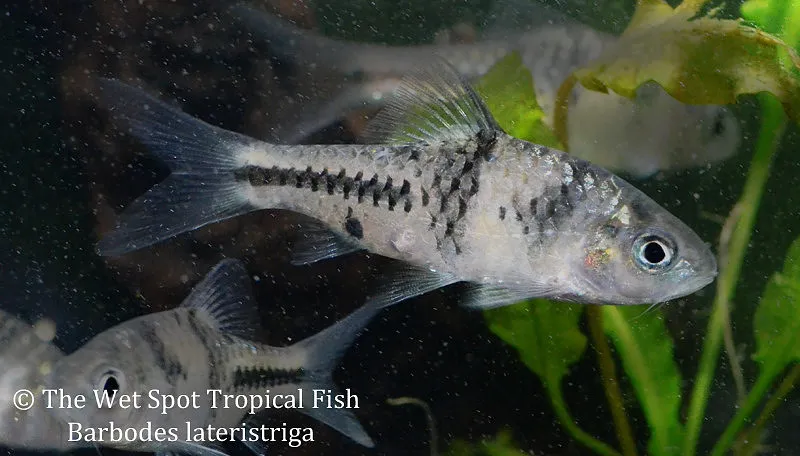 5.9 in (15 cm)74 gal (280 L)72–79°F (22–26°C)
Spanner barb
Barbodes lateristriga
5.9 in (15 cm) · 74 gal (280 L)
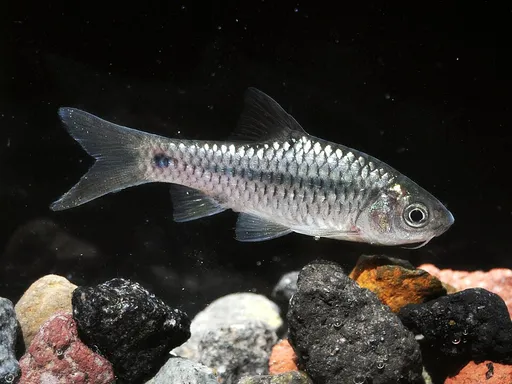 5.9 in (15 cm)63 gal (240 L)72–79°F (22–26°C)
Spotted barb
Barbodes binotatus
5.9 in (15 cm) · 63 gal (240 L)
 3.9 in (10 cm)34 gal (130 L)73–82°F (23–28°C)
Clown rasbora
Rasbora kalochroma
3.9 in (10 cm) · 34 gal (130 L)