Long-fin tetra
Brycinus longipinnis
Also known as Red Fin Alestes Tetra
FreshwaterFish
Care at a glance
- Temperature
- 72–79°F
- 22–26°C
- pH
- 6.0–7.5
- Adult size
- 4.9 in
- 12.5 cm
- Minimum tank
- 50 gal
- 190 L
- Temperament
- Mostly peaceful
- Social behavior
- Schooling
- Swim level
- Middle
- Difficulty
- Medium
- Breeding
- No record
- Rarity
- Rare
- Family
- Alestidae
- Origin
- West Africa
Overview
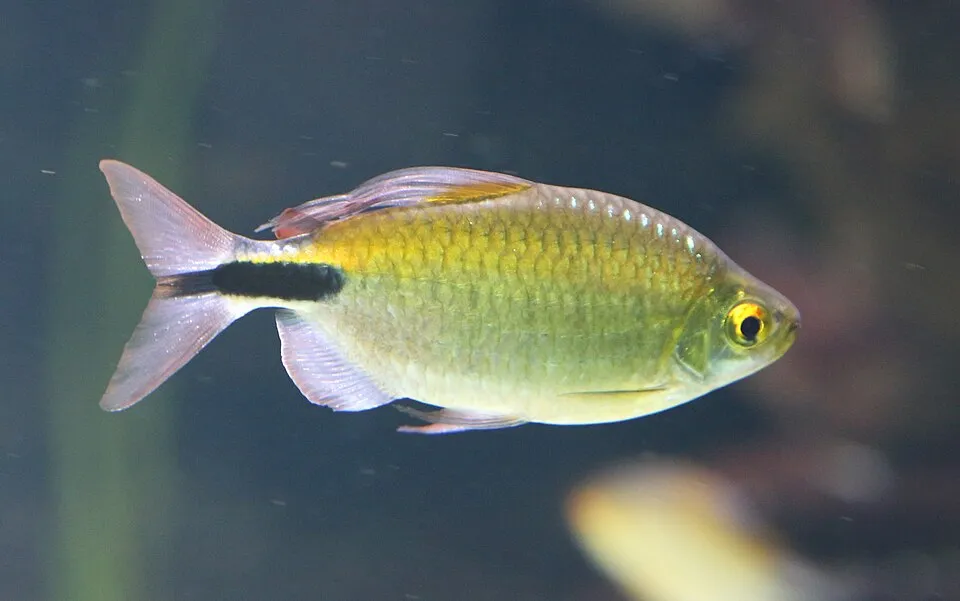
These are active, mostly peaceful schoolers that need a group of at least six and a good amount of swimming room, so around 190 liters fits them better than a small tank. They cruise the middle and upper water and are fast, restless swimmers. Feed a mix of quality flake, small pellets, and frozen foods like bloodworms and brine shrimp. They mix well with other robust, similarly sized community fish but may nip very slow or long-finned tankmates.
In the wild
Long-fin tetras come from West Africa, living in Atlantic coastal river basins from Gambia to Gabon and into the DR Congo, in slow rivers, lakes, and coastal streams with soft, slightly acidic to neutral water. These spots have dense plant growth, submerged roots, and a sandy or fine gravel bottom. A planted tank with driftwood, open swimming lanes, and a darker substrate suits them. Keep the water soft, pH 6 to 7.5, and temps in the low to mid 20s C.
Good to know
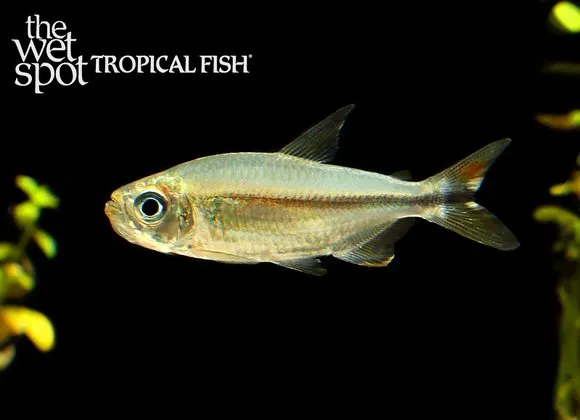
Brycinus longipinnis is an African characin in the family Alestidae and grows to about 12.5 cm. It has a streamlined silver body with a tall dorsal fin in mature fish. It is an egg-scatterer with no parental care, and eggs hatch in roughly a day and a half to two days. The species is widespread and listed as Least Concern.
Did you know
Mature males develop notably extended dorsal and anal fins, which is where the common name comes from. They use those flowing fins in display, flaring at rivals and showing off to females, so the longest-finned males tend to be the dominant ones in a group.
Weekly picks
Tank mates
Long-fin tetra is a mostly peaceful, schooling species that keeps to the middle. These picks share a community profile with it, are safe together in both directions, and overlap on water type, temperature and pH.
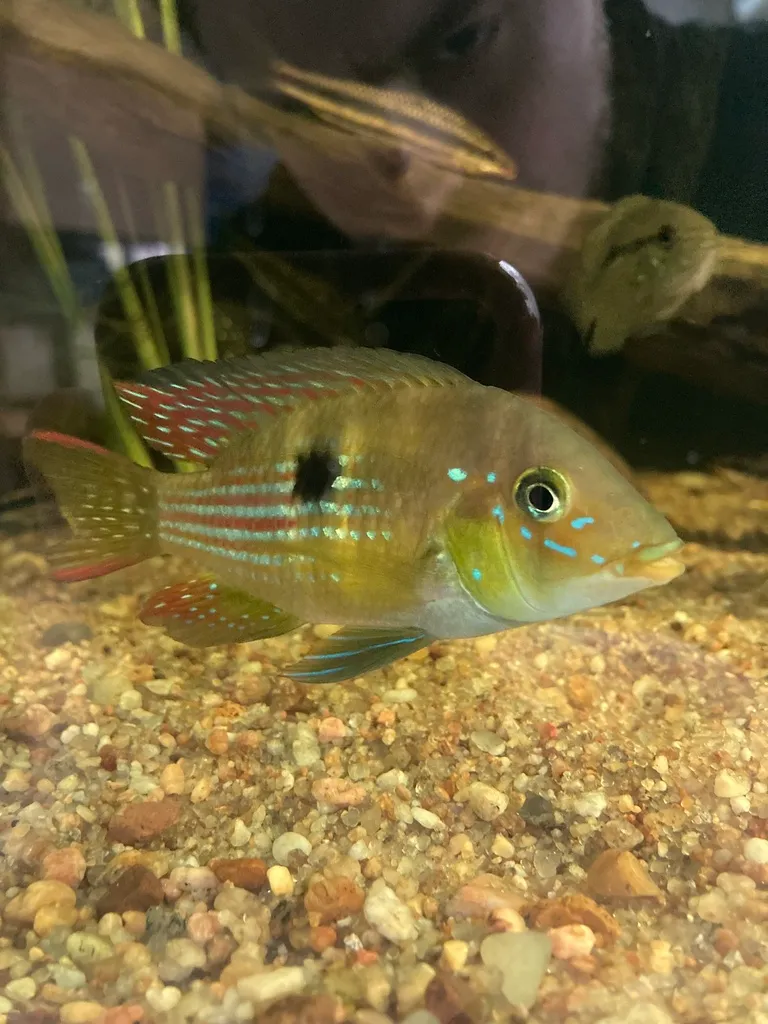
Purple earth eartheater
Gymnogeophagus terrapurpura
Freshwater4.3 in (11 cm) · 53 gal (200 L)61–79°F (16–26°C)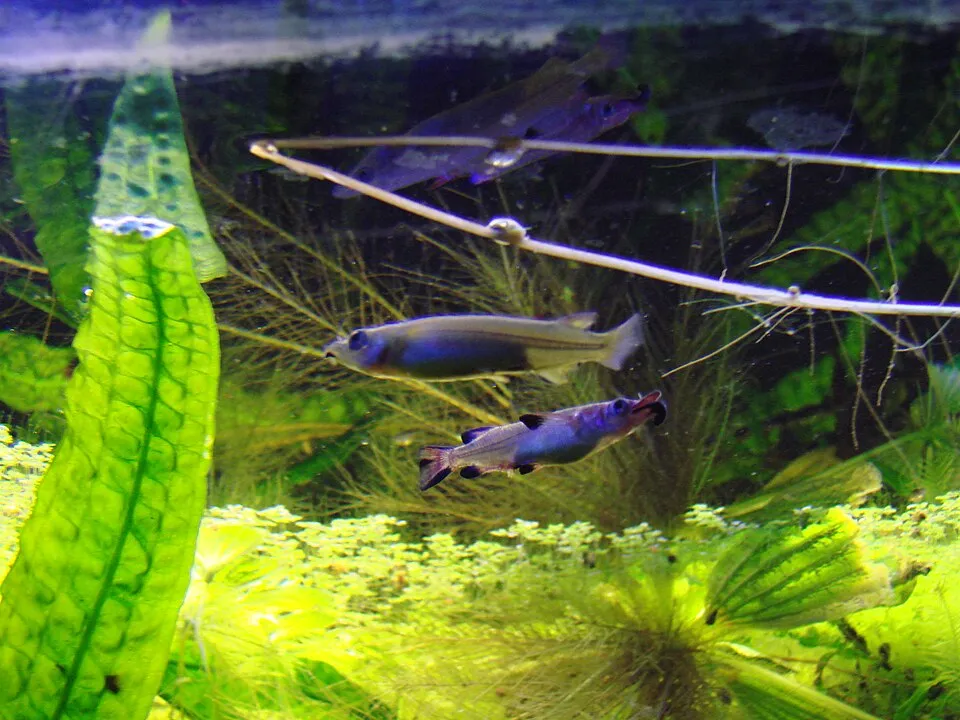
Celebes halfbeak
Nomorhamphus liemi
Freshwater3.5 in (9 cm) · 40 gal (150 L)68–77°F (20–25°C)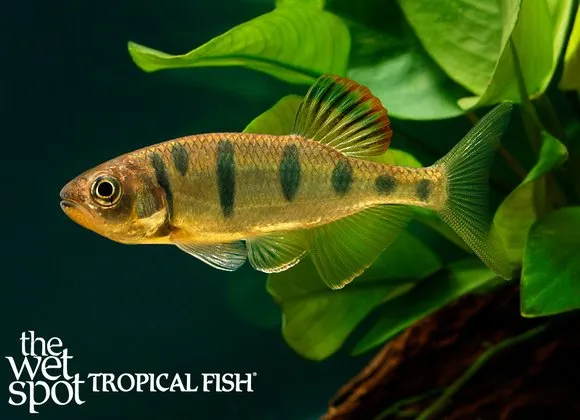
Jeweled baril
Opsarius pulchellus
Freshwater5.1 in (13 cm) · 53 gal (200 L)72–81°F (22–27°C)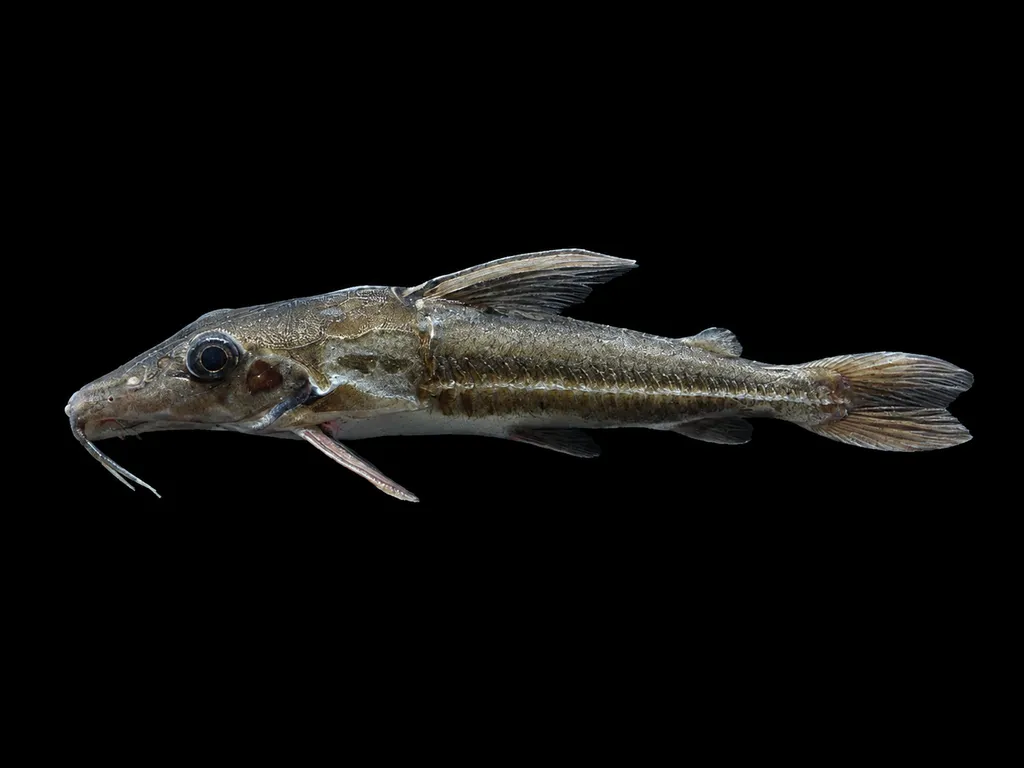
Green turushuki catfish
Hemidoras morrisi
Freshwater6.3 in (16 cm) · 53 gal (200 L)73–82°F (23–28°C)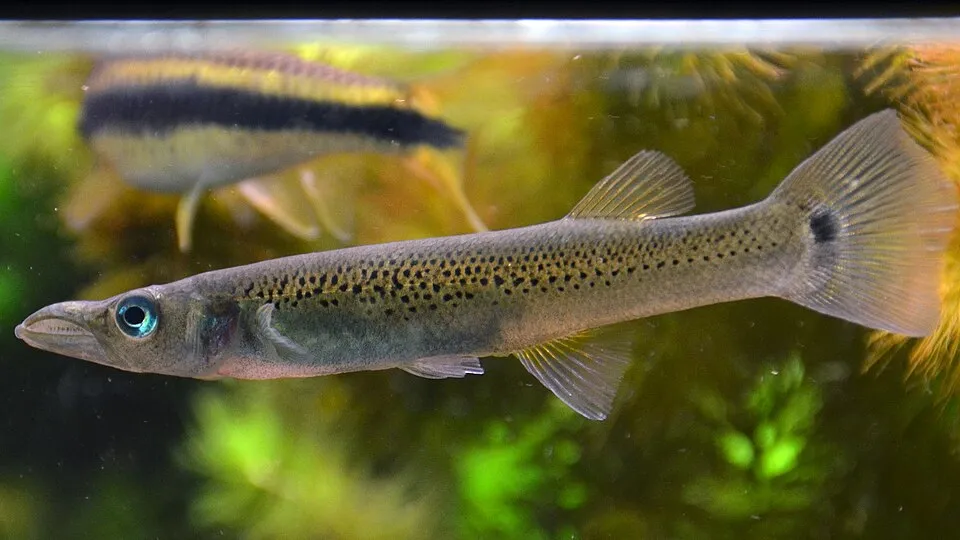
Pike topminnow
Belonesox belizanus
Freshwater7.9 in (20 cm) · 44 gal (165 L)73–82°F (23–28°C)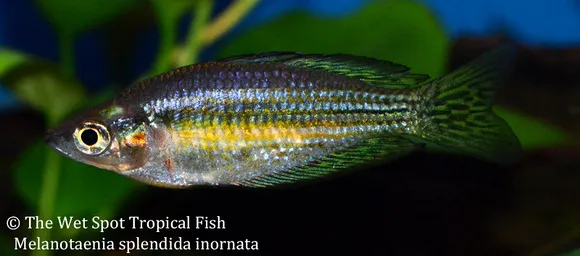
Checkered rainbowfish
Melanotaenia splendida inornata
Freshwater4.7 in (12 cm) · 53 gal (200 L)72–86°F (22–30°C)
Common questions
What size tank does a Long-fin tetra need?
A Long-fin tetra needs at least 50 gal (190 L). It spends most of its time in the middle.
What temperature and pH does a Long-fin tetra need?
A Long-fin tetra is comfortable at 72–79°F (22–26°C) with a pH of 6.0–7.5.
How big does a Long-fin tetra get?
An adult Long-fin tetra reaches about 4.9 in (12.5 cm).
Does a Long-fin tetra need a group?
Yes. A Long-fin tetra is a schooling species and should be kept in a group, not singly.
Related species
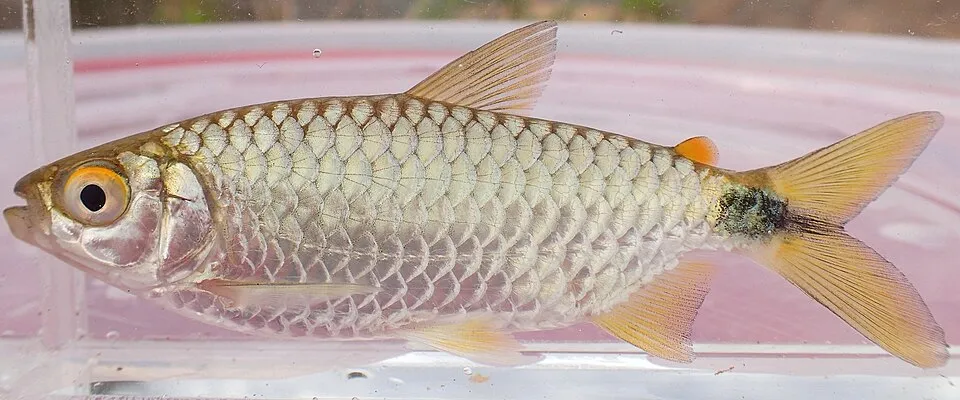 7.9 in (20 cm)65 gal (245 L)72–81°F (22–27°C)
Spot-tail tetra
Brycinus imberi
7.9 in (20 cm) · 65 gal (245 L)
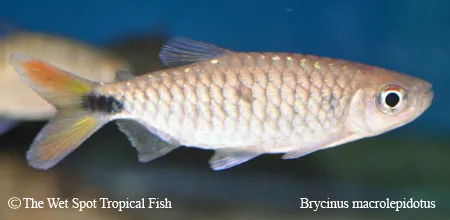 20.9 in (53 cm)264 gal (1,000 L)73–82°F (23–28°C)
Red-tail brycinus
Brycinus macrolepidotus
20.9 in (53 cm) · 264 gal (1,000 L)
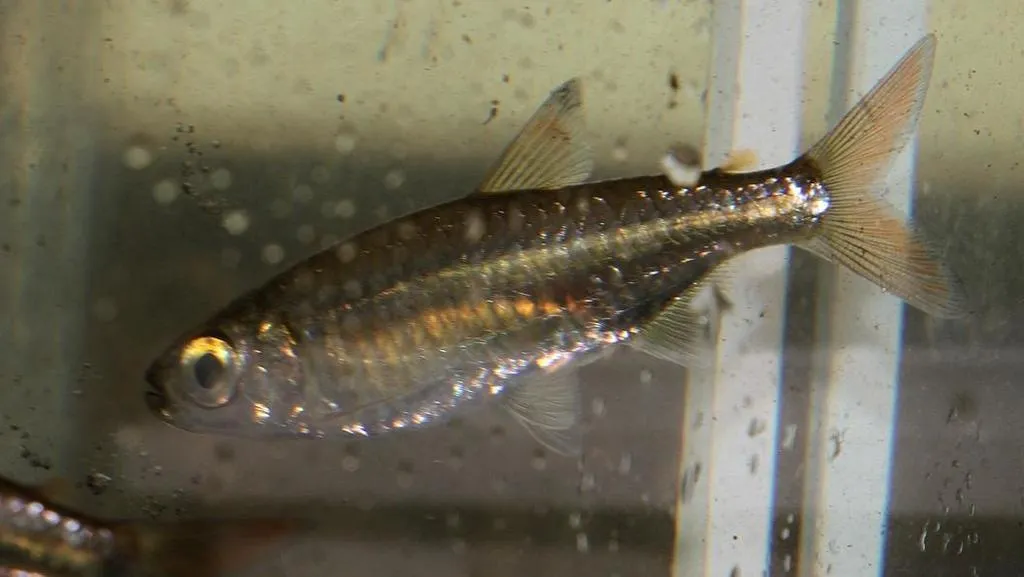 3.5 in (9 cm)32 gal (120 L)72–79°F (22–26°C)
Sharptooth tetra
Micralestes acutidens
3.5 in (9 cm) · 32 gal (120 L)
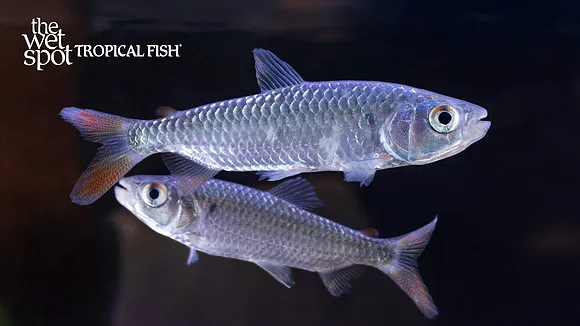 9.8 in (25 cm)106 gal (400 L)73–82°F (23–28°C)
Nurse tetra
Brachyalestes nurse
9.8 in (25 cm) · 106 gal (400 L)
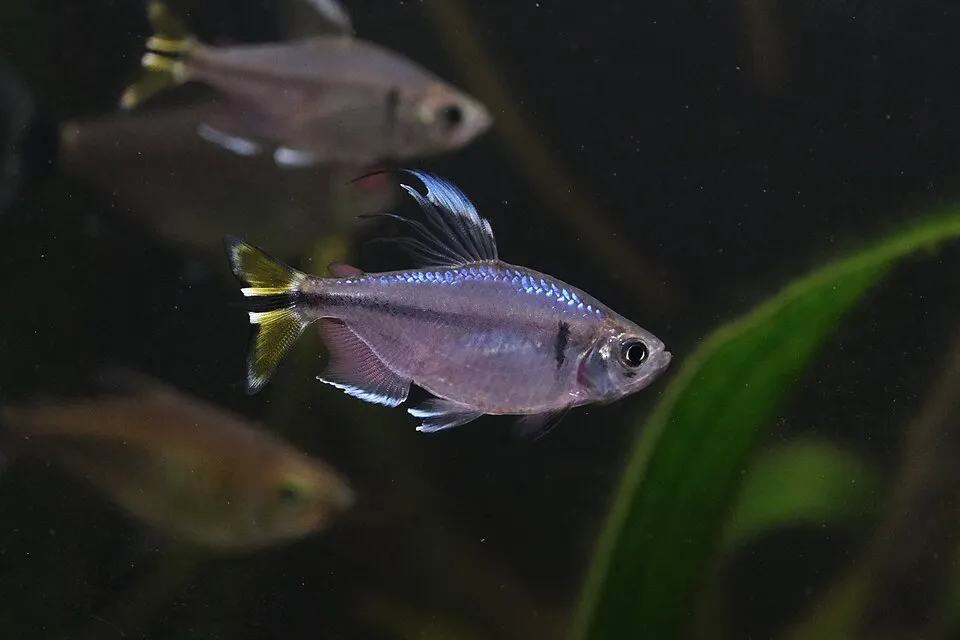 2.4 in (6 cm)20 gal (75 L)72–79°F (22–26°C)
Yellow-tailed Congo tetra
Alestopetersius caudalis
2.4 in (6 cm) · 20 gal (75 L)
 3.9 in (10 cm)42 gal (160 L)73–81°F (23–27°C)
Hilgendorf's Congo tetra
Alestopetersius hilgendorfi
3.9 in (10 cm) · 42 gal (160 L)