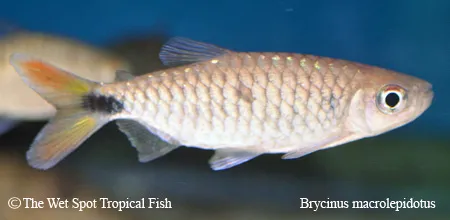
Red-tail brycinus
Brycinus macrolepidotus
Also known as True big-scale tetra
FreshwaterFish
Care at a glance
- Temperature
- 73–82°F
- 23–28°C
- pH
- 6.0–7.5
- Adult size
- 20.9 in
- 53 cm
- Minimum tank
- 264 gal
- 1,000 L
- Temperament
- Mostly peaceful
- Social behavior
- Schooling
- Swim level
- Middle
- Diet
- Omnivore
- Difficulty
- Difficult
- Breeding
- No record
- Rarity
- Rare
- Family
- Alestidae
- Origin
- Nilo-Sudanic and Congo rivers, Africa
Overview
The red-tail brycinus is a fast, active schooling tetra that swims in open midwater. It is a fish for experienced keepers with room for a huge tank.
Did you know
The red-tail brycinus is a tetra you measure against an arowana, not a neon. Its coarse, plated scales are unusually large for a tetra, which is where the name big-scale tetra comes from.
Caring for the red-tail brycinus
Give the red-tail brycinus a very large aquarium of at least 264 gal (1,000 L), with a long, open swimming lane rather than fine planting. Realistically, it is a fish for a public aquarium or a dedicated monster-tank keeper.
Keep the water at 73 to 82°F (23 to 28°C) and a pH of 6.0 to 7.5. Heavy-duty filtration, heavy oxygenation and strong flow keep the water pristine for a fish of this size. Feed generously on large pellets, meaty frozen foods, whole foods and some plant matter.
Keep a small group of at least five, since lone fish are nervous and a group settles. It is mostly peaceful for its size and leaves comparable tank mates alone. It will eat anything small enough to fit in its mouth, so keep only robust, similar-sized companions. Aquarium breeding is not recorded, and in the wild it spawns seasonally in rivers.
Good to know
Brycinus macrolepidotus, the true big-scale tetra, is one of the largest African tetras. Its name means large-scaled, and its silver scales catch the light, set off by a reddish wash in the tail. It is a valuable food and fishery species across much of Africa. In the wild it eats insects, crustaceans, smaller fish and plant matter.
In the wild
The red-tail brycinus is widespread across Africa, through the Nile, Niger, Senegal, Volta, Chad and Congo basins and the region's great lakes. It is more a river fish than a lake fish, living in large, warm, open, flowing water.
Weekly picks
Tank mates
The red-tail brycinus is a mostly peaceful, schooling species that keeps to the middle. These picks share a community profile with it, are safe together in both directions, and overlap on water type, temperature and pH.
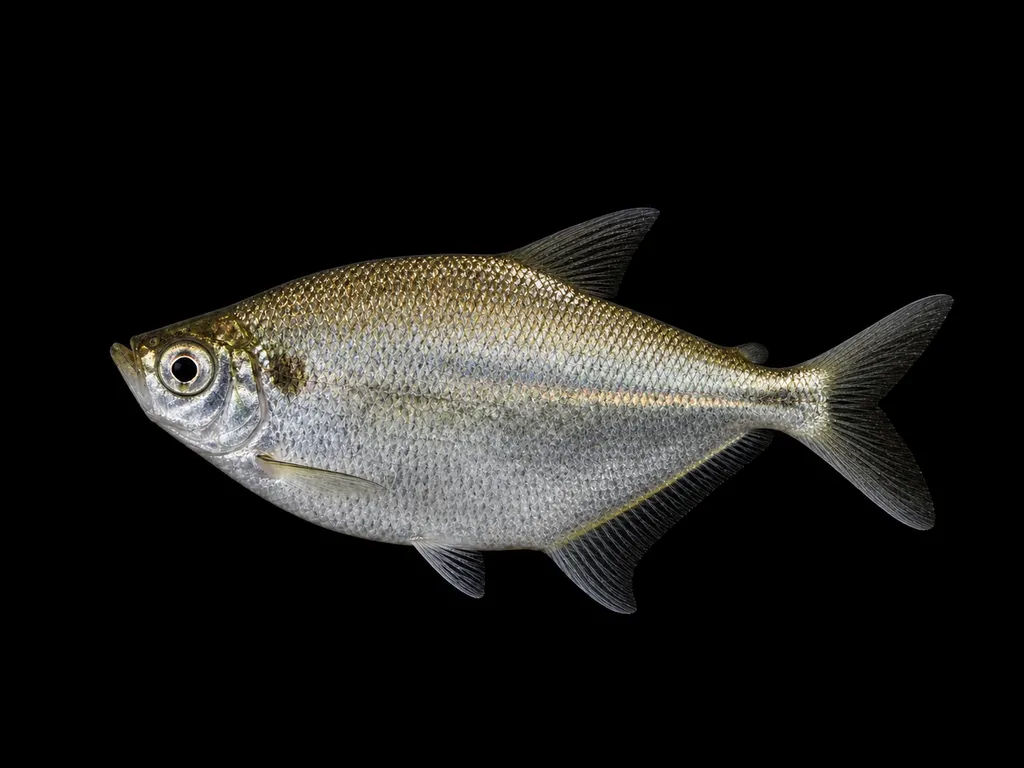
Giant river hatchetfish
Triportheus rotundatus
Freshwater9.8 in (25 cm) · 79 gal (300 L)73–82°F (23–28°C)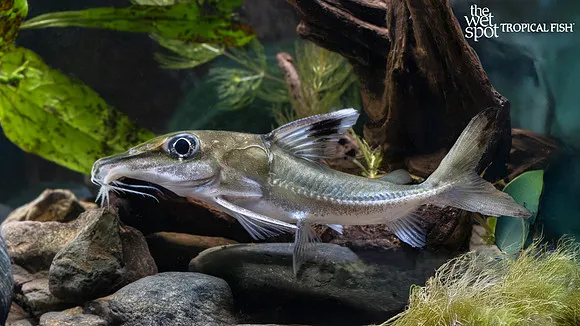
Black-top mouse catfish
Hassar orestis
Freshwater11.8 in (30 cm) · 106 gal (400 L)73–82°F (23–28°C)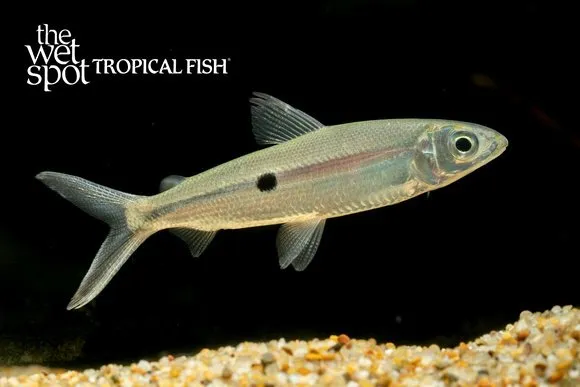
Smallscale hemiodus
Hemiodus microlepis
Freshwater11 in (28 cm) · 159 gal (600 L)75–84°F (24–29°C)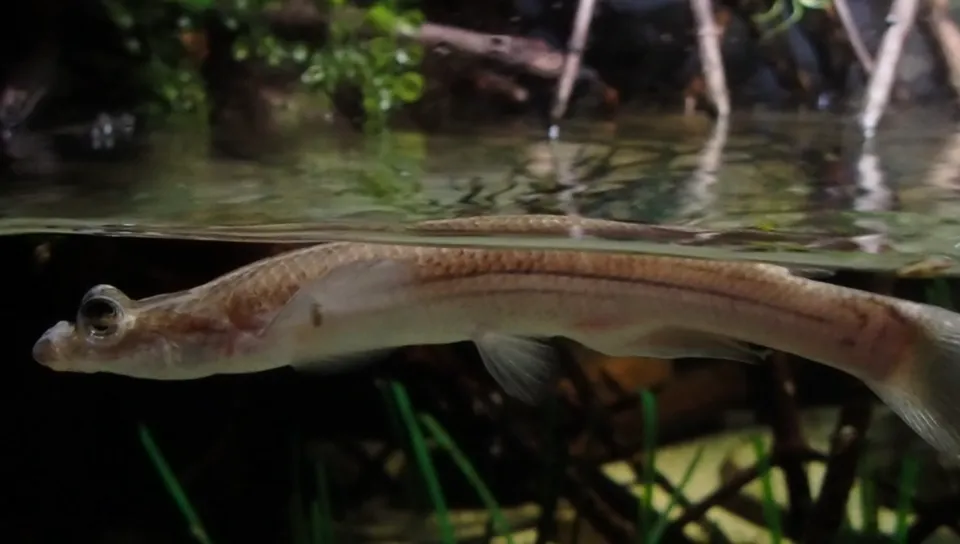
Largescale four-eyed fish
Anableps anableps
FreshwaterBrackish11.8 in (30 cm) · 70 gal (265 L)77–88°F (25–31°C)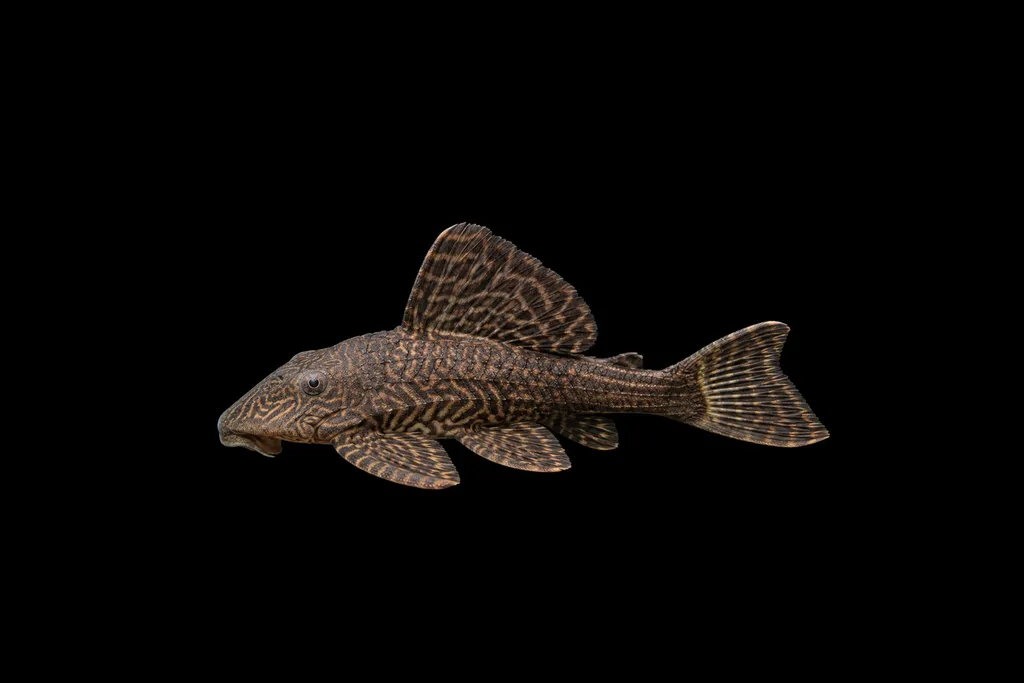
Volkswagen pleco
Panaque schaeferi
Freshwater23.6 in (60 cm) · 264 gal (1,000 L)77–84°F (25–29°C)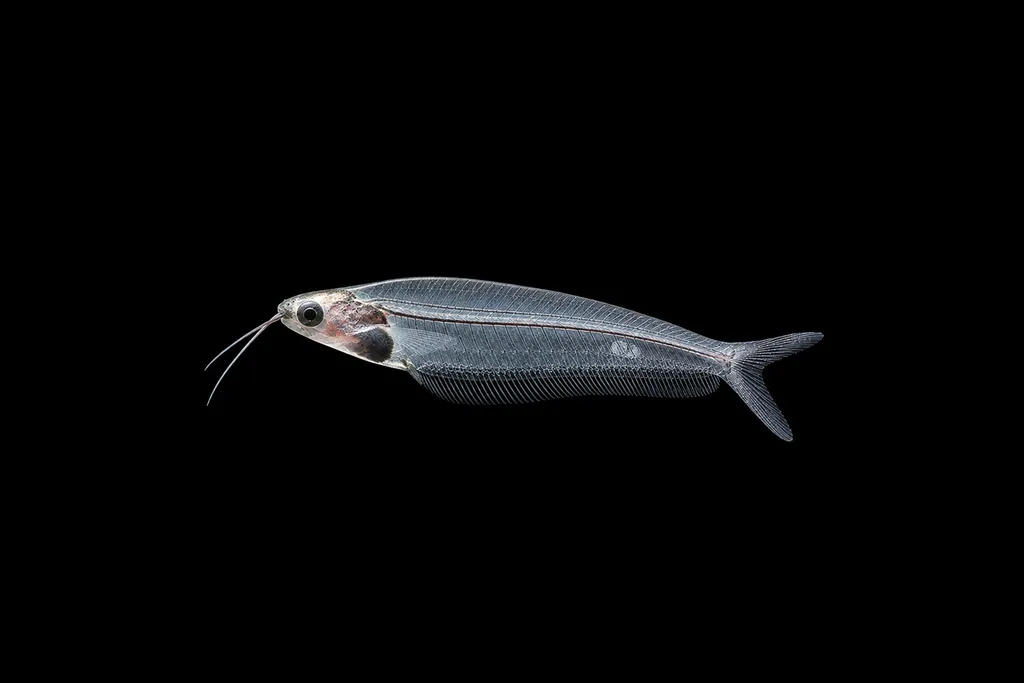
Mekong glass sheatfish
Kryptopterus limpok
Freshwater11.8 in (30 cm) · 119 gal (450 L)73–81°F (23–27°C)
Common questions
What size tank does a red-tail brycinus need?
A red-tail brycinus needs at least 264 gal (1,000 L). It spends most of its time in the middle.
What temperature and pH does a red-tail brycinus need?
A red-tail brycinus is comfortable at 73–82°F (23–28°C) with a pH of 6.0–7.5.
What does a red-tail brycinus eat?
A red-tail brycinus eats large pellets, meaty frozen foods, whole foods and some plant matter. Feed it generously.
How big does a red-tail brycinus get?
An adult red-tail brycinus reaches about 20.9 in (53 cm).
Does a red-tail brycinus need a group?
Yes. A red-tail brycinus is a schooling species and should be kept in a group, not singly.
How does a red-tail brycinus breed?
The red-tail brycinus spawns seasonally in rivers in the wild. Breeding in the aquarium is not recorded.
Related species
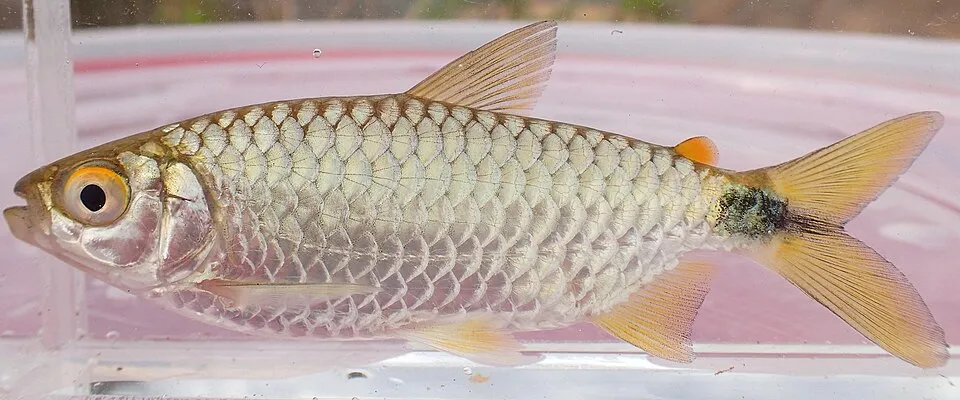 7.9 in (20 cm)65 gal (245 L)72–81°F (22–27°C)
Spot-tail tetra
Brycinus imberi
7.9 in (20 cm) · 65 gal (245 L)
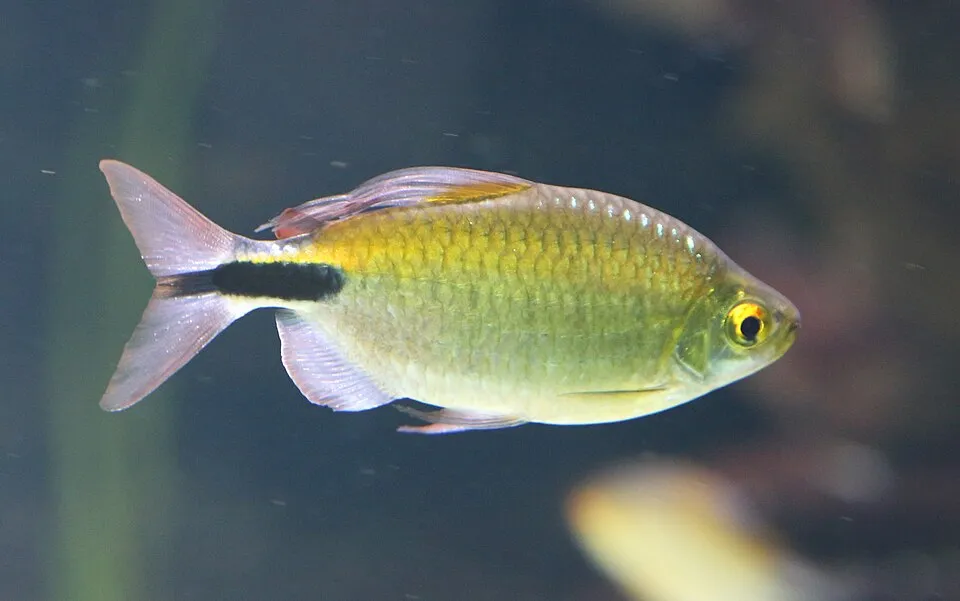 4.9 in (12.5 cm)50 gal (190 L)72–79°F (22–26°C)
Long-fin tetra
Brycinus longipinnis
4.9 in (12.5 cm) · 50 gal (190 L)
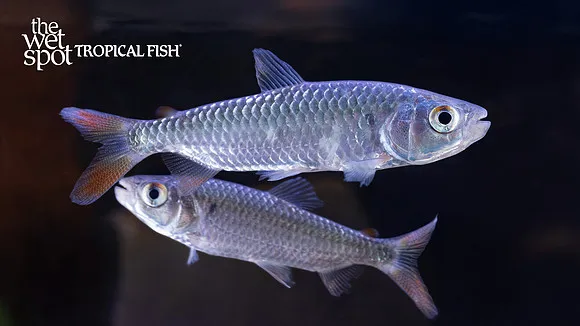 9.8 in (25 cm)106 gal (400 L)73–82°F (23–28°C)
Nurse tetra
Brachyalestes nurse
9.8 in (25 cm) · 106 gal (400 L)
 29.5 in (75 cm)1,057 gal (4,000 L)75–82°F (24–28°C)
African tigerfish
Hydrocynus vittatus
29.5 in (75 cm) · 1,057 gal (4,000 L)
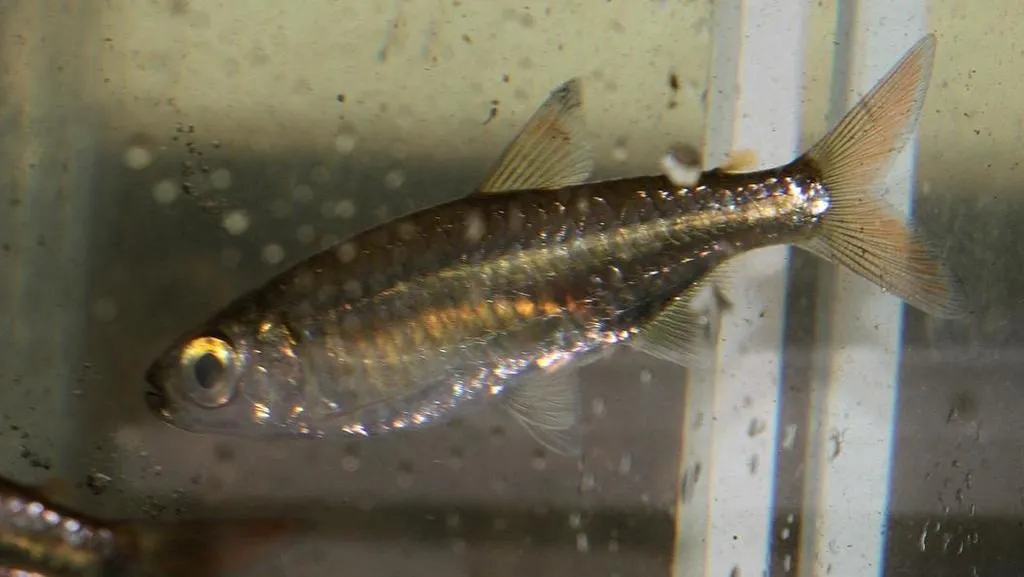 3.5 in (9 cm)32 gal (120 L)72–79°F (22–26°C)
Sharptooth tetra
Micralestes acutidens
3.5 in (9 cm) · 32 gal (120 L)
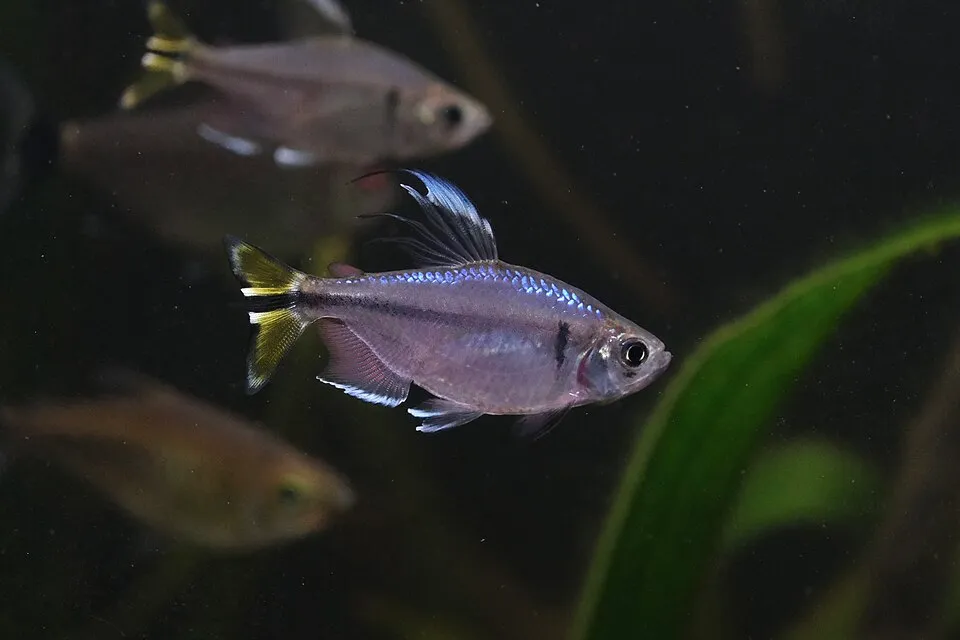 2.4 in (6 cm)20 gal (75 L)72–79°F (22–26°C)
Yellow-tailed Congo tetra
Alestopetersius caudalis
2.4 in (6 cm) · 20 gal (75 L)