Leopard sailfin pleco
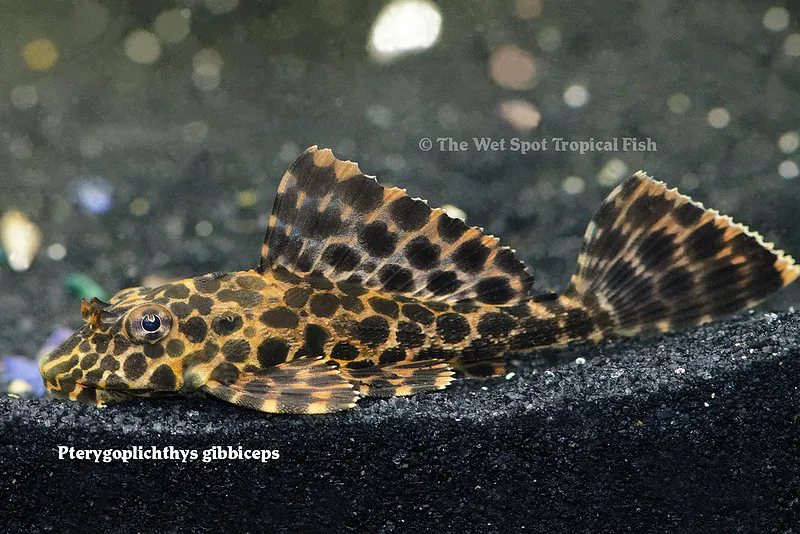
Pterygoplichthys gibbiceps
Also known as clown sailfin pleco, Marble sailfin pleco
FreshwaterFish
Care at a glance
- Temperature
- 72–86°F
- 22–30°C
- pH
- 6.5–7.5
- Adult size
- 18.9 in
- 48 cm
- Minimum tank
- 100 gal
- 380 L
- Temperament
- Peaceful
- Social behavior
- Solitary
- Swim level
- Bottom
- Difficulty
- Medium
- Breeding
- No record
- Rarity
- Common
- Family
- Loricariidae
- Origin
- Brazil, Venezuela
Overview
This is a peaceful but solitary bottom dweller that wants its own space and a cave to retreat into during the day. It rasps on wood and surfaces and produces a lot of waste, so strong filtration and frequent water changes are a must. Feed a plant-based diet of algae wafers and blanched vegetables like zucchini and cucumber, and offer driftwood to chew on. Watch tankmates, since a big adult can be clumsy and pushy around the bottom.
In the wild
Leopard sailfin plecos come from the Amazon in Brazil and Venezuela, living in flowing rivers among submerged wood and rocky structure. They are wood-grazers, so driftwood is more than decoration for them. Give them a large tank with plenty of wood, hiding spots, and good current. These fish get huge, so 380 liters is a realistic minimum, not a goal.
Good to know
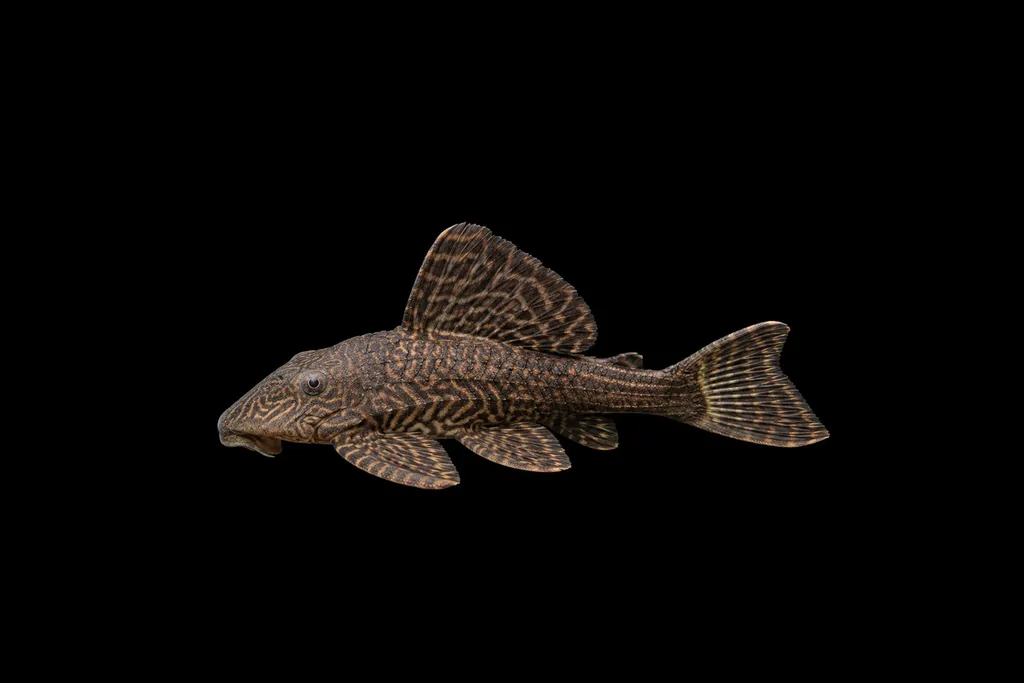
Pterygoplichthys gibbiceps is a suckermouth catfish in the family Loricariidae, marked by a tall, sail-like dorsal fin and a leopard-spotted pattern. It is one of the larger plecos, reaching about 48 cm. Like other Pterygoplichthys it can gulp air and survive low-oxygen conditions for a while. It is not bred commercially at any scale for the trade.
Did you know
Outside its native range this pleco has become a serious invasive species. In warm regions it digs nesting burrows into riverbanks, and large populations can undermine and collapse the banks, which is one reason releasing aquarium fish is such a problem.
Weekly picks
Tank mates
Leopard sailfin pleco is a peaceful, solitary species that keeps to the bottom. These picks share a community profile with it, are safe together in both directions, and overlap on water type, temperature and pH.
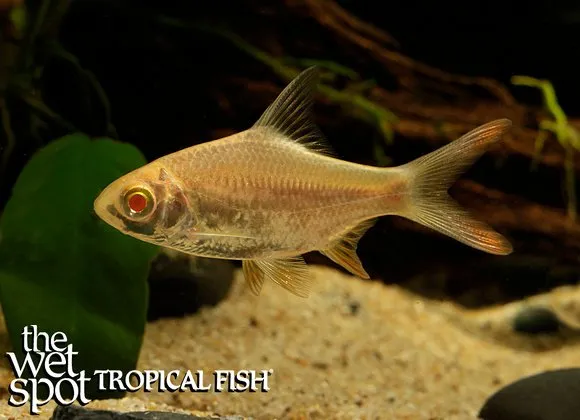
Red-tailed tinfoil barb
Barbonymus altus
Freshwater9.8 in (25 cm) · 106 gal (400 L)72–82°F (22–28°C)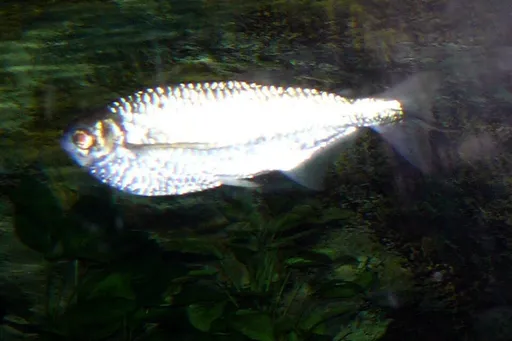
Narrow hatchetfish
Triportheus angulatus
Freshwater9.8 in (25 cm) · 79 gal (300 L)73–82°F (23–28°C)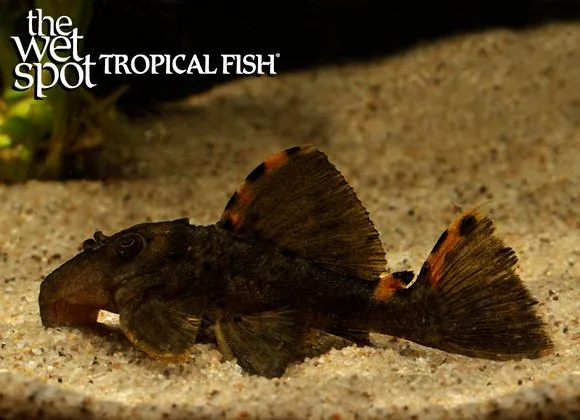
Three beacon pleco
Leporacanthicus triactis
Freshwater11 in (28 cm) · 106 gal (400 L)79–86°F (26–30°C)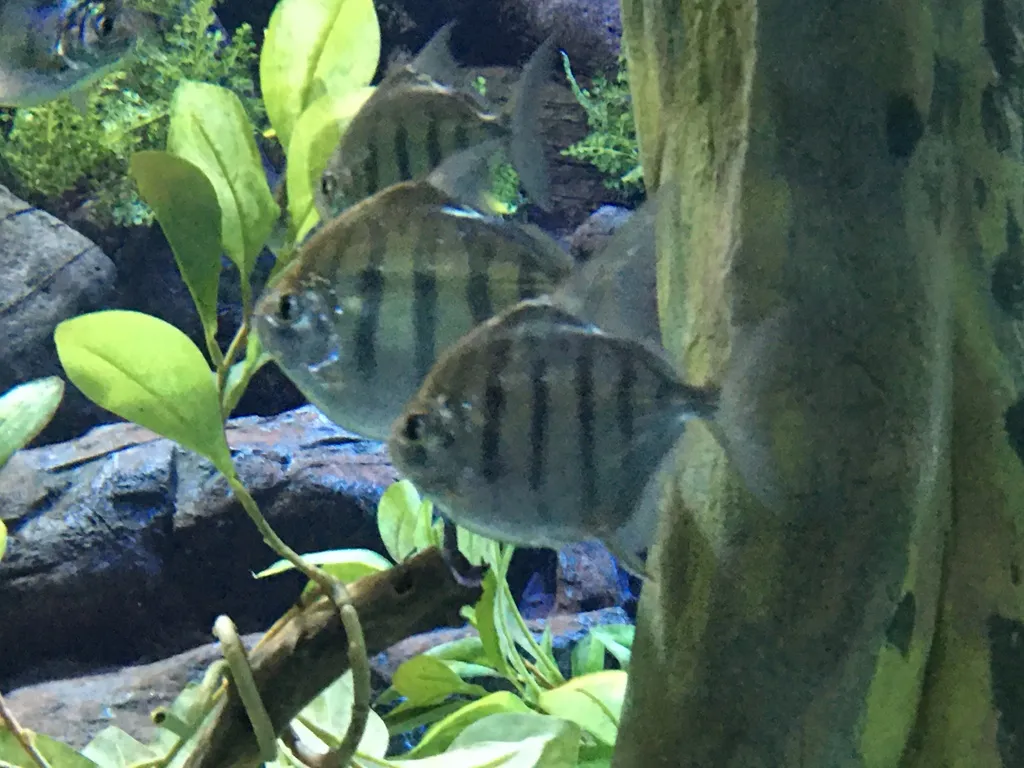
Banded silver dollar
Metynnis fasciatus
Freshwater3.9 in (10 cm) · 70 gal (265 L)75–82°F (24–28°C)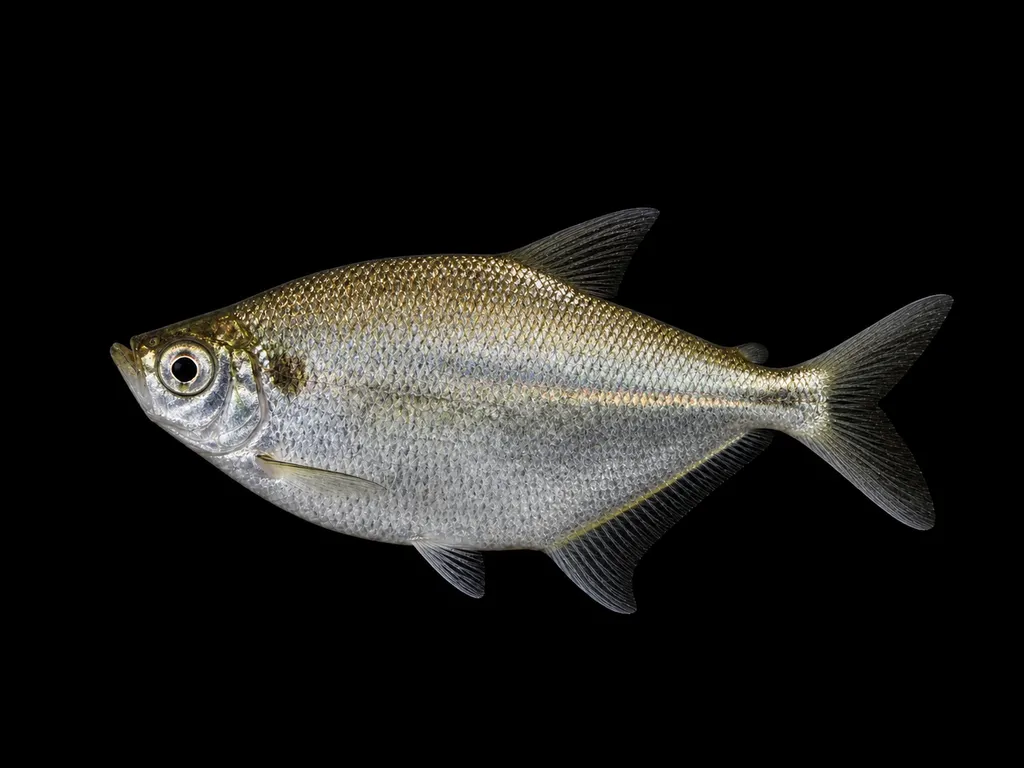
Giant river hatchetfish
Triportheus rotundatus
Freshwater9.8 in (25 cm) · 79 gal (300 L)73–82°F (23–28°C)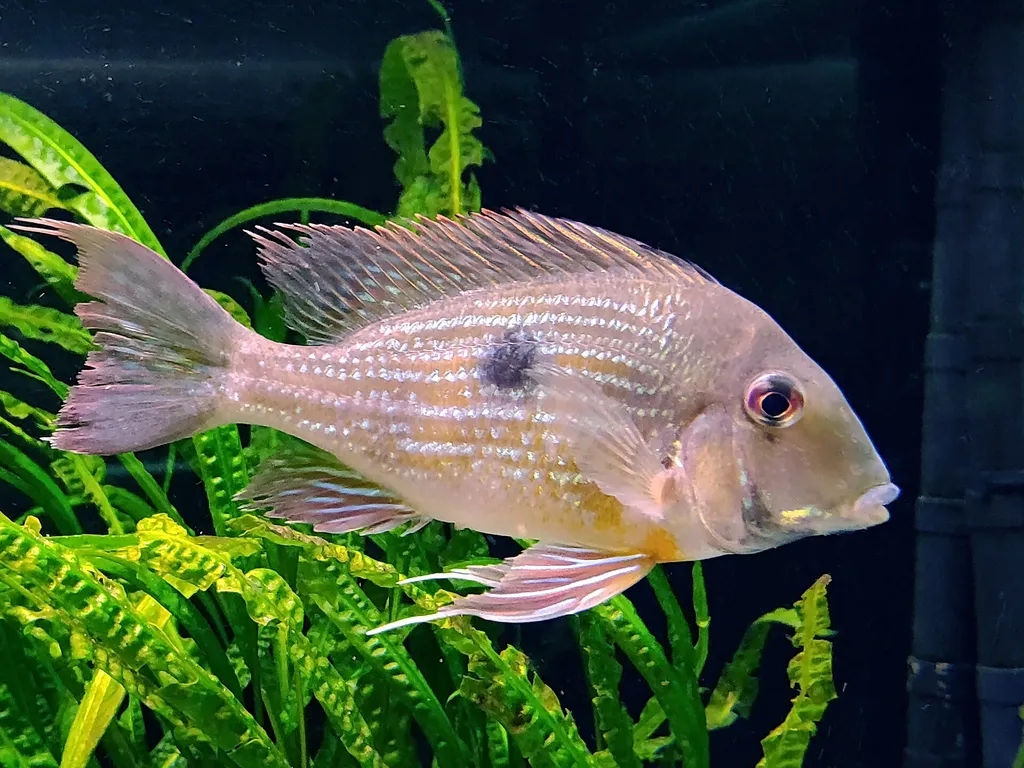
Brachybranchus eartheater
Geophagus brachybranchus
Freshwater6.7 in (17 cm) · 106 gal (400 L)77–84°F (25–29°C)
Common questions
What size tank does a Leopard sailfin pleco need?
A Leopard sailfin pleco needs at least 100 gal (380 L). It spends most of its time in the bottom.
What temperature and pH does a Leopard sailfin pleco need?
A Leopard sailfin pleco is comfortable at 72–86°F (22–30°C) with a pH of 6.5–7.5.
How big does a Leopard sailfin pleco get?
An adult Leopard sailfin pleco reaches about 18.9 in (48 cm).
Related species
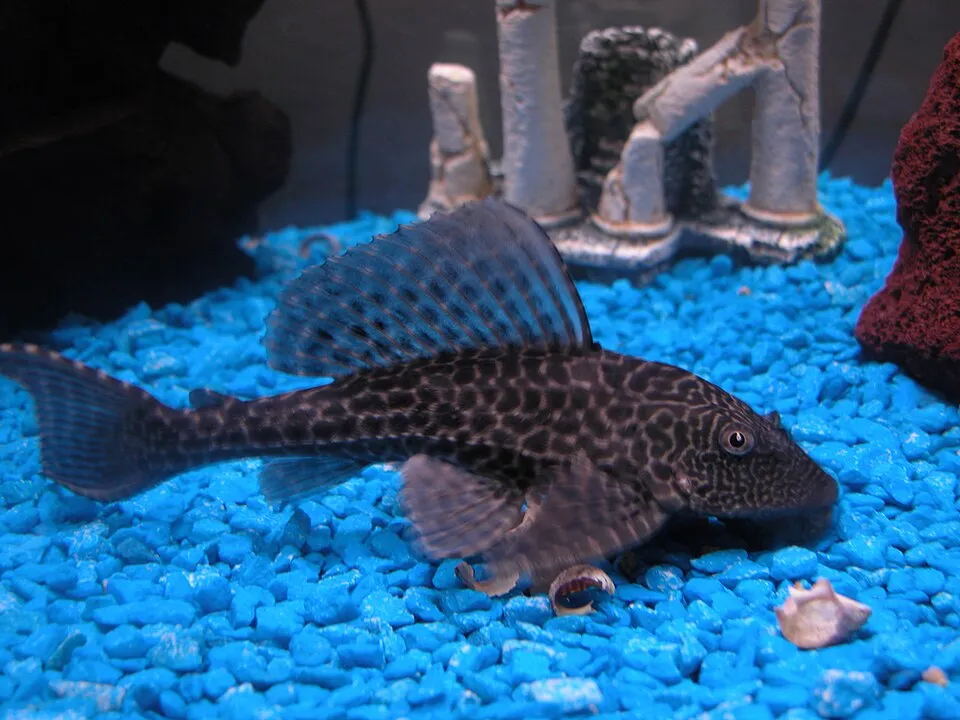 17.7 in (45 cm)100 gal (380 L)72–84°F (22–29°C)
Amazon sailfin catfish
Pterygoplichthys pardalis
17.7 in (45 cm) · 100 gal (380 L)
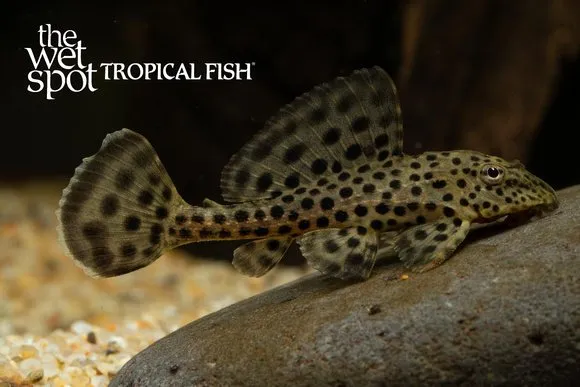
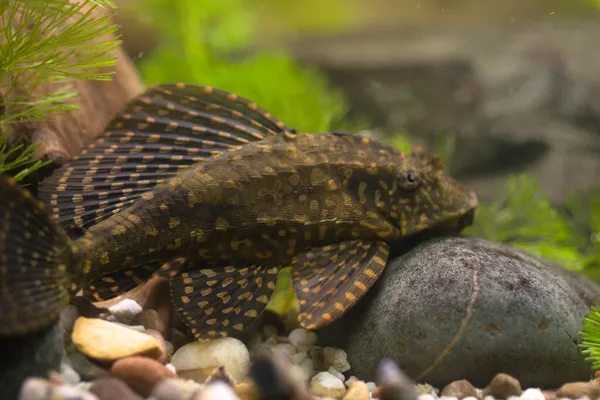 15.7 in (40 cm)119 gal (450 L)77–84°F (25–29°C)
Gold spot sailfin pleco
Pterygoplichthys joselimaianus
15.7 in (40 cm) · 119 gal (450 L)
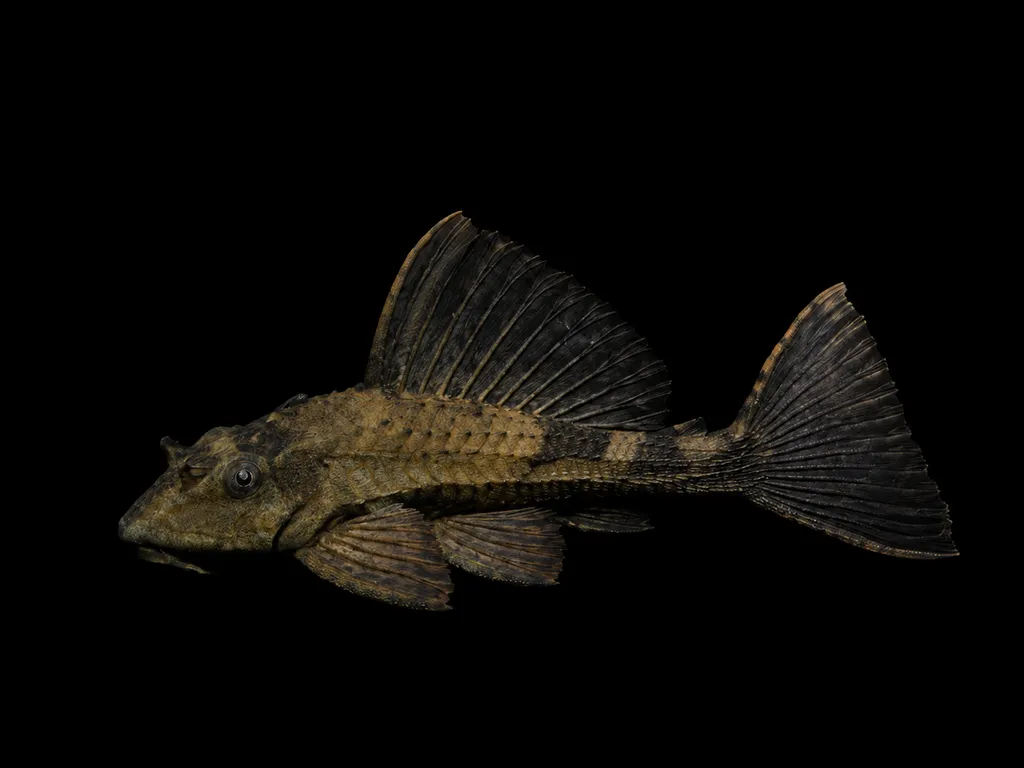
 13 in (33 cm)119 gal (450 L)77–84°F (25–29°C)
Imperial ranger pleco
Pterygoplichthys punctatus
13 in (33 cm) · 119 gal (450 L)
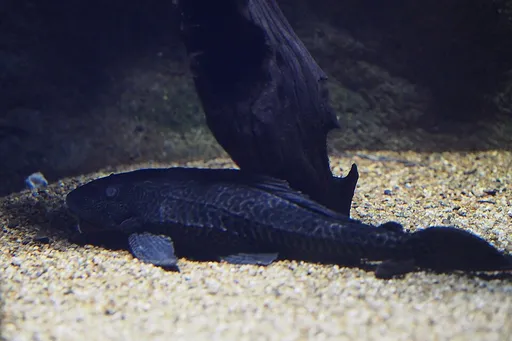
 12.6 in (32 cm)119 gal (450 L)77–84°F (25–29°C)
Rhino pleco
Pterygoplichthys scrophus
12.6 in (32 cm) · 119 gal (450 L)
 17.7 in (45 cm)100 gal (380 L)73–84°F (23–29°C)
Sailfin pleco
Pterygoplichthys disjunctivus
17.7 in (45 cm) · 100 gal (380 L)
 23.6 in (60 cm)264 gal (1,000 L)77–84°F (25–29°C)
Volkswagen pleco
Panaque schaeferi
23.6 in (60 cm) · 264 gal (1,000 L)