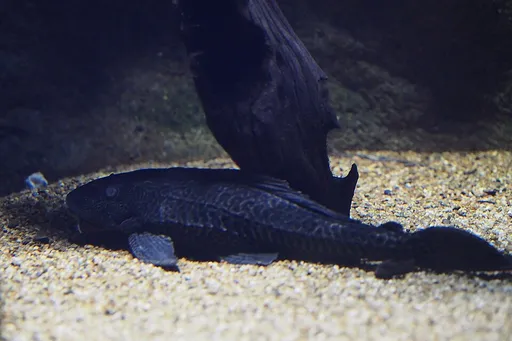
Sailfin pleco
Pterygoplichthys disjunctivus
Also known as Vermiculated sailfin pleco
FreshwaterFish
Care at a glance
- Temperature
- 73–84°F
- 23–29°C
- pH
- 6.5–7.4
- Adult size
- 17.7 in
- 45 cm
- Minimum tank
- 100 gal
- 380 L
- Temperament
- Mostly peaceful
- Social behavior
- Solitary
- Swim level
- Bottom
- Difficulty
- Medium
- Breeding
- Cave spawner · Hard
- Rarity
- Common
- Family
- Loricariidae
- Origin
- South America, Madeira River basin
Overview
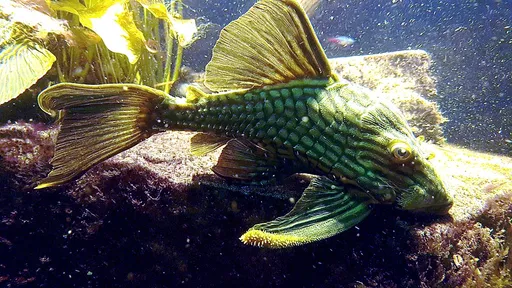
The sailfin pleco is a big, mostly peaceful pleco that sticks to the bottom of a large tank. It is best with a little experience.
Did you know
Sailfin plecos rasp and digest wood fiber, and the cellulose helps their gut work. A piece of bogwood is closer to food than furniture for them. Without it, their digestion suffers.
Caring for the sailfin pleco
Give a sailfin pleco a large tank of at least 100 gal (380 L), with smooth sand and plenty of sturdy, real driftwood to gnaw. Open floor space and wood matter more than plants, which it will uproot. Run powerful filtration to keep up with the mess it makes.
Hold the water at 73 to 84°F (23 to 29°C), with a pH of 6.5 to 7.4. Feed algae wafers, sinking pellets and plenty of vegetables such as zucchini and cucumber.
Keep one per tank, as adults get territorial toward other plecos. It is mostly peaceful, but it can rasp the slime coat off slow, flat-bodied fish such as angels and discus. That leaves open wounds, so skip those tank mates. Breeding is hard in home tanks, since in the wild sailfin plecos dig burrows in riverbanks to spawn.
Never release a sailfin pleco, since it is a notorious invasive species in warm climates. Rehoming it or returning it to a store is the only responsible way out.
Good to know
The sailfin pleco, Pterygoplichthys disjunctivus, is a large suckermouth catfish in the family Loricariidae. It is sold small, but the cute juvenile becomes a heavy, demanding fish. A healthy adult can live well over a decade.
In the wild
Sailfin plecos come from the Madeira River basin in South America. There they work over submerged wood and soft riverbed in warm, slow water.
Weekly picks
Tank mates
The sailfin pleco is a mostly peaceful, solitary species that keeps to the bottom. These picks share a community profile with it, are safe together in both directions, and overlap on water type, temperature and pH.
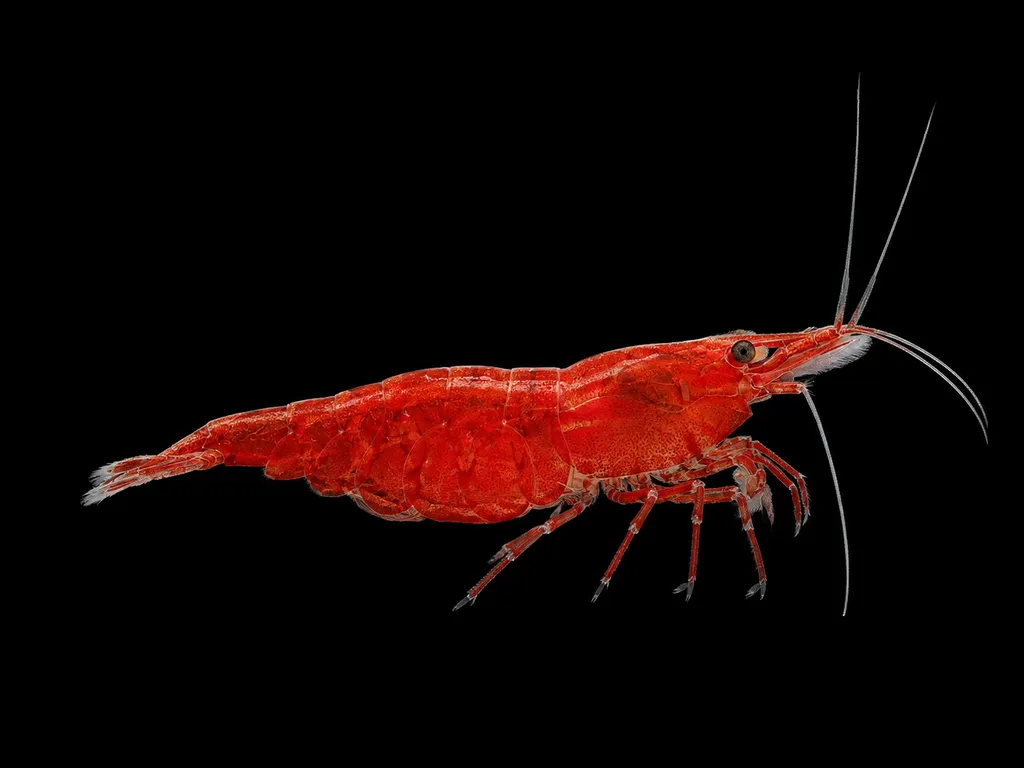
Neocaridina shrimp
Neocaridina davidi
Freshwater1.6 in (4 cm) · 5 gal (19 L)59–84°F (15–29°C)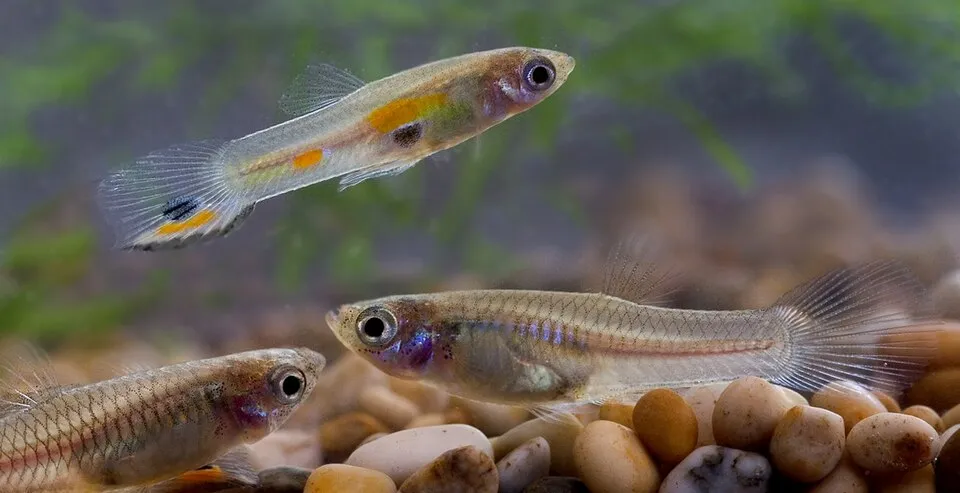
Guppy
Poecilia reticulata
FreshwaterBrackish2.4 in (6 cm) · 10 gal (38 L)64–82°F (18–28°C)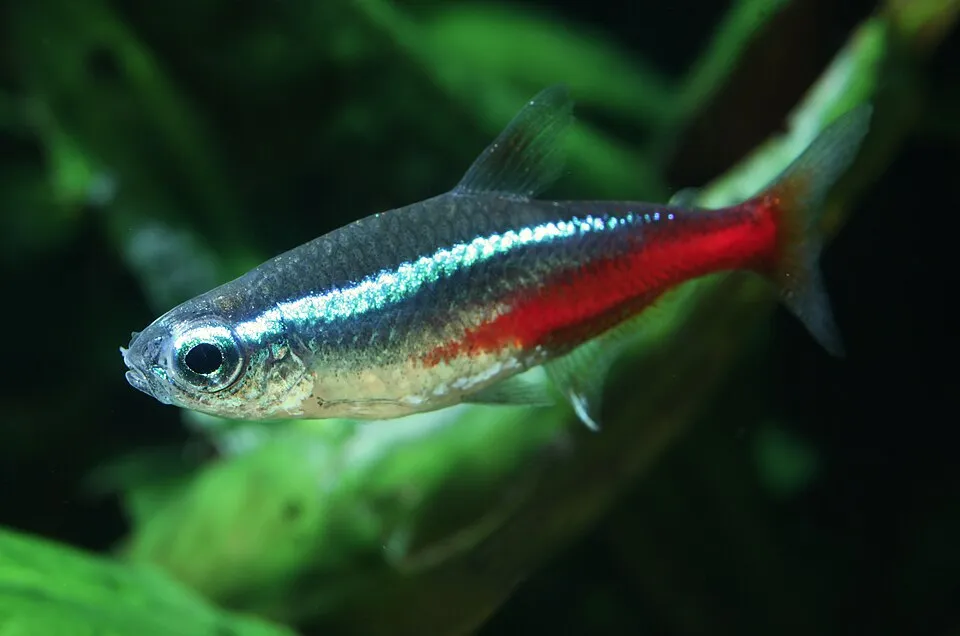
Neon tetra
Paracheirodon innesi
Freshwater1.5 in (3.8 cm) · 11 gal (40 L)70–77°F (21–25°C)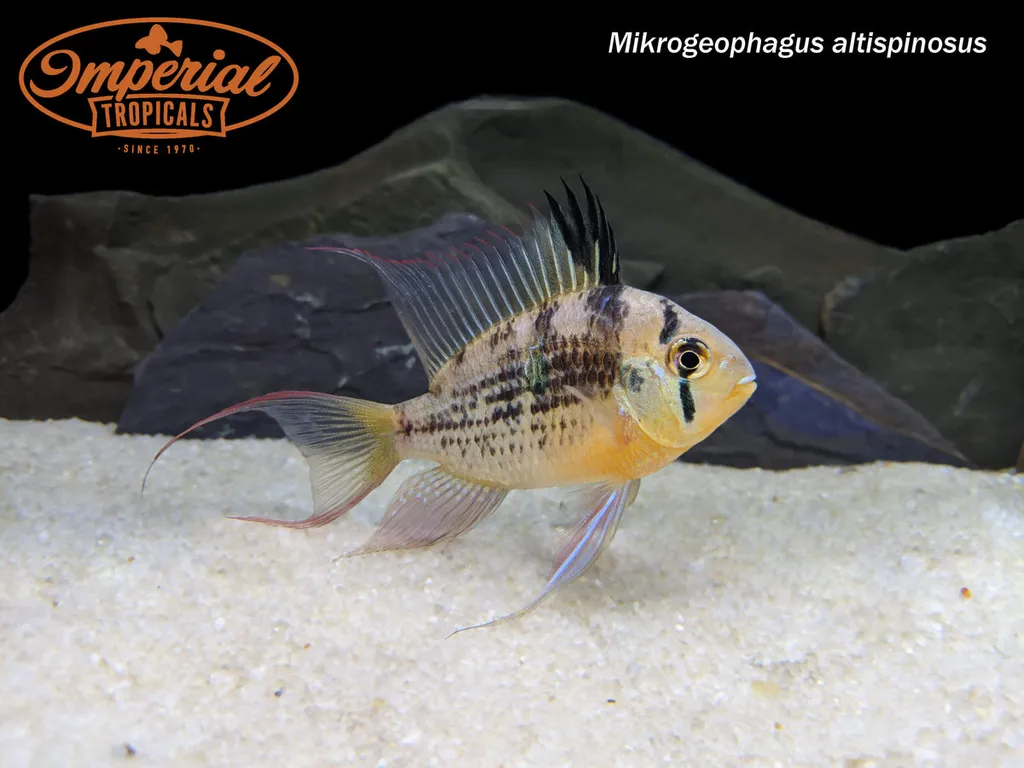
Bolivian ram
Mikrogeophagus altispinosus
Freshwater3.1 in (8 cm) · 45 gal (170 L)75–82°F (24–28°C)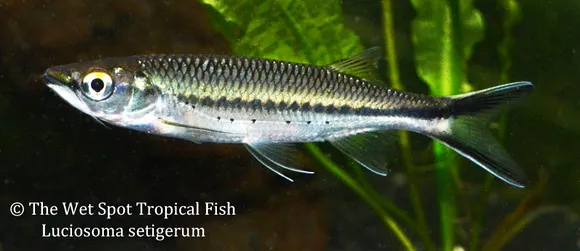
Apollo shark minnow
Luciosoma setigerum
Freshwater11.8 in (30 cm) · 106 gal (400 L)72–81°F (22–27°C)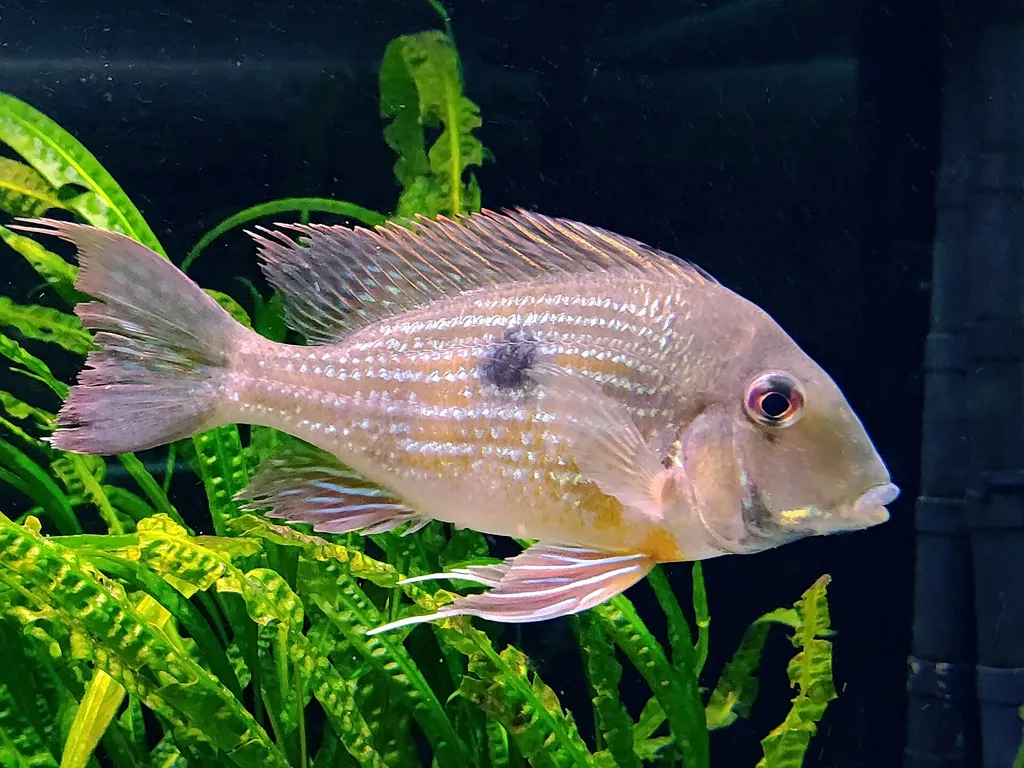
Brachybranchus eartheater
Geophagus brachybranchus
Freshwater6.7 in (17 cm) · 106 gal (400 L)77–84°F (25–29°C)
Common questions
What size tank does a sailfin pleco need?
A sailfin pleco needs at least 100 gal (380 L). It spends most of its time in the bottom.
What temperature and pH does a sailfin pleco need?
A sailfin pleco is comfortable at 73–84°F (23–29°C) with a pH of 6.5–7.4.
What does a sailfin pleco eat?
A sailfin pleco eats algae wafers, sinking pellets and plenty of vegetables such as zucchini and cucumber. It also gnaws on real driftwood, so keep sturdy pieces in its tank.
How big does a sailfin pleco get?
An adult sailfin pleco reaches about 17.7 in (45 cm).
How does a sailfin pleco breed?
In the wild, sailfin plecos dig burrows in riverbanks to spawn. That makes breeding them in home tanks hard.
Related species
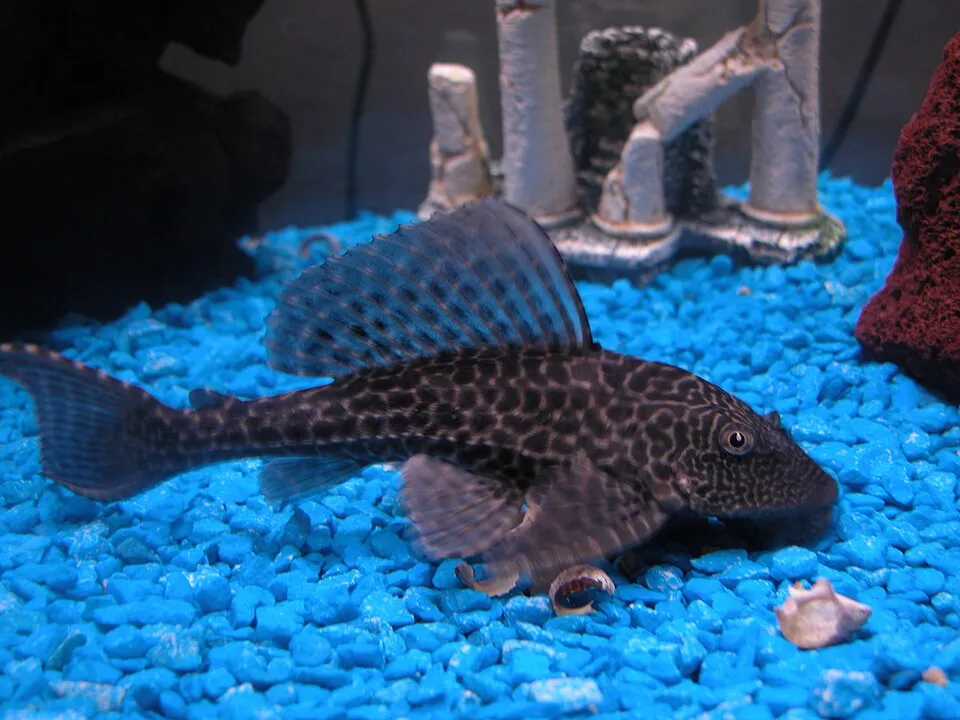 17.7 in (45 cm)100 gal (380 L)72–84°F (22–29°C)
Amazon sailfin catfish
Pterygoplichthys pardalis
17.7 in (45 cm) · 100 gal (380 L)
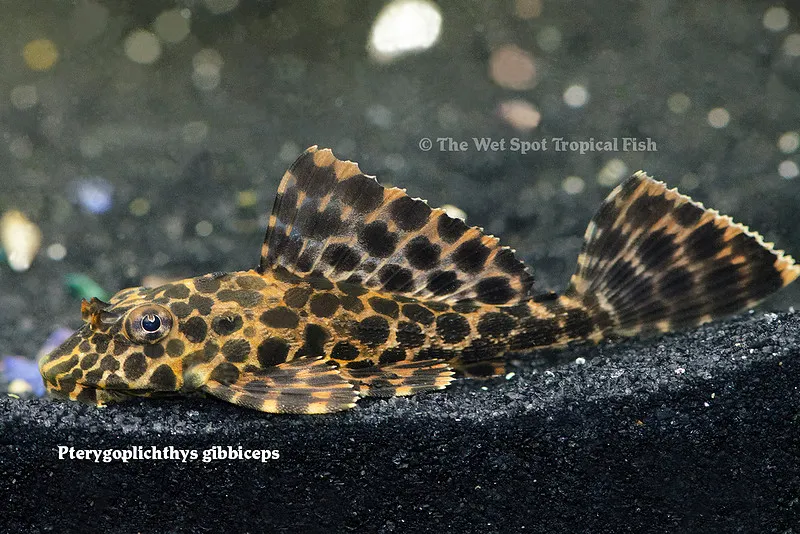 18.9 in (48 cm)100 gal (380 L)72–86°F (22–30°C)
Leopard sailfin pleco
Pterygoplichthys gibbiceps
18.9 in (48 cm) · 100 gal (380 L)
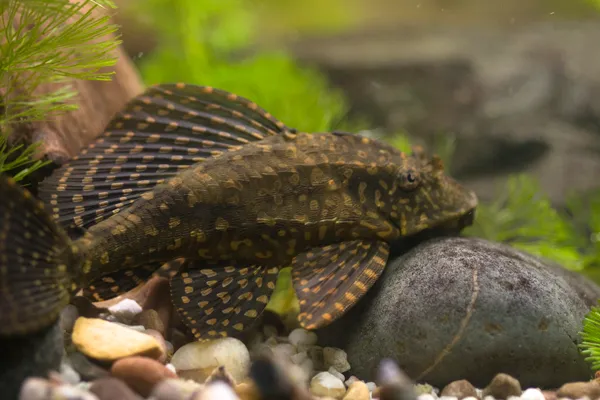 15.7 in (40 cm)119 gal (450 L)77–84°F (25–29°C)
Gold spot sailfin pleco
Pterygoplichthys joselimaianus
15.7 in (40 cm) · 119 gal (450 L)
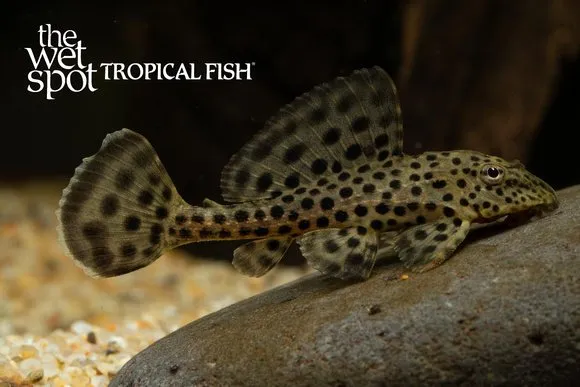 13 in (33 cm)119 gal (450 L)77–84°F (25–29°C)
Imperial ranger pleco
Pterygoplichthys punctatus
13 in (33 cm) · 119 gal (450 L)
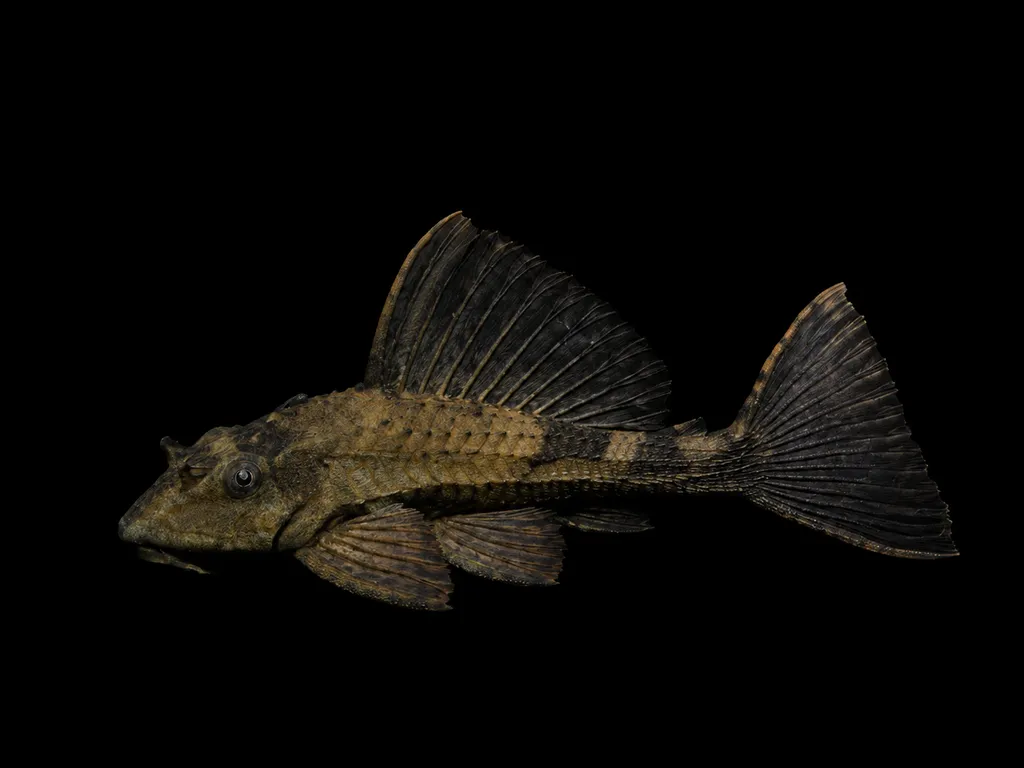 12.6 in (32 cm)119 gal (450 L)77–84°F (25–29°C)
Rhino pleco
Pterygoplichthys scrophus
12.6 in (32 cm) · 119 gal (450 L)
 17.7 in (45 cm)151 gal (570 L)77–84°F (25–29°C)
Thunder royal pleco (L027)
Panaque armbrusteri
17.7 in (45 cm) · 151 gal (570 L)