Amazon sailfin catfish
Pterygoplichthys pardalis
FreshwaterFish
Care at a glance
- Temperature
- 72–84°F
- 22–29°C
- pH
- 6.5–7.5
- Adult size
- 17.7 in
- 45 cm
- Minimum tank
- 100 gal
- 380 L
- Temperament
- Peaceful
- Social behavior
- Solitary
- Swim level
- Bottom
- Difficulty
- Medium
- Breeding
- No record
- Rarity
- Common
- Family
- Loricariidae
- Origin
- Brazil
Overview
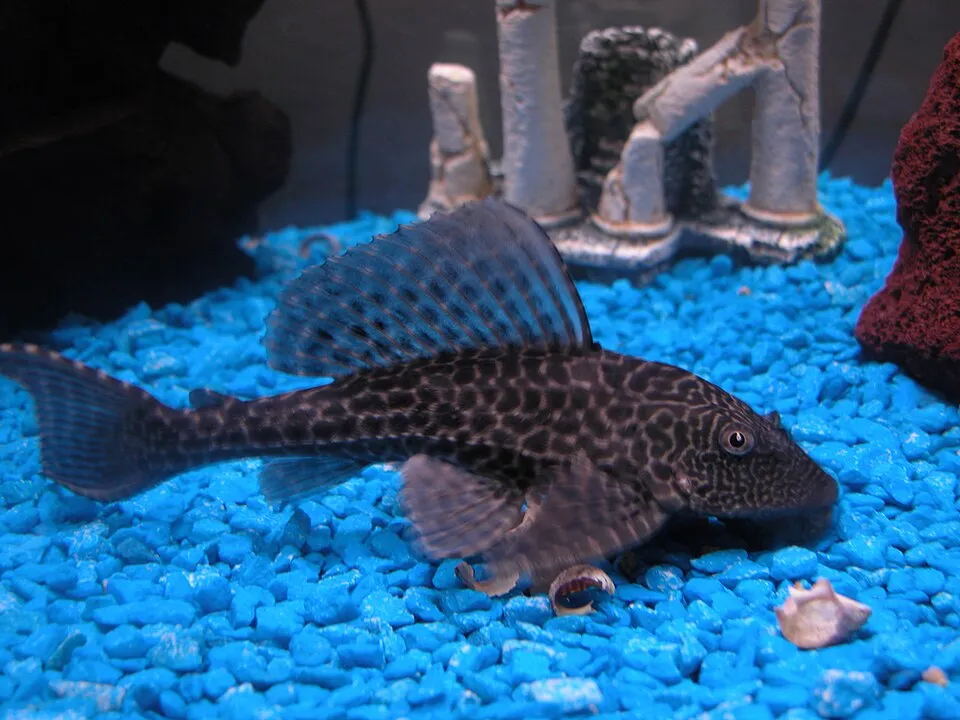
This is the fish most shops sell as a common pleco: the name belongs to Hypostomus plecostomus, but the Amazon sailfin is what usually arrives under it. Plan for a tank of at least 380 liters, and honestly bigger is better given the adult size. It is a bottom dweller that spends its time rasping at surfaces, and it is peaceful but best kept alone or with large, calm tankmates. Feed it algae wafers, blanched vegetables, and sinking pellets, since algae alone will not keep an adult fed. It produces a lot of waste, so stay on top of water changes.
In the wild
The Amazon sailfin catfish comes from rivers and floodplains in Brazil, where it grazes algae and detritus off wood and rocks. These are warm, slow to moderate waters with plenty of submerged surfaces. It needs a very large tank with driftwood, smooth rocks, and strong filtration to handle its waste. Keep the water in the mid 20s C with a pH around neutral.
Good to know
This is a member of Loricariidae, the suckermouth armored catfish family. It is big, reaching about 45 cm as an adult, with bony plates covering the body and a tall dorsal fin that gives it the sailfin name. There is no reliable hobby record of it breeding in aquariums, since wild fish dig burrows in riverbanks to spawn. It is long-lived and very hardy.
Did you know
This is one of the species behind invasive sailfin catfish populations in warm regions around the world, after aquarists released fish that outgrew their tanks. They can gulp air and survive out of water for hours, which helps them spread between waterways. Do not release one, ever.
Weekly picks
Tank mates
Amazon sailfin catfish is a peaceful, solitary species that keeps to the bottom. These picks share a community profile with it, are safe together in both directions, and overlap on water type, temperature and pH.
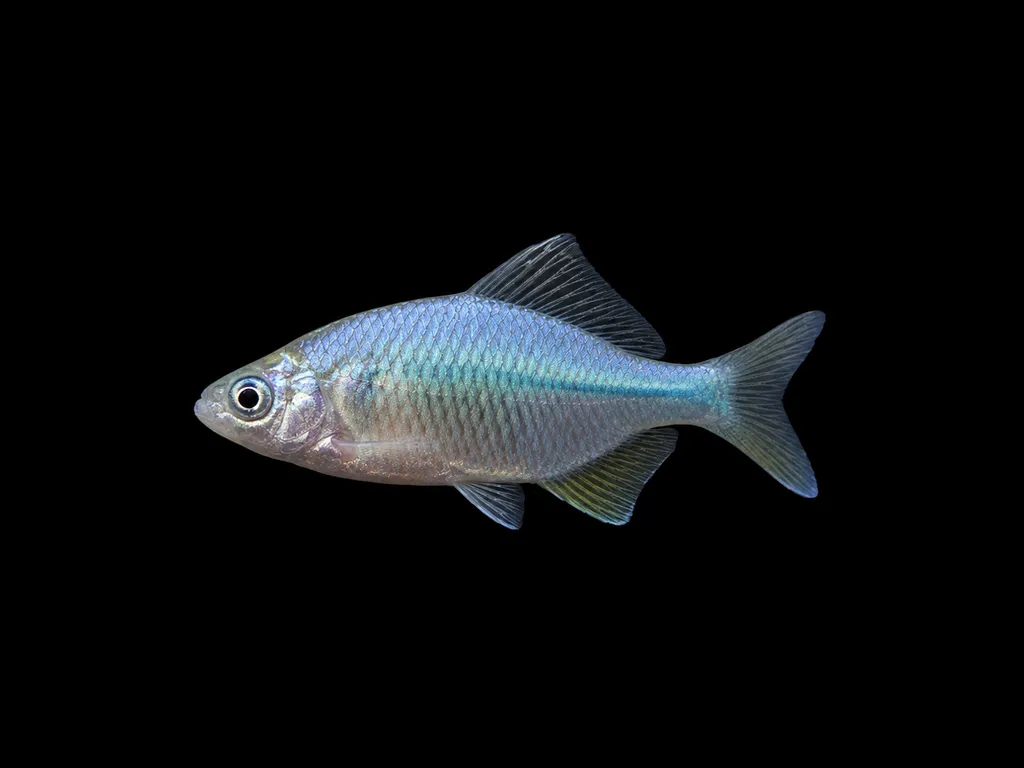
Rainbow bitterling
Acheilognathus macropterus
Freshwater10.6 in (27 cm) · 106 gal (400 L)57–79°F (14–26°C)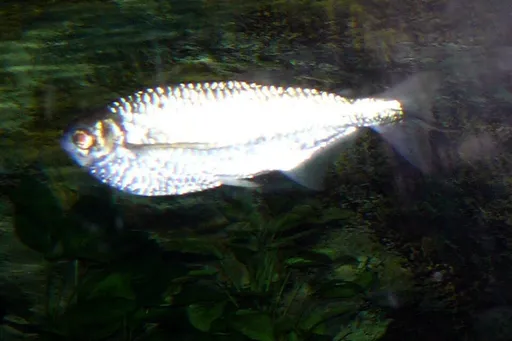
Narrow hatchetfish
Triportheus angulatus
Freshwater9.8 in (25 cm) · 79 gal (300 L)73–82°F (23–28°C)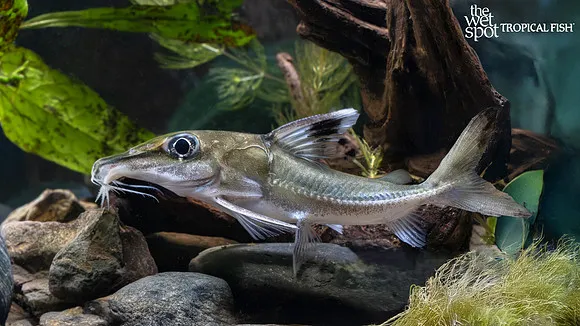
Black-top mouse catfish
Hassar orestis
Freshwater11.8 in (30 cm) · 106 gal (400 L)73–82°F (23–28°C)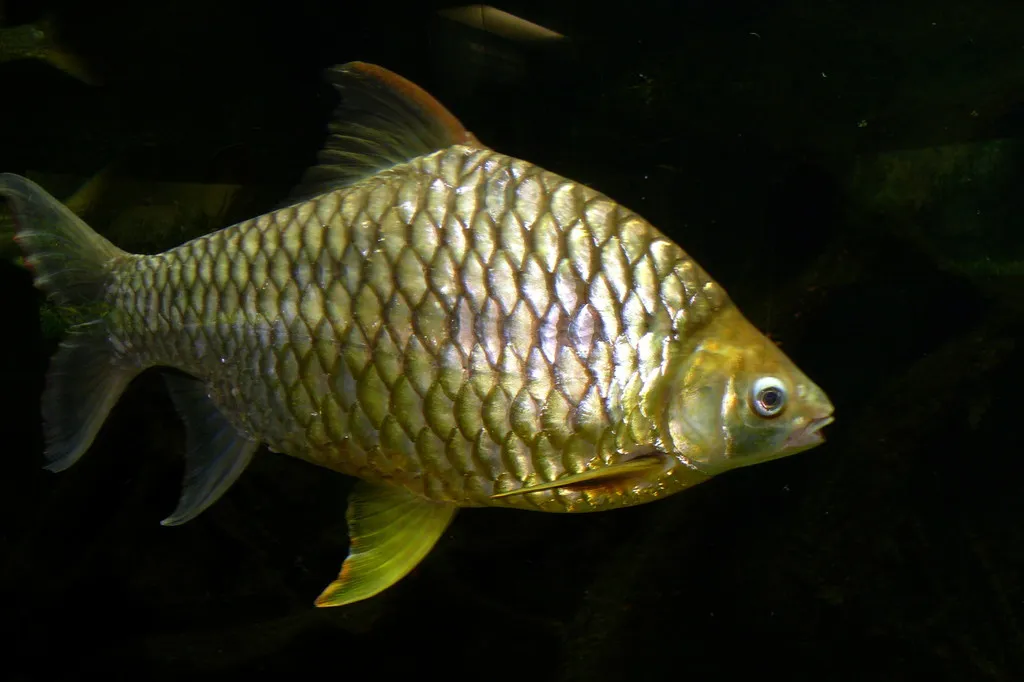
Lemon-fin barb
Hypsibarbus wetmorei
Freshwater9.8 in (25 cm) · 106 gal (400 L)72–82°F (22–28°C)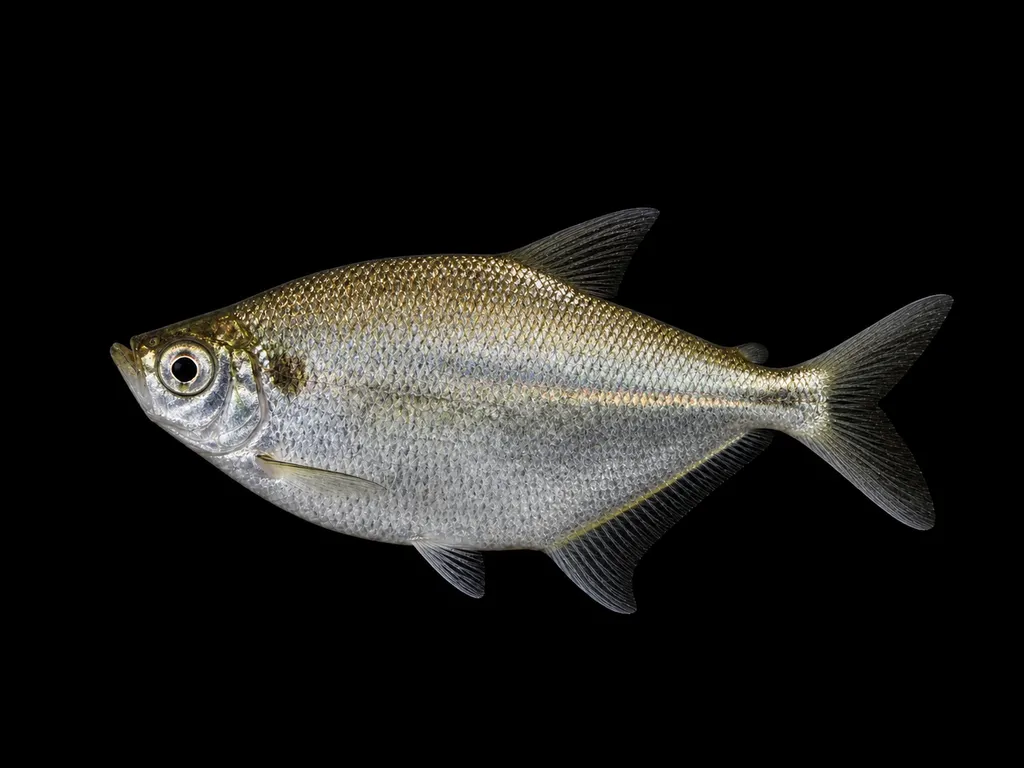
Giant river hatchetfish
Triportheus rotundatus
Freshwater9.8 in (25 cm) · 79 gal (300 L)73–82°F (23–28°C)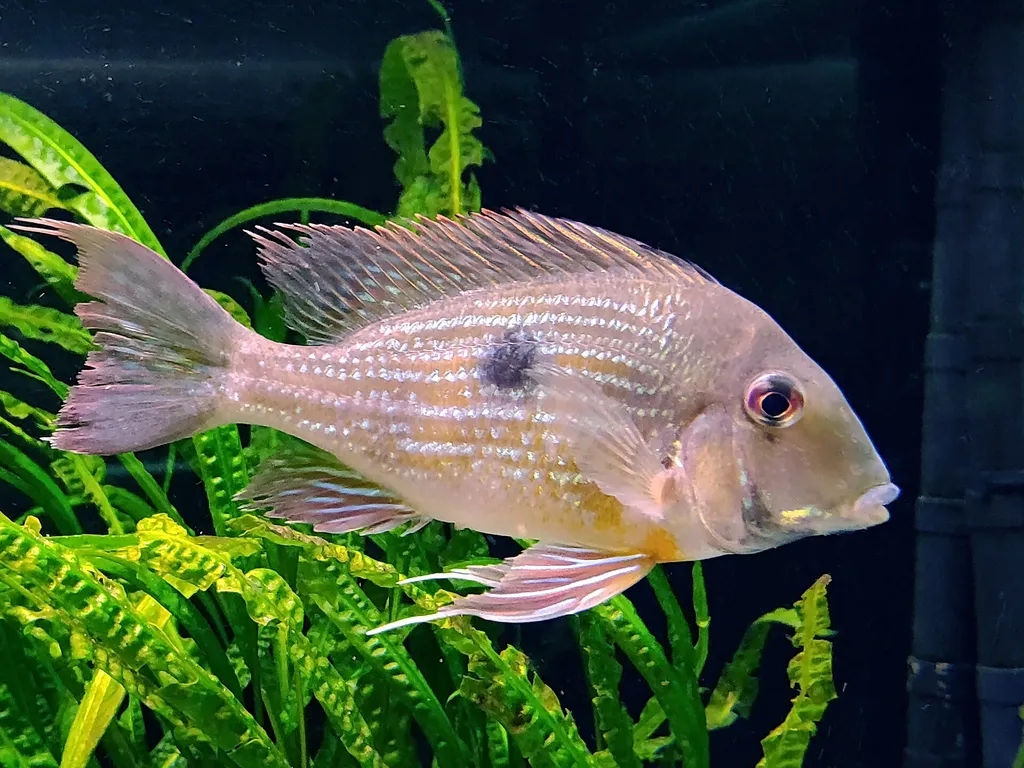
Brachybranchus eartheater
Geophagus brachybranchus
Freshwater6.7 in (17 cm) · 106 gal (400 L)77–84°F (25–29°C)
Common questions
What size tank does an Amazon sailfin catfish need?
An Amazon sailfin catfish needs at least 100 gal (380 L). It spends most of its time in the bottom.
What temperature and pH does an Amazon sailfin catfish need?
An Amazon sailfin catfish is comfortable at 72–84°F (22–29°C) with a pH of 6.5–7.5.
How big does an Amazon sailfin catfish get?
An adult Amazon sailfin catfish reaches about 17.7 in (45 cm).
Related species
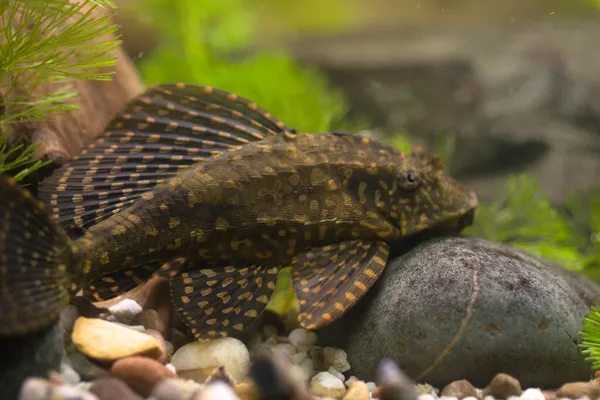
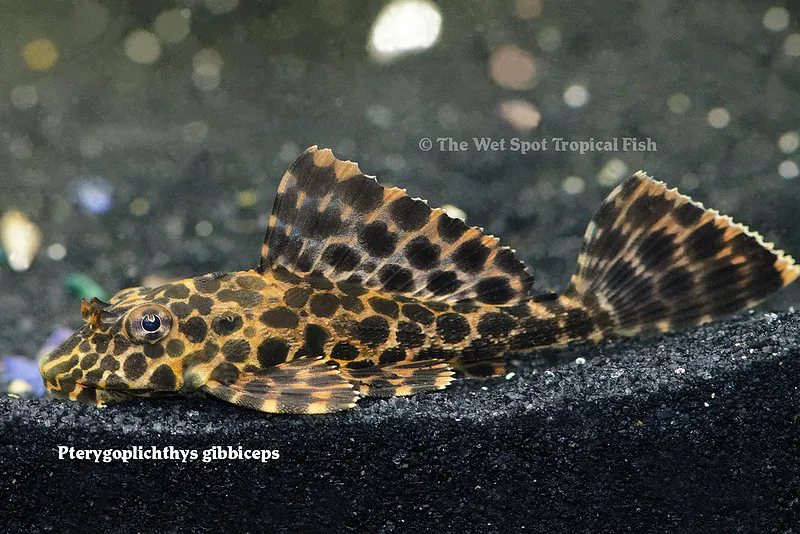 18.9 in (48 cm)100 gal (380 L)72–86°F (22–30°C)
Leopard sailfin pleco
Pterygoplichthys gibbiceps
18.9 in (48 cm) · 100 gal (380 L)
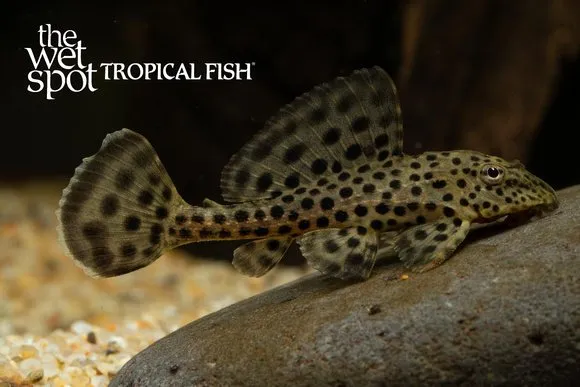
 15.7 in (40 cm)119 gal (450 L)77–84°F (25–29°C)
Gold spot sailfin pleco
Pterygoplichthys joselimaianus
15.7 in (40 cm) · 119 gal (450 L)
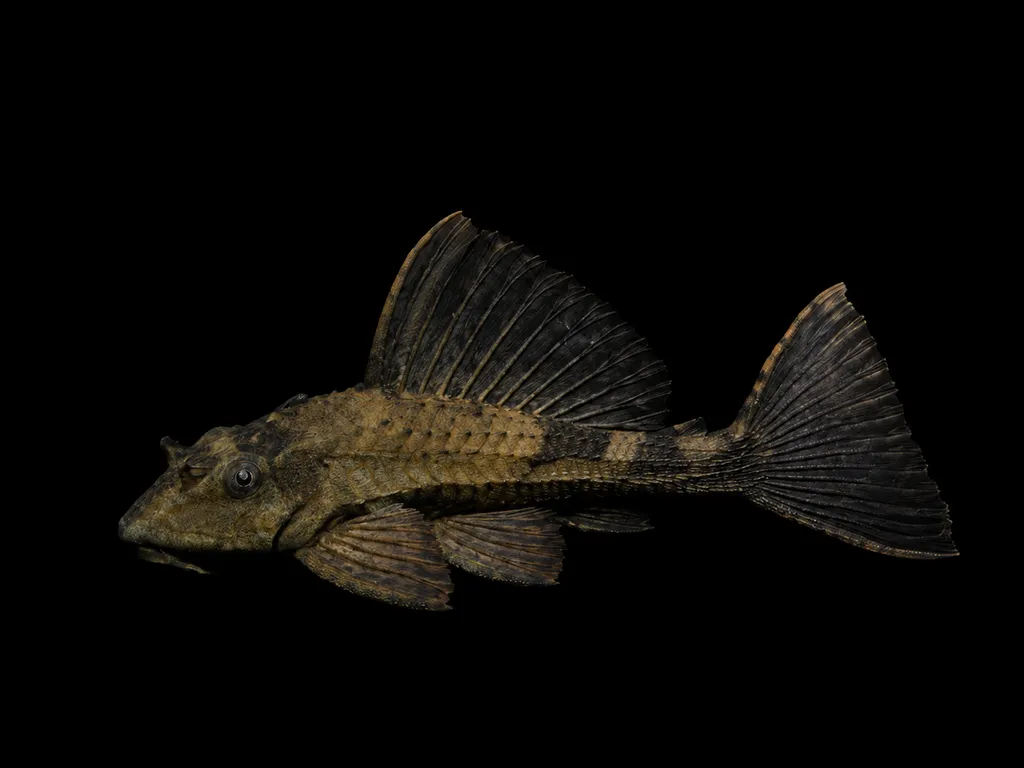
 13 in (33 cm)119 gal (450 L)77–84°F (25–29°C)
Imperial ranger pleco
Pterygoplichthys punctatus
13 in (33 cm) · 119 gal (450 L)
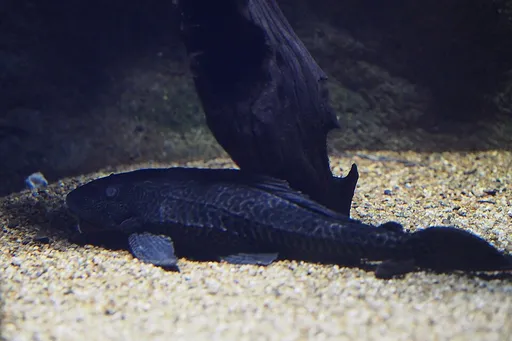
 12.6 in (32 cm)119 gal (450 L)77–84°F (25–29°C)
Rhino pleco
Pterygoplichthys scrophus
12.6 in (32 cm) · 119 gal (450 L)
 17.7 in (45 cm)100 gal (380 L)73–84°F (23–29°C)
Sailfin pleco
Pterygoplichthys disjunctivus
17.7 in (45 cm) · 100 gal (380 L)
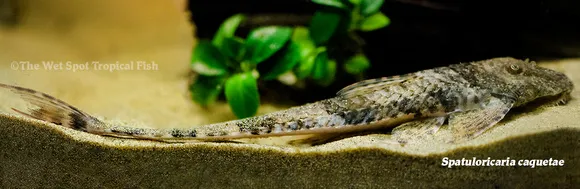 13.8 in (35 cm)106 gal (400 L)75–82°F (24–28°C)
Caquetá whiptail
Spatuloricaria caquetae
13.8 in (35 cm) · 106 gal (400 L)