Caquetá whiptail
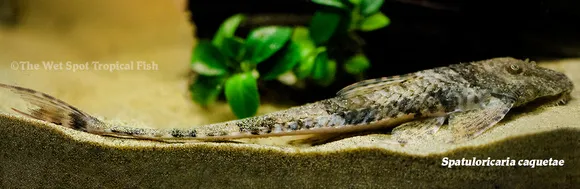
Spatuloricaria caquetae
Also known as Spatula whiptail, Caquetae whiptail
FreshwaterFish
Care at a glance
- Temperature
- 75–82°F
- 24–28°C
- pH
- 6.0–7.2
- Adult size
- 13.8 in
- 35 cm
- Minimum tank
- 106 gal
- 400 L
- Temperament
- Peaceful
- Social behavior
- Social
- Swim level
- Bottom
- Diet
- Omnivore
- Difficulty
- Difficult
- Breeding
- Egg layer · Medium
- Rarity
- Rare
- Family
- Loricariidae
- Origin
- Caquetá basin, Colombia
Overview
The Caquetá whiptail is a big, peaceful river whiptail that lives on open sand in strong current. Its size and specialized needs make it a fish for experienced keepers with big tanks.
Did you know
For all its whiptail slimness, the Caquetá whiptail is a heavyweight of the group, solidly built compared with most whiptails.
Caring for the Caquetá whiptail
Plan on a long tank of at least 106 gal (400 L), since the Caquetá whiptail needs a lot of floor space. Give it a deep, soft sand floor with some smooth wood and rock. It sprawls on the open sand and works the bottom for food.
It depends on strong current and high oxygen to stay healthy. Keep the water soft to neutral, at 75 to 82°F (24 to 28°C) and a pH of 6.0 to 7.2. Steady flow and clean water matter more to it than any planting.
Feed a mix of sinking pellets, frozen and live foods, and some vegetable matter, making sure enough reaches the floor. The Caquetá whiptail is peaceful and safe with community fish. It does best with a few of its own kind, where the tank is large enough to hold them.
In breeding condition, males grow stiff, bristly odontodes along the snout and cheeks. It has been bred in aquariums with moderate difficulty, and the male guards the eggs after spawning.
Good to know
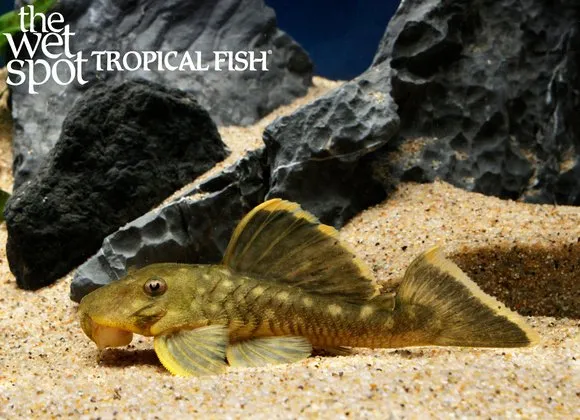
Spatuloricaria caquetae is a whiptail in the family Loricariidae, dressed in dirt-brown camouflage.
In the wild
The Caquetá whiptail comes from Andean-fed rivers of the Caquetá basin in Colombia. It holds position on sandy runs in fast, oxygen-rich water.
Weekly picks
Tank mates
The Caquetá whiptail is a peaceful, social species that keeps to the bottom. These picks share a community profile with it, are safe together in both directions, and overlap on water type, temperature and pH.
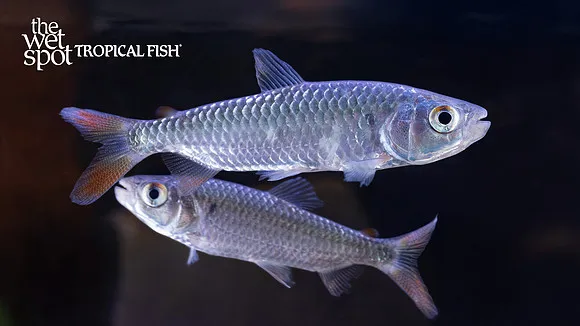
Nurse tetra
Brachyalestes nurse
Freshwater9.8 in (25 cm) · 106 gal (400 L)73–82°F (23–28°C)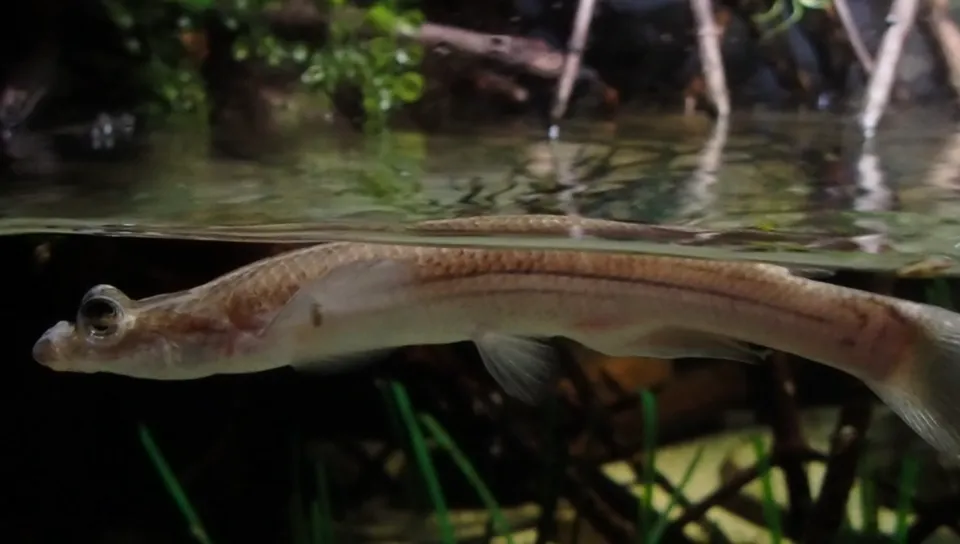
Largescale four-eyed fish
Anableps anableps
FreshwaterBrackish11.8 in (30 cm) · 70 gal (265 L)77–88°F (25–31°C)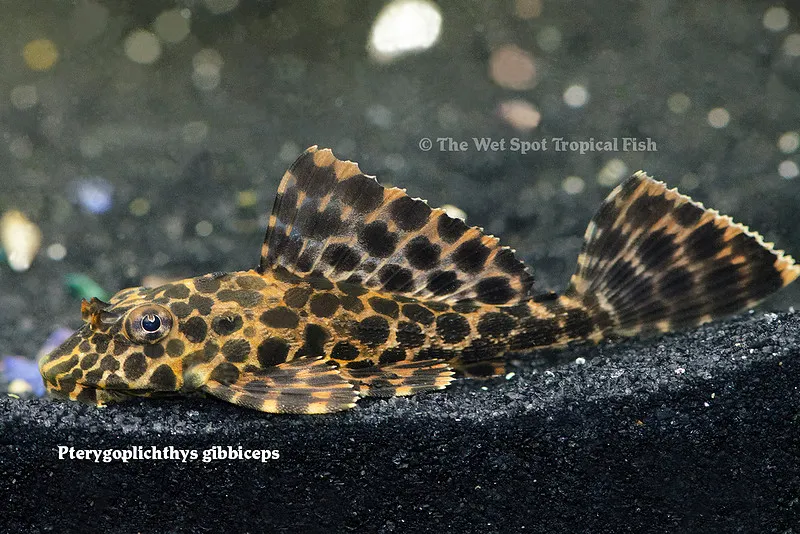
Leopard sailfin pleco
Pterygoplichthys gibbiceps
Freshwater18.9 in (48 cm) · 100 gal (380 L)72–86°F (22–30°C)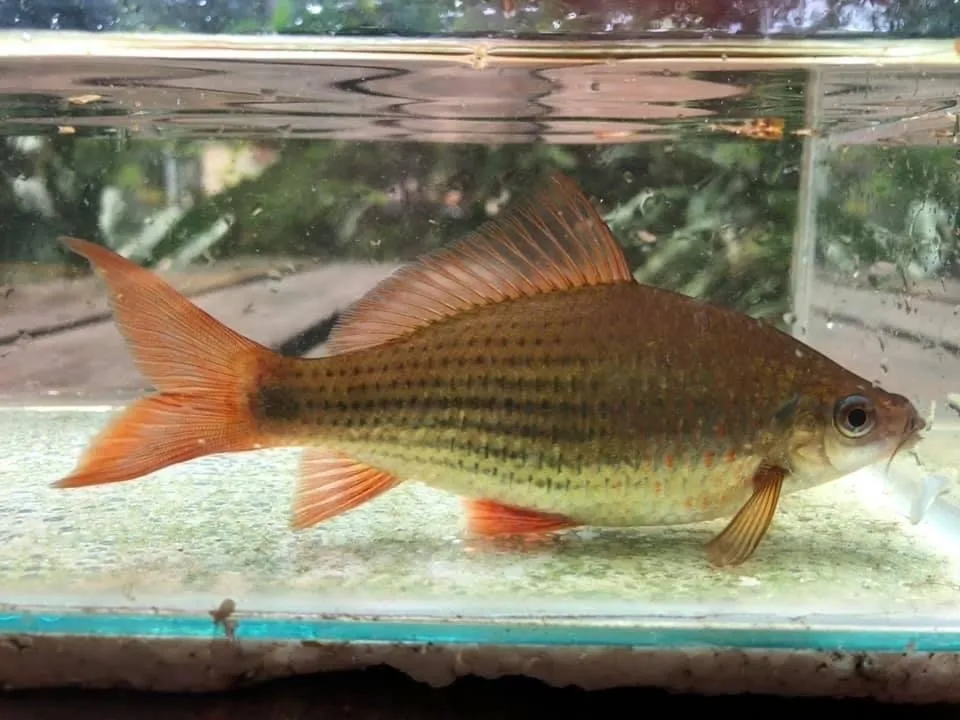
Hard-lipped barb
Osteochilus vittatus
Freshwater11.8 in (30 cm) · 106 gal (400 L)72–82°F (22–28°C)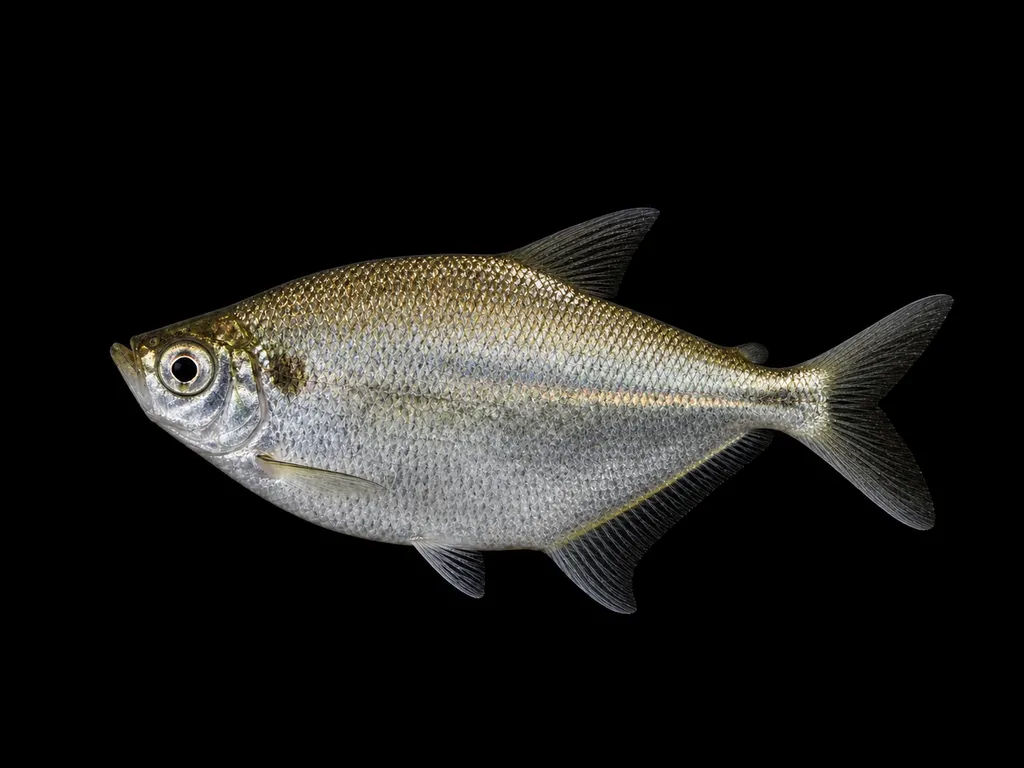
Giant river hatchetfish
Triportheus rotundatus
Freshwater9.8 in (25 cm) · 79 gal (300 L)73–82°F (23–28°C)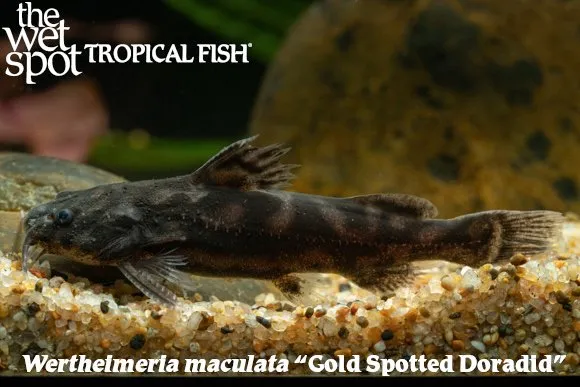
Gold-spotted doradid
Wertheimeria maculata
Freshwater11.8 in (30 cm) · 106 gal (400 L)68–79°F (20–26°C)
Common questions
What size tank does a Caquetá whiptail need?
A Caquetá whiptail needs at least 106 gal (400 L). It spends most of its time in the bottom.
What temperature and pH does a Caquetá whiptail need?
A Caquetá whiptail is comfortable at 75–82°F (24–28°C) with a pH of 6.0–7.2.
What does a Caquetá whiptail eat?
A Caquetá whiptail eats a mix of sinking pellets, frozen and live foods, and some vegetable matter. Make sure enough of it reaches the floor.
How big does a Caquetá whiptail get?
An adult Caquetá whiptail reaches about 13.8 in (35 cm).
How can you tell a male Caquetá whiptail from a female?
Males in breeding condition grow stiff, bristly odontodes along the snout and cheeks.
How does a Caquetá whiptail breed?
Caquetá whiptails have been bred in aquariums with moderate difficulty. After spawning, the male guards the eggs.
Related species
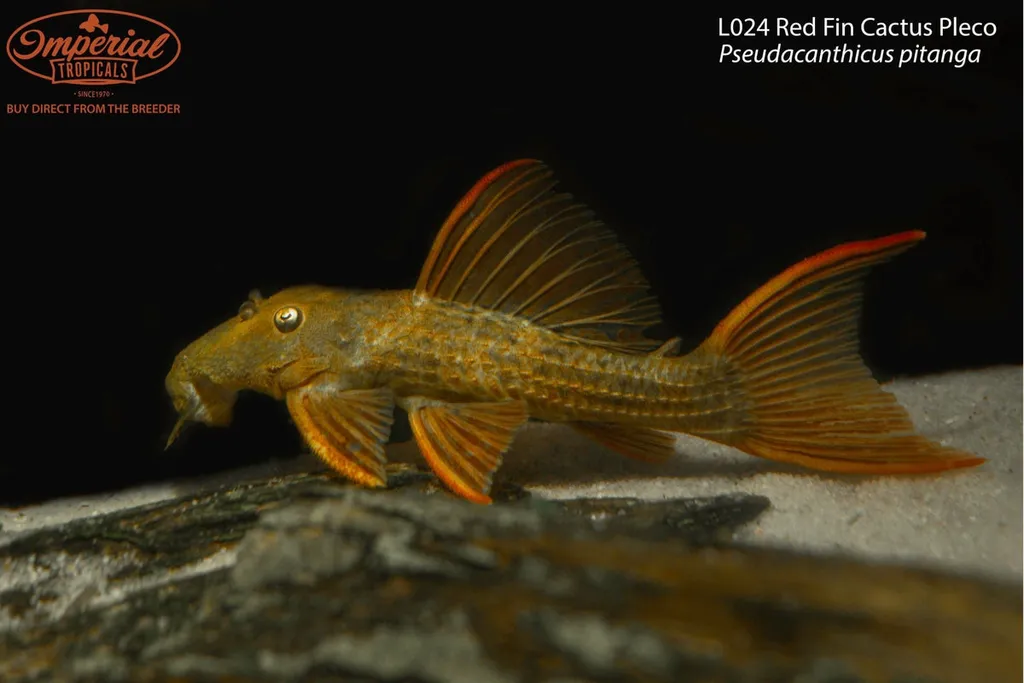 13.8 in (35 cm)119 gal (450 L)77–84°F (25–29°C)
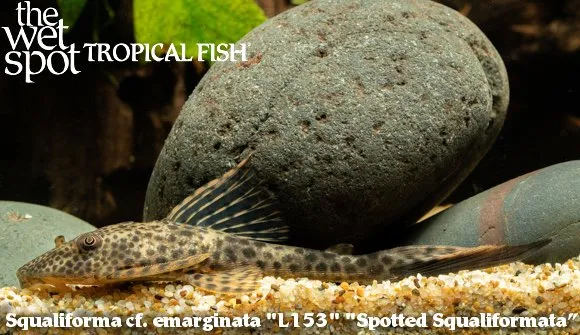
Red fin cactus pleco
Pseudacanthicus pitanga
13.8 in (35 cm) · 119 gal (450 L)
 13.4 in (34 cm)119 gal (450 L)77–84°F (25–29°C)
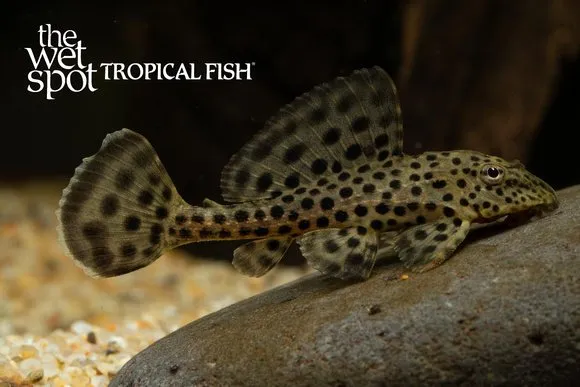
Red fin thresher pleco
Aphanotorulus emarginatus
13.4 in (34 cm) · 119 gal (450 L)
 13 in (33 cm)119 gal (450 L)77–84°F (25–29°C)
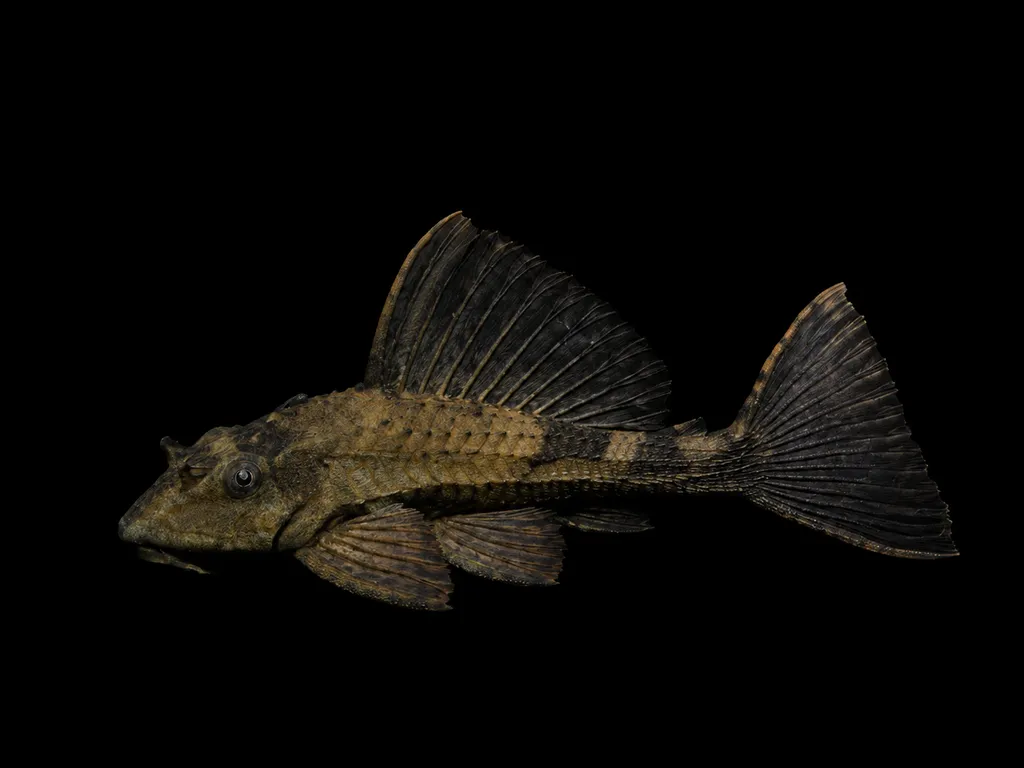
Imperial ranger pleco
Pterygoplichthys punctatus
13 in (33 cm) · 119 gal (450 L)
 12.6 in (32 cm)119 gal (450 L)77–84°F (25–29°C)
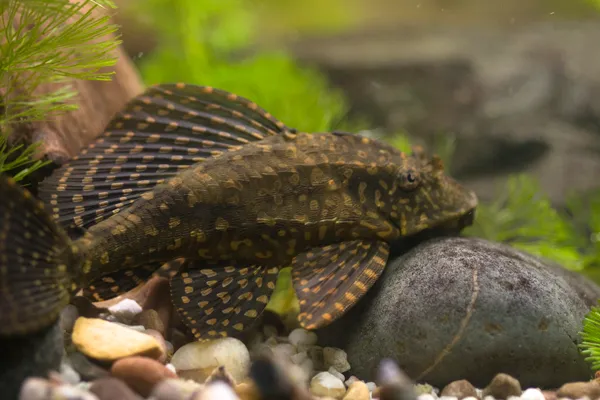
Rhino pleco
Pterygoplichthys scrophus
12.6 in (32 cm) · 119 gal (450 L)
 15.7 in (40 cm)119 gal (450 L)77–84°F (25–29°C)
Gold spot sailfin pleco
Pterygoplichthys joselimaianus
15.7 in (40 cm) · 119 gal (450 L)
 11.8 in (30 cm)119 gal (450 L)81–88°F (27–31°C)
Mango pleco
Baryancistrus chrysolomus
11.8 in (30 cm) · 119 gal (450 L)