Mango pleco
Baryancistrus chrysolomus
Also known as L047, Yellow fin mango pleco
FreshwaterFish
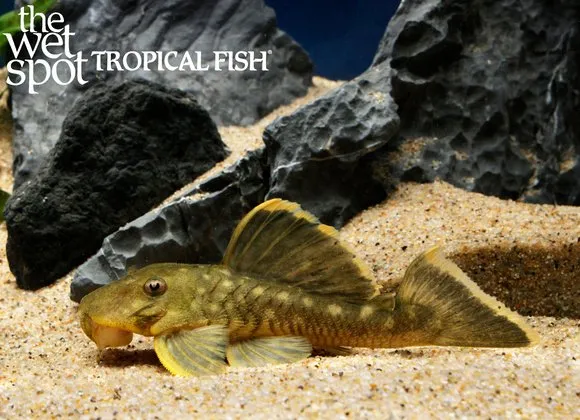
Care at a glance
- Temperature
- 81–88°F
- 27–31°C
- pH
- 6.0–7.2
- Adult size
- 11.8 in
- 30 cm
- Minimum tank
- 119 gal
- 450 L
- Temperament
- Peaceful
- Social behavior
- Solitary
- Swim level
- Bottom
- Difficulty
- Medium
- Breeding
- Cave spawner · Medium
- Rarity
- Rare
- Family
- Loricariidae
- Origin
- Rio Xingu, Brazil
Overview
The mango pleco is a large, peaceful grazer for a big, hot, fast-flowing tank. It is best kept by someone with a little experience.
Did you know
The mango pleco's common and scientific names describe the same feature. Mango refers to the gold rind along its fins, and chrysolomus means gold-edged, from the Greek words for gold and for edge.
Caring for the mango pleco
Give a mango pleco a large tank of at least 119 gal (450 L), with open rock and stone and some driftwood. Leave it room to bulldoze along the floor.
It comes from hot, racing water, so keep it at 81 to 88°F (27 to 31°C) and a pH of 6.0 to 7.2. Give it strong flow and brisk aeration. High oxygen is not optional for a fish from rapids.
The mango pleco spends the day working biofilm and algae off rock. Feed a vegetable-based diet of algae wafers and blanched greens, with only occasional protein.
Keep one mango pleco per tank, since it is territorial toward its own kind. It is peaceful with other species. It spawns in caves, and breeding it is of moderate difficulty.
Good to know
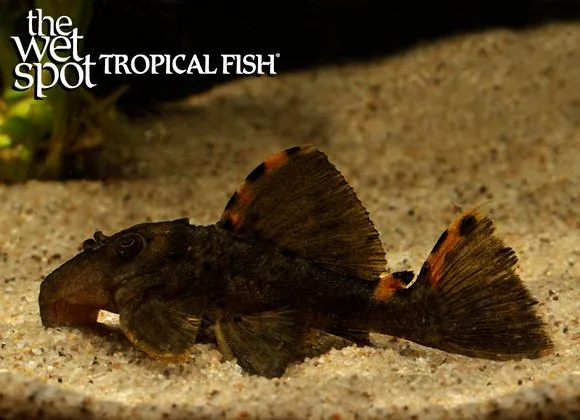
Baryancistrus chrysolomus is a velvety, near-black catfish in the family Loricariidae. A gold band edges its dorsal, tail and pectoral fins, and it keeps that yellow trim for life.
In the wild
The mango pleco is endemic to the Rio Xingu in Para, Brazil. It lives in the churning stretch above the Belo Monte falls, where hot, fast, oxygen-rich water pours over boulders.
Weekly picks
Tank mates
The mango pleco is a peaceful, solitary species that keeps to the bottom. These picks share a community profile with it, are safe together in both directions, and overlap on water type, temperature and pH.
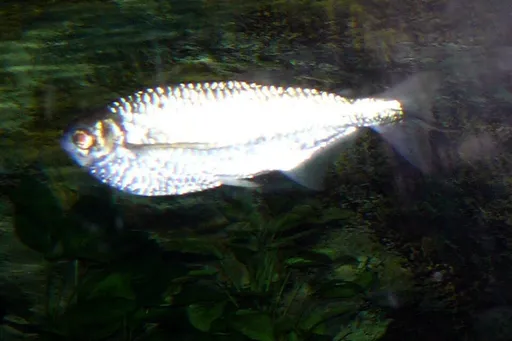
Narrow hatchetfish
Triportheus angulatus
Freshwater9.8 in (25 cm) · 79 gal (300 L)73–82°F (23–28°C)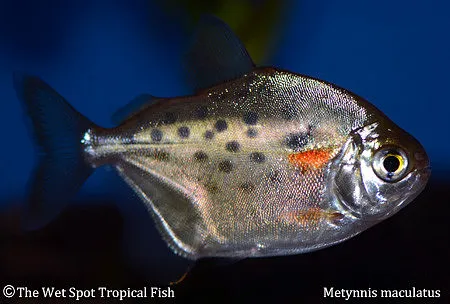
Spotted metynnis
Metynnis maculatus
Freshwater7.1 in (18 cm) · 92 gal (350 L)73–82°F (23–28°C)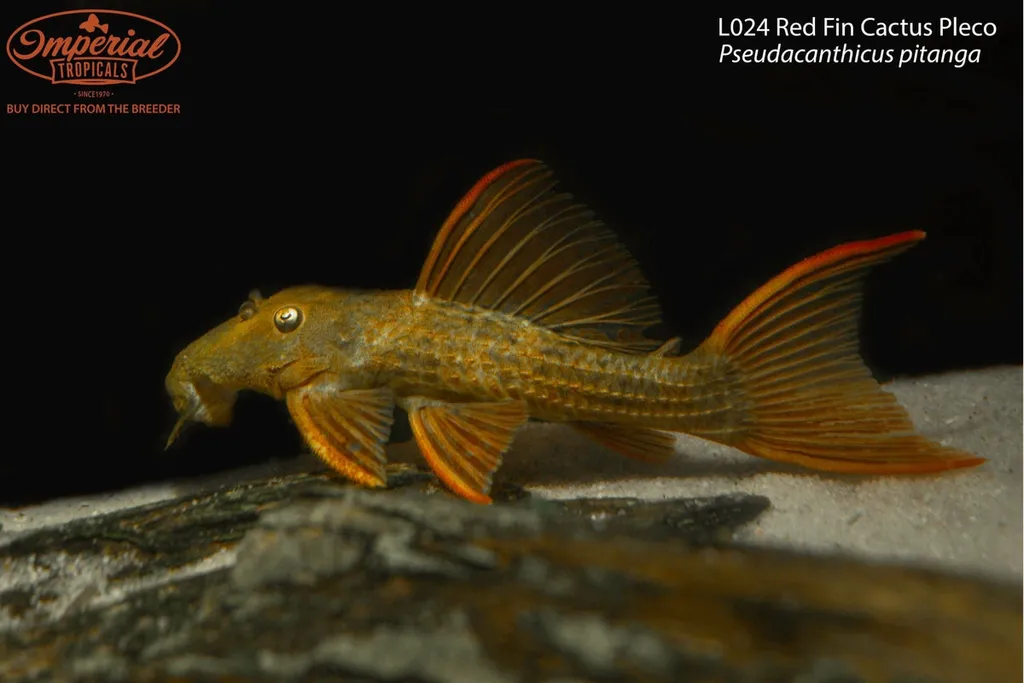
Red fin cactus pleco
Pseudacanthicus pitanga
Freshwater13.8 in (35 cm) · 119 gal (450 L)77–84°F (25–29°C)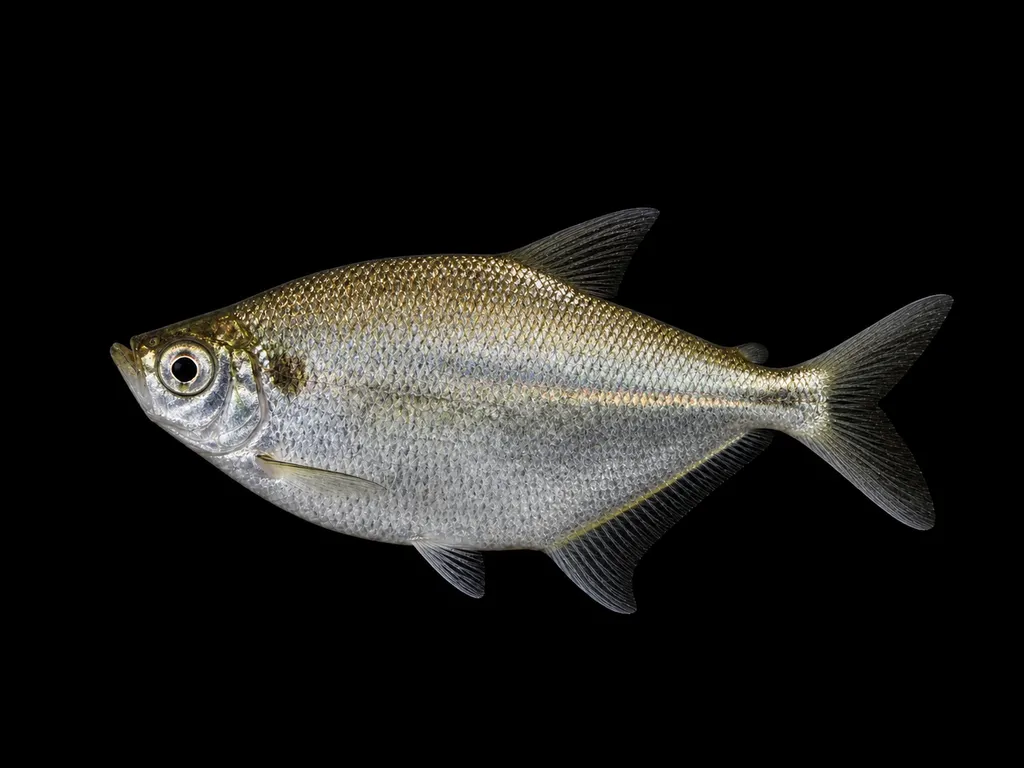
Giant river hatchetfish
Triportheus rotundatus
Freshwater9.8 in (25 cm) · 79 gal (300 L)73–82°F (23–28°C)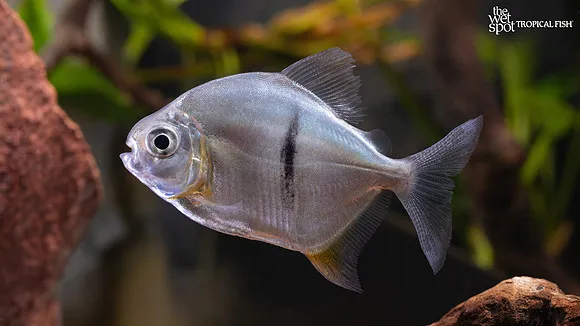
Sauron silver dollar
Myloplus sauron
Freshwater11.8 in (30 cm) · 159 gal (600 L)79–86°F (26–30°C)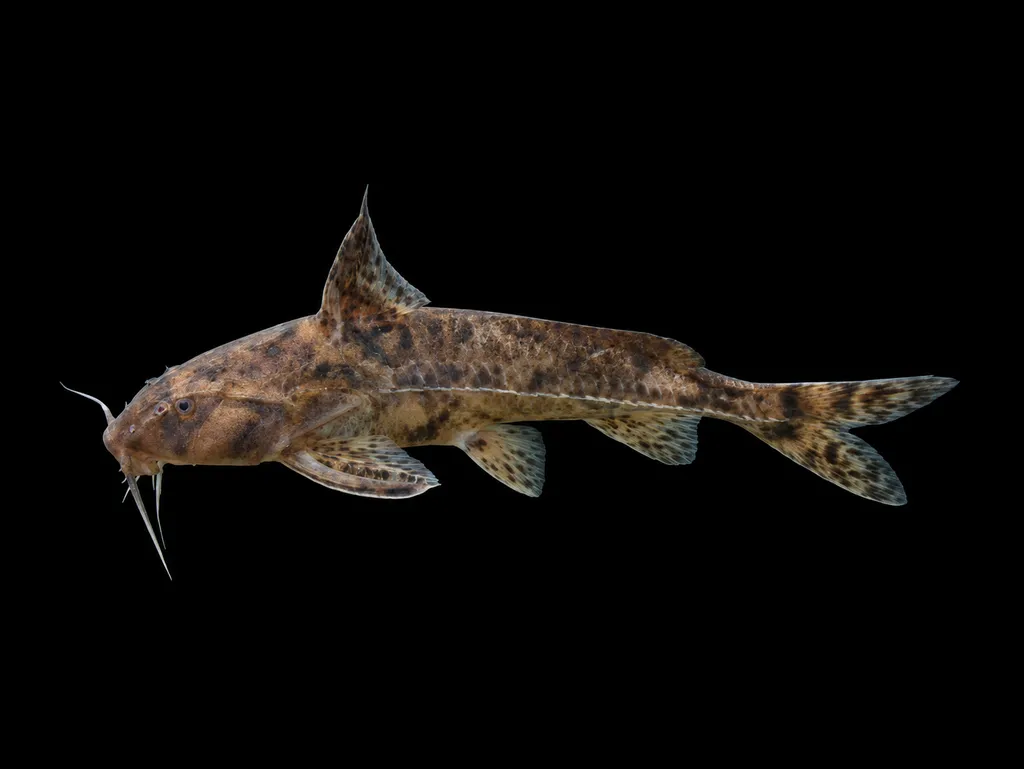
Fog talking catfish
Rhinodoras boehlkei
Freshwater6.7 in (17 cm) · 79 gal (300 L)73–82°F (23–28°C)
Common questions
What size tank does a mango pleco need?
A mango pleco needs at least 119 gal (450 L). It spends most of its time in the bottom.
What temperature and pH does a mango pleco need?
A mango pleco is comfortable at 81–88°F (27–31°C) with a pH of 6.0–7.2.
What does a mango pleco eat?
A mango pleco eats a vegetable-based diet of algae wafers and blanched greens, with only occasional protein. It also works biofilm and algae off rock.
How big does a mango pleco get?
An adult mango pleco reaches about 11.8 in (30 cm).
How does a mango pleco breed?
A mango pleco is a cave spawner, and breeding it is of moderate difficulty.
Related species
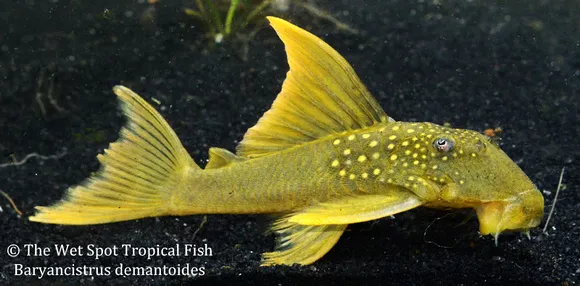 7.1 in (18 cm)79 gal (300 L)77–84°F (25–29°C)
Hi-fin green phantom pleco
Baryancistrus demantoides
7.1 in (18 cm) · 79 gal (300 L)
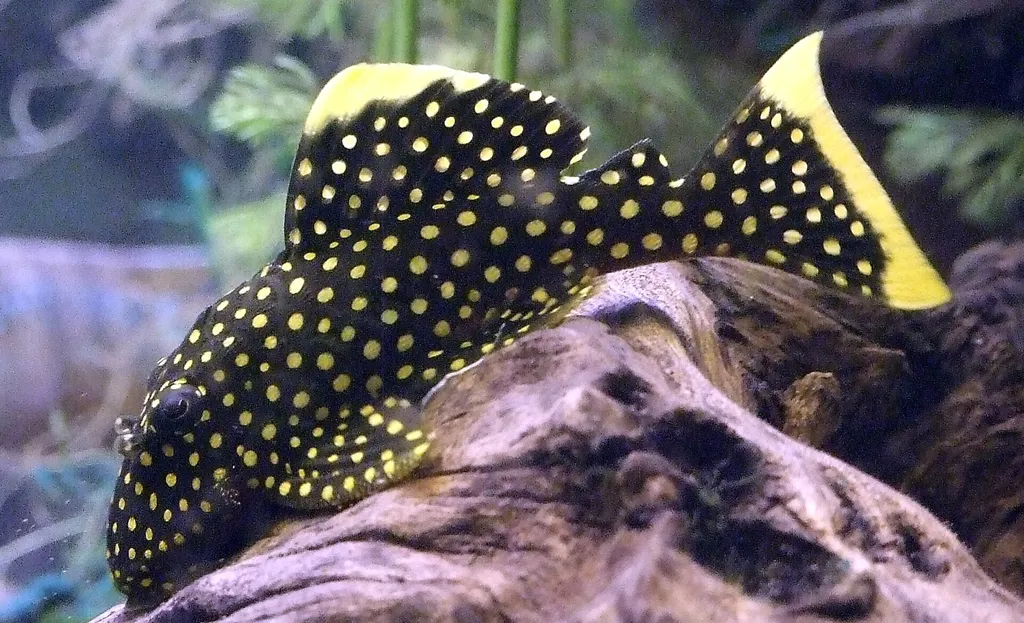 9.8 in (25 cm)55 gal (210 L)81–90°F (27–32°C)
Gold nugget pleco
Baryancistrus xanthellus
9.8 in (25 cm) · 55 gal (210 L)
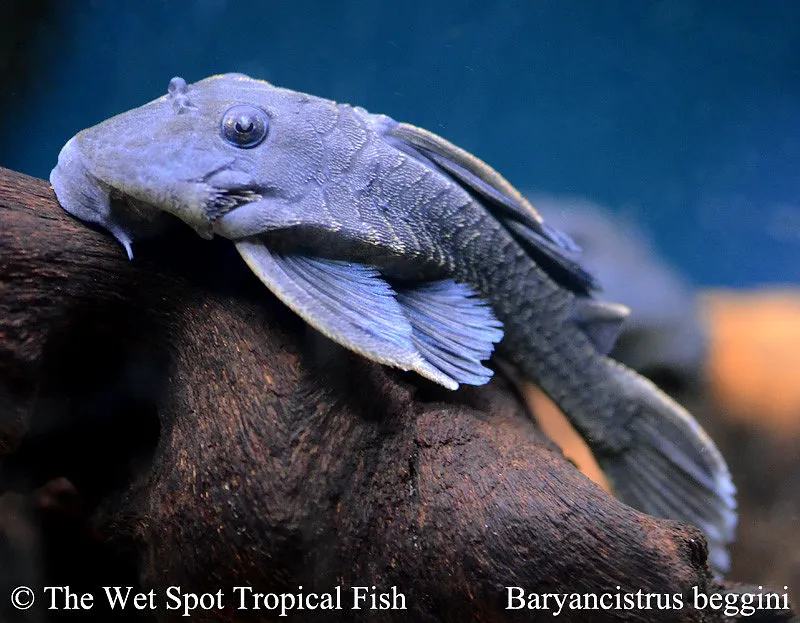 4.7 in (12 cm)30 gal (115 L)79–86°F (26–30°C)
Blue panaque (L239)
Baryancistrus beggini
4.7 in (12 cm) · 30 gal (115 L)
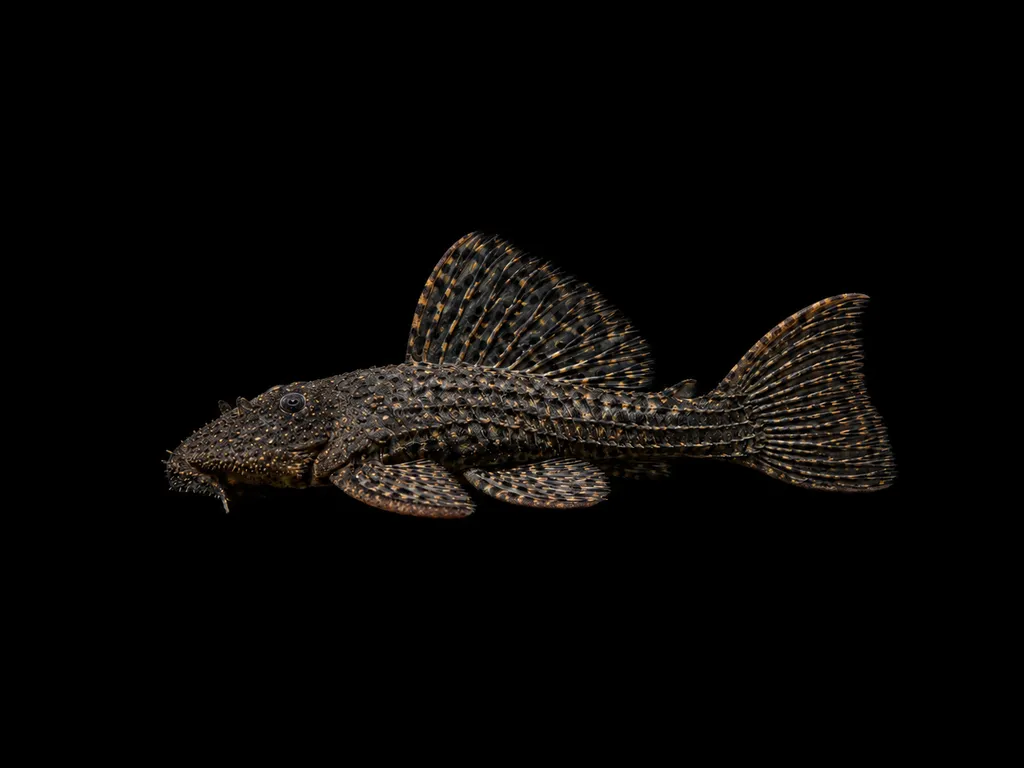 11.8 in (30 cm)119 gal (450 L)77–84°F (25–29°C)
Spiny monster pleco
Pseudacanthicus spinosus
11.8 in (30 cm) · 119 gal (450 L)
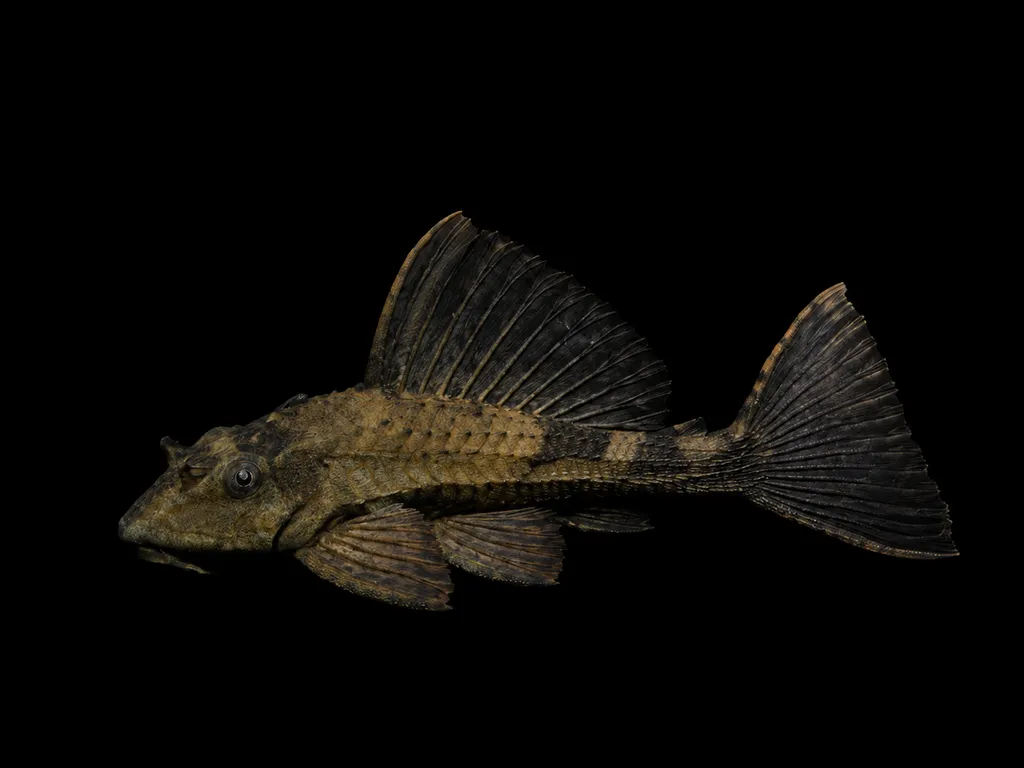 12.6 in (32 cm)119 gal (450 L)77–84°F (25–29°C)
Rhino pleco
Pterygoplichthys scrophus
12.6 in (32 cm) · 119 gal (450 L)
 11 in (28 cm)106 gal (400 L)79–86°F (26–30°C)
Three beacon pleco
Leporacanthicus triactis
11 in (28 cm) · 106 gal (400 L)