Fog talking catfish
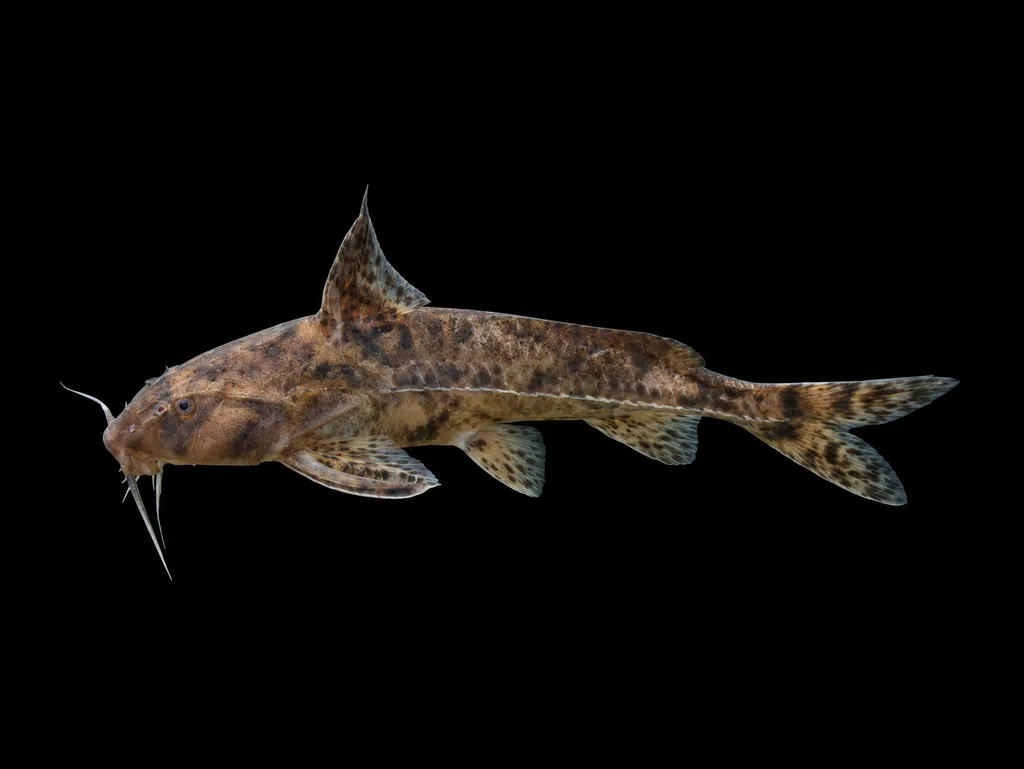
Rhinodoras boehlkei
Also known as Boehlke's doradid
FreshwaterFish
Care at a glance
- Temperature
- 73–82°F
- 23–28°C
- pH
- 6.0–7.5
- Adult size
- 6.7 in
- 17 cm
- Minimum tank
- 79 gal
- 300 L
- Temperament
- Peaceful
- Social behavior
- Social
- Swim level
- Bottom
- Difficulty
- Medium
- Breeding
- No record
- Rarity
- Rare
- Family
- Doradidae
- Origin
- Napo drainage, Ecuador and Peru
Overview
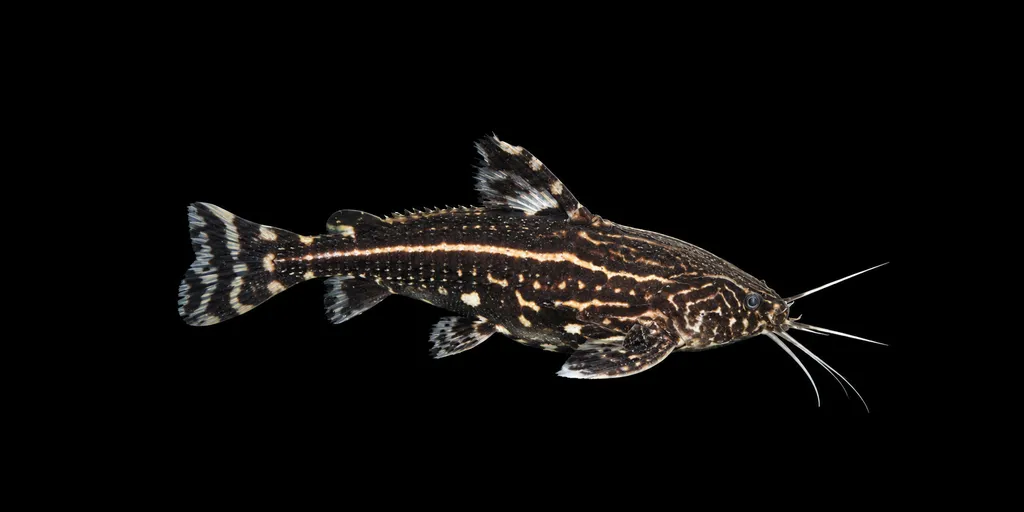
The fog talking catfish is a peaceful, secretive doradid that tucks into wood by day and forages along the bottom after dark. It suits a keeper with some experience.
Did you know
The name boehlkei honors the American ichthyologist James Bohlke, a specialist in South American fishes. The -i ending simply marks that the fish was named in his memory.
Caring for the fog talking catfish
Give the fog talking catfish a tank of at least 79 gal (300 L), so it has room to patrol at night. Use a soft sand or fine gravel bed that will not wear its barbels. Add caves, pipes or plenty of driftwood it can back into for daytime cover.
Soft to neutral water at 73 to 82°F (23 to 28°C) and a pH of 6.0 to 7.5 suits it. Give it a steady, gentle current, and make regular water changes to keep the water clean. Feed sinking pellets, wafers and frozen foods once the lights are low.
Fog talking catfish are gregarious rather than solitary, so one is comfortable alone or in a small group of its own kind. They are peaceful and mix well with calm tank mates of a similar size. Avoid fish that would outcompete them at feeding time. There is no established record of this catfish breeding in aquariums.
Good to know
Rhinodoras boehlkei is a thorny catfish of the family Doradidae, described in 1976 from eastern Ecuador. Its trade name, fog talking catfish, refers to the muted gray wash over its body. Like other doradids, it wears a row of hooked bony scutes down each flank. It can creak audibly by stridulating its pectoral spines against the shoulder girdle.
In the wild
The fog talking catfish comes from the Napo and neighboring whitewater tributaries of the upper Amazon in Ecuador and Peru. It holds among submerged wood and root tangles in flowing, sediment-carrying water.
Weekly picks
Tank mates
The fog talking catfish is a peaceful, social species that keeps to the bottom. These picks share a community profile with it, are safe together in both directions, and overlap on water type, temperature and pH.
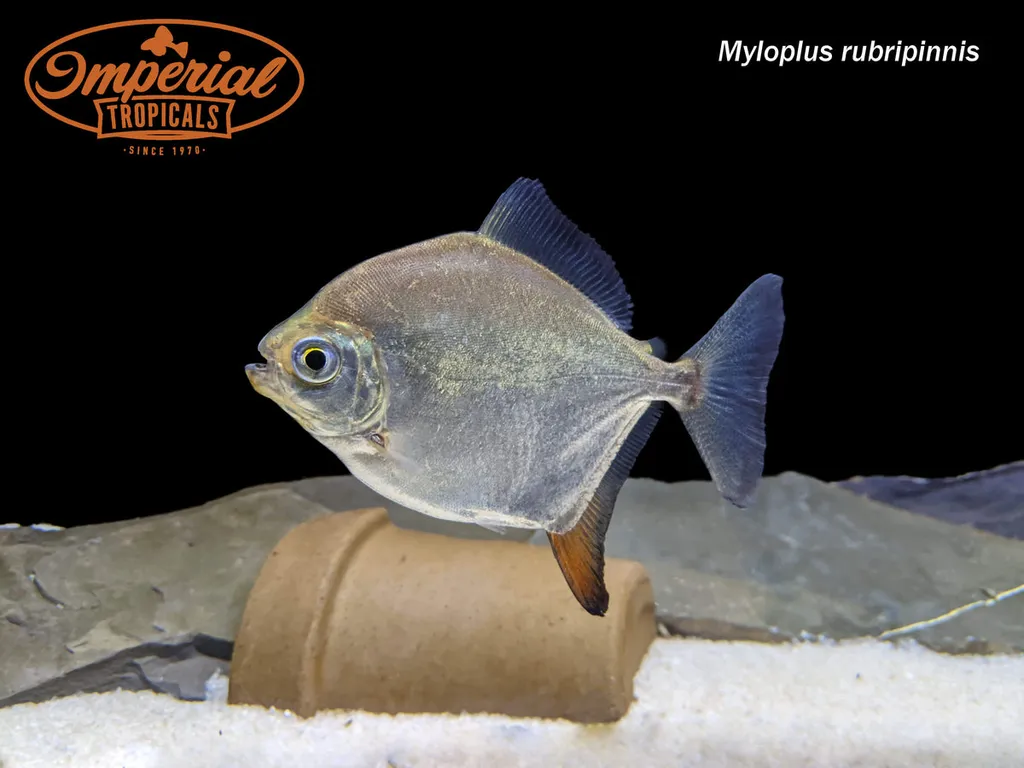
Redhook
Myloplus rubripinnis
Freshwater9.8 in (25 cm) · 70 gal (265 L)73–81°F (23–27°C)
Narrow hatchetfish
Triportheus angulatus
Freshwater9.8 in (25 cm) · 79 gal (300 L)73–82°F (23–28°C)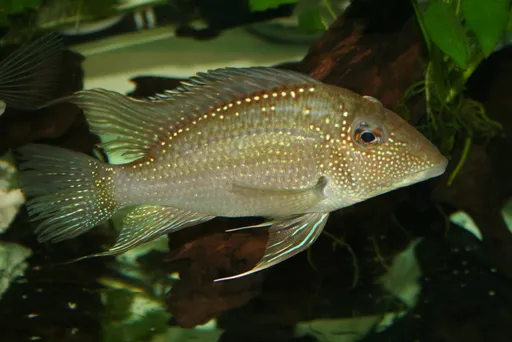
Whitespot eartheater
Satanoperca leucosticta
Freshwater7.1 in (18 cm) · 79 gal (300 L)75–84°F (24–29°C)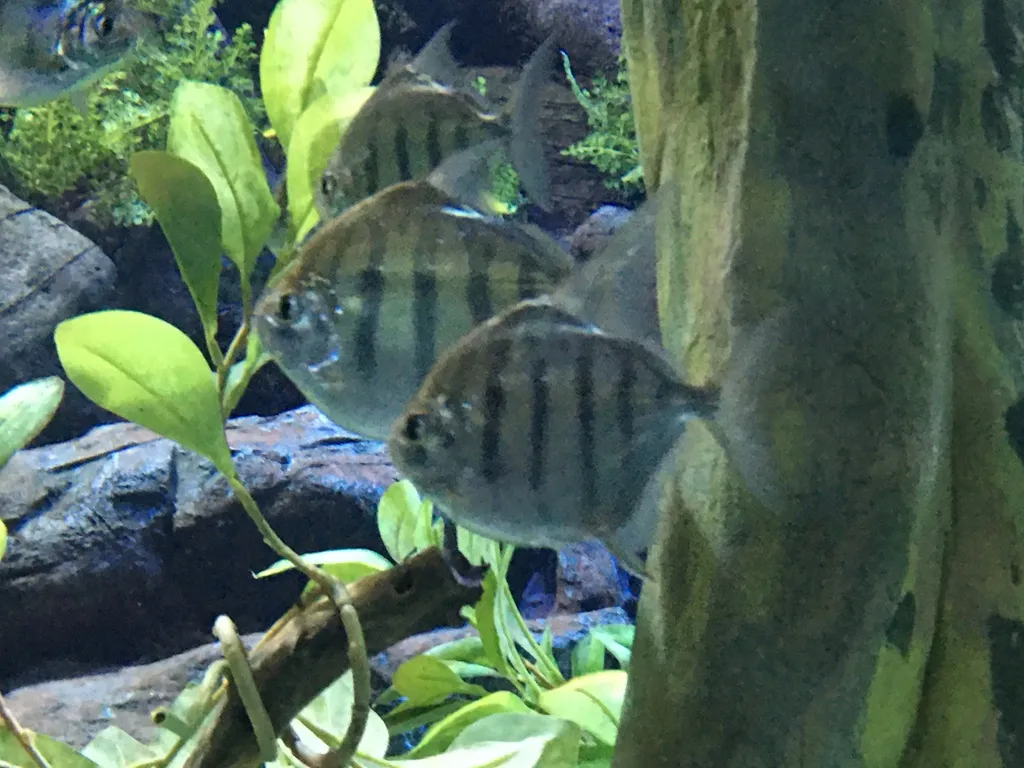
Banded silver dollar
Metynnis fasciatus
Freshwater3.9 in (10 cm) · 70 gal (265 L)75–82°F (24–28°C)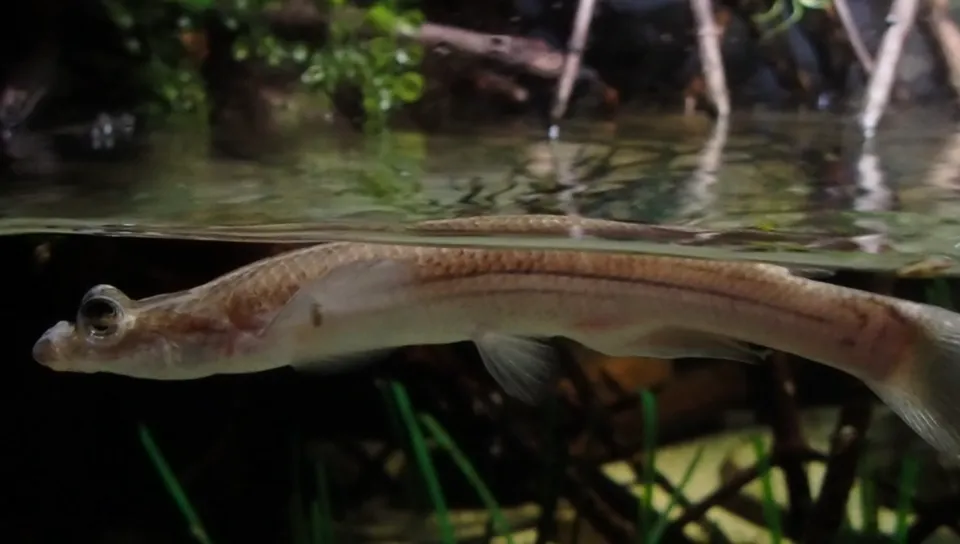
Largescale four-eyed fish
Anableps anableps
FreshwaterBrackish11.8 in (30 cm) · 70 gal (265 L)77–88°F (25–31°C)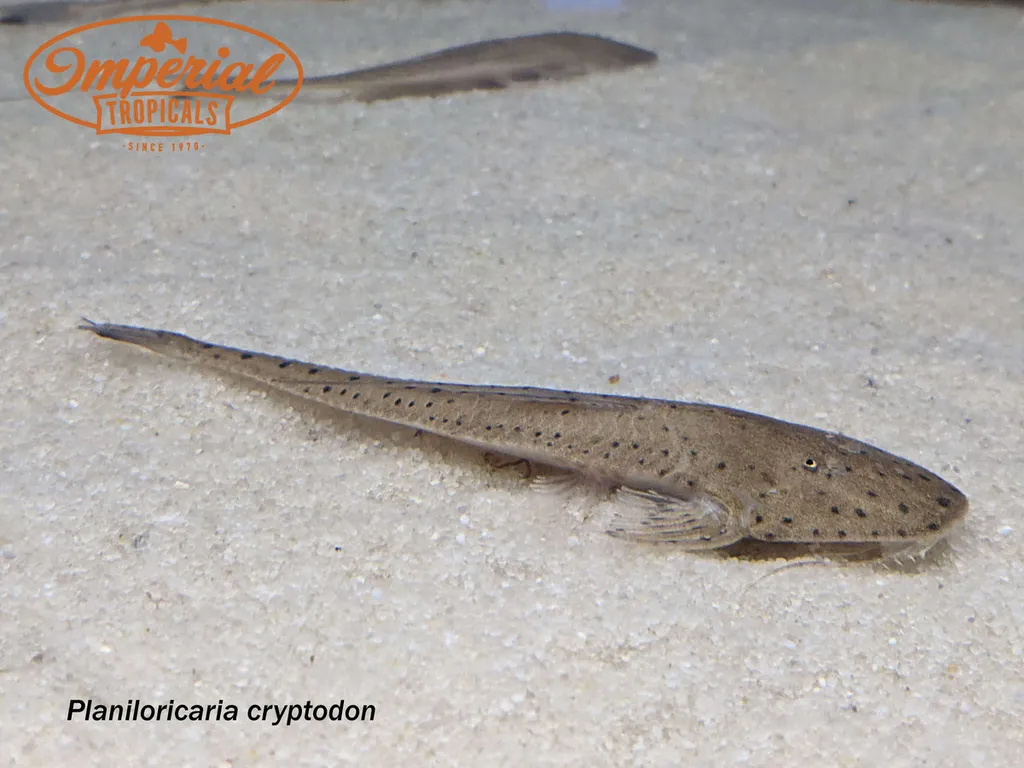
Circular whiptail
Planiloricaria cryptodon
Freshwater8.7 in (22 cm) · 79 gal (300 L)75–82°F (24–28°C)
Common questions
What size tank does a fog talking catfish need?
A fog talking catfish needs at least 79 gal (300 L). It spends most of its time in the bottom.
What temperature and pH does a fog talking catfish need?
A fog talking catfish is comfortable at 73–82°F (23–28°C) with a pH of 6.0–7.5.
What does a fog talking catfish eat?
A fog talking catfish eats sinking pellets, wafers and frozen foods. Feed it once the lights are low.
How big does a fog talking catfish get?
An adult fog talking catfish reaches about 6.7 in (17 cm).
Related species
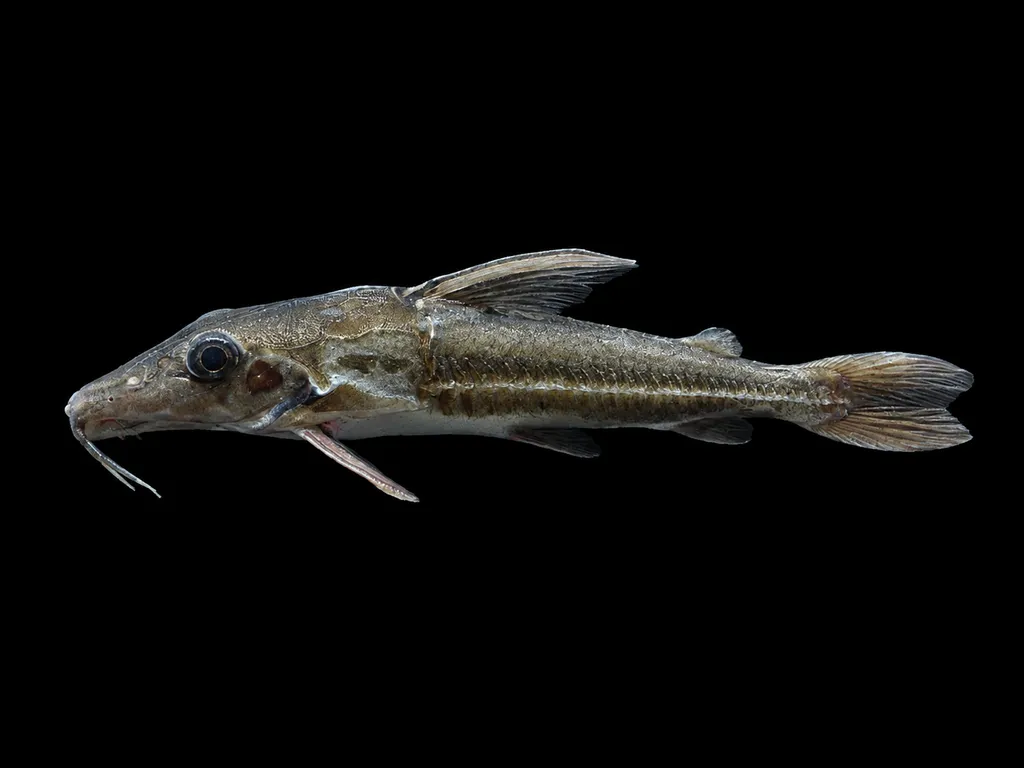
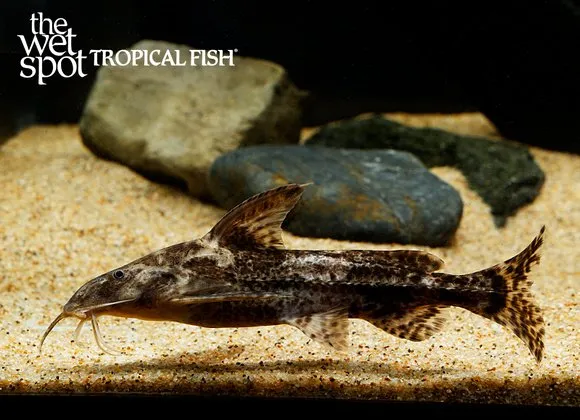 5.9 in (15 cm)70 gal (265 L)73–82°F (23–28°C)
Gallagher's catfish
Rhinodoras gallagheri
5.9 in (15 cm) · 70 gal (265 L)
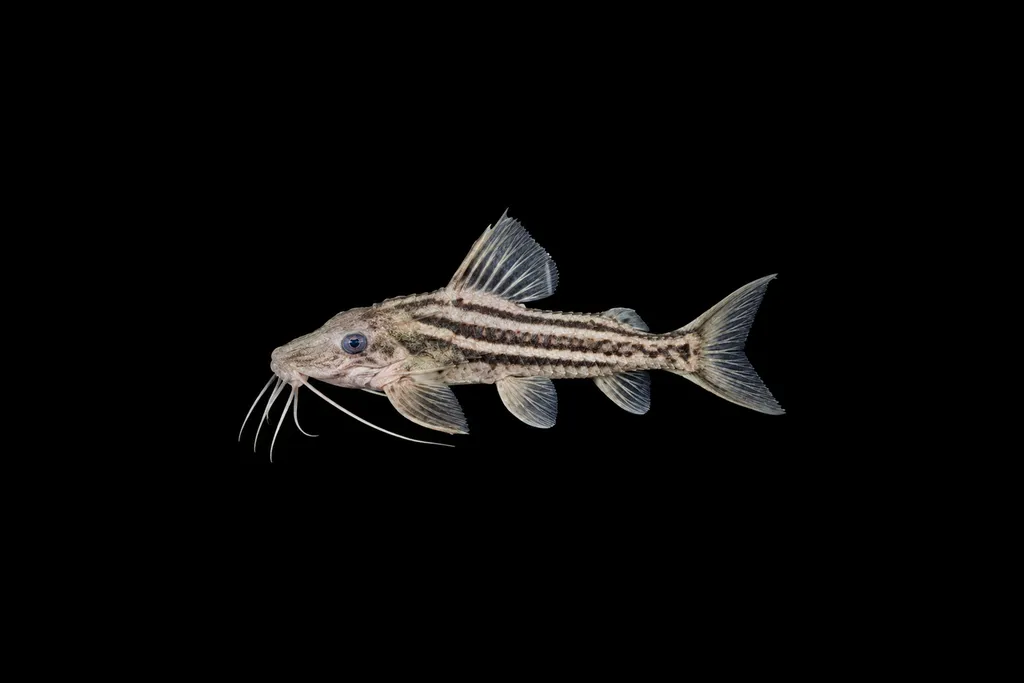
 6.3 in (16 cm)53 gal (200 L)73–82°F (23–28°C)
Green turushuki catfish
Hemidoras morrisi
6.3 in (16 cm) · 53 gal (200 L)
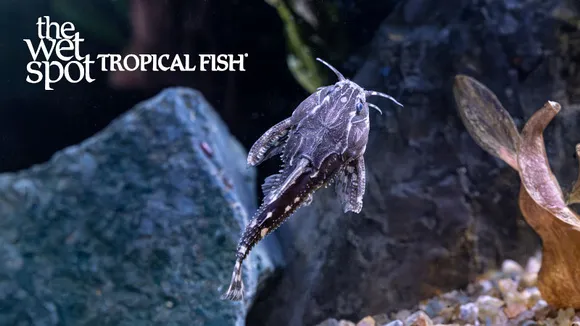
 5.9 in (15 cm)53 gal (200 L)73–82°F (23–28°C)
Hancock's talking catfish
Platydoras hancockii
5.9 in (15 cm) · 53 gal (200 L)
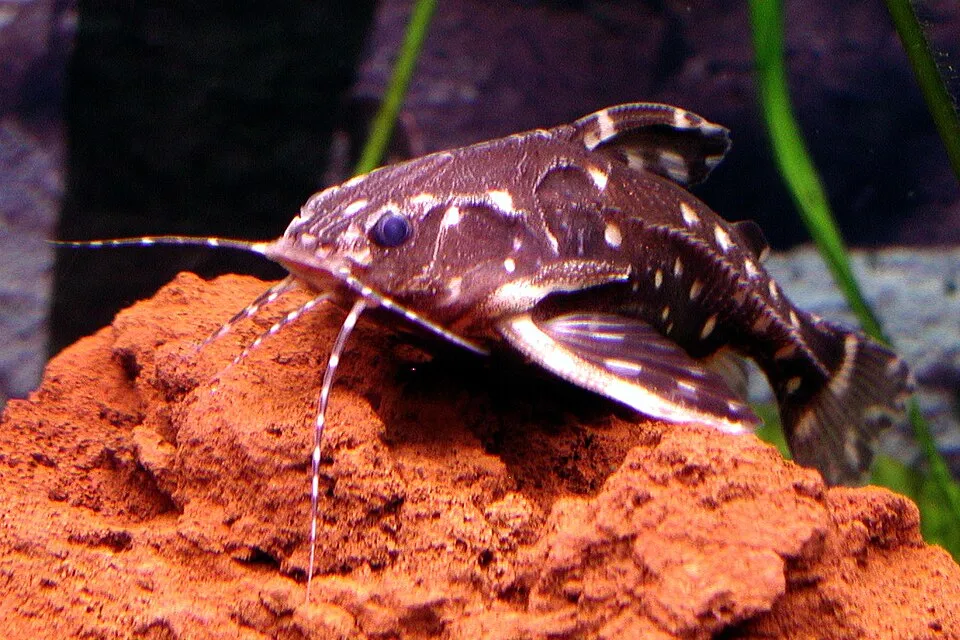
 5.9 in (15 cm)40 gal (150 L)73–82°F (23–28°C)
Orinoco spotted raphael
Agamyxis albomaculatus
5.9 in (15 cm) · 40 gal (150 L)
 5.9 in (15 cm)40 gal (150 L)72–79°F (22–26°C)
Spotted raphael catfish
Agamyxis pectinifrons
5.9 in (15 cm) · 40 gal (150 L)
 5.9 in (15 cm)26 gal (100 L)72–82°F (22–28°C)
Talking catfish
Acanthodoras spinosissimus
5.9 in (15 cm) · 26 gal (100 L)