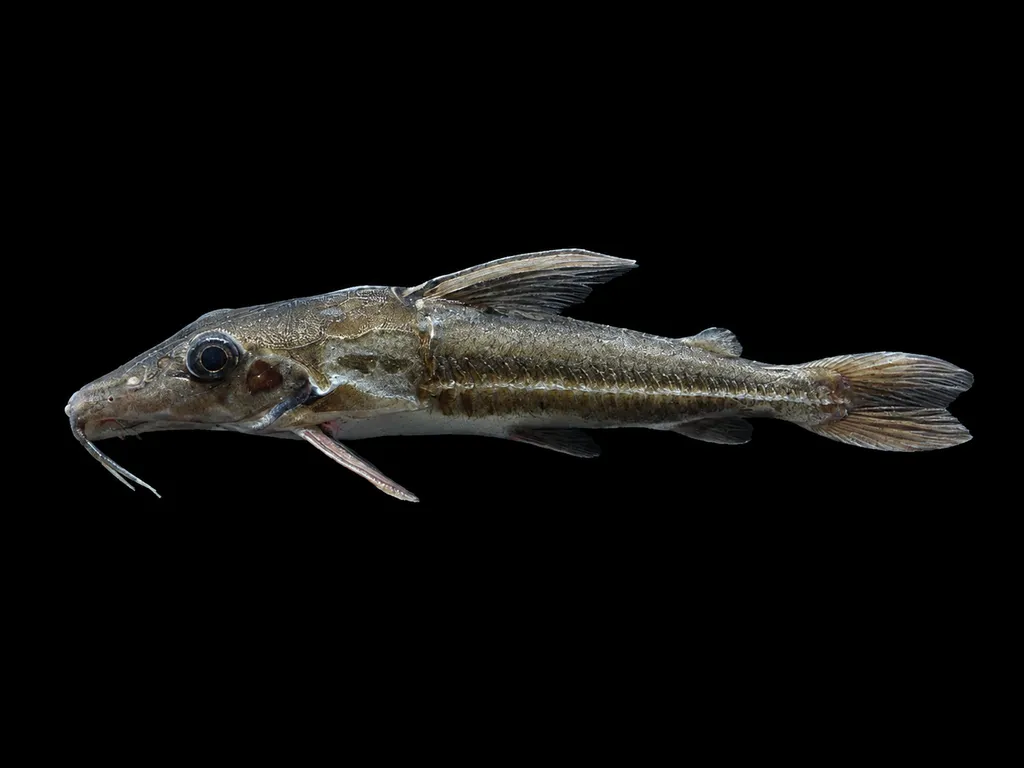
Green turushuki catfish
Hemidoras morrisi
Also known as Morris's doradid, Turushuki cat
FreshwaterFish
Care at a glance
- Temperature
- 73–82°F
- 23–28°C
- pH
- 6.0–7.5
- Adult size
- 6.3 in
- 16 cm
- Minimum tank
- 53 gal
- 200 L
- Temperament
- Peaceful
- Social behavior
- Schooling
- Swim level
- Bottom
- Difficulty
- Medium
- Breeding
- No record
- Rarity
- Rare
- Family
- Doradidae
- Origin
- Upper Amazon, Peru and Ecuador
Overview
The green turushuki catfish is a slender, sand-sifting doradid for the bottom of a peaceful community tank. It is a step up from the easiest fish.
Caring for the green turushuki catfish
A group of green turushuki catfish fits comfortably in a tank of at least 53 gal (200 L). The key requirement is a soft sand bed they can pick through, spread across an open bottom. Add some driftwood at the margins for shade.
Keep the water soft and slightly acidic to neutral, with a pH of 6.0 to 7.5. The temperature should run 73 to 82°F (23 to 28°C). Run a gentle to moderate current, and keep the water clean with routine changes.
Feed sinking pellets, wafers and small frozen foods such as bloodworms and daphnia. Make sure enough of it reaches the sand.
Green turushuki catfish are far more settled in a group, so keep at least four to six together. Expect them to forage as a loose shoal across the bottom. They are peaceful and suit calm community fish of a similar size, though tiny tank mates may be eaten at night. Aquarium spawning is not on record.
Good to know
This thorny catfish of the family Doradidae is built for sifting sand, with a tapered snout and long barbels. It is closely tied to the genus Opsodoras and may be a synonym of Opsodoras boulengeri. As a result, it turns up in the trade under more than one name. Like other doradids, it has bony flank scutes and can click by grinding its pectoral spines.
In the wild
Hemidoras morrisi ranges through the upper Amazon basin in Peru, Ecuador, Colombia and Brazil. It lives over sandy and muddy river beds near submerged wood.
Weekly picks
Tank mates
The green turushuki catfish is a peaceful, schooling species that keeps to the bottom. These picks share a community profile with it, are safe together in both directions, and overlap on water type, temperature and pH.
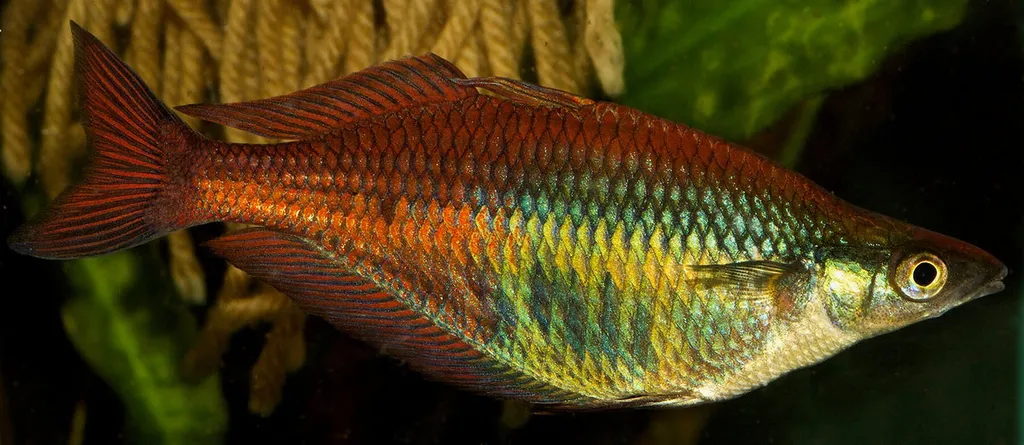
Barred rainbowfish
Chilatherina fasciata
Freshwater4.7 in (12 cm) · 53 gal (200 L)75–86°F (24–30°C)
Forest halfbeak
Hemirhamphodon pogonognathus
Freshwater3.5 in (9 cm) · 34 gal (130 L)75–82°F (24–28°C)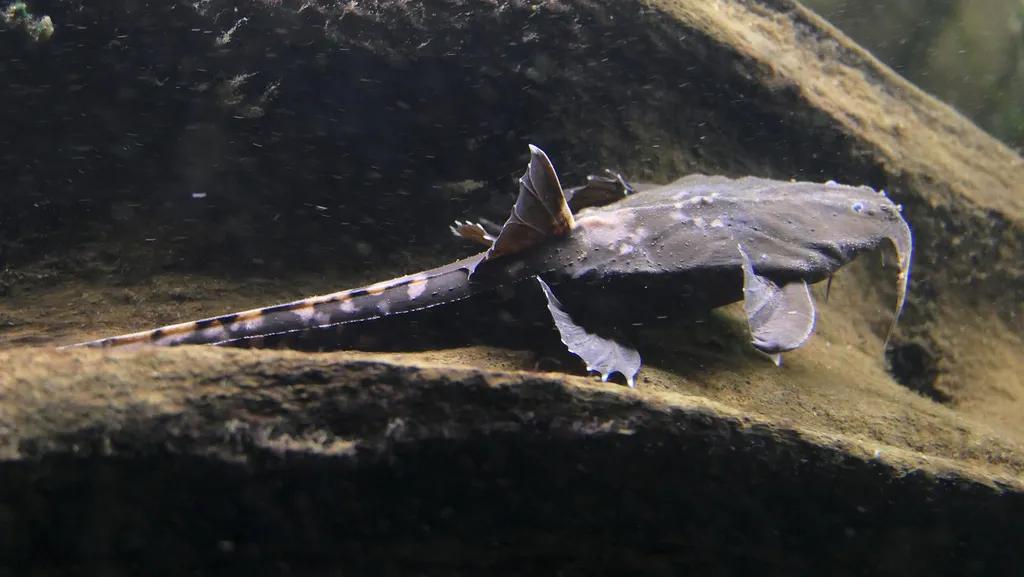
Whiptail banjo catfish
Platystacus cotylephorus
FreshwaterBrackish12.6 in (32 cm) · 53 gal (200 L)73–82°F (23–28°C)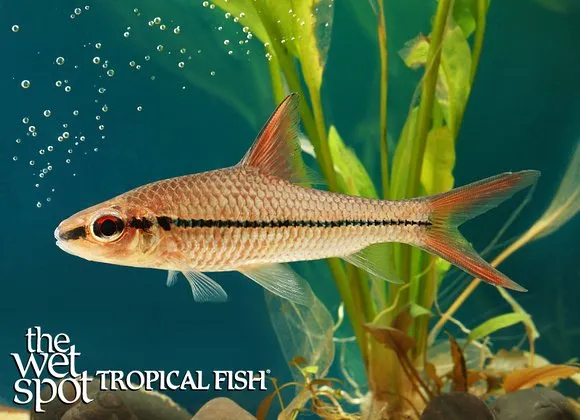
Purple-fin barb
Cyclocheilichthys janthochir
Freshwater7.1 in (18 cm) · 53 gal (200 L)73–82°F (23–28°C)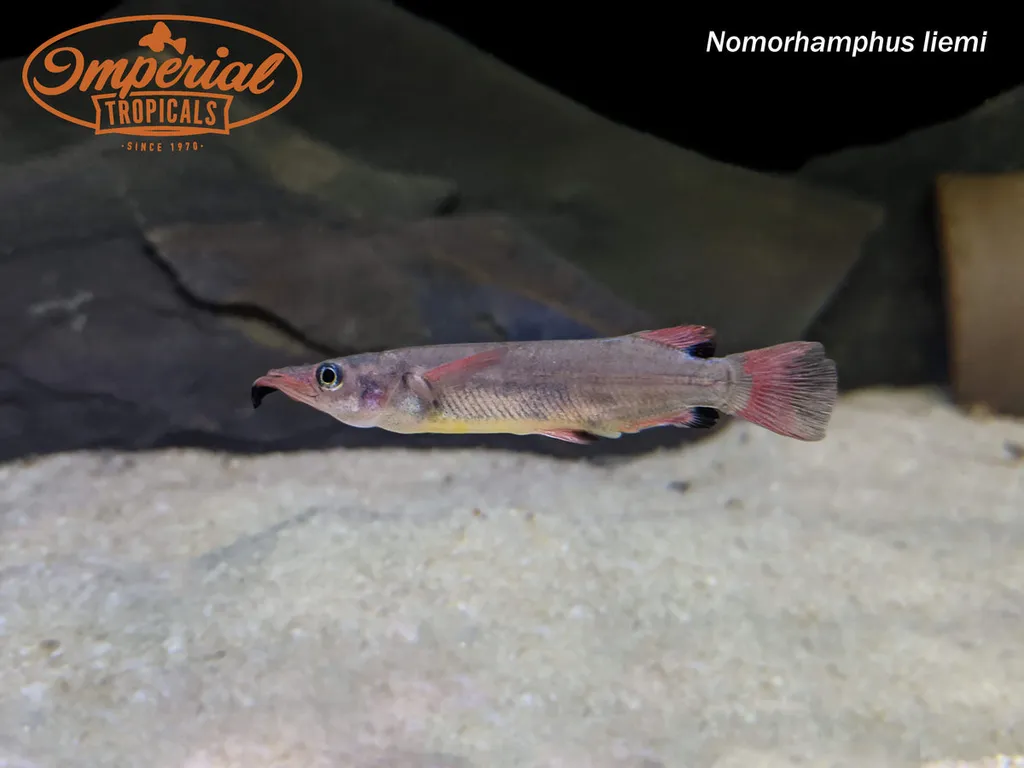
Celebes halfbeak
Nomorhamphus liemi
Freshwater3.5 in (9 cm) · 40 gal (150 L)68–77°F (20–25°C)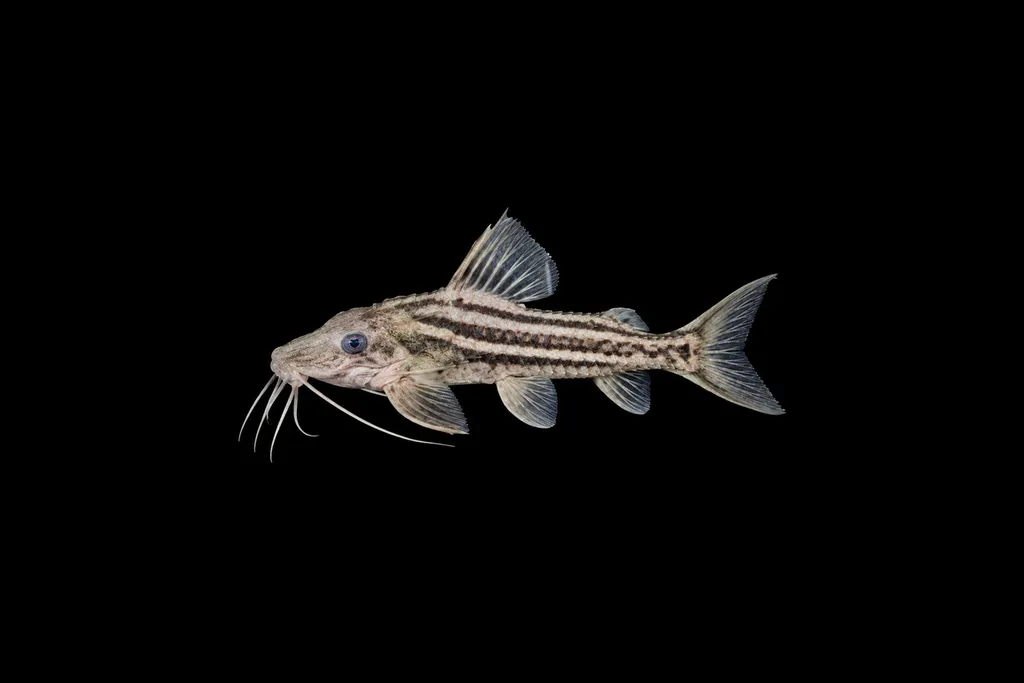
Hancock's talking catfish
Platydoras hancockii
Freshwater5.9 in (15 cm) · 53 gal (200 L)73–82°F (23–28°C)
Common questions
What size tank does a green turushuki catfish need?
A green turushuki catfish needs at least 53 gal (200 L). It spends most of its time in the bottom.
What temperature and pH does a green turushuki catfish need?
A green turushuki catfish is comfortable at 73–82°F (23–28°C) with a pH of 6.0–7.5.
What does a green turushuki catfish eat?
A green turushuki catfish eats sinking pellets, wafers and small frozen foods such as bloodworms and daphnia. Make sure enough of the food reaches the sand.
How big does a green turushuki catfish get?
An adult green turushuki catfish reaches about 6.3 in (16 cm).
Does a green turushuki catfish need a group?
Yes. A green turushuki catfish is a schooling species and should be kept in a group, not singly.
Related species
 6.7 in (17 cm)79 gal (300 L)73–82°F (23–28°C)
Fog talking catfish
Rhinodoras boehlkei
6.7 in (17 cm) · 79 gal (300 L)
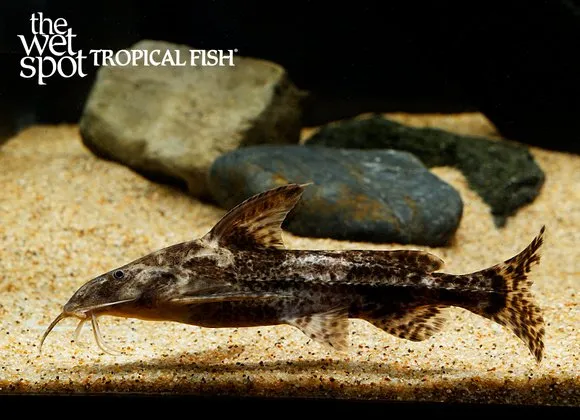 5.9 in (15 cm)70 gal (265 L)73–82°F (23–28°C)
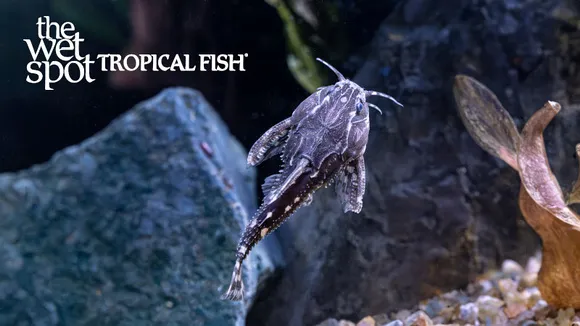
Gallagher's catfish
Rhinodoras gallagheri
5.9 in (15 cm) · 70 gal (265 L)
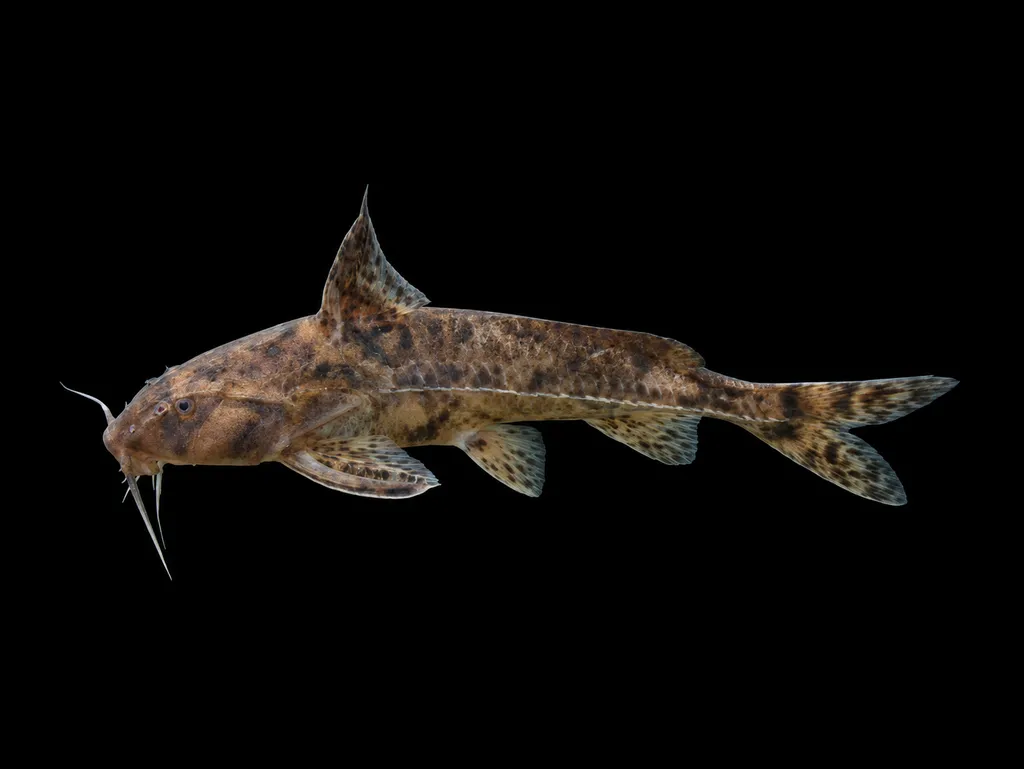
- 5.9 in (15 cm)53 gal (200 L)73–82°F (23–28°C)
Hancock's talking catfish
Platydoras hancockii
5.9 in (15 cm) · 53 gal (200 L)
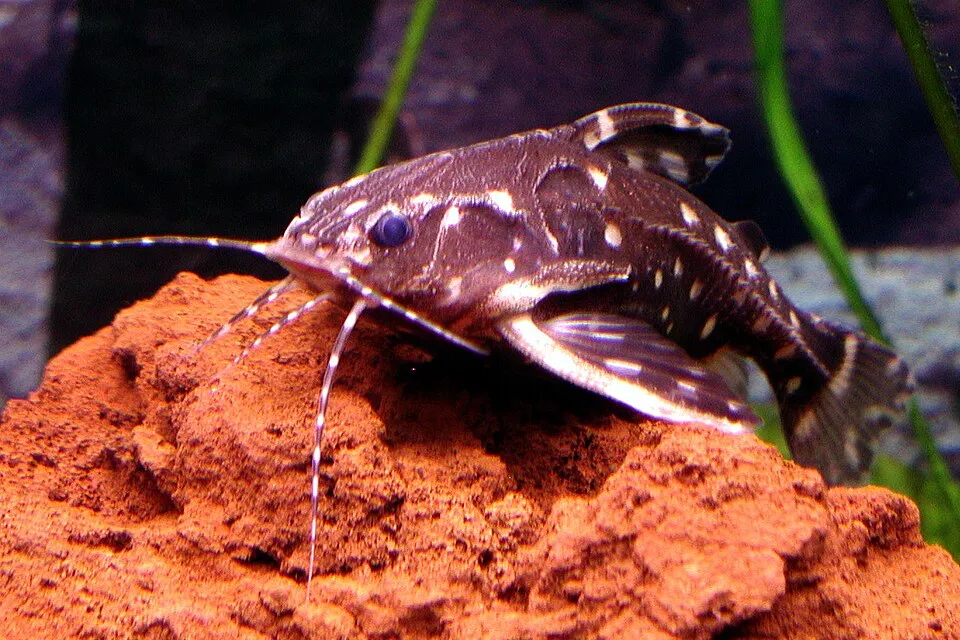
 5.9 in (15 cm)40 gal (150 L)73–82°F (23–28°C)
Orinoco spotted raphael
Agamyxis albomaculatus
5.9 in (15 cm) · 40 gal (150 L)
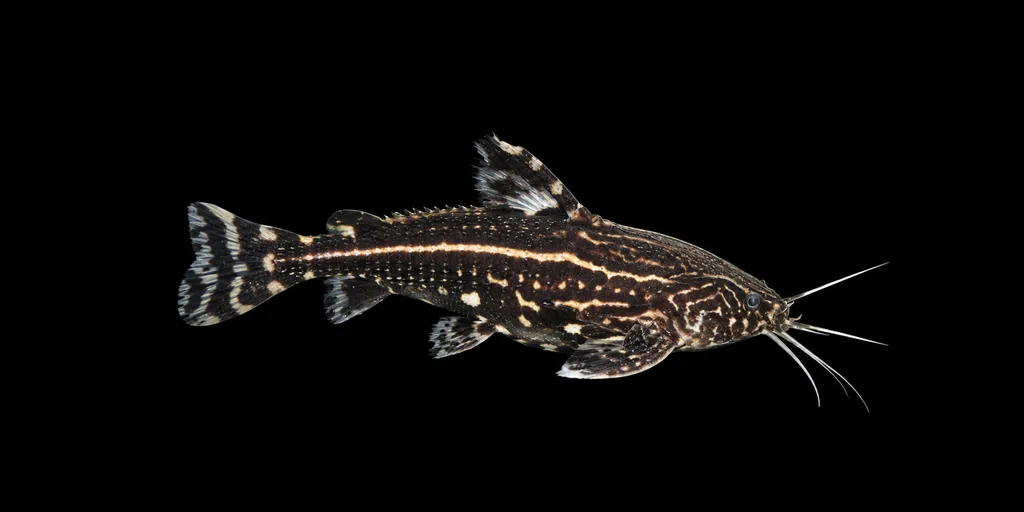
 5.9 in (15 cm)40 gal (150 L)72–79°F (22–26°C)
Spotted raphael catfish
Agamyxis pectinifrons
5.9 in (15 cm) · 40 gal (150 L)
 5.9 in (15 cm)26 gal (100 L)72–82°F (22–28°C)
Talking catfish
Acanthodoras spinosissimus
5.9 in (15 cm) · 26 gal (100 L)