Talking catfish
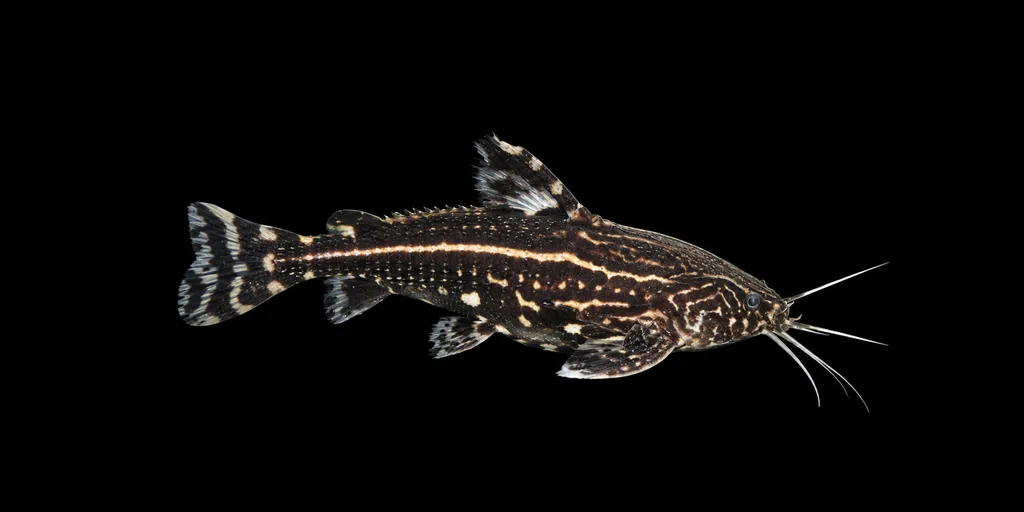
Acanthodoras spinosissimus
Also known as Chocolate talking catfish, Chocolate raphael, Spiny talking catfish
FreshwaterFish
Care at a glance
- Temperature
- 72–82°F
- 22–28°C
- pH
- 6.0–7.5
- Adult size
- 5.9 in
- 15 cm
- Minimum tank
- 26 gal
- 100 L
- Temperament
- Peaceful
- Social behavior
- Social
- Swim level
- Bottom
- Difficulty
- Easy
- Breeding
- No record
- Rarity
- Common
- Family
- Doradidae
- Origin
- Found in the Amazon and Essequibo river basins of northern South America.
Overview
The talking catfish is a hardy, peaceful bottom dweller that makes an easy oddball for a community, though it is nocturnal and often out of sight by day. It will not bother tankmates it cannot swallow but may eat very small fish and shrimp at night. Feed sinking pellets, frozen bloodworm, and other meaty foods after lights out. A tank around 100 liters with sand and cover suits it. Take care when netting it, since the locking spines tangle badly and it can jab you.
In the wild
The talking catfish lives in slow, leaf-littered stretches of the Amazon and Essequibo, rooting through soft substrate and detritus for food. It is nocturnal and often buries itself in the day, leaving just its eyes showing. Set it up with soft sand, plenty of driftwood, leaf litter, and dark caves, at 22 to 28 degrees C with soft to neutral water.
Good to know
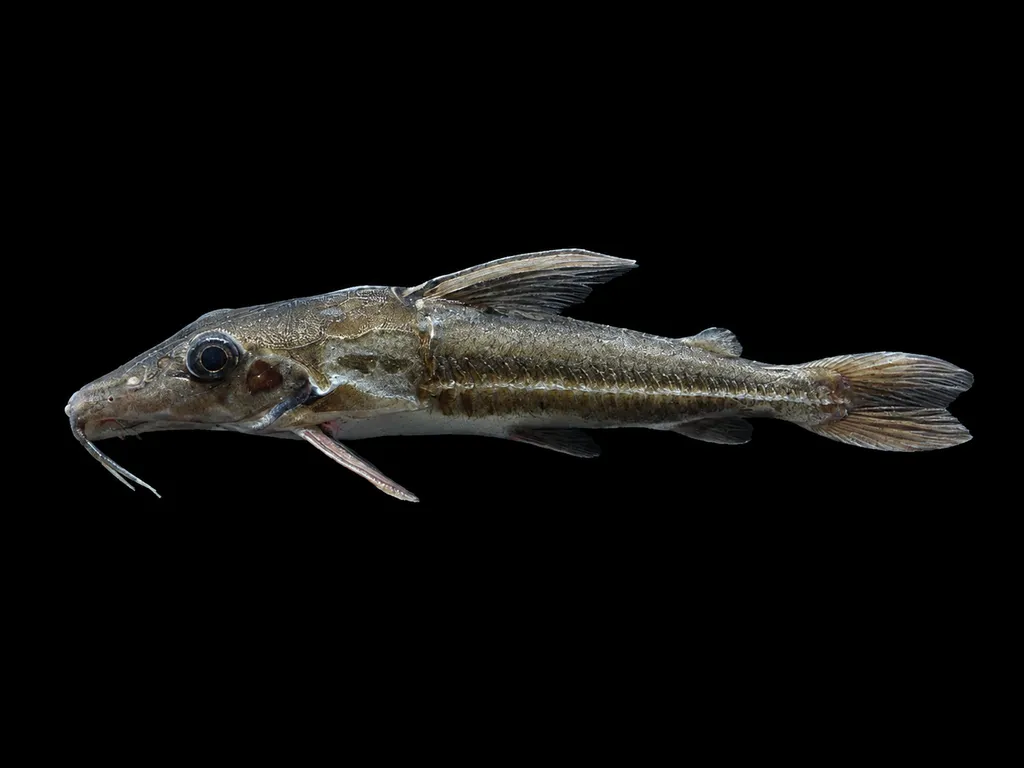
This thorny catfish grows to about 15 cm and is armored with a row of bony, spined plates along each flank. Like other doradids it is a talking catfish, producing audible grunts and creaks by grinding its pectoral spines and vibrating its swim bladder. The sounds are usually made when the fish is handled or stressed.
Did you know
Lift one out of the water and it will often grunt and creak at you, a sound made by grinding its fin spines that carries surprisingly well through the air.
Weekly picks
Tank mates
Talking catfish is a peaceful, social species that keeps to the bottom. These picks share a community profile with it, are safe together in both directions, and overlap on water type, temperature and pH.
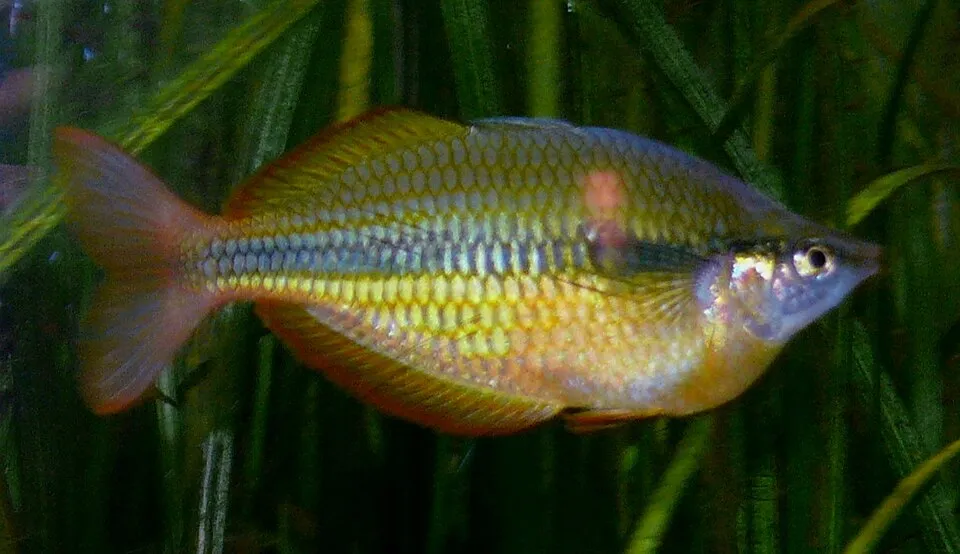
Lake Tebera rainbowfish
Melanotaenia herbertaxelrodi
Freshwater3.5 in (9 cm) · 25 gal (95 L)68–79°F (20–26°C)
Wrestling halfbeak
Dermogenys pusilla
FreshwaterBrackish2.8 in (7 cm) · 25 gal (95 L)75–82°F (24–28°C)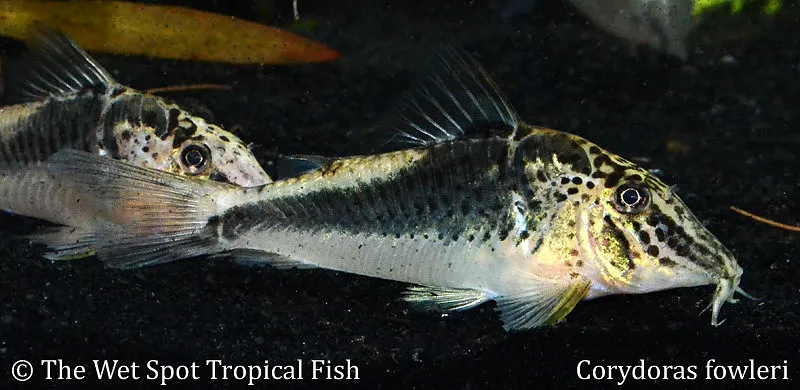
Fowler's cory
Corydoras fowleri
Freshwater2.8 in (7 cm) · 26 gal (100 L)72–79°F (22–26°C)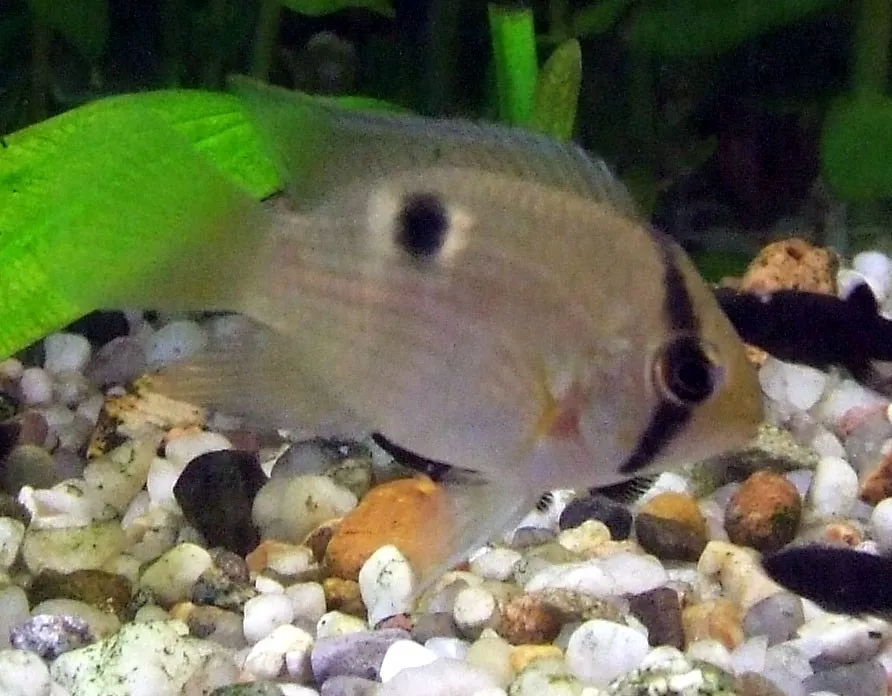
Keyhole cichlid
Cleithracara maronii
Freshwater4.3 in (11 cm) · 25 gal (95 L)70–82°F (21–28°C)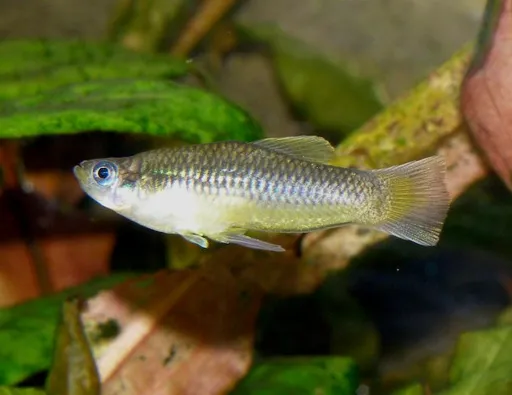
Blue-eyed livebearer
Priapella intermedia
Freshwater2.8 in (7 cm) · 24 gal (90 L)72–82°F (22–28°C)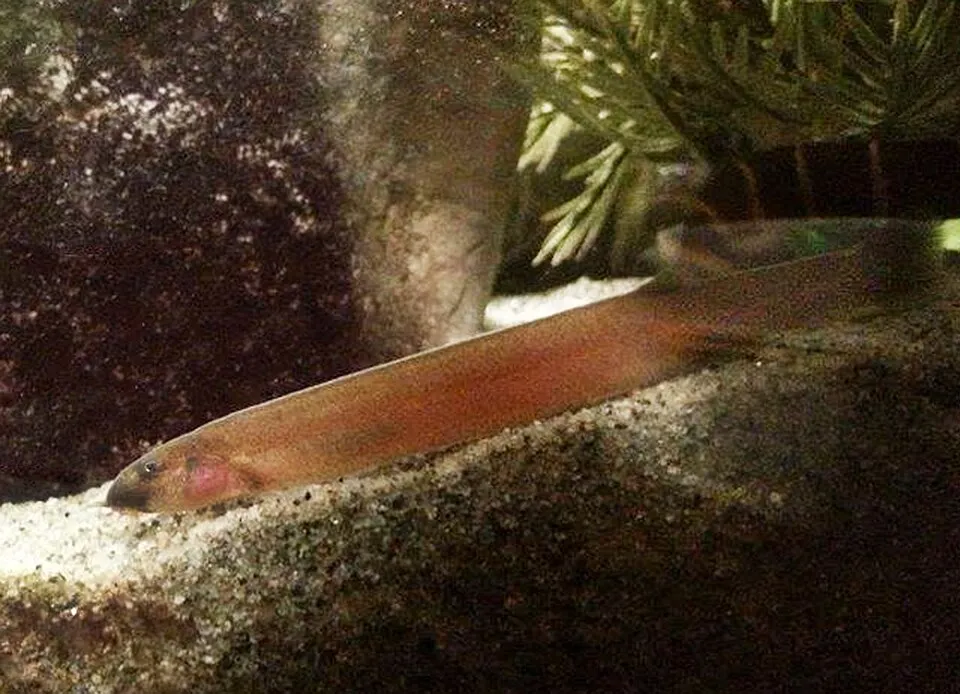
Java loach
Pangio oblonga
Freshwater3.1 in (8 cm) · 25 gal (95 L)70–79°F (21–26°C)
Common questions
What size tank does a Talking catfish need?
A Talking catfish needs at least 26 gal (100 L). It spends most of its time in the bottom.
What temperature and pH does a Talking catfish need?
A Talking catfish is comfortable at 72–82°F (22–28°C) with a pH of 6.0–7.5.
How big does a Talking catfish get?
An adult Talking catfish reaches about 5.9 in (15 cm).
Related species
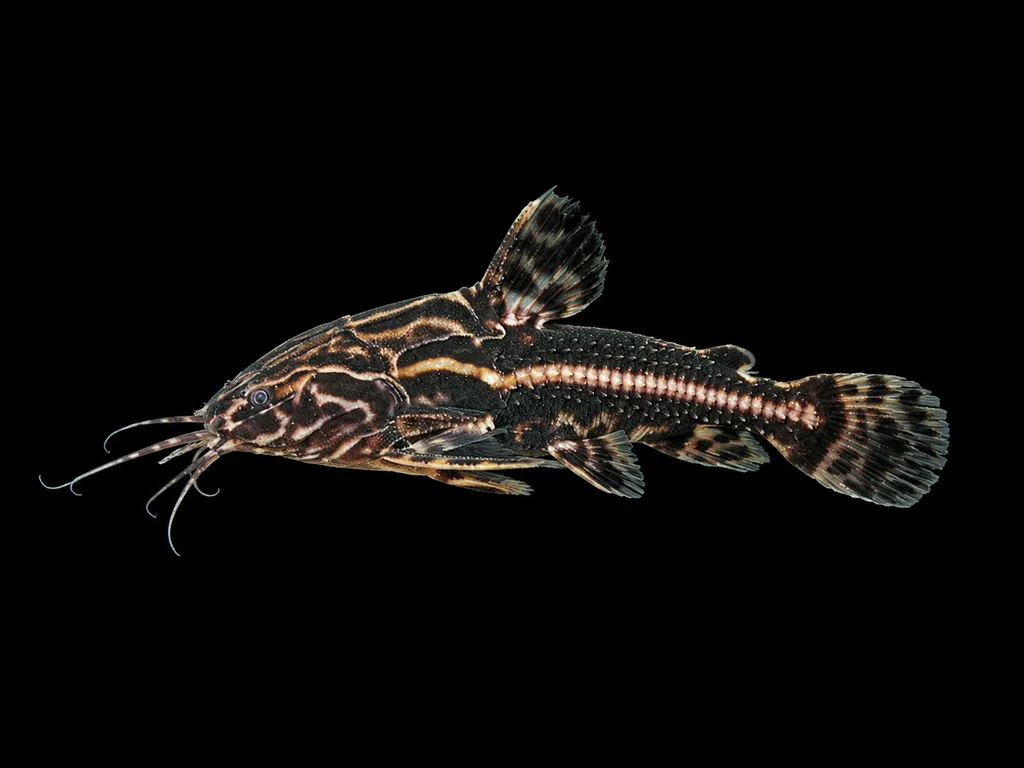 4.5 in (11.5 cm)30 gal (112 L)73–82°F (23–28°C)
Painted talking catfish
Acanthodoras cataphractus
4.5 in (11.5 cm) · 30 gal (112 L)
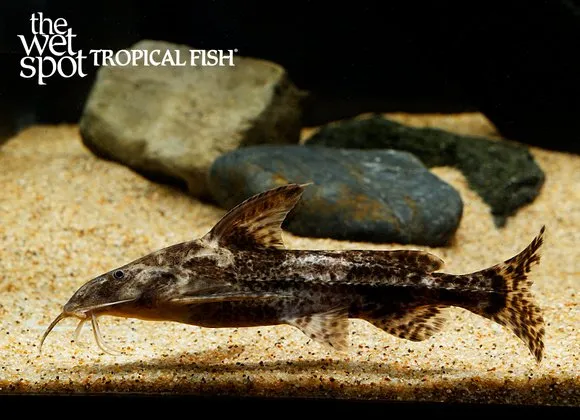 5.9 in (15 cm)70 gal (265 L)73–82°F (23–28°C)
Gallagher's catfish
Rhinodoras gallagheri
5.9 in (15 cm) · 70 gal (265 L)
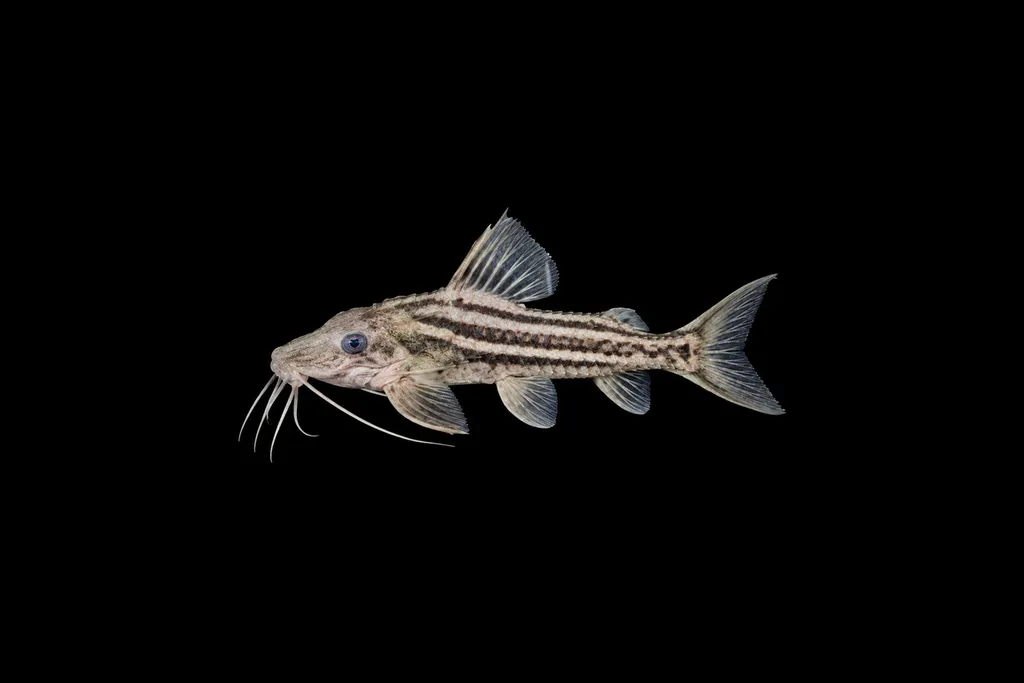 5.9 in (15 cm)53 gal (200 L)73–82°F (23–28°C)
Hancock's talking catfish
Platydoras hancockii
5.9 in (15 cm) · 53 gal (200 L)
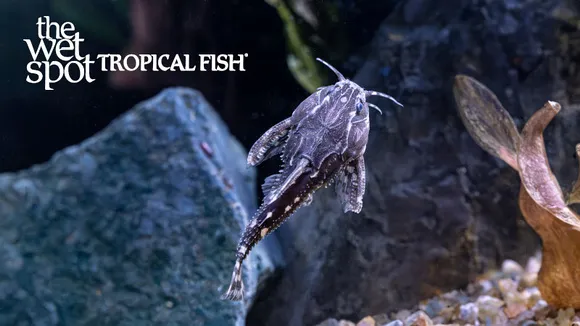 5.9 in (15 cm)40 gal (150 L)73–82°F (23–28°C)
Orinoco spotted raphael
Agamyxis albomaculatus
5.9 in (15 cm) · 40 gal (150 L)
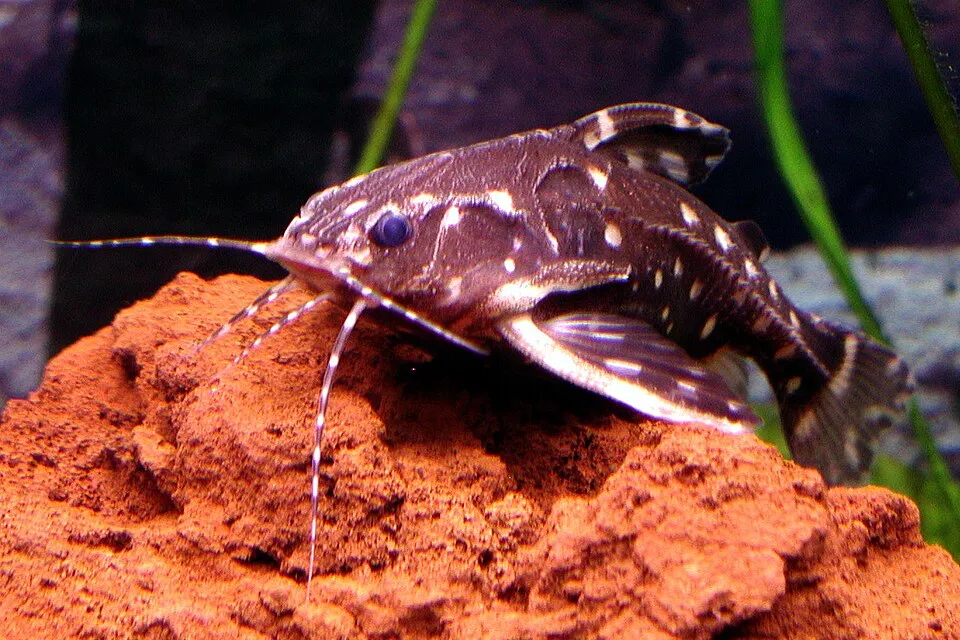 5.9 in (15 cm)40 gal (150 L)72–79°F (22–26°C)
Spotted raphael catfish
Agamyxis pectinifrons
5.9 in (15 cm) · 40 gal (150 L)
 6.3 in (16 cm)53 gal (200 L)73–82°F (23–28°C)
Green turushuki catfish
Hemidoras morrisi
6.3 in (16 cm) · 53 gal (200 L)