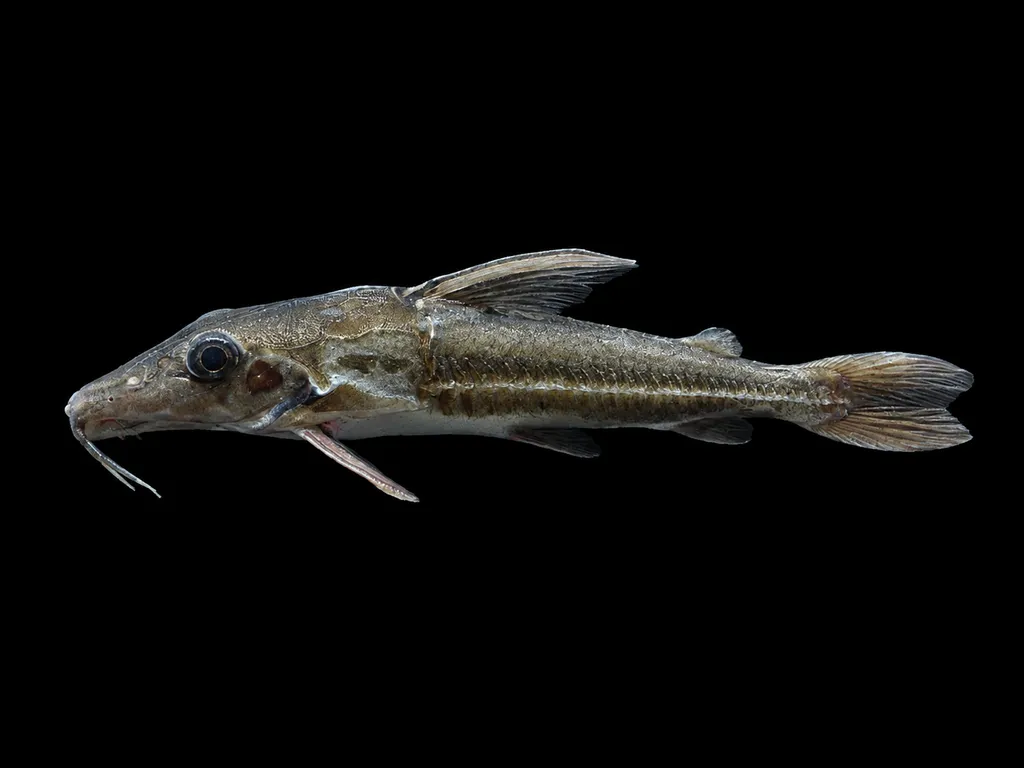
Gallagher's catfish
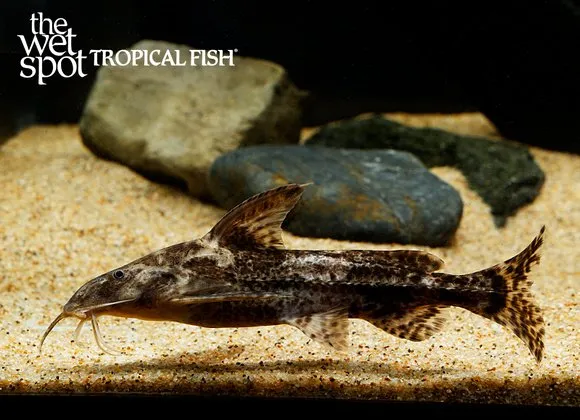
Rhinodoras gallagheri
Also known as Gallagher's doradid
FreshwaterFish
Care at a glance
- Temperature
- 73–82°F
- 23–28°C
- pH
- 6.0–7.5
- Adult size
- 5.9 in
- 15 cm
- Minimum tank
- 70 gal
- 265 L
- Temperament
- Peaceful
- Social behavior
- Social
- Swim level
- Bottom
- Difficulty
- Medium
- Breeding
- No record
- Rarity
- Rare
- Family
- Doradidae
- Origin
- Orinoco basin, Venezuela
Overview
Gallagher's catfish is a rarely imported doradid that behaves like its relatives, peaceful and nocturnal. It is a good choice once you have kept a few easier fish.
Did you know
Gallagher's catfish is named for Frank Gallagher, who spent 37 years running the mailroom at the Academy of Natural Sciences in Philadelphia. It was described from two specimens that had sat in the museum's jars since 1989.
Caring for the Gallagher's catfish
A Gallagher's catfish needs a tank of at least 70 gal (265 L), with room for its slow, deliberate night patrols. Lay a soft substrate for it to forage over, and add generous driftwood cover and shaded caves. Keep the lighting subdued, since it is happiest with a snug retreat to spend the day in.
The water should be soft to neutral, at 73 to 82°F (23 to 28°C) and a pH of 6.0 to 7.5. Keep it clean and gently moving, with steady maintenance to hold nitrogenous waste low. Offer sinking foods in the evening, from catfish pellets to frozen bloodworms and chopped prawn.
It is gregarious enough to keep alone or with a few of its own kind. It poses no threat to calm tank mates too large to be eaten. No aquarium breeding has been documented for this catfish.
Good to know
This thorny catfish belongs to the family Doradidae. It was described only in 2008, one of the more recently named members of the genus Rhinodoras. Like all doradids, it bears armored flank scutes and can grate out sounds with its pectoral spines. It was told apart from close relatives by fine details of its fins and snout.
In the wild
Rhinodoras gallagheri is known from the Orinoco basin in Venezuela. Doradids of this kind shelter among sunken branches and leaf packs in slow to moderate stretches of river.
Weekly picks
Tank mates
The Gallagher's catfish is a peaceful, social species that keeps to the bottom. These picks share a community profile with it, are safe together in both directions, and overlap on water type, temperature and pH.
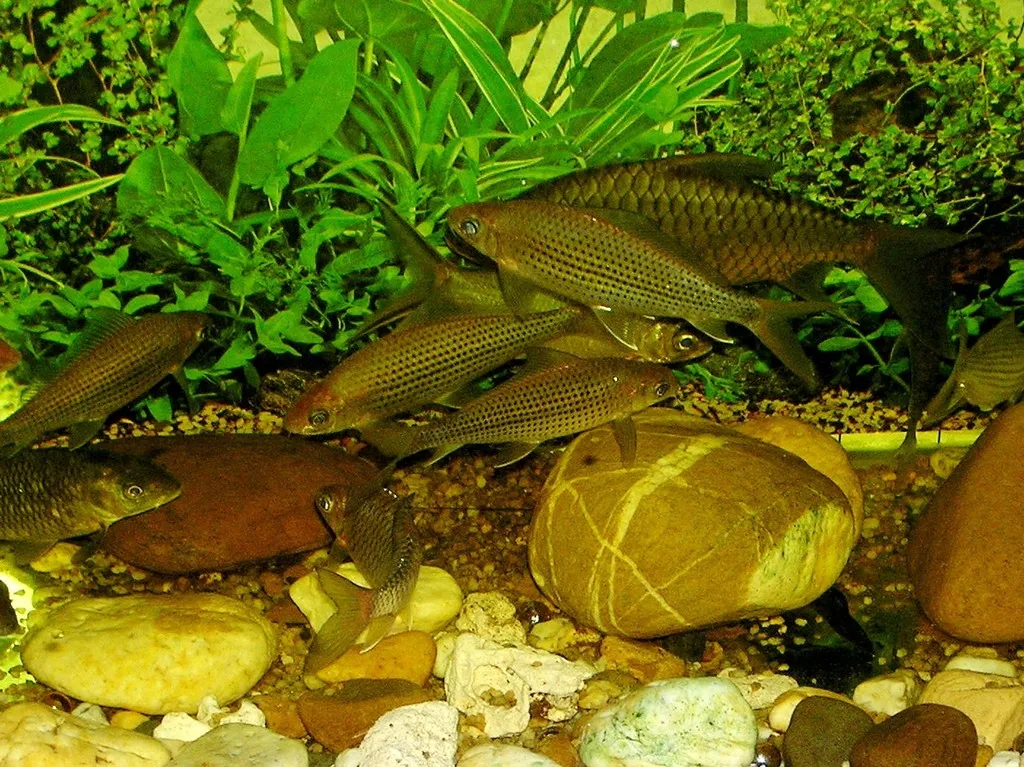
Thinlip sharkminnow barb
Labiobarbus leptocheilus
Freshwater8.7 in (22 cm) · 66 gal (250 L)72–82°F (22–28°C)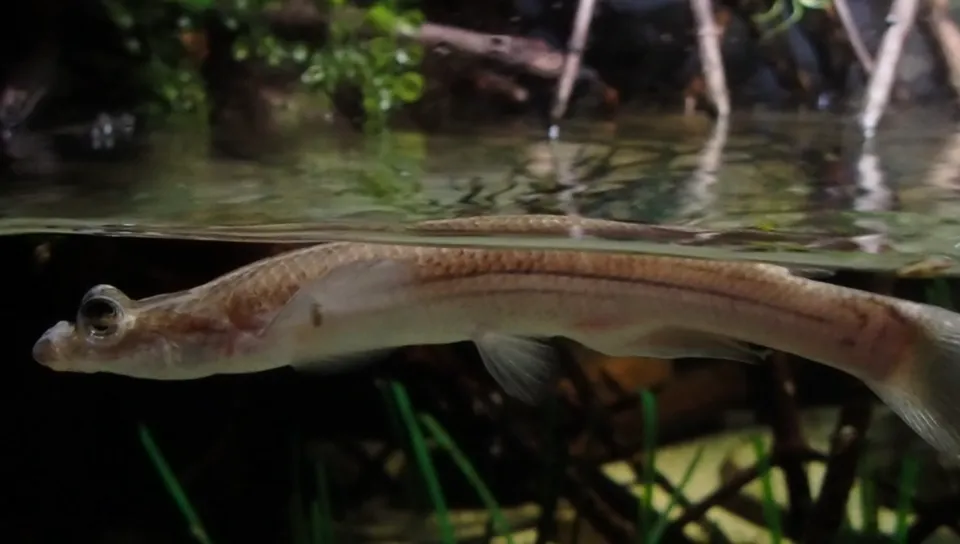
Largescale four-eyed fish
Anableps anableps
FreshwaterBrackish11.8 in (30 cm) · 70 gal (265 L)77–88°F (25–31°C)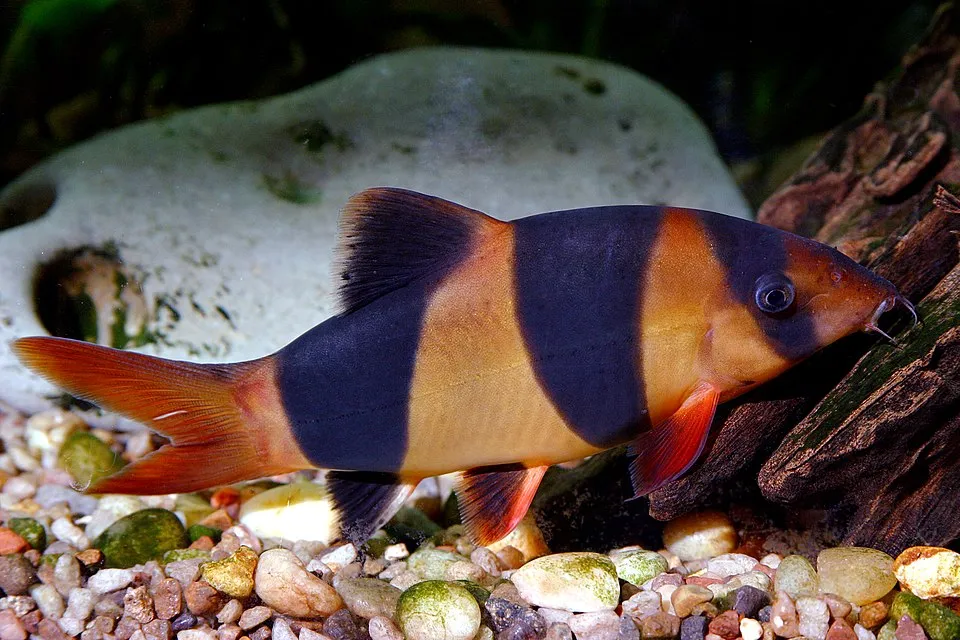
Clown loach
Chromobotia macracanthus
Freshwater11.8 in (30 cm) · 75 gal (285 L)75–86°F (24–30°C)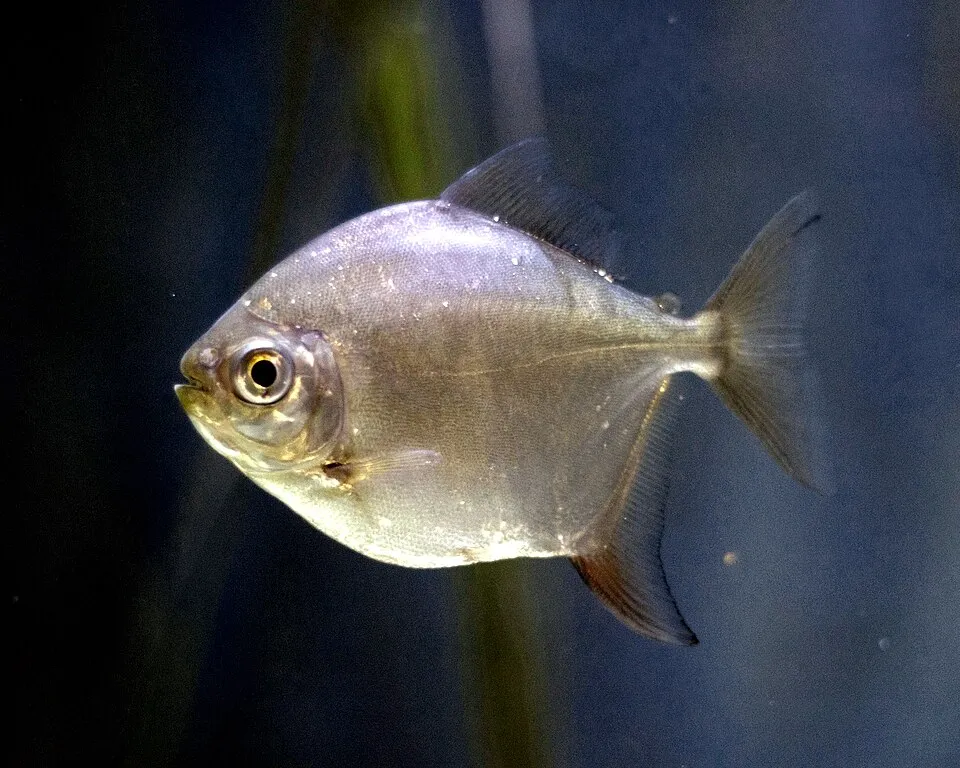
Silver dollar
Metynnis argenteus
Freshwater5.9 in (15 cm) · 70 gal (265 L)75–82°F (24–28°C)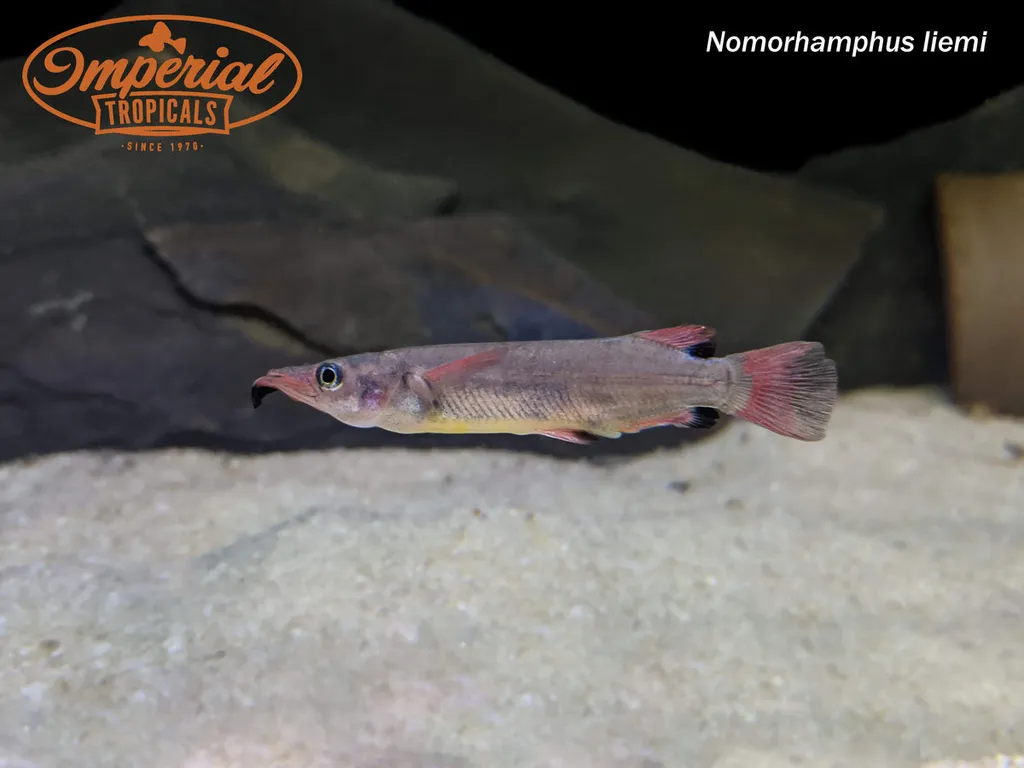
Celebes halfbeak
Nomorhamphus liemi
Freshwater3.5 in (9 cm) · 40 gal (150 L)68–77°F (20–25°C)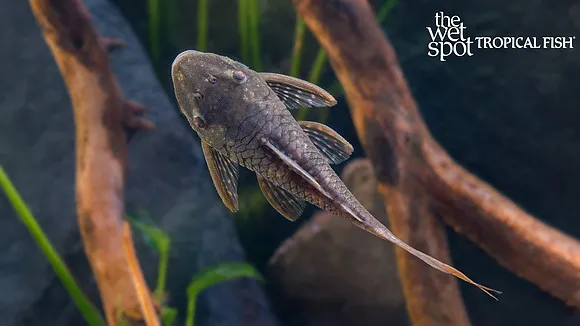
Red tail lasiancistrus
Lasiancistrus heteracanthus
Freshwater7.1 in (18 cm) · 66 gal (250 L)73–81°F (23–27°C)
Common questions
What size tank does a Gallagher's catfish need?
A Gallagher's catfish needs at least 70 gal (265 L). It spends most of its time in the bottom.
What temperature and pH does a Gallagher's catfish need?
A Gallagher's catfish is comfortable at 73–82°F (23–28°C) with a pH of 6.0–7.5.
What does a Gallagher's catfish eat?
A Gallagher's catfish eats sinking foods, from catfish pellets to frozen bloodworms and chopped prawn. Offer them in the evening.
How big does a Gallagher's catfish get?
An adult Gallagher's catfish reaches about 5.9 in (15 cm).
Related species
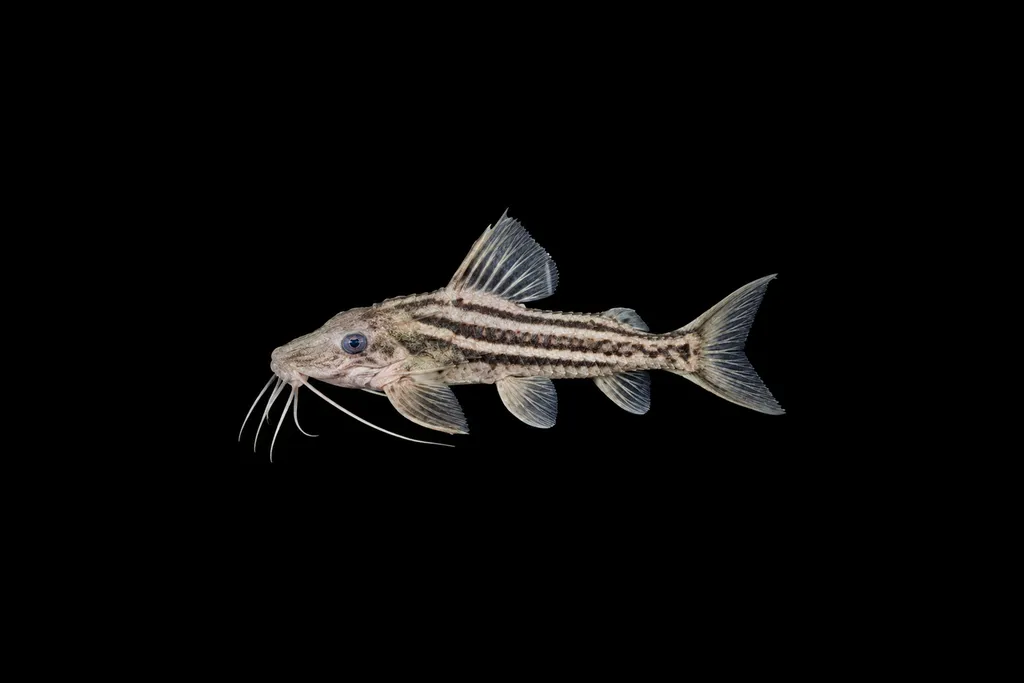
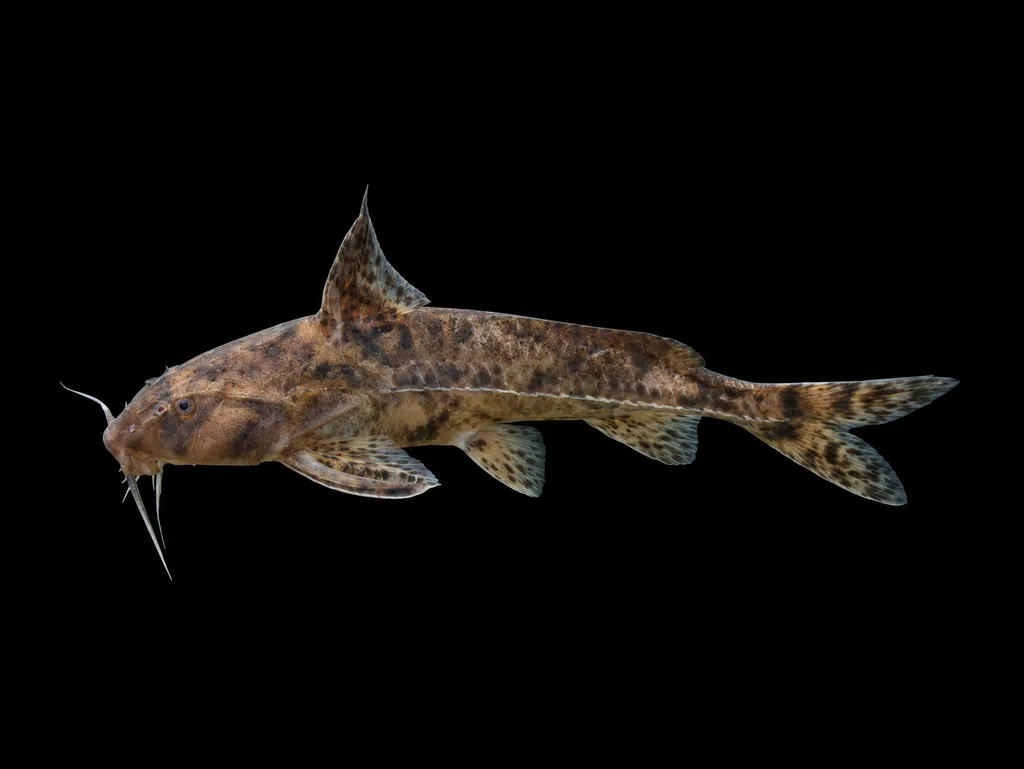 6.7 in (17 cm)79 gal (300 L)73–82°F (23–28°C)
Fog talking catfish
Rhinodoras boehlkei
6.7 in (17 cm) · 79 gal (300 L)
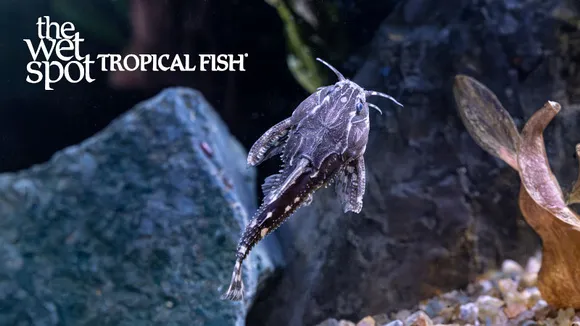
 5.9 in (15 cm)53 gal (200 L)73–82°F (23–28°C)
Hancock's talking catfish
Platydoras hancockii
5.9 in (15 cm) · 53 gal (200 L)
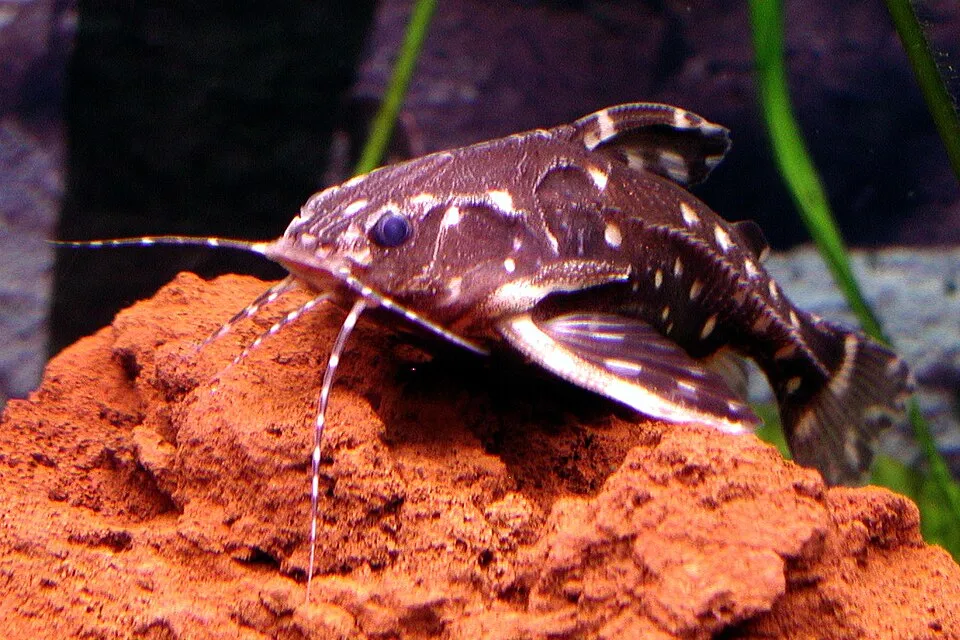
 5.9 in (15 cm)40 gal (150 L)73–82°F (23–28°C)
Orinoco spotted raphael
Agamyxis albomaculatus
5.9 in (15 cm) · 40 gal (150 L)
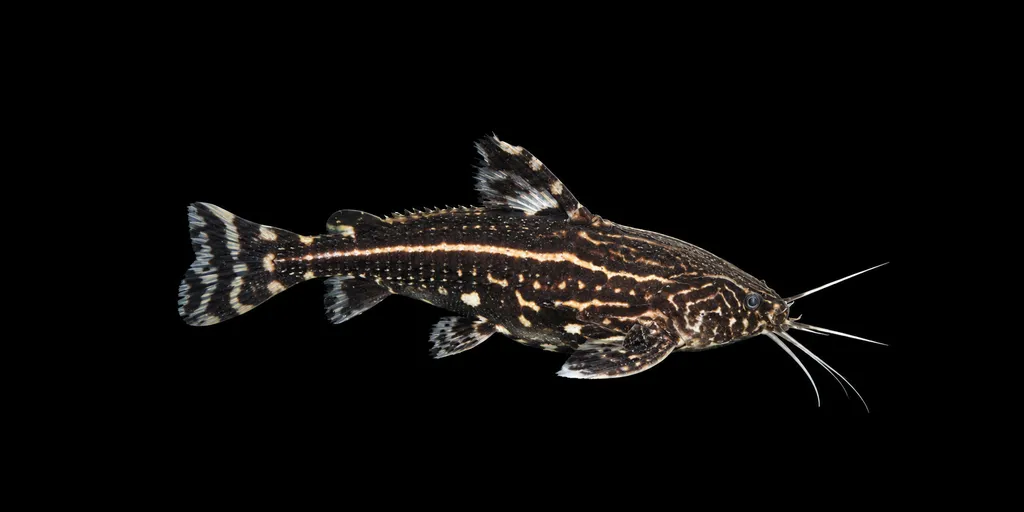
 5.9 in (15 cm)40 gal (150 L)72–79°F (22–26°C)
Spotted raphael catfish
Agamyxis pectinifrons
5.9 in (15 cm) · 40 gal (150 L)
 5.9 in (15 cm)26 gal (100 L)72–82°F (22–28°C)
Talking catfish
Acanthodoras spinosissimus
5.9 in (15 cm) · 26 gal (100 L)
 6.3 in (16 cm)53 gal (200 L)73–82°F (23–28°C)
Green turushuki catfish
Hemidoras morrisi
6.3 in (16 cm) · 53 gal (200 L)