Redhook
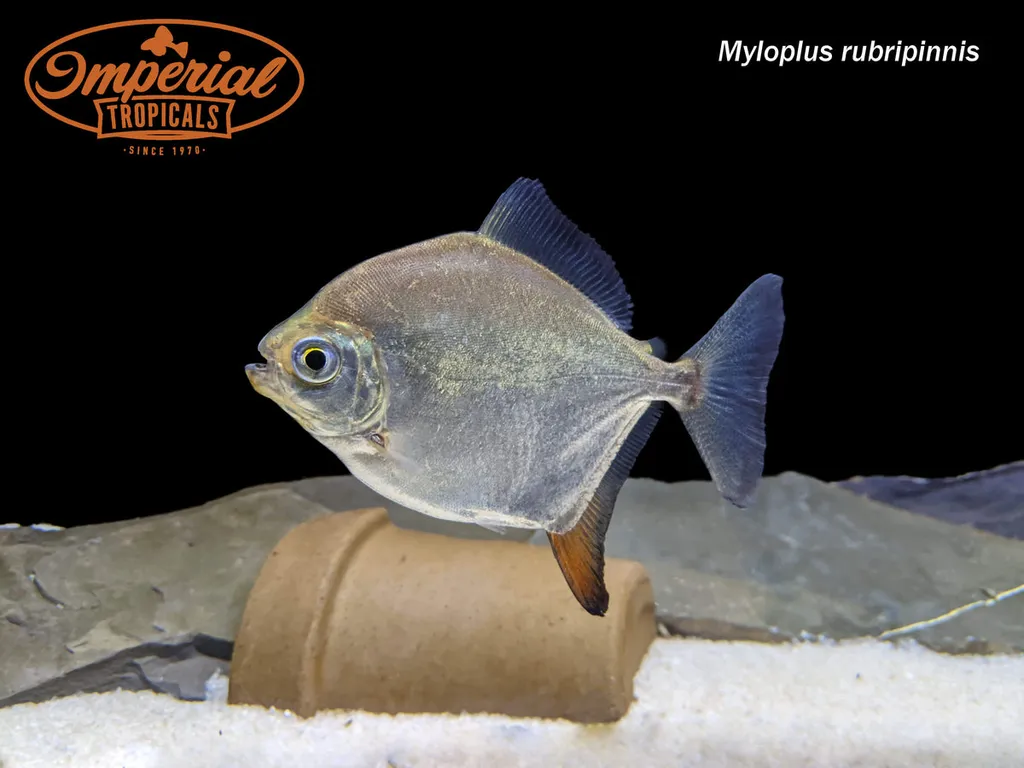
Myloplus rubripinnis
Also known as Silver dollar
FreshwaterFish
Care at a glance
- Temperature
- 73–81°F
- 23–27°C
- pH
- 5.5–7.5
- Adult size
- 9.8 in
- 25 cm
- Minimum tank
- 70 gal
- 265 L
- Temperament
- Peaceful
- Social behavior
- Schooling
- Swim level
- Middle
- Diet
- Omnivore
- Difficulty
- Medium
- Breeding
- No record
- Rarity
- Common
- Family
- Serrasalmidae
- Origin
- South America
Overview
The redhook is a schooling fish for the middle of a large community tank. It suits a keeper with some experience.
Did you know
Redhooks swallow seeds and spread them through the flooded forest, acting as part of the forest's natural planting cycle. Their flat, almost human-like crushing teeth mark them as a vegetarian cousin of the piranha, not a meat hunter.
Caring for the redhook
Keep redhooks in a group of at least five or six, in a large tank of at least 70 gal (265 L) with strong filtration. They are big, active swimmers, so the tank needs length and open room more than fine decor. They will shred soft plants, so use tough species or none.
Keep the water soft, at 73 to 81°F (23 to 27°C) and a pH of 5.5 to 7.5. Feed mostly plant matter like blanched vegetables, spirulina and quality pellets, with only occasional protein.
Redhooks are peaceful despite their piranha-family ties. They swim in the middle and are skittish, so a group and a calm location keep them from crashing into the glass. Redhooks take their name from the red, hook-shaped front edge of the anal fin, which is brightest in mature males. There is no real captive breeding record for home tanks.
Good to know
The redhook, Myloplus rubripinnis, is a serrasalmid in the family Serrasalmidae. It is closely related to the pacus and to the other silver dollars, and it also goes by the name silver dollar.
In the wild
Redhooks come from South American rivers in the Amazon region. They range across open water and flooded areas, where they feed heavily on plants and fallen fruit. The water is soft and runs acidic to neutral.
Weekly picks
Tank mates
The redhook is a peaceful, schooling species that keeps to the middle. These picks share a community profile with it, are safe together in both directions, and overlap on water type, temperature and pH.
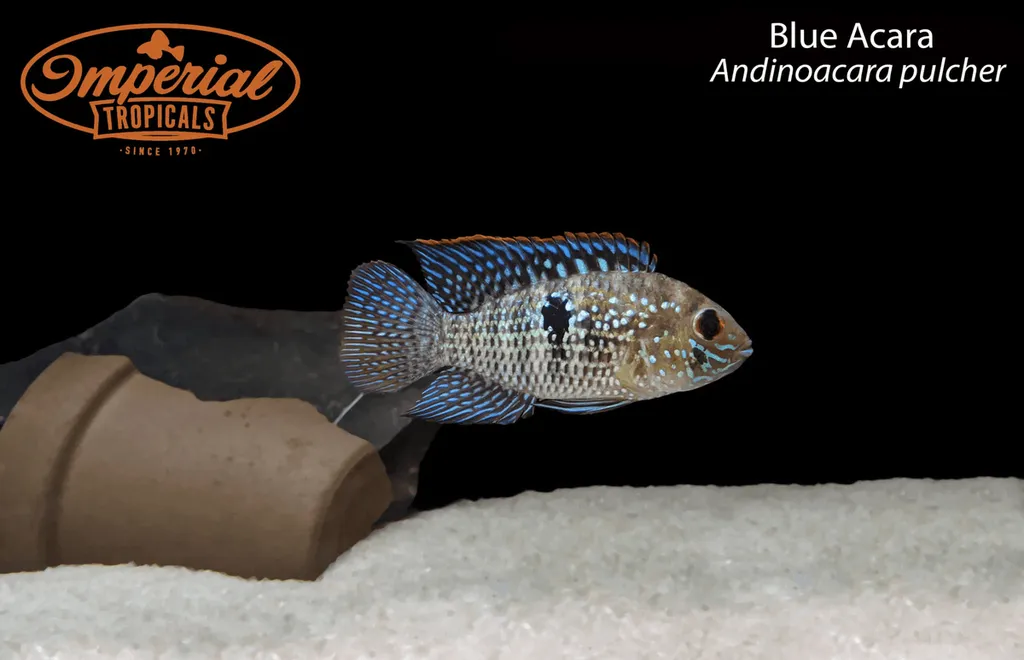
Blue acara
Andinoacara pulcher
Freshwater5.9 in (15 cm) · 42 gal (160 L)72–82°F (22–28°C)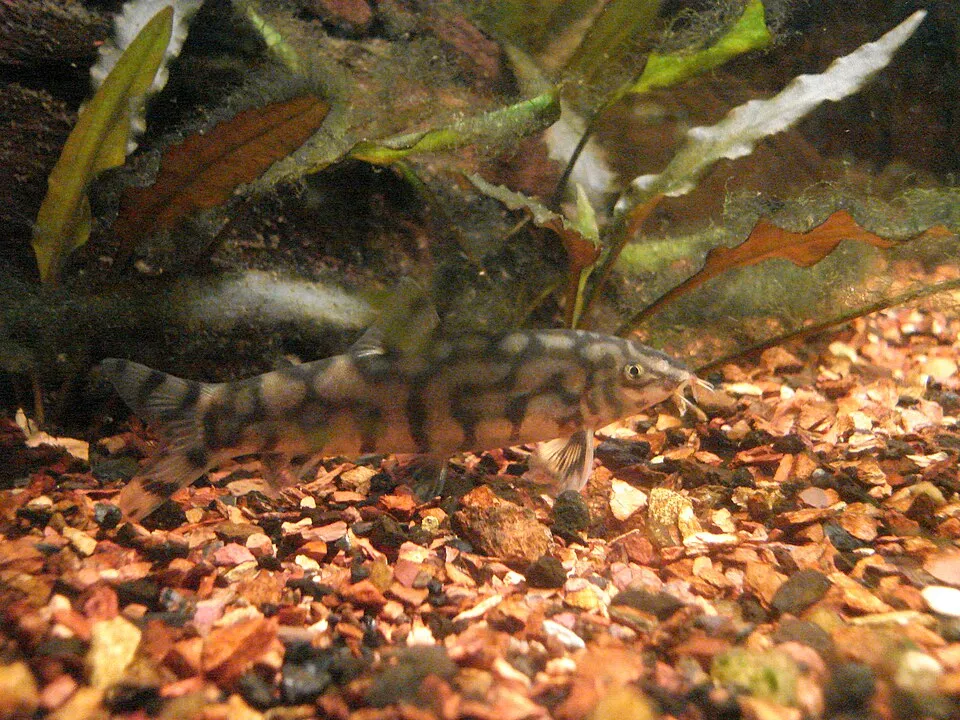
Yoyo loach
Botia almorhae
Freshwater6.3 in (16 cm) · 42 gal (160 L)66–81°F (19–27°C)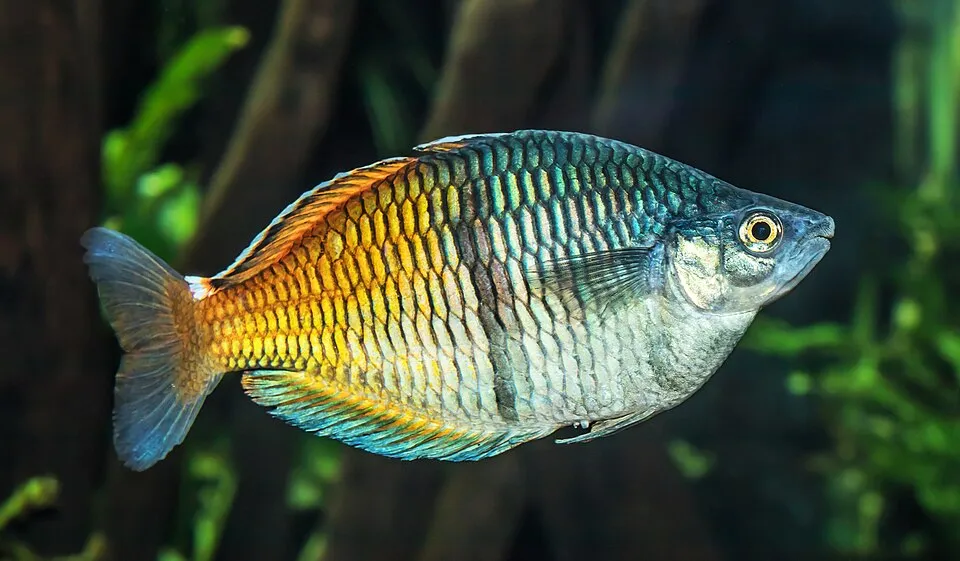
Boeseman's rainbowfish
Melanotaenia boesemani
Freshwater4.3 in (11 cm) · 29 gal (108 L)81–86°F (27–30°C)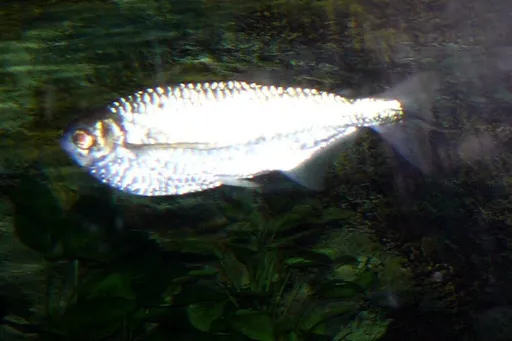
Narrow hatchetfish
Triportheus angulatus
Freshwater9.8 in (25 cm) · 79 gal (300 L)73–82°F (23–28°C)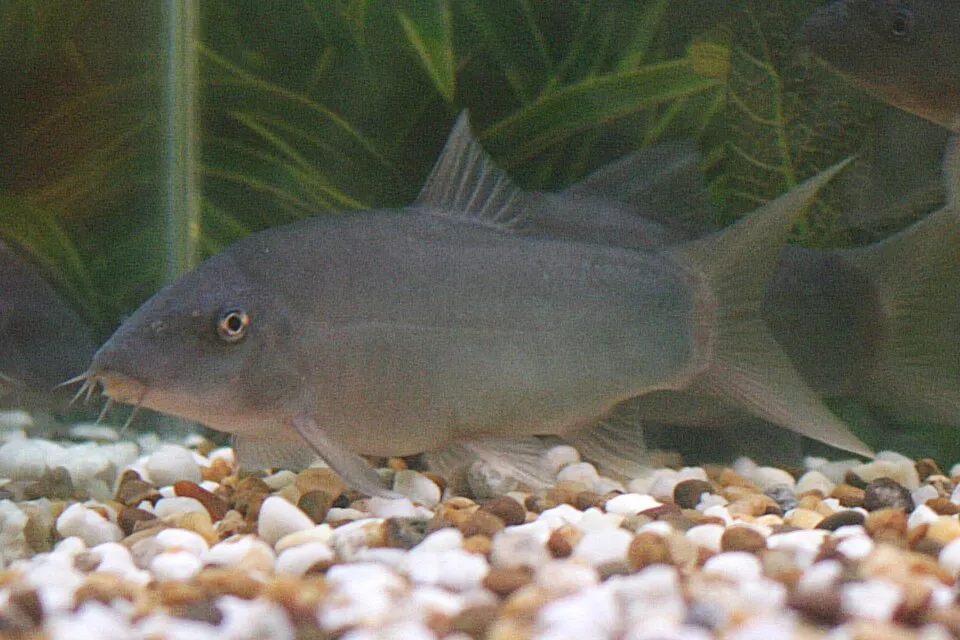
Redtail loach
Yasuhikotakia modesta
Freshwater9.8 in (25 cm) · 75 gal (285 L)73–82°F (23–28°C)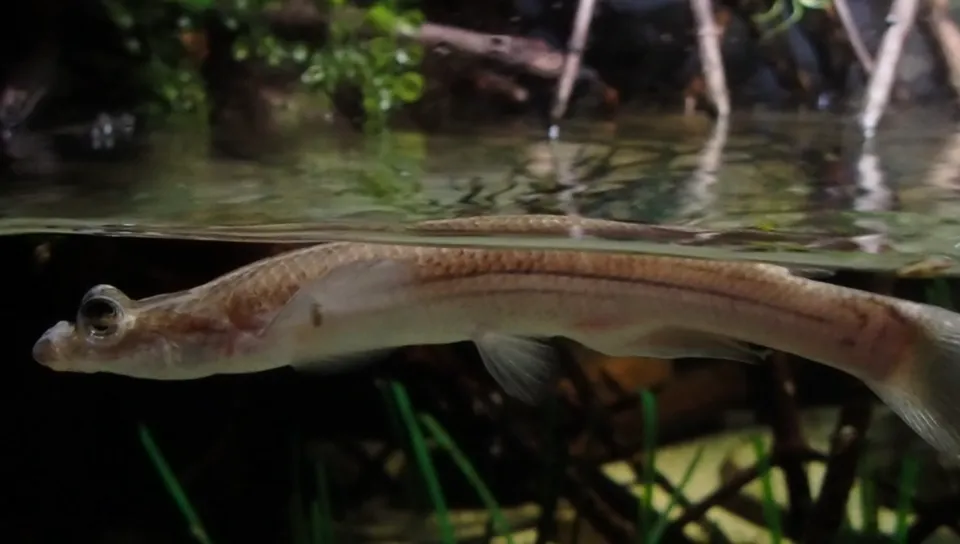
Largescale four-eyed fish
Anableps anableps
FreshwaterBrackish11.8 in (30 cm) · 70 gal (265 L)77–88°F (25–31°C)
Common questions
What size tank does a redhook need?
A redhook needs at least 70 gal (265 L). It spends most of its time in the middle.
What temperature and pH does a redhook need?
A redhook is comfortable at 73–81°F (23–27°C) with a pH of 5.5–7.5.
What does a redhook eat?
A redhook eats mostly plant matter, like blanched vegetables, spirulina and quality pellets. Give it protein only occasionally.
How big does a redhook get?
An adult redhook reaches about 9.8 in (25 cm).
Does a redhook need a group?
Yes. A redhook is a schooling species and should be kept in a group, not singly.
How can you tell a male redhook from a female?
Mature males show the brightest red on the hook-shaped front edge of the anal fin.
Related species
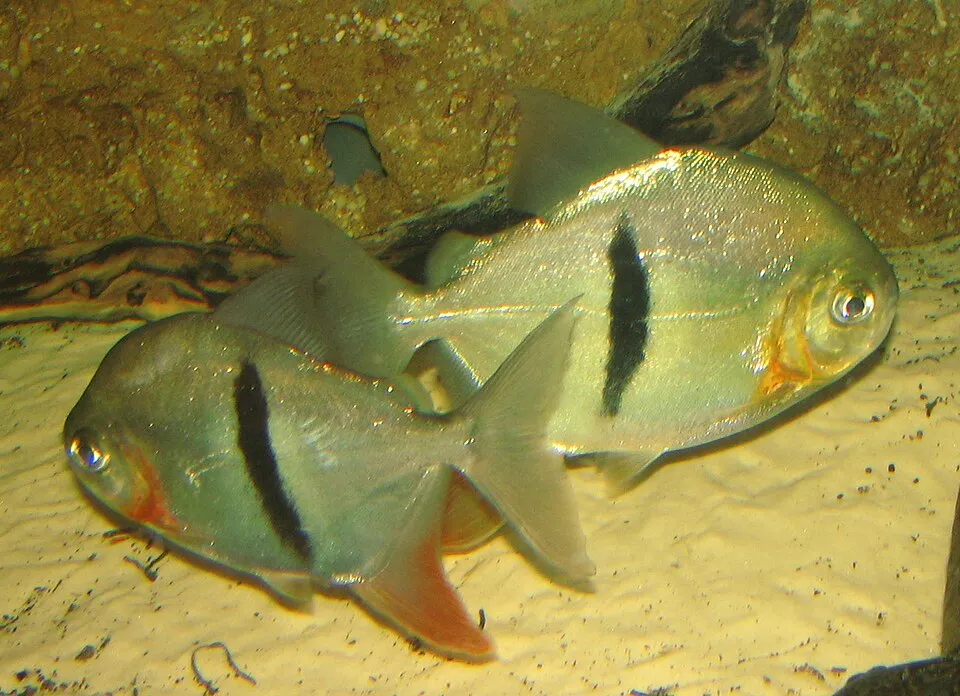 15.7 in (40 cm)170 gal (645 L)73–81°F (23–27°C)
Disk tetra
Myloplus schomburgkii
15.7 in (40 cm) · 170 gal (645 L)
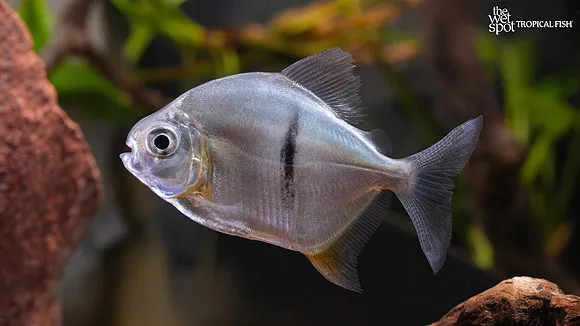 11.8 in (30 cm)159 gal (600 L)79–86°F (26–30°C)
Sauron silver dollar
Myloplus sauron
11.8 in (30 cm) · 159 gal (600 L)
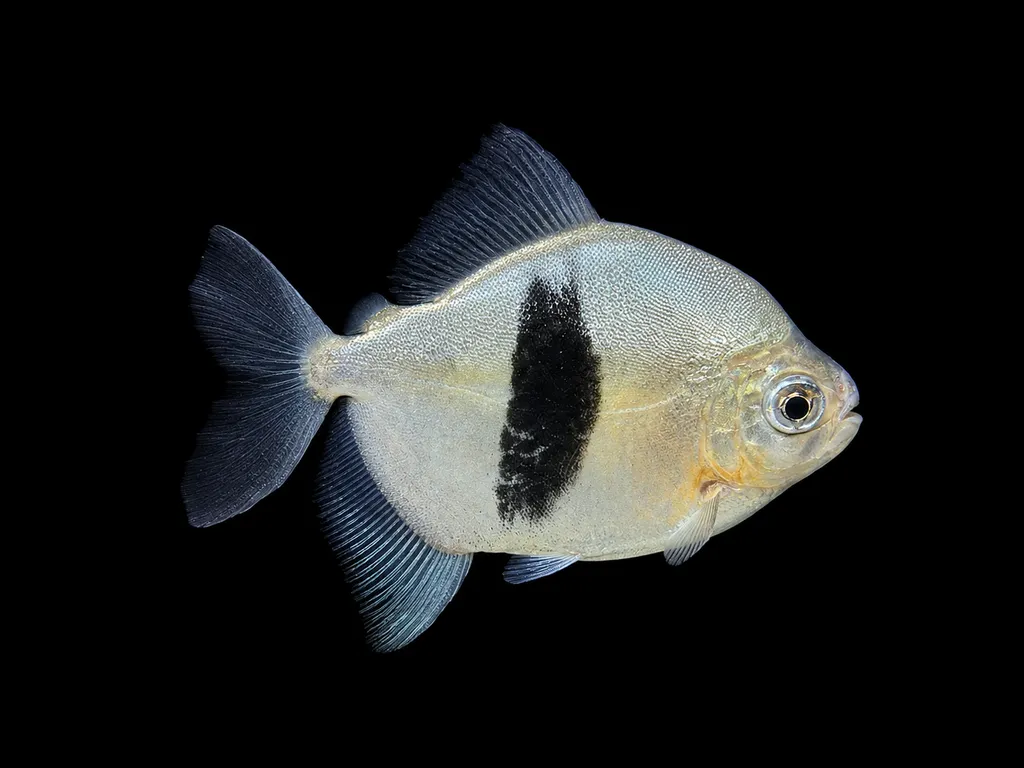 13.8 in (35 cm)170 gal (645 L)75–82°F (24–28°C)
Blue hook silver dollar
Myloplus aylan
13.8 in (35 cm) · 170 gal (645 L)
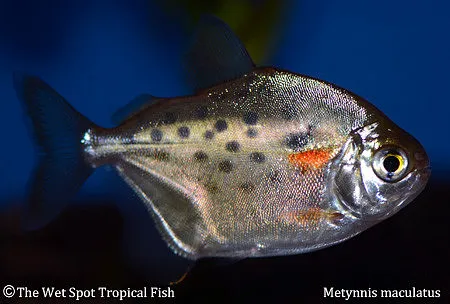 7.1 in (18 cm)92 gal (350 L)73–82°F (23–28°C)
Spotted metynnis
Metynnis maculatus
7.1 in (18 cm) · 92 gal (350 L)
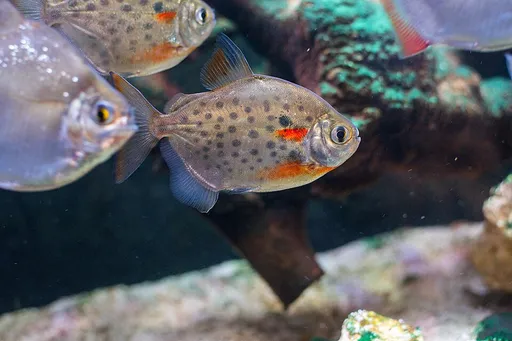 5.5 in (14 cm)53 gal (200 L)73–81°F (23–27°C)
Spotted silver dollar
Metynnis lippincottianus
5.5 in (14 cm) · 53 gal (200 L)
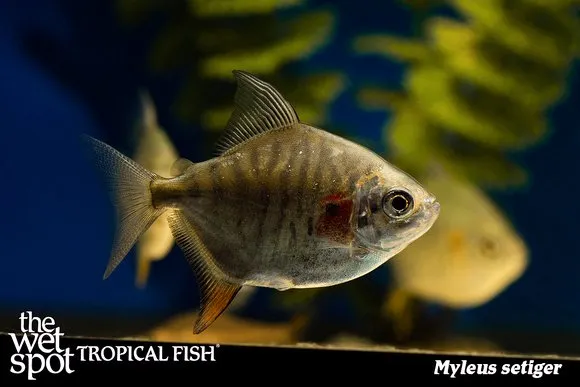 11 in (28 cm)159 gal (600 L)73–82°F (23–28°C)
Sailfin red hook
Myleus setiger
11 in (28 cm) · 159 gal (600 L)