Black-top mouse catfish
Hassar orestis
Also known as Blacktop doradid
FreshwaterFish
Care at a glance
- Temperature
- 73–82°F
- 23–28°C
- pH
- 6.0–7.5
- Adult size
- 11.8 in
- 30 cm
- Minimum tank
- 106 gal
- 400 L
- Temperament
- Peaceful
- Social behavior
- Schooling
- Swim level
- Bottom
- Difficulty
- Medium
- Breeding
- No record
- Rarity
- Rare
- Family
- Doradidae
- Origin
- Orinoco and Essequibo basins
Overview
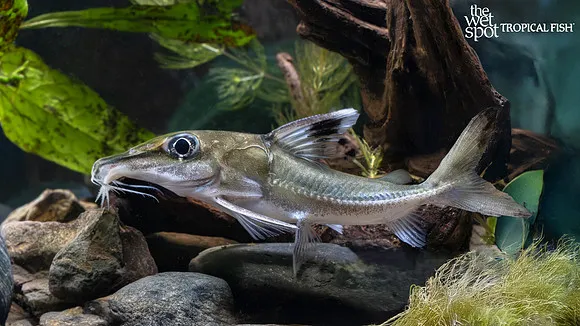
The black-top mouse catfish is an active, peaceful doradid for the bottom of a large community tank. It is best with a little experience.
Did you know
Most talking catfish spend the daylight hours wedged under wood. The black-top mouse catfish shoals in open water by day, swimming in loose formation like a river minnow, not an armored bottom dweller.
Caring for the black-top mouse catfish
Give black-top mouse catfish a tank of at least 106 gal (400 L), with more length as the group grows toward full size. Lay a soft sand substrate they can work with their barbels, and leave open swimming room along the bottom. A little wood or shade at the edges helps the group feel secure out in the open.
Keep the water clear and well oxygenated, with a gentle to moderate current. It should be soft to neutral, at 73 to 82°F (23 to 28°C) and a pH of 6.0 to 7.5.
Feed sinking pellets, catfish wafers and frozen foods such as bloodworms and chopped prawn. Make sure plenty of it reaches the bottom.
Black-top mouse catfish only settle when kept in a group, so plan on at least four to six. They are peaceful and suit calm community fish of a similar size. Anything small enough to swallow may go missing overnight. Breeding has not been recorded in home aquariums.
Good to know
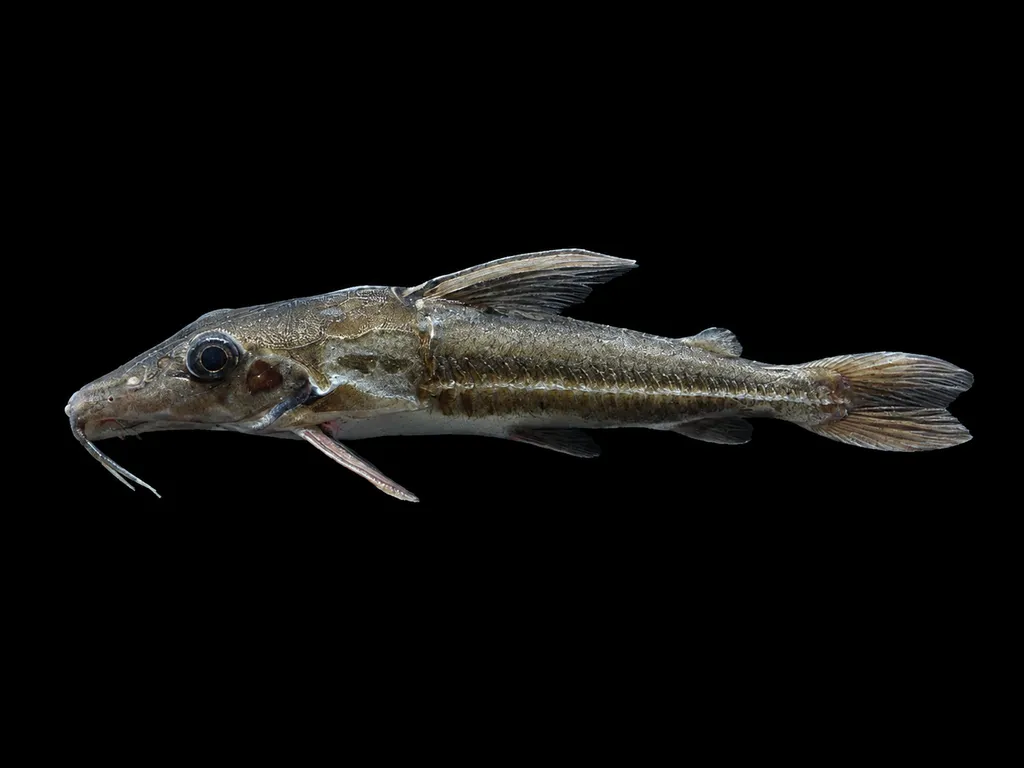
The black-top mouse catfish is a member of Doradidae, the thorny or talking catfishes. It carries the family's bony flank scutes, with a dark blotch over the head and dorsal fin against a silvery body. Like its relatives, it can make audible clicks by locking and grinding its pectoral spines, and the swim bladder amplifies the sound.
In the wild
Hassar orestis lives in large, flowing rivers of the Orinoco and Essequibo basins. It moves over open beds of fine sand in the main channels rather than in still backwaters.
Weekly picks
Tank mates
The black-top mouse catfish is a peaceful, schooling species that keeps to the bottom. These picks share a community profile with it, are safe together in both directions, and overlap on water type, temperature and pH.
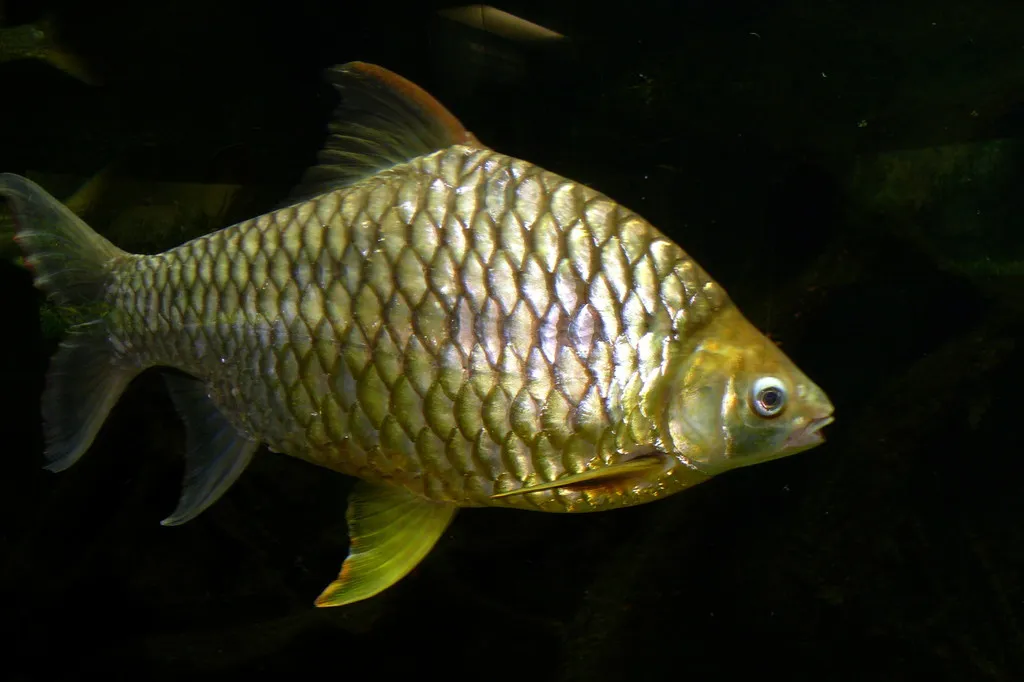
Lemon-fin barb
Hypsibarbus wetmorei
Freshwater9.8 in (25 cm) · 106 gal (400 L)72–82°F (22–28°C)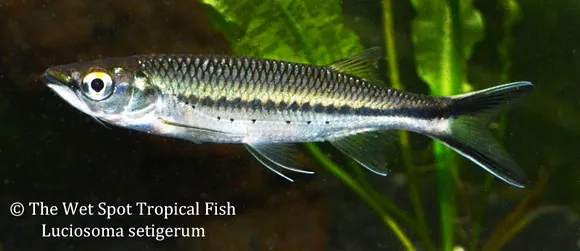
Apollo shark minnow
Luciosoma setigerum
Freshwater11.8 in (30 cm) · 106 gal (400 L)72–81°F (22–27°C)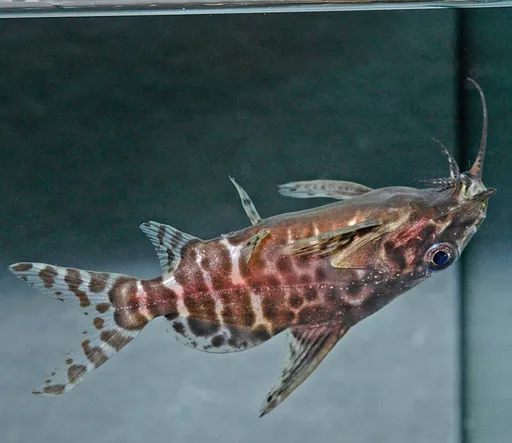
Giant upside-down catfish
Synodontis batensoda
Freshwater11.8 in (30 cm) · 79 gal (300 L)72–81°F (22–27°C)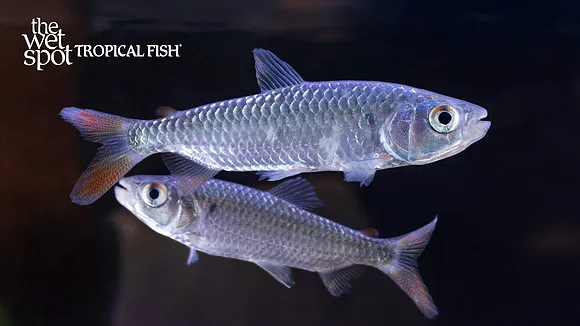
Nurse tetra
Brachyalestes nurse
Freshwater9.8 in (25 cm) · 106 gal (400 L)73–82°F (23–28°C)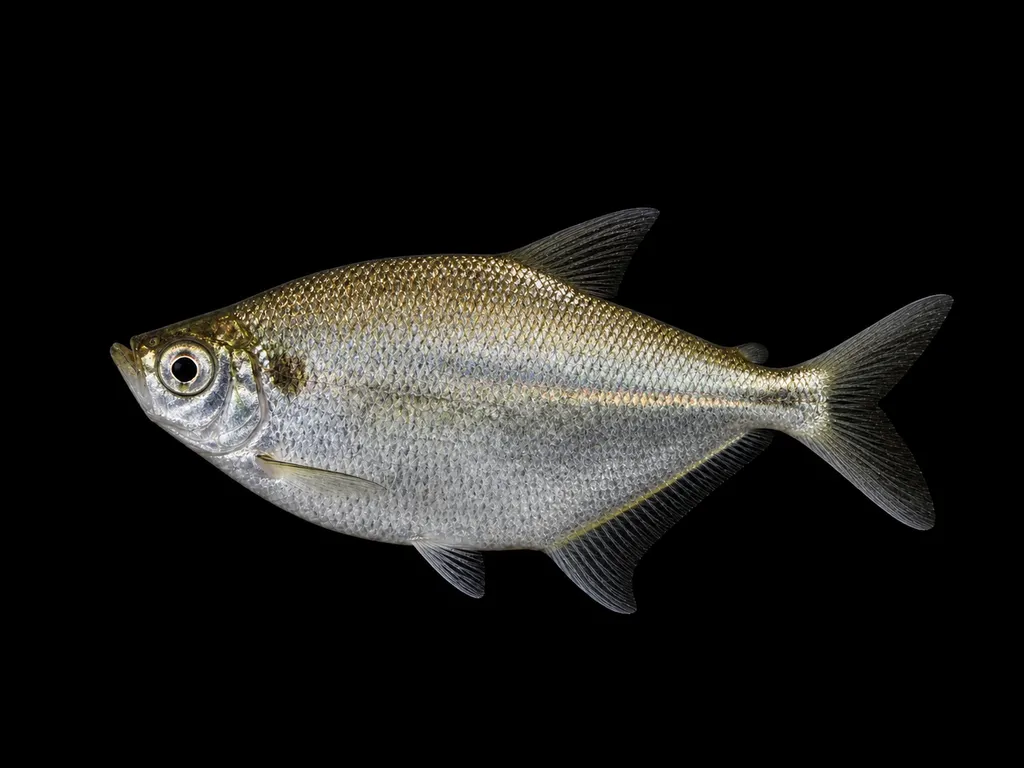
Giant river hatchetfish
Triportheus rotundatus
Freshwater9.8 in (25 cm) · 79 gal (300 L)73–82°F (23–28°C)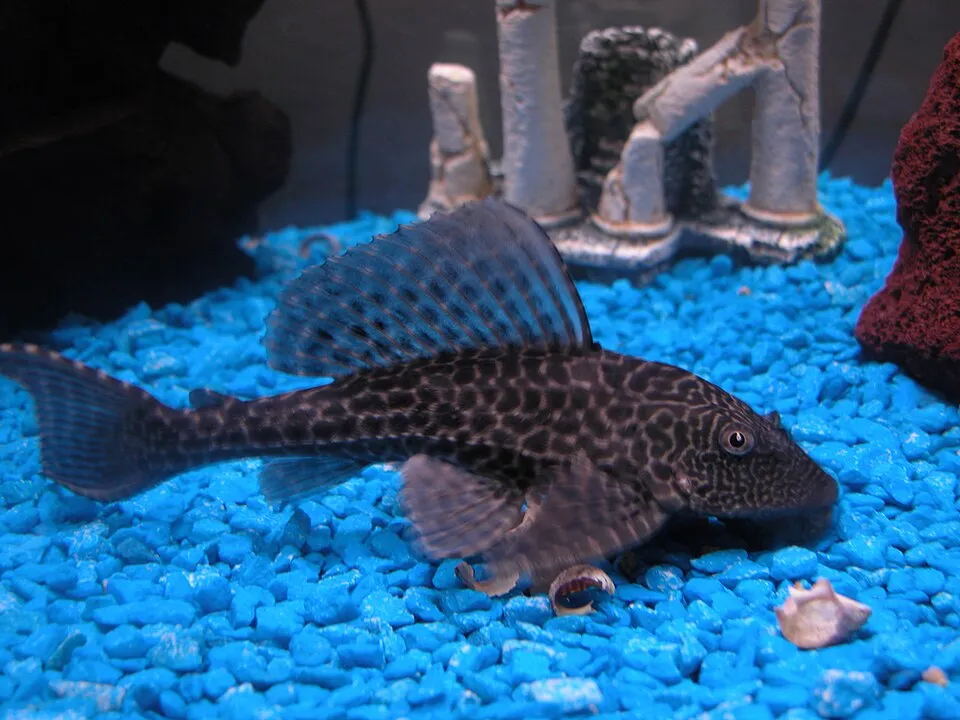
Amazon sailfin catfish
Pterygoplichthys pardalis
Freshwater17.7 in (45 cm) · 100 gal (380 L)72–84°F (22–29°C)
Common questions
What size tank does a black-top mouse catfish need?
A black-top mouse catfish needs at least 106 gal (400 L). It spends most of its time in the bottom.
What temperature and pH does a black-top mouse catfish need?
A black-top mouse catfish is comfortable at 73–82°F (23–28°C) with a pH of 6.0–7.5.
What does a black-top mouse catfish eat?
A black-top mouse catfish eats sinking pellets, catfish wafers and frozen foods such as bloodworms and chopped prawn. Make sure plenty of the food reaches the bottom.
How big does a black-top mouse catfish get?
An adult black-top mouse catfish reaches about 11.8 in (30 cm).
Does a black-top mouse catfish need a group?
Yes. A black-top mouse catfish is a schooling species and should be kept in a group, not singly.
Related species
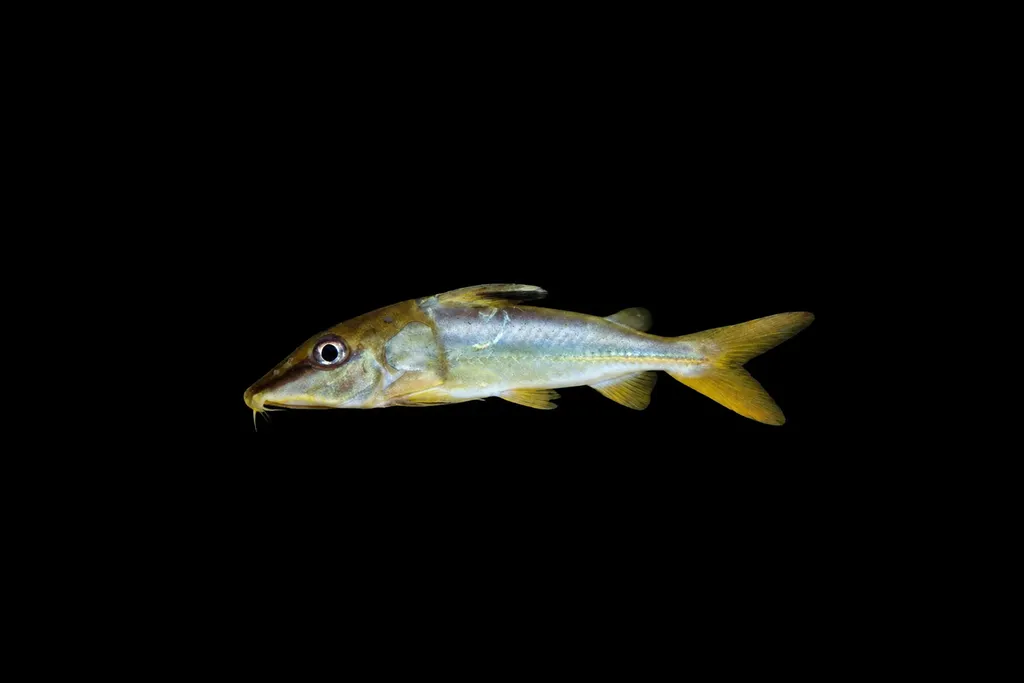 9.8 in (25 cm)106 gal (400 L)73–82°F (23–28°C)
Wilder's mouse catfish
Hassar wilderi
9.8 in (25 cm) · 106 gal (400 L)
 11.8 in (30 cm)106 gal (400 L)68–79°F (20–26°C)
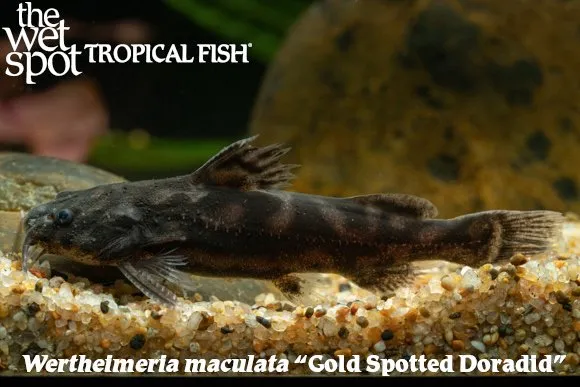
Gold-spotted doradid
Wertheimeria maculata
11.8 in (30 cm) · 106 gal (400 L)
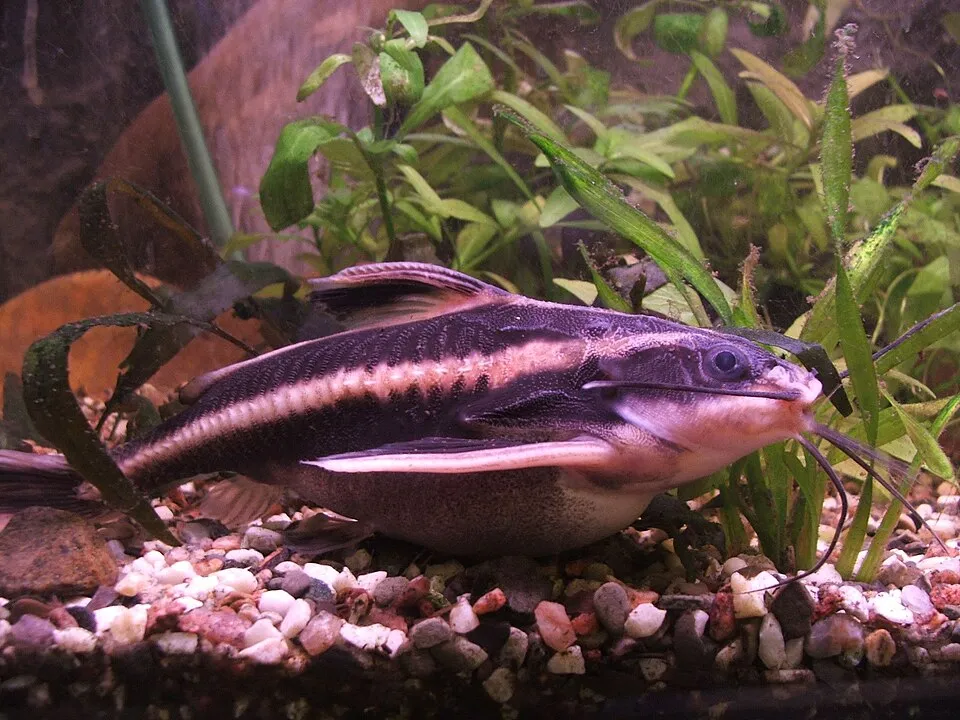 8.7 in (22 cm)29 gal (110 L)75–86°F (24–30°C)
Striped raphael catfish
Platydoras armatulus
8.7 in (22 cm) · 29 gal (110 L)
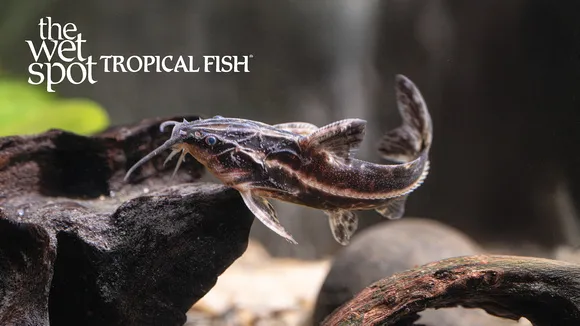 7.9 in (20 cm)70 gal (265 L)73–82°F (23–28°C)
Orinoco talking catfish
Orinocodoras eigenmanni
7.9 in (20 cm) · 70 gal (265 L)
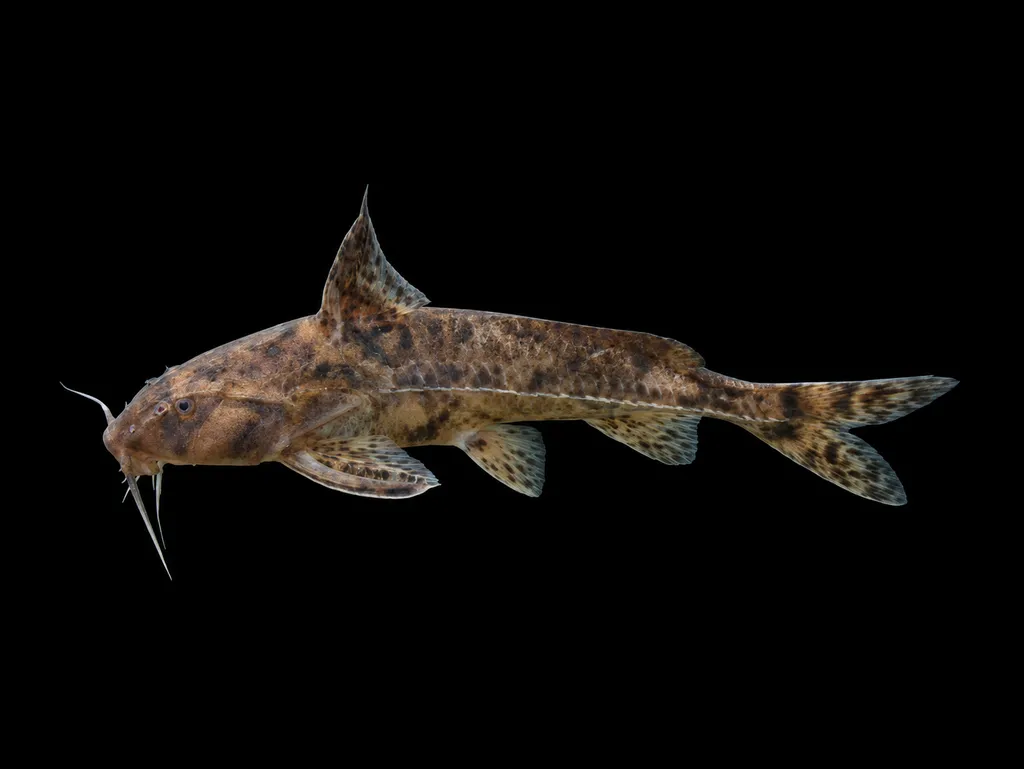 6.7 in (17 cm)79 gal (300 L)73–82°F (23–28°C)
Fog talking catfish
Rhinodoras boehlkei
6.7 in (17 cm) · 79 gal (300 L)
 6.3 in (16 cm)53 gal (200 L)73–82°F (23–28°C)
Green turushuki catfish
Hemidoras morrisi
6.3 in (16 cm) · 53 gal (200 L)