Giant upside-down catfish
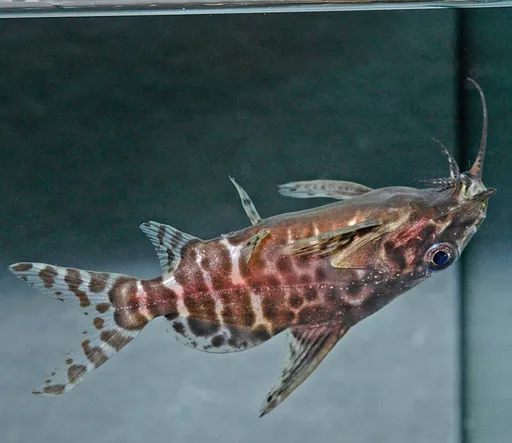
Synodontis batensoda
Also known as Upside-down squeaker, Bishop catfish, Giant squeaker
FreshwaterFish
Care at a glance
- Temperature
- 72–81°F
- 22–27°C
- pH
- 6.5–8.0
- Adult size
- 11.8 in
- 30 cm
- Minimum tank
- 79 gal
- 300 L
- Temperament
- Mostly peaceful
- Social behavior
- Social
- Swim level
- Bottom
- Difficulty
- Medium
- Breeding
- No record
- Rarity
- Rare
- Family
- Mochokidae
- Origin
- Found across the Nile basin and rivers of northern and western Africa.
Overview
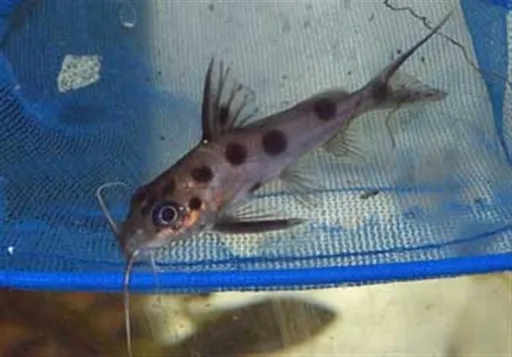
The giant upside-down is a boisterous, mostly peaceful squeaker that grows large and deep-bodied, so it needs a roomy tank of at least 300 liters with robust tankmates rather than a small community. It genuinely spends much of its life inverted, cruising belly-up near the surface. It can be pushy at feeding time but rarely does real harm. Feed sinking pellets, frozen foods, and vegetable matter, and expect an active, hungry fish.
In the wild
The giant upside-down catfish ranges widely across the Nile and other northern and western African river systems, living in open water and along the bottom of large rivers and floodplains. It spends much of its time swimming inverted near the surface and among cover. Provide a big tank with open swimming space, wood and rock cover, moderate flow, and 22 to 27 degrees C.
Good to know
Synodontis batensoda is a deep-bodied squeaker that reaches around 30 cm and, according to some reports, close to 50 cm in the wild, making it one of the larger members of the genus. Because it swims upside down so much, its belly is dark and its back is pale, the reverse of most fish, which helps camouflage the inverted fish. It has the family's bony head shield and locking spines.
Did you know
Its counter-shading is upside down compared with normal fish, dark below and pale above, an adaptation to a life spent swimming inverted near the surface.
Weekly picks
Tank mates
Giant upside-down catfish is a mostly peaceful, social species that keeps to the bottom. These picks share a community profile with it, are safe together in both directions, and overlap on water type, temperature and pH.
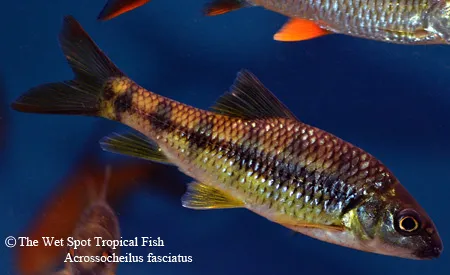
Railway barb
Acrossocheilus fasciatus
Freshwater7.5 in (19 cm) · 79 gal (300 L)61–75°F (16–24°C)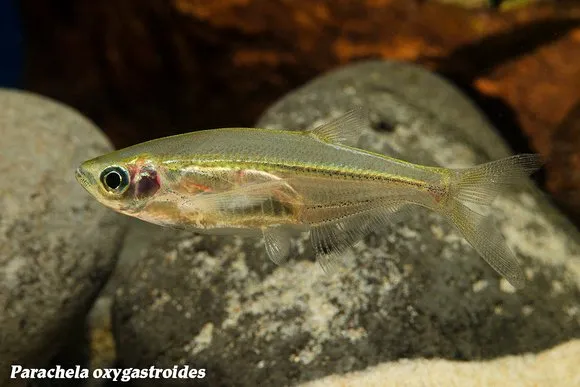
Asian glass hatchetfish
Parachela oxygastroides
Freshwater7.9 in (20 cm) · 79 gal (300 L)73–82°F (23–28°C)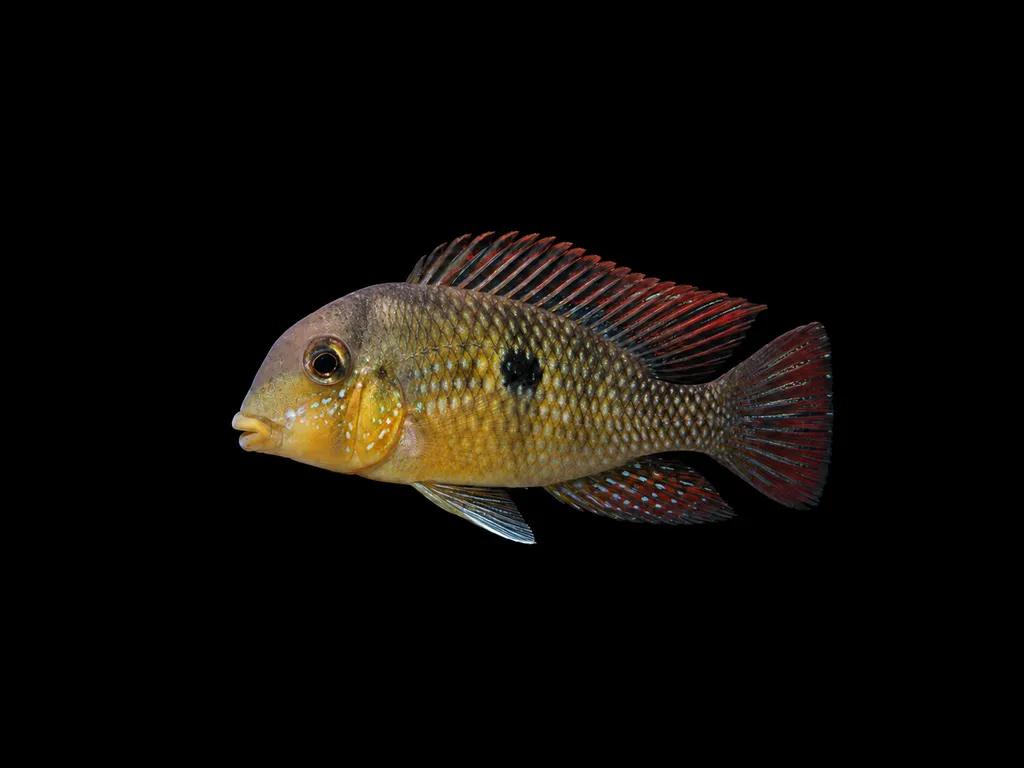
Thicklip gymnogeophagus
Gymnogeophagus labiatus
Freshwater7.1 in (18 cm) · 79 gal (300 L)61–79°F (16–26°C)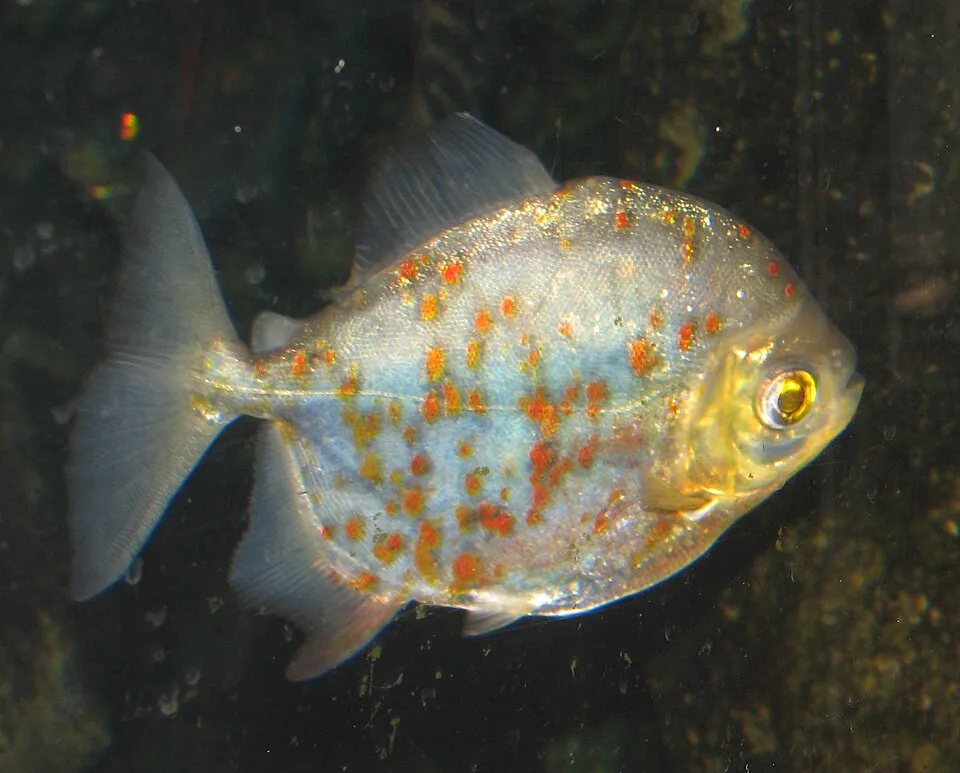
Redhook
Myloplus rubripinnis
Freshwater9.8 in (25 cm) · 70 gal (265 L)73–81°F (23–27°C)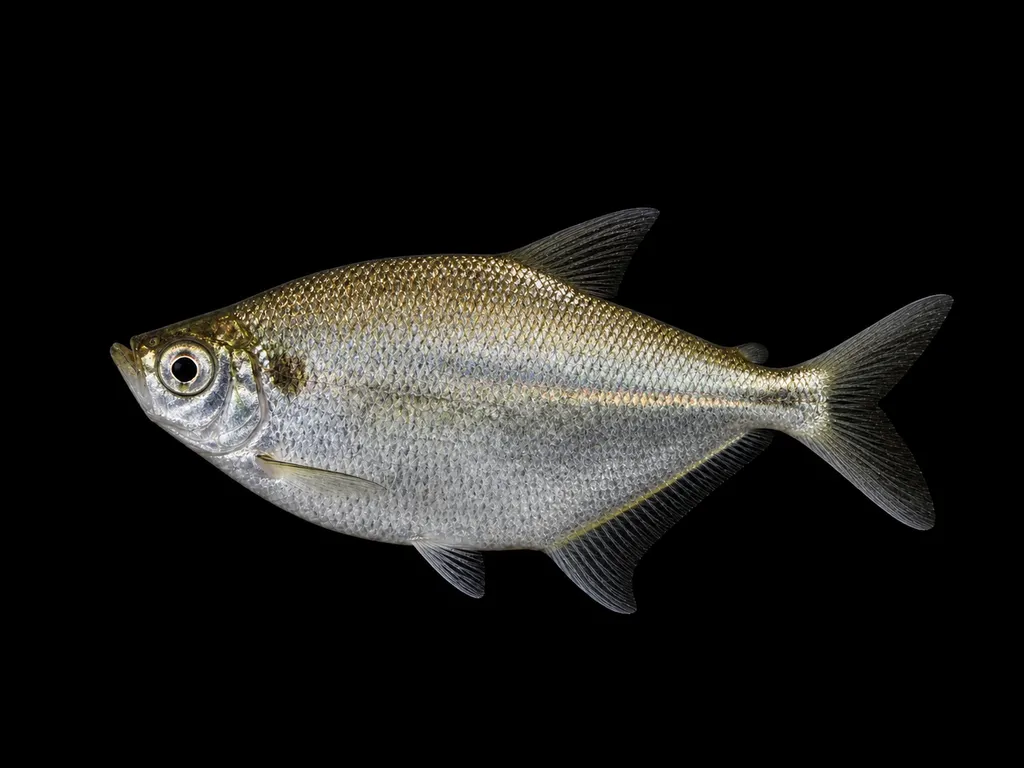
Giant river hatchetfish
Triportheus rotundatus
Freshwater9.8 in (25 cm) · 79 gal (300 L)73–82°F (23–28°C)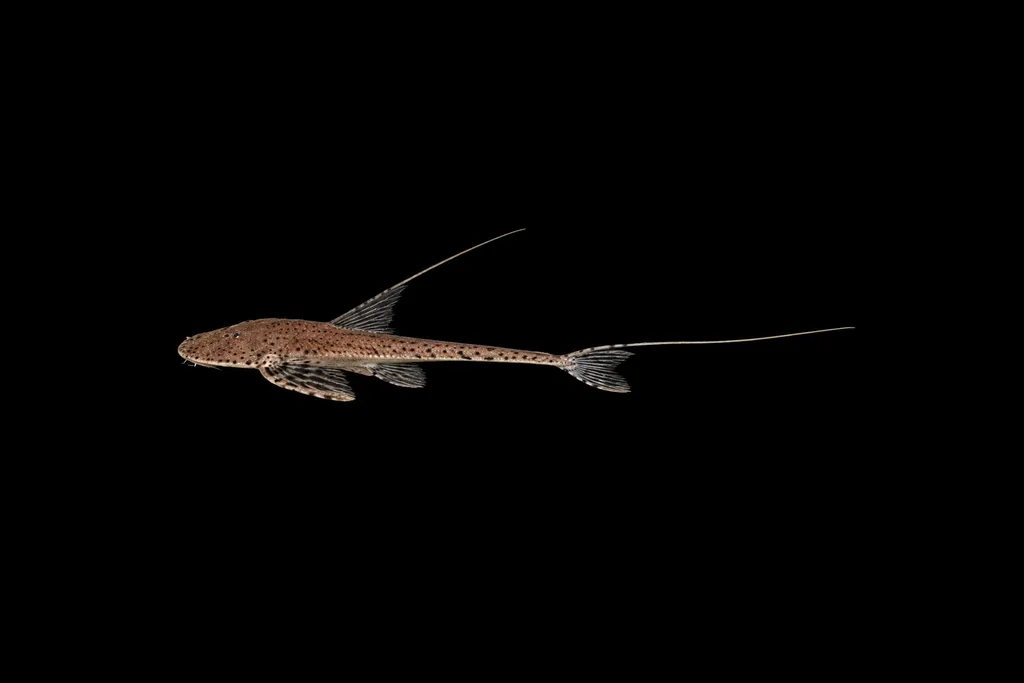
Circular whiptail
Planiloricaria cryptodon
Freshwater8.7 in (22 cm) · 79 gal (300 L)75–82°F (24–28°C)
Common questions
What size tank does a Giant upside-down catfish need?
A Giant upside-down catfish needs at least 79 gal (300 L). It spends most of its time in the bottom.
What temperature and pH does a Giant upside-down catfish need?
A Giant upside-down catfish is comfortable at 72–81°F (22–27°C) with a pH of 6.5–8.0.
How big does a Giant upside-down catfish get?
An adult Giant upside-down catfish reaches about 11.8 in (30 cm).
Related species
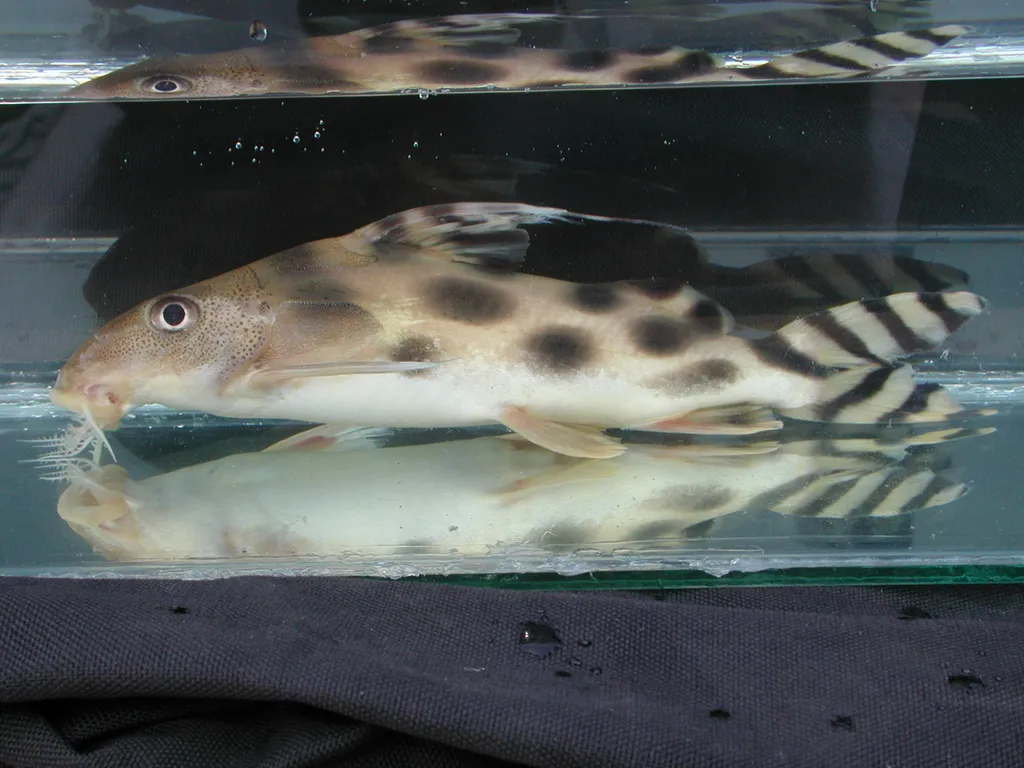
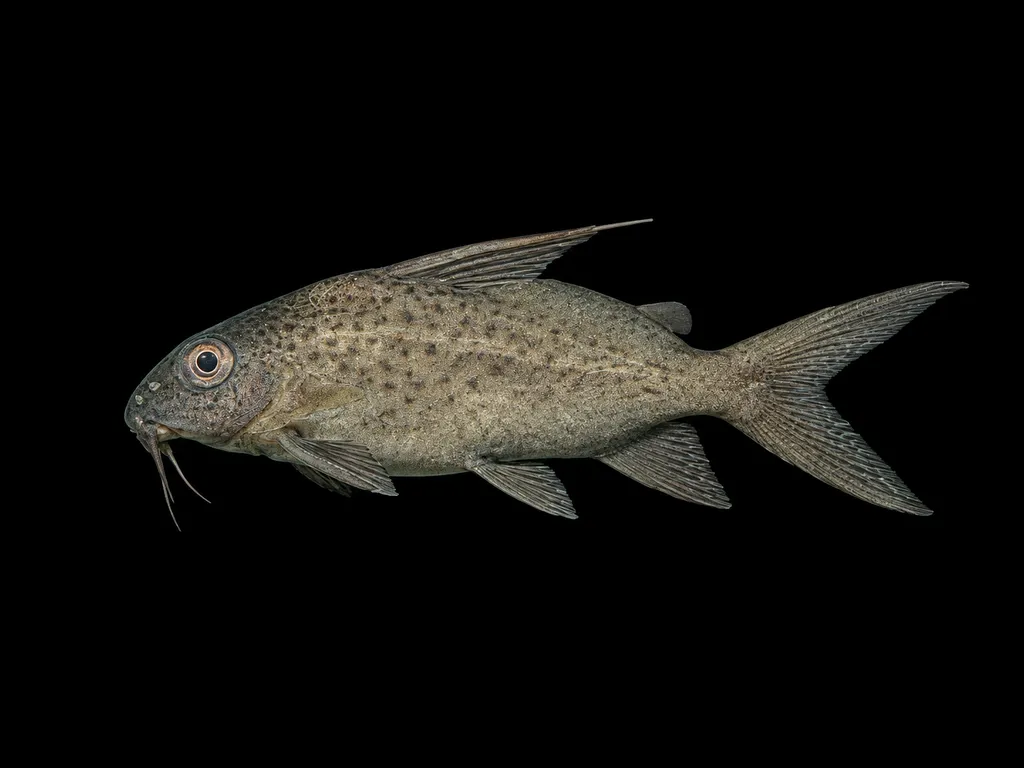 11.8 in (30 cm)106 gal (400 L)73–81°F (23–27°C)
Bigeye upside-down squeaker
Synodontis resupinatus
11.8 in (30 cm) · 106 gal (400 L)
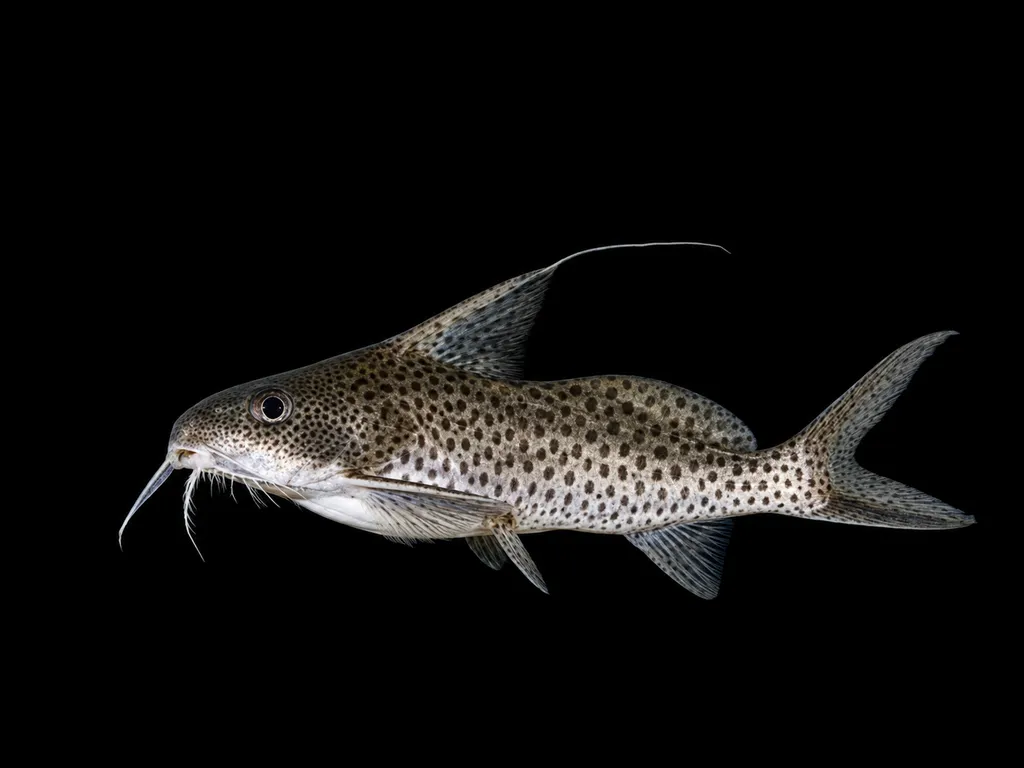
 11.8 in (30 cm)53 gal (200 L)72–81°F (22–27°C)
Decorated squeaker
Synodontis decorus
11.8 in (30 cm) · 53 gal (200 L)
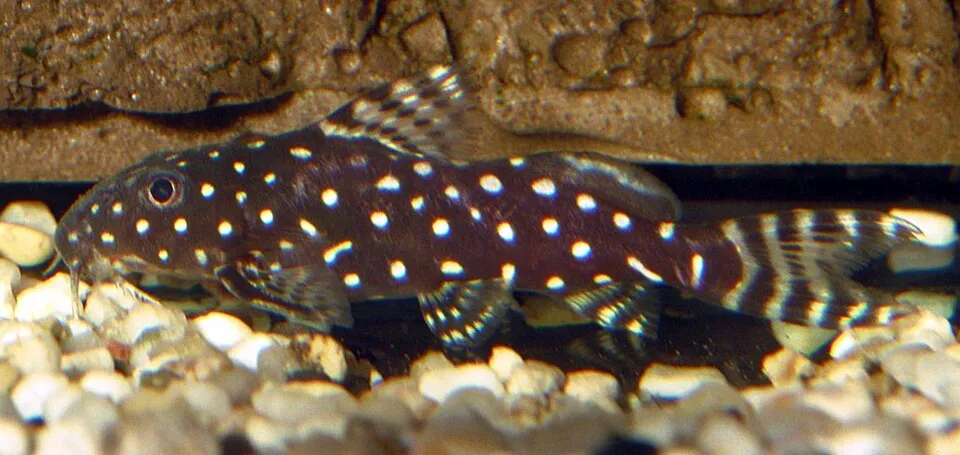
 11.8 in (30 cm)106 gal (400 L)73–81°F (23–27°C)
Filament squeaker
Synodontis filamentosus
11.8 in (30 cm) · 106 gal (400 L)
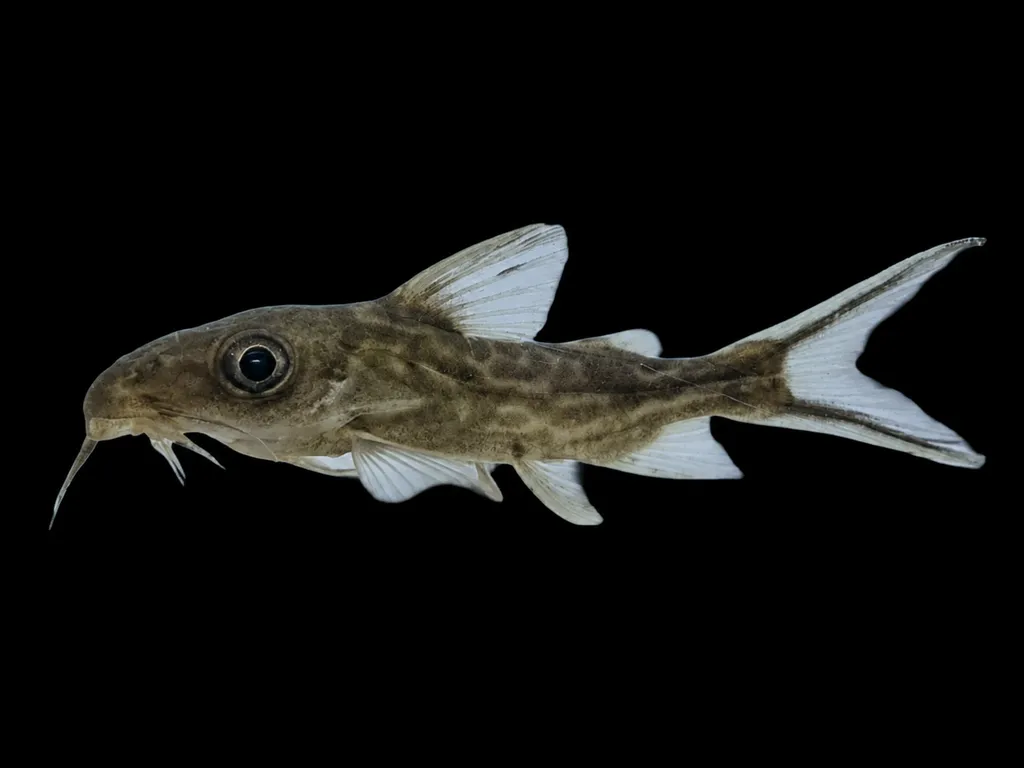
 11.8 in (30 cm)55 gal (210 L)75–82°F (24–28°C)
Polka dot syno
Synodontis angelicus
11.8 in (30 cm) · 55 gal (210 L)
 12.8 in (32.5 cm)106 gal (400 L)73–81°F (23–27°C)
Bug-eyed squeaker
Synodontis pleurops
12.8 in (32.5 cm) · 106 gal (400 L)
 9.8 in (25 cm)53 gal (200 L)72–81°F (22–27°C)
One-spot synodontis
Synodontis notatus
9.8 in (25 cm) · 53 gal (200 L)