Bigeye upside-down squeaker
Synodontis resupinatus
Also known as Resupinatus squeaker, Big eye upside-down catfish
FreshwaterFish
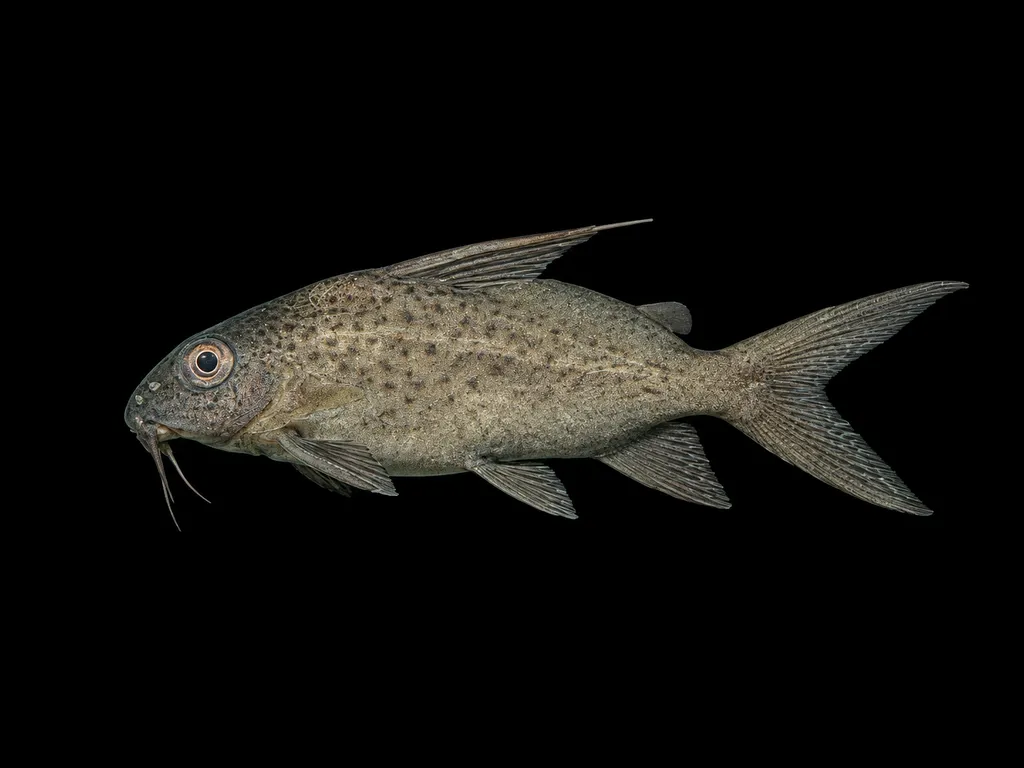
Care at a glance
- Temperature
- 73–81°F
- 23–27°C
- pH
- 6.5–7.8
- Adult size
- 11.8 in
- 30 cm
- Minimum tank
- 106 gal
- 400 L
- Temperament
- Mostly peaceful
- Social behavior
- Solitary
- Tankmates
- With caution
- Swim level
- Bottom
- Difficulty
- Medium
- Breeding
- No record
- Rarity
- Rare
- Family
- Mochokidae
- Origin
- Niger basin
Overview
The bigeye upside-down squeaker is a large, solitary catfish from West Africa that needs a very big tank. It is a step up from the easiest fish.
Did you know
The bigeye upside-down squeaker's species name, resupinatus, is Latin for lying on the back. The fish spends much of its life cruising upside down beneath snags, with its dark belly turned up toward the light.
Caring for the bigeye upside-down squeaker
Give a bigeye upside-down squeaker a tank of at least 106 gal (400 L). Lay a soft sand floor and add a good amount of bogwood, with shaded overhangs it can rest beneath. It spends the day tucked under the wood and overhangs.
Keep the water warm and near neutral, at 73 to 81°F (23 to 27°C) and a pH of 6.5 to 7.8. Moderately soft to slightly hard water suits it, with gentle to moderate flow and plenty of oxygen. Feed it after dark with sinking pellets, catfish wafers and frozen foods such as bloodworm and brine shrimp.
Keep it on its own, since it is a solitary fish that does not school and can be territorial toward its own kind. It is mostly peaceful, but choose tank mates with care. Pick robust, calm fish too big for it to swallow, but not aggressive enough to pester a night feeder. Breeding has not been recorded in home aquaria.
Good to know
The bigeye upside-down squeaker is a member of the catfish family Mochokidae, the squeakers. It is one of the upside-down catfishes, with reversed countershading that is dark below and pale above. The naturalist George Albert Boulenger described it in 1904, and it is also sold as the resupinatus squeaker.
In the wild
The bigeye upside-down squeaker comes from the Niger and Benue rivers of West Africa. It lives among submerged branches and root tangles, in warm and well oxygenated water.
Common questions
What size tank does a bigeye upside-down squeaker need?
A bigeye upside-down squeaker needs at least 106 gal (400 L). It spends most of its time in the bottom.
What temperature and pH does a bigeye upside-down squeaker need?
A bigeye upside-down squeaker is comfortable at 73–81°F (23–27°C) with a pH of 6.5–7.8.
What does a bigeye upside-down squeaker eat?
A bigeye upside-down squeaker eats sinking pellets, catfish wafers and frozen foods such as bloodworm and brine shrimp. Feed it after dark, since it is a night feeder.
How big does a bigeye upside-down squeaker get?
An adult bigeye upside-down squeaker reaches about 11.8 in (30 cm).
Related species
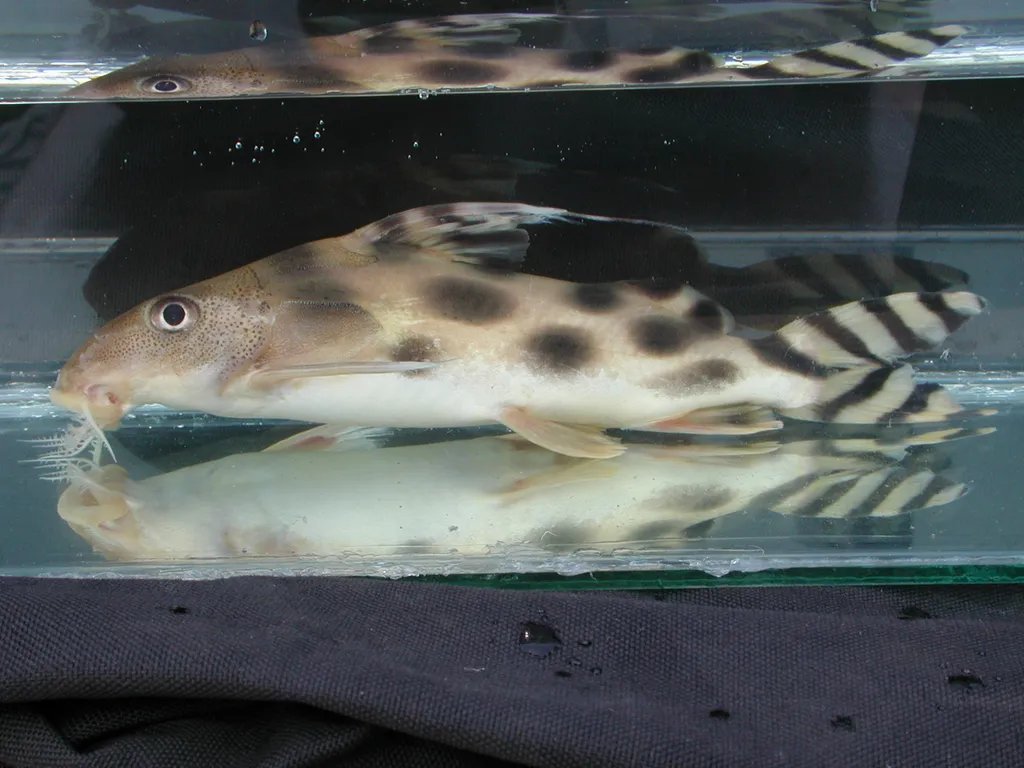 11.8 in (30 cm)53 gal (200 L)72–81°F (22–27°C)
Decorated squeaker
Synodontis decorus
11.8 in (30 cm) · 53 gal (200 L)
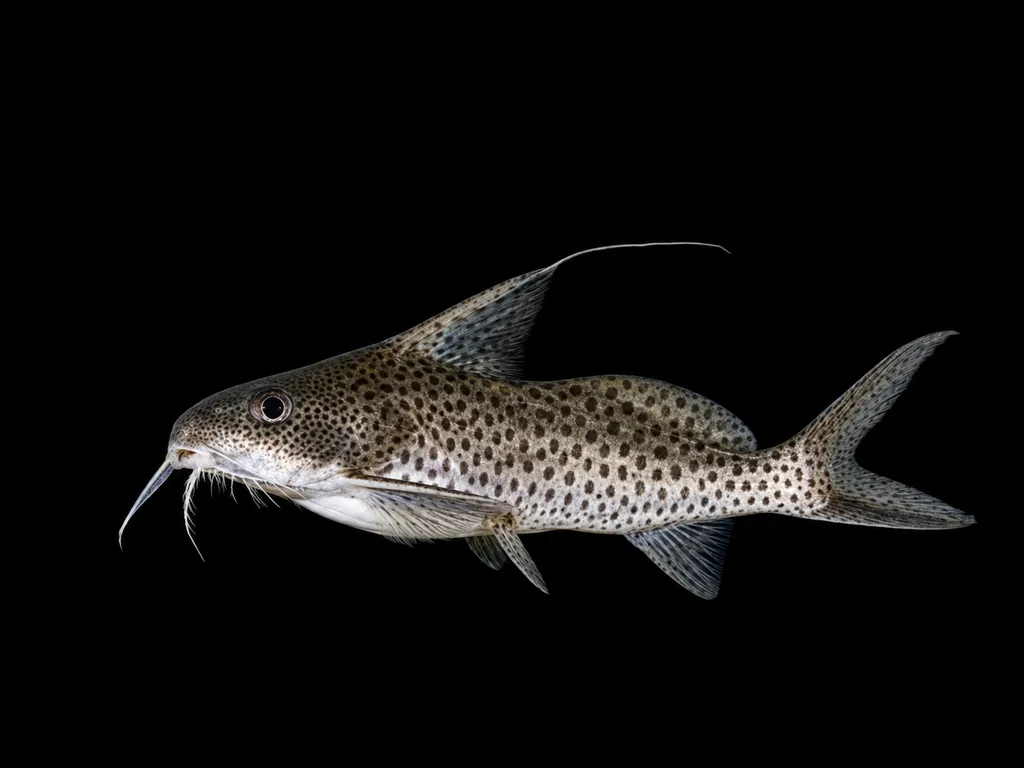 11.8 in (30 cm)106 gal (400 L)73–81°F (23–27°C)
Filament squeaker
Synodontis filamentosus
11.8 in (30 cm) · 106 gal (400 L)
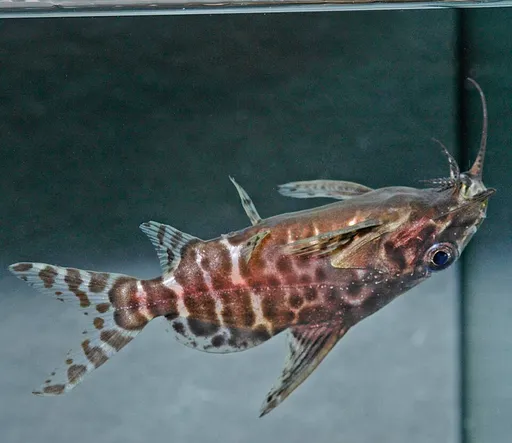 11.8 in (30 cm)79 gal (300 L)72–81°F (22–27°C)
Giant upside-down catfish
Synodontis batensoda
11.8 in (30 cm) · 79 gal (300 L)
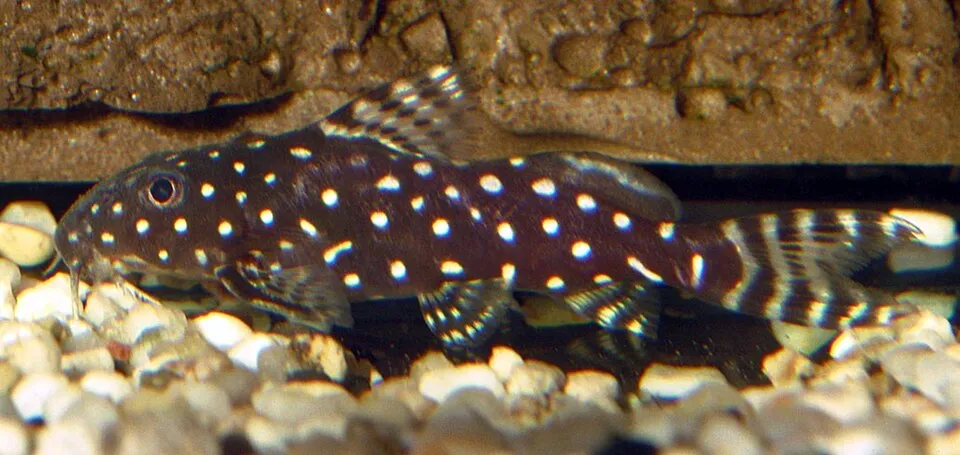 11.8 in (30 cm)55 gal (210 L)75–82°F (24–28°C)
Polka dot syno
Synodontis angelicus
11.8 in (30 cm) · 55 gal (210 L)
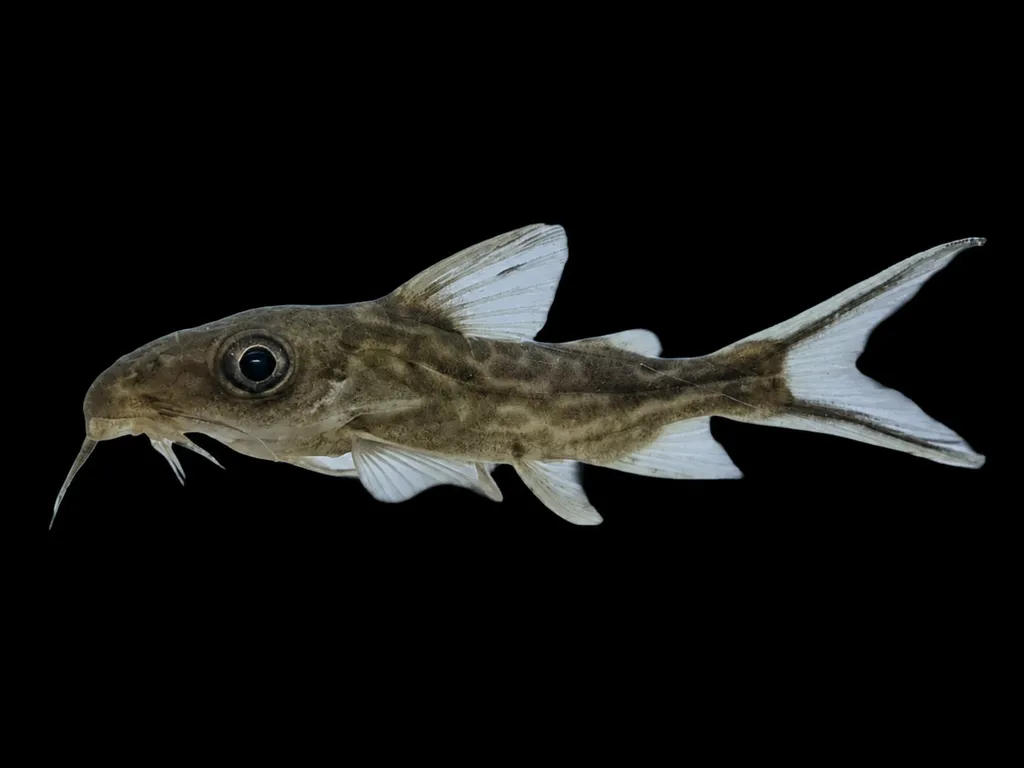 12.8 in (32.5 cm)106 gal (400 L)73–81°F (23–27°C)
Bug-eyed squeaker
Synodontis pleurops
12.8 in (32.5 cm) · 106 gal (400 L)
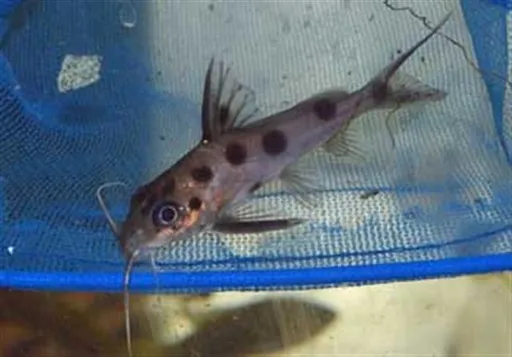 9.8 in (25 cm)29 gal (110 L)72–81°F (22–27°C)
One-spot synodontis
Synodontis notatus
9.8 in (25 cm) · 29 gal (110 L)