Filament squeaker
Synodontis filamentosus
Also known as Filament synodontis, Filament cat
FreshwaterFish
Care at a glance
- Temperature
- 73–81°F
- 23–27°C
- pH
- 6.5–7.8
- Adult size
- 11.8 in
- 30 cm
- Minimum tank
- 106 gal
- 400 L
- Temperament
- Mostly peaceful
- Social behavior
- Solitary
- Tankmates
- With caution
- Swim level
- Bottom
- Difficulty
- Medium
- Breeding
- No record
- Rarity
- Rare
- Family
- Mochokidae
- Origin
- Niger and Chad basins
Overview
The filament squeaker is a large, active African catfish that cruises the bottom of a big tank. It suits a keeper with some experience.
Did you know
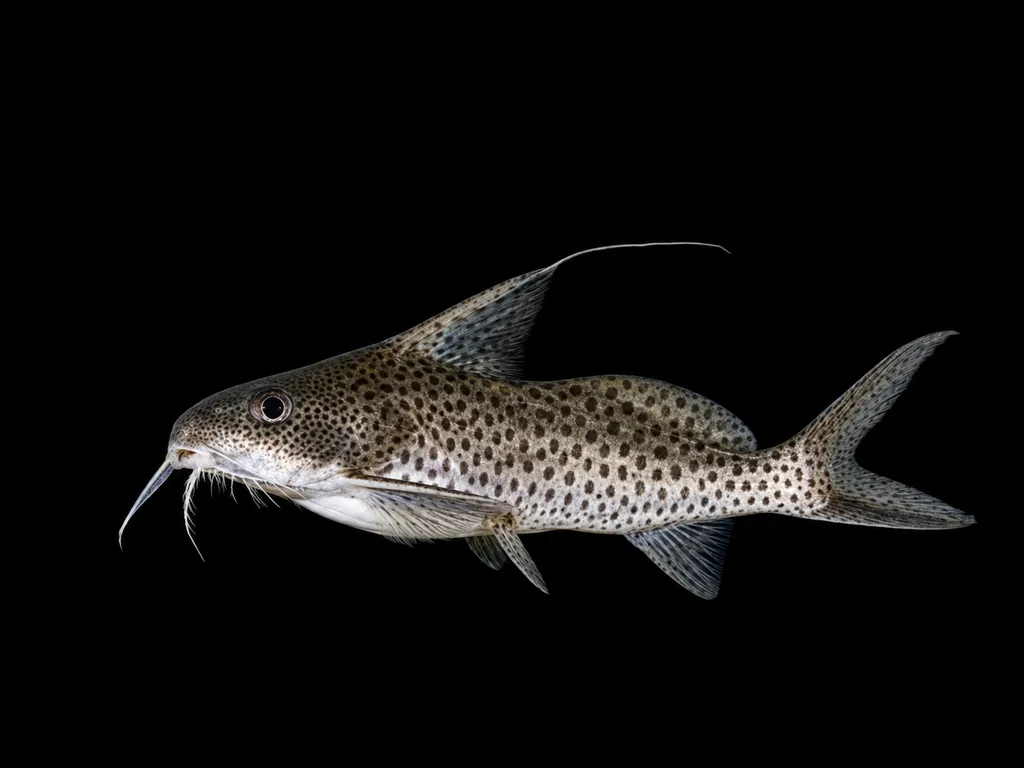
The name filamentosus means bearing filaments, for the fine thread on top of the dorsal fin. The thread can grow longer than the fin itself, and with the deeply forked tail it makes the filament squeaker easy to recognize.
Caring for the filament squeaker
Give a filament squeaker at least 106 gal (400 L), since it grows to a good size and stays busy. It is an active cruiser that needs clear floor space over sand. Add bogwood, rockwork and caves along the edges for shelter.
Keep the water warm, at 73 to 81°F (23 to 27°C), with a near-neutral pH of 6.5 to 7.8. Feed sinking pellets, catfish wafers and meaty frozen foods such as bloodworm.
Keep it on its own. It is a solitary, roaming catfish rather than a group fish, and it can be territorial with other bottom dwellers. It is mostly peaceful, but choose robust, even-tempered tank mates with caution and avoid fish small enough to be eaten. Breeding in the aquarium is unrecorded.
Good to know
The filament squeaker is a member of the family Mochokidae, the squeakers. George Albert Boulenger described it in 1901. It also goes by the names filament synodontis and filament cat.
In the wild
The filament squeaker ranges through the Niger and Chad basins of West and central Africa. It lives in the slower reaches and floodplains of large rivers.
Common questions
What size tank does a filament squeaker need?
A filament squeaker needs at least 106 gal (400 L). It spends most of its time in the bottom.
What temperature and pH does a filament squeaker need?
A filament squeaker is comfortable at 73–81°F (23–27°C) with a pH of 6.5–7.8.
What does a filament squeaker eat?
A filament squeaker eats sinking pellets, catfish wafers and meaty frozen foods such as bloodworm.
How big does a filament squeaker get?
An adult filament squeaker reaches about 11.8 in (30 cm).
Related species
 11.8 in (30 cm)106 gal (400 L)73–81°F (23–27°C)
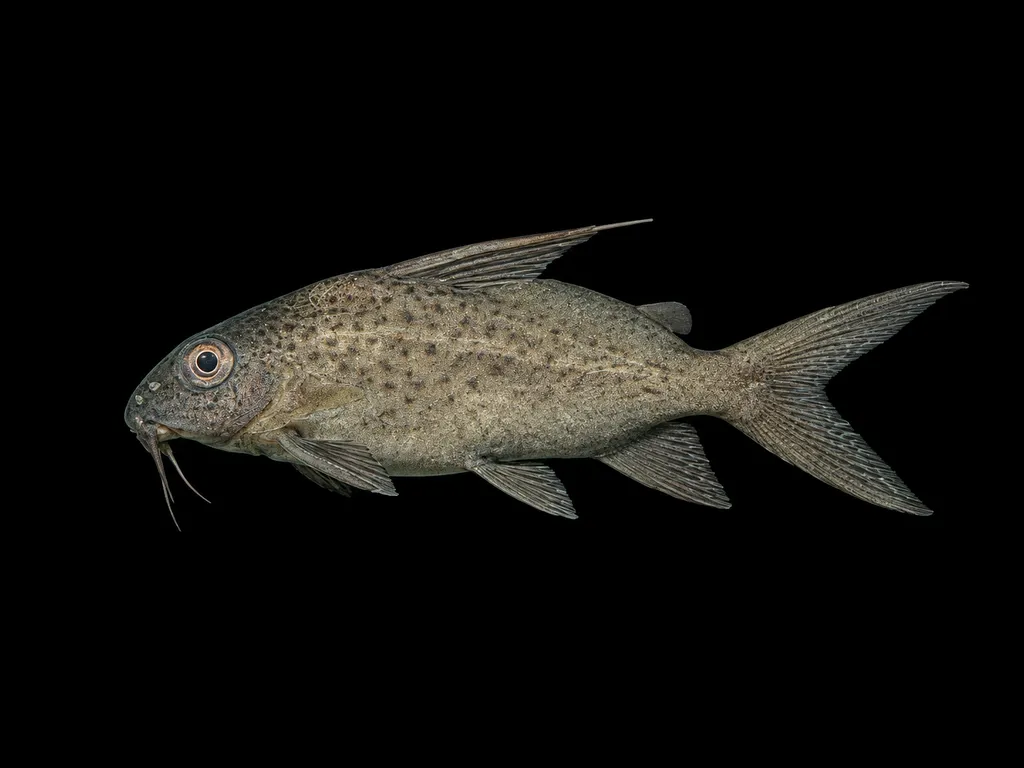
Bigeye upside-down squeaker
Synodontis resupinatus
11.8 in (30 cm) · 106 gal (400 L)
 11.8 in (30 cm)53 gal (200 L)72–81°F (22–27°C)
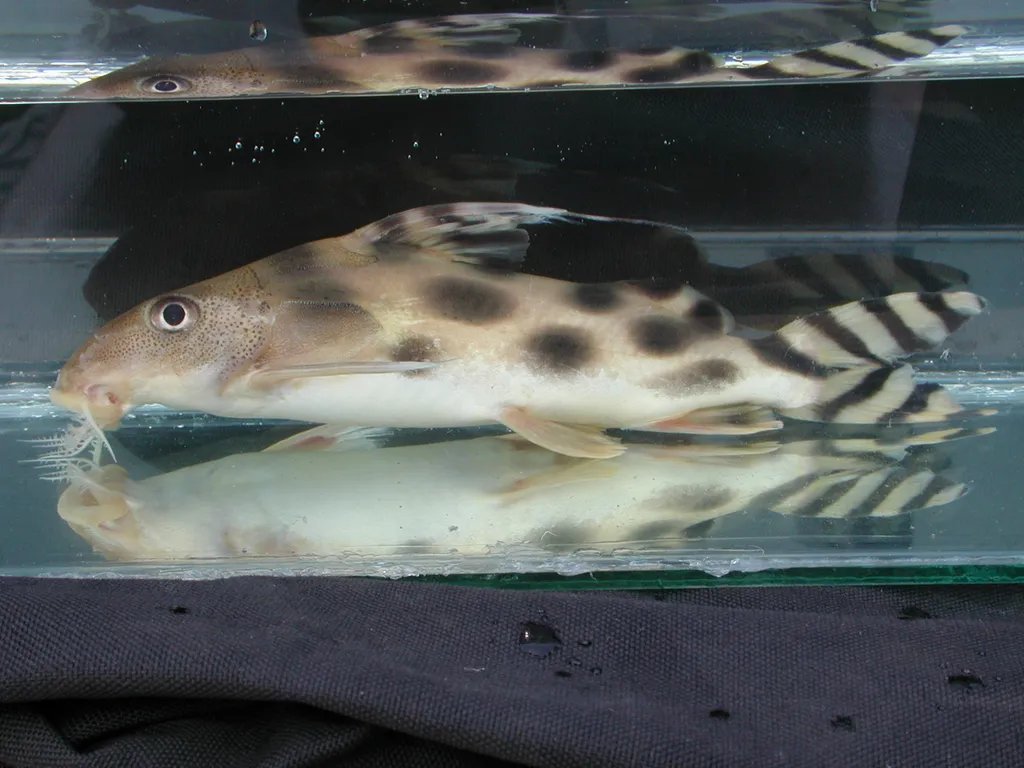
Decorated squeaker
Synodontis decorus
11.8 in (30 cm) · 53 gal (200 L)
 11.8 in (30 cm)79 gal (300 L)72–81°F (22–27°C)
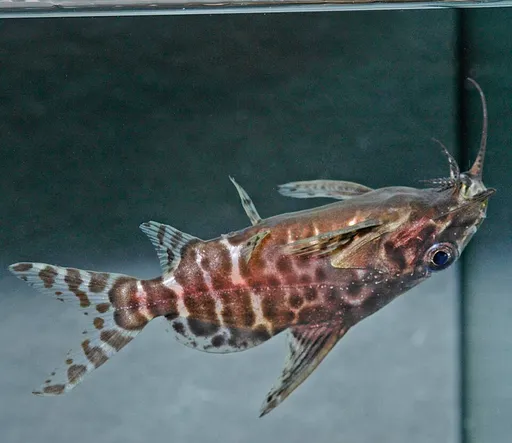
Giant upside-down catfish
Synodontis batensoda
11.8 in (30 cm) · 79 gal (300 L)
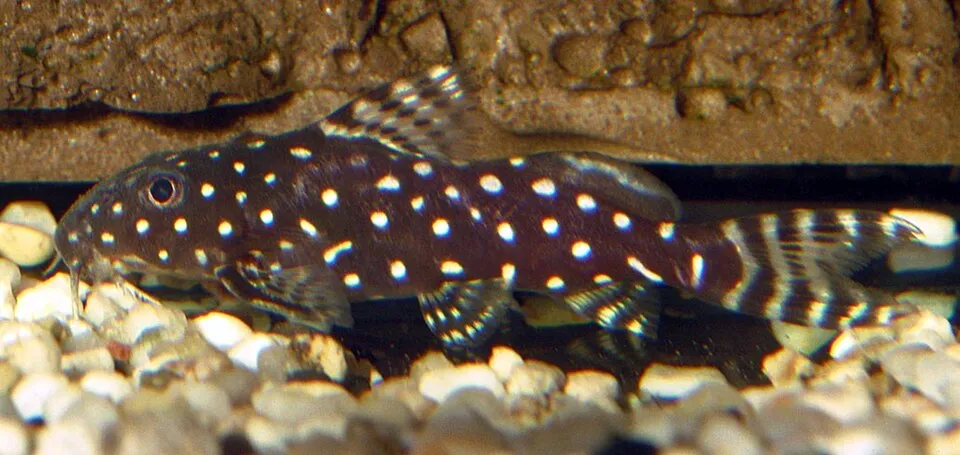 11.8 in (30 cm)55 gal (210 L)75–82°F (24–28°C)
Polka dot syno
Synodontis angelicus
11.8 in (30 cm) · 55 gal (210 L)
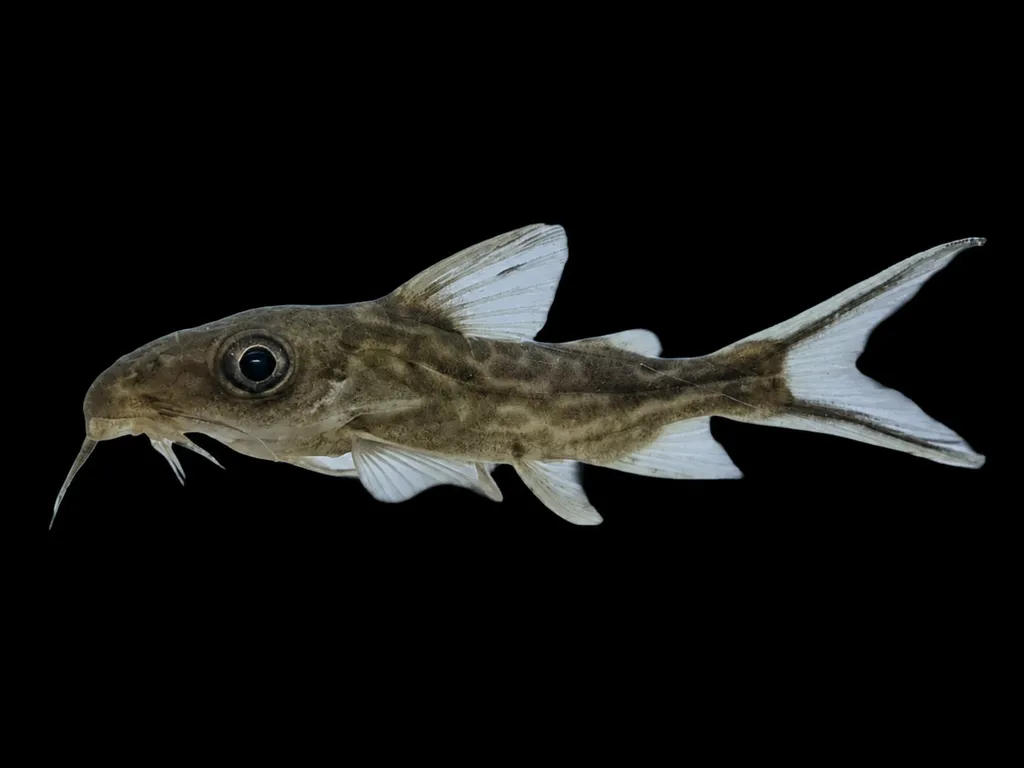 12.8 in (32.5 cm)106 gal (400 L)73–81°F (23–27°C)
Bug-eyed squeaker
Synodontis pleurops
12.8 in (32.5 cm) · 106 gal (400 L)
 9.8 in (25 cm)29 gal (110 L)72–81°F (22–27°C)
One-spot synodontis
Synodontis notatus
9.8 in (25 cm) · 29 gal (110 L)