Polka dot syno
Synodontis angelicus
FreshwaterFish
Care at a glance
- Temperature
- 75–82°F
- 24–28°C
- pH
- 6.0–7.5
- Adult size
- 11.8 in
- 30 cm
- Minimum tank
- 55 gal
- 210 L
- Temperament
- Mostly peaceful
- Social behavior
- Solitary
- Swim level
- Bottom
- Difficulty
- Medium
- Breeding
- No record
- Rarity
- Very rare
- Family
- Mochokidae
- Origin
- Congo Basin
Overview
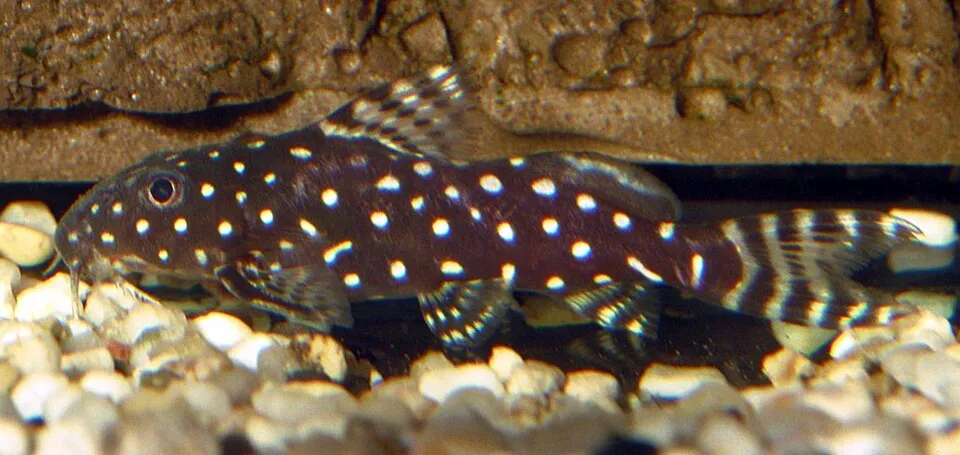
The polka dot syno is a large, prized catfish usually kept as a single specimen, since adults grow quarrelsome toward their own kind and closely related fish. It is otherwise mostly peaceful and mixes with sizeable, robust companions such as larger characins, barbs, rainbowfish, or peaceable cichlids, but anything under about 5 centimeters may be eaten. It forages over the bottom at night. Feed meaty frozen foods like bloodworms and shrimp along with sinking catfish pellets. Provide a soft sand bed, big caves, and dim light, in a tank around 210 liters or larger.
In the wild
Synodontis angelicus is native to the Congo River basin in central Africa, ranging through large rivers and their tributaries over sand and among wood. Keep it warm at 24 to 28 degrees C with a pH of 6.0 to 7.5. Use a soft sandy substrate to protect its barbels, with bogwood, rocky caves, and PVC tubes for shaded daytime retreats and open floor to forage. Strong canister filtration, good oxygenation, and frequent water changes handle its heavy appetite and waste.
Good to know
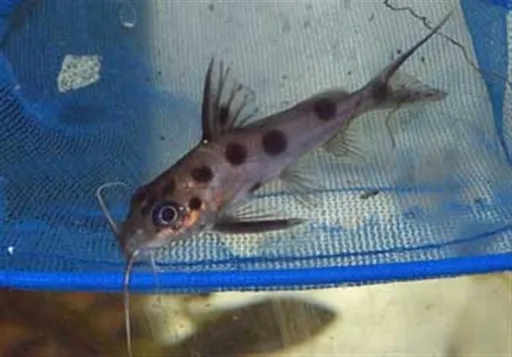
A member of Mochokidae, Synodontis angelicus reaches around 30 centimeters in aquaria and is one of the most striking squeakers, its dark purple-black body scattered with white to yellow spots that are densest in young fish. It has bony head plates and lockable spines and grinds them to squeak. It browses as an omnivore over the bottom. Aquarium breeding is not on record.
Did you know
A polka dot syno is most heavily spotted when young, and the crisp white dots can spread into larger, more irregular blotches as the fish ages, so no two mature adults are marked exactly alike.
Weekly picks
Tank mates
Polka dot syno is a mostly peaceful, solitary species that keeps to the bottom. These picks share a community profile with it, are safe together in both directions, and overlap on water type, temperature and pH.
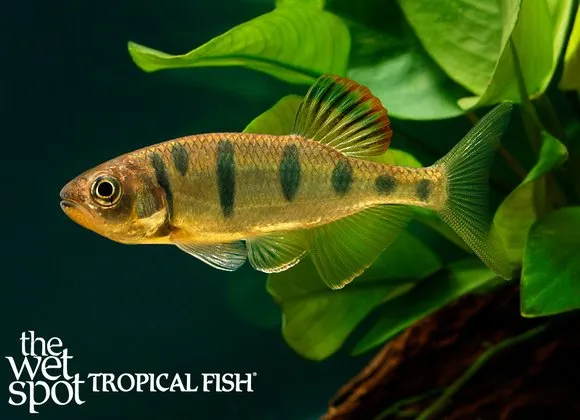
Jeweled baril
Opsarius pulchellus
Freshwater5.1 in (13 cm) · 53 gal (200 L)72–81°F (22–27°C)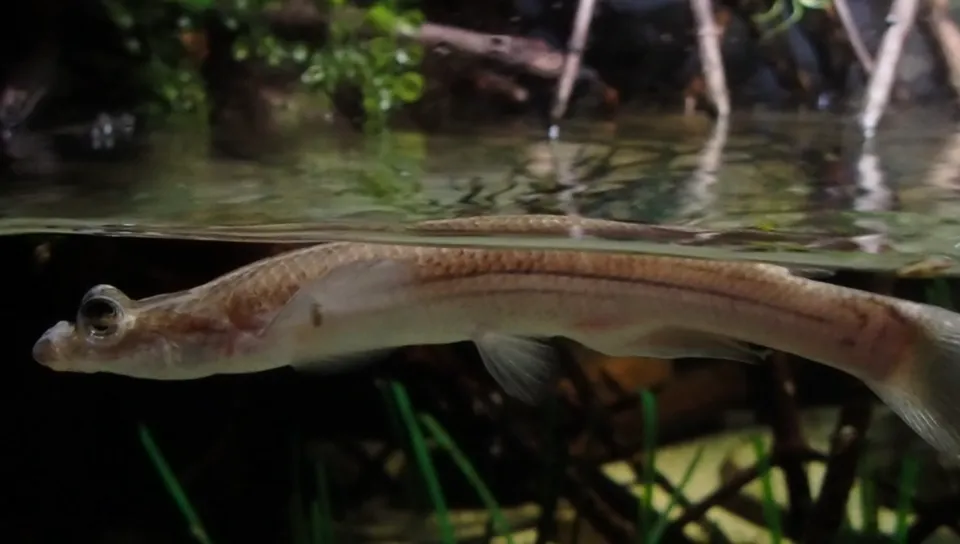
Largescale four-eyed fish
Anableps anableps
FreshwaterBrackish11.8 in (30 cm) · 70 gal (265 L)77–88°F (25–31°C)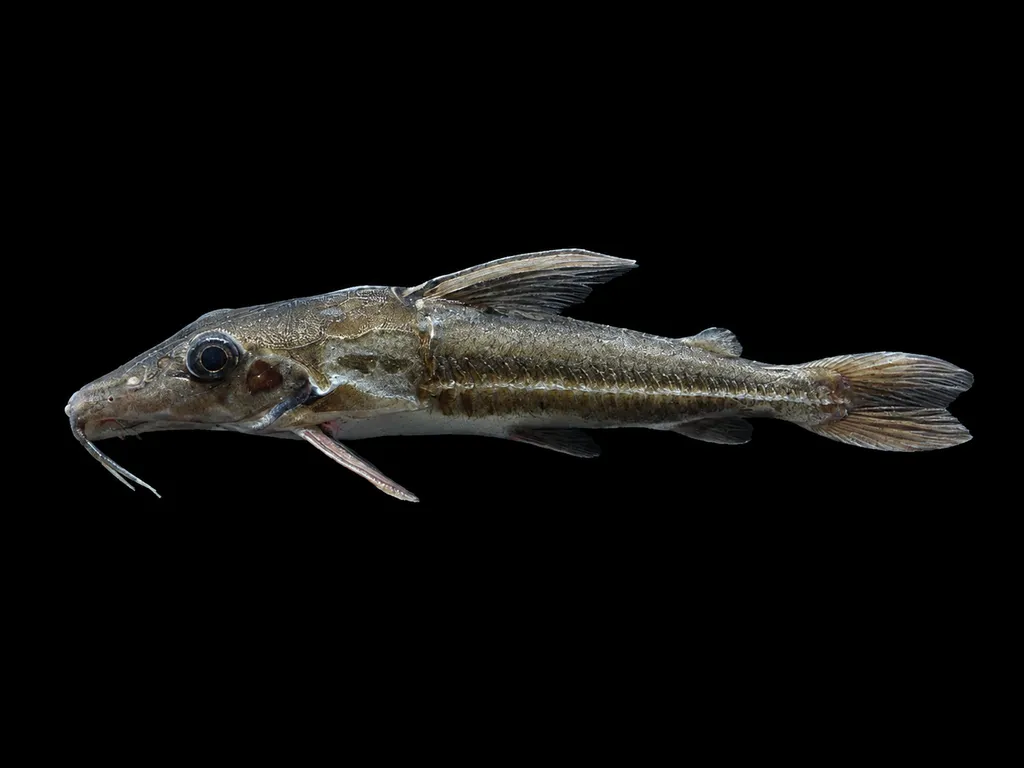
Green turushuki catfish
Hemidoras morrisi
Freshwater6.3 in (16 cm) · 53 gal (200 L)73–82°F (23–28°C)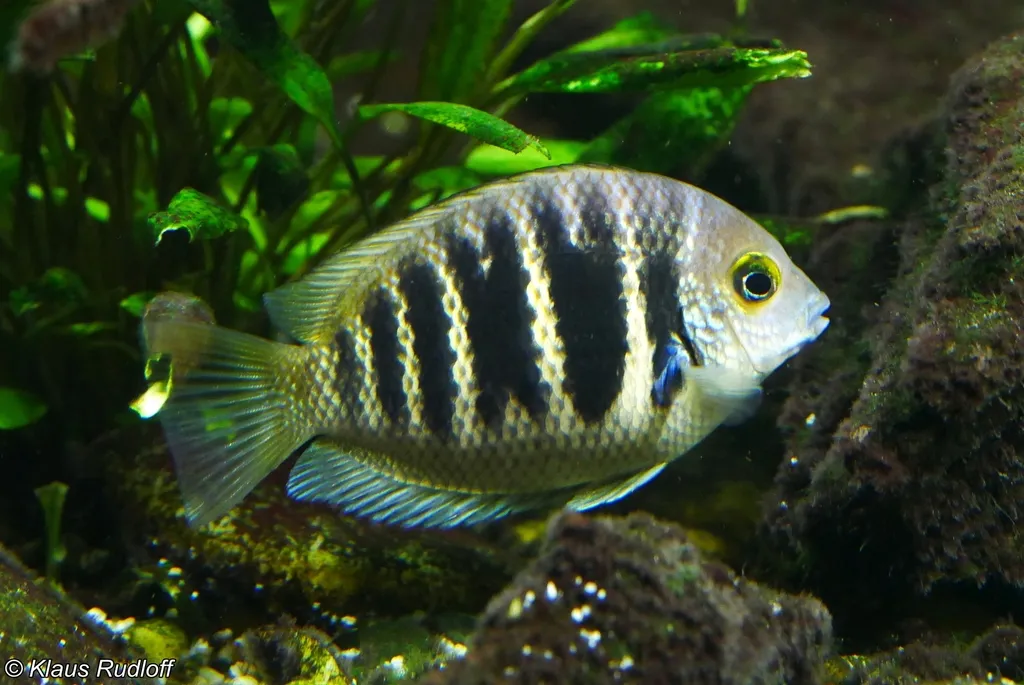
Canara pearlspot
Etroplus canarensis
Freshwater4.3 in (11 cm) · 55 gal (210 L)72–90°F (22–32°C)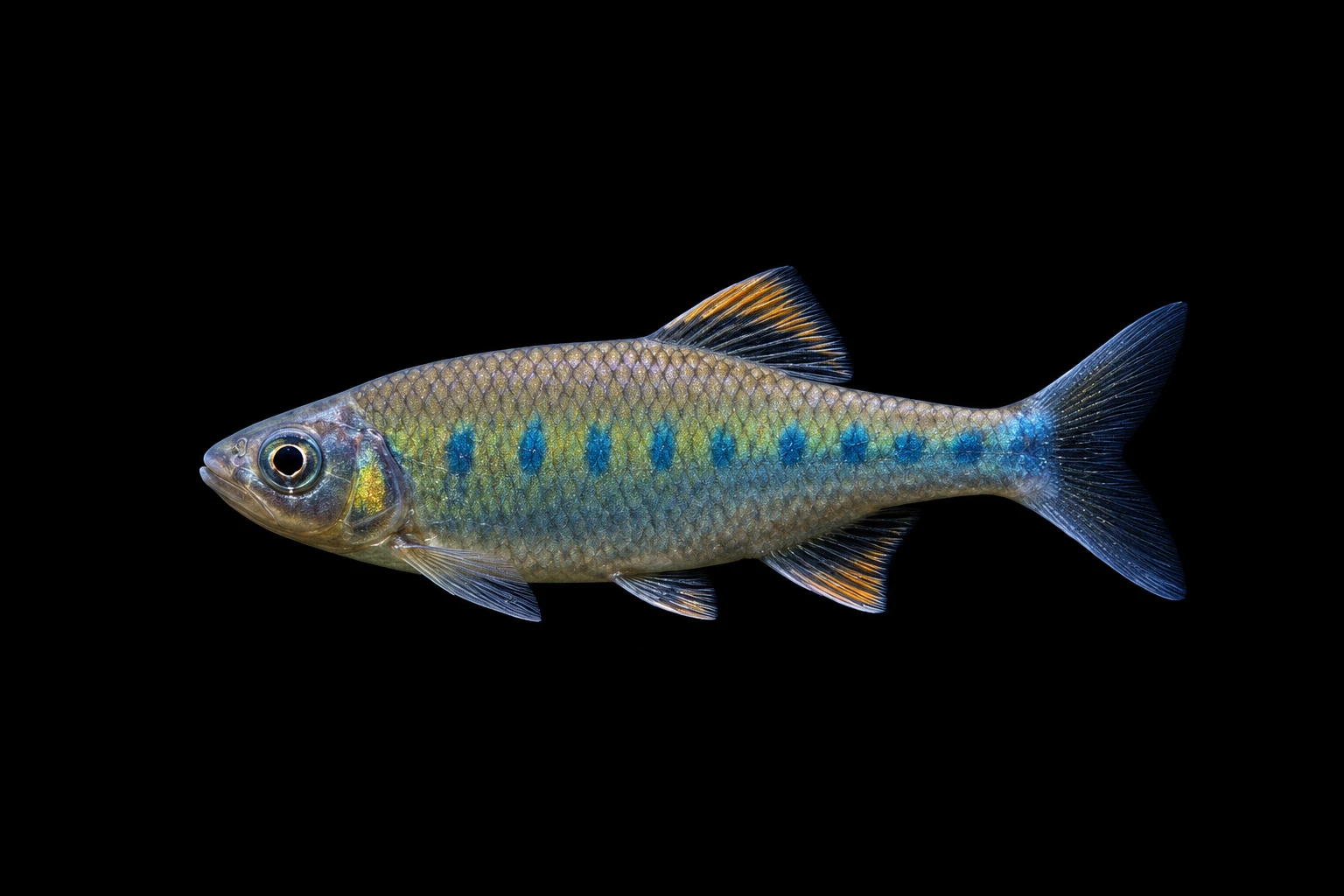
Blue spotted hill trout
Barilius bakeri
Freshwater5.1 in (13 cm) · 53 gal (200 L)64–79°F (18–26°C)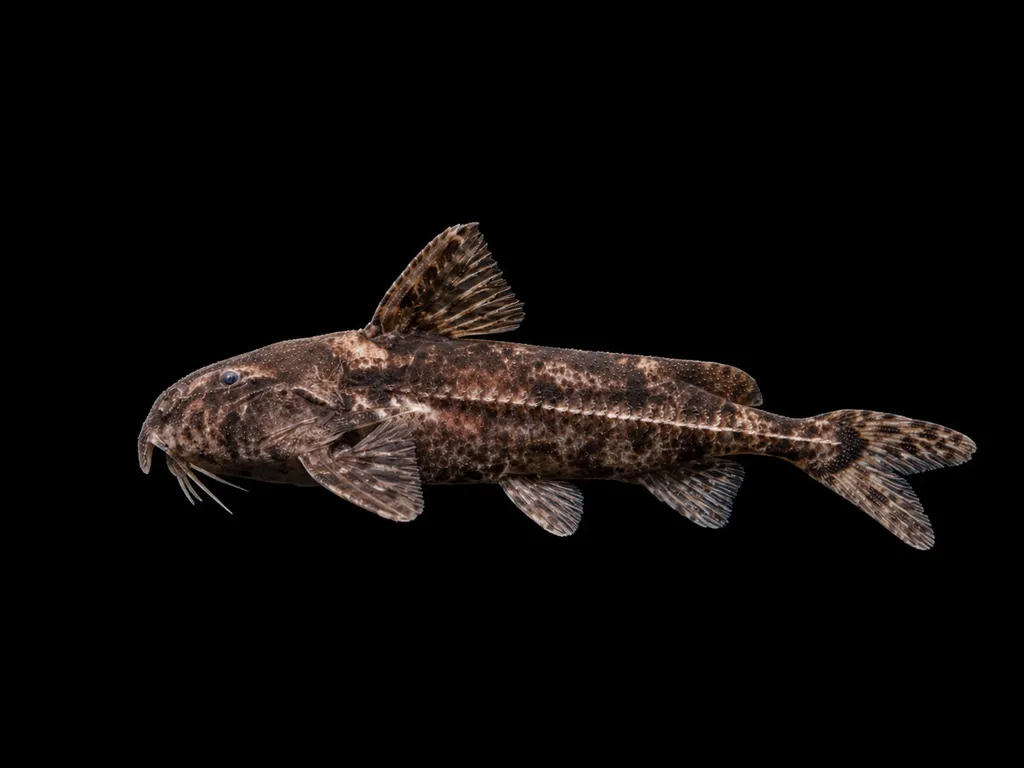
Parrot doradid
Rhynchodoras woodsi
Freshwater4.1 in (10.5 cm) · 53 gal (200 L)73–82°F (23–28°C)
Common questions
What size tank does a Polka dot syno need?
A Polka dot syno needs at least 55 gal (210 L). It spends most of its time in the bottom.
What temperature and pH does a Polka dot syno need?
A Polka dot syno is comfortable at 75–82°F (24–28°C) with a pH of 6.0–7.5.
How big does a Polka dot syno get?
An adult Polka dot syno reaches about 11.8 in (30 cm).
Related species
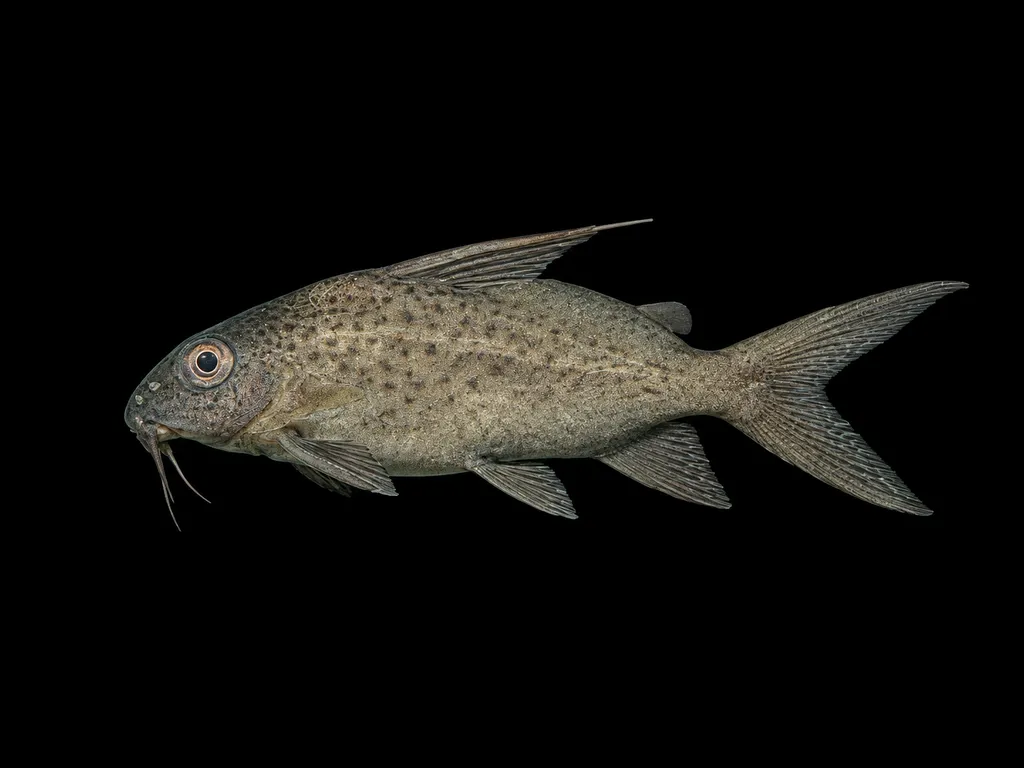 11.8 in (30 cm)106 gal (400 L)73–81°F (23–27°C)
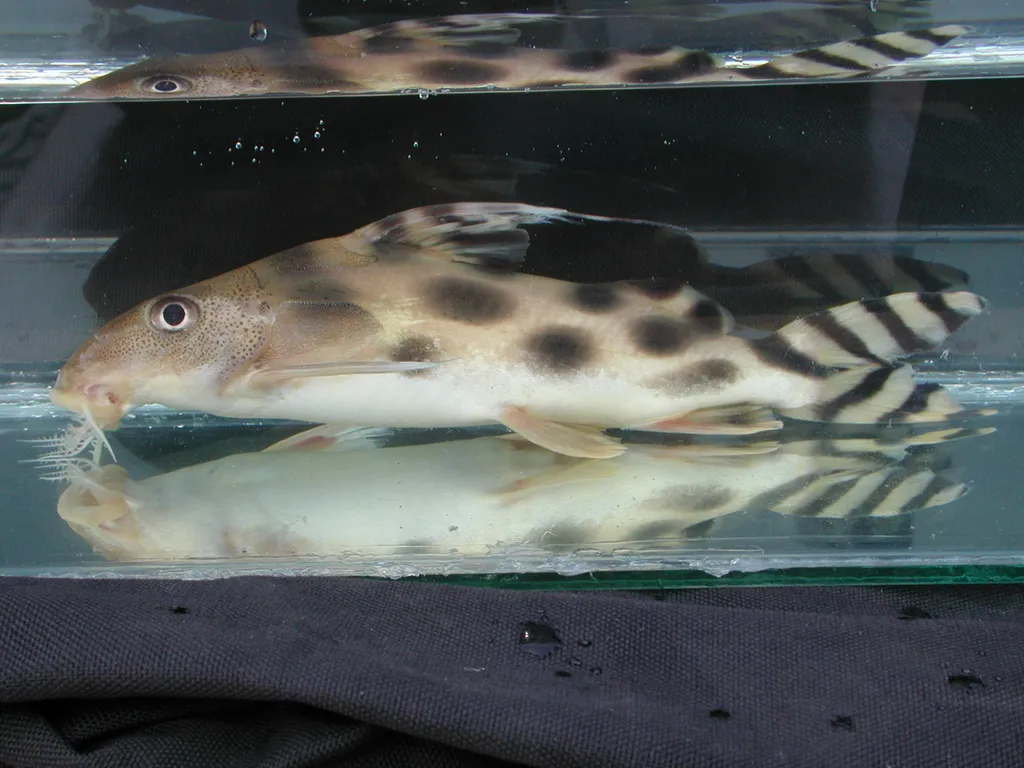
Bigeye upside-down squeaker
Synodontis resupinatus
11.8 in (30 cm) · 106 gal (400 L)
 11.8 in (30 cm)53 gal (200 L)72–81°F (22–27°C)
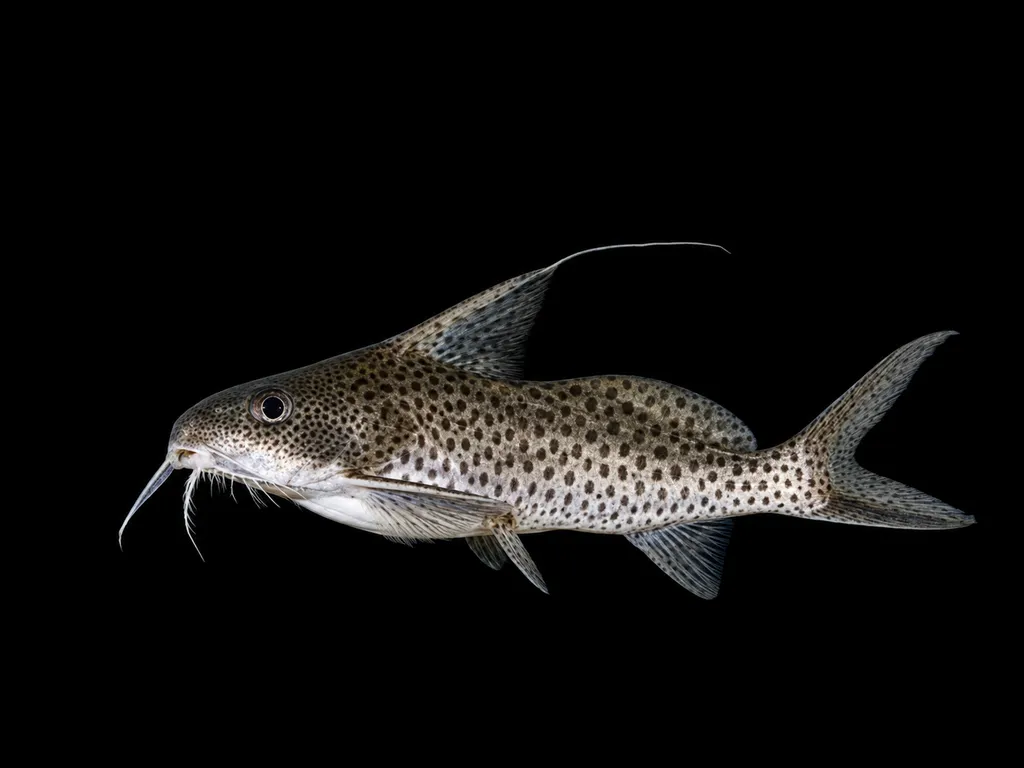
Decorated squeaker
Synodontis decorus
11.8 in (30 cm) · 53 gal (200 L)
 11.8 in (30 cm)106 gal (400 L)73–81°F (23–27°C)
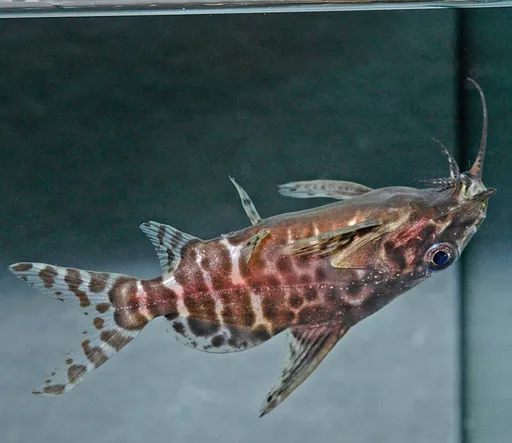
Filament squeaker
Synodontis filamentosus
11.8 in (30 cm) · 106 gal (400 L)
 11.8 in (30 cm)79 gal (300 L)72–81°F (22–27°C)
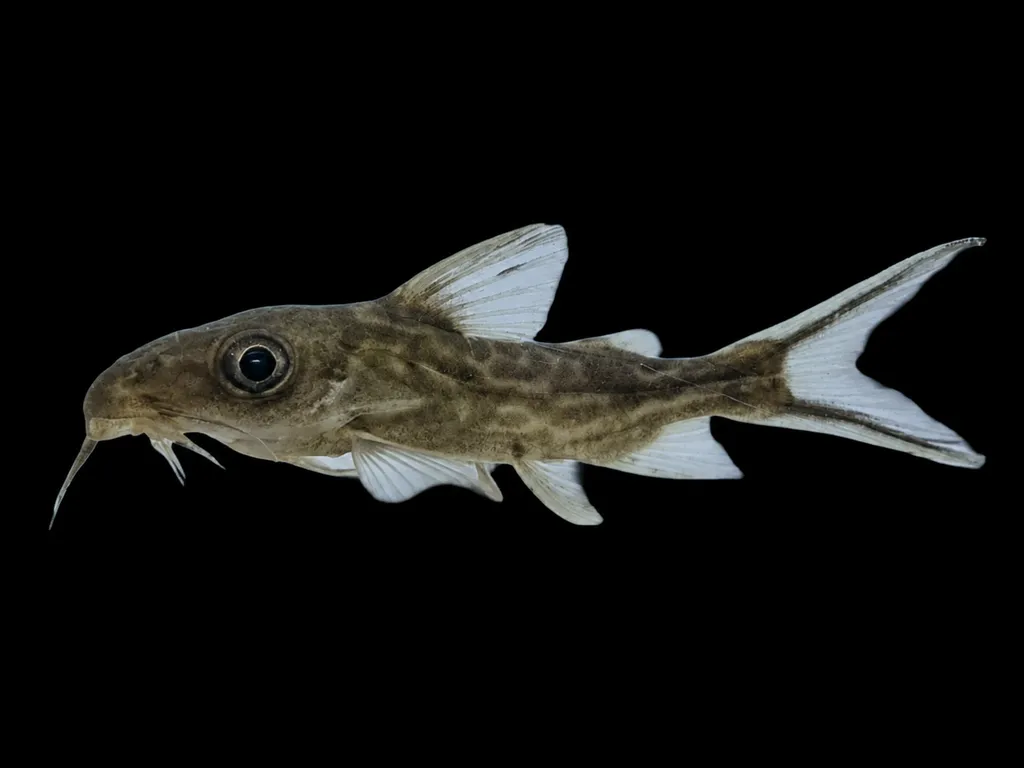
Giant upside-down catfish
Synodontis batensoda
11.8 in (30 cm) · 79 gal (300 L)
 12.8 in (32.5 cm)106 gal (400 L)73–81°F (23–27°C)
Bug-eyed squeaker
Synodontis pleurops
12.8 in (32.5 cm) · 106 gal (400 L)
 9.8 in (25 cm)53 gal (200 L)72–81°F (22–27°C)
One-spot synodontis
Synodontis notatus
9.8 in (25 cm) · 53 gal (200 L)