Nurse tetra
Brachyalestes nurse
Also known as Brycinus nurse, Alestes nurse
FreshwaterFish
Care at a glance
- Temperature
- 73–82°F
- 23–28°C
- pH
- 6.0–7.8
- Adult size
- 9.8 in
- 25 cm
- Minimum tank
- 106 gal
- 400 L
- Temperament
- Mostly peaceful
- Social behavior
- Schooling
- Swim level
- Middle
- Diet
- Omnivore
- Difficulty
- Medium
- Breeding
- Egg scatterer
- Rarity
- Rare
- Family
- Alestidae
- Origin
- Nile, Niger, and Sahelian basins, Africa
Overview
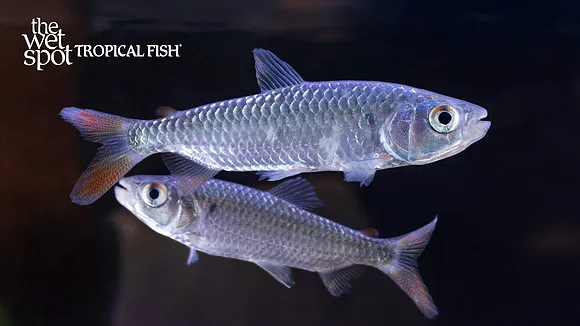
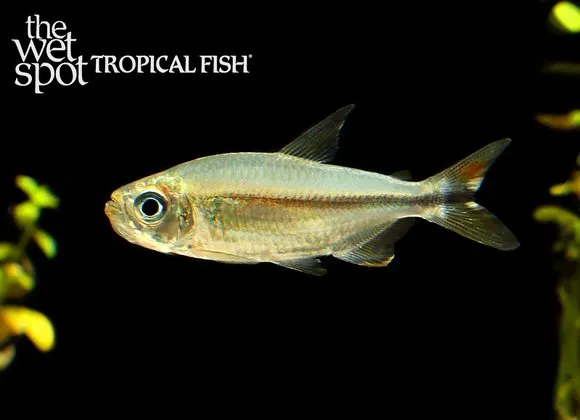
The nurse tetra is a big, robust schooling fish that cruises the open middle of the tank. It needs serious swimming room and suits a keeper with some experience.
Did you know
The nurse tetra's odd name has nothing to do with hospitals. It is thought to come from a local name for the fish along the Egyptian Nile. Rüppell carried that name straight into the scientific name almost two centuries ago.
Caring for the nurse tetra
Nurse tetras need a very large tank of at least 106 gal (400 L), ideally longer than it is tall. Give them a bright setup with a long open swimming lane and a sand base. Robust filtration suits them better than delicate planting.
Keep the water at 73 to 82°F (23 to 28°C), with a pH anywhere from 6.0 to 7.8. Run strong flow and keep the water clean. Feed this unfussy omnivore pellets, large flake and meaty frozen foods, along with some plant matter.
Keep a group of at least five or six, since a lone nurse tetra is jumpy and a group is far calmer. It is mostly peaceful and generally leaves tank mates of its own size alone. It will eat very small fish, so choose sturdy companions in the same size class.
Breeding is not recorded in aquariums. In the wild it spawns with the seasons on floodplains, scattering its eggs as the waters rise.
Good to know
Brachyalestes nurse, long known as Brycinus nurse or Alestes nurse, is a silvery alestid that grows large for an African tetra. The German naturalist Eduard Rüppell described it in 1832. It is an important food and market fish across the Sahel and the Nile.
In the wild
The nurse tetra is widespread across Africa, from the Nile west through the Niger and the rivers and floodplains of the Sahel. It lives in large, warm, open rivers and seasonal floodwaters. That water can run soft to fairly hard and slightly alkaline.
Weekly picks
Tank mates
The nurse tetra is a mostly peaceful, schooling species that keeps to the middle. These picks share a community profile with it, are safe together in both directions, and overlap on water type, temperature and pH.
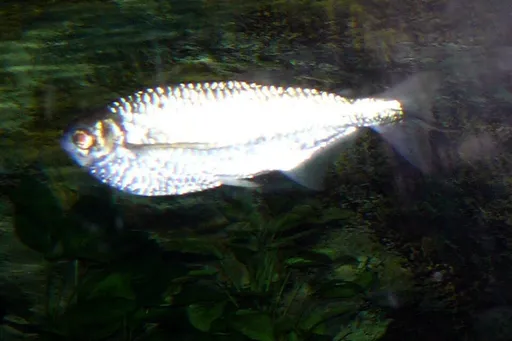
Narrow hatchetfish
Triportheus angulatus
Freshwater9.8 in (25 cm) · 79 gal (300 L)73–82°F (23–28°C)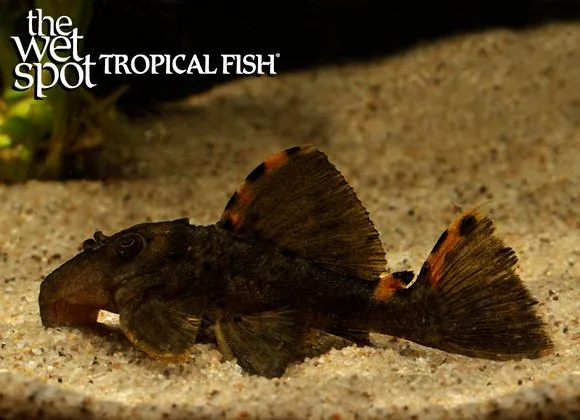
Three beacon pleco
Leporacanthicus triactis
Freshwater11 in (28 cm) · 106 gal (400 L)79–86°F (26–30°C)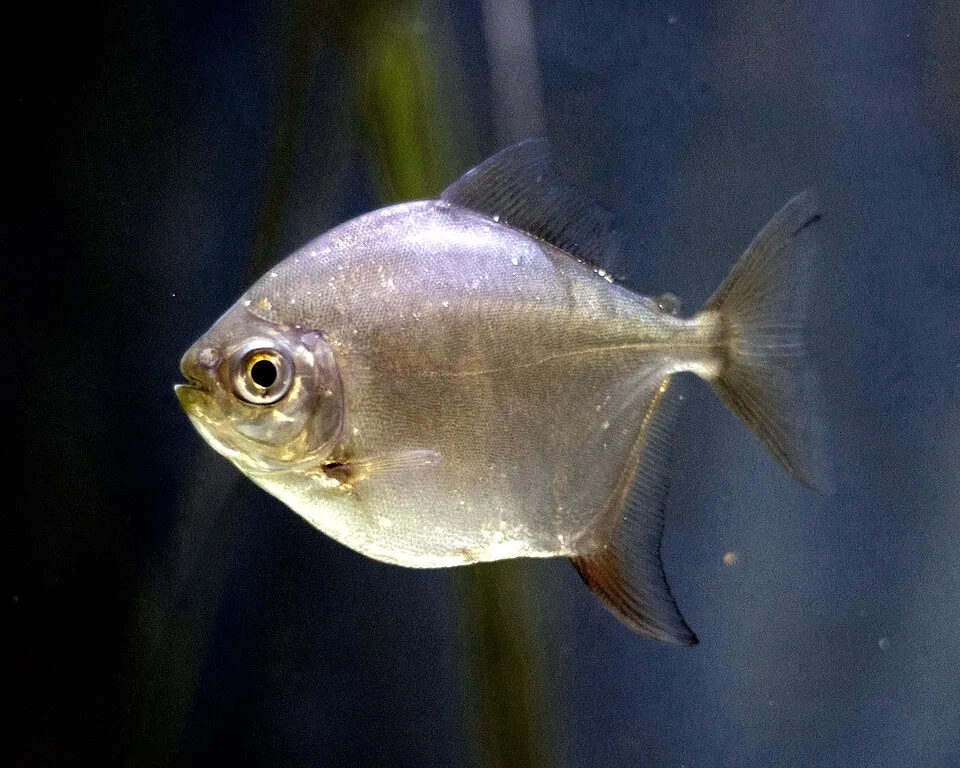
Silver dollar
Metynnis argenteus
Freshwater5.9 in (15 cm) · 70 gal (265 L)75–82°F (24–28°C)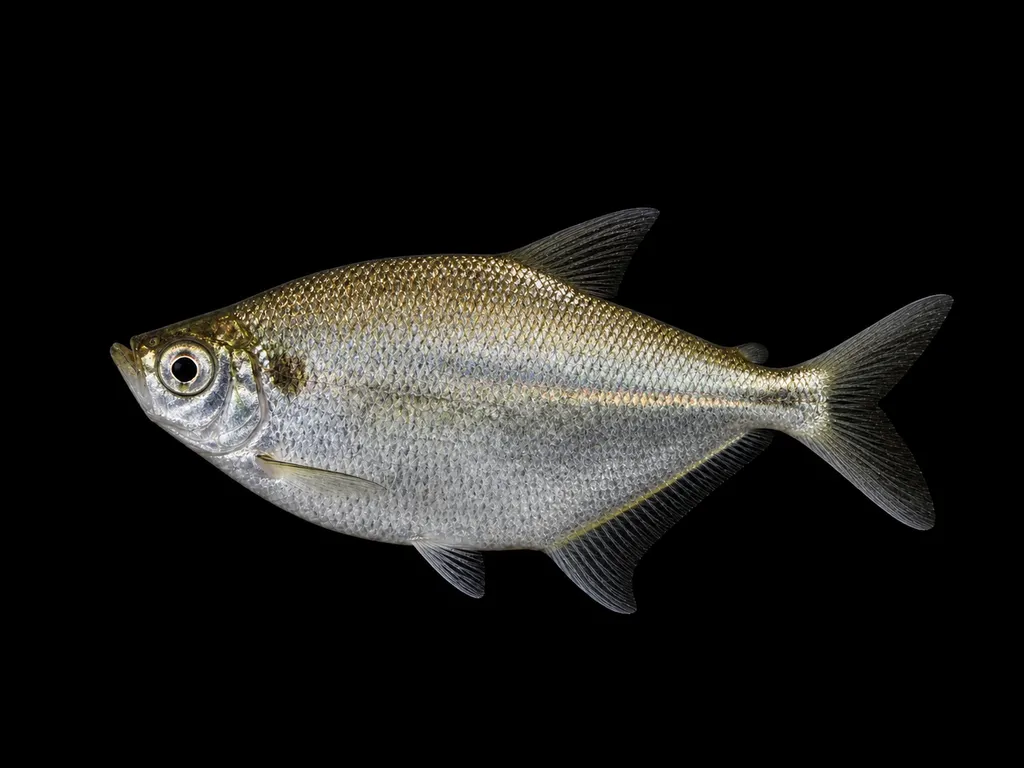
Giant river hatchetfish
Triportheus rotundatus
Freshwater9.8 in (25 cm) · 79 gal (300 L)73–82°F (23–28°C)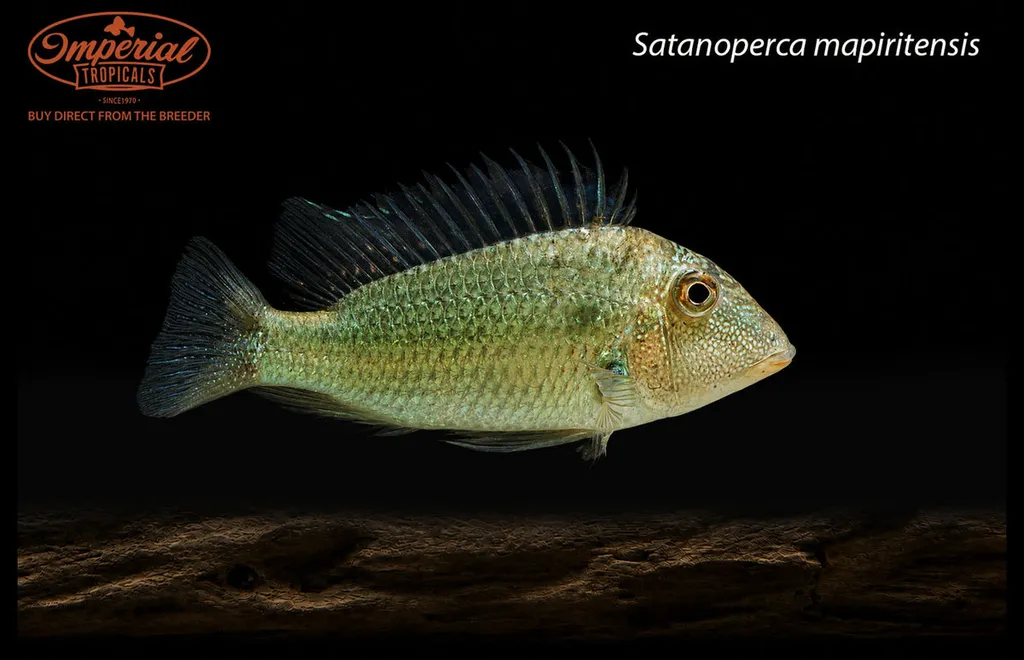
Fine-spotted eartheater
Satanoperca mapiritensis
Freshwater6.7 in (17 cm) · 106 gal (400 L)77–84°F (25–29°C)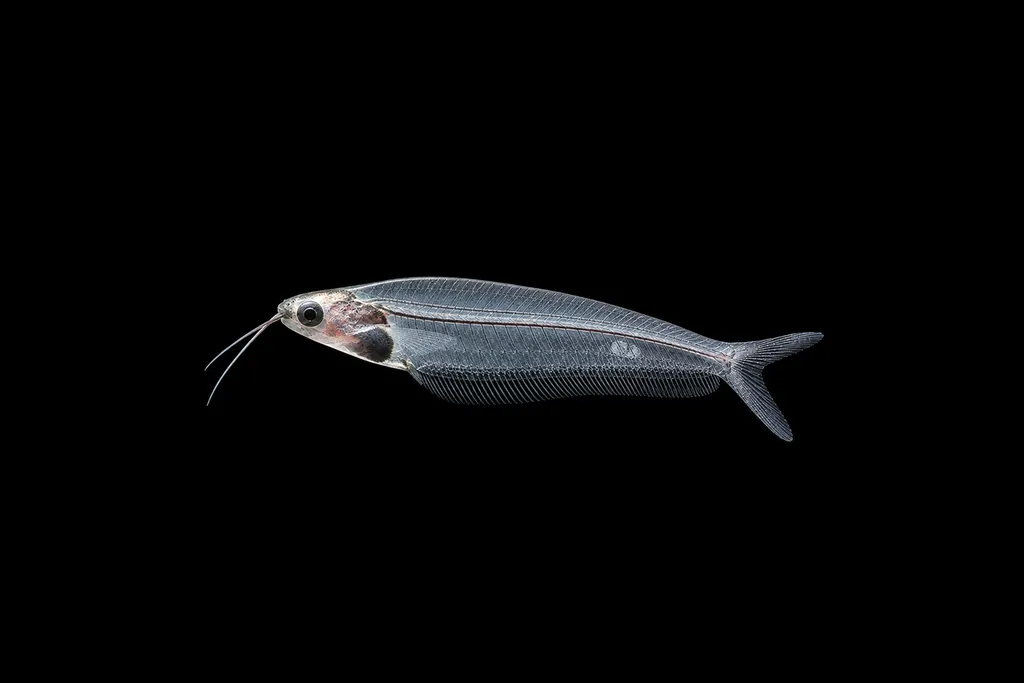
Mekong glass sheatfish
Kryptopterus limpok
Freshwater11.8 in (30 cm) · 119 gal (450 L)73–81°F (23–27°C)
Common questions
What size tank does a nurse tetra need?
A nurse tetra needs at least 106 gal (400 L). It spends most of its time in the middle.
What temperature and pH does a nurse tetra need?
A nurse tetra is comfortable at 73–82°F (23–28°C) with a pH of 6.0–7.8.
What does a nurse tetra eat?
A nurse tetra is an unfussy omnivore. It takes pellets, large flake and meaty frozen foods, along with some plant matter.
How big does a nurse tetra get?
An adult nurse tetra reaches about 9.8 in (25 cm).
Does a nurse tetra need a group?
Yes. A nurse tetra is a schooling species and should be kept in a group, not singly.
How does a nurse tetra breed?
Nurse tetras are seasonal floodplain spawners in the wild, scattering their eggs as the waters rise. Breeding in aquariums is not recorded.
Related species
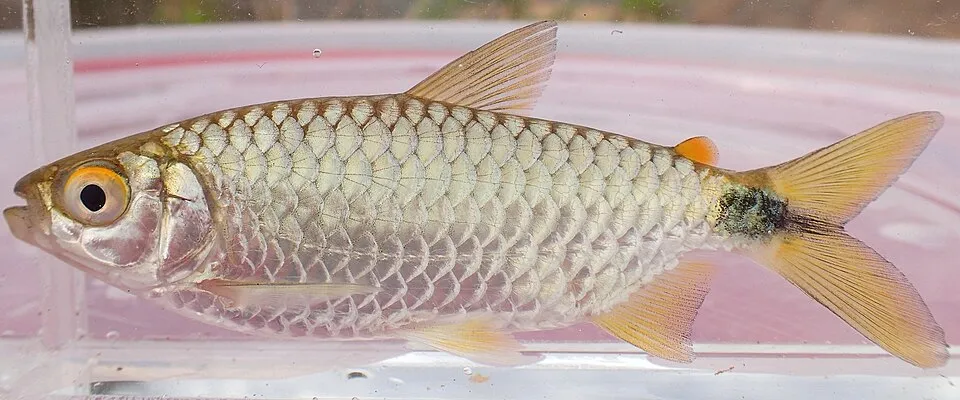 7.9 in (20 cm)65 gal (245 L)72–81°F (22–27°C)
Spot-tail tetra
Brycinus imberi
7.9 in (20 cm) · 65 gal (245 L)
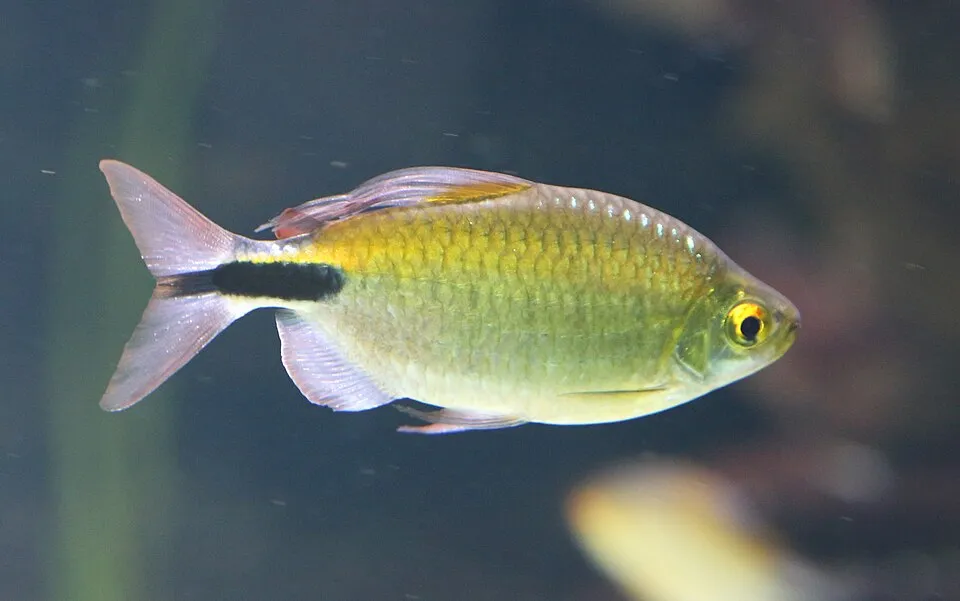 4.9 in (12.5 cm)50 gal (190 L)72–79°F (22–26°C)
Long-fin tetra
Brycinus longipinnis
4.9 in (12.5 cm) · 50 gal (190 L)
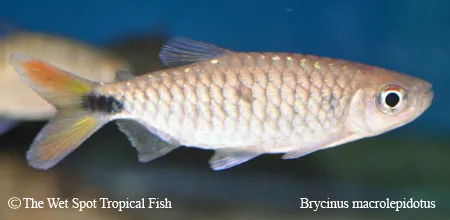 20.9 in (53 cm)264 gal (1,000 L)73–82°F (23–28°C)
Red-tail brycinus
Brycinus macrolepidotus
20.9 in (53 cm) · 264 gal (1,000 L)
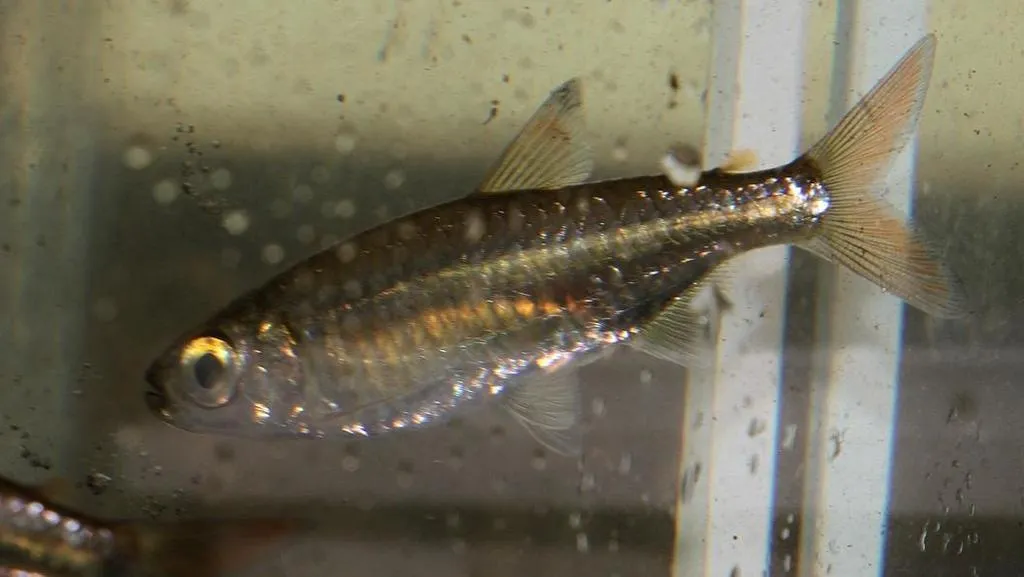 3.5 in (9 cm)32 gal (120 L)72–79°F (22–26°C)
Sharptooth tetra
Micralestes acutidens
3.5 in (9 cm) · 32 gal (120 L)
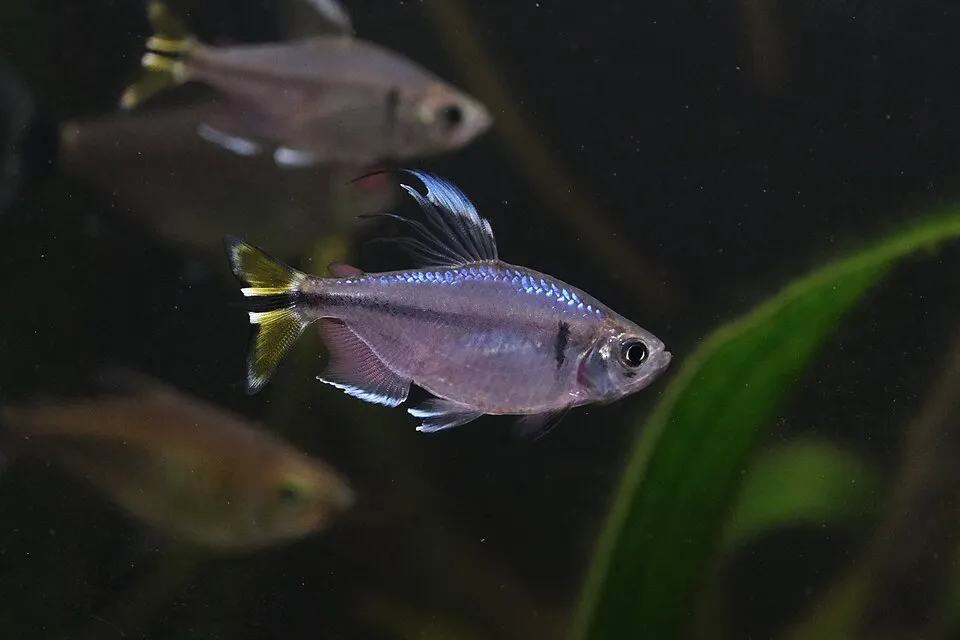 2.4 in (6 cm)20 gal (75 L)72–79°F (22–26°C)
Yellow-tailed Congo tetra
Alestopetersius caudalis
2.4 in (6 cm) · 20 gal (75 L)
 3.9 in (10 cm)42 gal (160 L)73–81°F (23–27°C)
Hilgendorf's Congo tetra
Alestopetersius hilgendorfi
3.9 in (10 cm) · 42 gal (160 L)