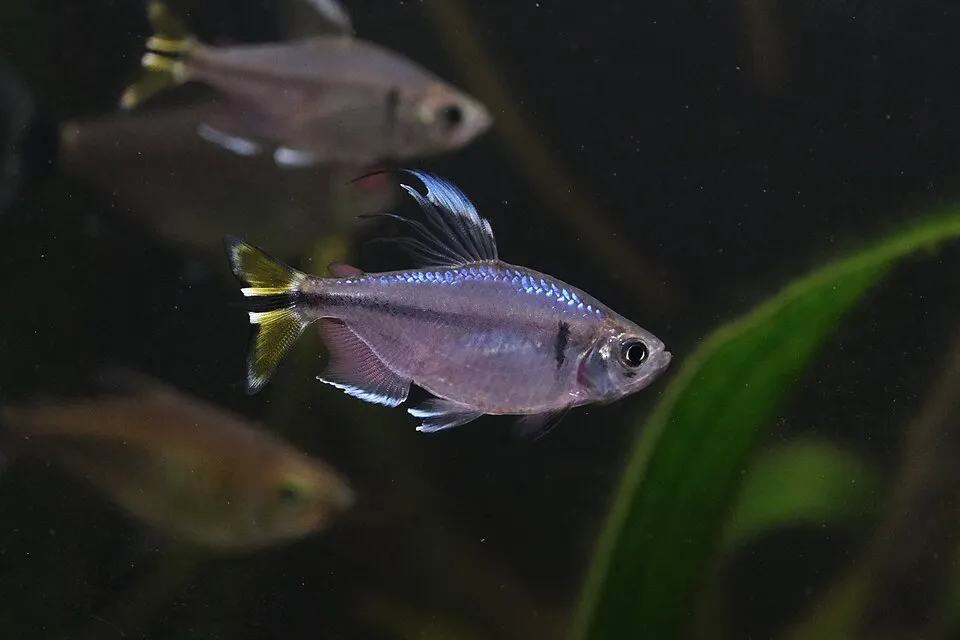
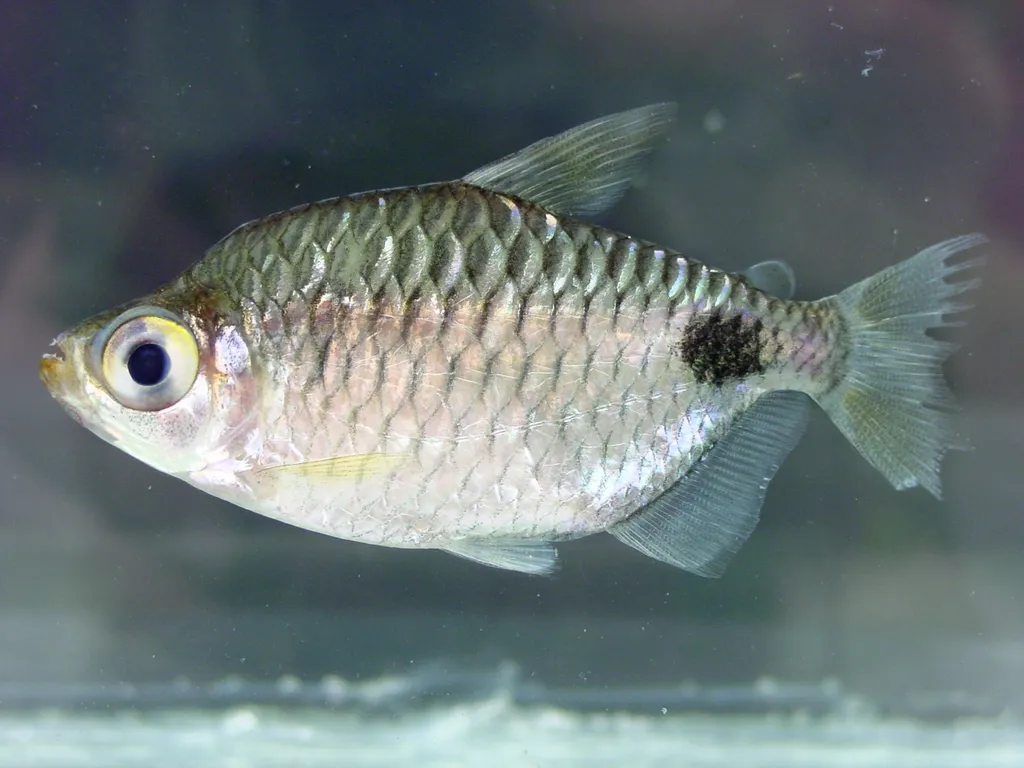
Yellow-tailed Congo tetra
Alestopetersius caudalis
Also known as Yellow congo tetra
FreshwaterFish
Care at a glance
- Temperature
- 72–79°F
- 22–26°C
- pH
- 6.0–7.5
- Adult size
- 2.4 in
- 6 cm
- Minimum tank
- 20 gal
- 75 L
- Temperament
- Mostly peaceful
- Social behavior
- Schooling
- Swim level
- Middle
- Difficulty
- Medium
- Breeding
- Hard
- Rarity
- Rare
- Family
- Alestidae
- Origin
- Congo Basin
Overview
Keep it in a school of at least six. In smaller numbers it gets nervous and washed out. It swims in the middle and upper water and is peaceful with similar-sized fish. In the wild it eats small insects, larvae, and bits of plant matter, so feed good flake or small pellets with regular live or frozen treats like bloodworms and daphnia.
In the wild
This tetra comes from the slow, soft, slightly acidic waters of the Congo Basin, usually over sand or mud with plenty of plants around. Aim for soft water on the acidic to neutral side, pH 6 to 7.5, and a temperature in the low to mid 20s C. A planted tank with some open swimming room and dimmer lighting shows off its colors and keeps it settled.
Good to know
It is a member of the African tetra family, Alestidae, and stays small at around 6 cm. It is an egg scatterer with no parental care, and the eggs hatch in roughly a day and a half. The IUCN lists it as Least Concern with stable wild populations.
Did you know
Males grow long, trailing extensions on the middle of the tail fin, which they flick and display during courtship to compete for females.
Weekly picks
Tank mates
Yellow-tailed Congo tetra is a mostly peaceful, schooling species that keeps to the middle. These picks share a community profile with it, are safe together in both directions, and overlap on water type, temperature and pH.
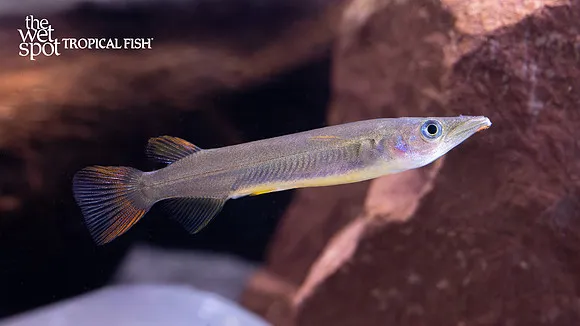
Rex halfbeak
Nomorhamphus rex
Freshwater2.2 in (5.5 cm) · 20 gal (75 L)72–79°F (22–26°C)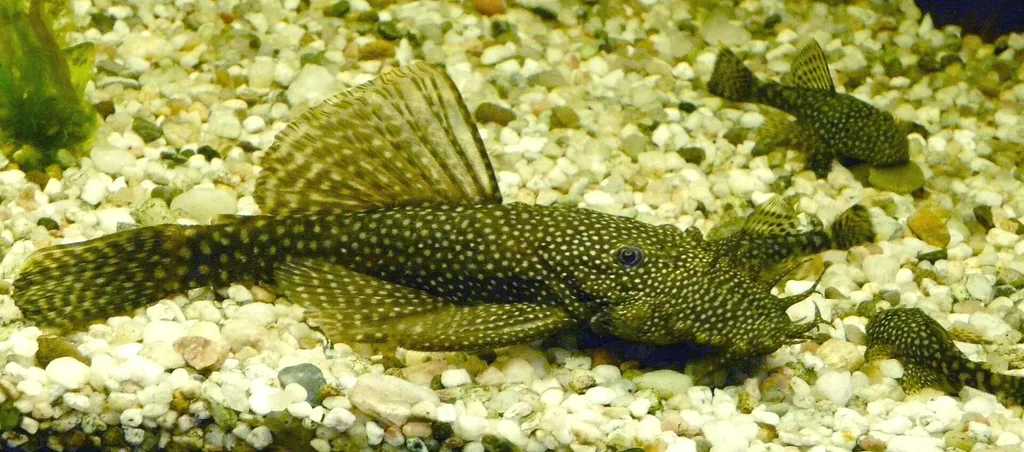
Bristlenose pleco
Ancistrus sp.
Freshwater4.9 in (12.5 cm) · 20 gal (75 L)70–79°F (21–26°C)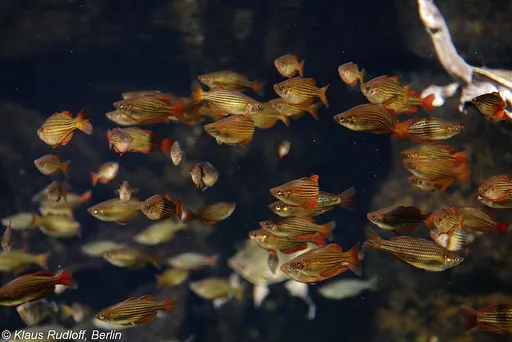
Dwarf rainbowfish
Melanotaenia maccullochi
Freshwater2.8 in (7 cm) · 20 gal (75 L)72–82°F (22–28°C)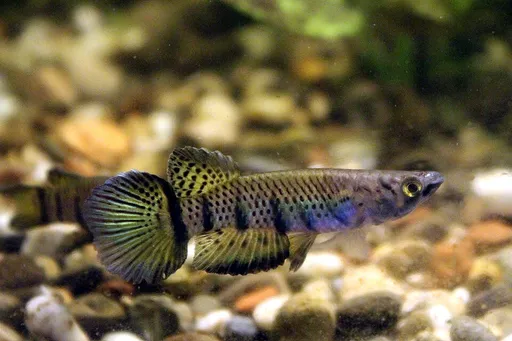
Six-barred panchax
Epiplatys sexfasciatus
Freshwater3.9 in (10 cm) · 20 gal (75 L)72–81°F (22–27°C)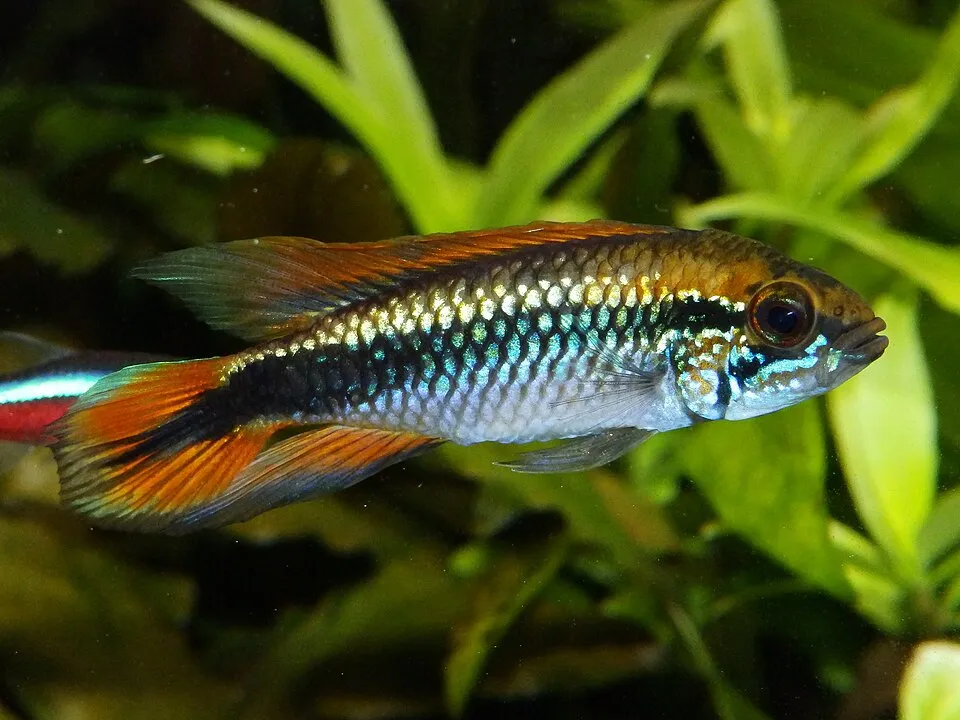
Agassiz's dwarf cichlid
Apistogramma agassizii
Freshwater3.5 in (9 cm) · 20 gal (75 L)72–84°F (22–29°C)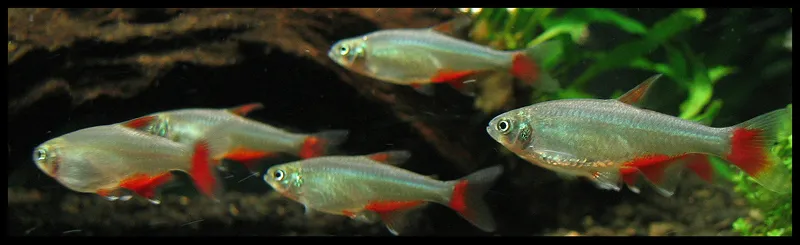
Bloodfin tetra
Aphyocharax anisitsi
Freshwater2.2 in (5.5 cm) · 20 gal (75 L)72–82°F (22–28°C)
Common questions
What size tank does a Yellow-tailed Congo tetra need?
A Yellow-tailed Congo tetra needs at least 20 gal (75 L). It spends most of its time in the middle.
What temperature and pH does a Yellow-tailed Congo tetra need?
A Yellow-tailed Congo tetra is comfortable at 72–79°F (22–26°C) with a pH of 6.0–7.5.
How big does a Yellow-tailed Congo tetra get?
An adult Yellow-tailed Congo tetra reaches about 2.4 in (6 cm).
Does a Yellow-tailed Congo tetra need a group?
Yes. A Yellow-tailed Congo tetra is a schooling species and should be kept in a group, not singly.
Related species
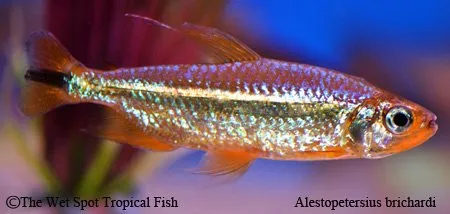
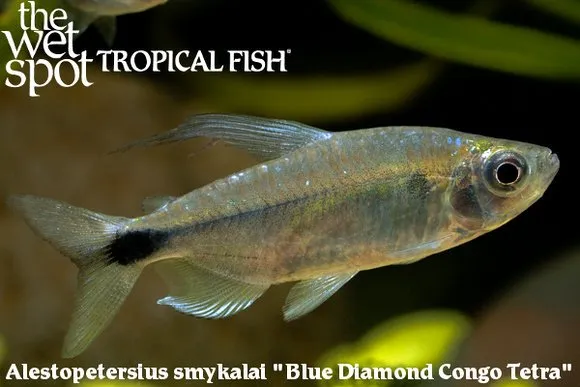 2.8 in (7 cm)29 gal (110 L)73–81°F (23–27°C)
Niger yellow Congo tetra
Alestopetersius smykalai
2.8 in (7 cm) · 29 gal (110 L)
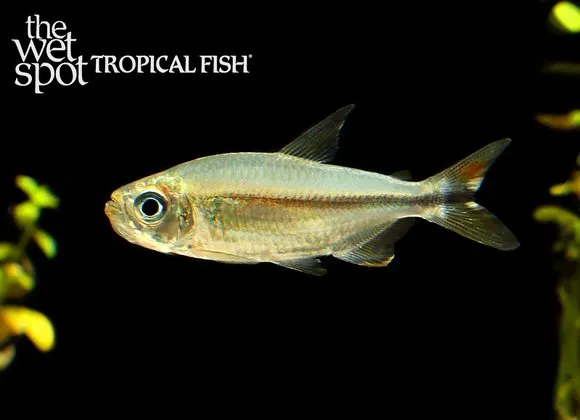
 3.5 in (9 cm)29 gal (110 L)73–81°F (23–27°C)
Brichard's Congo tetra
Alestopetersius brichardi
3.5 in (9 cm) · 29 gal (110 L)
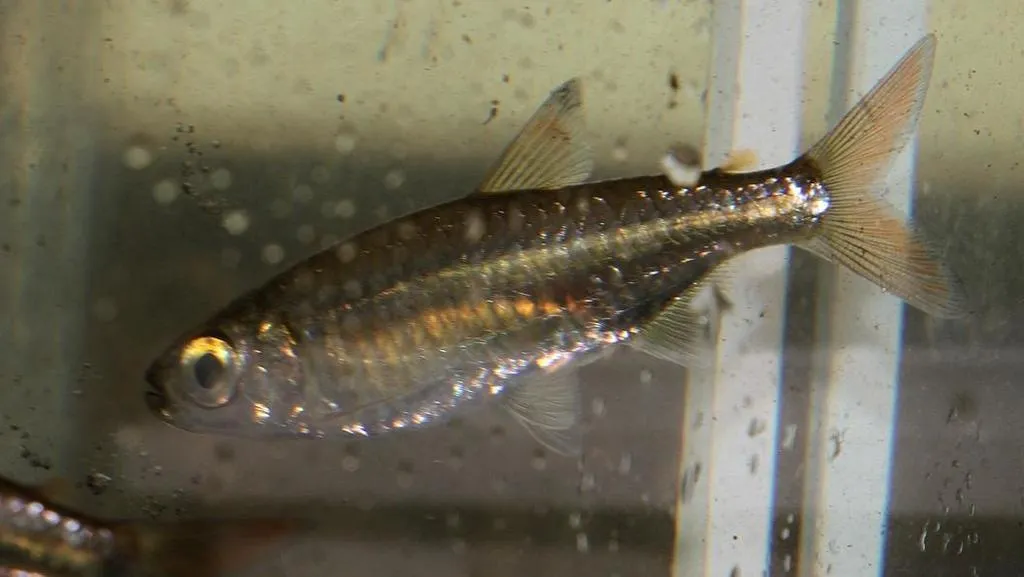
 3.9 in (10 cm)42 gal (160 L)73–81°F (23–27°C)
Hilgendorf's Congo tetra
Alestopetersius hilgendorfi
3.9 in (10 cm) · 42 gal (160 L)
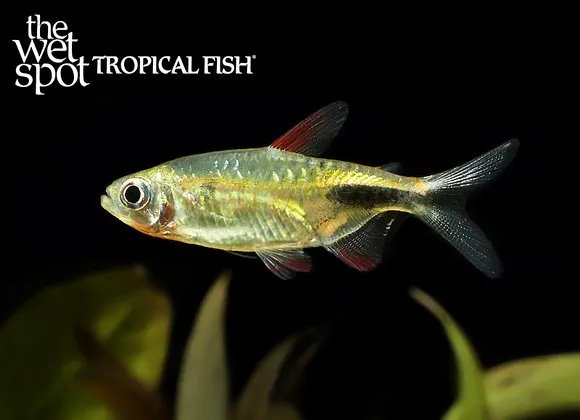
 3.5 in (9 cm)32 gal (120 L)72–79°F (22–26°C)
Sharptooth tetra
Micralestes acutidens
3.5 in (9 cm) · 32 gal (120 L)
 2.4 in (6 cm)24 gal (90 L)73–81°F (23–27°C)
Copper Congo tetra
Hemigrammopetersius pulcher
2.4 in (6 cm) · 24 gal (90 L)
 2.6 in (6.5 cm)30 gal (112 L)73–82°F (23–28°C)
Altus tetra
Brachypetersius altus
2.6 in (6.5 cm) · 30 gal (112 L)