Fine-spotted eartheater
Satanoperca mapiritensis
Also known as Mapiritensis eartheater
FreshwaterFish
Care at a glance
- Temperature
- 77–84°F
- 25–29°C
- pH
- 5.5–7.0
- Adult size
- 6.7 in
- 17 cm
- Minimum tank
- 106 gal
- 400 L
- Temperament
- Mostly peaceful
- Social behavior
- Social
- Swim level
- Bottom
- Difficulty
- Medium
- Breeding
- Medium
- Rarity
- Common
- Family
- Cichlidae
- Origin
- Orinoco basin
Overview
A Satanoperca kept the same way as the rest of the genus: a group of five or six over deep, soft sand in a 400 liter tank, with peaceful mid-sized company. It sifts sand constantly, so substrate quality is the main care requirement, and sharp gravel will stop the behavior and damage its mouth. Feed sinking granules and frozen foods often and in small amounts. Nothing nippy, or the trailing fins suffer.
In the wild
Satanoperca mapiritensis lives in the Orinoco basin, over sand in warm water running soft to neutral. Keep it at 25 to 29 degrees Celsius and pH 5.5 to 7.0, with several centimeters of fine sand and quiet flow.
Good to know
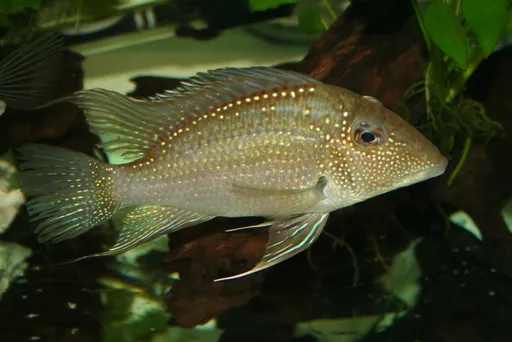
Satanoperca mapiritensis reaches about 17 centimeters. The genus name means demon eartheater, from an old common name rather than any behavior; they are among the gentler large South American cichlids. It is a delayed mouthbrooder, taking eggs up a day or so after they are laid. The trade name comes from the dense iridescent speckling over its cheeks and gill cover. It is the Orinoco member of the jurupari group, and genetic work has yet to separate it cleanly from Satanoperca jurupari; shops also apply its name loosely to S. leucosticta.
Did you know
Demonfish earned their folklore by mouthing sand near burial grounds, say the old river stories; the fish were only ever eating.
Weekly picks
Tank mates
Fine-spotted eartheater is a mostly peaceful, social species that keeps to the bottom. These picks share a community profile with it, are safe together in both directions, and overlap on water type, temperature and pH.
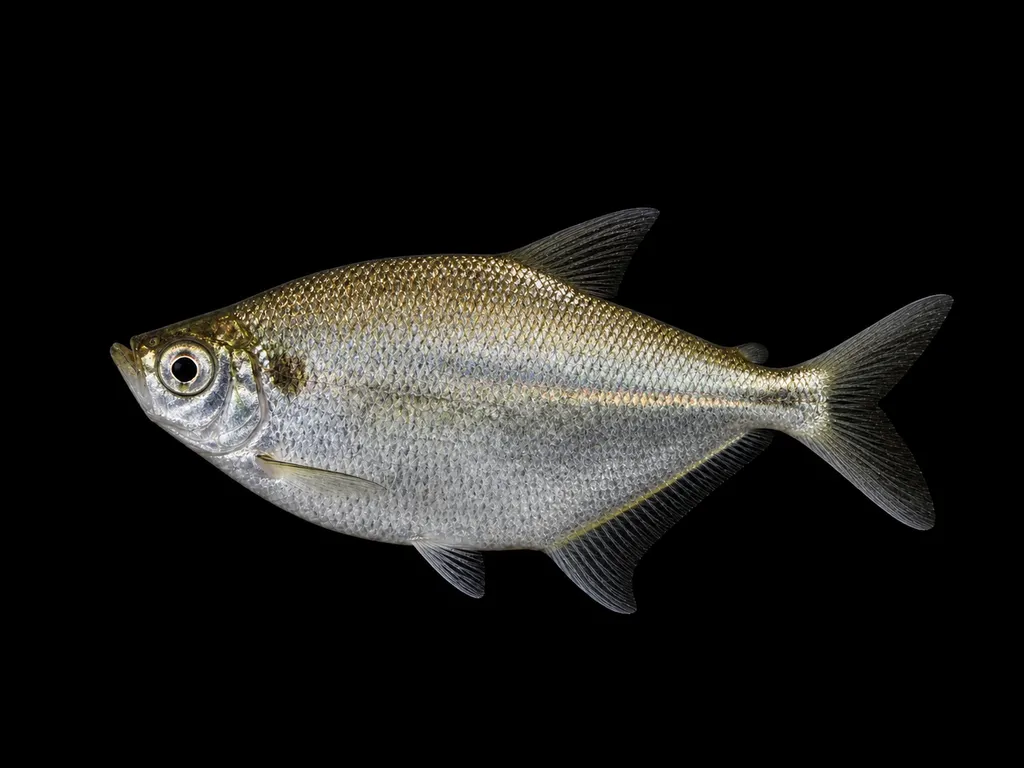
Giant river hatchetfish
Triportheus rotundatus
Freshwater9.8 in (25 cm) · 79 gal (300 L)73–82°F (23–28°C)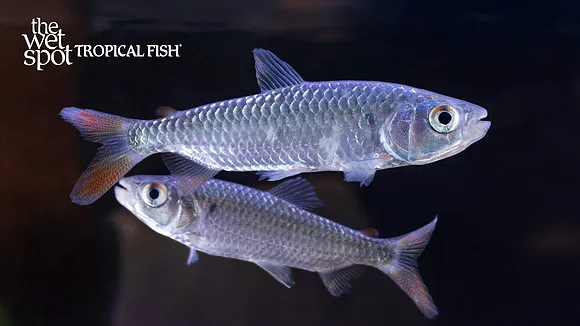
Nurse tetra
Brachyalestes nurse
Freshwater9.8 in (25 cm) · 106 gal (400 L)73–82°F (23–28°C)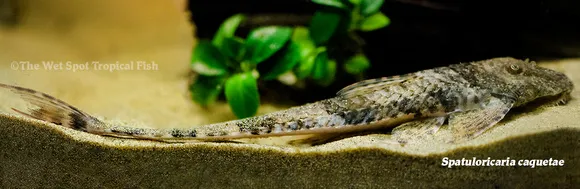
Caquetá whiptail
Spatuloricaria caquetae
Freshwater13.8 in (35 cm) · 106 gal (400 L)75–82°F (24–28°C)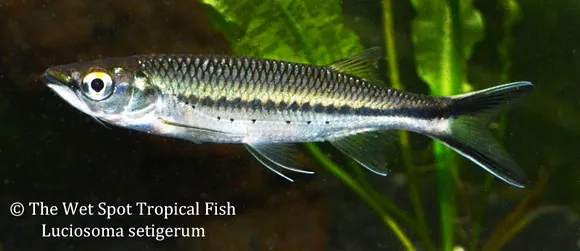
Apollo shark minnow
Luciosoma setigerum
Freshwater11.8 in (30 cm) · 106 gal (400 L)72–81°F (22–27°C)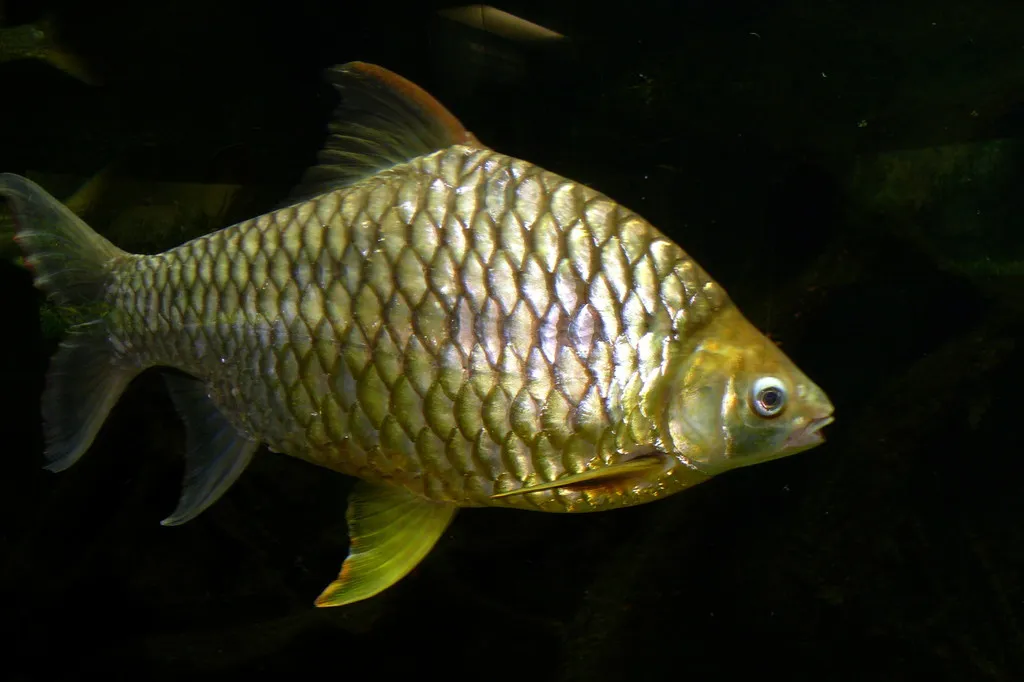
Lemon-fin barb
Hypsibarbus wetmorei
Freshwater9.8 in (25 cm) · 106 gal (400 L)72–82°F (22–28°C)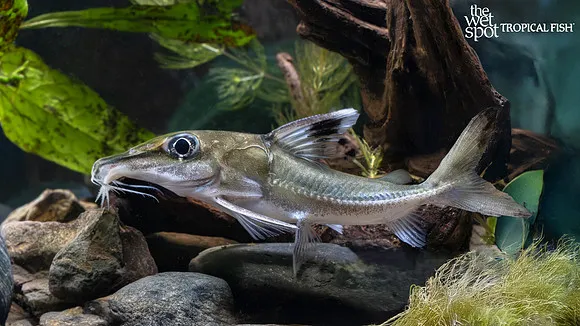
Black-top mouse catfish
Hassar orestis
Freshwater11.8 in (30 cm) · 106 gal (400 L)73–82°F (23–28°C)
Common questions
What size tank does a Fine-spotted eartheater need?
A Fine-spotted eartheater needs at least 106 gal (400 L). It spends most of its time in the bottom.
What temperature and pH does a Fine-spotted eartheater need?
A Fine-spotted eartheater is comfortable at 77–84°F (25–29°C) with a pH of 5.5–7.0.
How big does a Fine-spotted eartheater get?
An adult Fine-spotted eartheater reaches about 6.7 in (17 cm).
Related species
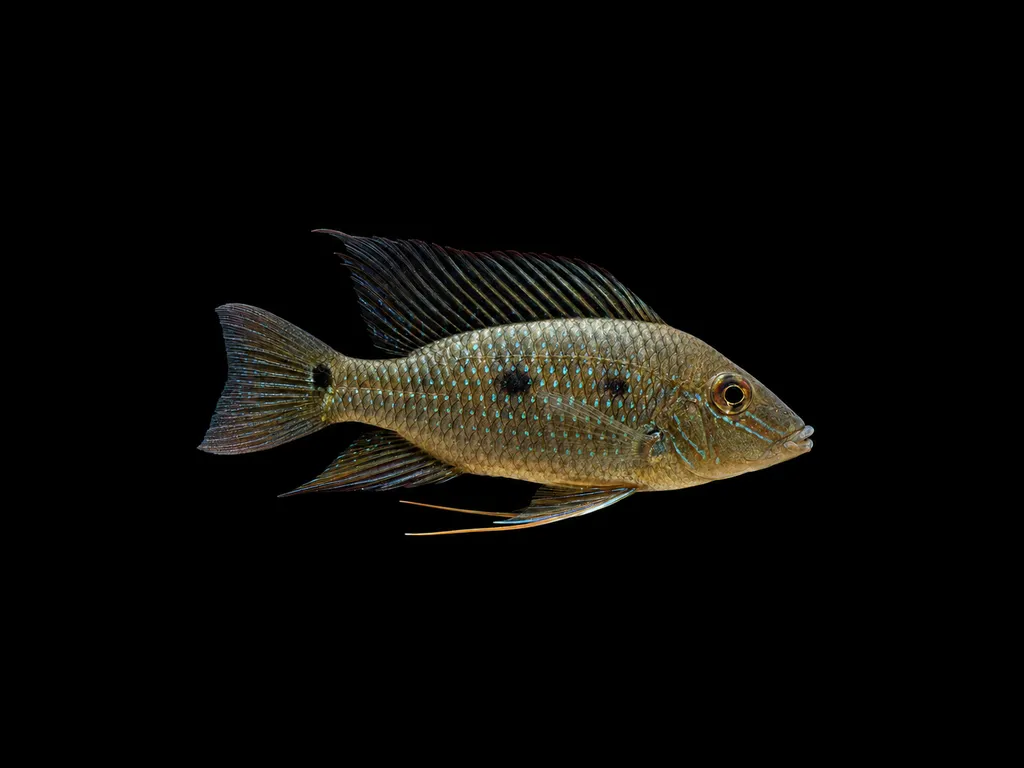 7.9 in (20 cm)119 gal (450 L)77–84°F (25–29°C)
Sharphead demonfish
Satanoperca acuticeps
7.9 in (20 cm) · 119 gal (450 L)
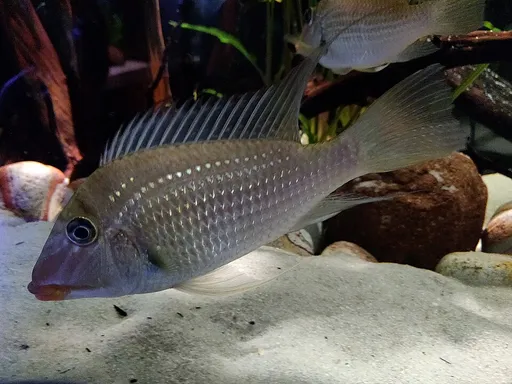 7.1 in (18 cm)119 gal (450 L)75–82°F (24–28°C)
Demon eartheater
Satanoperca jurupari
7.1 in (18 cm) · 119 gal (450 L)
 7.1 in (18 cm)79 gal (300 L)75–84°F (24–29°C)
Whitespot eartheater
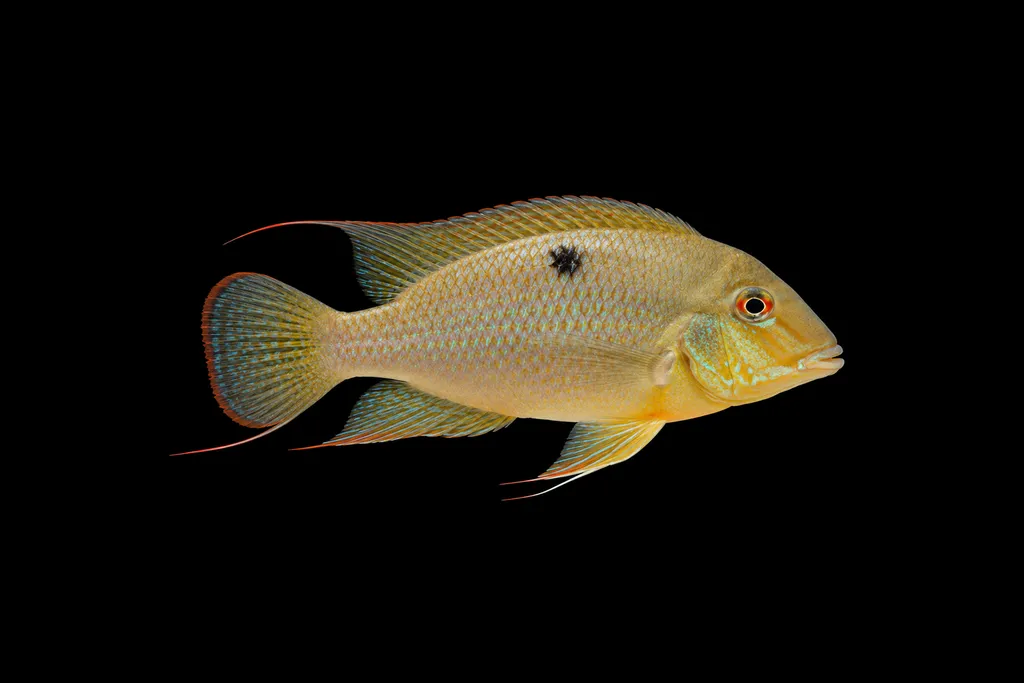
Satanoperca leucosticta
7.1 in (18 cm) · 79 gal (300 L)
 11.8 in (30 cm)159 gal (600 L)77–84°F (25–29°C)
Lilith demonfish
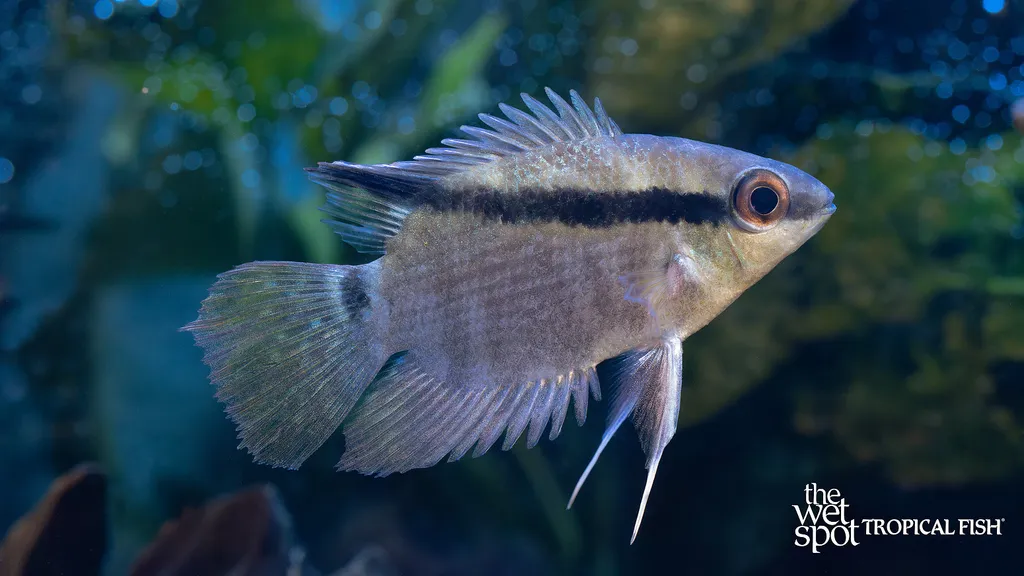
Satanoperca lilith
11.8 in (30 cm) · 159 gal (600 L)
 9.8 in (25 cm)119 gal (450 L)79–86°F (26–30°C)
Threespot eartheater
Satanoperca daemon
9.8 in (25 cm) · 119 gal (450 L)
 6.7 in (17 cm)106 gal (400 L)77–84°F (25–29°C)
Brachybranchus eartheater
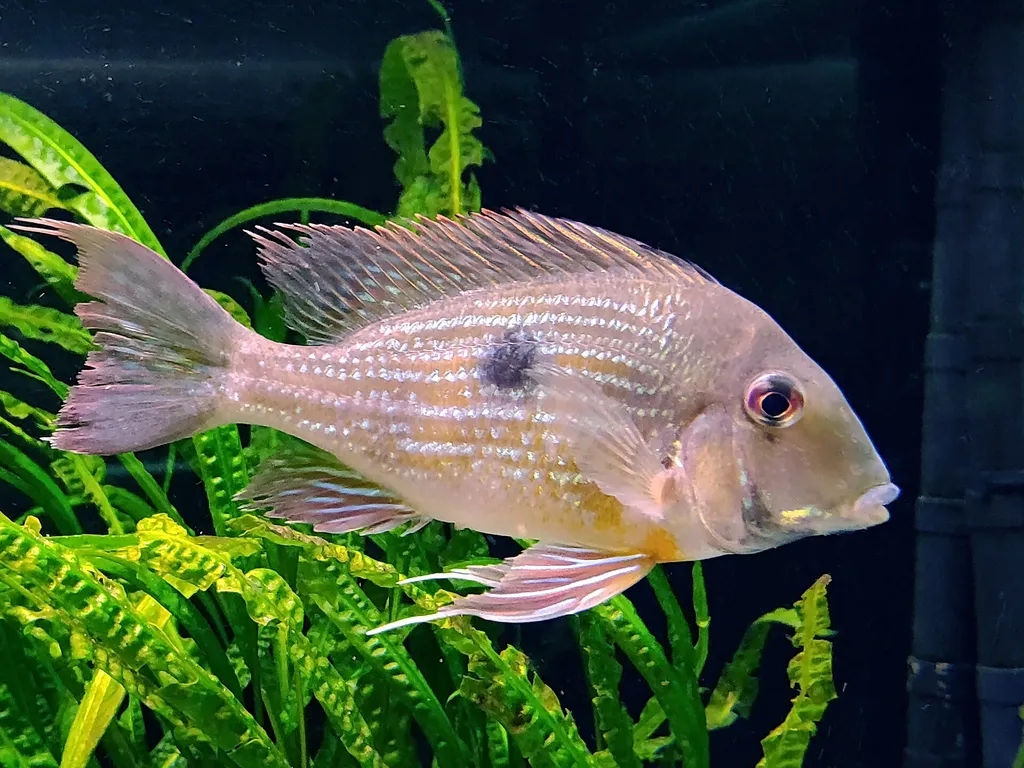
Geophagus brachybranchus
6.7 in (17 cm) · 106 gal (400 L)