Brachybranchus eartheater
Geophagus brachybranchus
Also known as Squarehead eartheater
FreshwaterFish
Care at a glance
- Temperature
- 77–84°F
- 25–29°C
- pH
- 5.5–7.2
- Adult size
- 6.7 in
- 17 cm
- Minimum tank
- 106 gal
- 400 L
- Temperament
- Mostly peaceful
- Social behavior
- Social
- Swim level
- Bottom
- Difficulty
- Medium
- Breeding
- Mouthbrooder · Medium
- Rarity
- Rare
- Family
- Cichlidae
- Origin
- Guyana and Suriname rivers
Overview
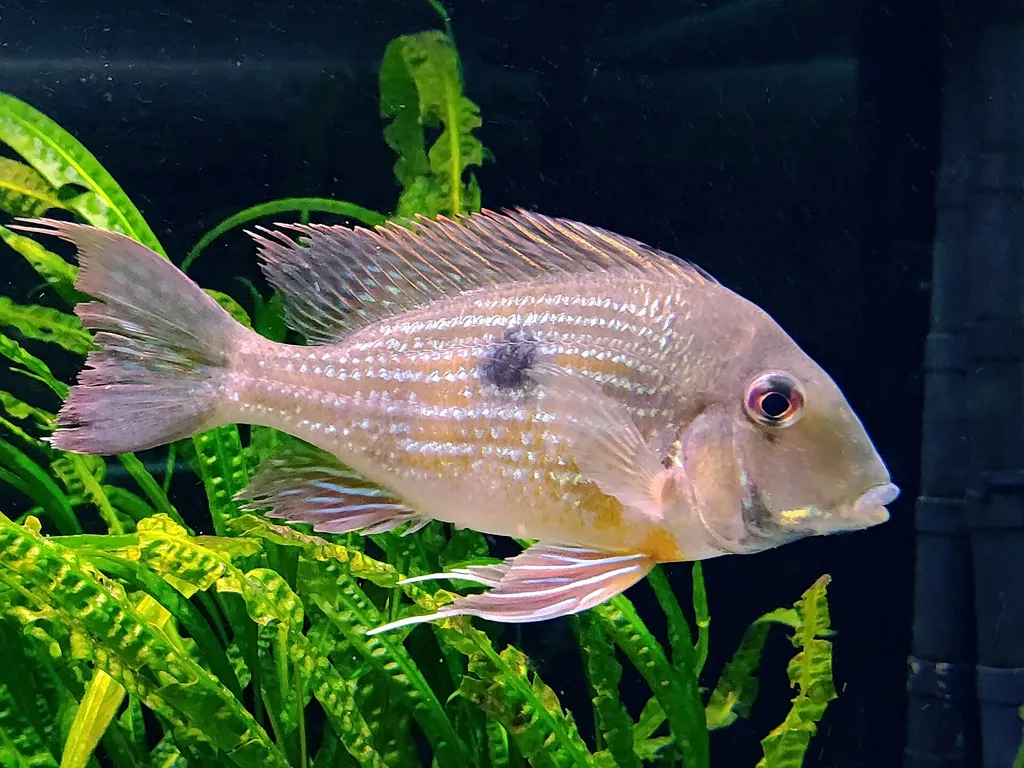
The Brachybranchus eartheater is a peaceful, gregarious sand-sifting cichlid from the Guianas. It is a step up from the easiest fish and suits a large tank.
Did you know
For decades the Brachybranchus eartheater was shipped and sold under the name of its lookalike, Geophagus surinamensis. The fish was only sorted out later. Many older aquarium books and imports labeled surinamensis were really this fish or another close relative.
Caring for the Brachybranchus eartheater
Keep Brachybranchus eartheaters in a group of five or more, so the mild pecking order spreads out. A group needs a long tank of at least 106 gal (400 L). Lay a deep bed of soft sand they can sift without harming themselves, with some driftwood, rounded rock and a gentle current.
Hold the water at 77 to 84°F (25 to 29°C) and a pH of 5.5 to 7.2. The Brachybranchus eartheater works the bottom constantly, taking up mouthfuls of fine sand and sieving out food through its gills. A soft sand floor is not optional for it. Feed sinking pellets, frozen bloodworm, brine shrimp and mysis, and let plenty reach the sand.
It is peaceful for its size, but it is a large fish that needs space. Pair it with other calm, medium to large community fish.
It is a delayed mouthbrooder, and breeding it is of medium difficulty. The parents let the eggs hatch on a surface, then take the wrigglers into their mouths to finish rearing them.
Good to know
Geophagus brachybranchus belongs to the cichlid family. It is part of the Geophagus surinamensis group of Guiana Shield eartheaters.
In the wild
Geophagus brachybranchus lives in rivers and creeks of the Guiana Shield in Guyana and Suriname, over beds of sand and fine gravel. The water is warm and soft to neutral, often tea-stained.
Weekly picks
Tank mates
The Brachybranchus eartheater is a mostly peaceful, social species that keeps to the bottom. These picks share a community profile with it, are safe together in both directions, and overlap on water type, temperature and pH.
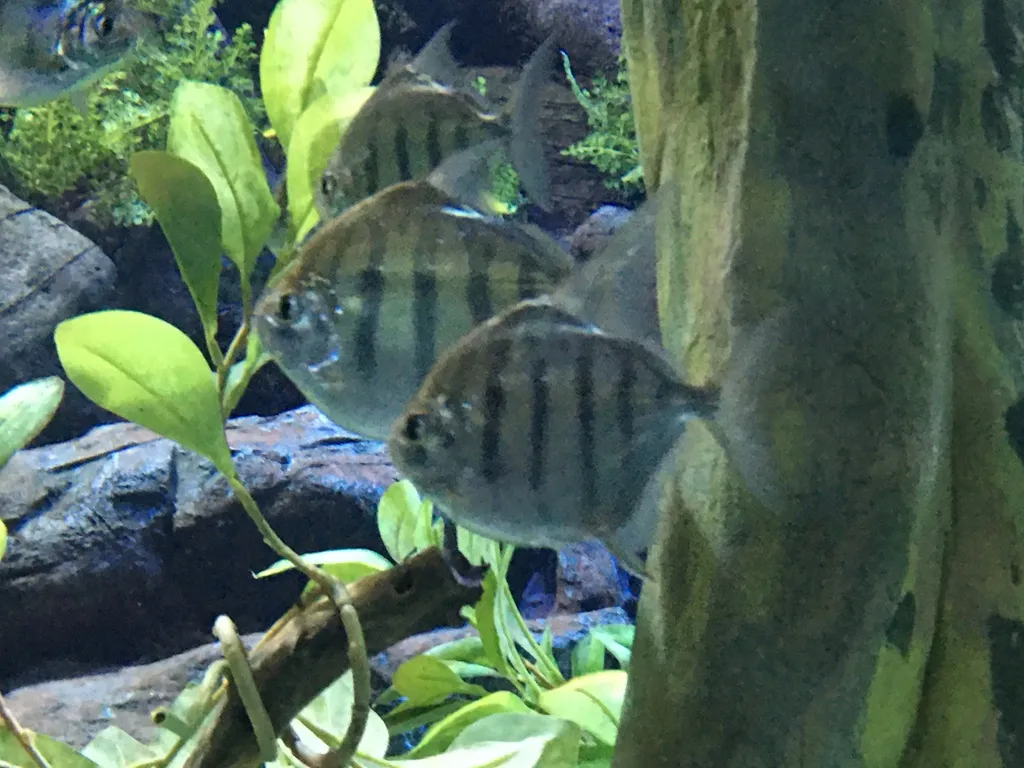
Banded silver dollar
Metynnis fasciatus
Freshwater3.9 in (10 cm) · 70 gal (265 L)75–82°F (24–28°C)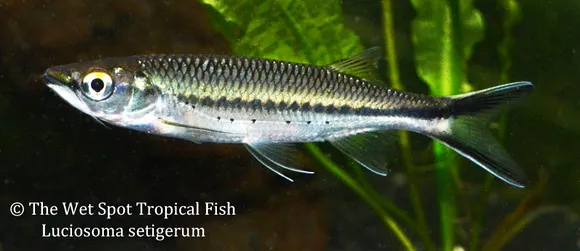
Apollo shark minnow
Luciosoma setigerum
Freshwater11.8 in (30 cm) · 106 gal (400 L)72–81°F (22–27°C)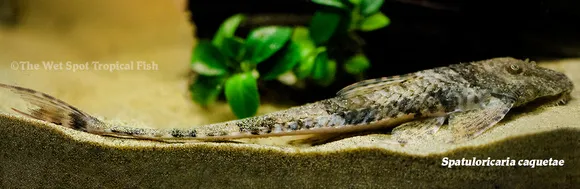
Caquetá whiptail
Spatuloricaria caquetae
Freshwater13.8 in (35 cm) · 106 gal (400 L)75–82°F (24–28°C)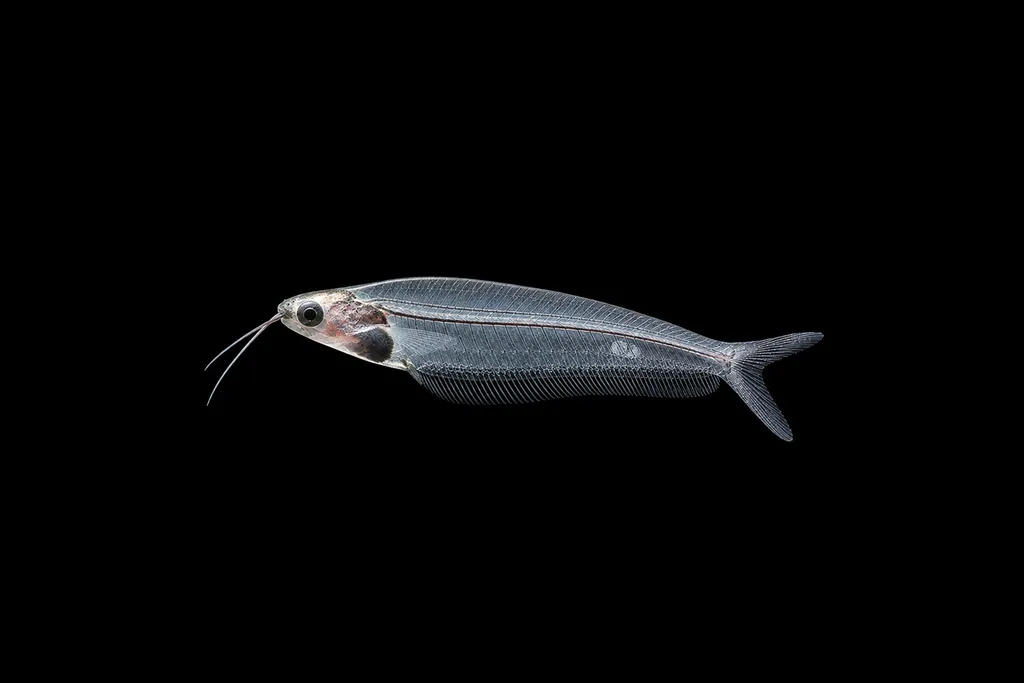
Mekong glass sheatfish
Kryptopterus limpok
Freshwater11.8 in (30 cm) · 119 gal (450 L)73–81°F (23–27°C)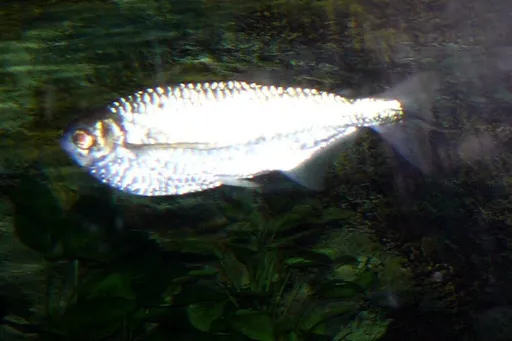
Narrow hatchetfish
Triportheus angulatus
Freshwater9.8 in (25 cm) · 79 gal (300 L)73–82°F (23–28°C)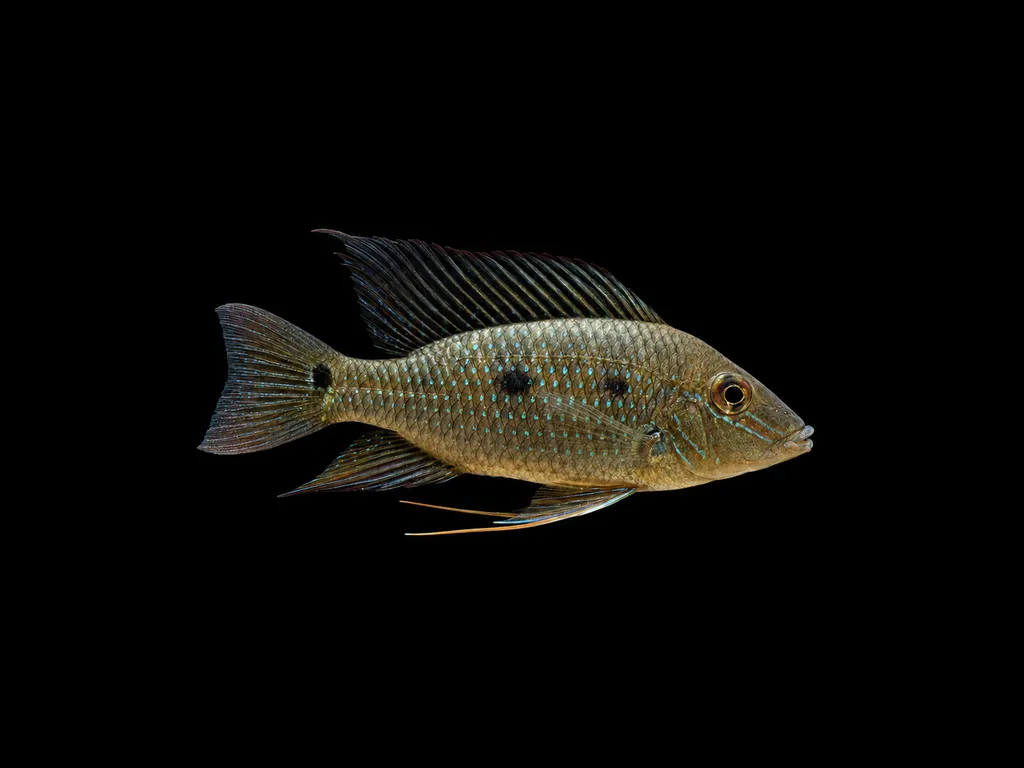
Sharphead demonfish
Satanoperca acuticeps
Freshwater7.9 in (20 cm) · 119 gal (450 L)77–84°F (25–29°C)
Common questions
What size tank does a Brachybranchus eartheater need?
A Brachybranchus eartheater needs at least 106 gal (400 L). It spends most of its time in the bottom.
What temperature and pH does a Brachybranchus eartheater need?
A Brachybranchus eartheater is comfortable at 77–84°F (25–29°C) with a pH of 5.5–7.2.
What does a Brachybranchus eartheater eat?
A Brachybranchus eartheater takes up mouthfuls of sand and sieves out food through its gills. Feed it sinking pellets, frozen bloodworm, brine shrimp and mysis, and let plenty reach the sand.
How big does a Brachybranchus eartheater get?
An adult Brachybranchus eartheater reaches about 6.7 in (17 cm).
How does a Brachybranchus eartheater breed?
A Brachybranchus eartheater is a delayed mouthbrooder. The parents let the eggs hatch on a surface, then take the wrigglers into their mouths to finish rearing them. Breeding is of medium difficulty.
Related species
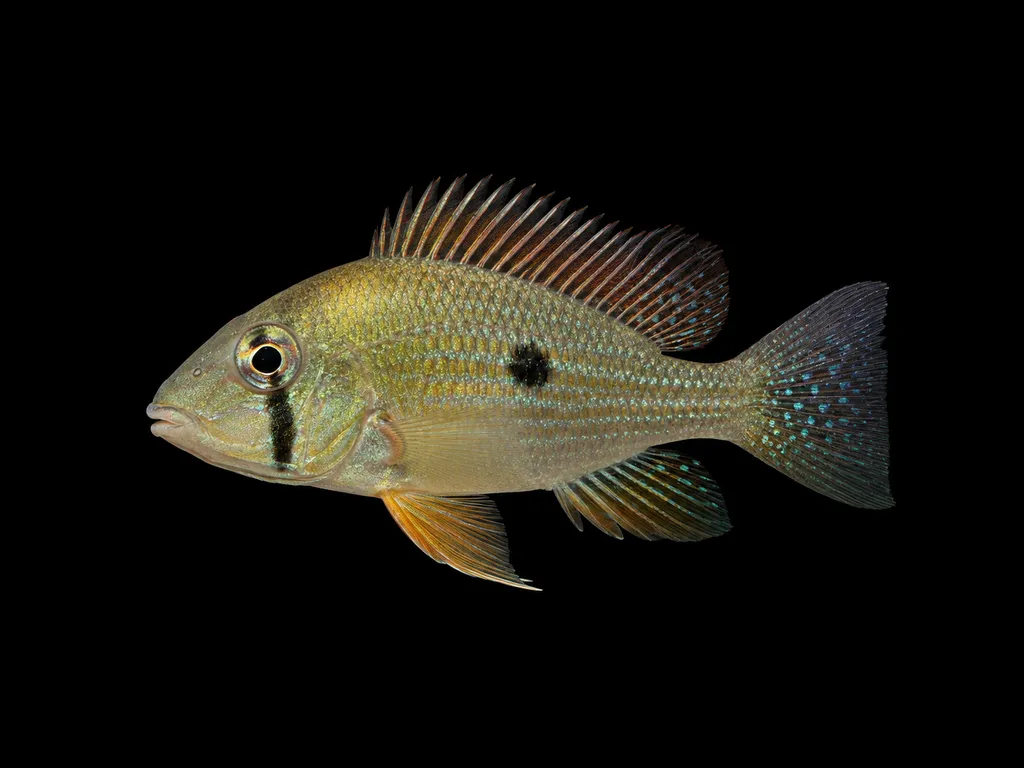 6.7 in (17 cm)106 gal (400 L)77–84°F (25–29°C)
Cheekband eartheater
Geophagus taeniopareius
6.7 in (17 cm) · 106 gal (400 L)
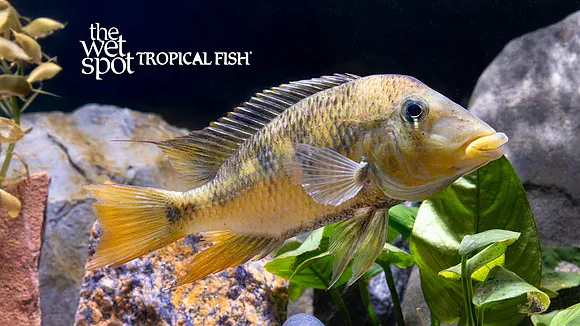 7.1 in (18 cm)106 gal (400 L)77–84°F (25–29°C)
Yellowhump eartheater
Geophagus pellegrini
7.1 in (18 cm) · 106 gal (400 L)
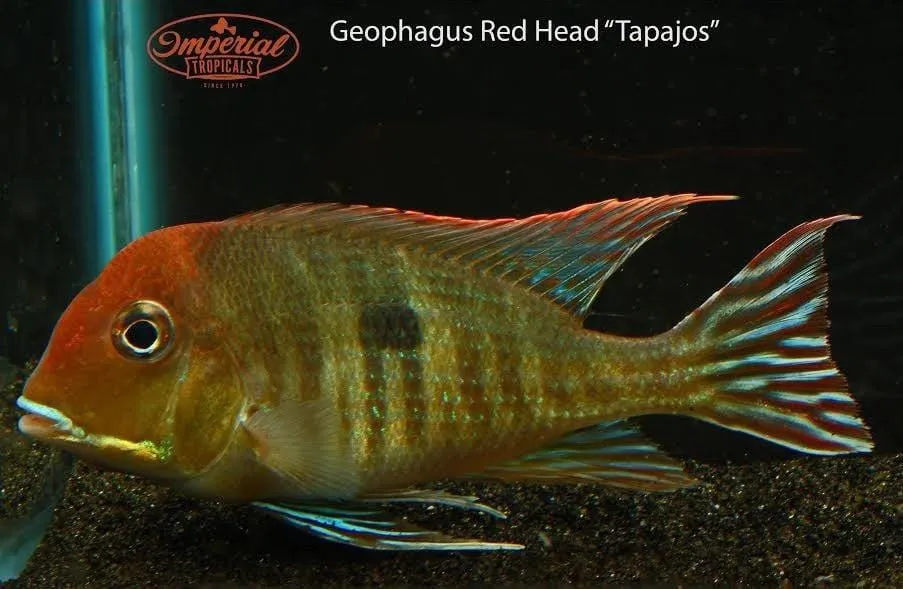 6.3 in (16 cm)79 gal (300 L)79–86°F (26–30°C)
Red head Tapajos
Geophagus pyrocephalus
6.3 in (16 cm) · 79 gal (300 L)
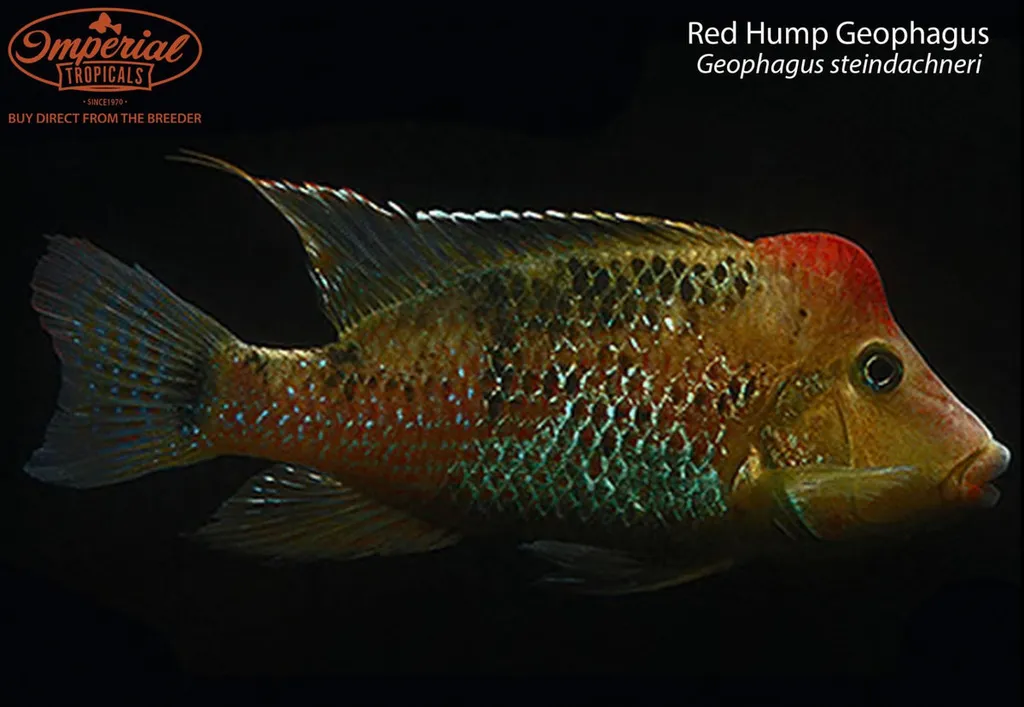 5.9 in (15 cm)53 gal (200 L)72–82°F (22–28°C)
Red hump eartheater
Geophagus steindachneri
5.9 in (15 cm) · 53 gal (200 L)
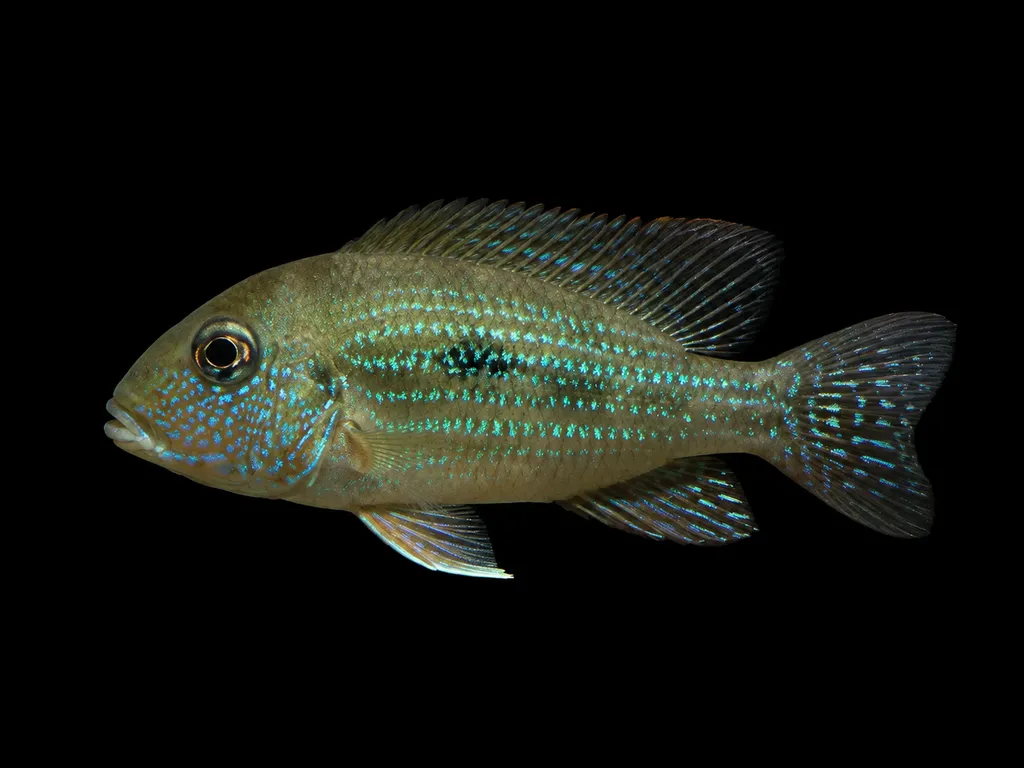 7.9 in (20 cm)106 gal (400 L)77–84°F (25–29°C)
Mirabilis eartheater
Geophagus mirabilis
7.9 in (20 cm) · 106 gal (400 L)
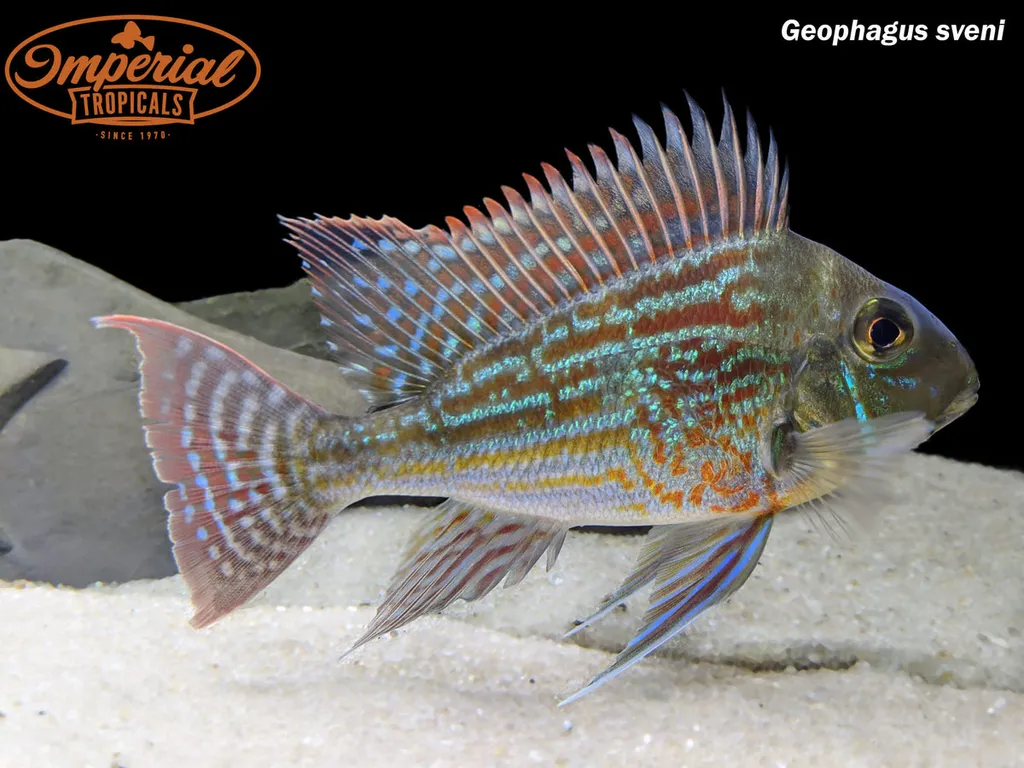 7.9 in (20 cm)119 gal (450 L)77–84°F (25–29°C)
Sveni eartheater
Geophagus sveni
7.9 in (20 cm) · 119 gal (450 L)