Red hump eartheater
Geophagus steindachneri
Also known as Redhump eartheater, Colombian redhead eartheater, Geophagus hondae, Geophagus magdalenae, Red Hump Cichlid, Red hump geophagus
FreshwaterFish
Care at a glance
- Temperature
- 72–82°F
- 22–28°C
- pH
- 6.0–7.5
- Adult size
- 5.9 in
- 15 cm
- Minimum tank
- 53 gal
- 200 L
- Temperament
- Mostly peaceful
- Social behavior
- Social
- Swim level
- Bottom
- Difficulty
- Easy
- Breeding
- Mouthbrooder · Easy
- Rarity
- Very common
- Family
- Cichlidae
- Origin
- Magdalena, Cauca, and Sinu river systems of Colombia and the Maracaibo basin of Venezuela, in sandy forest streams and slow backwaters.
Overview
The red hump eartheater is a sand-sifting cichlid from Colombia and Venezuela that lives in groups. It is an easy fish to keep.
Did you know
The red hump eartheater hybridizes readily with related species, just as easily as it spawns with its own kind.
Caring for the red hump eartheater
Keep a group of red hump eartheaters in at least 53 gal (200 L). Give them a deep, soft sand bed and open swimming space, with some rocks and wood.
Keep the water at 72 to 82°F (22 to 28°C) with a pH of 6.0 to 7.5. They spend the day taking mouthfuls of sand and sifting out food, and a soft bottom lets them feed naturally. Feed sinking pellets and frozen foods as well.
They are mostly peaceful, but males chase rivals, so avoid keeping two males in a small tank. Keep one male to several females to spread out his attention.
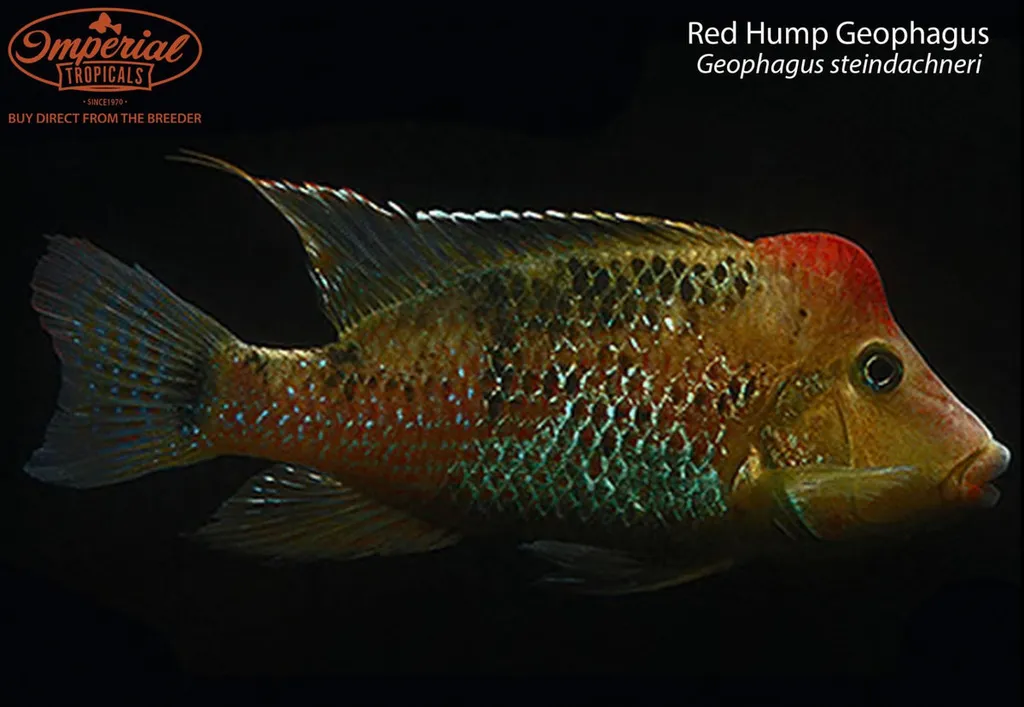
Males develop a bright red or orange nuchal hump as they mature, which gives the fish its common name. It is one of the easiest eartheaters to breed and spawns readily. It is an immediate mouthbrooder, and the female holds the eggs in her mouth for around two weeks.
Good to know
Geophagus steindachneri is a cichlid of the family Cichlidae, in the steindachneri species-group rather than the true Geophagus. Other names for it include Colombian redhead eartheater, Geophagus hondae and Geophagus magdalenae.
In the wild
The red hump eartheater lives in the Magdalena, Cauca and Sinu river systems of Colombia, and in the Maracaibo basin of Venezuela. It prefers sandy stretches of forest streams and slow backwaters.
Weekly picks
Tank mates
The red hump eartheater is a mostly peaceful, social species that keeps to the bottom. These picks share a community profile with it, are safe together in both directions, and overlap on water type, temperature and pH.
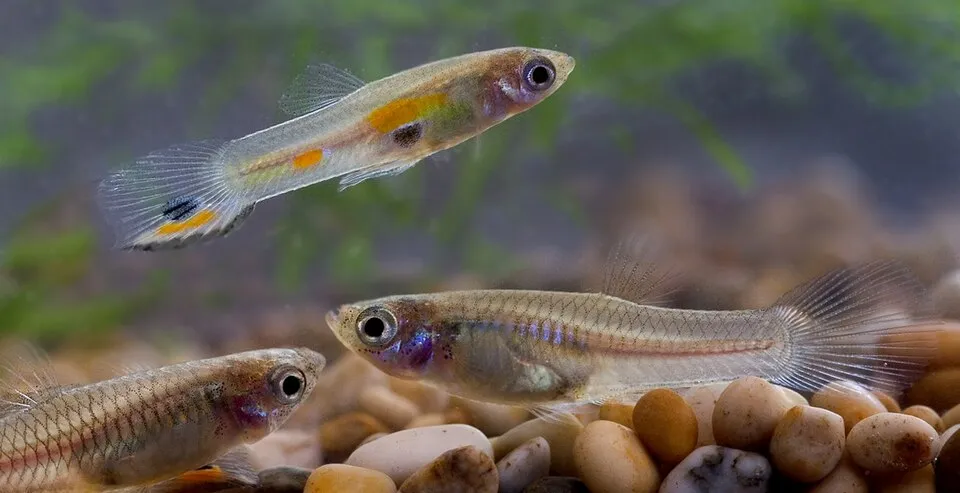
Guppy
Poecilia reticulata
FreshwaterBrackish2.4 in (6 cm) · 10 gal (38 L)64–82°F (18–28°C)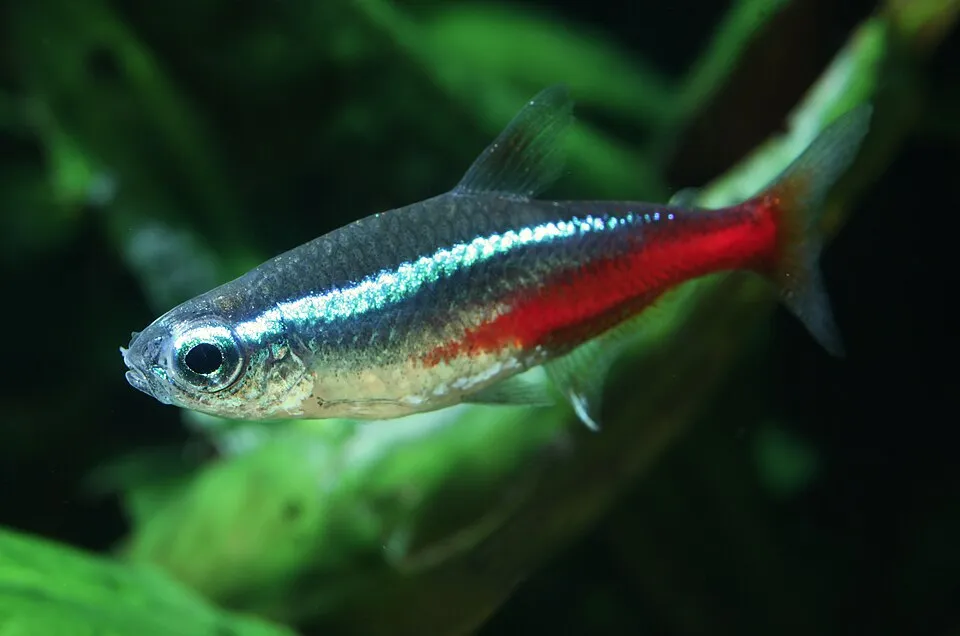
Neon tetra
Paracheirodon innesi
Freshwater1.5 in (3.8 cm) · 11 gal (40 L)70–77°F (21–25°C)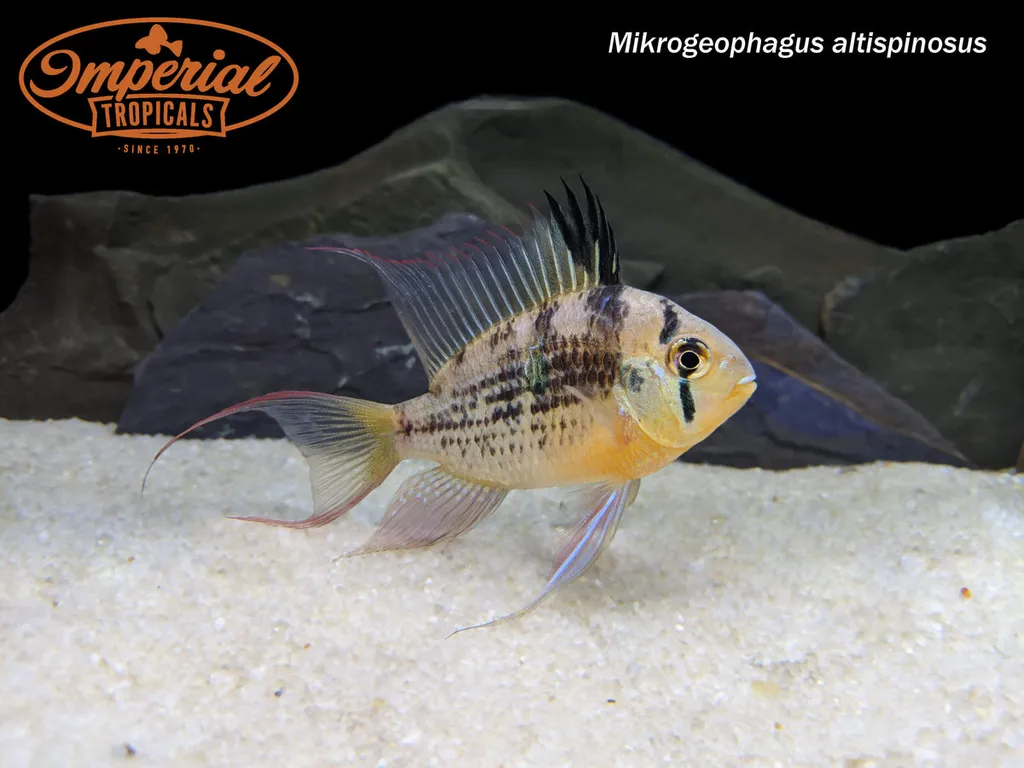
Bolivian ram
Mikrogeophagus altispinosus
Freshwater3.1 in (8 cm) · 45 gal (170 L)75–82°F (24–28°C)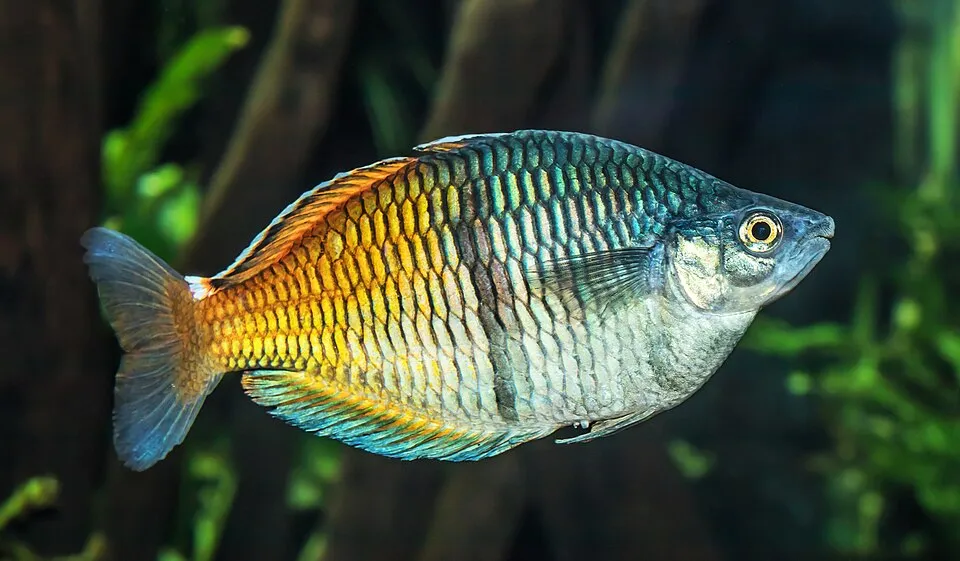
Boeseman's rainbowfish
Melanotaenia boesemani
Freshwater4.3 in (11 cm) · 29 gal (108 L)81–86°F (27–30°C)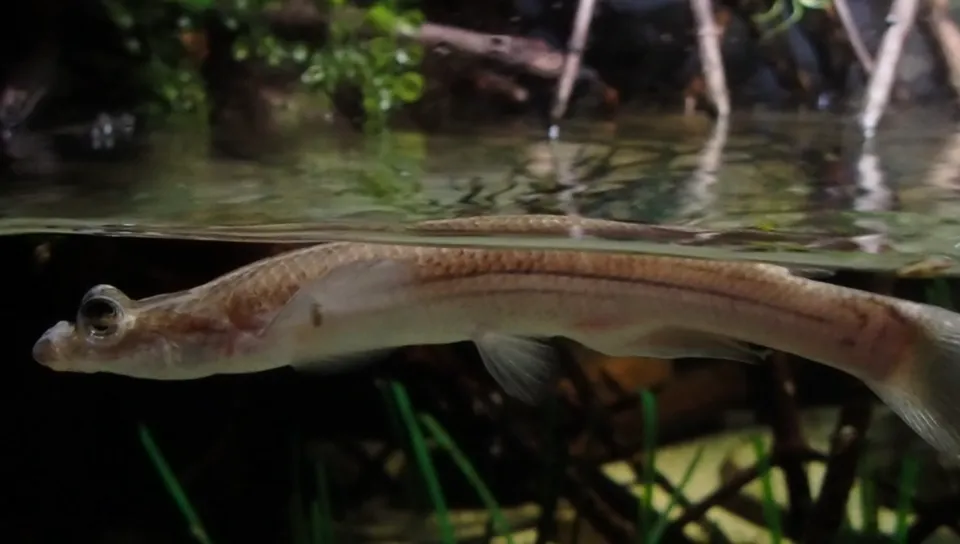
Largescale four-eyed fish
Anableps anableps
FreshwaterBrackish11.8 in (30 cm) · 70 gal (265 L)77–88°F (25–31°C)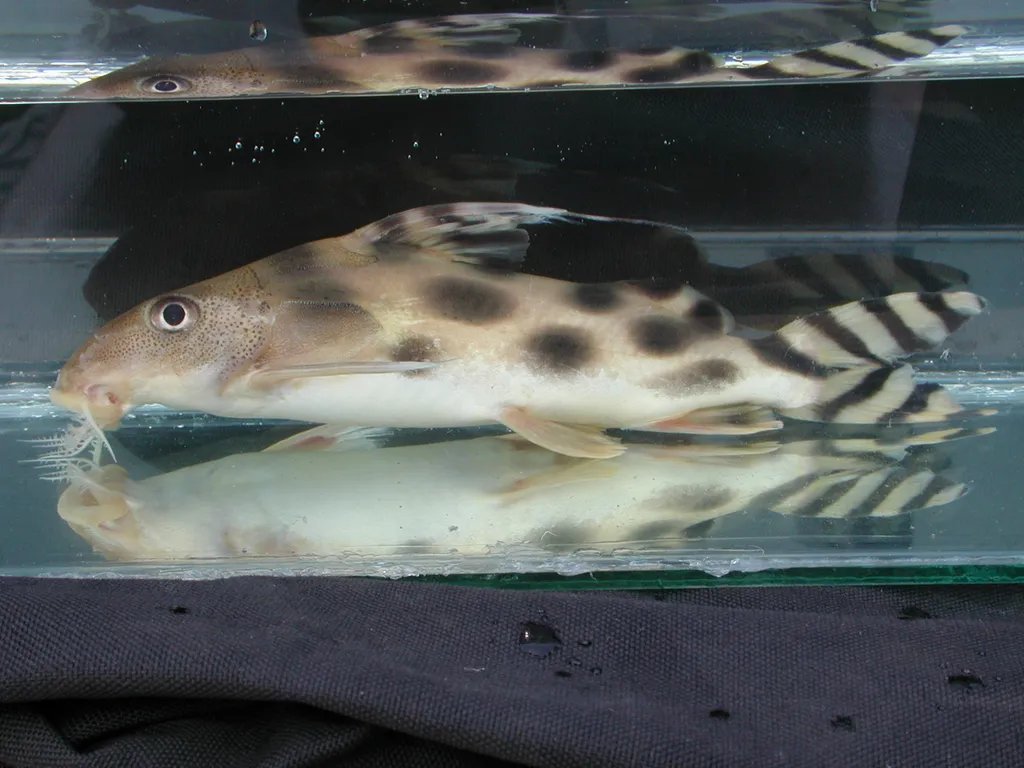
Decorated squeaker
Synodontis decorus
Freshwater11.8 in (30 cm) · 53 gal (200 L)72–81°F (22–27°C)
Common questions
What size tank does a red hump eartheater need?
A red hump eartheater needs at least 53 gal (200 L). It spends most of its time in the bottom.
What temperature and pH does a red hump eartheater need?
A red hump eartheater is comfortable at 72–82°F (22–28°C) with a pH of 6.0–7.5.
What does a red hump eartheater eat?
A red hump eartheater eats sinking pellets and frozen foods. It also takes mouthfuls of sand and sifts out food, so a soft sand bottom lets it feed naturally.
How big does a red hump eartheater get?
An adult red hump eartheater reaches about 5.9 in (15 cm).
How can you tell a male red hump eartheater from a female?
Males develop a bright red or orange nuchal hump as they mature, which gives the fish its common name.
How does a red hump eartheater breed?
The red hump eartheater is an immediate mouthbrooder, and the female holds the eggs in her mouth for around two weeks. It is one of the easiest eartheaters to breed and spawns readily.
Related species
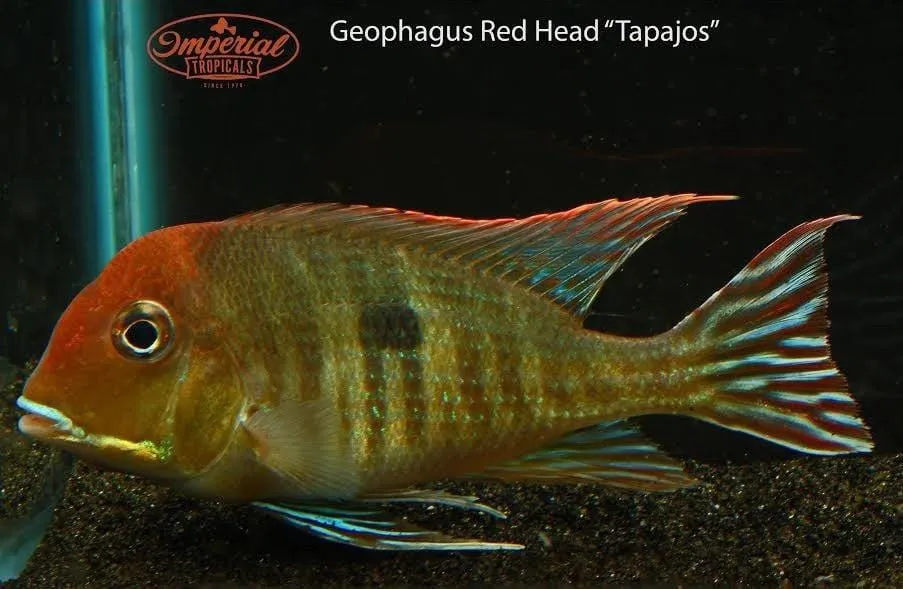 6.3 in (16 cm)79 gal (300 L)79–86°F (26–30°C)
Red head Tapajos
Geophagus pyrocephalus
6.3 in (16 cm) · 79 gal (300 L)
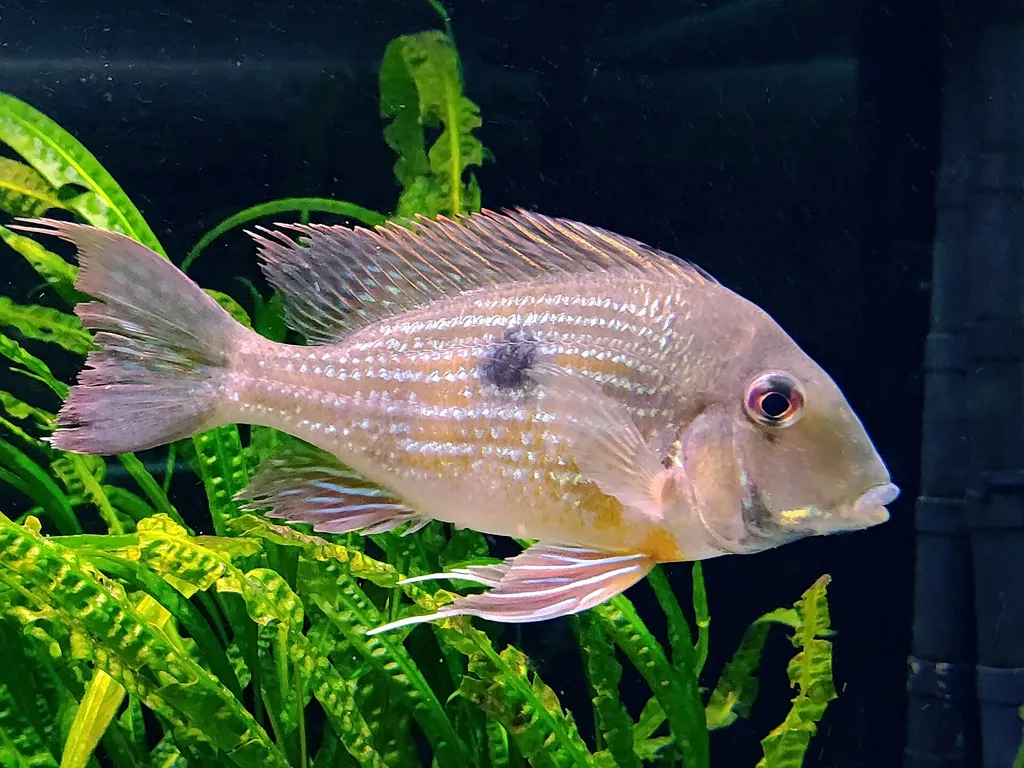 6.7 in (17 cm)106 gal (400 L)77–84°F (25–29°C)
Brachybranchus eartheater
Geophagus brachybranchus
6.7 in (17 cm) · 106 gal (400 L)
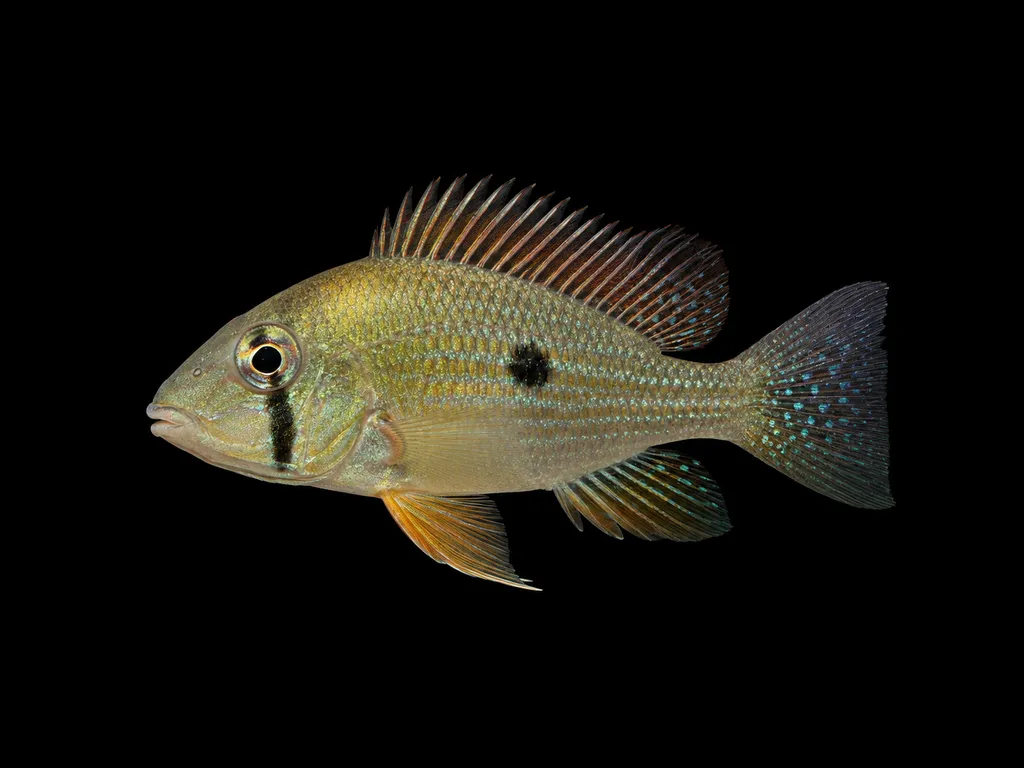 6.7 in (17 cm)106 gal (400 L)77–84°F (25–29°C)
Cheekband eartheater
Geophagus taeniopareius
6.7 in (17 cm) · 106 gal (400 L)
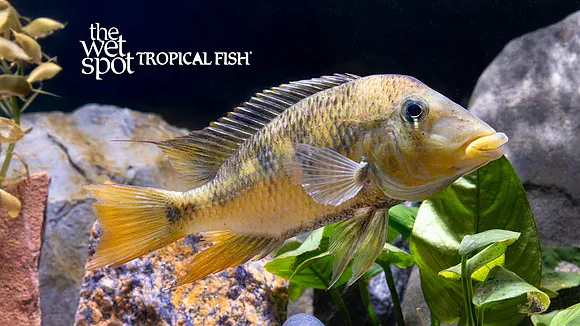 7.1 in (18 cm)106 gal (400 L)77–84°F (25–29°C)
Yellowhump eartheater
Geophagus pellegrini
7.1 in (18 cm) · 106 gal (400 L)
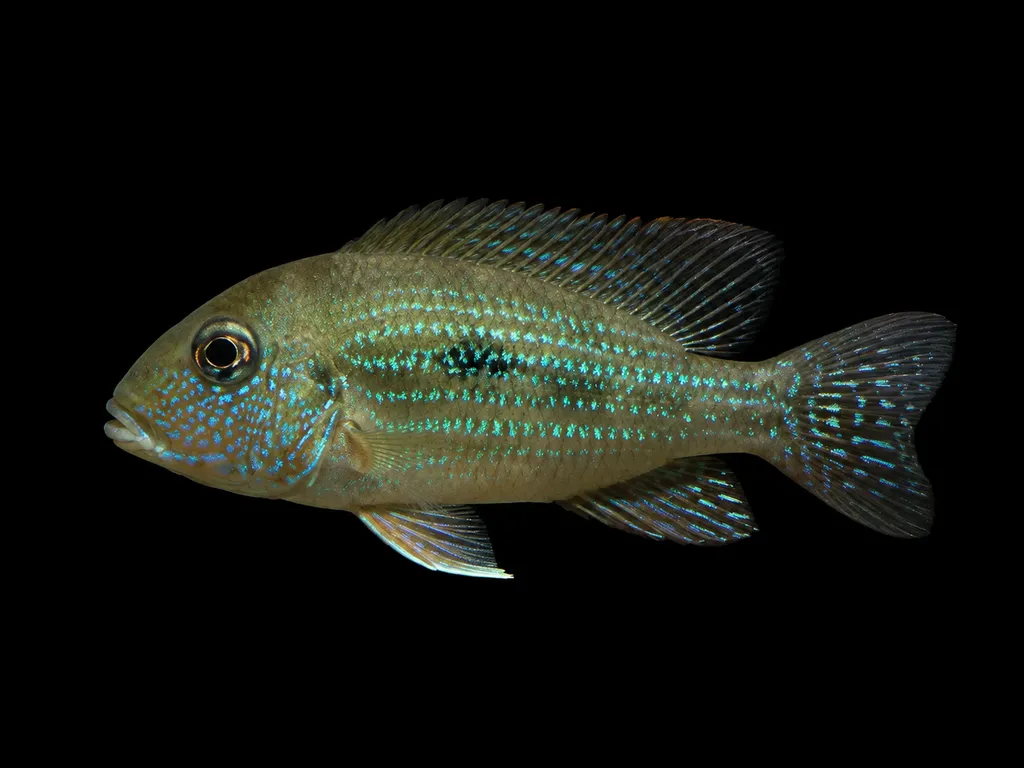 7.9 in (20 cm)106 gal (400 L)77–84°F (25–29°C)
Mirabilis eartheater
Geophagus mirabilis
7.9 in (20 cm) · 106 gal (400 L)
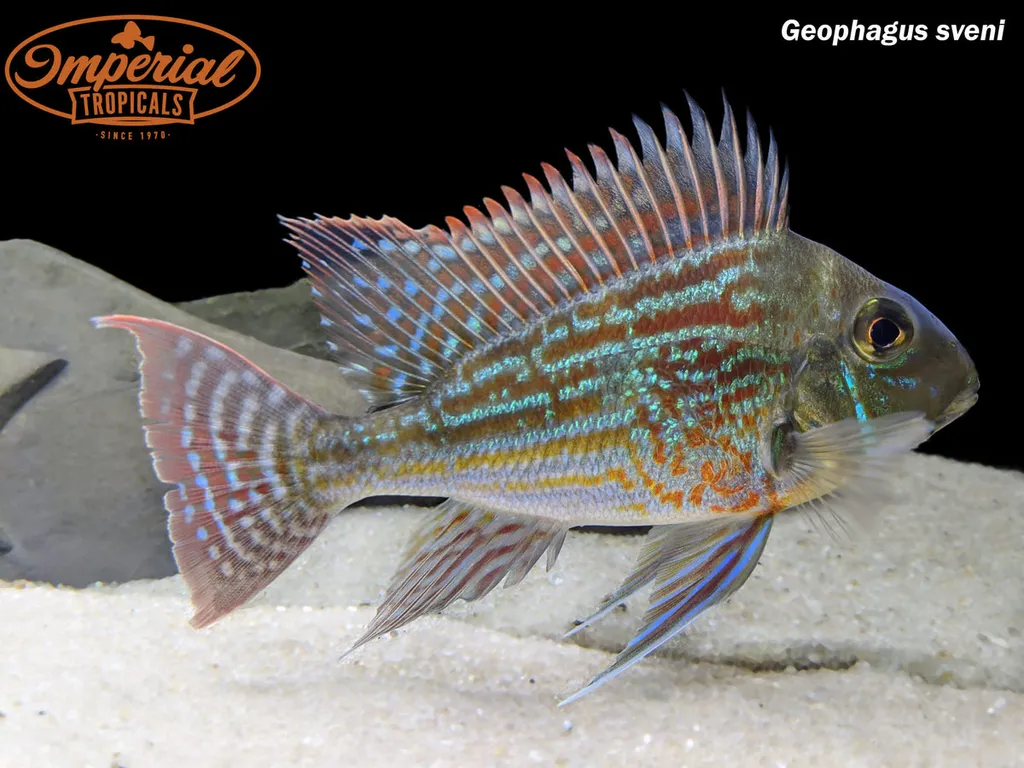 7.9 in (20 cm)119 gal (450 L)77–84°F (25–29°C)
Sveni eartheater
Geophagus sveni
7.9 in (20 cm) · 119 gal (450 L)