Cheekband eartheater
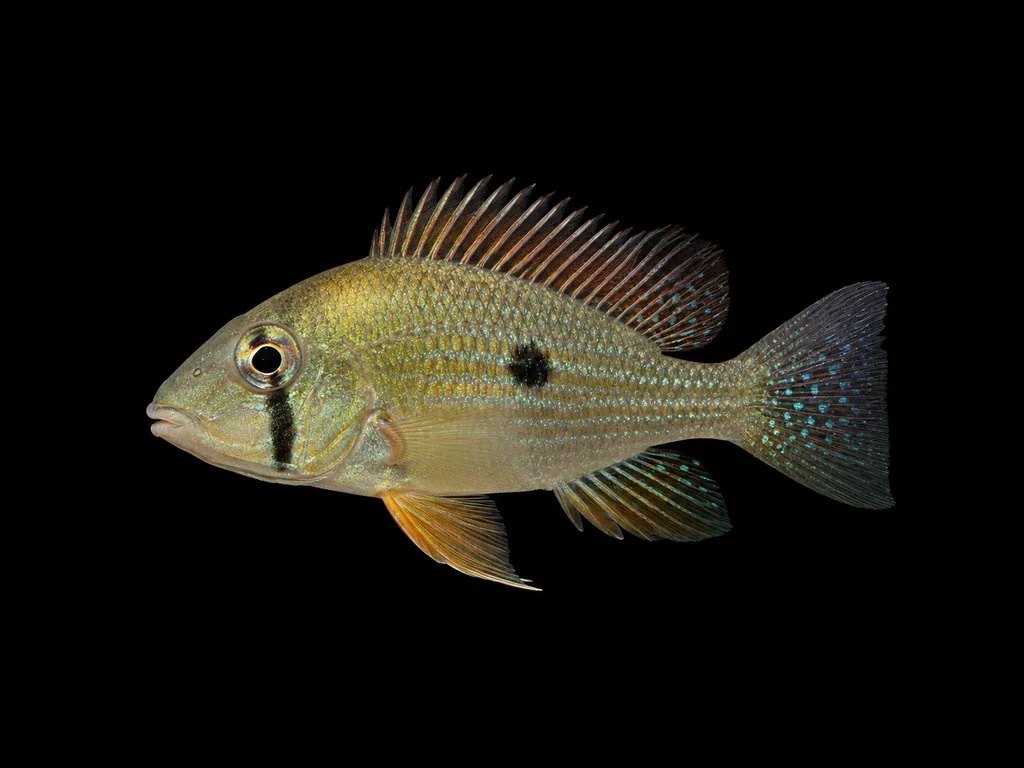
Geophagus taeniopareius
Also known as Taeniopareius eartheater, Cheek stripe eartheater
FreshwaterFish
Care at a glance
- Temperature
- 77–84°F
- 25–29°C
- pH
- 5.5–7.2
- Adult size
- 6.7 in
- 17 cm
- Minimum tank
- 106 gal
- 400 L
- Temperament
- Mostly peaceful
- Social behavior
- Social
- Swim level
- Bottom
- Difficulty
- Medium
- Breeding
- Substrate spawner · Medium
- Rarity
- Rare
- Family
- Cichlidae
- Origin
- Orinoco basin
Overview
The cheekband eartheater is a sand-sifting cichlid from the Orinoco for the bottom of a long, sandy tank. It suits a keeper with a little cichlid experience.
Did you know
Most eartheaters carry their eggs and young in their mouths, but the cheekband eartheater does not. It is one of the few members of its genus to raise a brood the old-fashioned way, in the open.
Caring for the cheekband eartheater
Keep cheekband eartheaters in a group of five or more. A larger group spreads out the squabbling that breaks out among just two or three. Give them a long tank of at least 106 gal (400 L), with open sand and some wood.
A deep bed of soft sand is the single most important thing you can provide. They spend the day taking mouthfuls of sand and sorting out the edible bits, and sharp gravel can damage their gills. Add driftwood, some rounded stones and tough plants such as Anubias fixed to the wood rather than rooted in the sand.
Keep the water at 77 to 84°F (25 to 29°C) and a pH of 5.5 to 7.2. Feed sinking foods. They are generally peaceful toward other fish and mix well with sturdy midwater schooling fish. They can be pushy with their own kind at spawning time.
They are substrate spawners, and breeding them is moderately difficult. A pair cleans a surface, lays a couple of hundred eggs and guards them where they were laid. Good water quality is key to bringing them into breeding condition.
Good to know
The cheekband eartheater, Geophagus taeniopareius, belongs to the family Cichlidae. Its name means banded cheek, for the dark stripe that runs from the eye down across the gill cover.
In the wild
The cheekband eartheater comes from the upper Orinoco in Venezuela and Colombia, including fast, sandy stretches near rapids. The water there is warm and soft to slightly acidic.
Weekly picks
Tank mates
The cheekband eartheater is a mostly peaceful, social species that keeps to the bottom. These picks share a community profile with it, are safe together in both directions, and overlap on water type, temperature and pH.
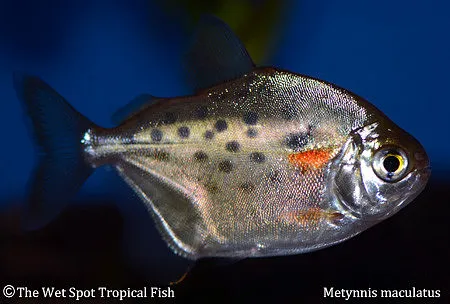
Spotted metynnis
Metynnis maculatus
Freshwater7.1 in (18 cm) · 92 gal (350 L)73–82°F (23–28°C)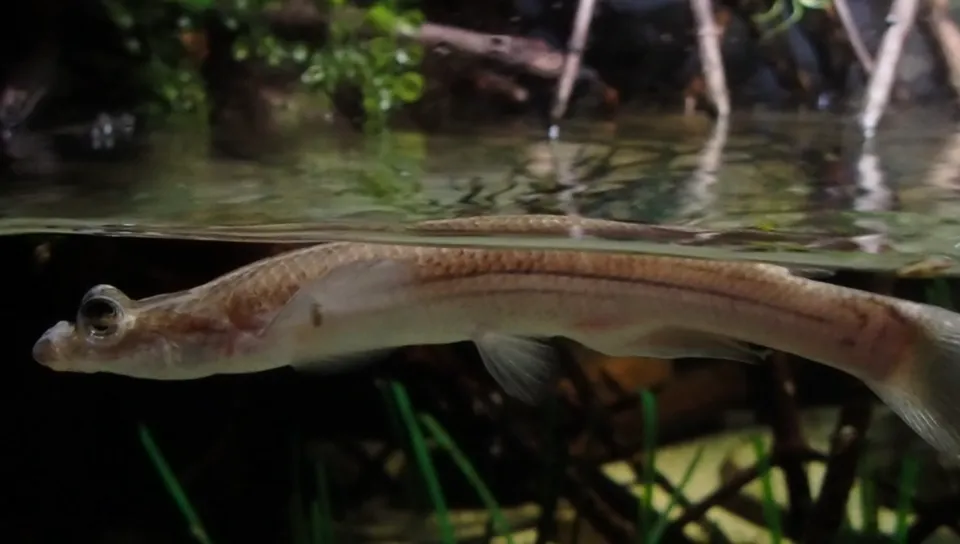
Largescale four-eyed fish
Anableps anableps
FreshwaterBrackish11.8 in (30 cm) · 70 gal (265 L)77–88°F (25–31°C)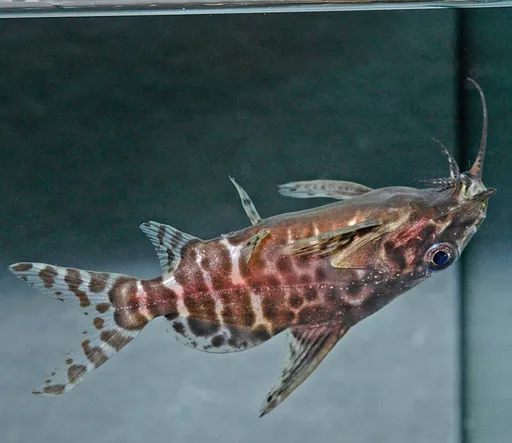
Giant upside-down catfish
Synodontis batensoda
Freshwater11.8 in (30 cm) · 79 gal (300 L)72–81°F (22–27°C)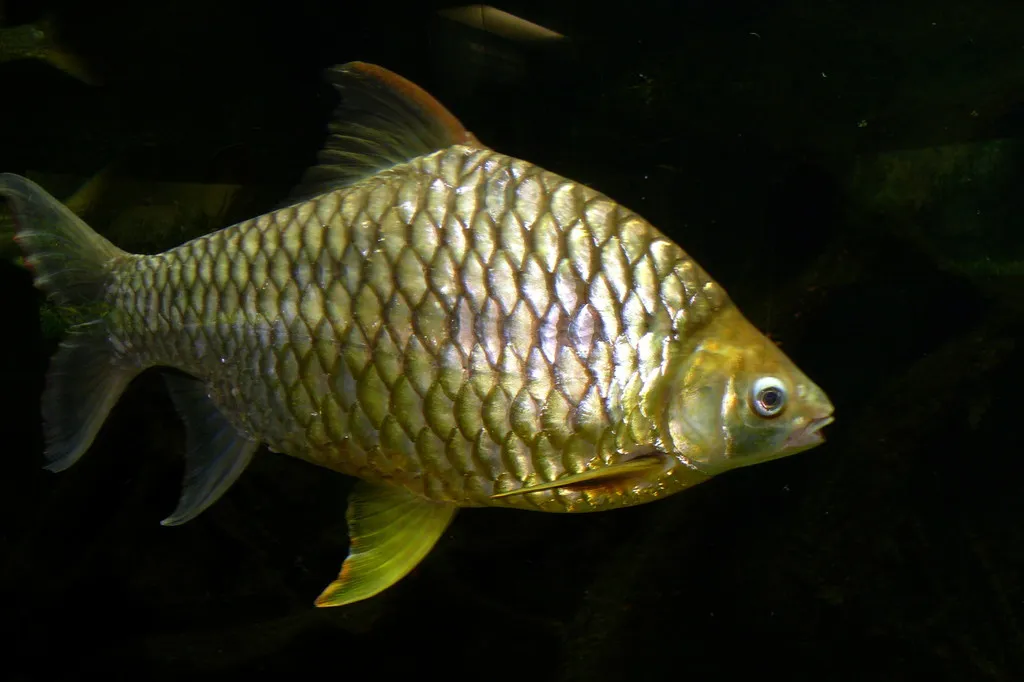
Lemon-fin barb
Hypsibarbus wetmorei
Freshwater9.8 in (25 cm) · 106 gal (400 L)72–82°F (22–28°C)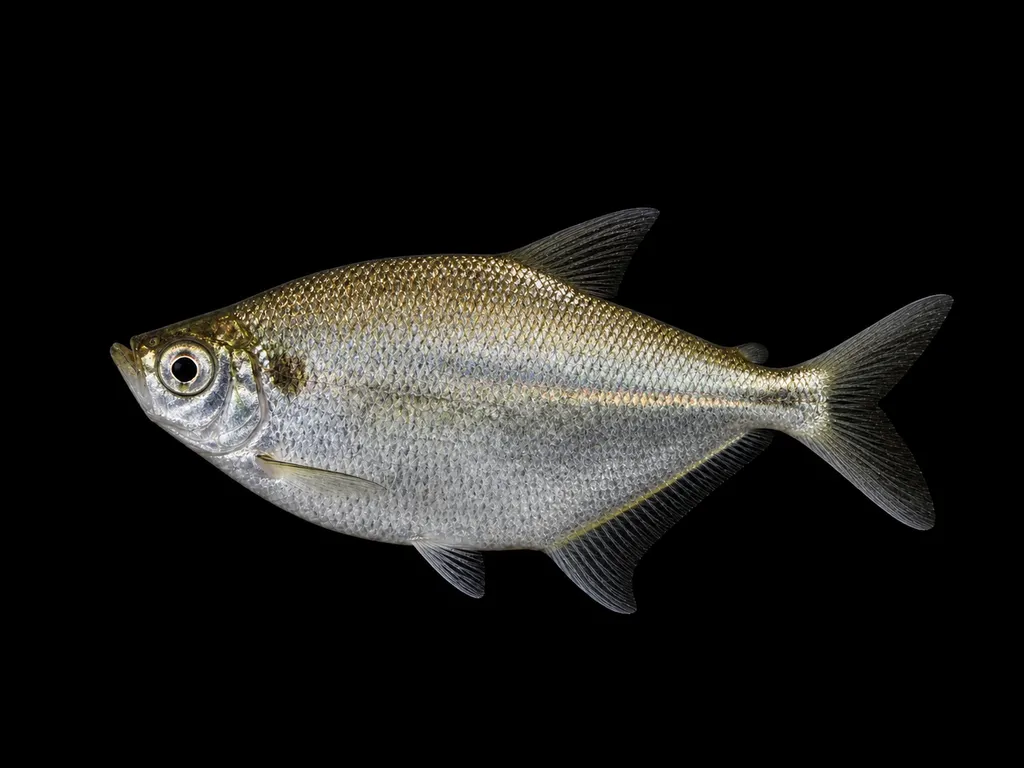
Giant river hatchetfish
Triportheus rotundatus
Freshwater9.8 in (25 cm) · 79 gal (300 L)73–82°F (23–28°C)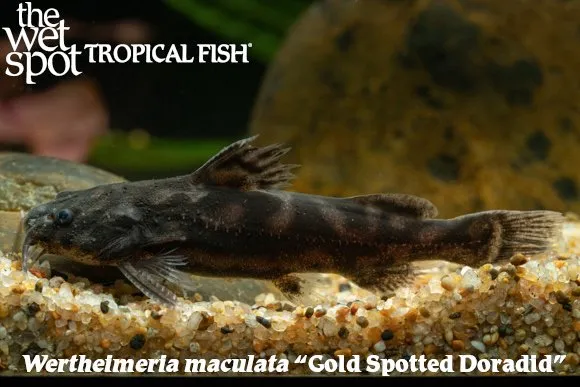
Gold-spotted doradid
Wertheimeria maculata
Freshwater11.8 in (30 cm) · 106 gal (400 L)68–79°F (20–26°C)
Common questions
What size tank does a cheekband eartheater need?
A cheekband eartheater needs at least 106 gal (400 L). It spends most of its time in the bottom.
What temperature and pH does a cheekband eartheater need?
A cheekband eartheater is comfortable at 77–84°F (25–29°C) with a pH of 5.5–7.2.
What does a cheekband eartheater eat?
A cheekband eartheater takes mouthfuls of sand and sorts out the edible bits. Feed it sinking foods.
How big does a cheekband eartheater get?
An adult cheekband eartheater reaches about 6.7 in (17 cm).
How does a cheekband eartheater breed?
Cheekband eartheaters are substrate spawners. A pair cleans a surface, lays a couple of hundred eggs and guards them where they were laid. Good water quality helps bring them into breeding condition, and breeding is moderately difficult.
Related species
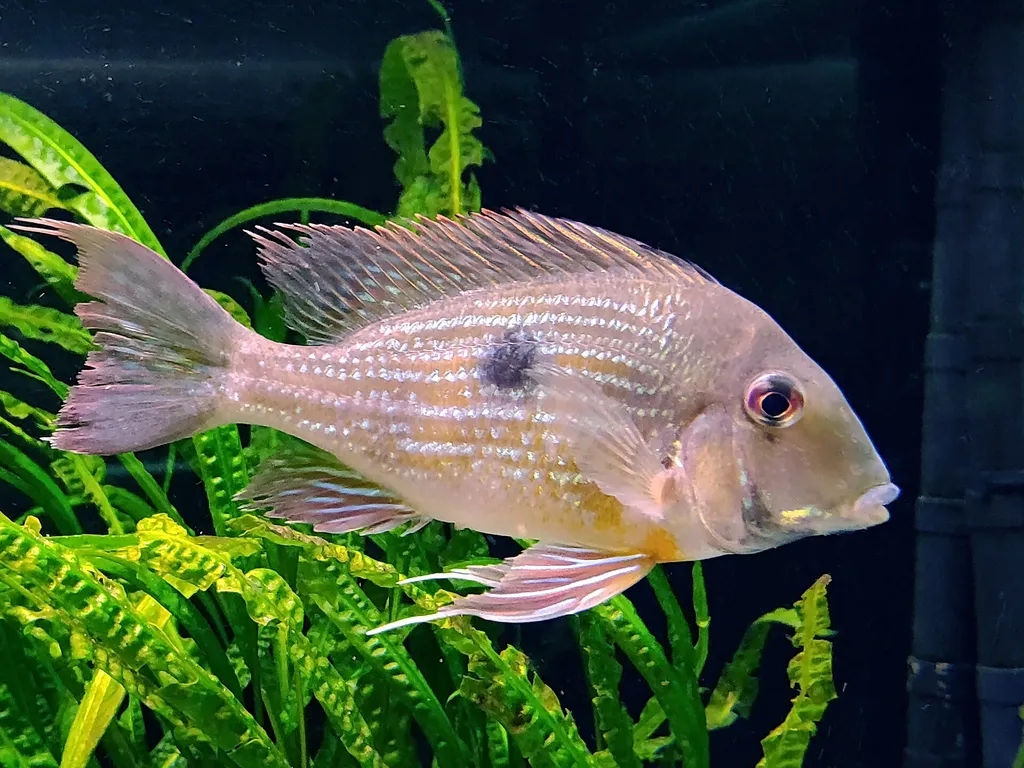 6.7 in (17 cm)106 gal (400 L)77–84°F (25–29°C)
Brachybranchus eartheater
Geophagus brachybranchus
6.7 in (17 cm) · 106 gal (400 L)
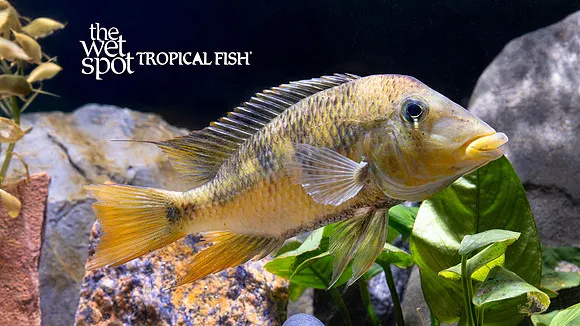 7.1 in (18 cm)106 gal (400 L)77–84°F (25–29°C)
Yellowhump eartheater
Geophagus pellegrini
7.1 in (18 cm) · 106 gal (400 L)
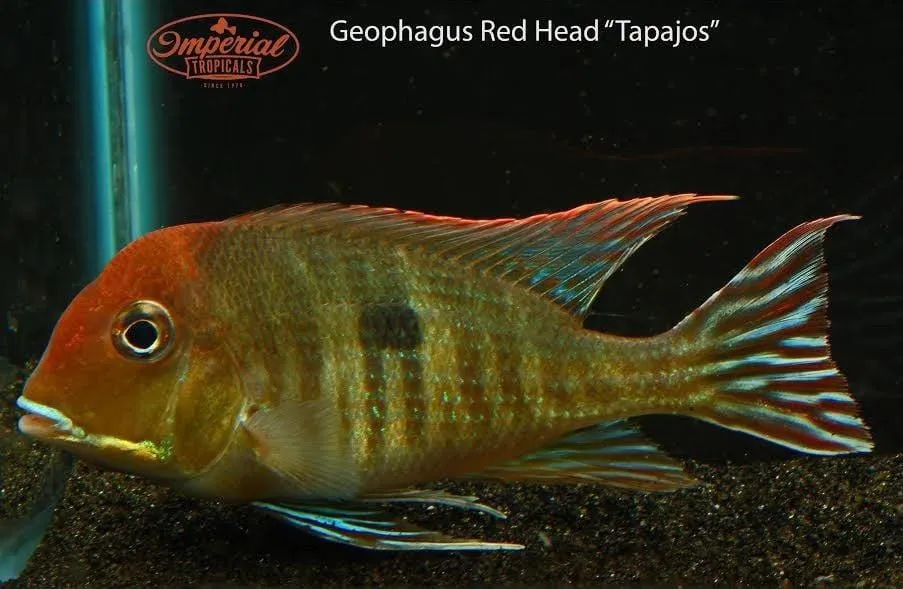 6.3 in (16 cm)79 gal (300 L)79–86°F (26–30°C)
Red head Tapajos
Geophagus pyrocephalus
6.3 in (16 cm) · 79 gal (300 L)
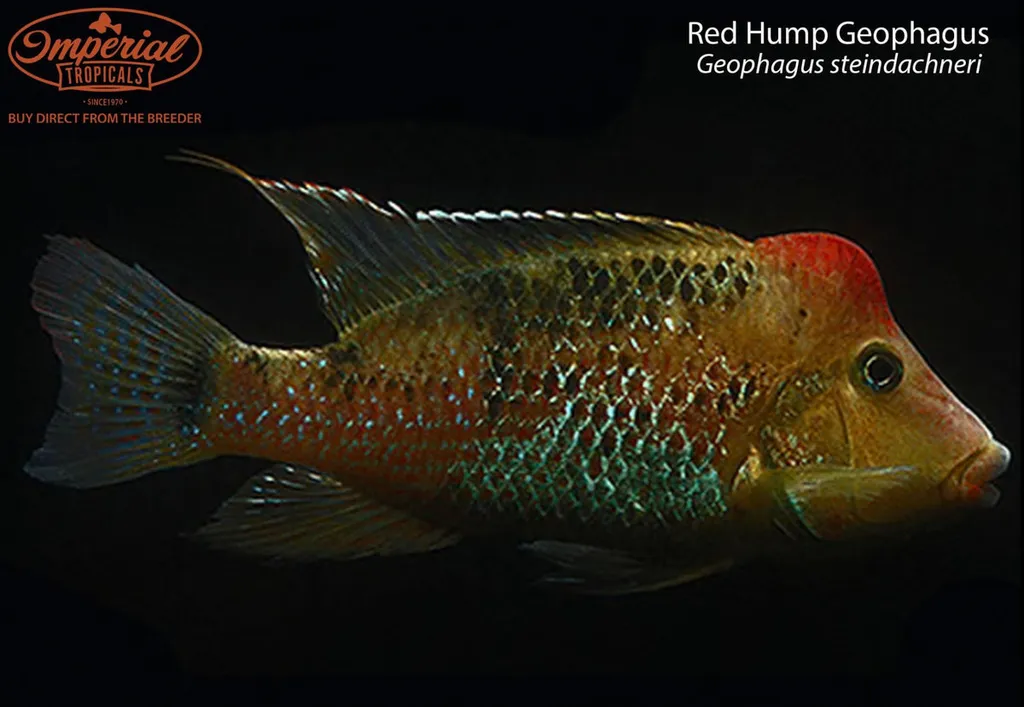 5.9 in (15 cm)53 gal (200 L)72–82°F (22–28°C)
Red hump eartheater
Geophagus steindachneri
5.9 in (15 cm) · 53 gal (200 L)
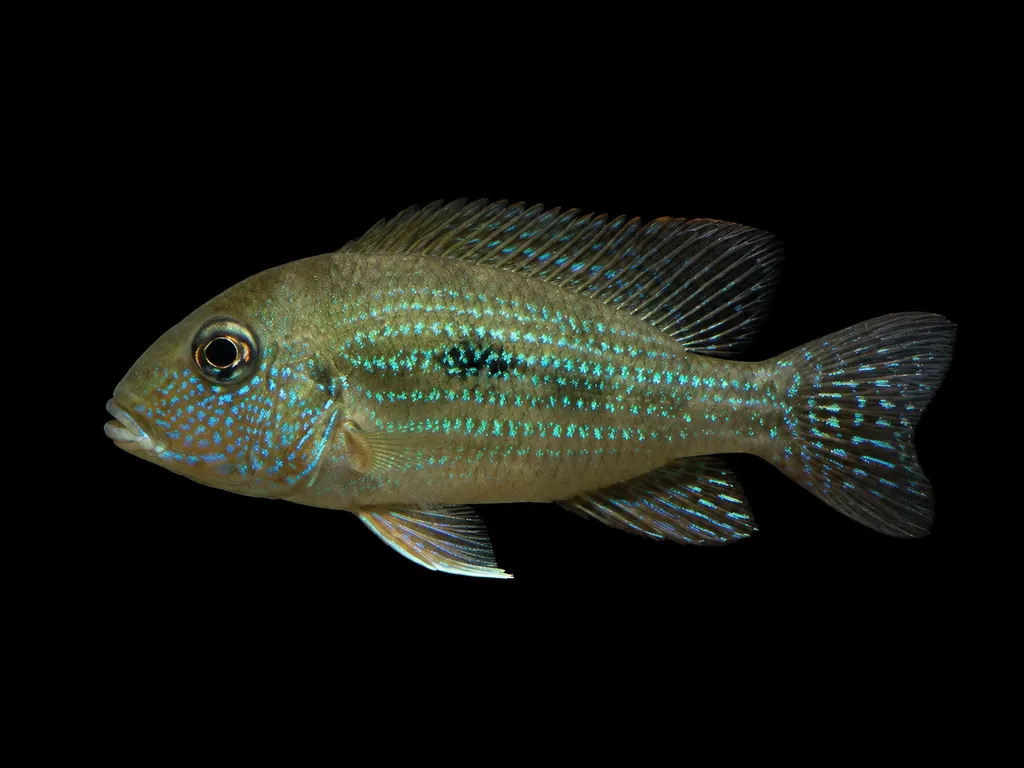 7.9 in (20 cm)106 gal (400 L)77–84°F (25–29°C)
Mirabilis eartheater
Geophagus mirabilis
7.9 in (20 cm) · 106 gal (400 L)
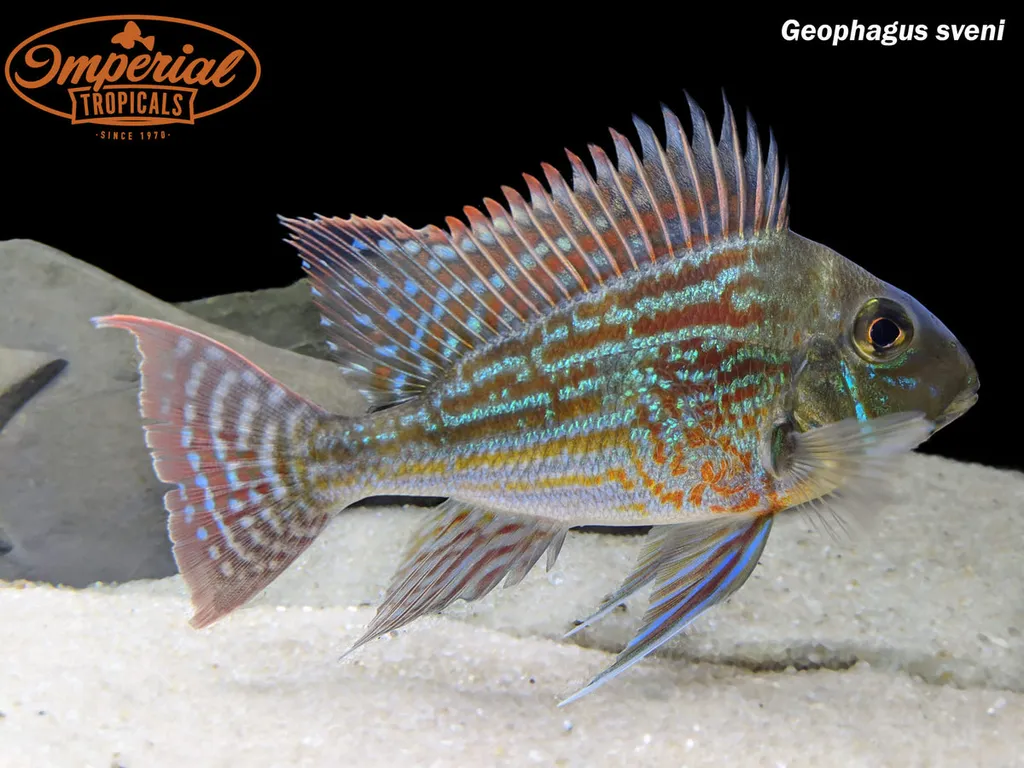 7.9 in (20 cm)119 gal (450 L)77–84°F (25–29°C)
Sveni eartheater
Geophagus sveni
7.9 in (20 cm) · 119 gal (450 L)