Demon eartheater
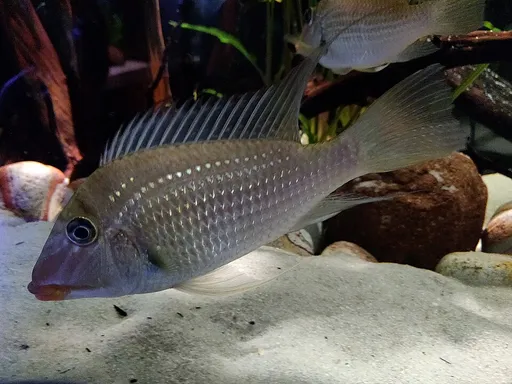
Satanoperca jurupari
Also known as Jurupari eartheater
FreshwaterFish
Care at a glance
- Temperature
- 75–82°F
- 24–28°C
- pH
- 5.5–7.5
- Adult size
- 7.1 in
- 18 cm
- Minimum tank
- 119 gal
- 450 L
- Temperament
- Peaceful
- Social behavior
- Social
- Swim level
- Bottom
- Difficulty
- Medium
- Breeding
- Medium
- Rarity
- Common
- Family
- Cichlidae
- Origin
- Amazon basin
Overview
Keep them in a group of five to eight, which settles into a gentle pecking order, in a tank of at least 450 liters. They are peaceful for their size and stay near the bottom, sifting sand for most of the day, and they will not eat any fish too large to swallow. Water should run 24 to 28 C, soft, and acidic to neutral at a pH of 5.5 to 7.5. Feed sinking foods like pellets, frozen bloodworms, and brine shrimp that settle onto the sand where they can find them. They mix well with other calm, similarly sized fish that share their water needs.
In the wild
Demon eartheaters come from the slow, sandy-bottomed rivers and flooded forest channels of the Amazon basin, where they spend their day combing the substrate for food. To match that, give them a soft, fine sand bed they can sift through, since they constantly take in mouthfuls of sand and pass it back out through the gills. Keep the water warm, from 24 to 28 C, soft, and slightly acidic at a pH of 5.5 to 7.5. Open swimming space over the sand matters more to them than heavy planting.
Good to know
This is a cichlid in the family Cichlidae, reaching about 18 cm as an adult. It is a maternal mouthbrooder, so the female holds and protects the eggs and fry in her mouth, and it breeds best with mature fish in stable water. Breeding difficulty is moderate, and a healthy adult can live several years in good conditions.
Did you know
The constant sand-sifting is not just a habit, it is how they eat. They take a mouthful of substrate, sort out the worms, insect larvae, and bits of food inside, then spit the cleaned sand back out. Watch a group work the bottom and you can see why a fine, soft sand bed is not optional for them.
Weekly picks
Tank mates
Demon eartheater is a peaceful, social species that keeps to the bottom. These picks share a community profile with it, are safe together in both directions, and overlap on water type, temperature and pH.
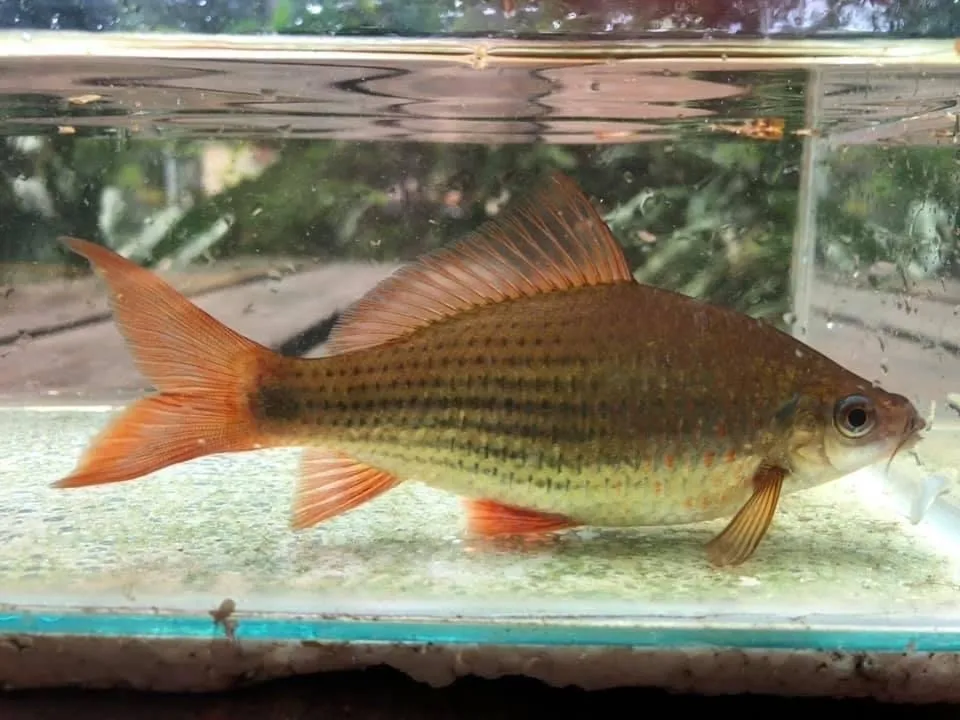
Hard-lipped barb
Osteochilus vittatus
Freshwater11.8 in (30 cm) · 106 gal (400 L)72–82°F (22–28°C)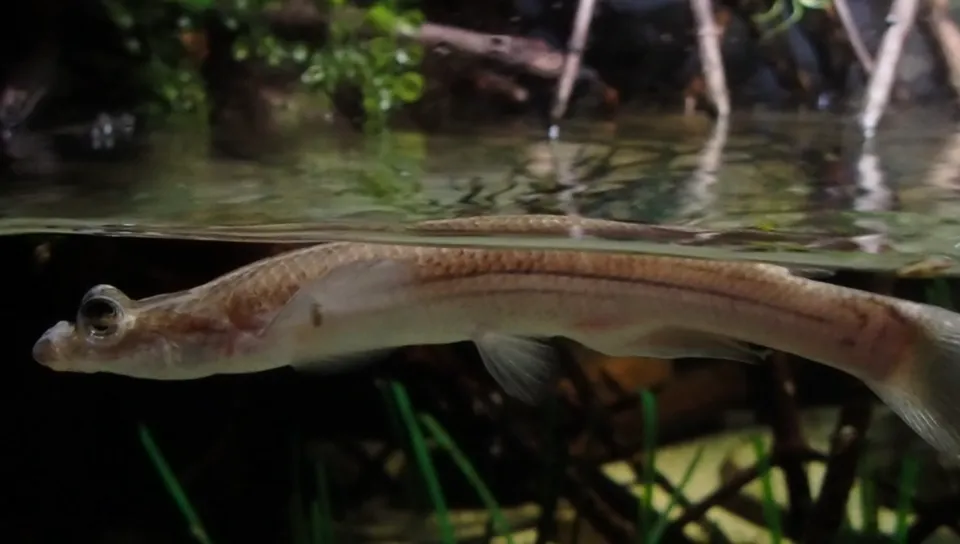
Largescale four-eyed fish
Anableps anableps
FreshwaterBrackish11.8 in (30 cm) · 70 gal (265 L)77–88°F (25–31°C)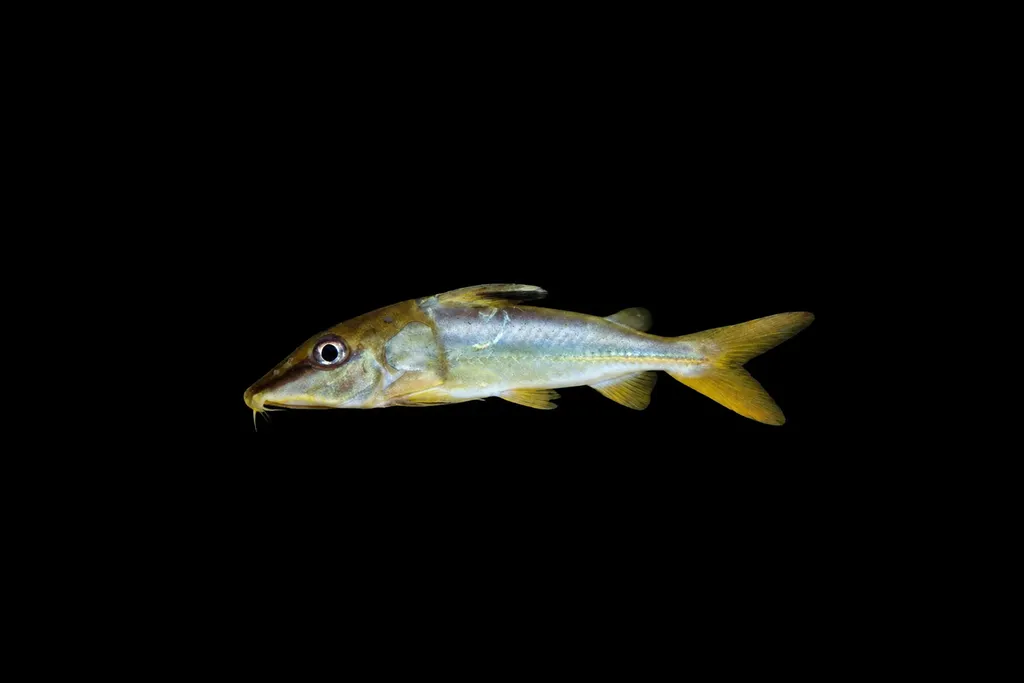
Wilder's mouse catfish
Hassar wilderi
Freshwater9.8 in (25 cm) · 106 gal (400 L)73–82°F (23–28°C)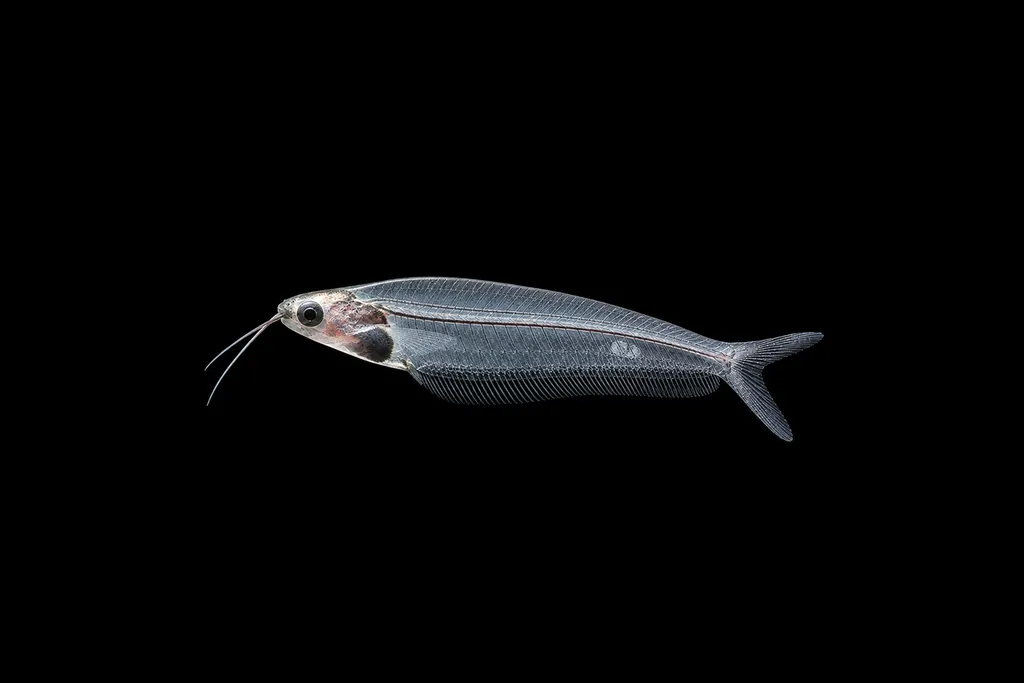
Mekong glass sheatfish
Kryptopterus limpok
Freshwater11.8 in (30 cm) · 119 gal (450 L)73–81°F (23–27°C)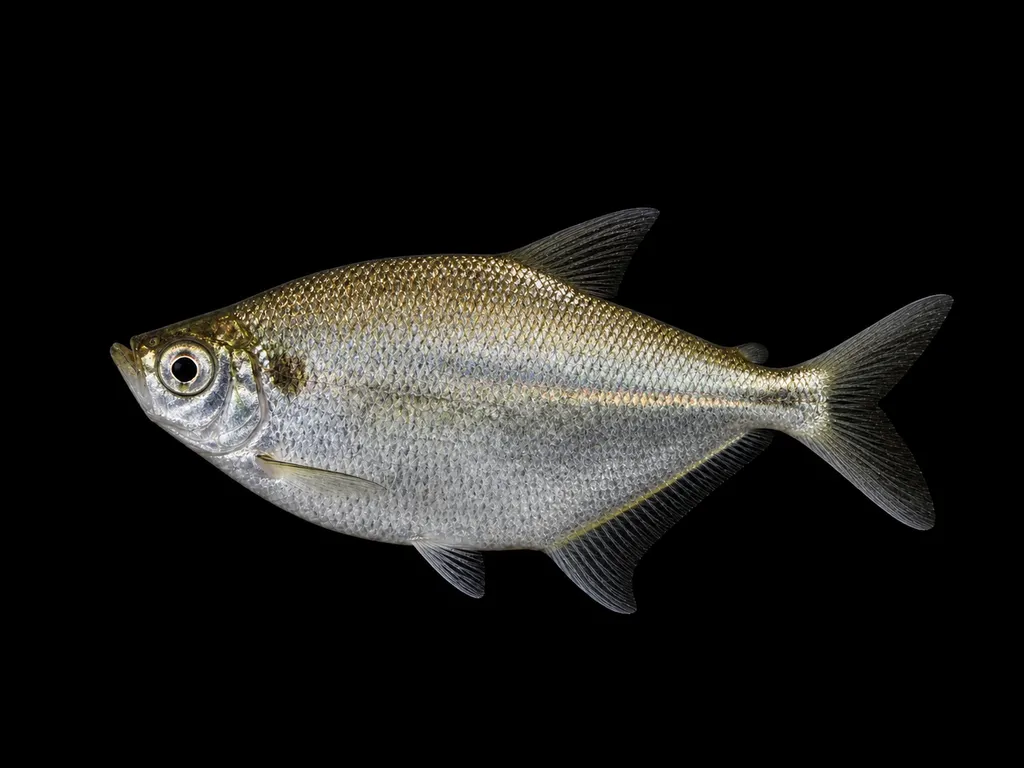
Giant river hatchetfish
Triportheus rotundatus
Freshwater9.8 in (25 cm) · 79 gal (300 L)73–82°F (23–28°C)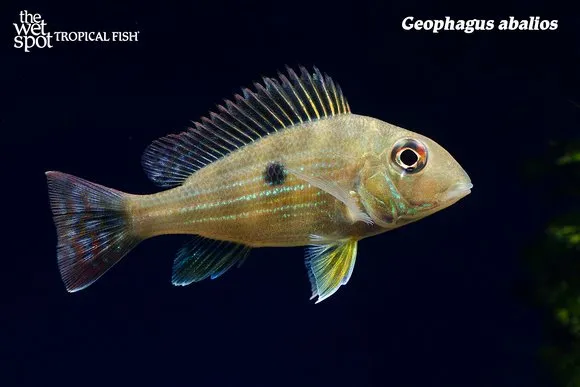
Abalios eartheater
Geophagus abalios
Freshwater9.8 in (25 cm) · 119 gal (450 L)77–84°F (25–29°C)
Common questions
What size tank does a Demon eartheater need?
A Demon eartheater needs at least 119 gal (450 L). It spends most of its time in the bottom.
What temperature and pH does a Demon eartheater need?
A Demon eartheater is comfortable at 75–82°F (24–28°C) with a pH of 5.5–7.5.
How big does a Demon eartheater get?
An adult Demon eartheater reaches about 7.1 in (18 cm).
Related species
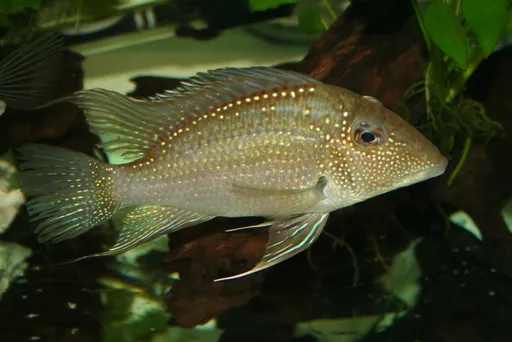 7.1 in (18 cm)79 gal (300 L)75–84°F (24–29°C)
Whitespot eartheater
Satanoperca leucosticta
7.1 in (18 cm) · 79 gal (300 L)
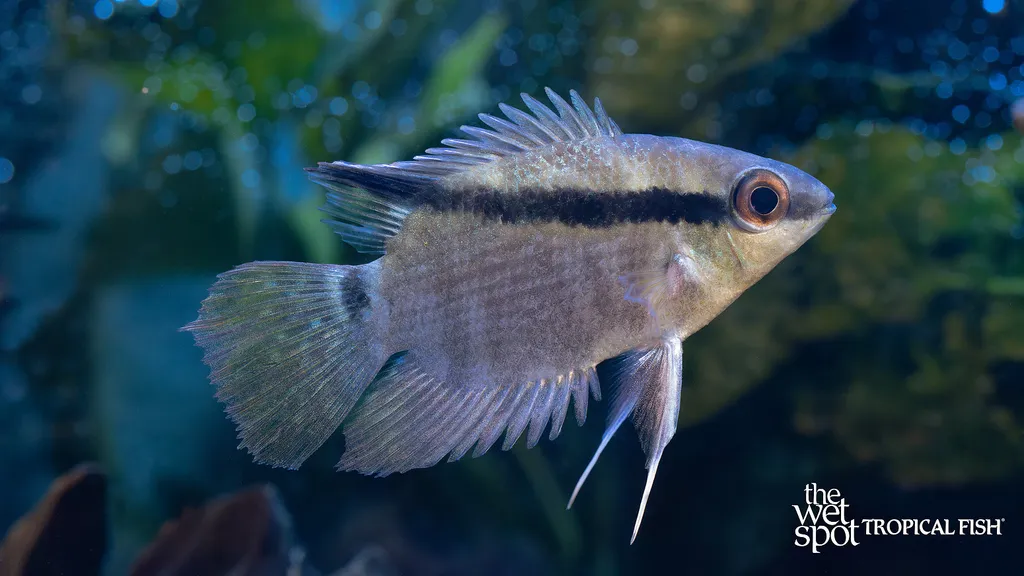 9.8 in (25 cm)119 gal (450 L)79–86°F (26–30°C)
Threespot eartheater
Satanoperca daemon
9.8 in (25 cm) · 119 gal (450 L)
- 6.7 in (17 cm)106 gal (400 L)77–84°F (25–29°C)
Fine-spotted eartheater
Satanoperca mapiritensis
6.7 in (17 cm) · 106 gal (400 L)
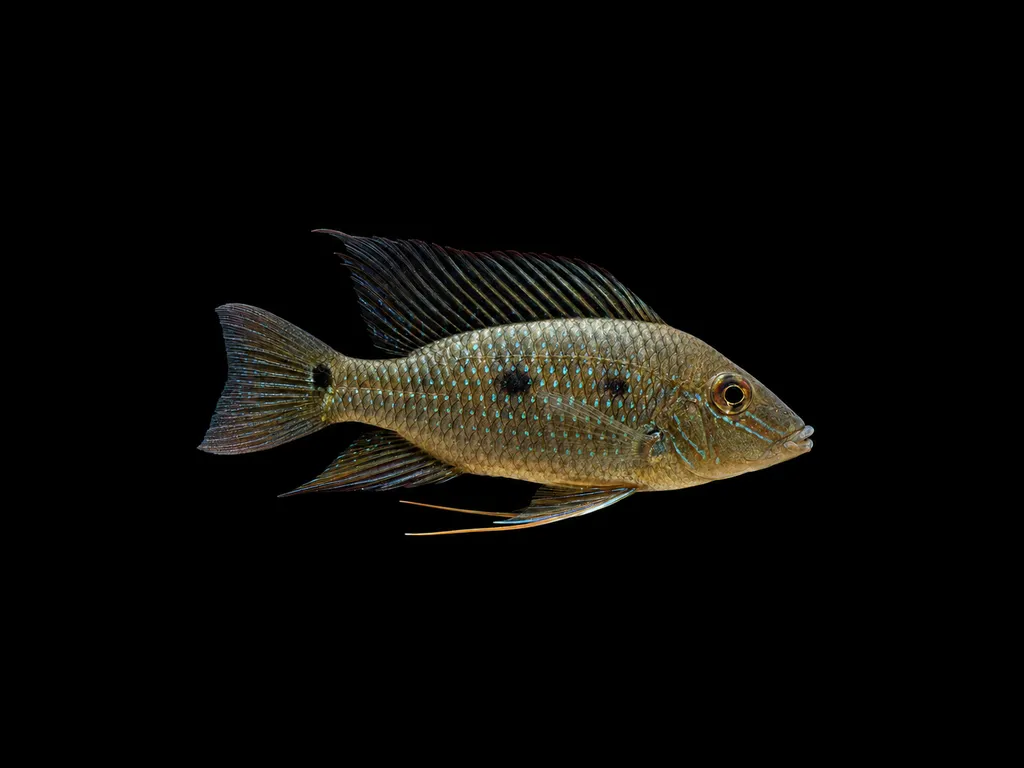 7.9 in (20 cm)119 gal (450 L)77–84°F (25–29°C)
Sharphead demonfish
Satanoperca acuticeps
7.9 in (20 cm) · 119 gal (450 L)
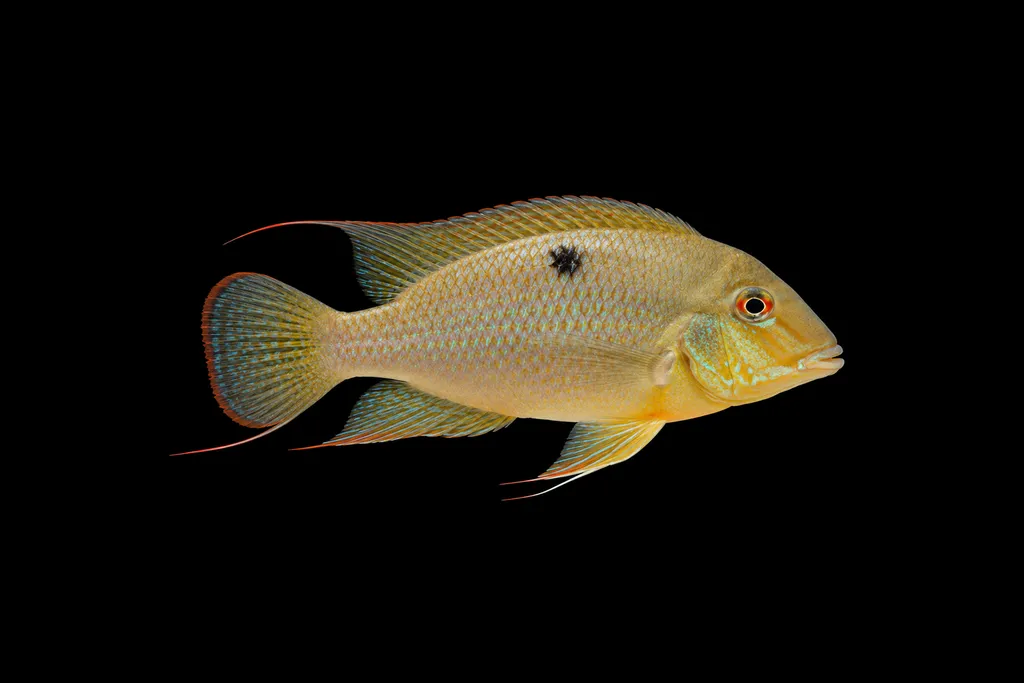 11.8 in (30 cm)159 gal (600 L)77–84°F (25–29°C)
Lilith demonfish
Satanoperca lilith
11.8 in (30 cm) · 159 gal (600 L)
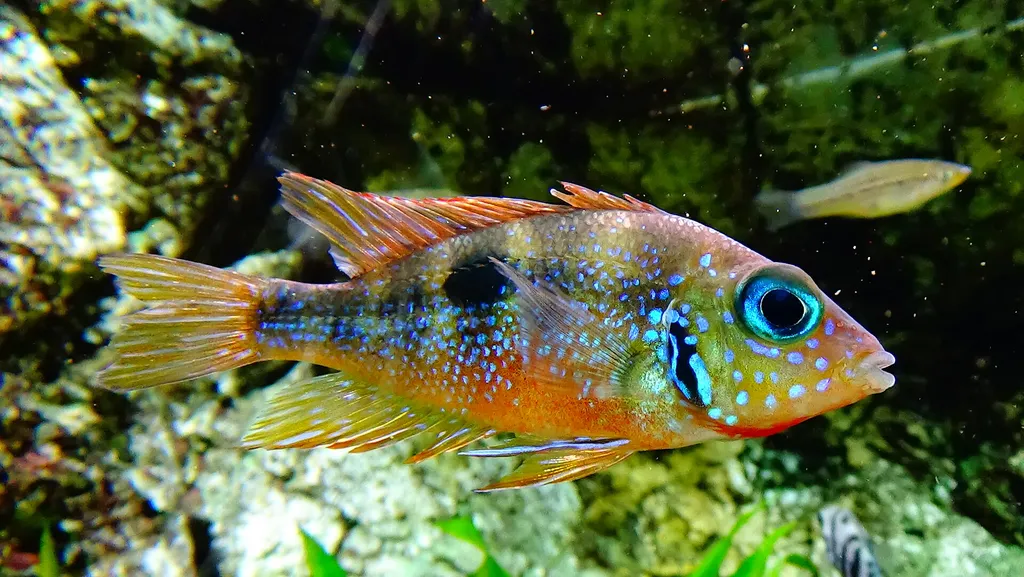 7.1 in (18 cm)66 gal (250 L)75–84°F (24–29°C)
Blue flash firemouth
Thorichthys aureus
7.1 in (18 cm) · 66 gal (250 L)