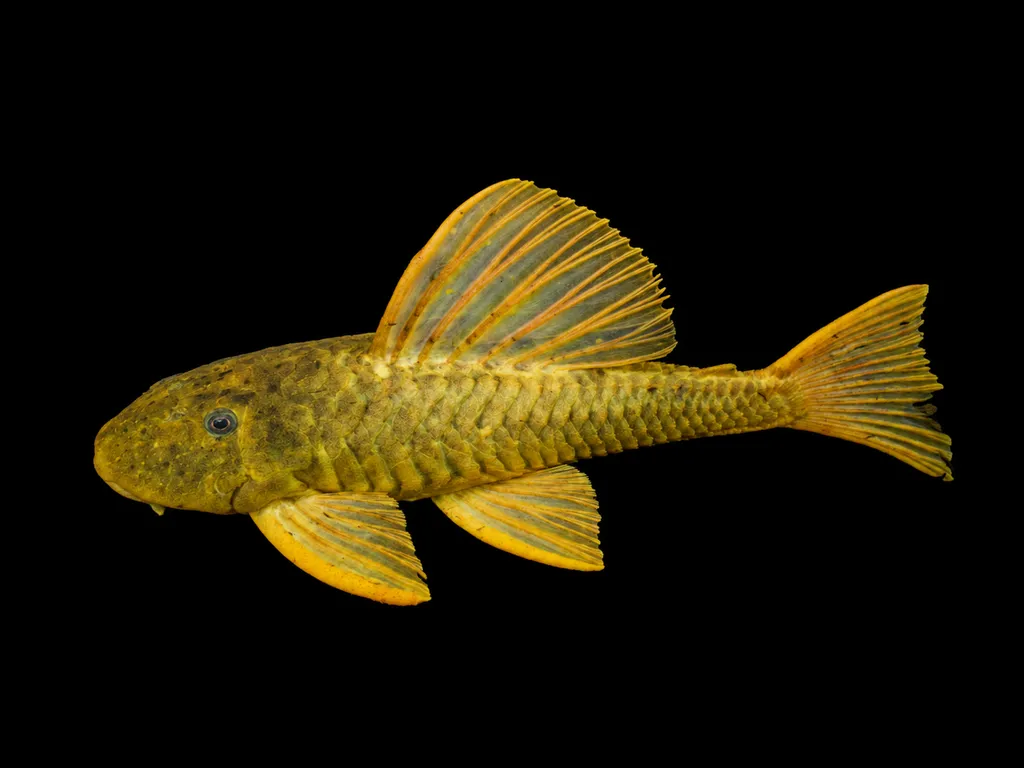
Blue-eyed pleco
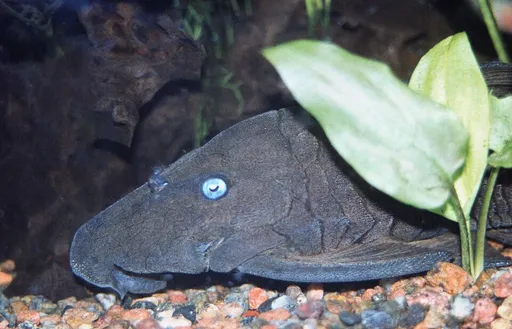
Panaque cochliodon
Also known as Blue-eyed plec, Blue eye panaque, Blue eye plecostomus
FreshwaterFish
Care at a glance
- Temperature
- 73–82°F
- 23–28°C
- pH
- 6.5–7.5
- Adult size
- 11.8 in
- 30 cm
- Minimum tank
- 119 gal
- 450 L
- Temperament
- Mostly peaceful
- Social behavior
- Solitary
- Swim level
- Bottom
- Difficulty
- Difficult
- Breeding
- No record
- Rarity
- Common
- Family
- Loricariidae
- Origin
- Cauca and Magdalena River basins, Colombia (South America)
Overview
Keep a single adult in a tank of 450 liters or larger, since they are territorial with other plecos and bottom-dwellers and best kept on their own unless the tank is very large with decor that breaks up sightlines. They are mostly peaceful toward mid and upper level community fish and stay on the bottom, coming out mostly at night. Hold the water at 23 to 28 C and a pH of 6.5 to 7.5. They are heavy waste producers, so over-filter the tank and do frequent large water changes. Alongside the constant supply of bogwood, offer sinking vegetable matter like zucchini and the occasional sinking pellet. They are sensitive to copper-based medications, so treat with care. As a large wild-caught catfish, never release one into local waterways and check your local rules, since big plecos are restricted in some regions.
In the wild
Blue-eyed plecos come from the Cauca and Magdalena River basins in Colombia, where they live among submerged wood and root tangles along the riverbed. Driftwood or bogwood is not decoration for this fish, it is mandatory, since they rasp and eat the wood itself and their gut relies on the microfauna that lives in it. Give a single adult a tank of at least 450 liters with plenty of floor space, more wide and deep than tall, and pack in several large pieces of bogwood. Keep the water at 23 to 28 C with a pH from 6.5 to 7.5, run dim lighting, and expect them to graze most soft plants, though Java fern is usually left alone.
Good to know
This is Panaque cochliodon, a wood-eating pleco in the family Loricariidae, traded as the true blue-eyed pleco. It reaches about 30 cm as a standard adult, with some captive fish pushing 40 to 45 cm over many years. Its spoon-shaped teeth are built to scrape wood, making it an obligate xylophage, one of the few fish that digests driftwood as a primary food. It has never been bred in captivity, so every fish in the trade is wild-caught.
Did you know
This fish actually eats wood for a living. Its teeth are shaped like little spoons that rasp the surface of driftwood, and it depends on the microorganisms living in its gut to break that wood down, much like a termite does. Take the bogwood away and you remove both its shelter and a core part of its diet.
Weekly picks
Tank mates
Blue-eyed pleco is a mostly peaceful, solitary species that keeps to the bottom. These picks share a community profile with it, are safe together in both directions, and overlap on water type, temperature and pH.
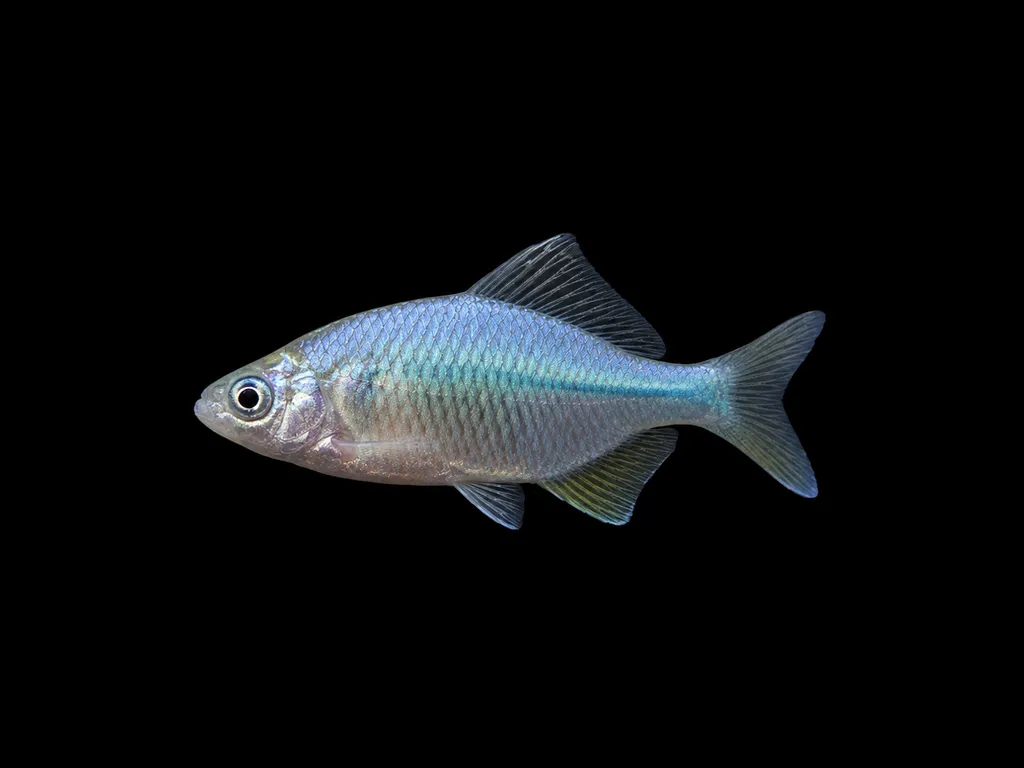
Rainbow bitterling
Acheilognathus macropterus
Freshwater10.6 in (27 cm) · 106 gal (400 L)57–79°F (14–26°C)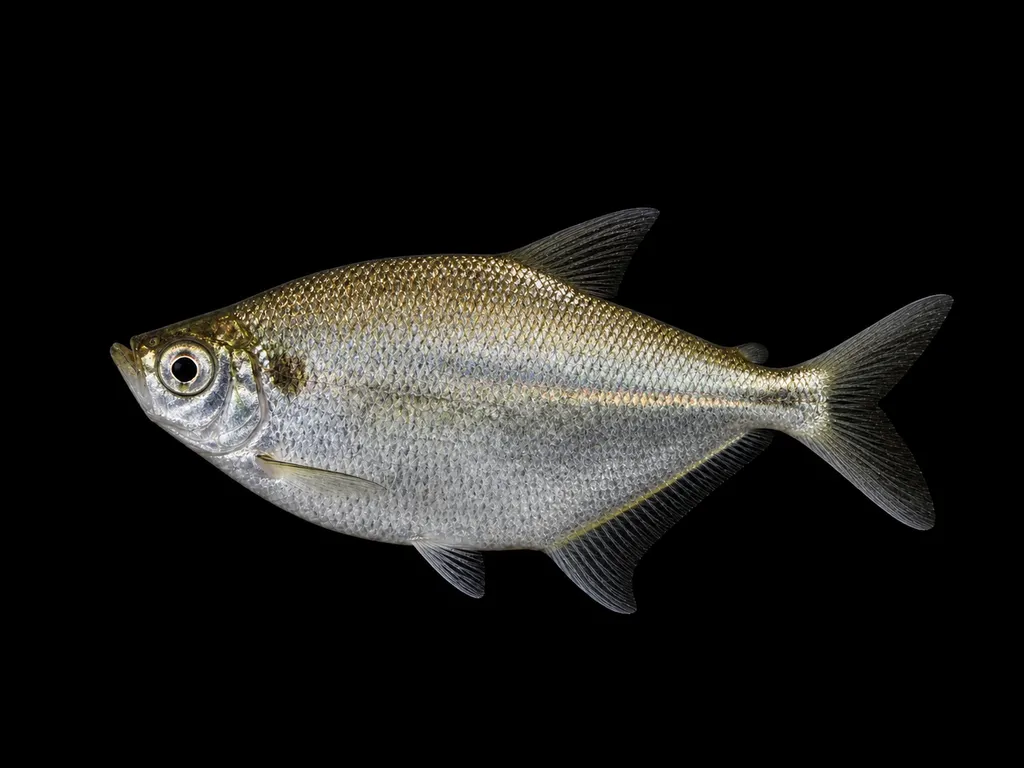
Giant river hatchetfish
Triportheus rotundatus
Freshwater9.8 in (25 cm) · 79 gal (300 L)73–82°F (23–28°C)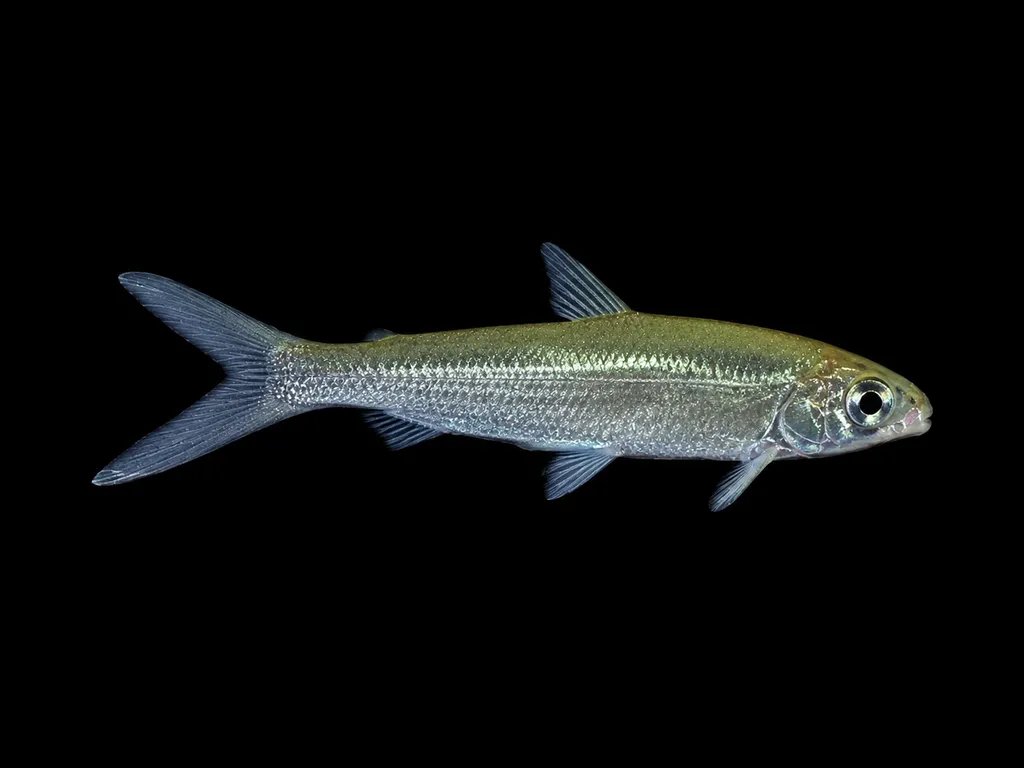
Fowler's hemiodus
Bivibranchia fowleri
Freshwater7.5 in (19 cm) · 106 gal (400 L)75–84°F (24–29°C)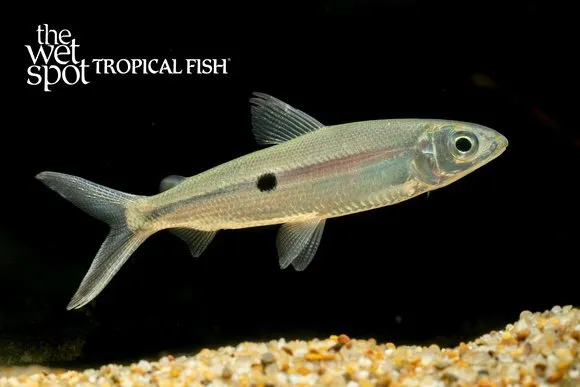
Smallscale hemiodus
Hemiodus microlepis
Freshwater11 in (28 cm) · 159 gal (600 L)75–84°F (24–29°C)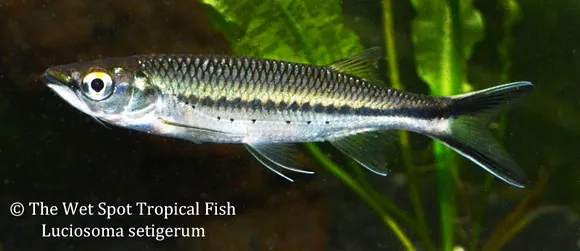
Apollo shark minnow
Luciosoma setigerum
Freshwater11.8 in (30 cm) · 106 gal (400 L)72–81°F (22–27°C)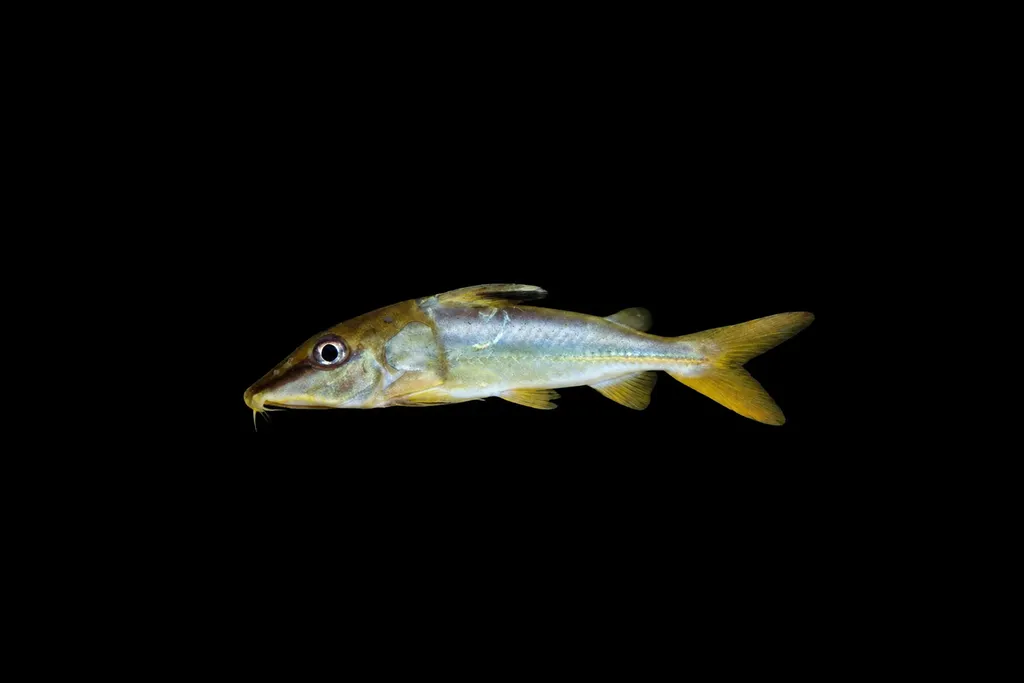
Wilder's mouse catfish
Hassar wilderi
Freshwater9.8 in (25 cm) · 106 gal (400 L)73–82°F (23–28°C)
Common questions
What size tank does a Blue-eyed pleco need?
A Blue-eyed pleco needs at least 119 gal (450 L). It spends most of its time in the bottom.
What temperature and pH does a Blue-eyed pleco need?
A Blue-eyed pleco is comfortable at 73–82°F (23–28°C) with a pH of 6.5–7.5.
How big does a Blue-eyed pleco get?
An adult Blue-eyed pleco reaches about 11.8 in (30 cm).
Related species
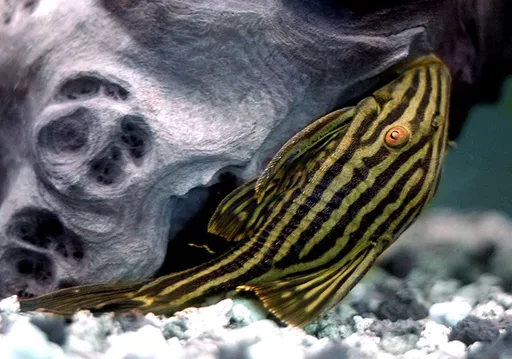 16.9 in (43 cm)125 gal (473 L)72–82°F (22–28°C)
Royal pleco
Panaque nigrolineatus
16.9 in (43 cm) · 125 gal (473 L)
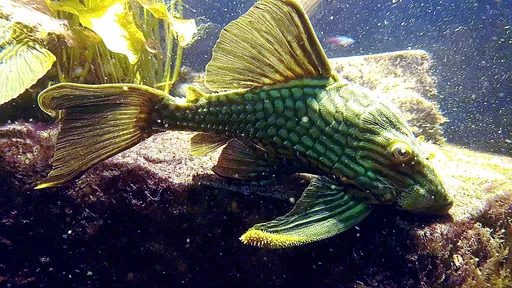 17.7 in (45 cm)151 gal (570 L)77–84°F (25–29°C)
Thunder royal pleco (L027)
Panaque armbrusteri
17.7 in (45 cm) · 151 gal (570 L)
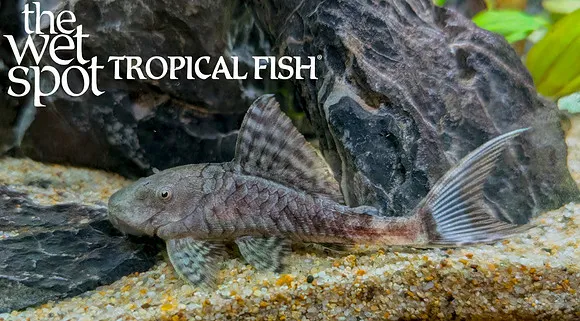 9.8 in (25 cm)79 gal (300 L)77–84°F (25–29°C)
Papa panaque
Panaque bathyphilus
9.8 in (25 cm) · 79 gal (300 L)
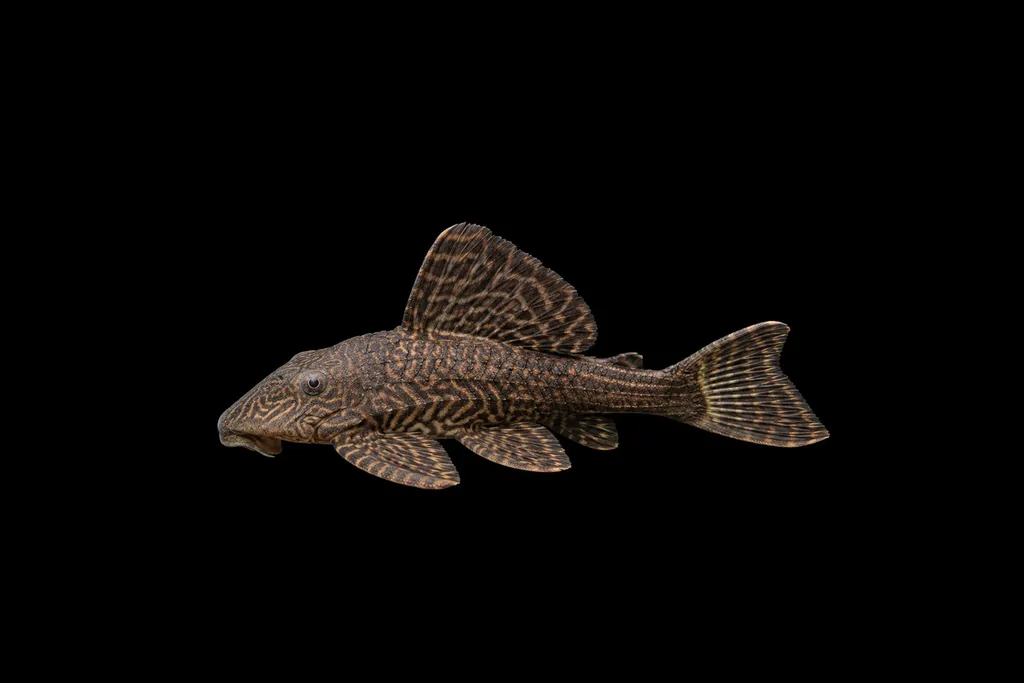 23.6 in (60 cm)264 gal (1,000 L)77–84°F (25–29°C)
Volkswagen pleco
Panaque schaeferi
23.6 in (60 cm) · 264 gal (1,000 L)
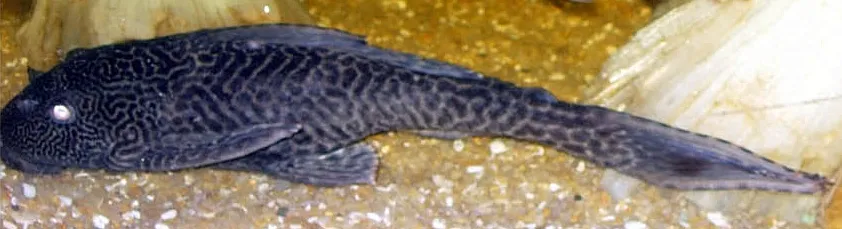 11.8 in (30 cm)79 gal (300 L)72–82°F (22–28°C)
Spotted pleco
Hypostomus punctatus
11.8 in (30 cm) · 79 gal (300 L)
 13.8 in (35 cm)106 gal (400 L)64–79°F (18–26°C)
Golden hypostomus
Hypostomus luteus
13.8 in (35 cm) · 106 gal (400 L)