Papa panaque
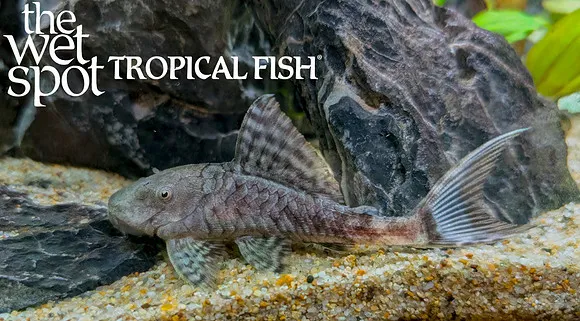
Panaque bathyphilus
Also known as L090, Ojo chico panaque
FreshwaterFish
Care at a glance
- Temperature
- 77–84°F
- 25–29°C
- pH
- 6.0–7.4
- Adult size
- 9.8 in
- 25 cm
- Minimum tank
- 79 gal
- 300 L
- Temperament
- Peaceful
- Social behavior
- Solitary
- Swim level
- Bottom
- Difficulty
- Medium
- Breeding
- Hard
- Rarity
- Rare
- Family
- Loricariidae
- Origin
- Deep channels of the upper Amazon, Peru
Overview
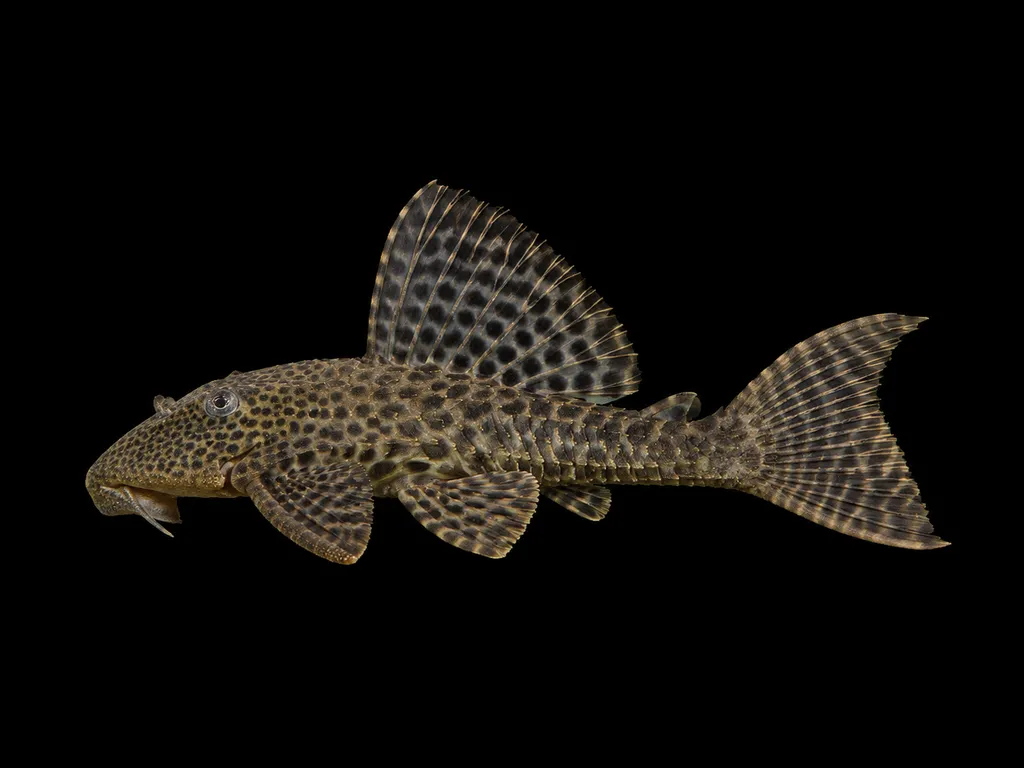
The Papa panaque is a true wood-eating pleco, and a big, slow-growing fish for a large tank. It is a fish for a keeper with a little experience.
Did you know
The Papa panaque and its Panaque relatives are among the very few fishes that deliberately gnaw and swallow wood. Research suggests they draw most of their nutrition from the microbes and biofilm coating the timber, not from digesting the wood itself.
Caring for the Papa panaque
Give a Papa panaque at least 79 gal (300 L). Wood is both its food and its shelter, so add a serious pile of large bogwood it can rasp day and night. Leave open swimming lanes and keep the lighting subdued.
Keep the water warm, at 77 to 84°F (25 to 29°C) with a pH of 6.0 to 7.4. Drive a strong current with extra flow so oxygen stays high, as it does in a fast river bed. Its heavy appetite and waste load call for strong filtration.
Its diet is dominated by wood. Alongside the wood, offer zucchini, sweet potato and other soft vegetables, plus sinking wafers. Give meaty foods only as a rare treat.
Keep one to a tank, since adults defend space from their own kind. It is peaceful toward tank mates and suits a roomy community rather than a delicate nano setup. Like other large Panaque, it is rarely bred in aquariums, and captive spawning is considered hard.
Good to know
Panaque bathyphilus is a member of the family Loricariidae. Its species name means depth loving, after the deep river channels it favors. Its small eyes are an adaptation to that dim habitat, and its spoon-shaped teeth let it scrape and ingest wood as it feeds.
In the wild
The Papa panaque comes from deep, flowing channels of the upper Amazon in Peru. There it works over waterlogged timber in dim, well-oxygenated water.
Weekly picks
Tank mates
The Papa panaque is a peaceful, solitary species that keeps to the bottom. These picks share a community profile with it, are safe together in both directions, and overlap on water type, temperature and pH.
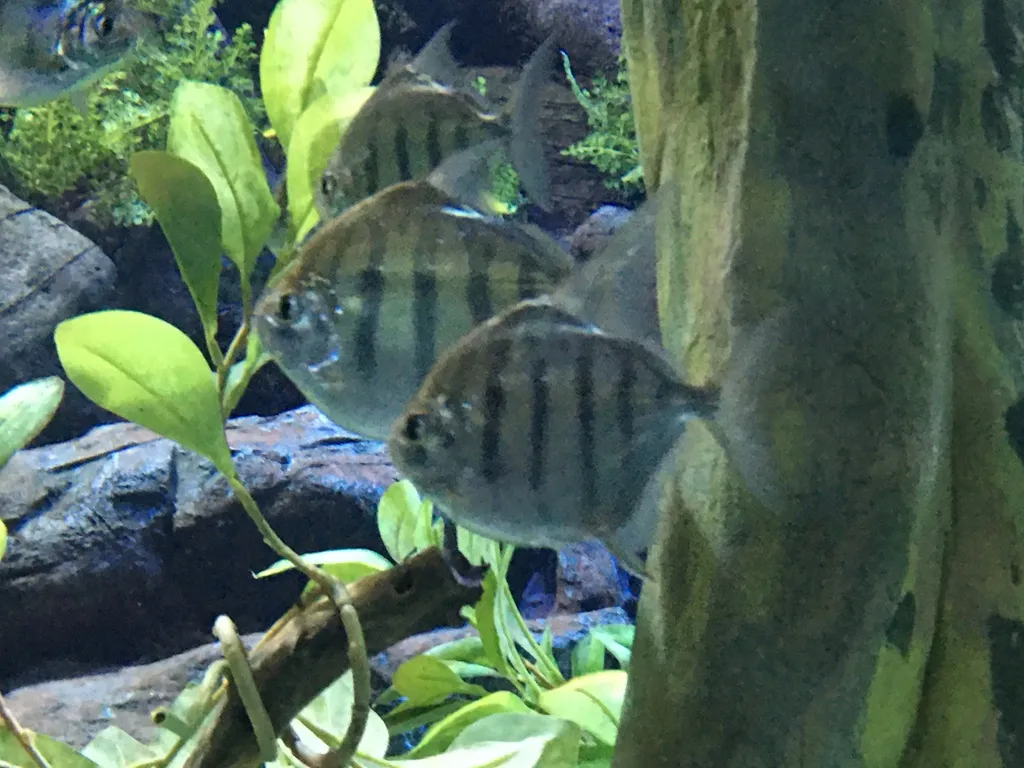
Banded silver dollar
Metynnis fasciatus
Freshwater3.9 in (10 cm) · 70 gal (265 L)75–82°F (24–28°C)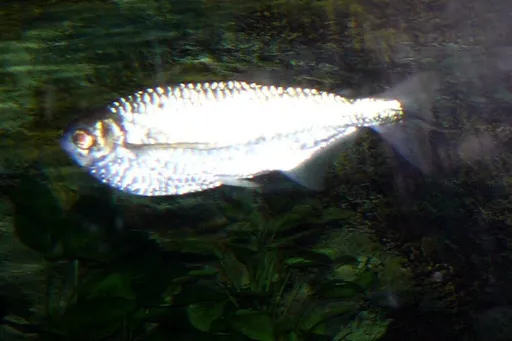
Narrow hatchetfish
Triportheus angulatus
Freshwater9.8 in (25 cm) · 79 gal (300 L)73–82°F (23–28°C)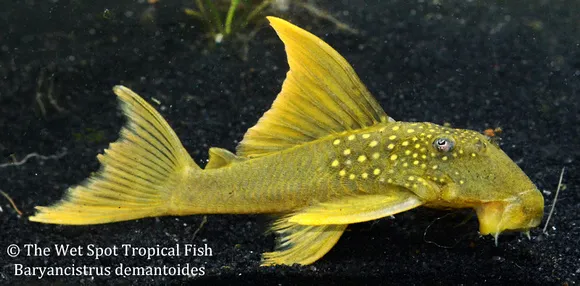
Hi-fin green phantom pleco
Baryancistrus demantoides
Freshwater7.1 in (18 cm) · 79 gal (300 L)77–84°F (25–29°C)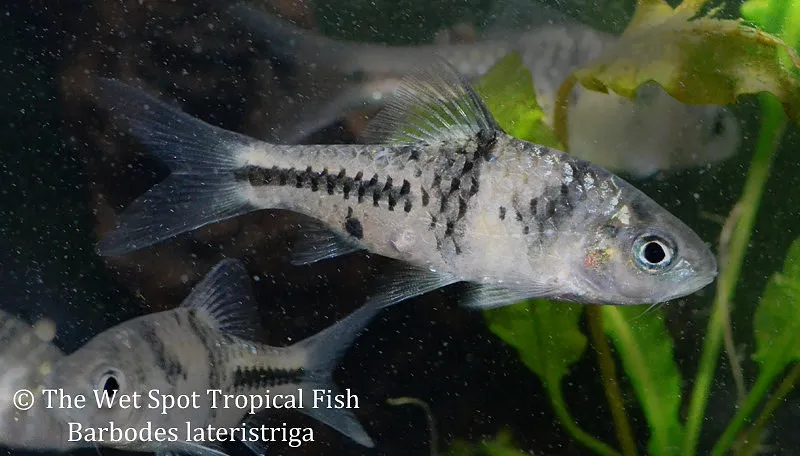
Spanner barb
Barbodes lateristriga
Freshwater5.9 in (15 cm) · 74 gal (280 L)72–79°F (22–26°C)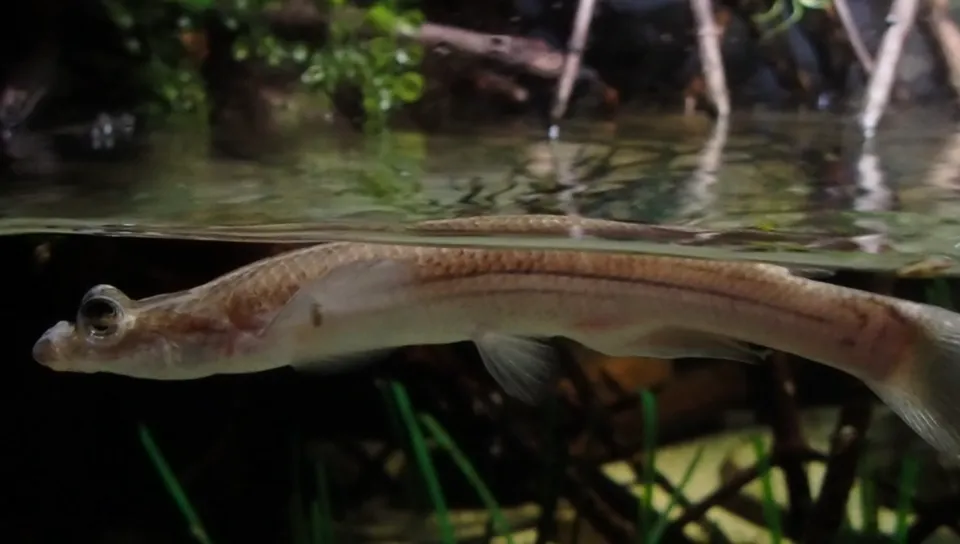
Largescale four-eyed fish
Anableps anableps
FreshwaterBrackish11.8 in (30 cm) · 70 gal (265 L)77–88°F (25–31°C)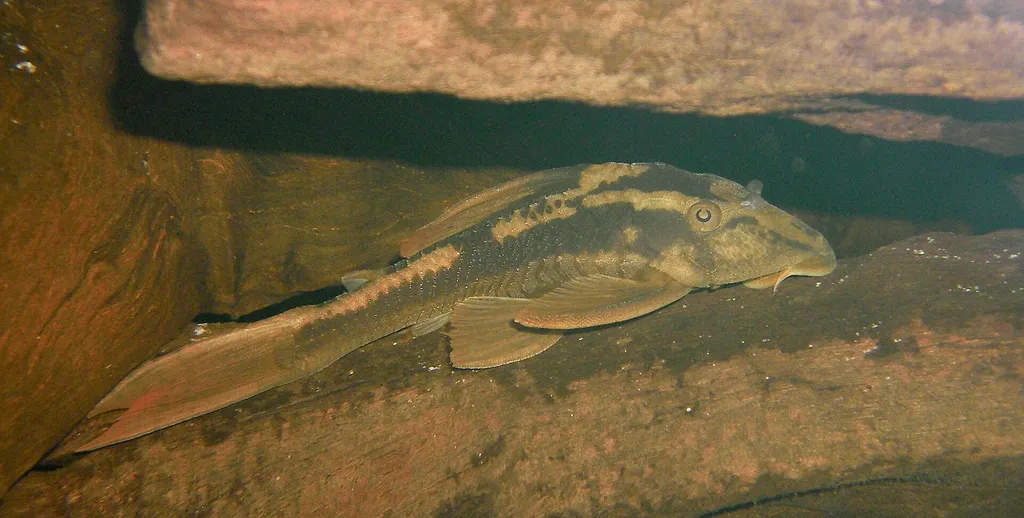
Basilisk pleco
Hypostomus basilisko
Freshwater9.4 in (24 cm) · 79 gal (300 L)77–84°F (25–29°C)
Common questions
What size tank does a Papa panaque need?
A Papa panaque needs at least 79 gal (300 L). It spends most of its time in the bottom.
What temperature and pH does a Papa panaque need?
A Papa panaque is comfortable at 77–84°F (25–29°C) with a pH of 6.0–7.4.
What does a Papa panaque eat?
A Papa panaque lives on a diet dominated by wood. Alongside it, offer zucchini, sweet potato and other soft vegetables, plus sinking wafers, with meaty foods only as a rare treat.
How big does a Papa panaque get?
An adult Papa panaque reaches about 9.8 in (25 cm).
Related species
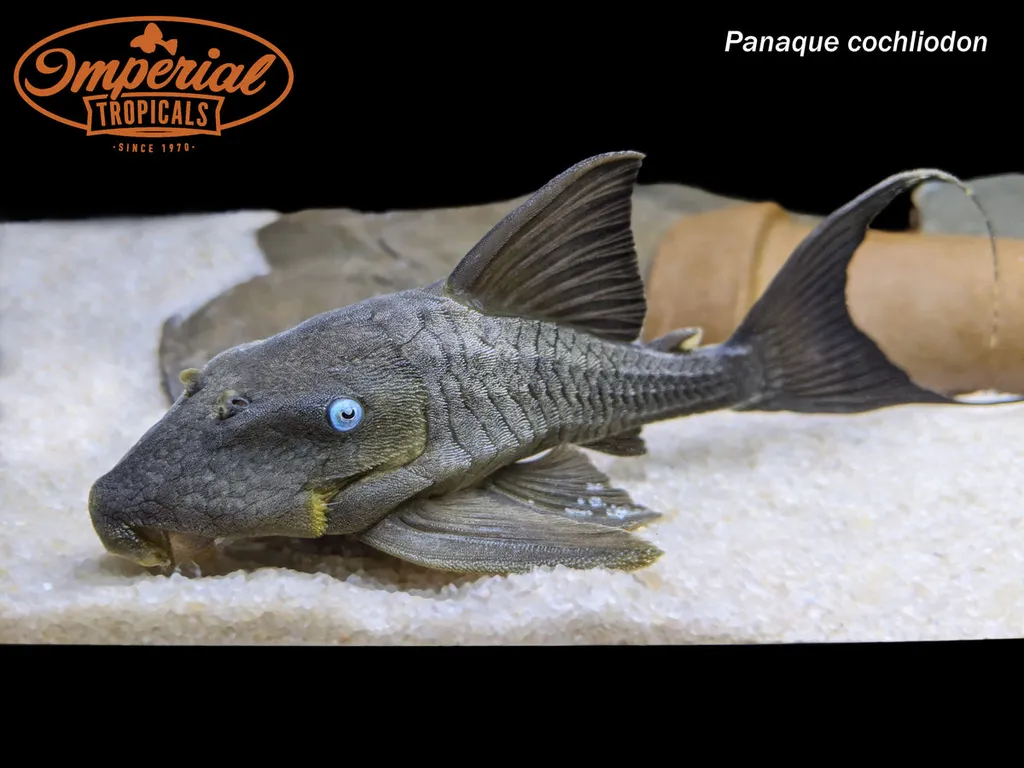 11.8 in (30 cm)119 gal (450 L)73–82°F (23–28°C)
Blue-eyed pleco
Panaque cochliodon
11.8 in (30 cm) · 119 gal (450 L)
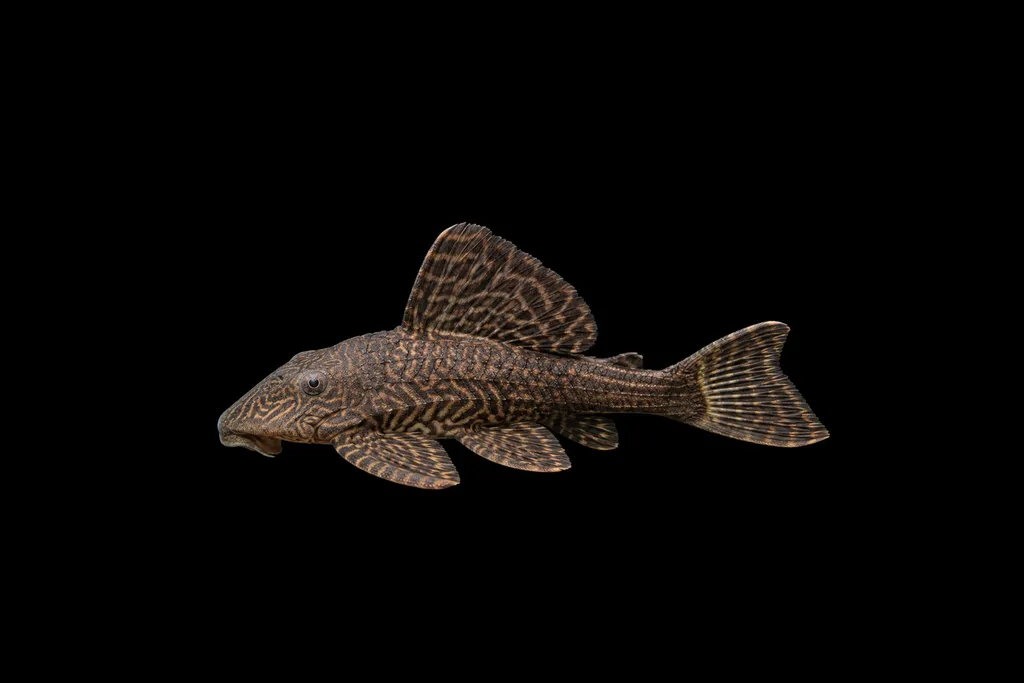 23.6 in (60 cm)264 gal (1,000 L)77–84°F (25–29°C)
Volkswagen pleco
Panaque schaeferi
23.6 in (60 cm) · 264 gal (1,000 L)
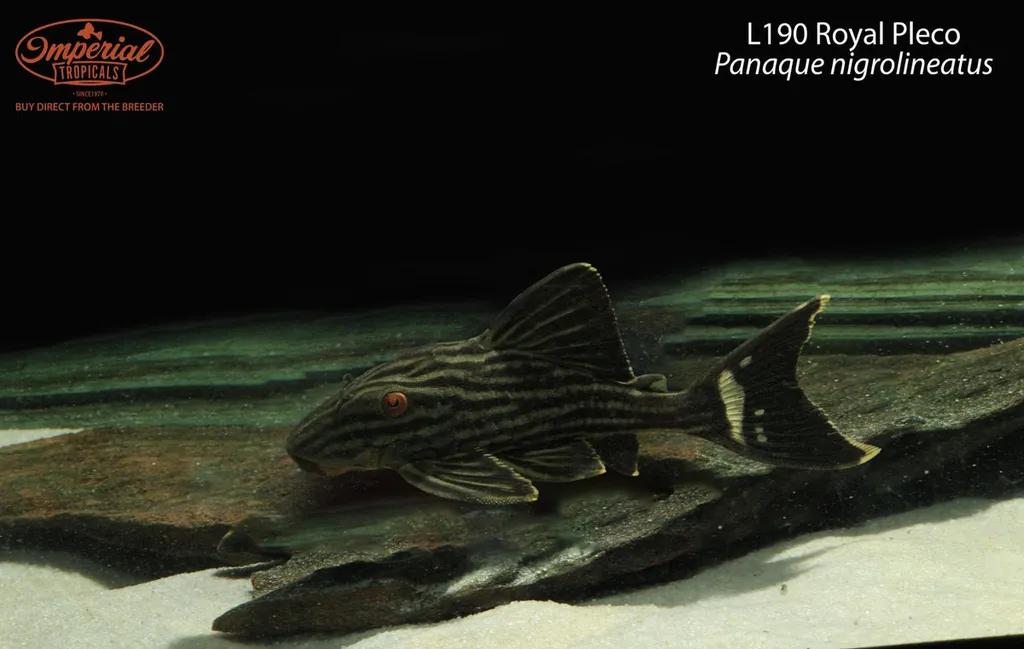 16.9 in (43 cm)125 gal (473 L)72–82°F (22–28°C)
Royal pleco
Panaque nigrolineatus
16.9 in (43 cm) · 125 gal (473 L)
 17.7 in (45 cm)151 gal (570 L)77–84°F (25–29°C)
Thunder royal pleco (L027)
Panaque armbrusteri
17.7 in (45 cm) · 151 gal (570 L)
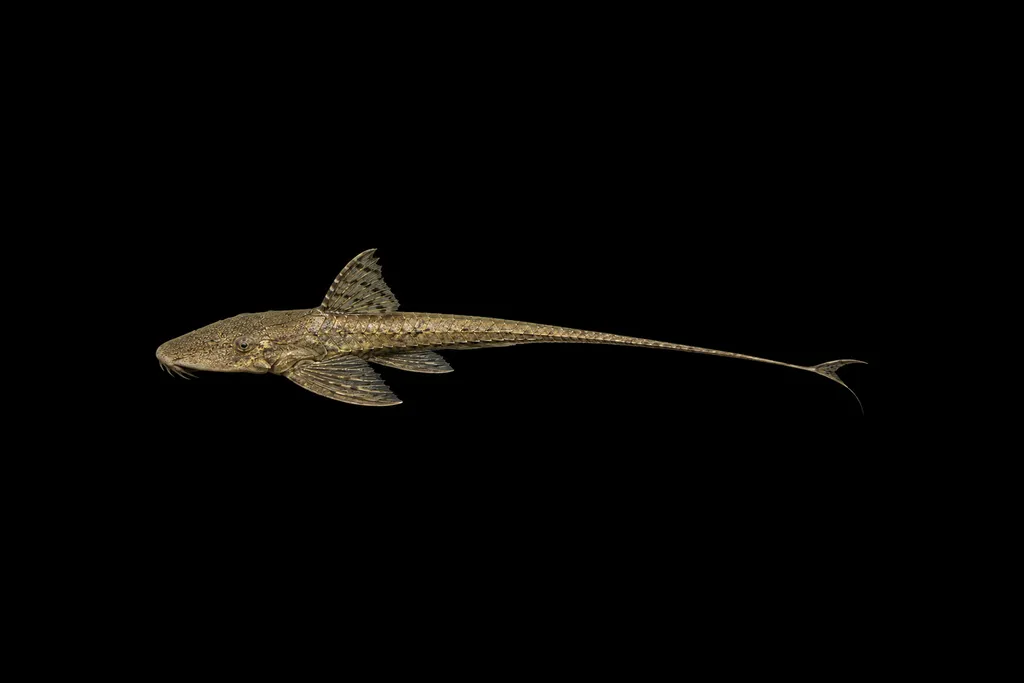 9.8 in (25 cm)53 gal (200 L)73–82°F (23–28°C)
Parnahyba whiptail
Loricaria parnahybae
9.8 in (25 cm) · 53 gal (200 L)
 10.2 in (26 cm)79 gal (300 L)77–84°F (25–29°C)
Brown pleco
Hypostomus plecostomoides
10.2 in (26 cm) · 79 gal (300 L)