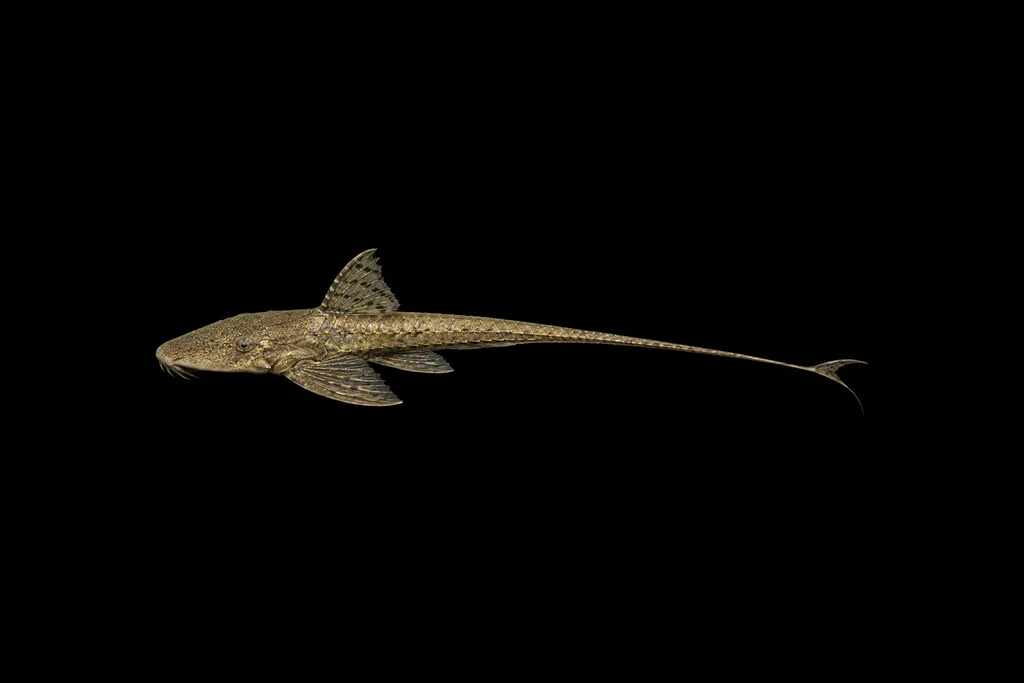
Parnahyba whiptail
Loricaria parnahybae
Also known as Parnaiba whiptail catfish
FreshwaterFish
Care at a glance
- Temperature
- 73–82°F
- 23–28°C
- pH
- 6.0–7.5
- Adult size
- 9.8 in
- 25 cm
- Minimum tank
- 53 gal
- 200 L
- Temperament
- Peaceful
- Social behavior
- Social
- Swim level
- Bottom
- Difficulty
- Medium
- Breeding
- Egg carrier · Medium
- Rarity
- Rare
- Family
- Loricariidae
- Origin
- Parnaiba River basin, northeastern Brazil
Overview
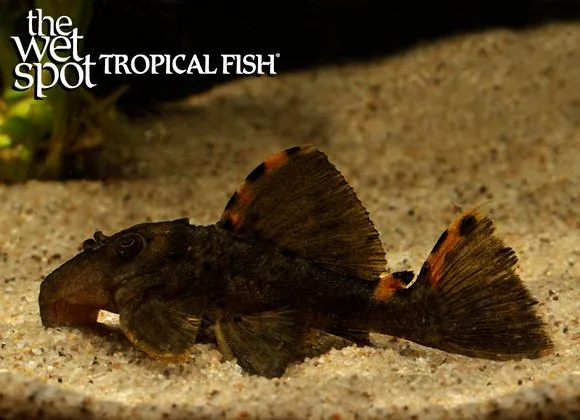
The Parnahyba whiptail is a long, flattened catfish that spends its life lying on open sand. It is best kept by someone with a little experience.
Did you know
A male Parnahyba whiptail broods the eggs himself, and he cannot feed normally the whole time he is minding the next generation.
Caring for the Parnahyba whiptail
Give a Parnahyba whiptail at least 53 gal (200 L), with plenty of open sand in a wide, uncluttered area. A deep bed of soft, fine sand is the single most important thing you can give it. Make it deep enough to sift, and edge it with driftwood and a few shady spots. Sharp gravel damages the belly and barbels, so fine sand is not optional.
It tolerates a broad range of water, at 73 to 82°F (23 to 28°C) and a pH of 6.0 to 7.5. Keep the water clean and gently moving. Feed sinking pellets and wafers along with frozen bloodworm and daphnia, and make sure the food reaches the bottom.
The Parnahyba whiptail is social and does fine alone or in a group. It is peaceful and will not trouble other tank mates. Choose small, calm companions that feed in the upper water, so the whiptail is not out-competed at the floor.
Breeding is of moderate difficulty. After spawning, the male gathers the eggs and carries the clutch on his enlarged lower lip and barbels. He broods them for around two weeks while still burying into the sand.
Good to know
Loricaria parnahybae belongs to the whiptail branch of the family Loricariidae. Its body reaches about 16 centimeters, and a trailing tail filament makes up the rest of its length.
In the wild
The Parnahyba whiptail comes from the Parnaiba river system of northeastern Brazil. There it rests on open sand banks and buries into them.
Weekly picks
Tank mates
The Parnahyba whiptail is a peaceful, social species that keeps to the bottom. These picks share a community profile with it, are safe together in both directions, and overlap on water type, temperature and pH.
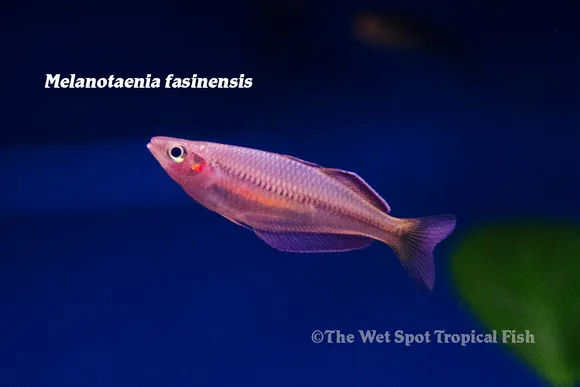
Fasin rainbowfish
Melanotaenia fasinensis
Freshwater5.4 in (13.8 cm) · 53 gal (200 L)75–84°F (24–29°C)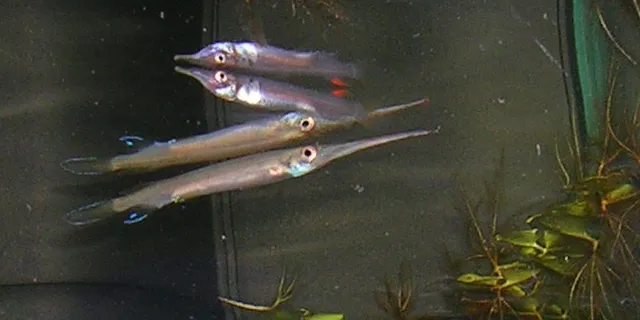
Forest halfbeak
Hemirhamphodon pogonognathus
Freshwater3.5 in (9 cm) · 34 gal (130 L)75–82°F (24–28°C)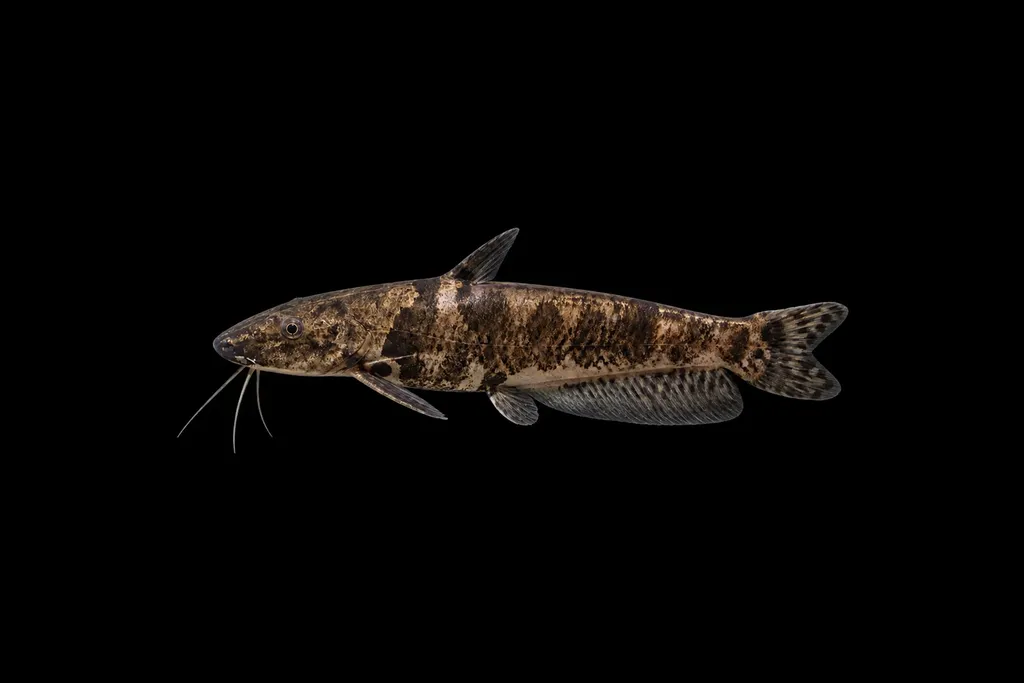
Zamora catfish
Auchenipterichthys thoracatus
Freshwater5.5 in (14 cm) · 53 gal (200 L)73–82°F (23–28°C)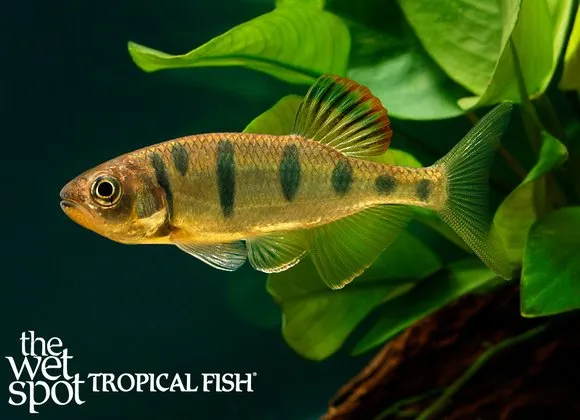
Jeweled baril
Opsarius pulchellus
Freshwater5.1 in (13 cm) · 53 gal (200 L)72–81°F (22–27°C)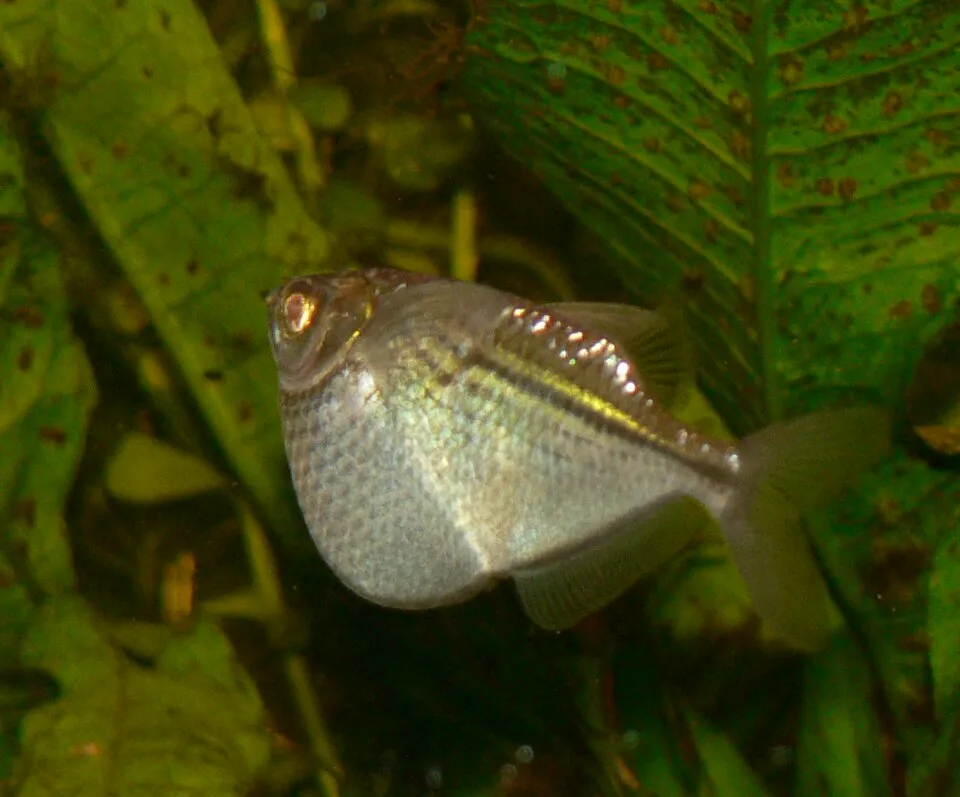
Common hatchetfish
Gasteropelecus sternicla
Freshwater1.6 in (4 cm) · 33 gal (125 L)68–82°F (20–28°C)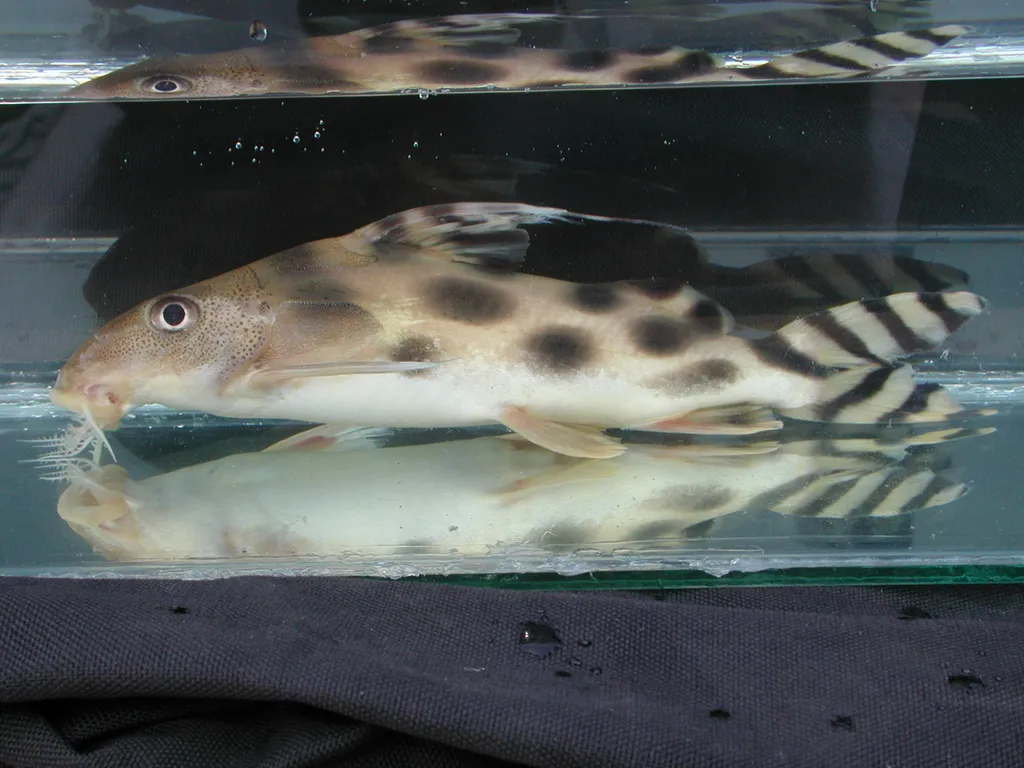
Decorated squeaker
Synodontis decorus
Freshwater11.8 in (30 cm) · 53 gal (200 L)72–81°F (22–27°C)
Common questions
What size tank does a Parnahyba whiptail need?
A Parnahyba whiptail needs at least 53 gal (200 L). It spends most of its time in the bottom.
What temperature and pH does a Parnahyba whiptail need?
A Parnahyba whiptail is comfortable at 73–82°F (23–28°C) with a pH of 6.0–7.5.
What does a Parnahyba whiptail eat?
A Parnahyba whiptail eats sinking pellets and wafers along with frozen bloodworm and daphnia. Make sure the food reaches the bottom.
How big does a Parnahyba whiptail get?
An adult Parnahyba whiptail reaches about 9.8 in (25 cm).
How can you tell a male Parnahyba whiptail from a female?
Males have an enlarged lower lip, which they use to carry the clutch of eggs after spawning.
Related species
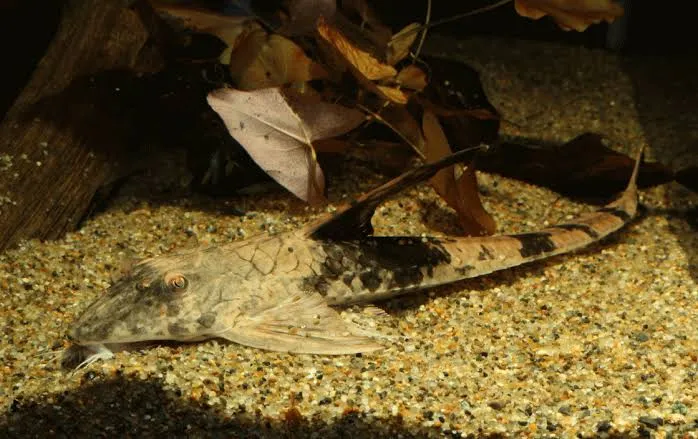 10.2 in (26 cm)66 gal (250 L)75–82°F (24–28°C)
Marble whiptail
Loricaria simillima
10.2 in (26 cm) · 66 gal (250 L)
 9.8 in (25 cm)79 gal (300 L)77–84°F (25–29°C)
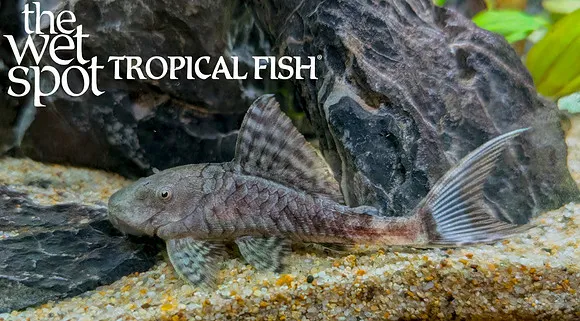
Papa panaque
Panaque bathyphilus
9.8 in (25 cm) · 79 gal (300 L)
 10.2 in (26 cm)79 gal (300 L)77–84°F (25–29°C)
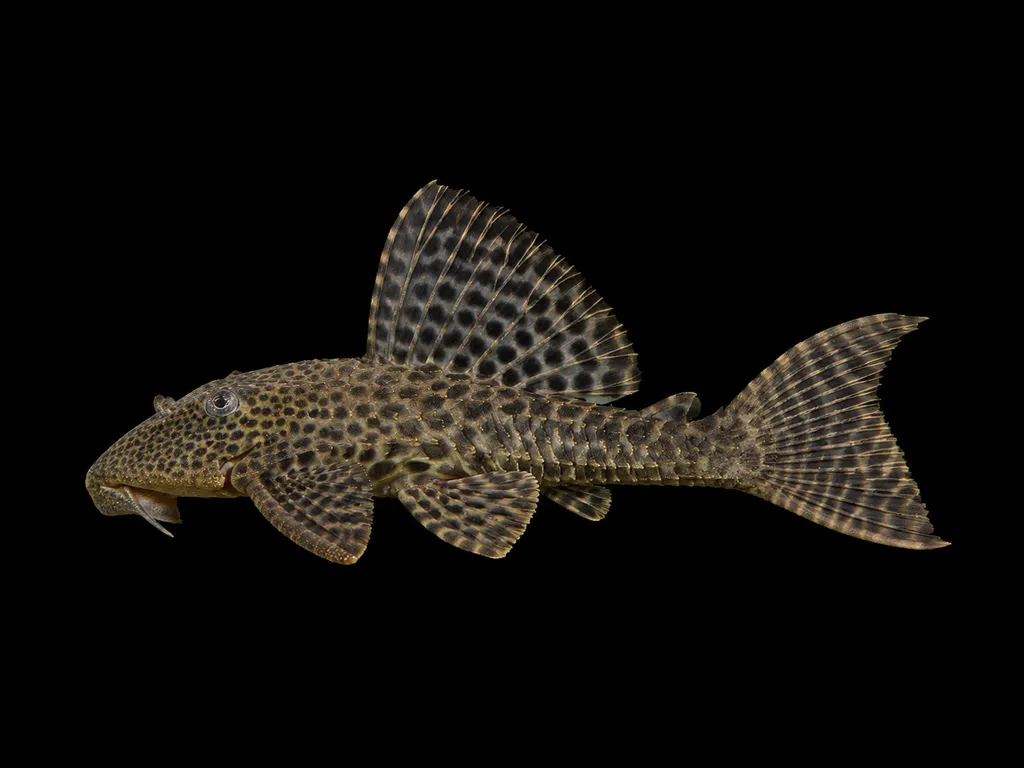
Brown pleco
Hypostomus plecostomoides
10.2 in (26 cm) · 79 gal (300 L)
 9.4 in (24 cm)79 gal (300 L)77–84°F (25–29°C)
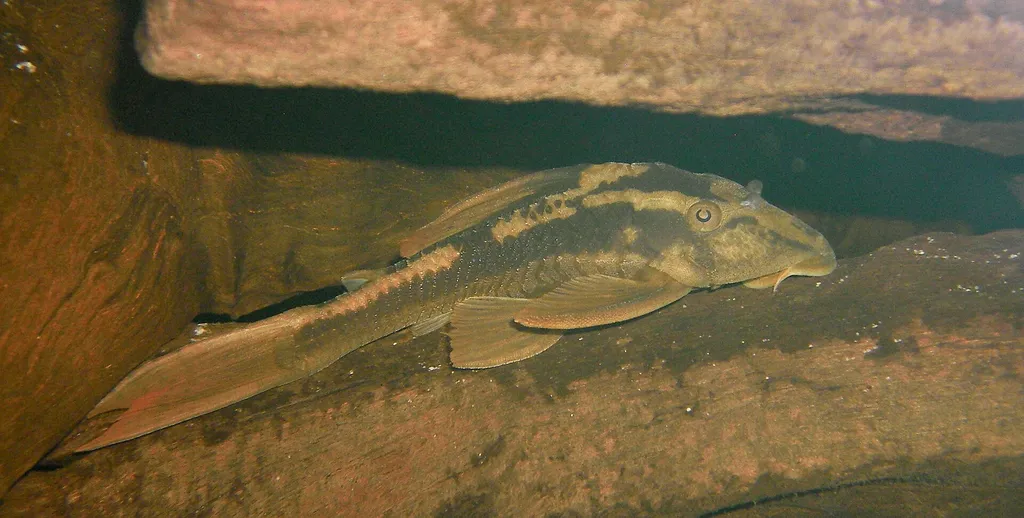
Basilisk pleco
Hypostomus basilisko
9.4 in (24 cm) · 79 gal (300 L)
 9.1 in (23 cm)79 gal (300 L)75–82°F (24–28°C)
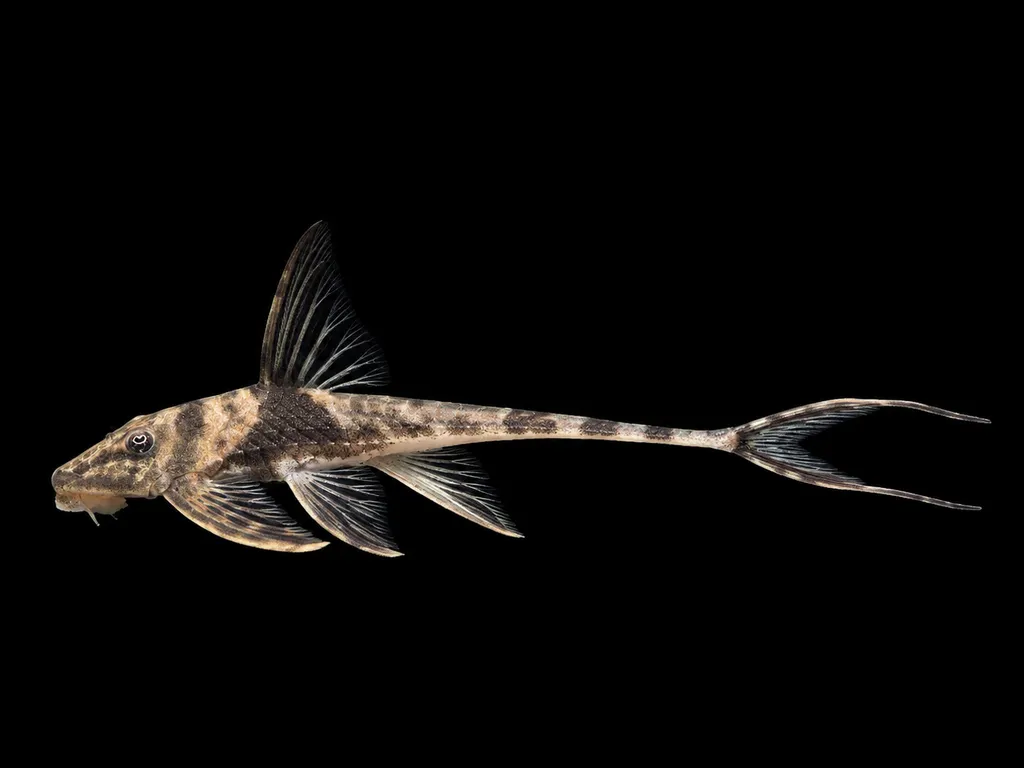
Llanero whiptail
Lamontichthys llanero
9.1 in (23 cm) · 79 gal (300 L)
 11 in (28 cm)106 gal (400 L)79–86°F (26–30°C)
Three beacon pleco
Leporacanthicus triactis
11 in (28 cm) · 106 gal (400 L)