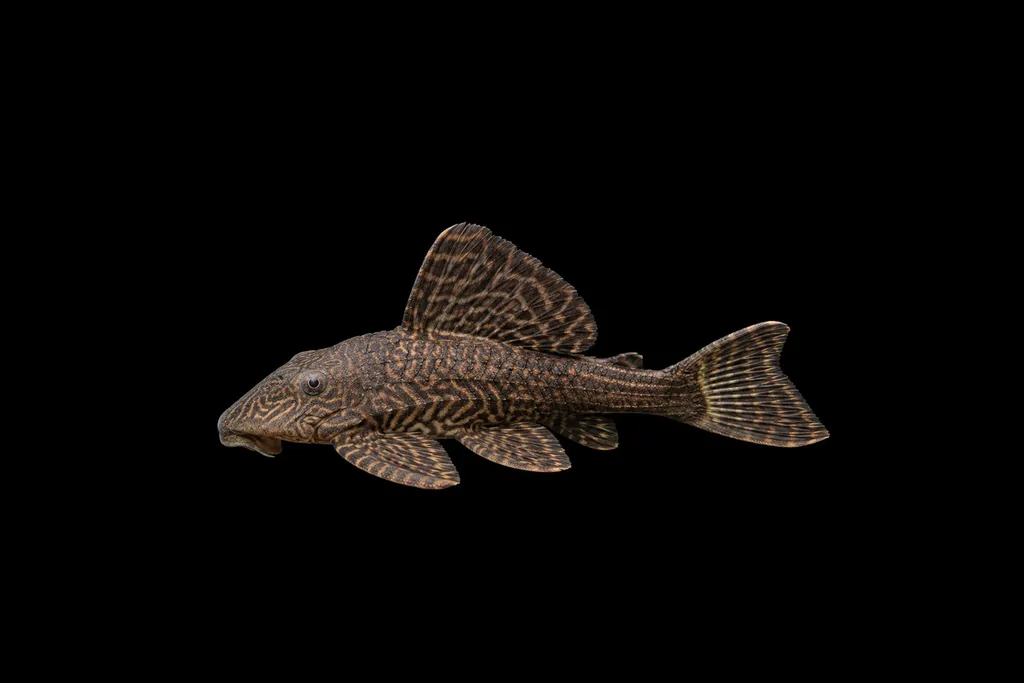
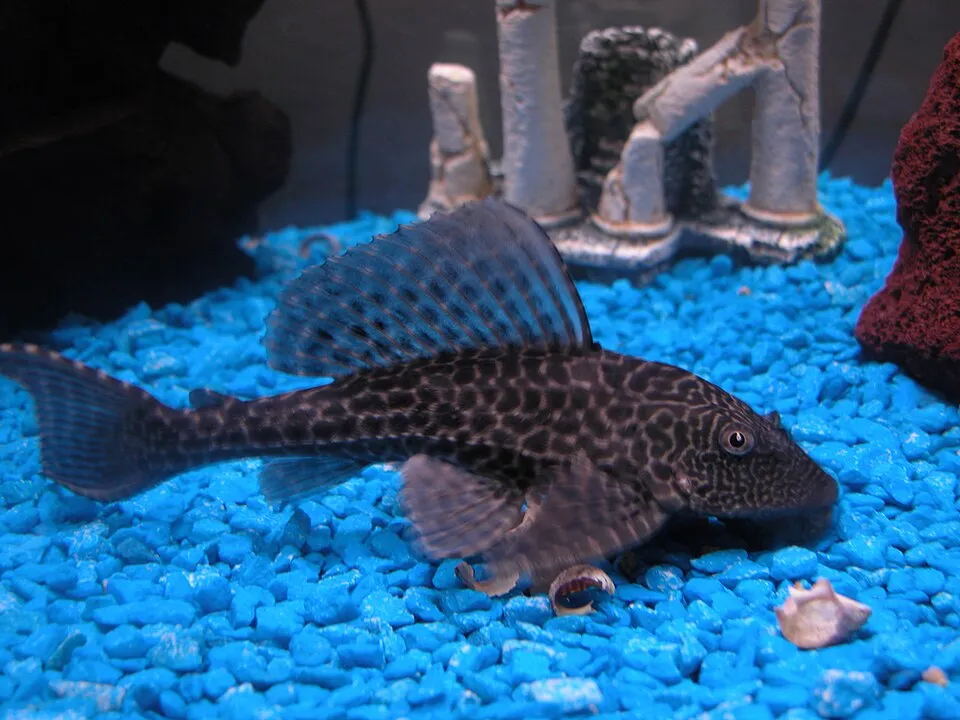
Volkswagen pleco
Panaque schaeferi
Also known as L203, L90C, Titanic panaque
FreshwaterFish
Care at a glance
- Temperature
- 77–84°F
- 25–29°C
- pH
- 6.0–7.4
- Adult size
- 23.6 in
- 60 cm
- Minimum tank
- 264 gal
- 1,000 L
- Temperament
- Peaceful
- Social behavior
- Solitary
- Swim level
- Bottom
- Diet
- Omnivore
- Difficulty
- Difficult
- Breeding
- Hard
- Rarity
- Rare
- Family
- Loricariidae
- Origin
- Upper Amazon, Peru
Overview
The Volkswagen pleco is a giant, wood-eating catfish for a very large tank. It is only for experienced keepers.
Did you know
The hobby names the Volkswagen pleco after a car, and the joke undersells it. It is thought to be the largest of the wood-eating plecos. It kept growing well past its cute juvenile stage long before science formally described it in 2010.
Caring for the Volkswagen pleco
The Volkswagen pleco is a huge fish that needs a tank of at least 264 gal (1,000 L). Fill it with large driftwood over a sand base, as both food and cover.
Keep the water warm and soft to neutral, at 77 to 84°F (25 to 29°C) and a pH of 6.0 to 7.4. Give it strong flow with high oxygen. It is a messy fish with a heavy waste load, so run very strong filtration and do frequent water changes.
It lives on the bottom, rasping at driftwood and grazing surfaces, and it needs a lot of wood to gnaw. Add sinking vegetables, algae wafers and some protein foods.
It is peaceful toward other fish but best kept singly, since adults can be territorial with their own kind. Give it big, calm tank mates rather than anything small enough to be bothered by a fish this large. Breeding it in home tanks is hard, given its size.
Good to know
Panaque schaeferi is an armored catfish in the family Loricariidae. It rasps wood with spoon-shaped teeth, but it feeds mainly on the microorganisms and film on the bark. It does not digest the wood itself, and its droppings look like sawdust.
In the wild
The Volkswagen pleco comes from big rivers of the upper Amazon, especially the Solimoes and its tributaries in Peru. It grazes and gnaws submerged wood from fallen trees there.
Weekly picks
Tank mates
The Volkswagen pleco is a peaceful, solitary species that keeps to the bottom. These picks share a community profile with it, are safe together in both directions, and overlap on water type, temperature and pH.
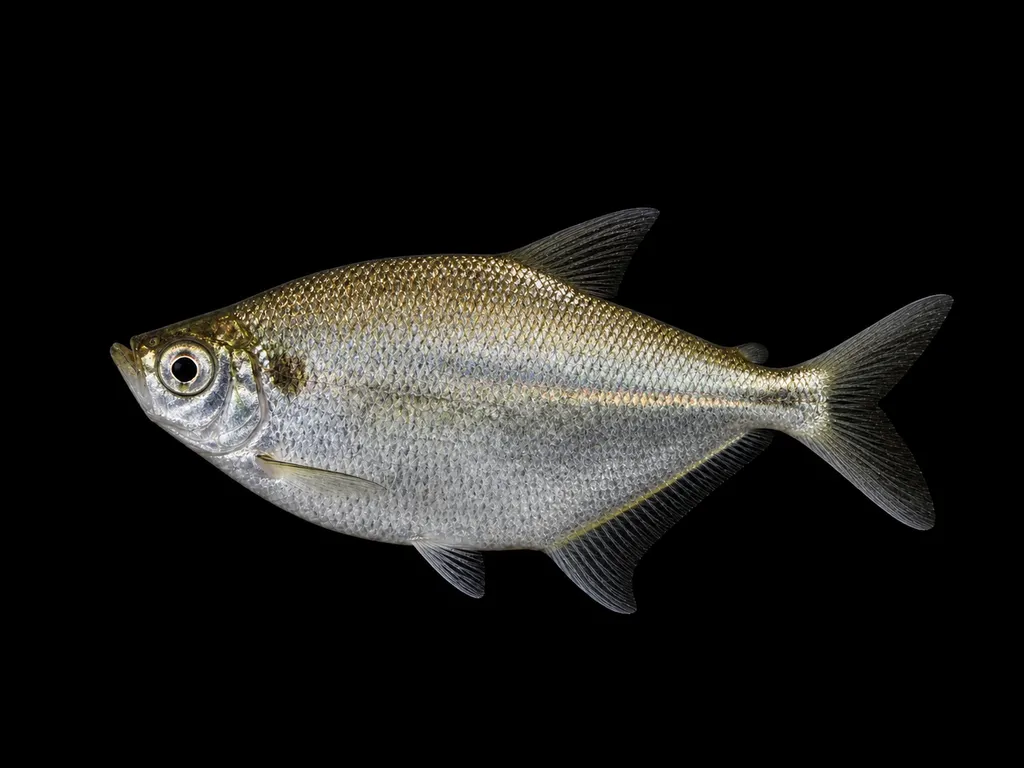
Giant river hatchetfish
Triportheus rotundatus
Freshwater9.8 in (25 cm) · 79 gal (300 L)73–82°F (23–28°C)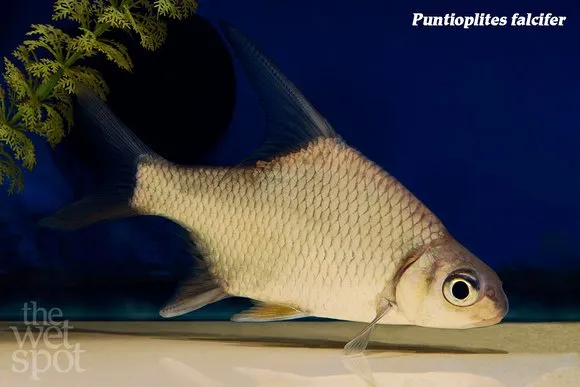
Sickle-fin barb
Puntioplites falcifer
Freshwater15.7 in (40 cm) · 264 gal (1,000 L)73–82°F (23–28°C)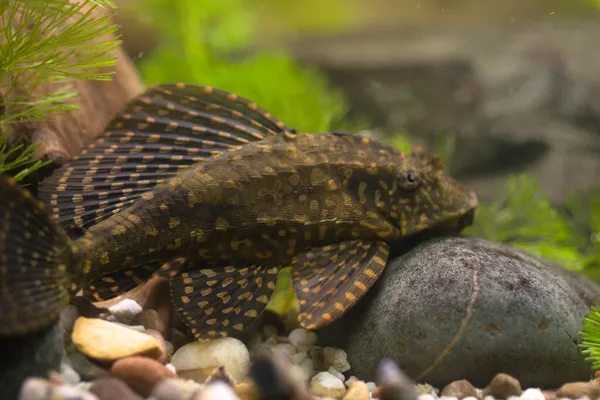
Gold spot sailfin pleco
Pterygoplichthys joselimaianus
Freshwater15.7 in (40 cm) · 119 gal (450 L)77–84°F (25–29°C)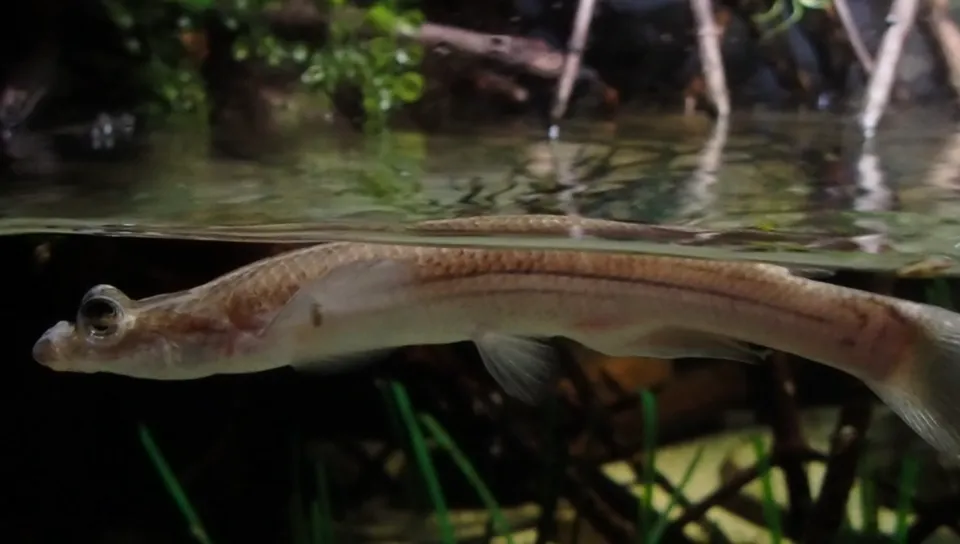
Largescale four-eyed fish
Anableps anableps
FreshwaterBrackish11.8 in (30 cm) · 70 gal (265 L)77–88°F (25–31°C)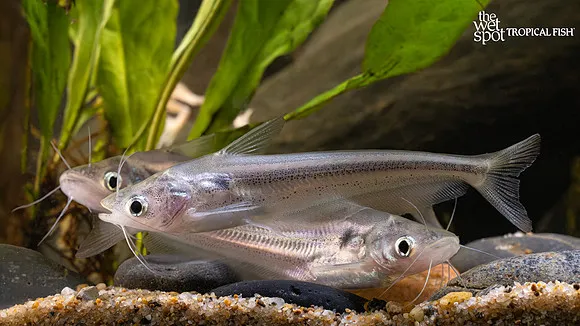
African butter catfish
Schilbe intermedius
Freshwater19.7 in (50 cm) · 264 gal (1,000 L)73–82°F (23–28°C)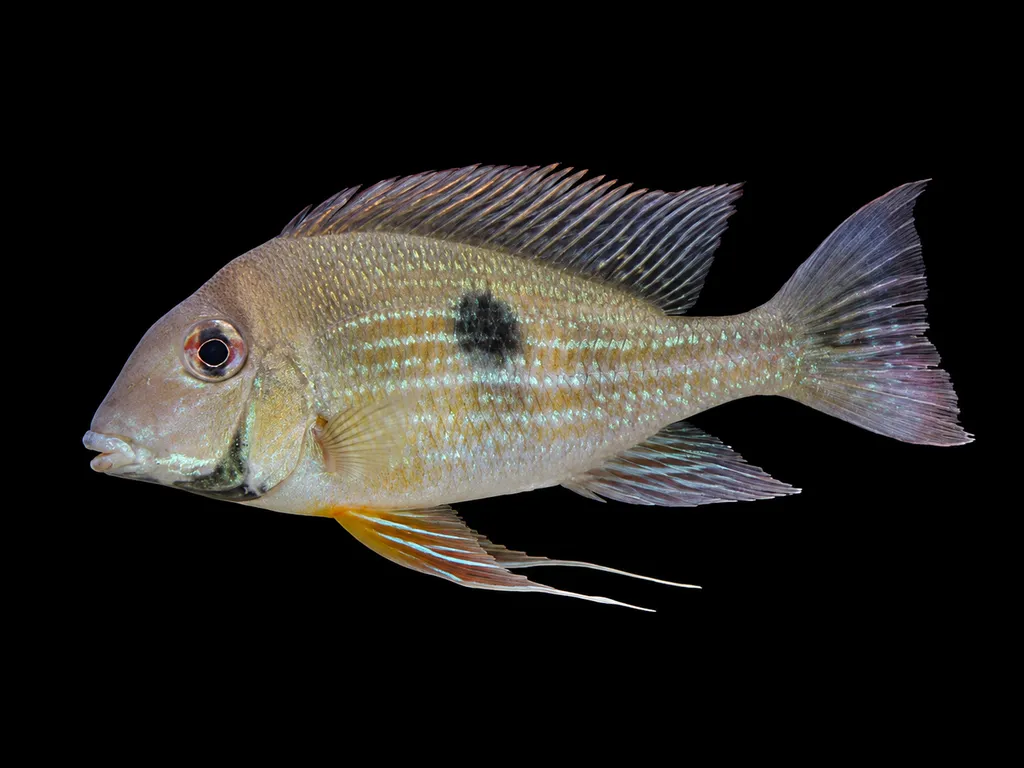
Dicrozoster eartheater
Geophagus dicrozoster
Freshwater9.8 in (25 cm) · 172 gal (650 L)77–84°F (25–29°C)
Common questions
What size tank does a Volkswagen pleco need?
A Volkswagen pleco needs at least 264 gal (1,000 L). It spends most of its time in the bottom.
What temperature and pH does a Volkswagen pleco need?
A Volkswagen pleco is comfortable at 77–84°F (25–29°C) with a pH of 6.0–7.4.
What does a Volkswagen pleco eat?
A Volkswagen pleco needs a lot of driftwood to gnaw. Feed it sinking vegetables, algae wafers and some protein foods as well.
How big does a Volkswagen pleco get?
An adult Volkswagen pleco reaches about 23.6 in (60 cm).
Related species
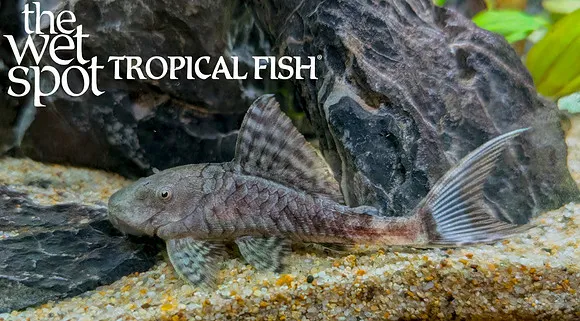 9.8 in (25 cm)79 gal (300 L)77–84°F (25–29°C)
Papa panaque
Panaque bathyphilus
9.8 in (25 cm) · 79 gal (300 L)
 17.7 in (45 cm)151 gal (570 L)77–84°F (25–29°C)
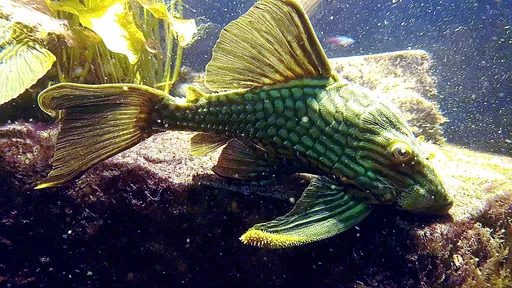
Thunder royal pleco (L027)
Panaque armbrusteri
17.7 in (45 cm) · 151 gal (570 L)
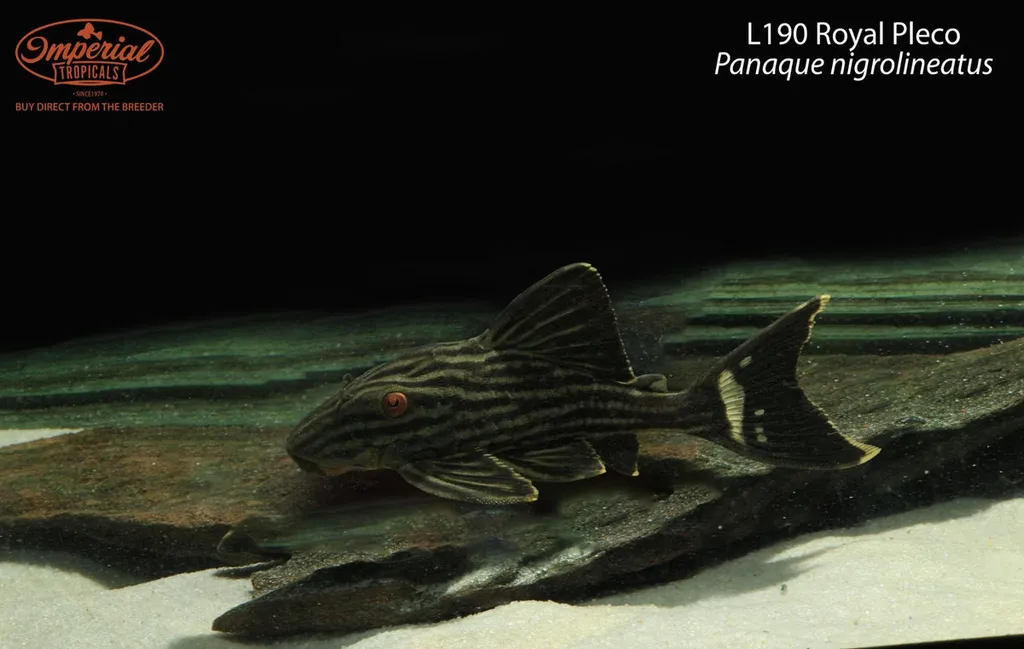 16.9 in (43 cm)125 gal (473 L)72–82°F (22–28°C)
Royal pleco
Panaque nigrolineatus
16.9 in (43 cm) · 125 gal (473 L)
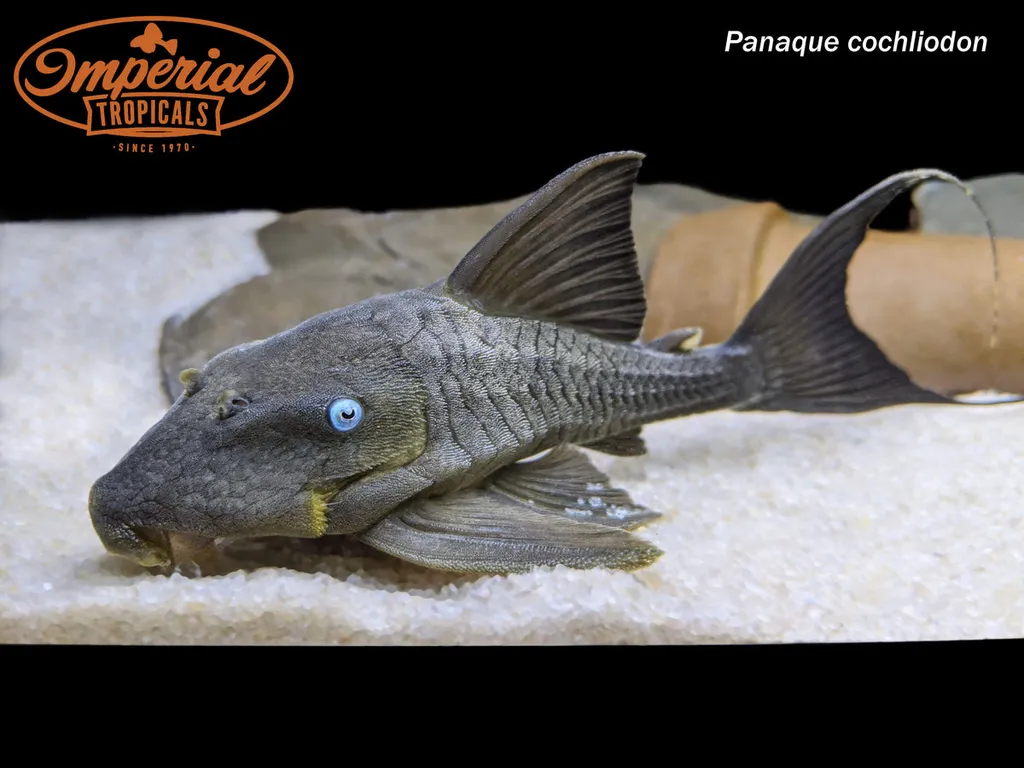 11.8 in (30 cm)119 gal (450 L)73–82°F (23–28°C)
Blue-eyed pleco
Panaque cochliodon
11.8 in (30 cm) · 119 gal (450 L)
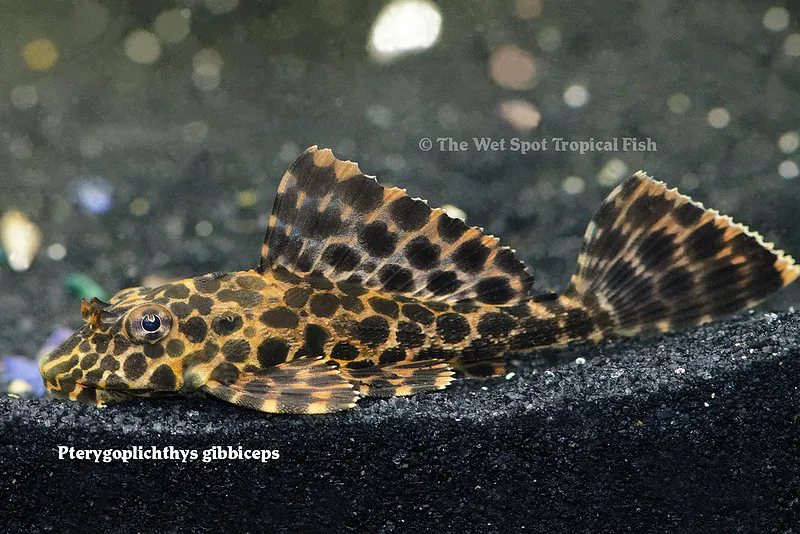 18.9 in (48 cm)100 gal (380 L)72–86°F (22–30°C)
Leopard sailfin pleco
Pterygoplichthys gibbiceps
18.9 in (48 cm) · 100 gal (380 L)
 17.7 in (45 cm)100 gal (380 L)72–84°F (22–29°C)
Amazon sailfin catfish
Pterygoplichthys pardalis
17.7 in (45 cm) · 100 gal (380 L)