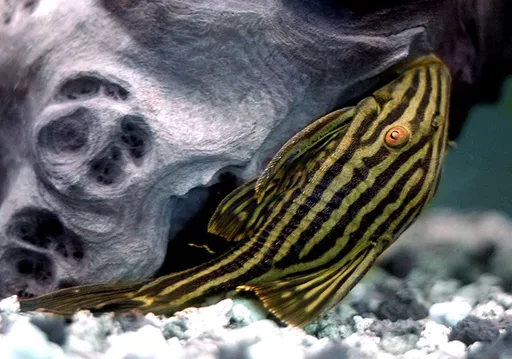
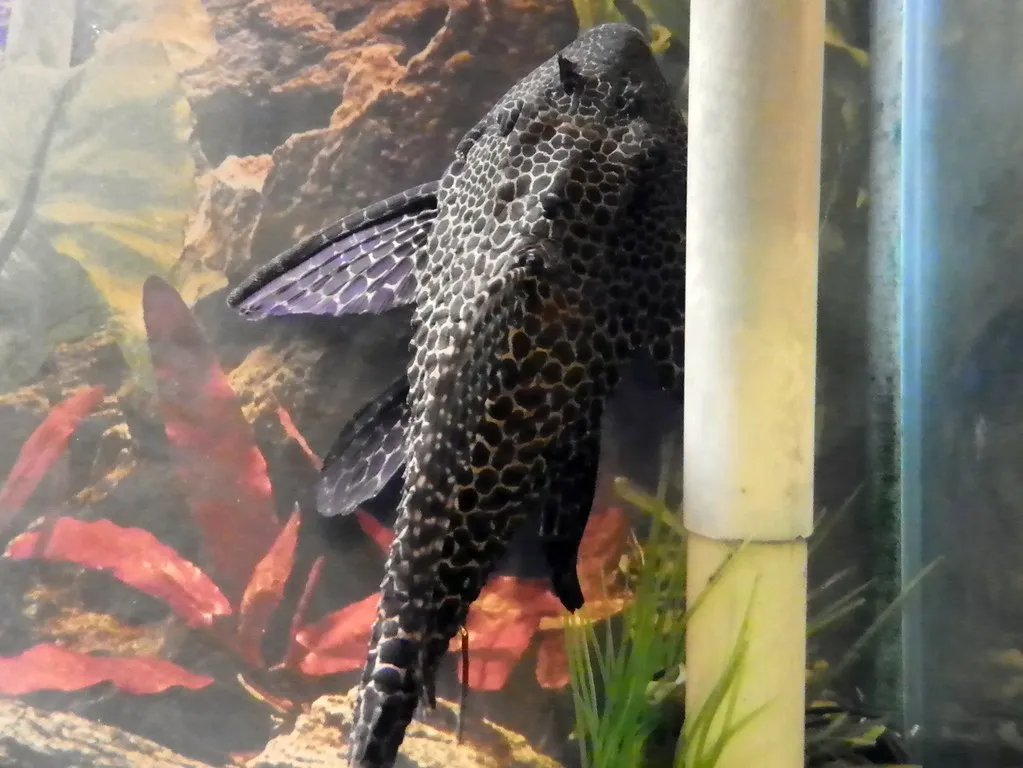
Royal pleco
Panaque nigrolineatus
Also known as L190, Royal plec
FreshwaterFish
Care at a glance
- Temperature
- 72–82°F
- 22–28°C
- pH
- 6.5–7.5
- Adult size
- 16.9 in
- 43 cm
- Minimum tank
- 125 gal
- 473 L
- Temperament
- Mostly peaceful
- Social behavior
- Solitary
- Swim level
- Bottom
- Difficulty
- Difficult
- Breeding
- Hard
- Rarity
- Common
- Family
- Loricariidae
- Origin
- Orinoco and Amazon basins
Overview
Keep one per tank, since they are territorial toward other plecos and catfish, in a tank of at least 473 liters. They are mostly peaceful bottom dwellers but need a lot of space and their own wood to rasp on. Driftwood is not optional, they scrape and digest it with gut bacteria, so keep several large pieces available at all times along with vegetables like zucchini and sweet potato. They produce a lot of sawdust-like waste and a heavy bioload, so run oversized filtration and good flow, and hold the water at 22 to 28 C with a pH of 6.5 to 7.5. Pick tankmates that stay out of the bottom zone and won't compete for the same territory.
In the wild
Royal plecos come from fast, oxygen-rich stretches of the Orinoco and Amazon basins, where they spend their time on submerged wood and rocky bottoms. To match that, give them a tank with several large pieces of driftwood, a sand or smooth substrate to protect the belly, and strong flow from oversized filtration. Keep the water between 22 and 28 C with a pH from 6.5 to 7.5. They want a big, mature tank with plenty of current and cover.
Good to know
This is a wood-eating catfish in the family Loricariidae, a large pleco that reaches around 43 cm as an adult. Breeding in the home tank is hard and rarely done, so most fish in the trade are wild caught. They are long-lived and can stay with you for many years given the right setup.
Did you know
This is one of the few fish that actually eats wood. It rasps fine shavings off driftwood and relies on bacteria in its long gut to break down the cellulose, which is why the waste comes out looking like wet sawdust. Take the wood away and the whole digestive system has nothing to work with.
Weekly picks
Tank mates
Royal pleco is a mostly peaceful, solitary species that keeps to the bottom. These picks share a community profile with it, are safe together in both directions, and overlap on water type, temperature and pH.
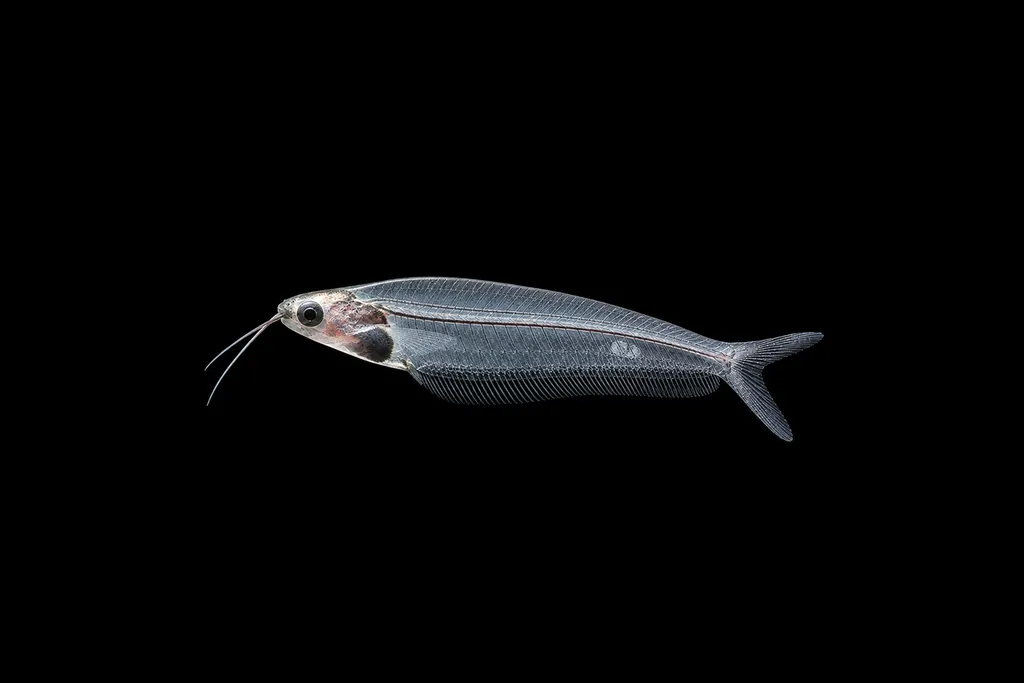
Mekong glass sheatfish
Kryptopterus limpok
Freshwater11.8 in (30 cm) · 119 gal (450 L)73–81°F (23–27°C)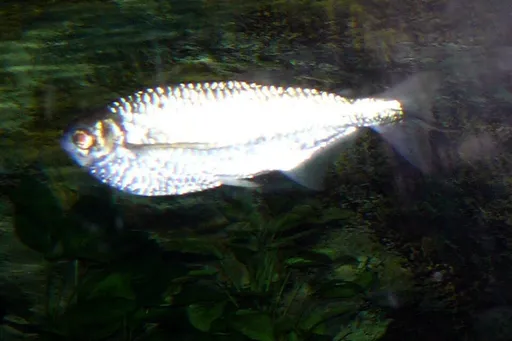
Narrow hatchetfish
Triportheus angulatus
Freshwater9.8 in (25 cm) · 79 gal (300 L)73–82°F (23–28°C)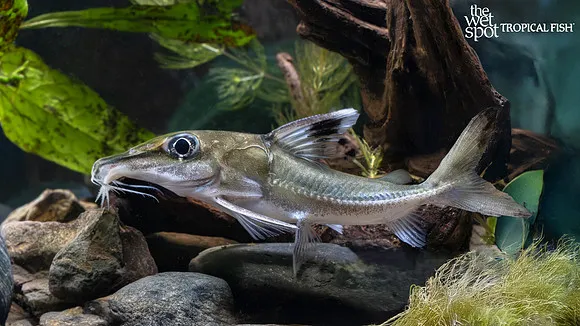
Black-top mouse catfish
Hassar orestis
Freshwater11.8 in (30 cm) · 106 gal (400 L)73–82°F (23–28°C)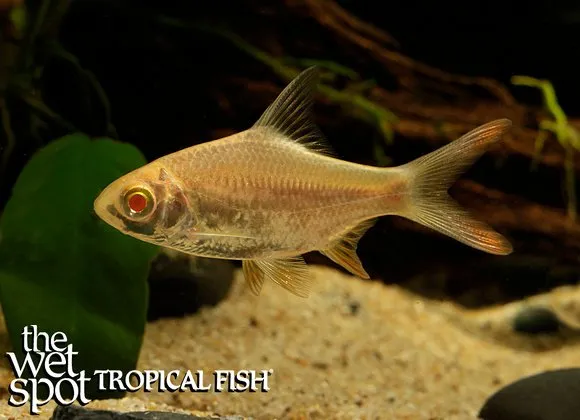
Red-tailed tinfoil barb
Barbonymus altus
Freshwater9.8 in (25 cm) · 106 gal (400 L)72–82°F (22–28°C)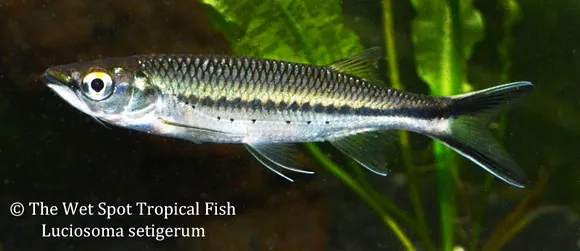
Apollo shark minnow
Luciosoma setigerum
Freshwater11.8 in (30 cm) · 106 gal (400 L)72–81°F (22–27°C)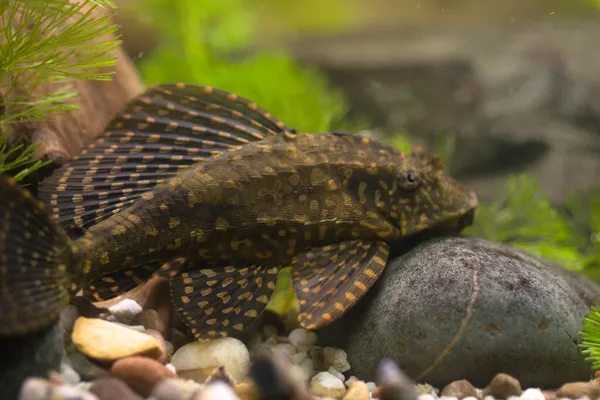
Gold spot sailfin pleco
Pterygoplichthys joselimaianus
Freshwater15.7 in (40 cm) · 119 gal (450 L)77–84°F (25–29°C)
Common questions
What size tank does a Royal pleco need?
A Royal pleco needs at least 125 gal (473 L). It spends most of its time in the bottom.
What temperature and pH does a Royal pleco need?
A Royal pleco is comfortable at 72–82°F (22–28°C) with a pH of 6.5–7.5.
How big does a Royal pleco get?
An adult Royal pleco reaches about 16.9 in (43 cm).
Related species
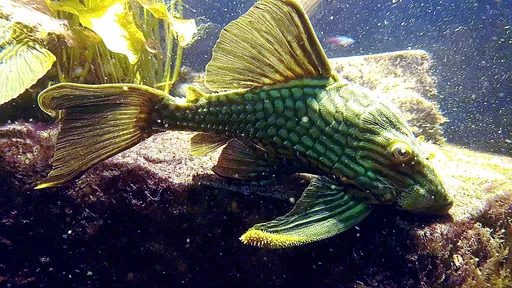 17.7 in (45 cm)151 gal (570 L)77–84°F (25–29°C)
Thunder royal pleco (L027)
Panaque armbrusteri
17.7 in (45 cm) · 151 gal (570 L)
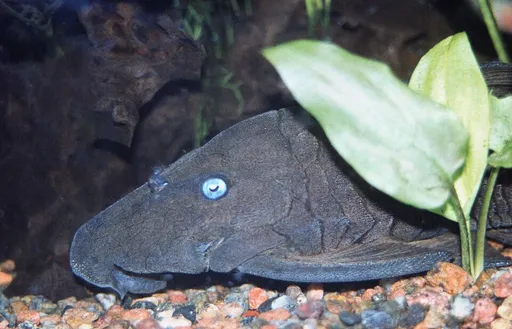 11.8 in (30 cm)119 gal (450 L)73–82°F (23–28°C)
Blue-eyed pleco
Panaque cochliodon
11.8 in (30 cm) · 119 gal (450 L)
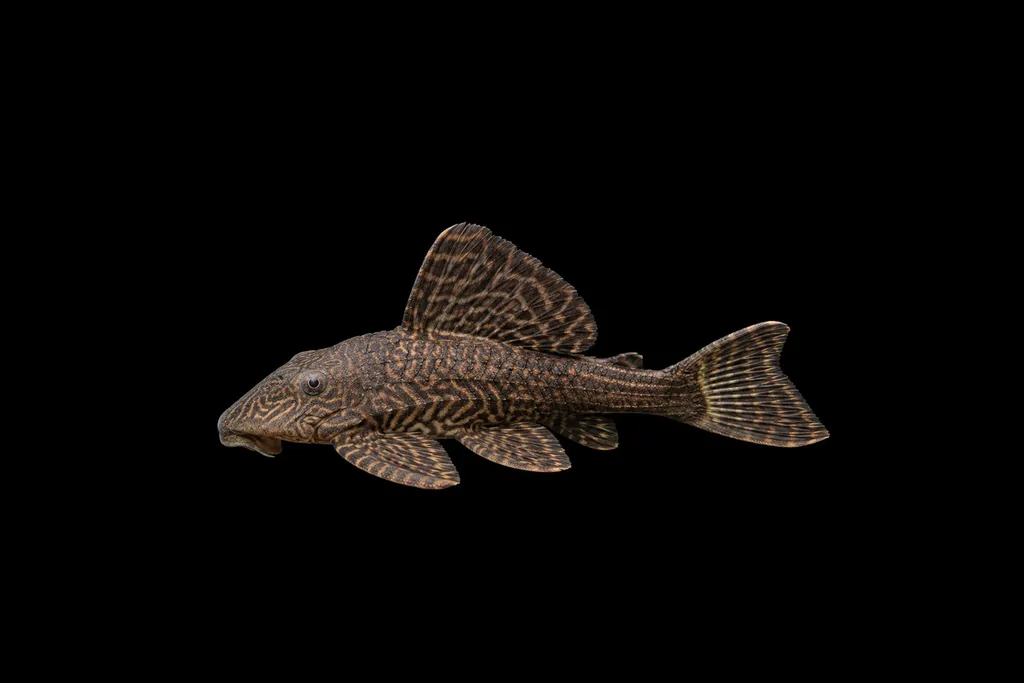 23.6 in (60 cm)264 gal (1,000 L)77–84°F (25–29°C)
Volkswagen pleco
Panaque schaeferi
23.6 in (60 cm) · 264 gal (1,000 L)
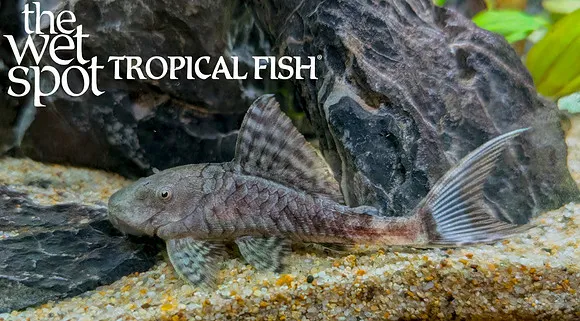 9.8 in (25 cm)79 gal (300 L)77–84°F (25–29°C)
Papa panaque
Panaque bathyphilus
9.8 in (25 cm) · 79 gal (300 L)
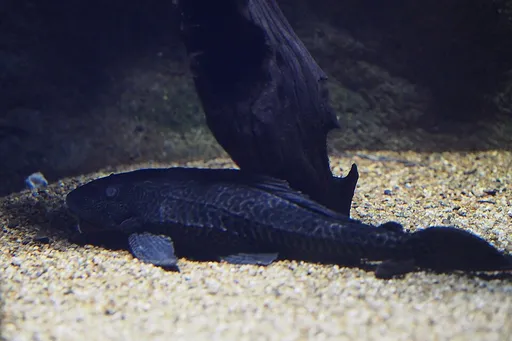 17.7 in (45 cm)100 gal (380 L)73–84°F (23–29°C)
Sailfin pleco
Pterygoplichthys disjunctivus
17.7 in (45 cm) · 100 gal (380 L)
 15.7 in (40 cm)85 gal (320 L)72–86°F (22–30°C)
Common pleco
Hypostomus plecostomus
15.7 in (40 cm) · 85 gal (320 L)