Common pleco
Hypostomus plecostomus
Also known as suckermouth catfish
FreshwaterFish
Care at a glance
- Temperature
- 72–86°F
- 22–30°C
- pH
- 6.5–7.5
- Adult size
- 15.7 in
- 40 cm
- Minimum tank
- 85 gal
- 320 L
- Temperament
- Mostly peaceful
- Social behavior
- Solitary
- Swim level
- Bottom
- Difficulty
- Easy
- Breeding
- No record
- Rarity
- Very common
- Family
- Loricariidae
- Origin
- Brazil, French Guiana, Guyana
Overview
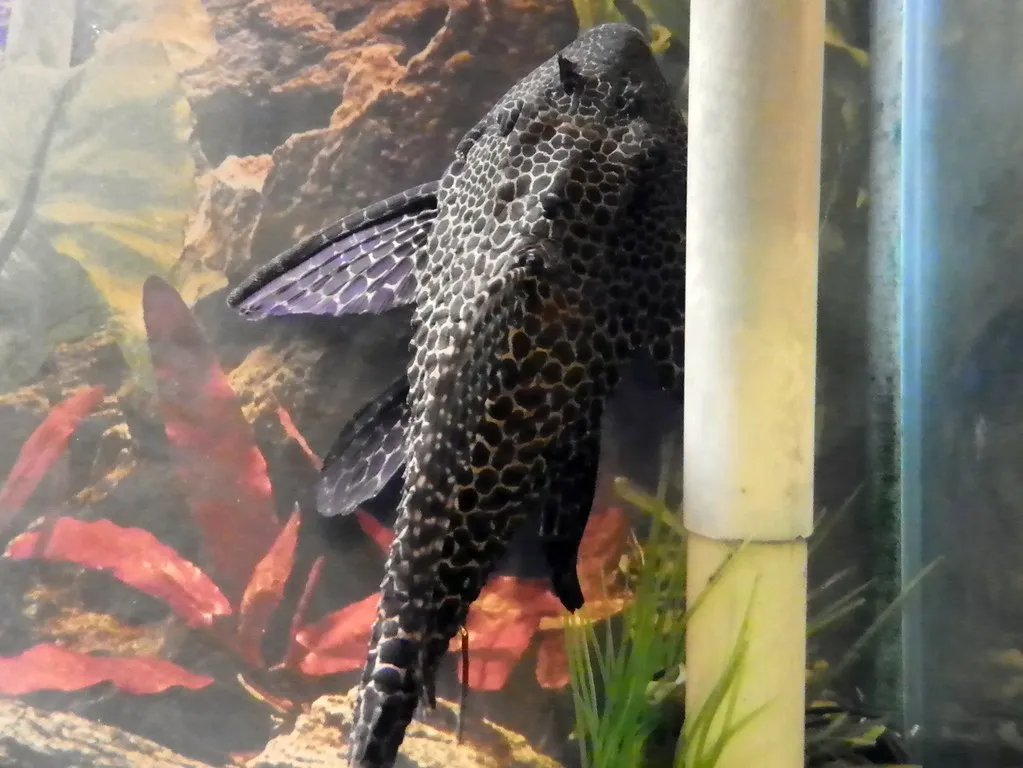
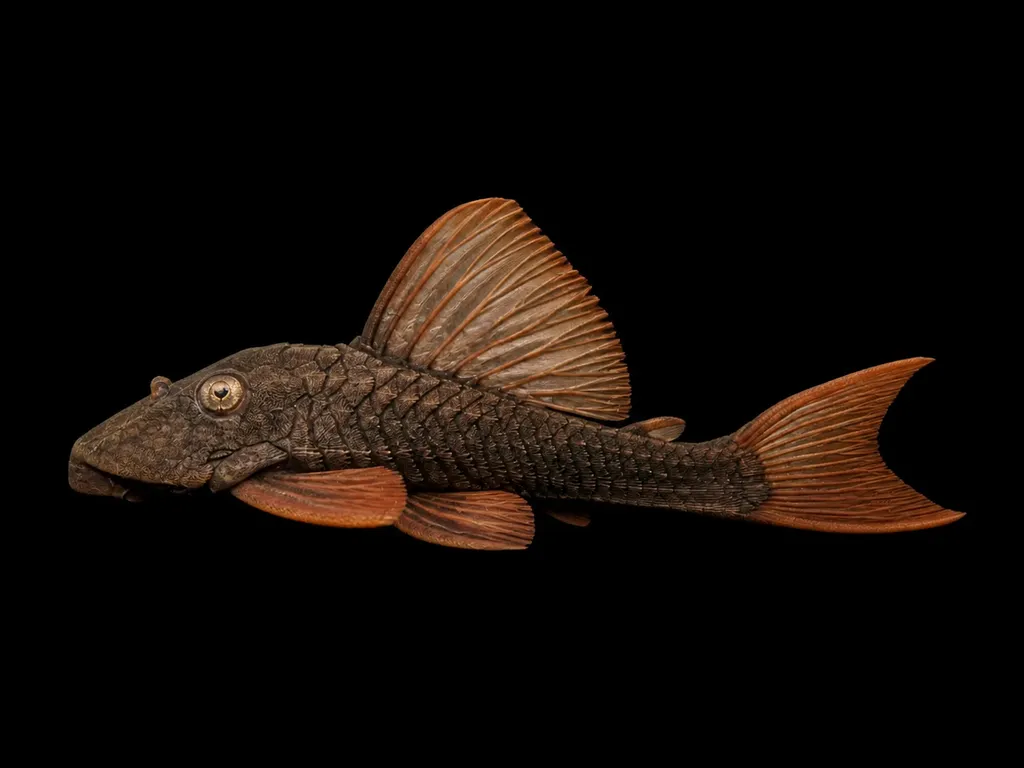
Hypostomus plecostomus is the fish the name common pleco was given, but the pleco sold under that name today is usually a sailfin pleco (Pterygoplichthys); the care below fits either. These are solitary, mostly peaceful fish that need a big tank, around 320 liters or more once grown. They stay on the bottom and are happiest with hiding spots and driftwood to gnaw on. Keep them warm, roughly the low to high 20s C, with a pH near neutral. They eat algae when young but need real food too, like algae wafers and vegetables, and they produce a lot of waste, so strong filtration helps.
In the wild
Common plecos come from rivers and streams across Brazil, French Guiana, and Guyana, where they graze on surfaces and wedge into cover during the day. They handle a wide range of conditions, which is part of why they are so common in the hobby. A tank with driftwood, rockwork, and good filtration matches what they want. They sit on the bottom and rasp at wood and biofilm.
Good to know
This is a suckermouth catfish in the Loricariidae family, covered in bony armor plates rather than scales. It is one of the larger options people buy small without realizing the size, reaching about 40 cm as an adult. It has no established captive breeding record in home tanks, and like other loricariids it uses its sucker mouth to hold position and feed.
Did you know
People buy these as a cleanup fish and are caught off guard when a 5 cm baby turns into a 40 cm adult. Older plecos also lose much of their interest in algae and lean harder on prepared and vegetable foods.
Weekly picks
Tank mates
Common pleco is a mostly peaceful, solitary species that keeps to the bottom. These picks share a community profile with it, are safe together in both directions, and overlap on water type, temperature and pH.
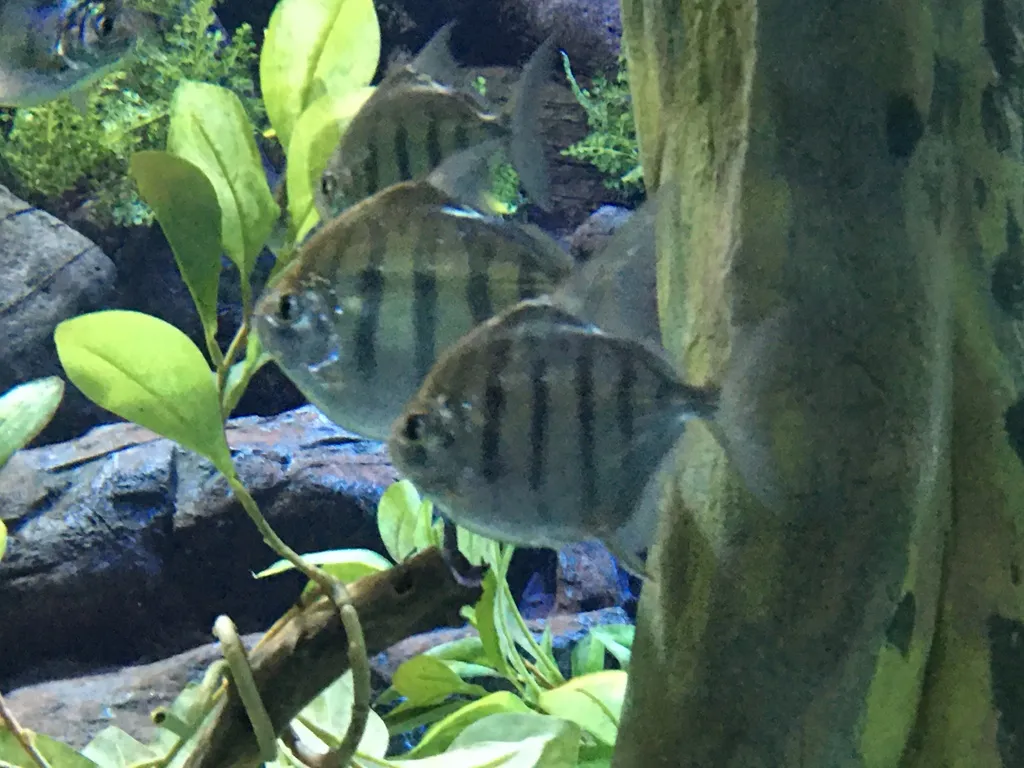
Banded silver dollar
Metynnis fasciatus
Freshwater3.9 in (10 cm) · 70 gal (265 L)75–82°F (24–28°C)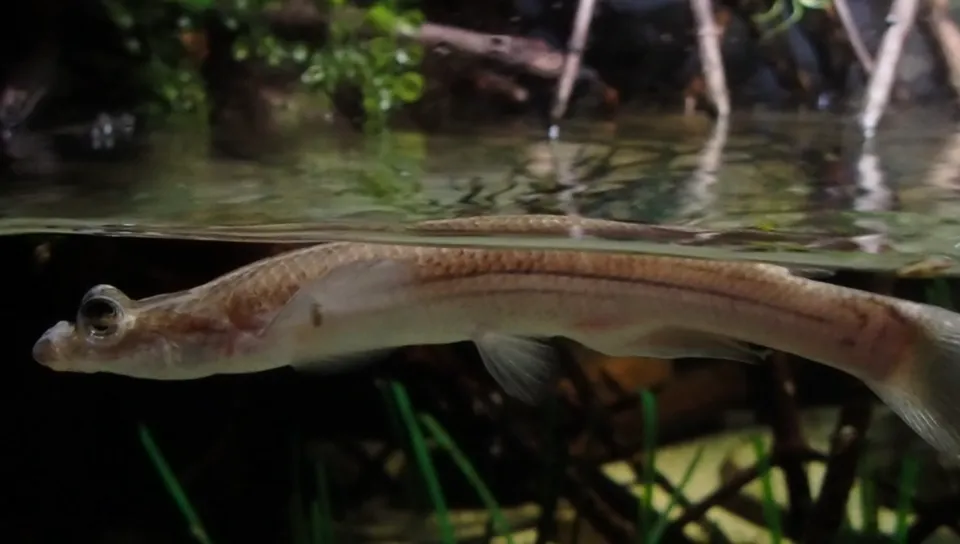
Largescale four-eyed fish
Anableps anableps
FreshwaterBrackish11.8 in (30 cm) · 70 gal (265 L)77–88°F (25–31°C)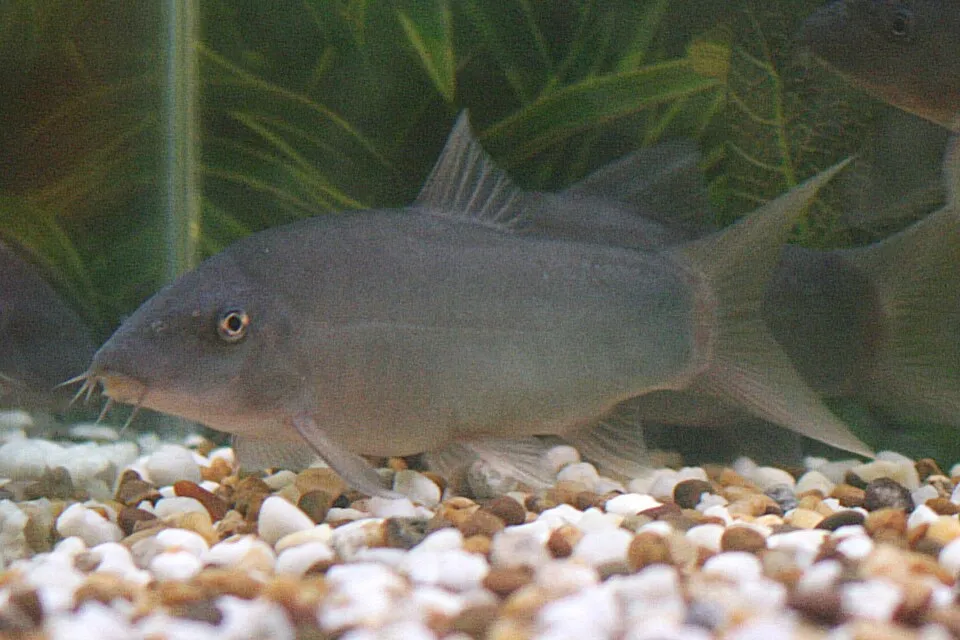
Redtail loach
Yasuhikotakia modesta
Freshwater9.8 in (25 cm) · 75 gal (285 L)73–82°F (23–28°C)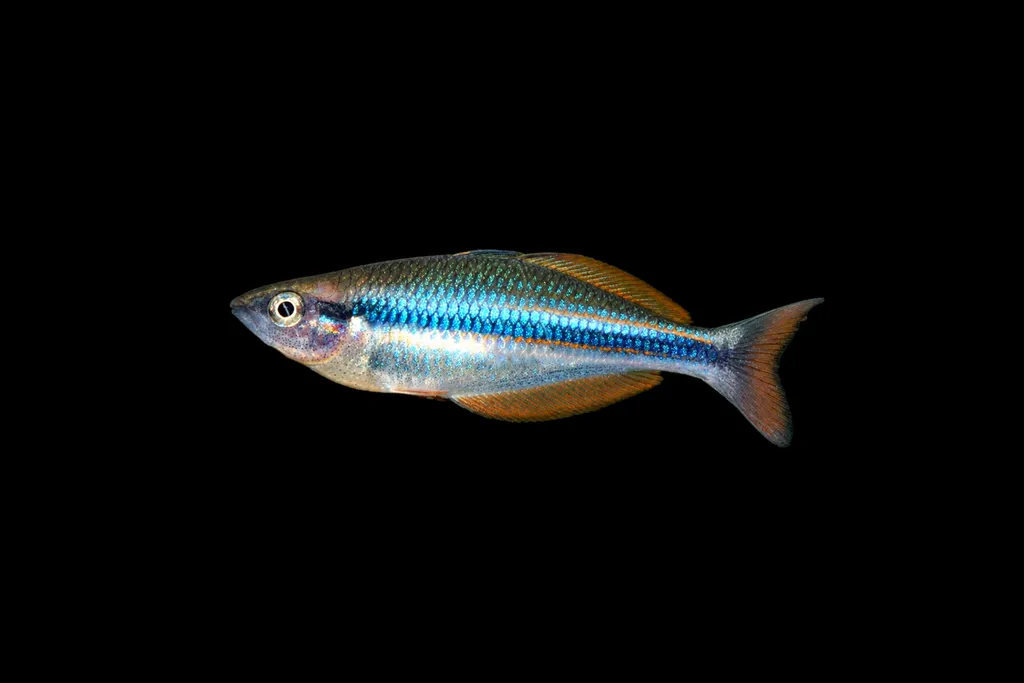
Van Heurn's rainbowfish
Melanotaenia vanheurni
Freshwater7.3 in (18.5 cm) · 66 gal (250 L)73–82°F (23–28°C)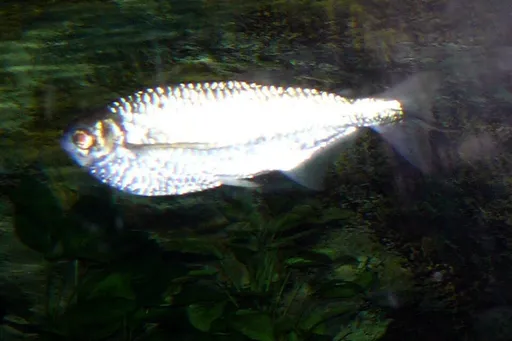
Narrow hatchetfish
Triportheus angulatus
Freshwater9.8 in (25 cm) · 79 gal (300 L)73–82°F (23–28°C)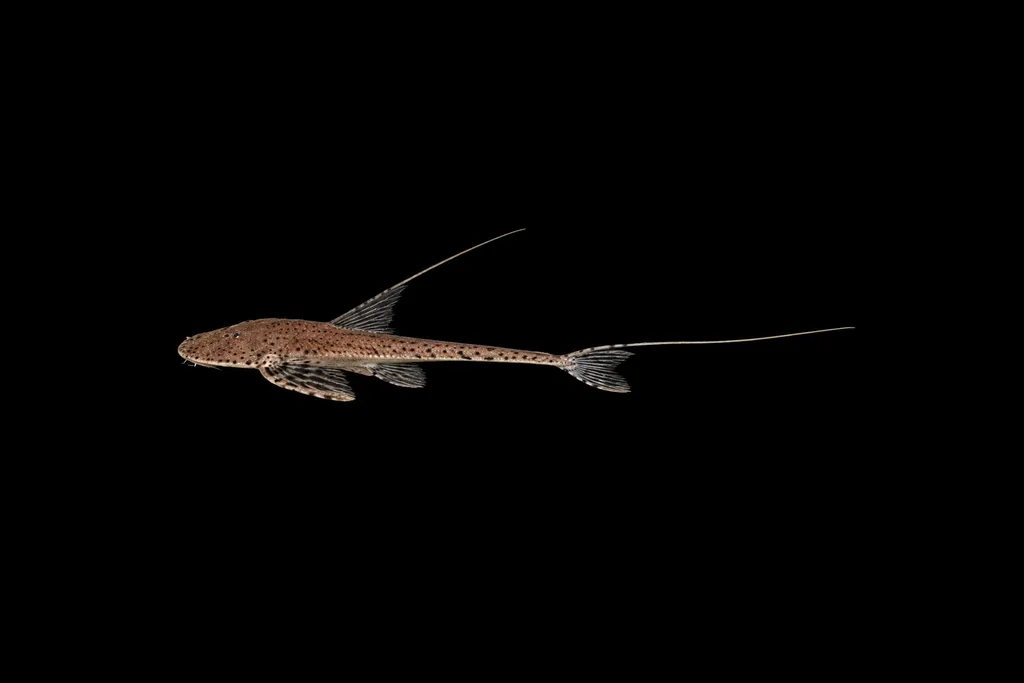
Circular whiptail
Planiloricaria cryptodon
Freshwater8.7 in (22 cm) · 79 gal (300 L)75–82°F (24–28°C)
Common questions
What size tank does a Common pleco need?
A Common pleco needs at least 85 gal (320 L). It spends most of its time in the bottom.
What temperature and pH does a Common pleco need?
A Common pleco is comfortable at 72–86°F (22–30°C) with a pH of 6.5–7.5.
How big does a Common pleco get?
An adult Common pleco reaches about 15.7 in (40 cm).
Related species
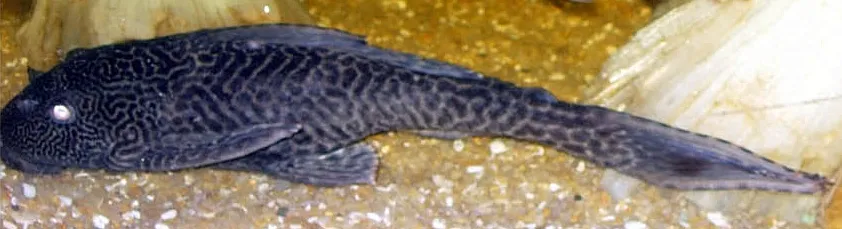
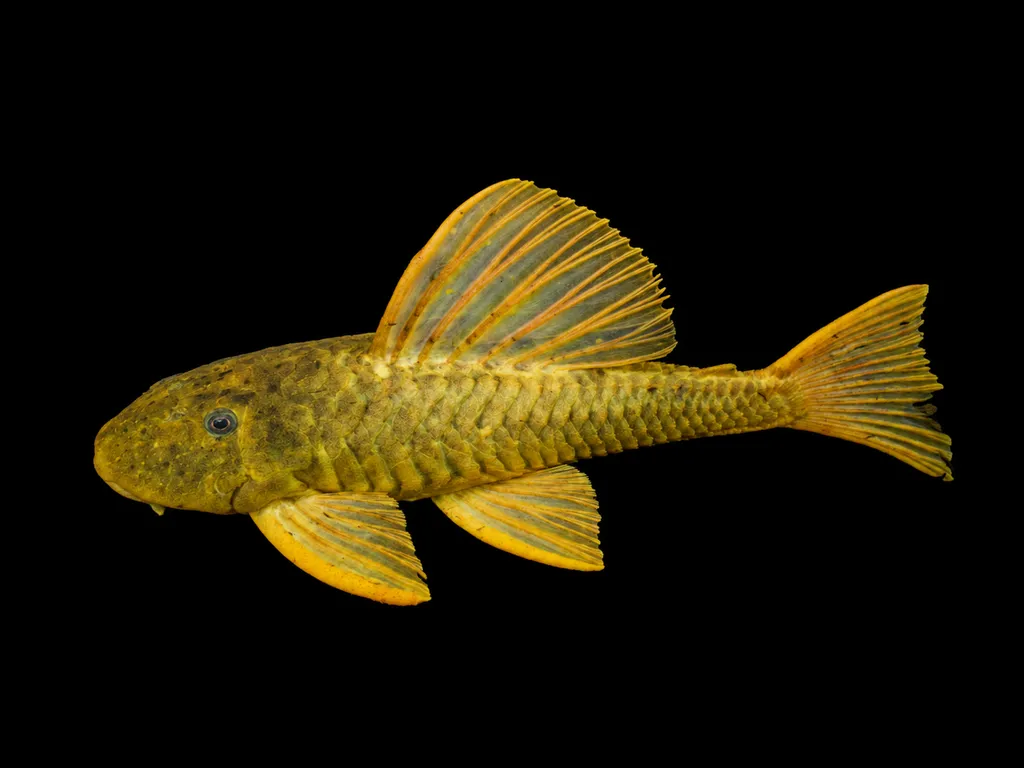 13.8 in (35 cm)106 gal (400 L)64–79°F (18–26°C)
Golden hypostomus
Hypostomus luteus
13.8 in (35 cm) · 106 gal (400 L)
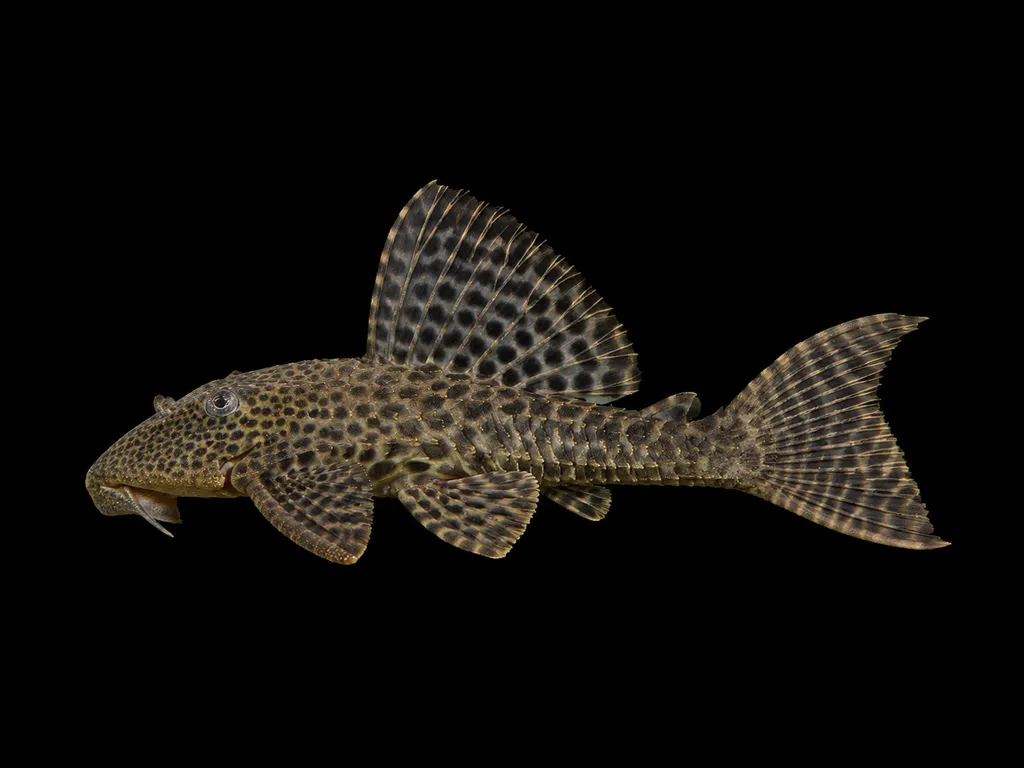
 11.8 in (30 cm)79 gal (300 L)72–82°F (22–28°C)
Spotted pleco
Hypostomus punctatus
11.8 in (30 cm) · 79 gal (300 L)
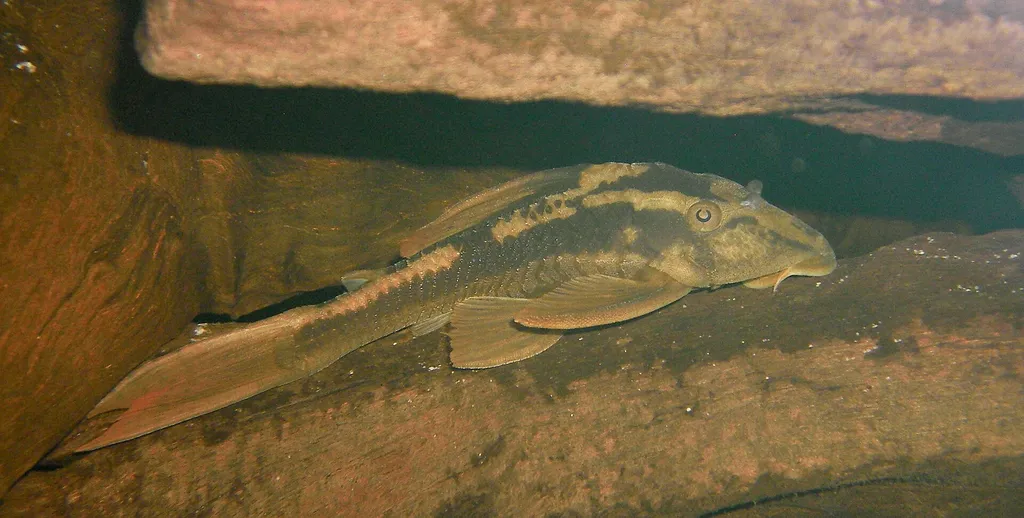
 10.2 in (26 cm)79 gal (300 L)77–84°F (25–29°C)
Brown pleco
Hypostomus plecostomoides
10.2 in (26 cm) · 79 gal (300 L)
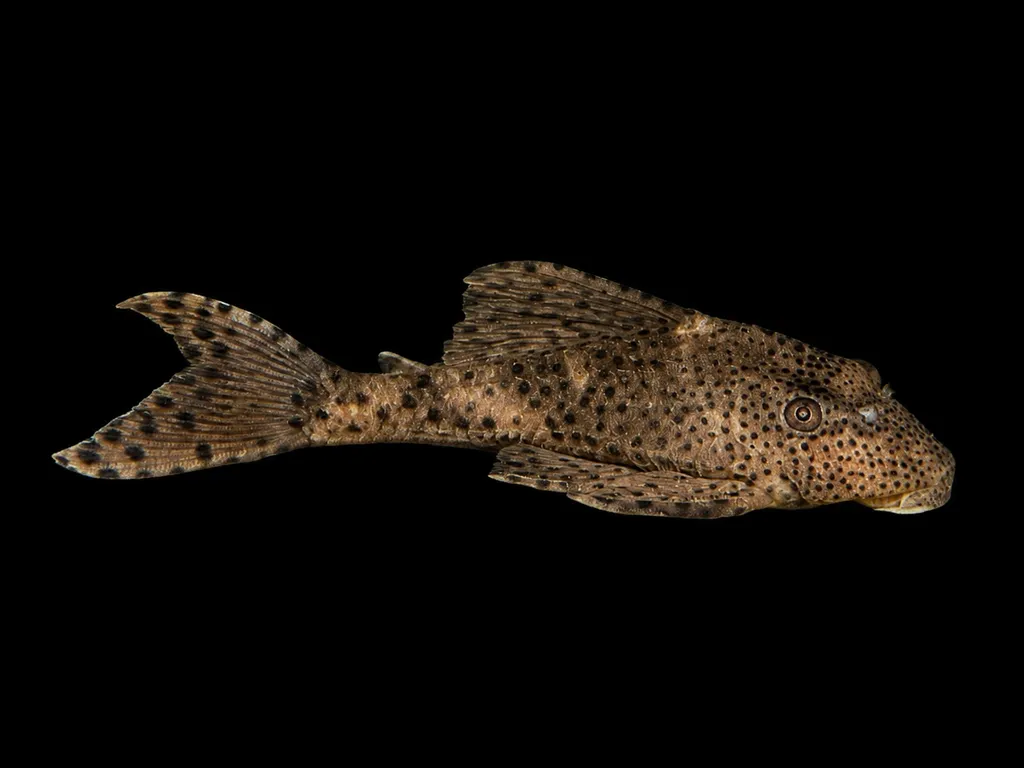
 9.4 in (24 cm)79 gal (300 L)77–84°F (25–29°C)
Basilisk pleco
Hypostomus basilisko
9.4 in (24 cm) · 79 gal (300 L)
 7.9 in (20 cm)79 gal (300 L)77–84°F (25–29°C)
Macushi pleco
Hypostomus macushi
7.9 in (20 cm) · 79 gal (300 L)
 7.9 in (20 cm)79 gal (300 L)77–84°F (25–29°C)
Red bruno pleco
Hypostomus soniae
7.9 in (20 cm) · 79 gal (300 L)