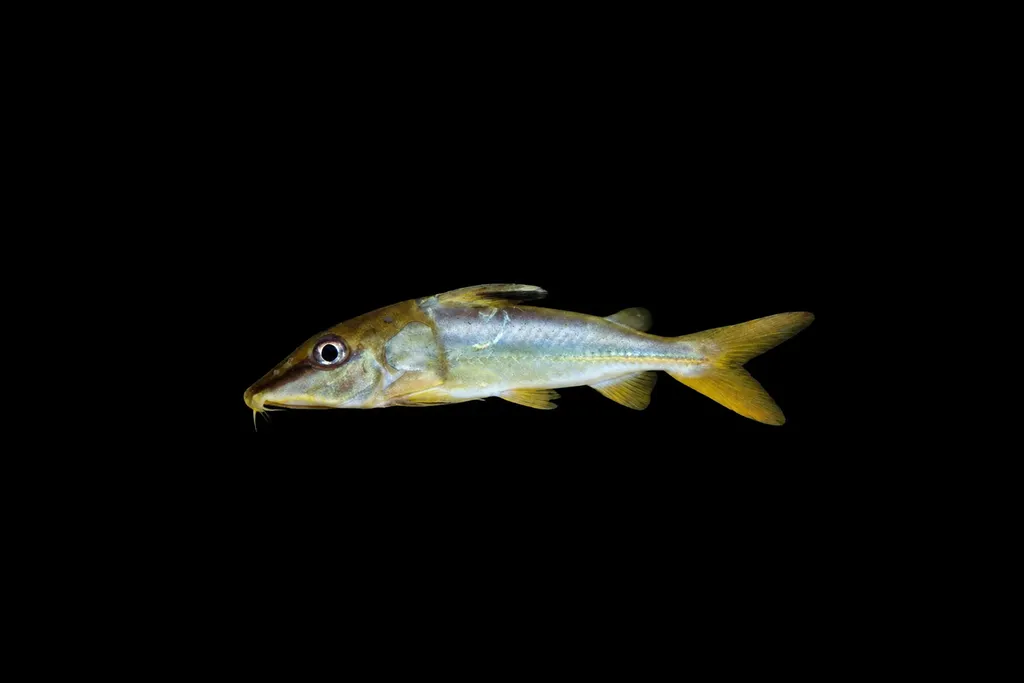
Wilder's mouse catfish
Hassar wilderi
Also known as Mouse cat
FreshwaterFish
Care at a glance
- Temperature
- 73–82°F
- 23–28°C
- pH
- 6.0–7.5
- Adult size
- 9.8 in
- 25 cm
- Minimum tank
- 106 gal
- 400 L
- Temperament
- Peaceful
- Social behavior
- Schooling
- Swim level
- Bottom
- Difficulty
- Medium
- Breeding
- No record
- Rarity
- Rare
- Family
- Doradidae
- Origin
- Tocantins and Araguaia basins, Brazil
Overview
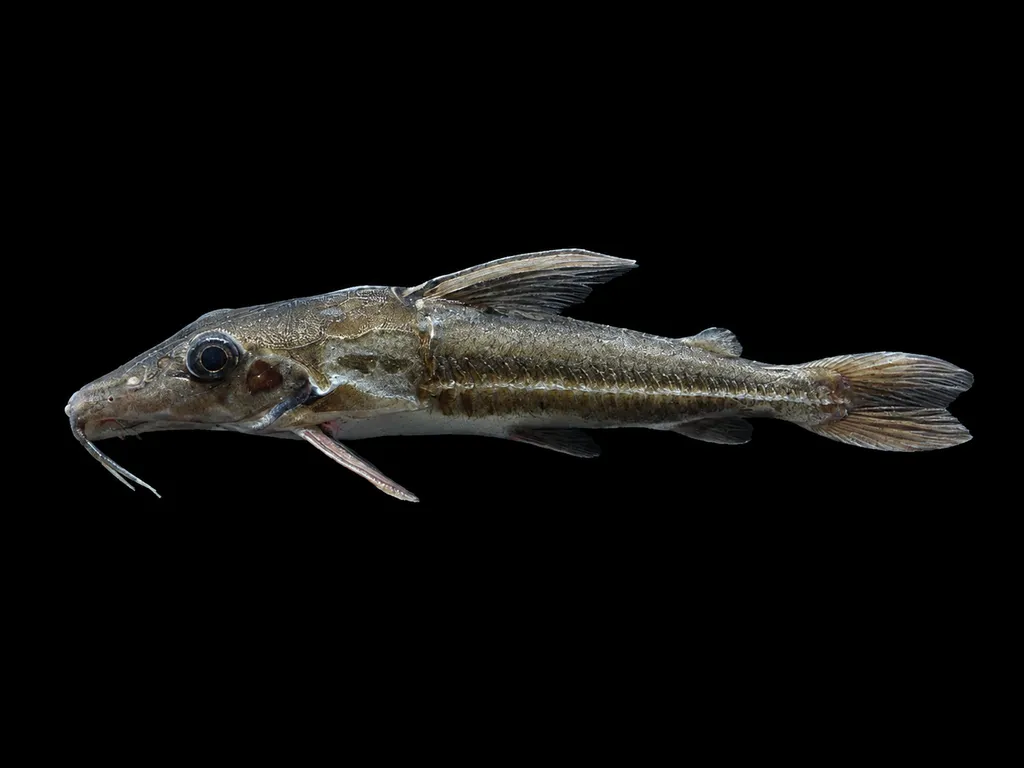
Wilder's mouse catfish is a slim, active, peaceful doradid for the open bottom of a large community tank. It is a step up from beginner fish.
Did you know
The mouse name describes the habits of Wilder's mouse catfish, not its size. It nibbles constantly at the sand, sifting the grains for small prey, while the shoal drifts slowly forward over the river bed.
Caring for the Wilder's mouse catfish
A group of Wilder's mouse catfish needs a tank of at least 106 gal (400 L), with more length better as they grow. Lay a soft sand bed for them to sift, with open space along the bottom for the group to cruise. Add a few pieces of driftwood at the sides for shade and shelter, without breaking up the open floor.
Keep the water clean and well oxygenated, with a gentle to moderate current. It should be soft to neutral, at 73 to 82°F (23 to 28°C) and a pH of 6.0 to 7.5. Feed sinking pellets, wafers and frozen foods, and make sure enough settles onto the sand.
Wilder's mouse catfish shoal in the wild, so keep a group of at least four to six. They stay peaceful, working the sand together and ignoring any tank mate too large to be eaten. Aquarium breeding is not on record.
Good to know
This thorny catfish of the family Doradidae was described by Kindle in 1895. It is built as a sand-sifter, with a long, downturned snout and trailing barbels. It belongs to the genus Hassar, a group of slender, shoaling doradids of fast-flowing river channels. Like its relatives, it wears hooked flank scutes and can stridulate its pectoral spines.
In the wild
Hassar wilderi lives in the Tocantins and Araguaia drainages of Brazil. It shoals over fine sand in the flowing main channels.
Weekly picks
Tank mates
The Wilder's mouse catfish is a peaceful, schooling species that keeps to the bottom. These picks share a community profile with it, are safe together in both directions, and overlap on water type, temperature and pH.
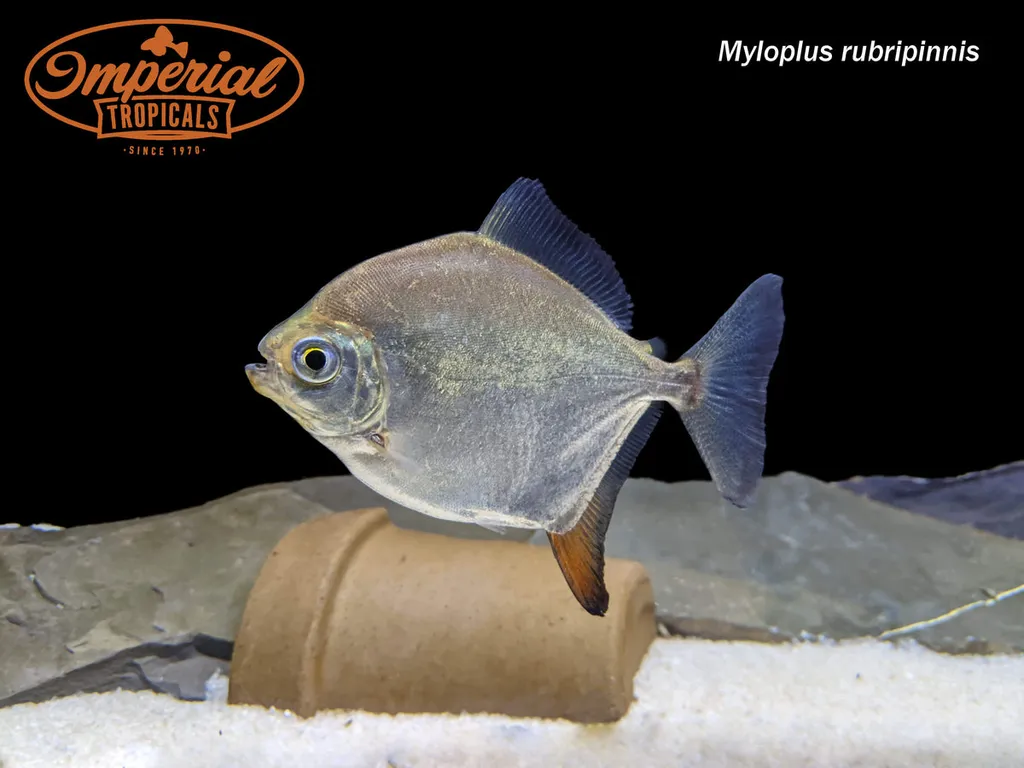
Redhook
Myloplus rubripinnis
Freshwater9.8 in (25 cm) · 70 gal (265 L)73–81°F (23–27°C)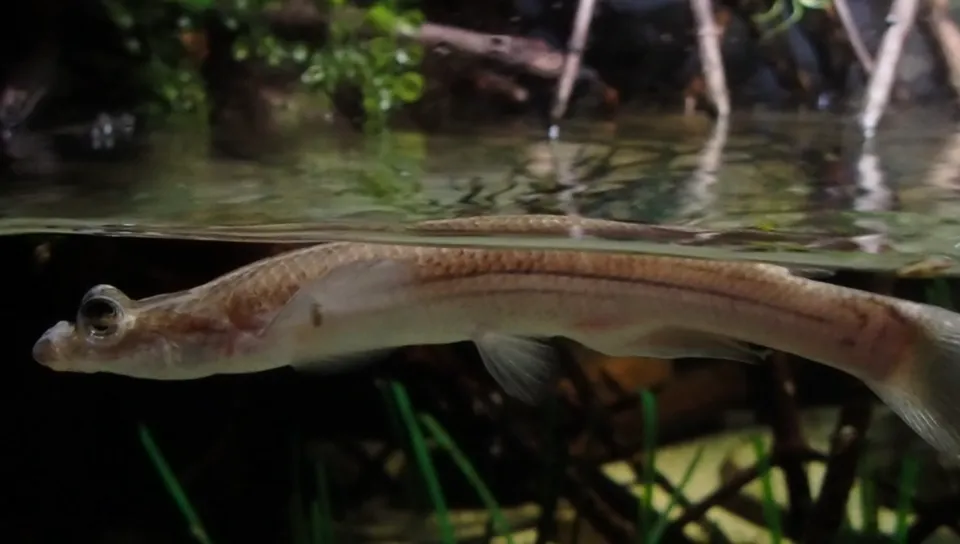
Largescale four-eyed fish
Anableps anableps
FreshwaterBrackish11.8 in (30 cm) · 70 gal (265 L)77–88°F (25–31°C)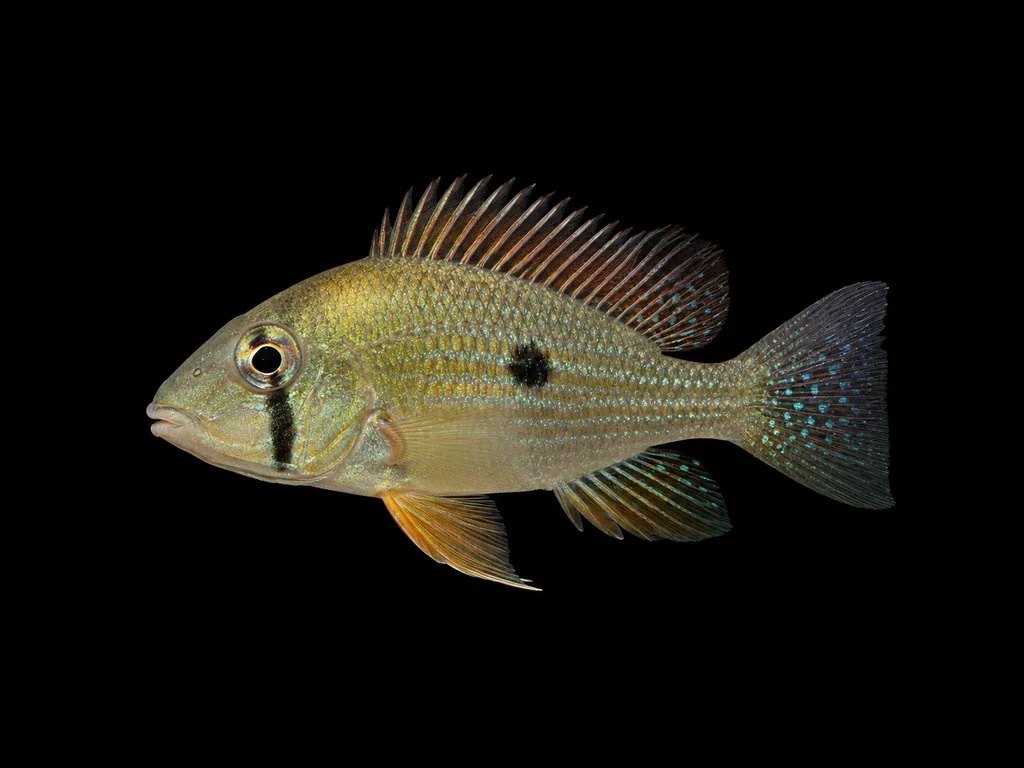
Cheekband eartheater
Geophagus taeniopareius
Freshwater6.7 in (17 cm) · 106 gal (400 L)77–84°F (25–29°C)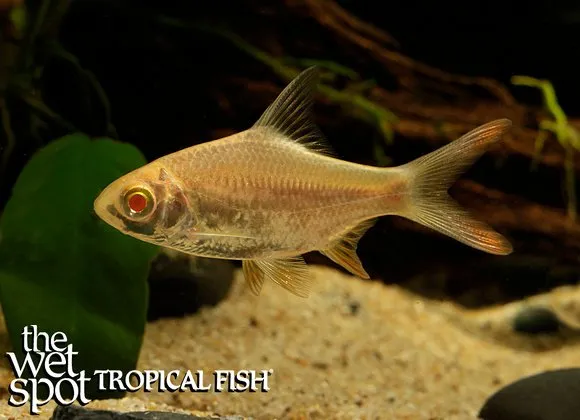
Red-tailed tinfoil barb
Barbonymus altus
Freshwater9.8 in (25 cm) · 106 gal (400 L)72–82°F (22–28°C)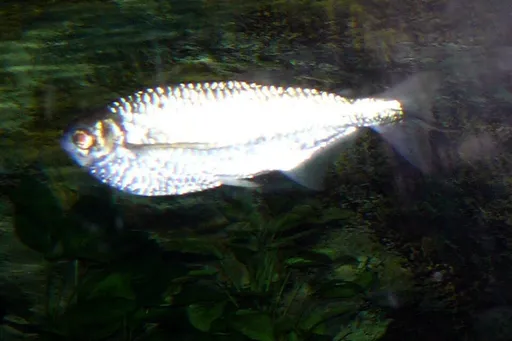
Narrow hatchetfish
Triportheus angulatus
Freshwater9.8 in (25 cm) · 79 gal (300 L)73–82°F (23–28°C)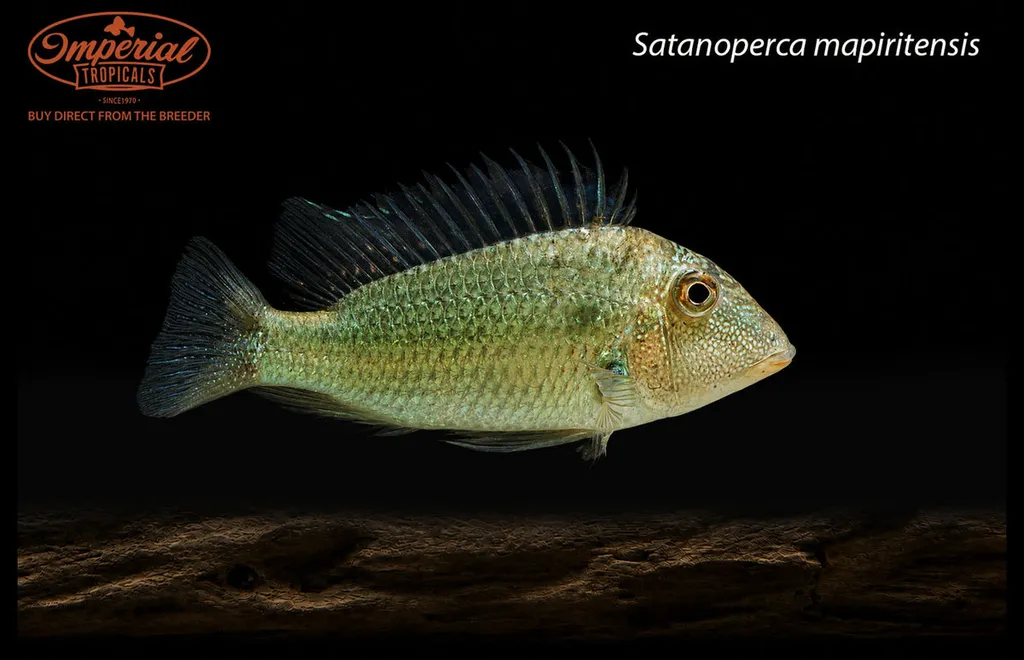
Fine-spotted eartheater
Satanoperca mapiritensis
Freshwater6.7 in (17 cm) · 106 gal (400 L)77–84°F (25–29°C)
Common questions
What size tank does a Wilder's mouse catfish need?
A Wilder's mouse catfish needs at least 106 gal (400 L). It spends most of its time in the bottom.
What temperature and pH does a Wilder's mouse catfish need?
A Wilder's mouse catfish is comfortable at 73–82°F (23–28°C) with a pH of 6.0–7.5.
What does a Wilder's mouse catfish eat?
A Wilder's mouse catfish eats sinking pellets, wafers and frozen foods. Make sure enough of the food settles onto the sand.
How big does a Wilder's mouse catfish get?
An adult Wilder's mouse catfish reaches about 9.8 in (25 cm).
Does a Wilder's mouse catfish need a group?
Yes. A Wilder's mouse catfish is a schooling species and should be kept in a group, not singly.
Related species
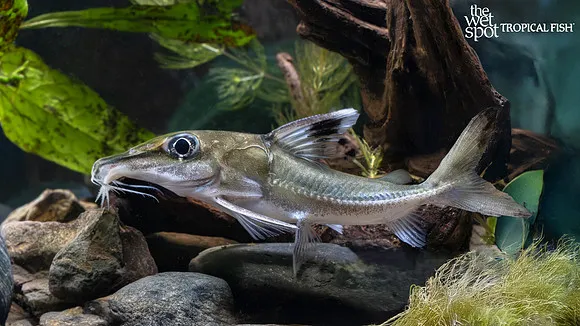 11.8 in (30 cm)106 gal (400 L)73–82°F (23–28°C)
Black-top mouse catfish
Hassar orestis
11.8 in (30 cm) · 106 gal (400 L)
 8.7 in (22 cm)29 gal (110 L)75–86°F (24–30°C)
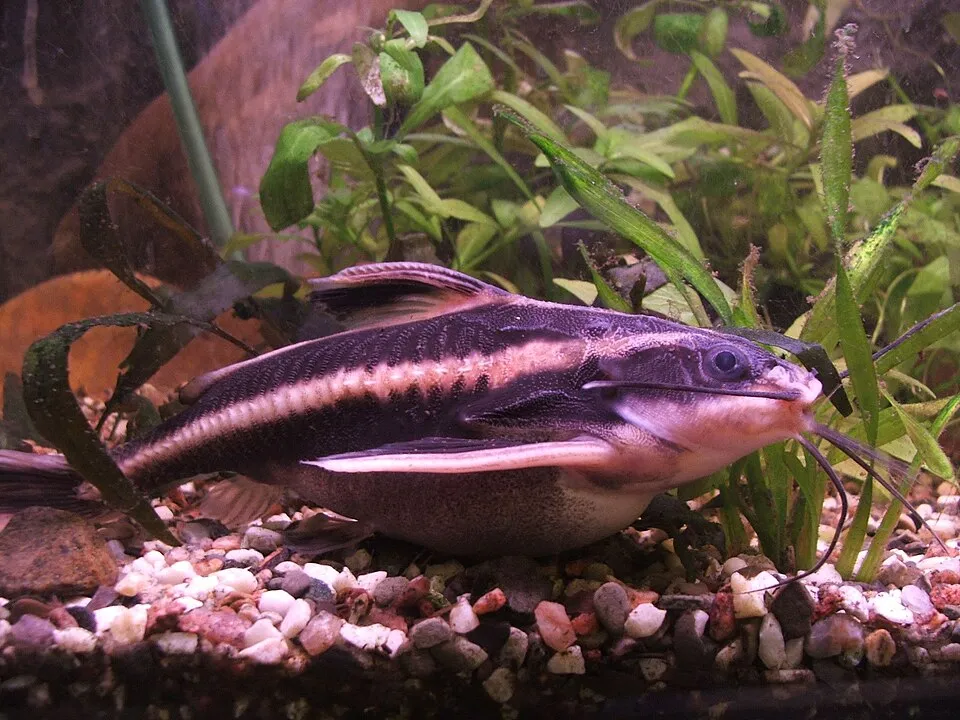
Striped raphael catfish
Platydoras armatulus
8.7 in (22 cm) · 29 gal (110 L)
 11.8 in (30 cm)106 gal (400 L)68–79°F (20–26°C)
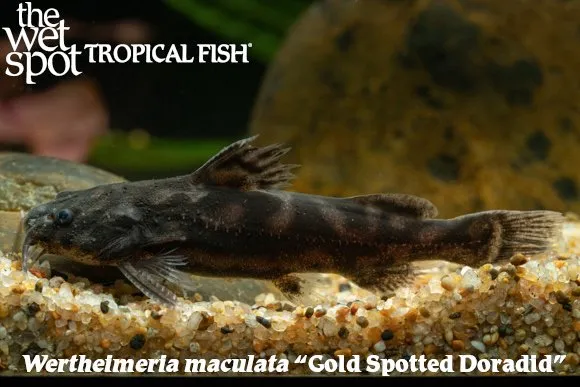
Gold-spotted doradid
Wertheimeria maculata
11.8 in (30 cm) · 106 gal (400 L)
 7.9 in (20 cm)70 gal (265 L)73–82°F (23–28°C)
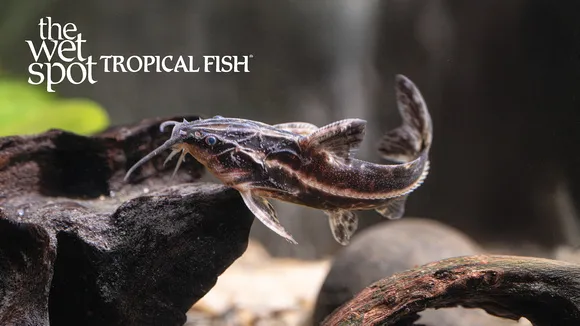
Orinoco talking catfish
Orinocodoras eigenmanni
7.9 in (20 cm) · 70 gal (265 L)
 6.7 in (17 cm)79 gal (300 L)73–82°F (23–28°C)
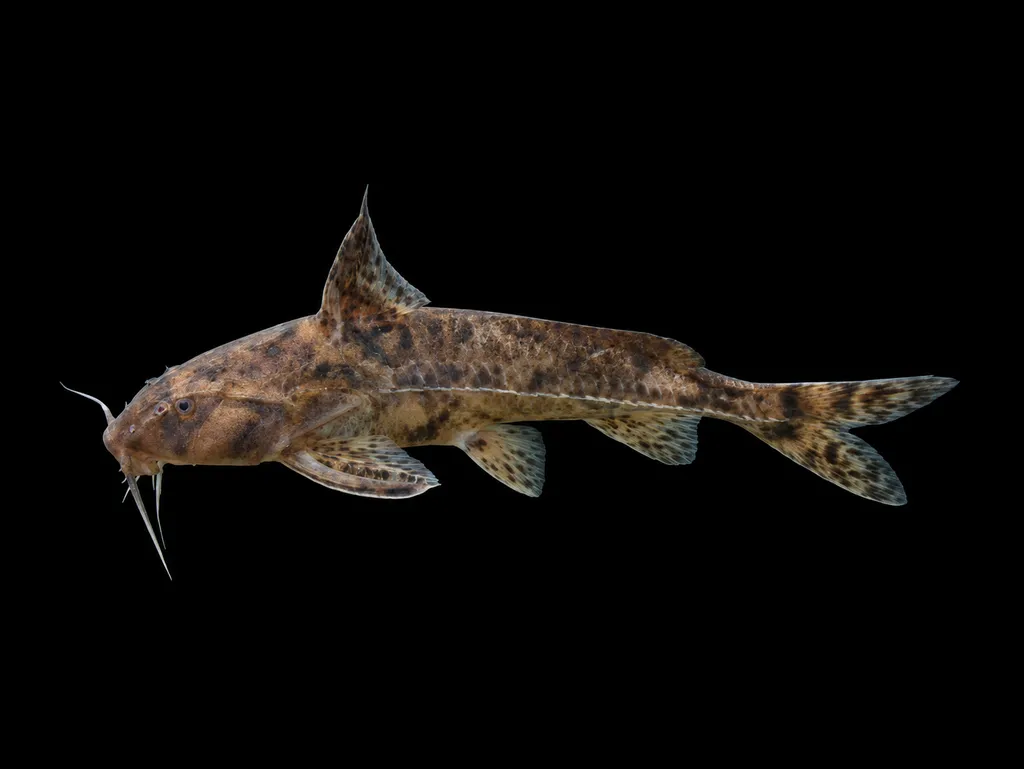
Fog talking catfish
Rhinodoras boehlkei
6.7 in (17 cm) · 79 gal (300 L)
 6.3 in (16 cm)53 gal (200 L)73–82°F (23–28°C)
Green turushuki catfish
Hemidoras morrisi
6.3 in (16 cm) · 53 gal (200 L)