Red-tailed tinfoil barb
Barbonymus altus
Also known as Red-tail tinfoil
FreshwaterFish
Care at a glance
- Temperature
- 72–82°F
- 22–28°C
- pH
- 6.0–7.5
- Adult size
- 9.8 in
- 25 cm
- Minimum tank
- 106 gal
- 400 L
- Temperament
- Peaceful
- Social behavior
- Schooling
- Swim level
- Middle
- Diet
- Omnivore
- Difficulty
- Easy
- Breeding
- Egg scatterer
- Rarity
- Rare
- Family
- Cyprinidae
- Origin
- Mekong and Chao Phraya basins
Overview
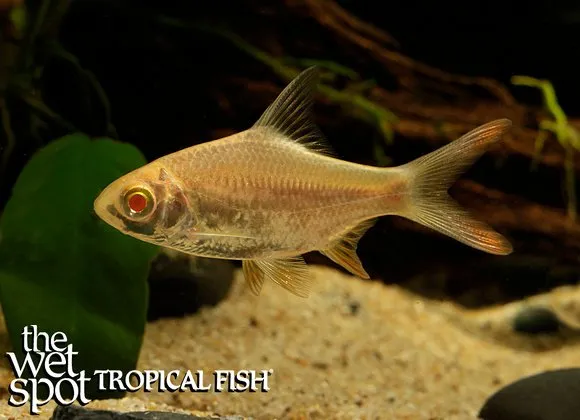
The red-tailed tinfoil barb is a big, glittering, peaceful schooler for the open water of a large tank. It is easy to keep if you can give it the room.
Did you know
Many fish sold as red-tailed tinfoil barbs are young common tinfoils wearing the wrong label, so check the tail in the shop tank. The true red-tailed tinfoil has a plain red or orange tail with no black edge. The common tinfoil, B. schwanenfeldii, has a black stripe edging each tail lobe.
Caring for the red-tailed tinfoil barb
Keep red-tailed tinfoil barbs in a group of four or more of their own kind, which also keeps them calm around other fish. They grow fast and cruise the open middle water, so they need length far more than height. A tank of 106 gal (400 L) suits a small group, and more room helps as they bulk out.
Give them open swimming lanes, a sand or fine gravel bed and some driftwood. Keep the water warm, at 72 to 82°F (22 to 28°C), with a pH of 6.0 to 7.5. Use strong filtration, since a group of large, hungry barbs produces a real waste load.
They eat almost anything, leaning green. Offer vegetable flake and blanched greens alongside pellets, wafers and frozen foods.
They are peaceful and pair well with other large, easygoing tank mates, such as silver dollars, bigger loaches and peaceful catfish. Anything small enough to fit in the mouth may eventually go missing, from appetite rather than malice. In the wild they are seasonal egg scatterers that spawn in rivers, and aquarium breeding is not documented.
Good to know
Barbonymus altus is a carp-family fish in the Cyprinidae, and a slightly smaller relative of the common tinfoil barb. It is also known as the red-tail tinfoil.
In the wild
The red-tailed tinfoil barb ranges through the Mekong and Chao Phraya basins of Southeast Asia. It lives in large rivers, canals and seasonally flooded plains, where it moves with the water.
Weekly picks
Tank mates
The red-tailed tinfoil barb is a peaceful, schooling species that keeps to the middle. These picks share a community profile with it, are safe together in both directions, and overlap on water type, temperature and pH.
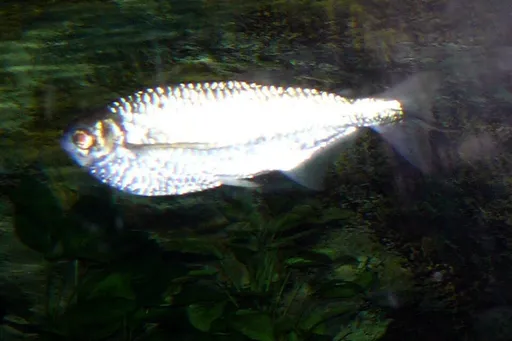
Narrow hatchetfish
Triportheus angulatus
Freshwater9.8 in (25 cm) · 79 gal (300 L)73–82°F (23–28°C)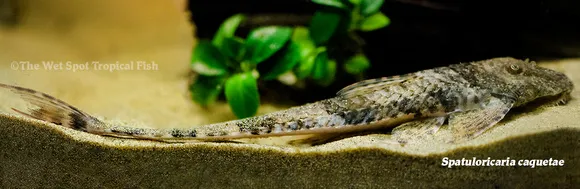
Caquetá whiptail
Spatuloricaria caquetae
Freshwater13.8 in (35 cm) · 106 gal (400 L)75–82°F (24–28°C)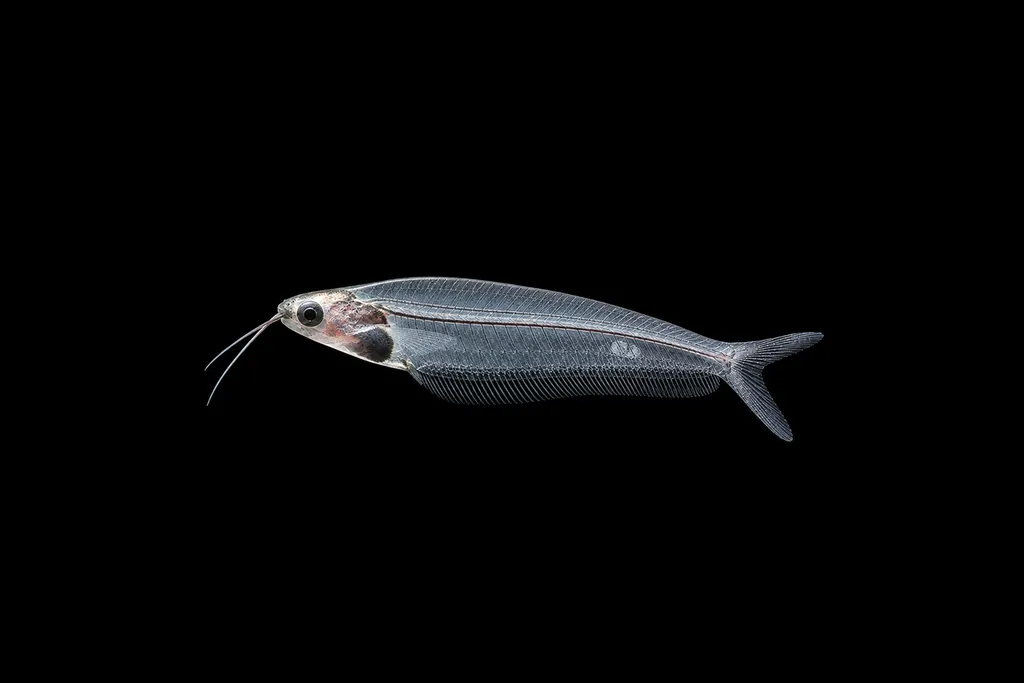
Mekong glass sheatfish
Kryptopterus limpok
Freshwater11.8 in (30 cm) · 119 gal (450 L)73–81°F (23–27°C)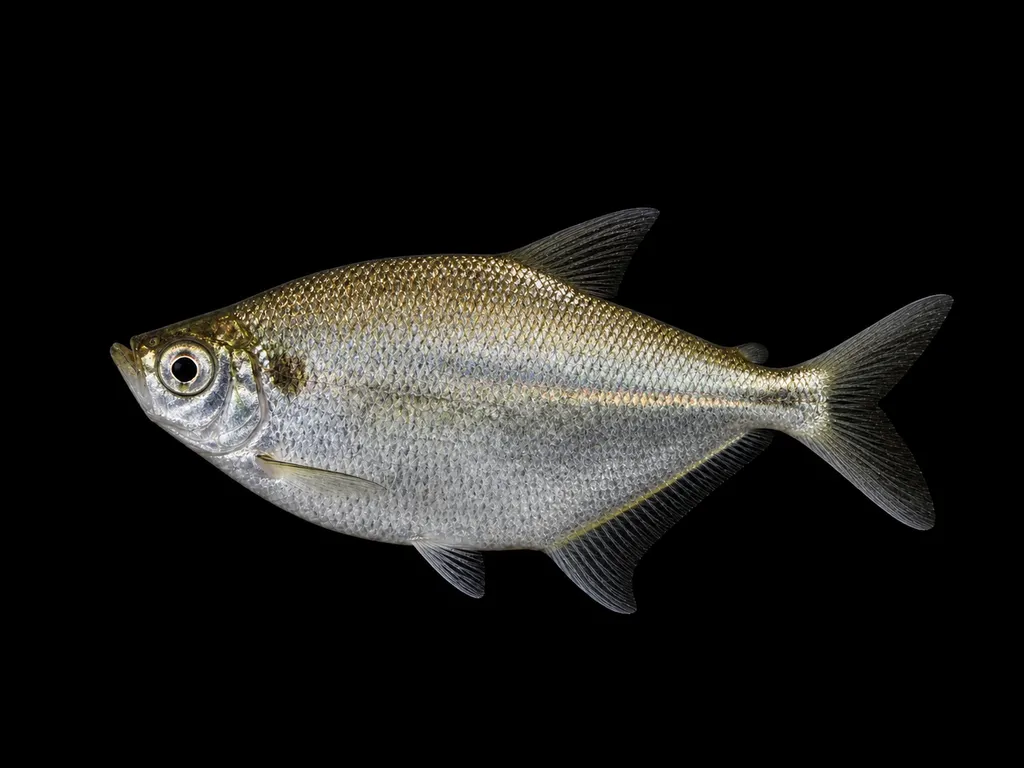
Giant river hatchetfish
Triportheus rotundatus
Freshwater9.8 in (25 cm) · 79 gal (300 L)73–82°F (23–28°C)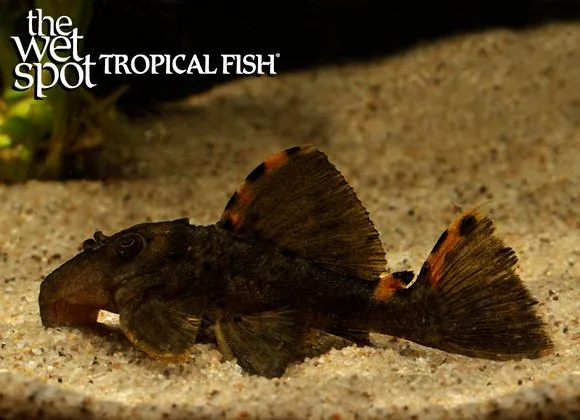
Three beacon pleco
Leporacanthicus triactis
Freshwater11 in (28 cm) · 106 gal (400 L)79–86°F (26–30°C)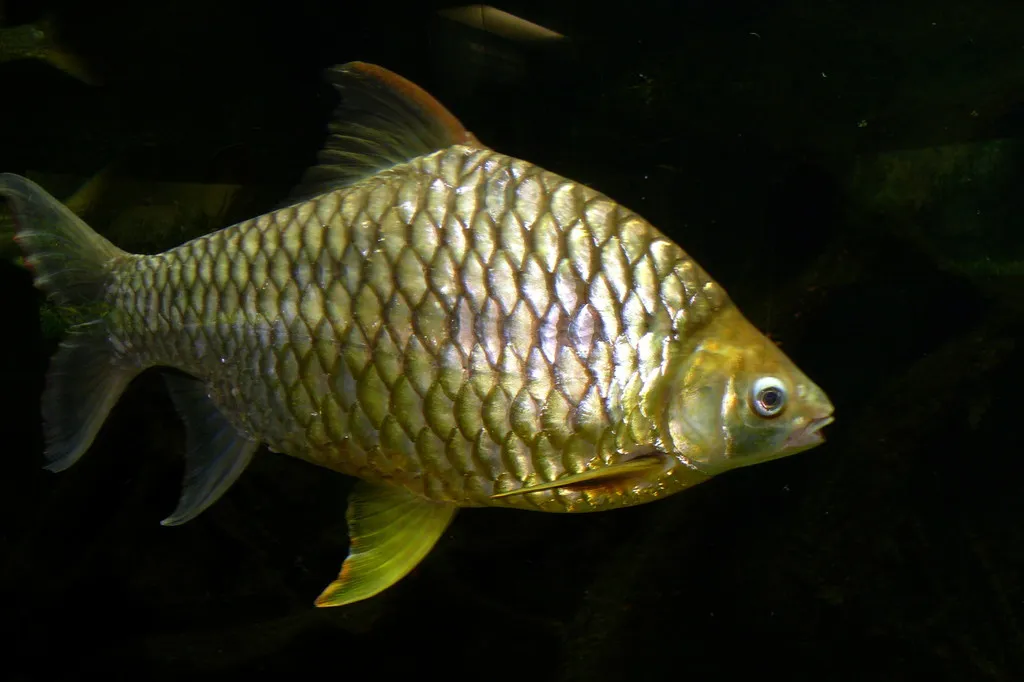
Lemon-fin barb
Hypsibarbus wetmorei
Freshwater9.8 in (25 cm) · 106 gal (400 L)72–82°F (22–28°C)
Common questions
What size tank does a red-tailed tinfoil barb need?
A red-tailed tinfoil barb needs at least 106 gal (400 L). It spends most of its time in the middle.
What temperature and pH does a red-tailed tinfoil barb need?
A red-tailed tinfoil barb is comfortable at 72–82°F (22–28°C) with a pH of 6.0–7.5.
What does a red-tailed tinfoil barb eat?
A red-tailed tinfoil barb eats almost anything but leans toward greens. Offer vegetable flake and blanched greens along with pellets, wafers and frozen foods.
How big does a red-tailed tinfoil barb get?
An adult red-tailed tinfoil barb reaches about 9.8 in (25 cm).
Does a red-tailed tinfoil barb need a group?
Yes. A red-tailed tinfoil barb is a schooling species and should be kept in a group, not singly.
How does a red-tailed tinfoil barb breed?
Red-tailed tinfoil barbs are seasonal egg scatterers that spawn in rivers in the wild. Their breeding in an aquarium is not documented.
Related species
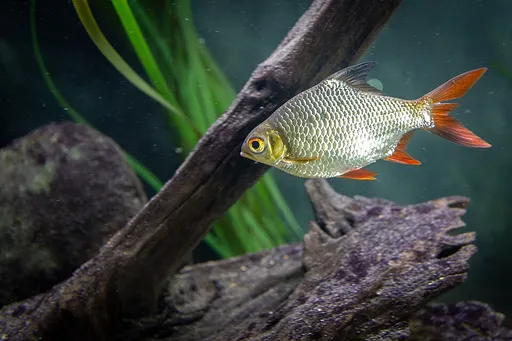 13.8 in (35 cm)180 gal (680 L)72–82°F (22–28°C)
Tinfoil barb
Barbonymus schwanenfeldii
13.8 in (35 cm) · 180 gal (680 L)
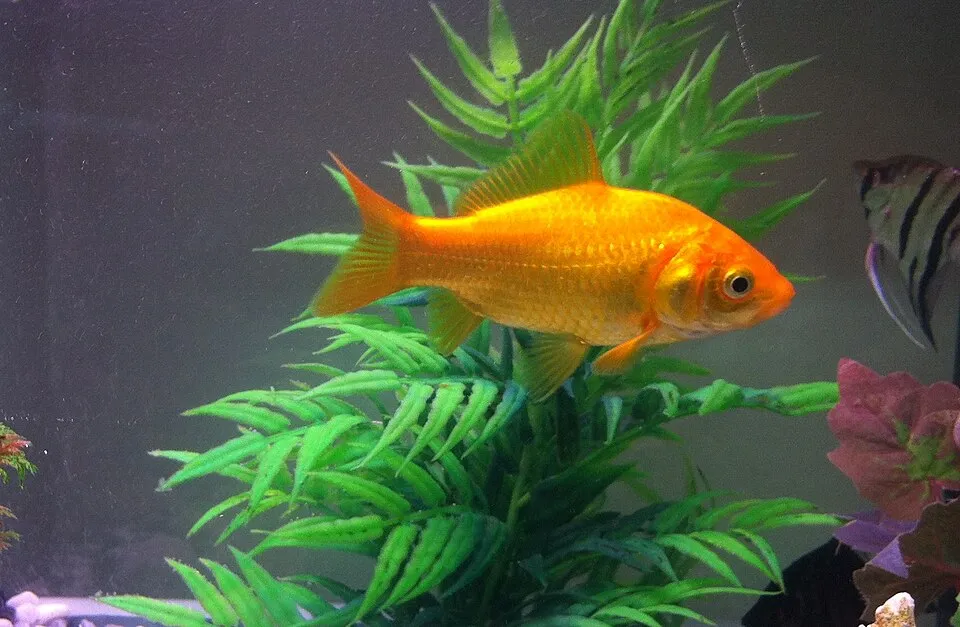 9.8 in (25 cm)50 gal (190 L)39–75°F (4–24°C)
Common goldfish
Carassius auratus
9.8 in (25 cm) · 50 gal (190 L)
- 9.8 in (25 cm)106 gal (400 L)72–82°F (22–28°C)
Lemon-fin barb
Hypsibarbus wetmorei
9.8 in (25 cm) · 106 gal (400 L)
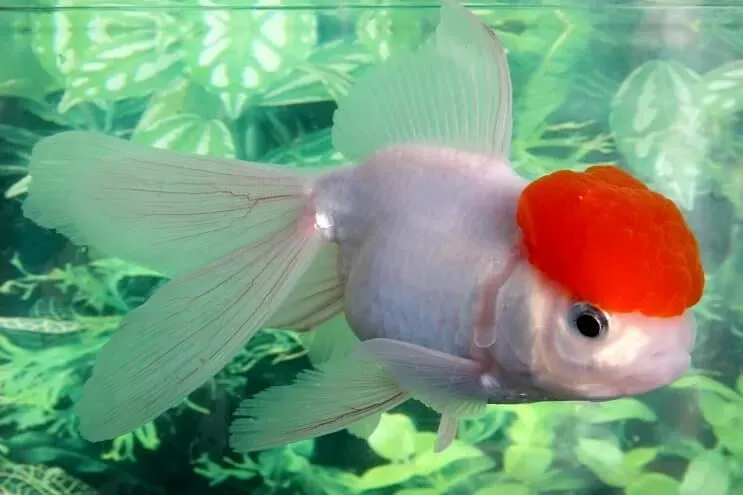 9.8 in (25 cm)30 gal (114 L)61–73°F (16–23°C)
Oranda
Carassius auratus
9.8 in (25 cm) · 30 gal (114 L)
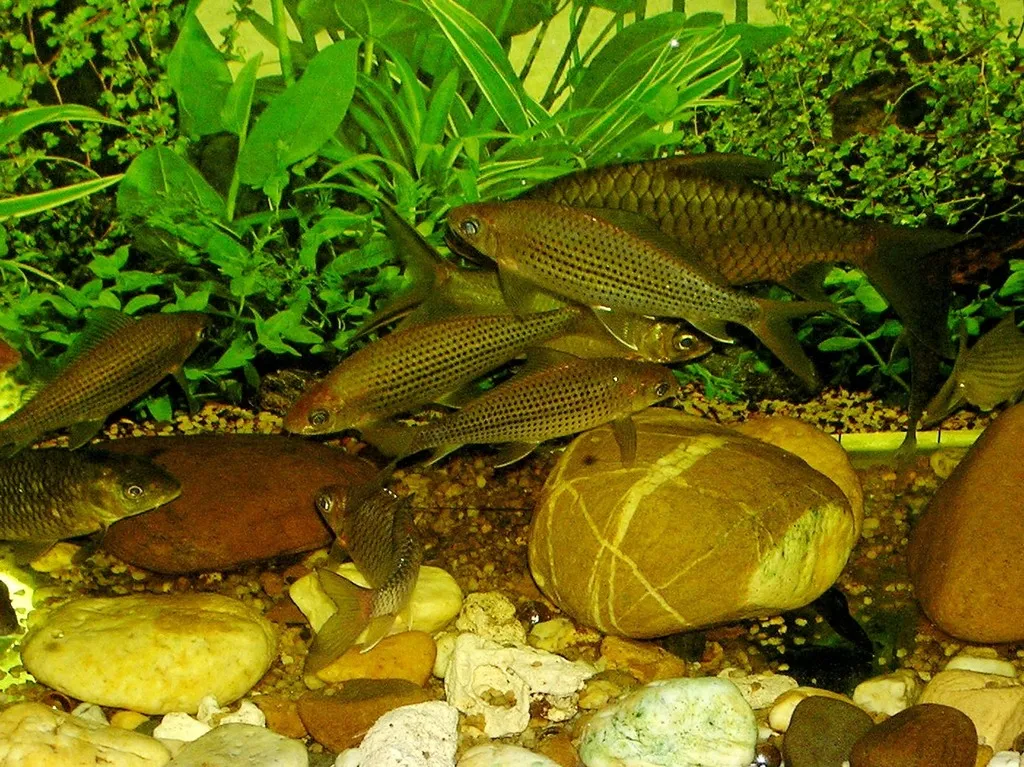 8.7 in (22 cm)66 gal (250 L)72–82°F (22–28°C)
Thinlip sharkminnow barb
Labiobarbus leptocheilus
8.7 in (22 cm) · 66 gal (250 L)
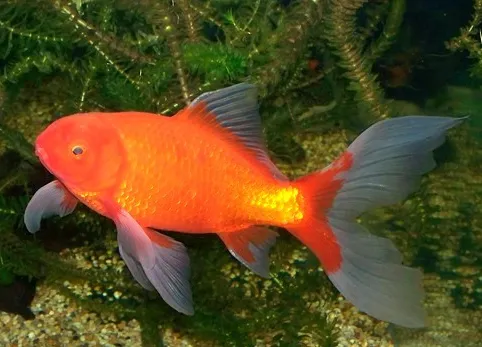 11.8 in (30 cm)50 gal (190 L)39–75°F (4–24°C)
Comet
Carassius auratus
11.8 in (30 cm) · 50 gal (190 L)