One species · 5 varieties
Discus
Symphysodon aequifasciatus
Also known as Symphysodon aequifasciata
FreshwaterFish
Care at a glance
- Temperature
- 79–90°F
- 26–32°C
- pH
- 6.0–7.0
- Adult size
- 5.9 in
- 15 cm
- Minimum tank
- 65 gal
- 245 L
- Temperament
- Peaceful
- Social behavior
- Shoaling
- Swim level
- Middle
- Difficulty
- Difficult
- Breeding
- No record
- Rarity
- Common
- Family
- Cichlidae
- Origin
- Peru, Colombia, Brazil
Pick a variety
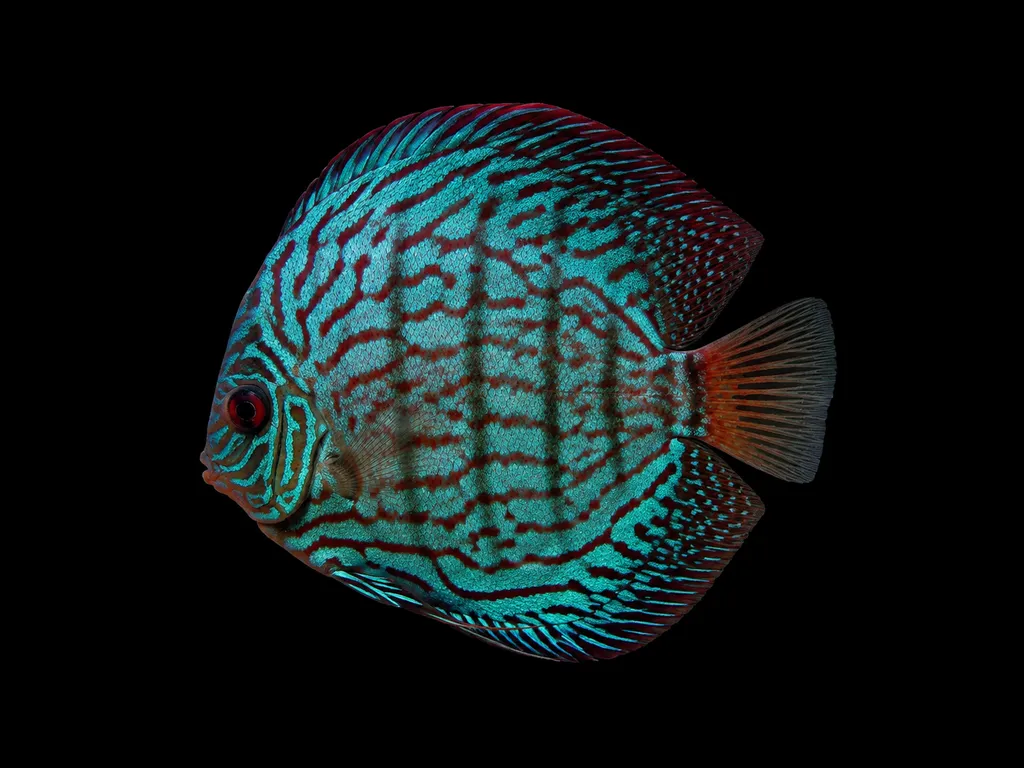
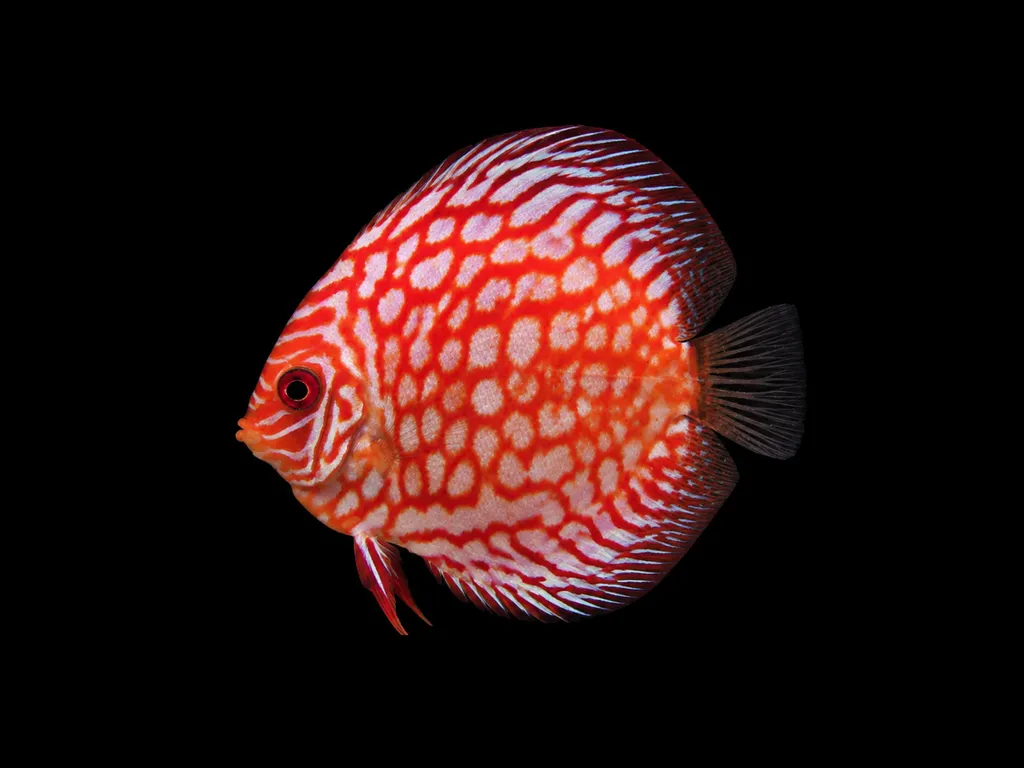
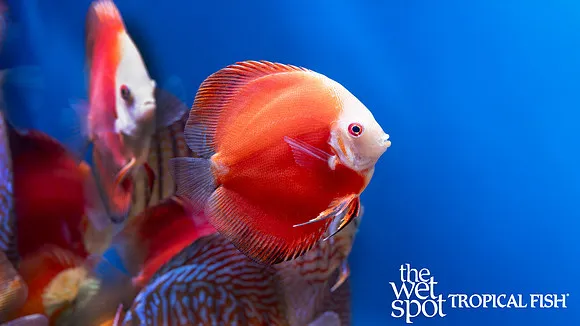
One setup covers every line on this page: care is the species' care.
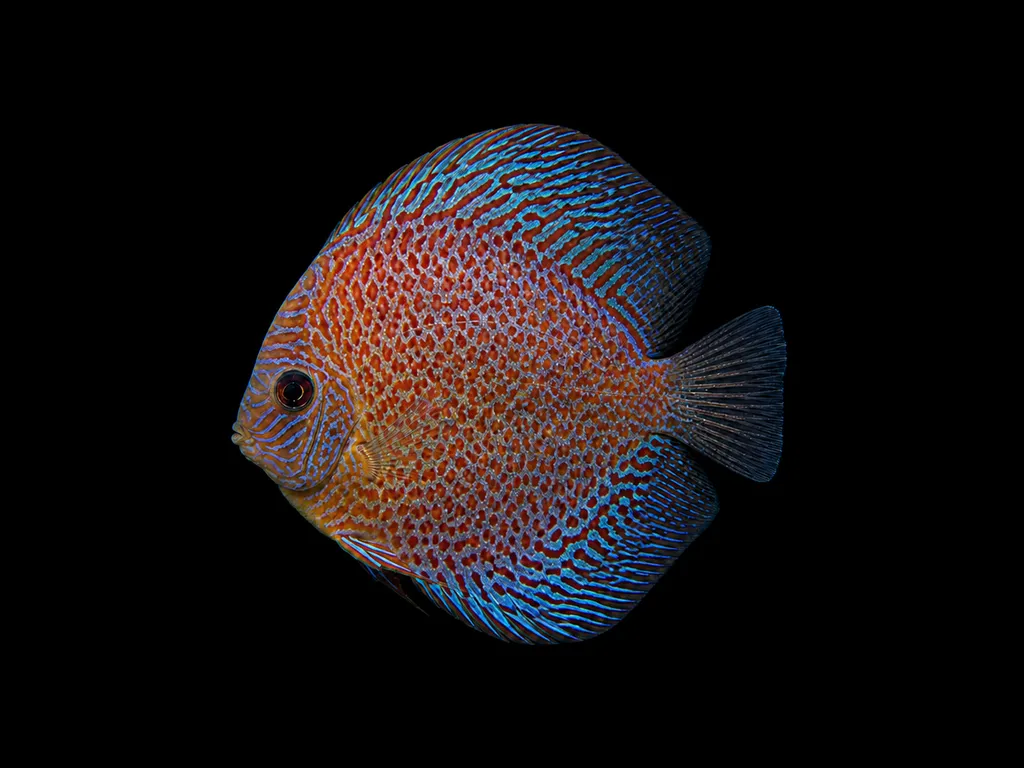
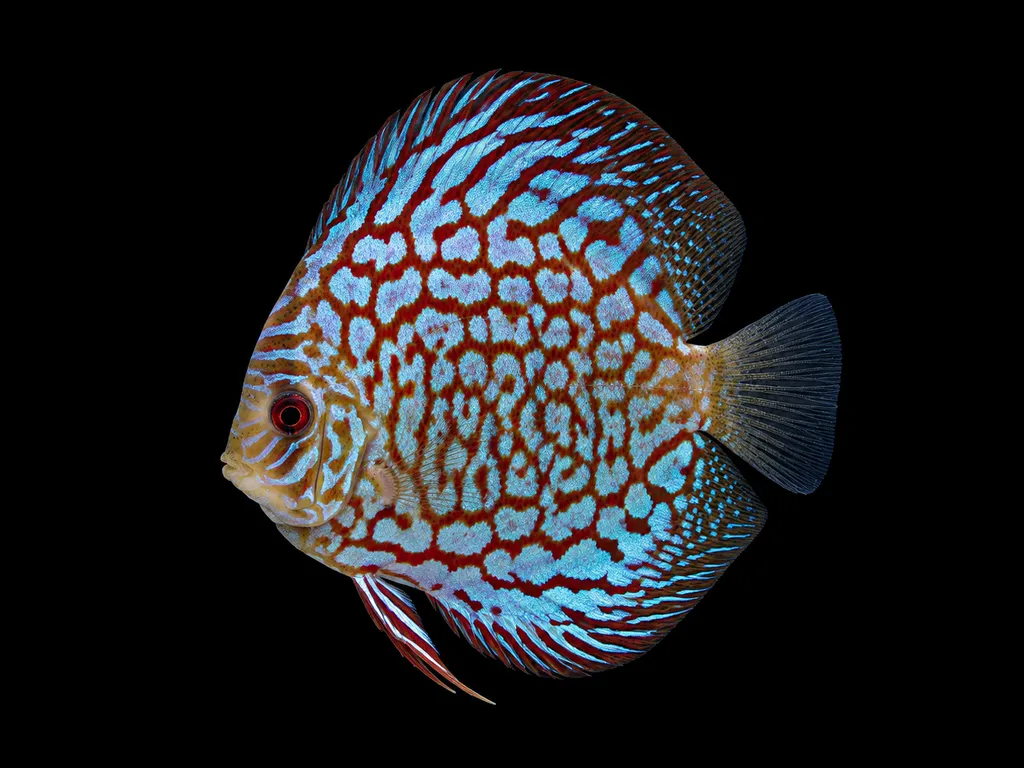
Overview
The discus is a peaceful cichlid that holds the middle of a tall, warm tank. It is a fish for experienced keepers.
Did you know
Newly hatched discus fry graze on a slime their parents produce on their bodies for the first days of life. Both parents take turns letting the babies feed off them, which is unusual even among the caring cichlids.
Caring for the discus
Give discus a tall tank of at least 65 gal (245 L). Furnish it with driftwood and keep the flow gentle.
Keep the water hot, at 79 to 90°F (26 to 32°C). It should be soft and on the acidic side, at a pH of 6.0 to 7.0. Discus are demanding about water quality, so keep it very clean. Stability and heat matter more than anything else.
Feed quality flake, pellet and frozen foods, often more than once a day. Keep discus in a group of six or more, since a lone fish gets bullied and stressed. They are peaceful and safe in a community tank. Like other cichlids, they are devoted parents.
Good to know
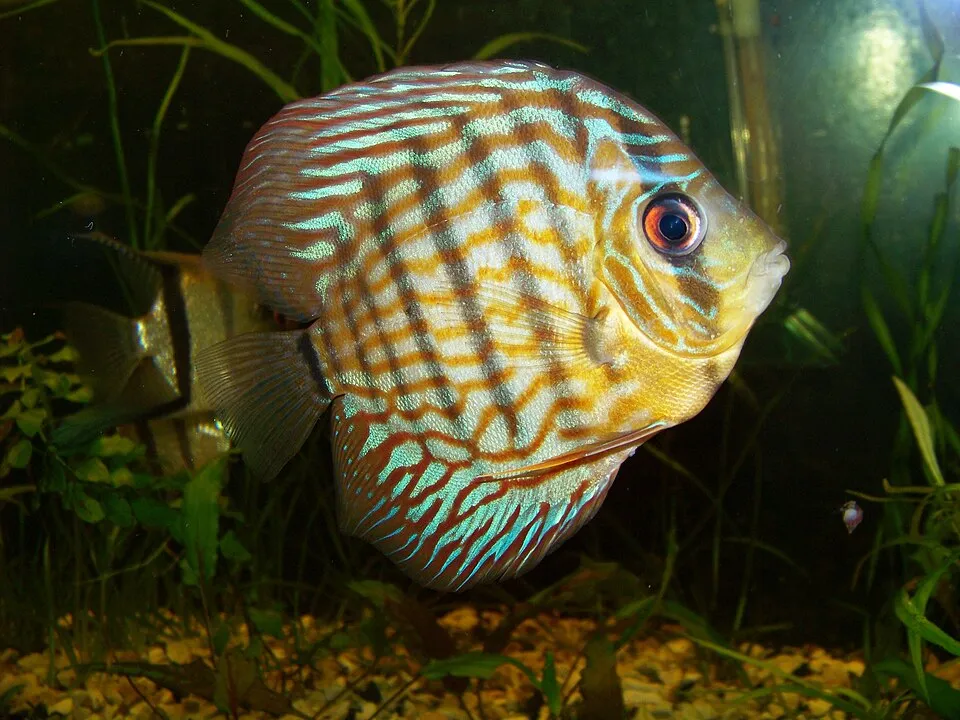
The discus, Symphysodon aequifasciatus, is a cichlid in the family Cichlidae. Its round, laterally flat body gives it its name. Discus are among the warmest-kept aquarium fish.
In the wild
Discus come from slow backwaters and flooded forest in the Amazon, across Peru, Colombia and Brazil. The water there is warm, soft and acidic, and often stained with tannins. They shelter among submerged roots and branches, out of the main current.
Weekly picks
Tank mates
Every variety on this page wants the same water, so one set of picks fits them all. These picks match on water type, temperature, pH, size and temperament.
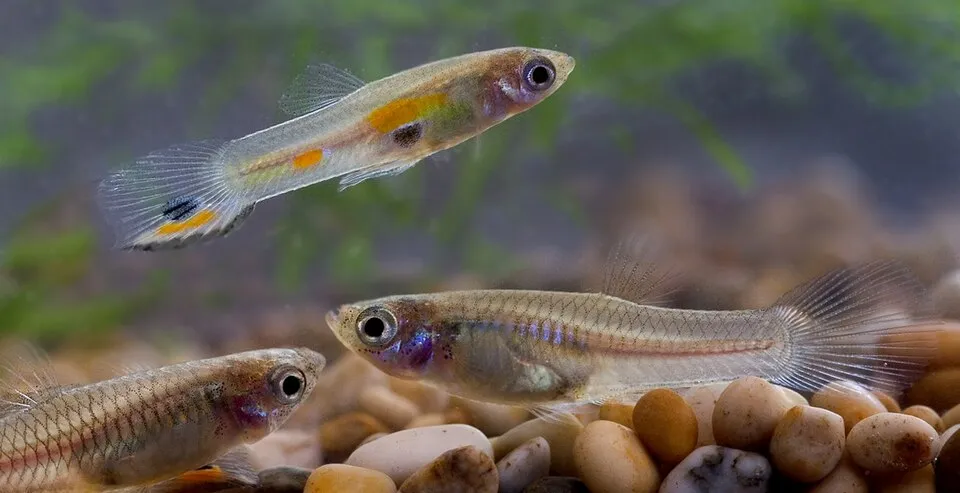
Guppy
Poecilia reticulata
FreshwaterBrackish2.4 in (6 cm) · 10 gal (38 L)64–82°F (18–28°C)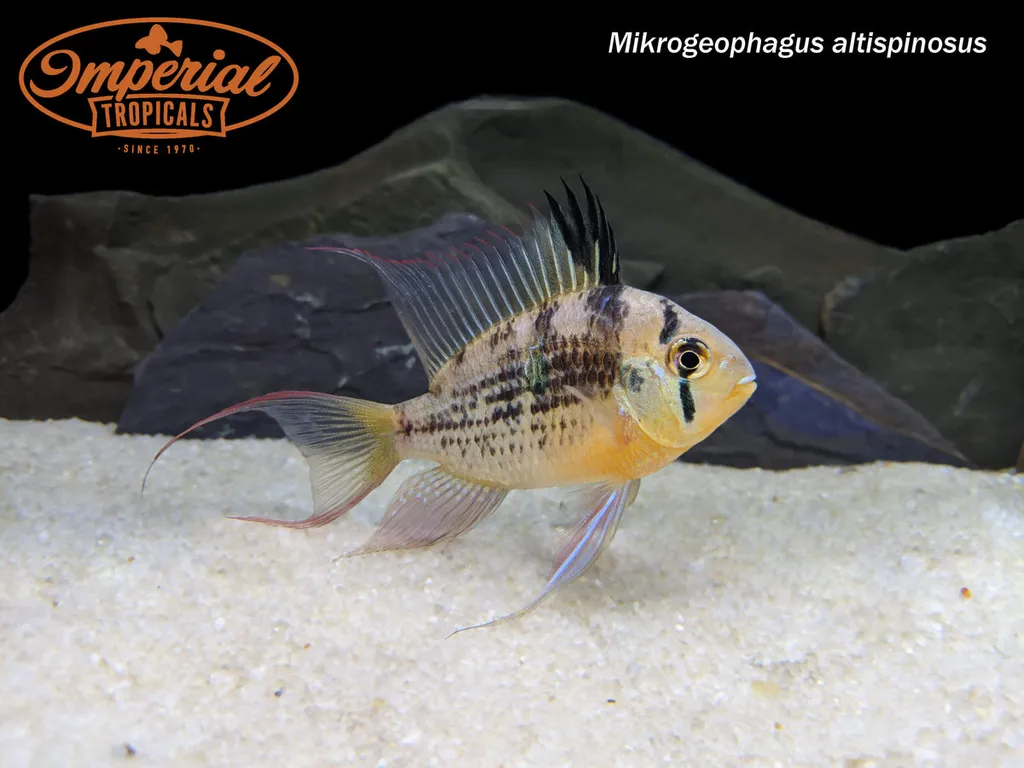
Bolivian ram
Mikrogeophagus altispinosus
Freshwater3.1 in (8 cm) · 45 gal (170 L)75–82°F (24–28°C)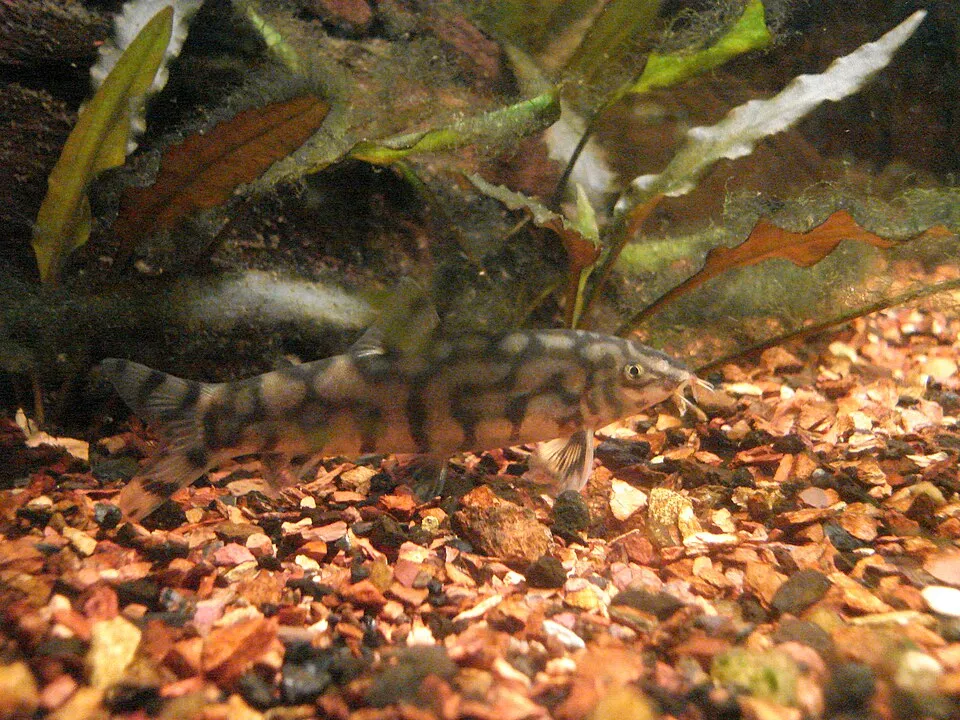
Yoyo loach
Botia almorhae
Freshwater6.3 in (16 cm) · 42 gal (160 L)66–81°F (19–27°C)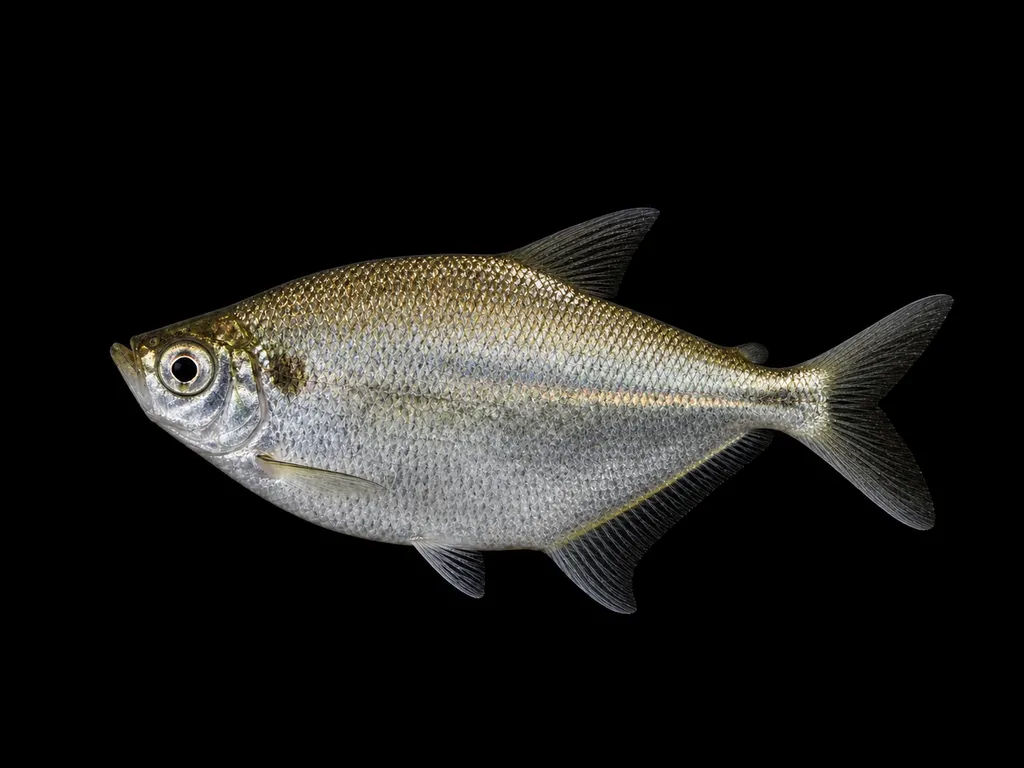
Giant river hatchetfish
Triportheus rotundatus
Freshwater9.8 in (25 cm) · 79 gal (300 L)73–82°F (23–28°C)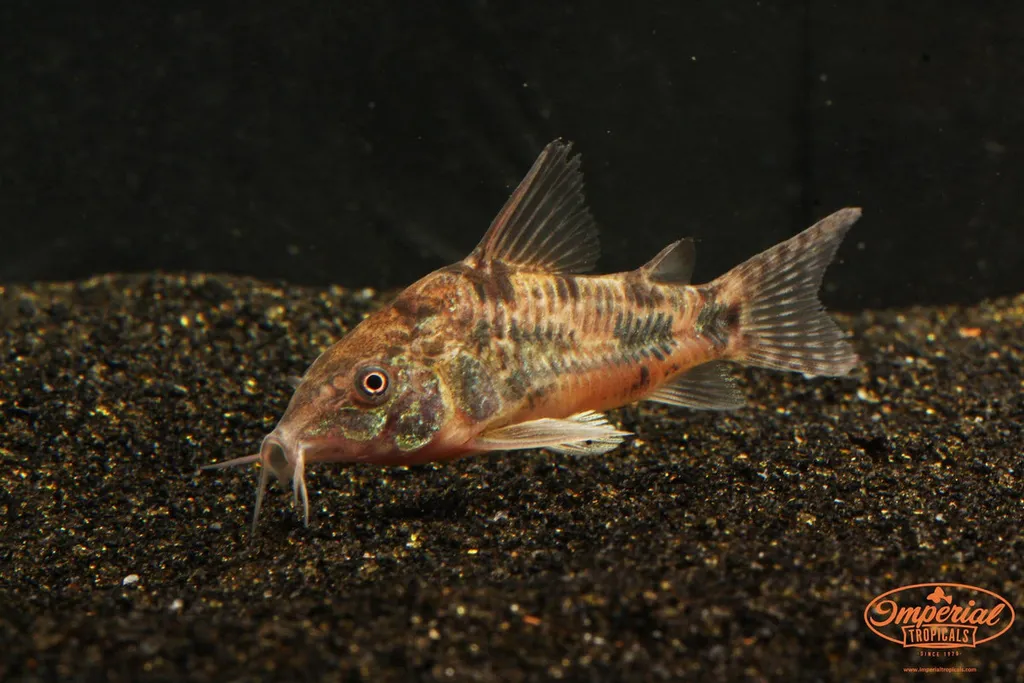
Peppered cory
Hoplisoma paleatum
Freshwater2.8 in (7 cm) · 21 gal (80 L)72–79°F (22–26°C)
Narrow hatchetfish
Triportheus angulatus
Freshwater9.8 in (25 cm) · 79 gal (300 L)73–82°F (23–28°C)
Common questions
What size tank does a discus need?
A discus needs at least 65 gal (245 L). It spends most of its time in the middle.
What temperature and pH does a discus need?
A discus is comfortable at 79–90°F (26–32°C) with a pH of 6.0–7.0.
What does a discus eat?
A discus eats quality flake, pellet and frozen foods. It is often fed more than once a day.
How big does a discus get?
An adult discus reaches about 5.9 in (15 cm).
Does a discus need a group?
Yes. A discus is a shoaling species and should be kept in a group, not singly.
Related species
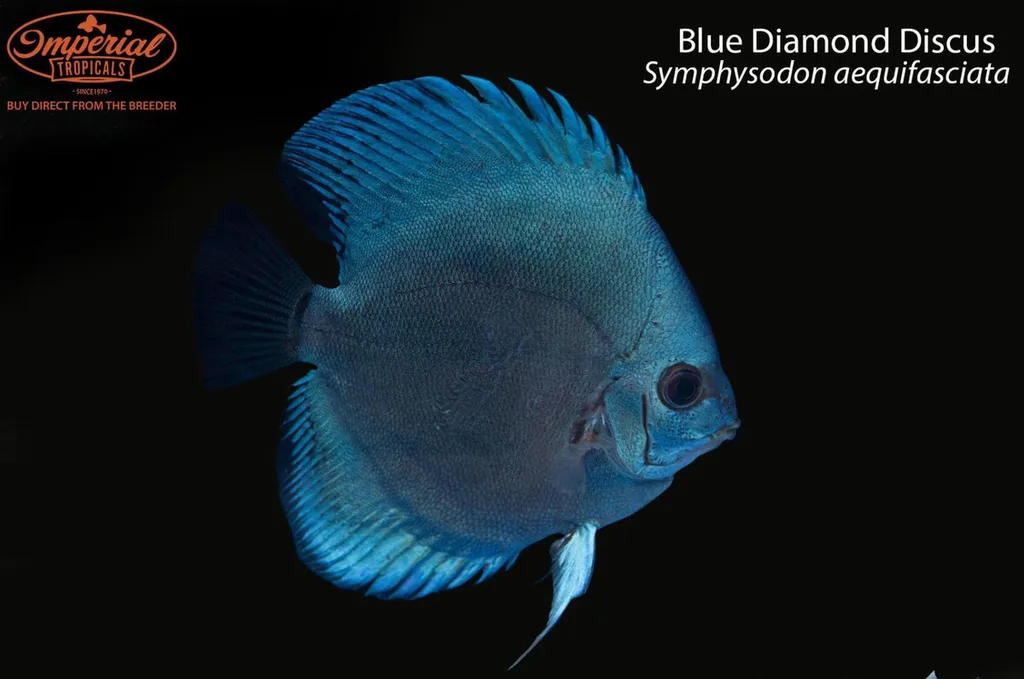 5.9 in (15 cm)65 gal (245 L)81–88°F (27–31°C)
Blue diamond discus
Symphysodon tarzoo
5.9 in (15 cm) · 65 gal (245 L)
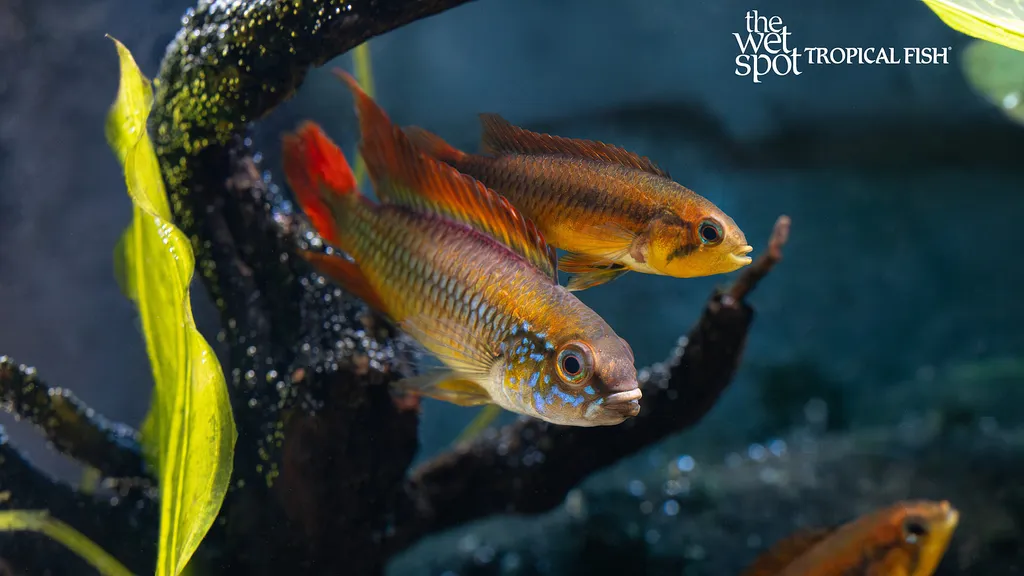 7.1 in (18 cm)75 gal (284 L)82–88°F (28–31°C)
Heckel discus
Symphysodon discus
7.1 in (18 cm) · 75 gal (284 L)
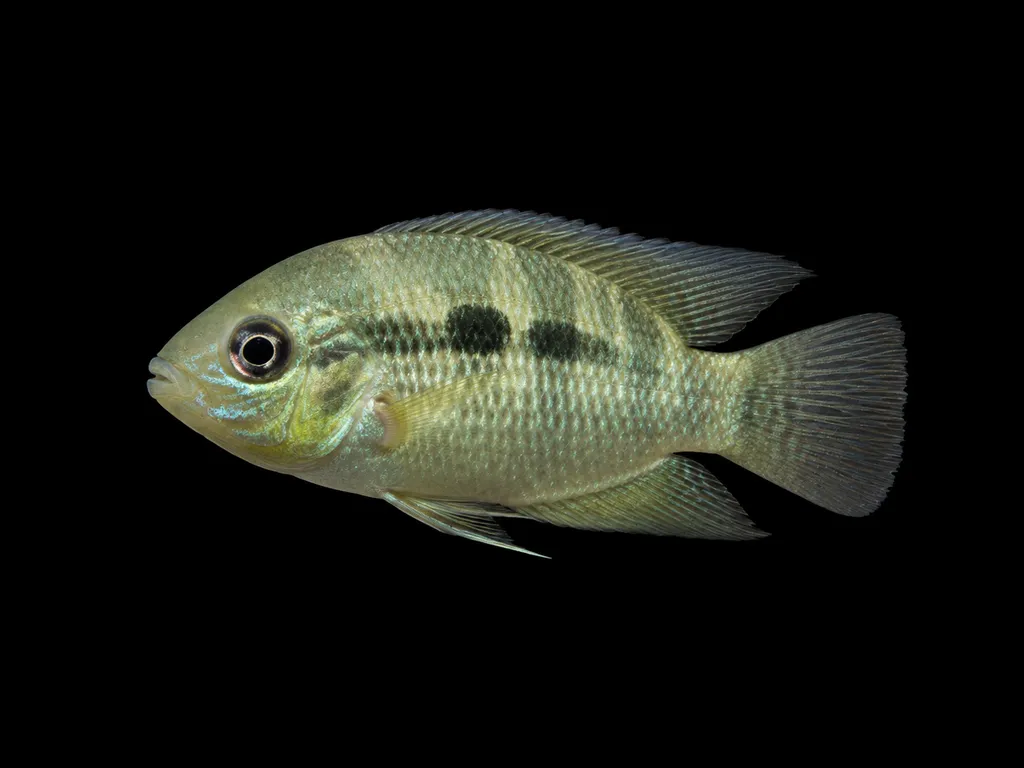 5.9 in (15 cm)79 gal (300 L)75–82°F (24–28°C)
Filter-feeding cichlid
Chaetobranchopsis orbicularis
5.9 in (15 cm) · 79 gal (300 L)
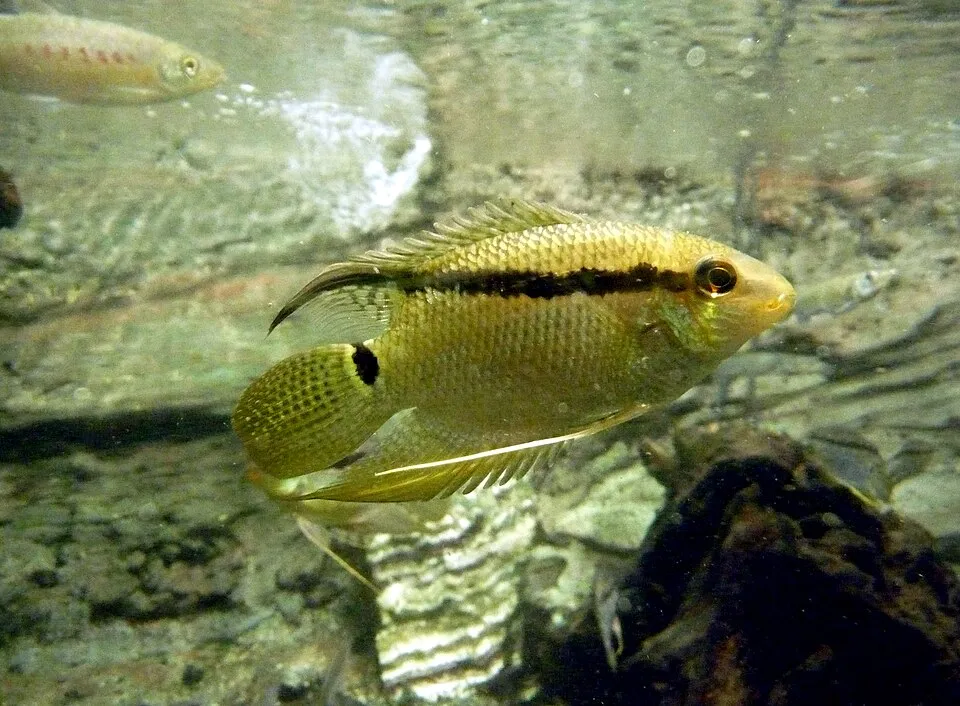 5.9 in (15 cm)37 gal (140 L)75–82°F (24–28°C)
Flag cichlid
Mesonauta festivus
5.9 in (15 cm) · 37 gal (140 L)
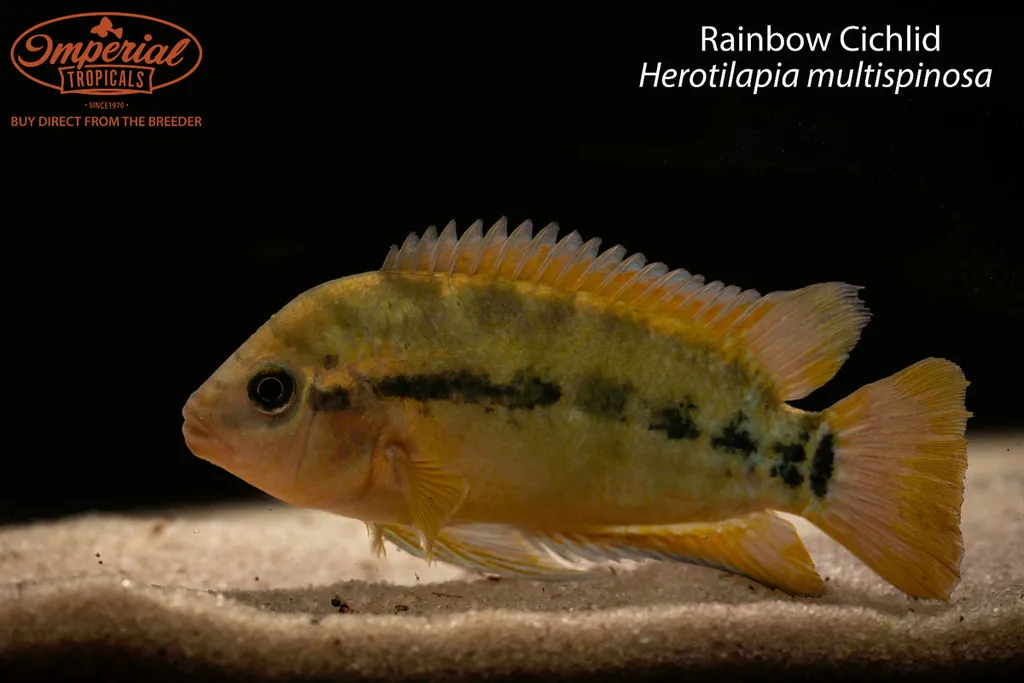 6.3 in (16 cm)26 gal (100 L)72–82°F (22–28°C)
Rainbow cichlid
Herotilapia multispinosa
6.3 in (16 cm) · 26 gal (100 L)
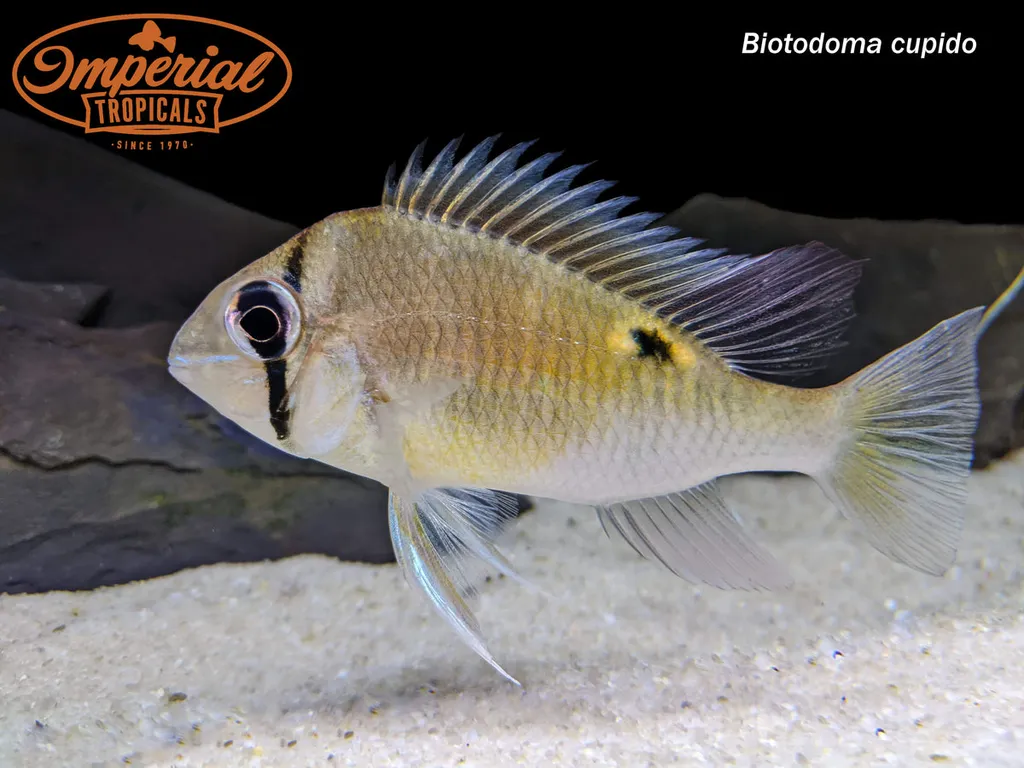 4.7 in (12 cm)53 gal (200 L)68–86°F (20–30°C)
Cupid cichlid
Biotodoma cupido
4.7 in (12 cm) · 53 gal (200 L)