Flag cichlid
Mesonauta festivus
Also known as Festivum cichlid
FreshwaterFish
Care at a glance
- Temperature
- 75–82°F
- 24–28°C
- pH
- 6.0–7.5
- Adult size
- 5.9 in
- 15 cm
- Minimum tank
- 37 gal
- 140 L
- Temperament
- Peaceful
- Social behavior
- Social
- Swim level
- Middle
- Difficulty
- Easy
- Breeding
- Hard
- Rarity
- Common
- Family
- Cichlidae
- Origin
- South America
Overview
For a cichlid this is a calm, somewhat shy fish that does well in groups or pairs. It sits in the middle of the tank and appreciates tall plants and wood to feel secure and break up sight lines. Feed quality pellets, flake, and frozen foods like bloodworm and brine shrimp, with some vegetable matter. Give it around 140 liters or more. It mixes well with peaceful larger tetras and similar gentle tankmates.
In the wild
Flag cichlids come from slow, soft waters across South America, including flooded forest edges and quiet river margins thick with plants and submerged wood. The water is soft and slightly acidic and often shaded. Give them a planted tank with driftwood, tall plants, and some open water, plus gentle flow. Soft water from pH 6 to 7.5 and temperatures in the mid to high 20s C suit them.
Good to know
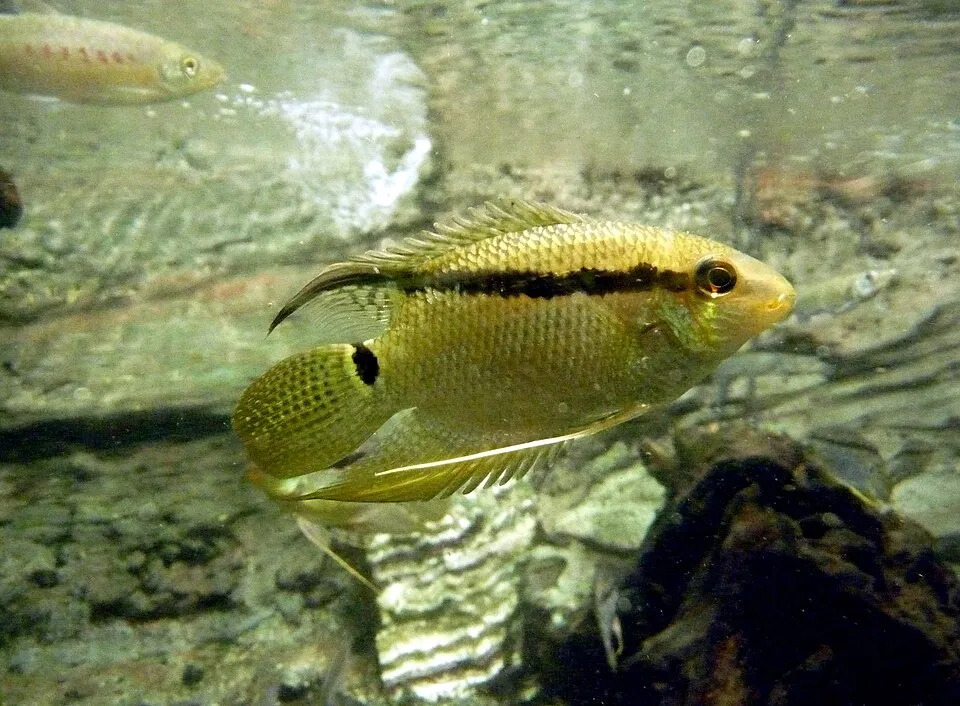
Mesonauta festivus is a cichlid in the family Cichlidae, reaching about 15 cm. It has a tall, laterally compressed body and a dark diagonal band running from the snout through the eye to the top of the tail. It is a substrate spawner that forms pairs and guards its eggs and fry, though it can be tricky to breed in the aquarium. Both parents tend the brood.
Did you know
Flag cichlids often rest at an angle, tilted nose-down among vertical plant stems and roots. The dark diagonal stripe lines up with those stems and breaks the fish's outline, so a nervous flag cichlid will tuck into the plants and all but disappear.
Weekly picks
Tank mates
Flag cichlid is a peaceful, social species that keeps to the middle. These picks share a community profile with it, are safe together in both directions, and overlap on water type, temperature and pH.
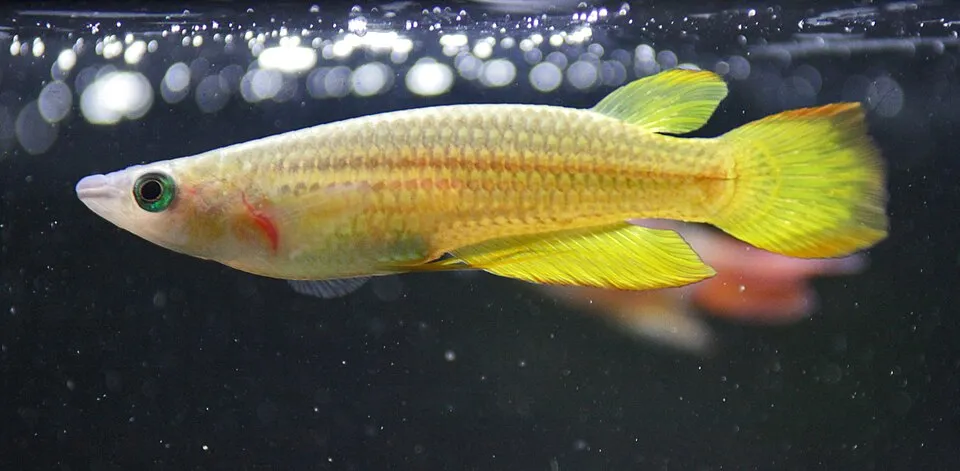
Striped panchax
Aplocheilus lineatus
Freshwater4.3 in (11 cm) · 30 gal (115 L)72–77°F (22–25°C)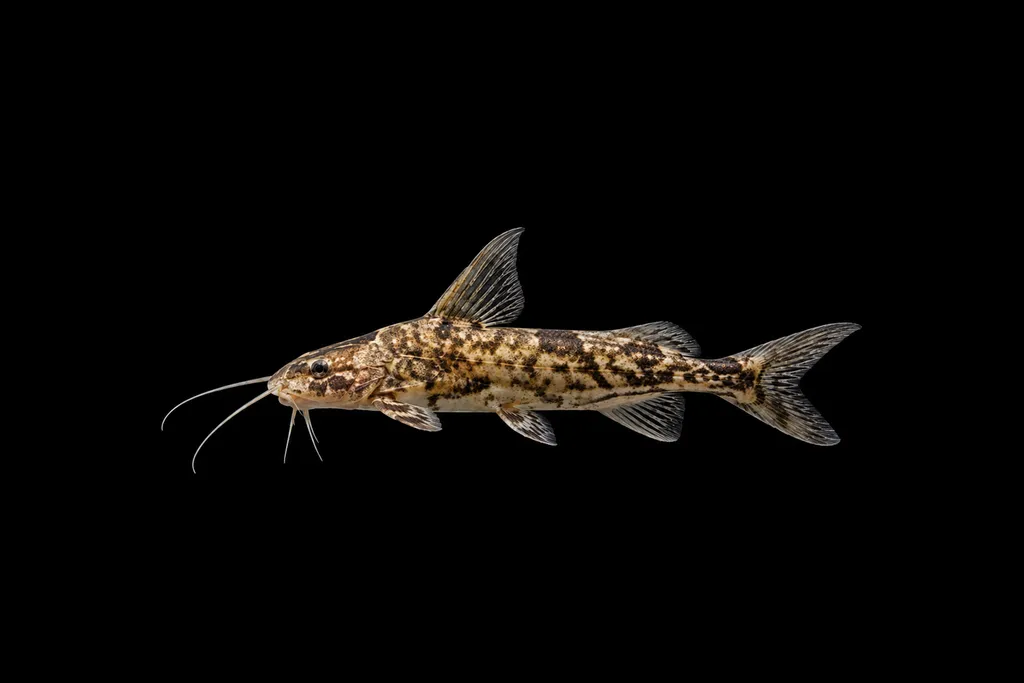
Marbled leiocassis
Leiocassis poeciloptera
Freshwater6.7 in (17 cm) · 40 gal (150 L)73–82°F (23–28°C)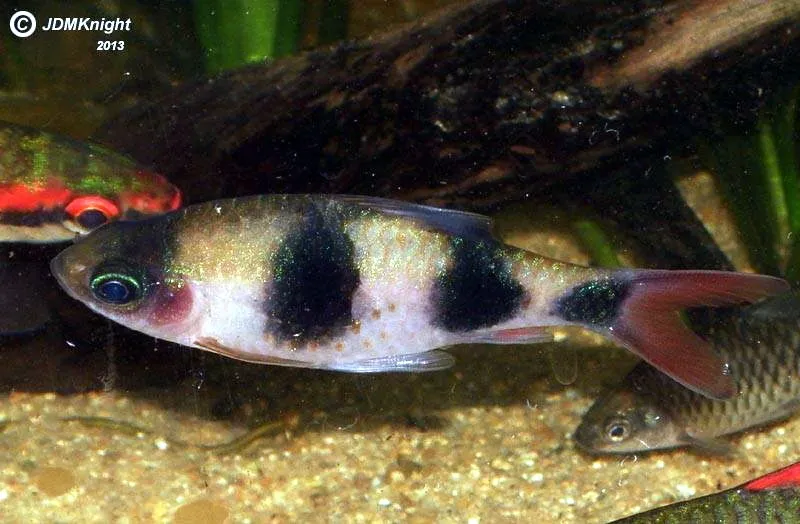
Arulius barb
Dawkinsia arulius
Freshwater4.7 in (12 cm) · 37 gal (140 L)66–77°F (19–25°C)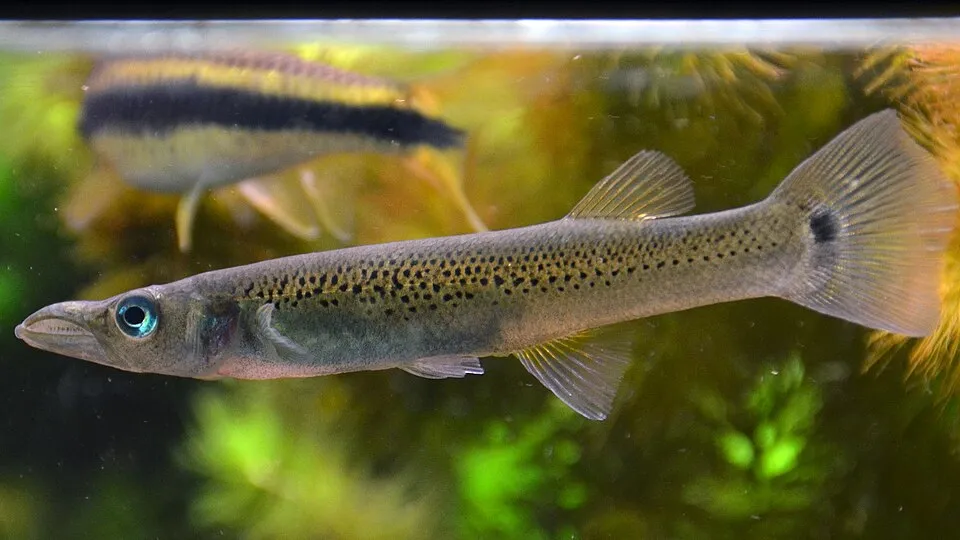
Pike topminnow
Belonesox belizanus
Freshwater7.9 in (20 cm) · 44 gal (165 L)73–82°F (23–28°C)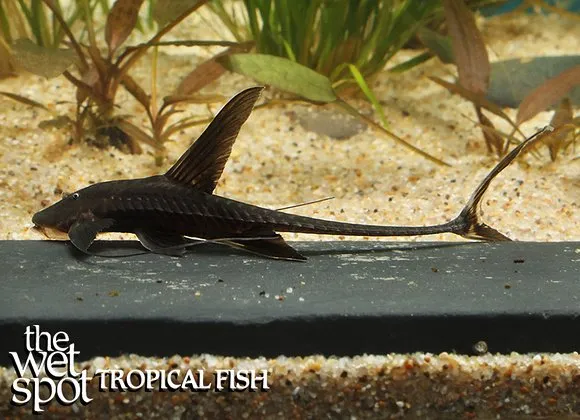
Antenna whiptail
Pterosturisoma microps
Freshwater6.3 in (16 cm) · 40 gal (150 L)73–82°F (23–28°C)Red-tail bitterling
Acheilognathus tonkinensis
Freshwater4.7 in (12 cm) · 40 gal (150 L)61–79°F (16–26°C)
Common questions
What size tank does a Flag cichlid need?
A Flag cichlid needs at least 37 gal (140 L). It spends most of its time in the middle.
What temperature and pH does a Flag cichlid need?
A Flag cichlid is comfortable at 75–82°F (24–28°C) with a pH of 6.0–7.5.
How big does a Flag cichlid get?
An adult Flag cichlid reaches about 5.9 in (15 cm).
Related species
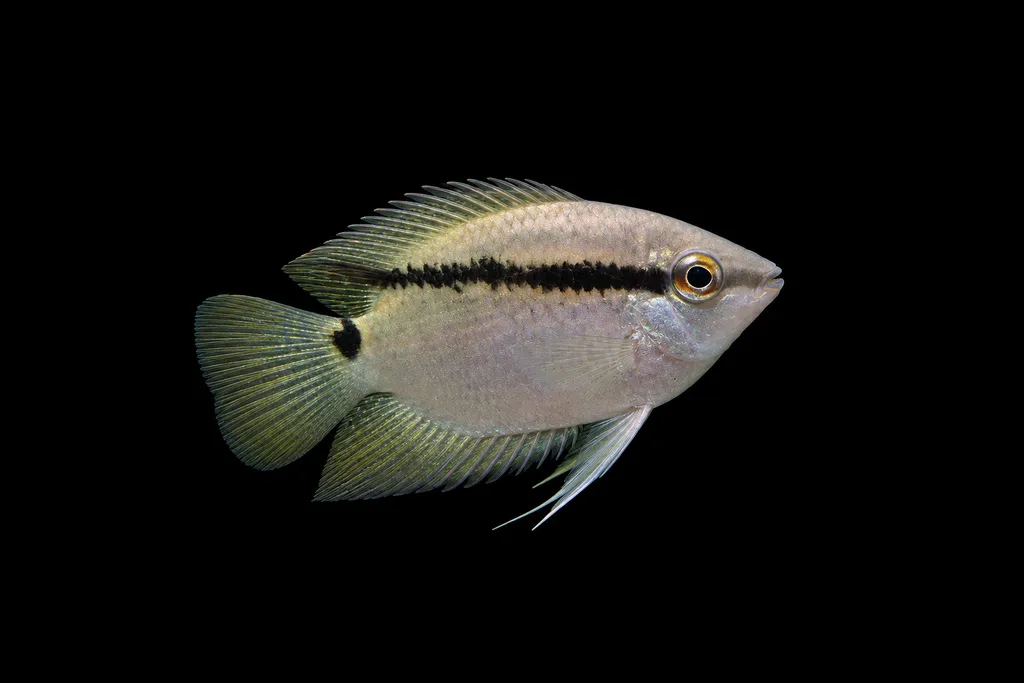 4.7 in (12 cm)66 gal (250 L)75–82°F (24–28°C)
Acora festivum
Mesonauta acora
4.7 in (12 cm) · 66 gal (250 L)
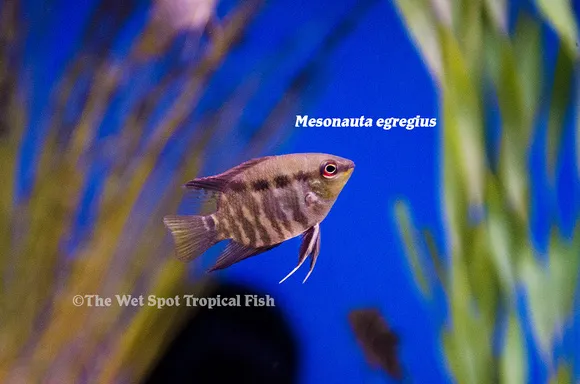 4.7 in (12 cm)66 gal (250 L)75–82°F (24–28°C)
Colombian festivum
Mesonauta egregius
4.7 in (12 cm) · 66 gal (250 L)
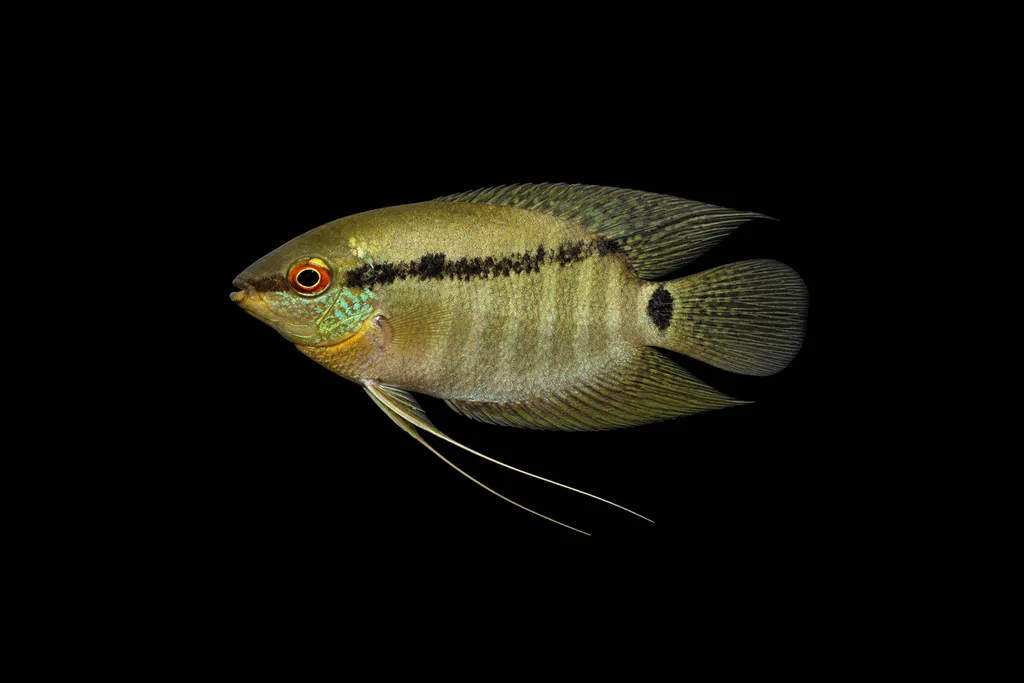 4.7 in (12 cm)66 gal (250 L)75–82°F (24–28°C)
Peruvian festivum
Mesonauta mirificus
4.7 in (12 cm) · 66 gal (250 L)
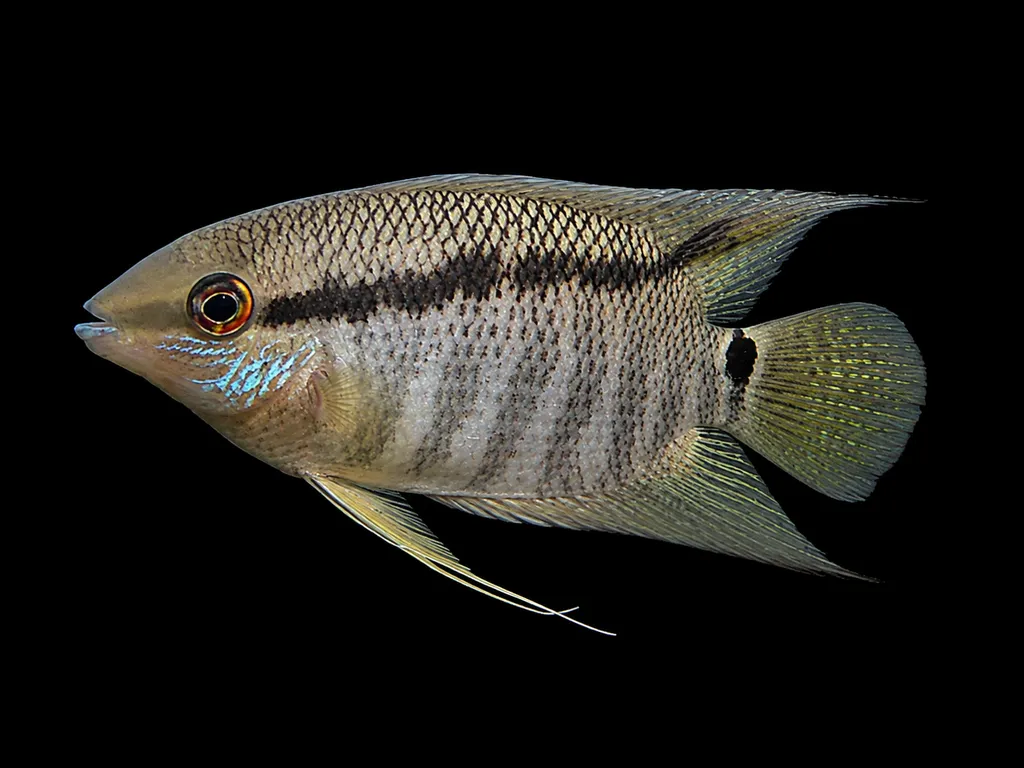 4.3 in (11 cm)66 gal (250 L)75–82°F (24–28°C)
Guyana festivum
Mesonauta guyanae
4.3 in (11 cm) · 66 gal (250 L)
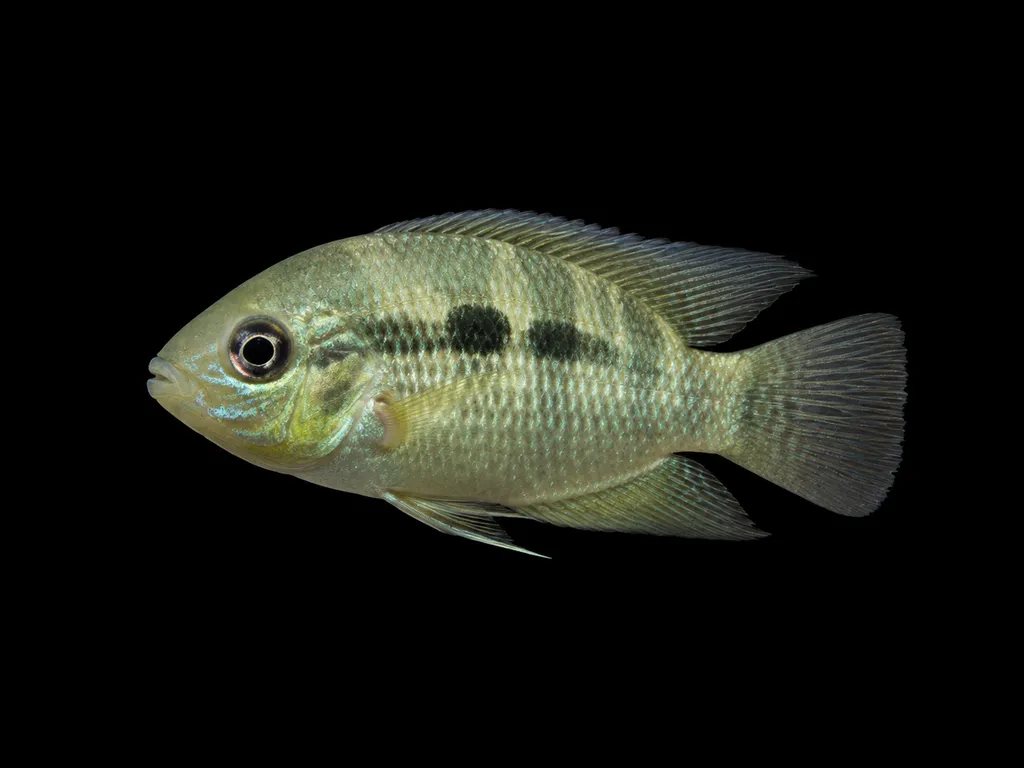 5.9 in (15 cm)79 gal (300 L)75–82°F (24–28°C)
Filter-feeding cichlid
Chaetobranchopsis orbicularis
5.9 in (15 cm) · 79 gal (300 L)
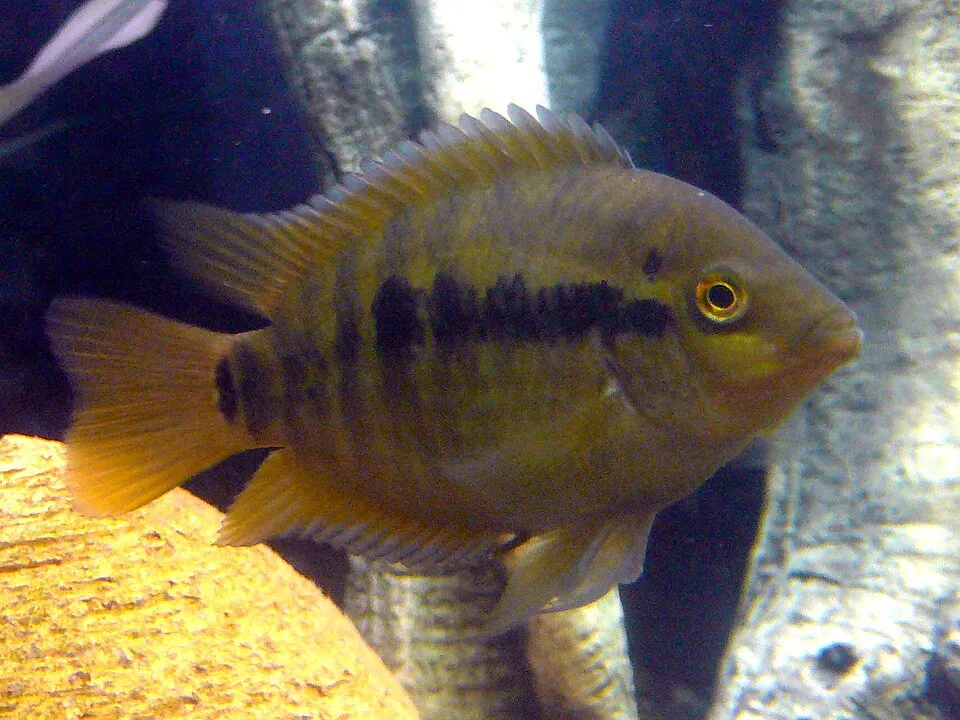 6.3 in (16 cm)26 gal (100 L)72–82°F (22–28°C)
Rainbow cichlid
Herotilapia multispinosa
6.3 in (16 cm) · 26 gal (100 L)