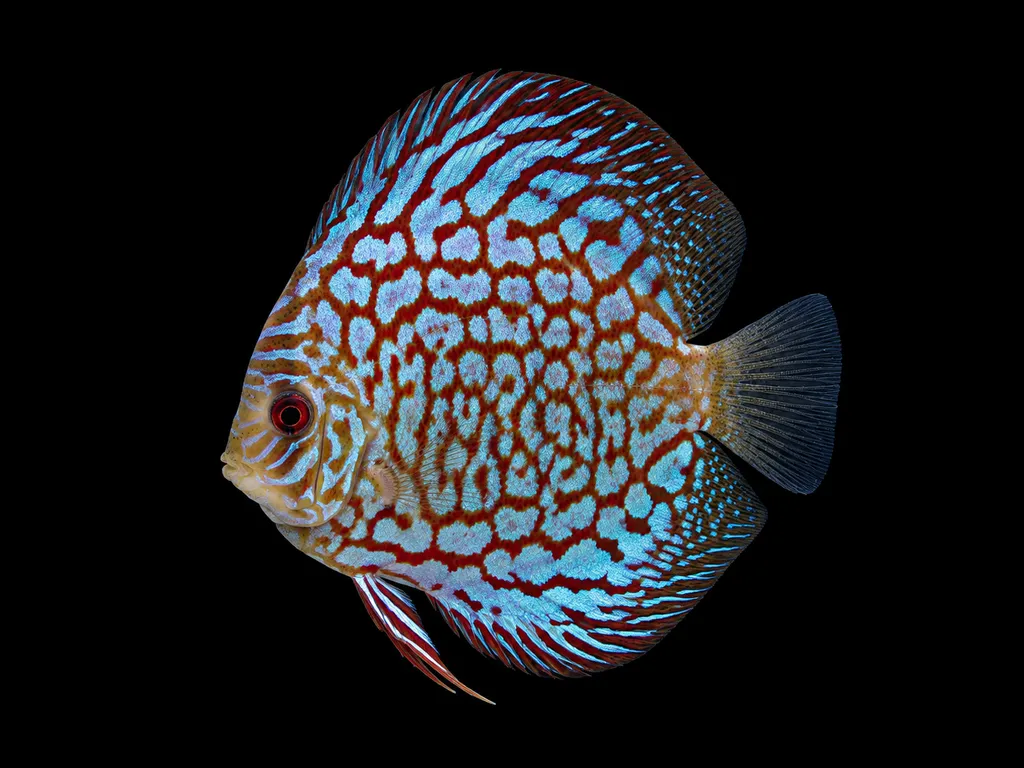
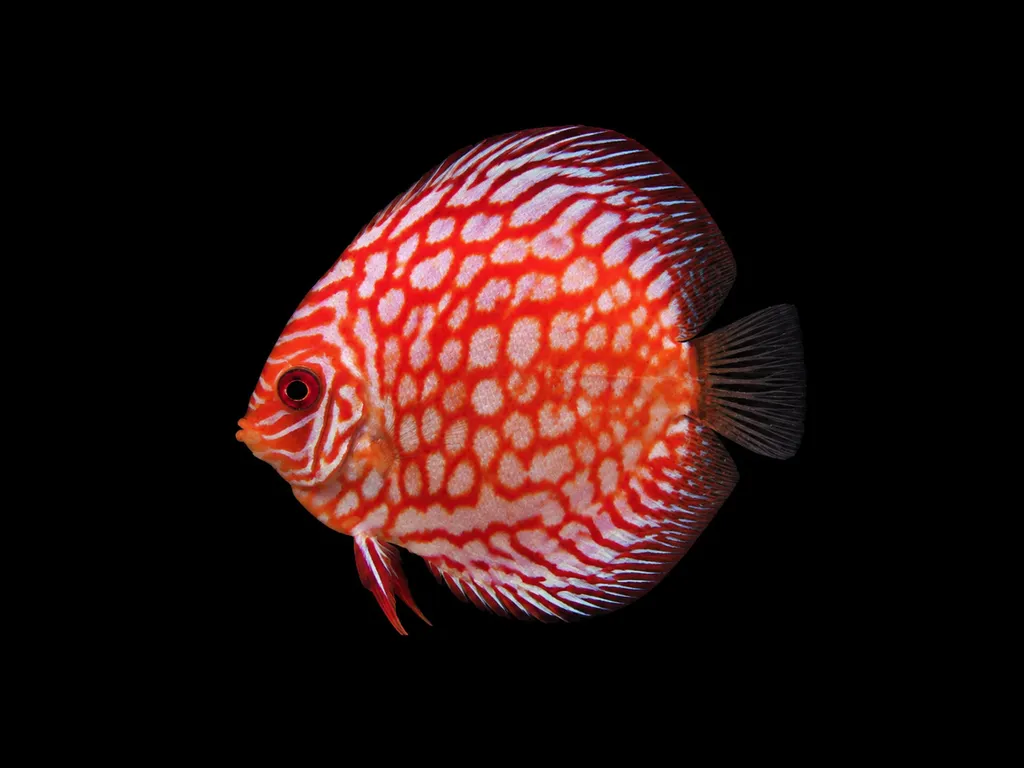
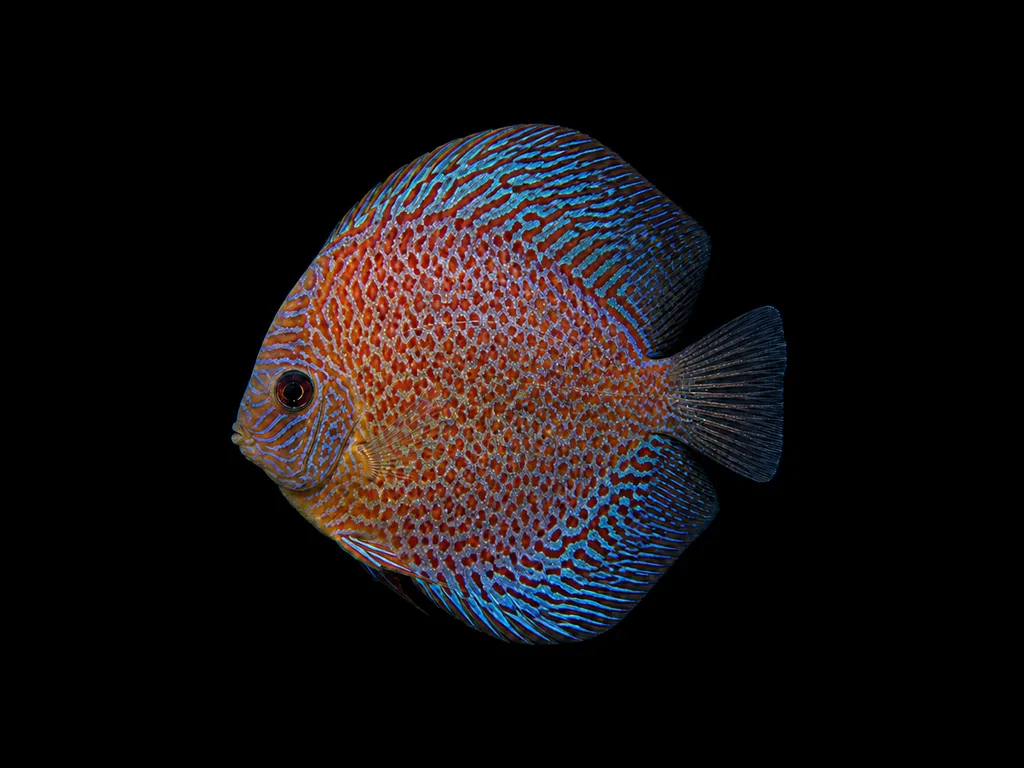
Red patterning laid over a pale ground in a net or lattice, which the trade reads as a checkerboard. Most stock sold now is checkerboard pigeon, meaning the pattern was crossed onto pigeon blood, so expect pepper on the face. The lattice is never regular and no two fish match, so pick individuals. Pattern sharpens with age and looks vague on small juveniles.
In the wild
A captive strain with no documented first breeder or year, described on breeder and retail pages as one of hundreds of man-made discus patterns. The widely sold checkerboard pigeon is that pattern crossed onto pigeon blood stock. Since pigeon blood itself dates only to around 1990, the pigeon version cannot predate it.
Good to know
The net comes from striation broken up rather than continuous, so blocks of pale ground show between the red lines. On pigeon-based fish the melanin pattern is mostly suppressed, which leaves the ground pale enough for the lattice to read clearly. Pattern is not fixed by one gene, so spawns range from tight net to nearly solid. Breeders sort out the good ones and sell the rest under other names.
Did you know
Checkerboard and red map look close enough that discus forums argue over which is which. Both are pattern grades applied by the seller rather than separate genetic lines, so the same fish can be listed either way.
Weekly picks
Tank mates
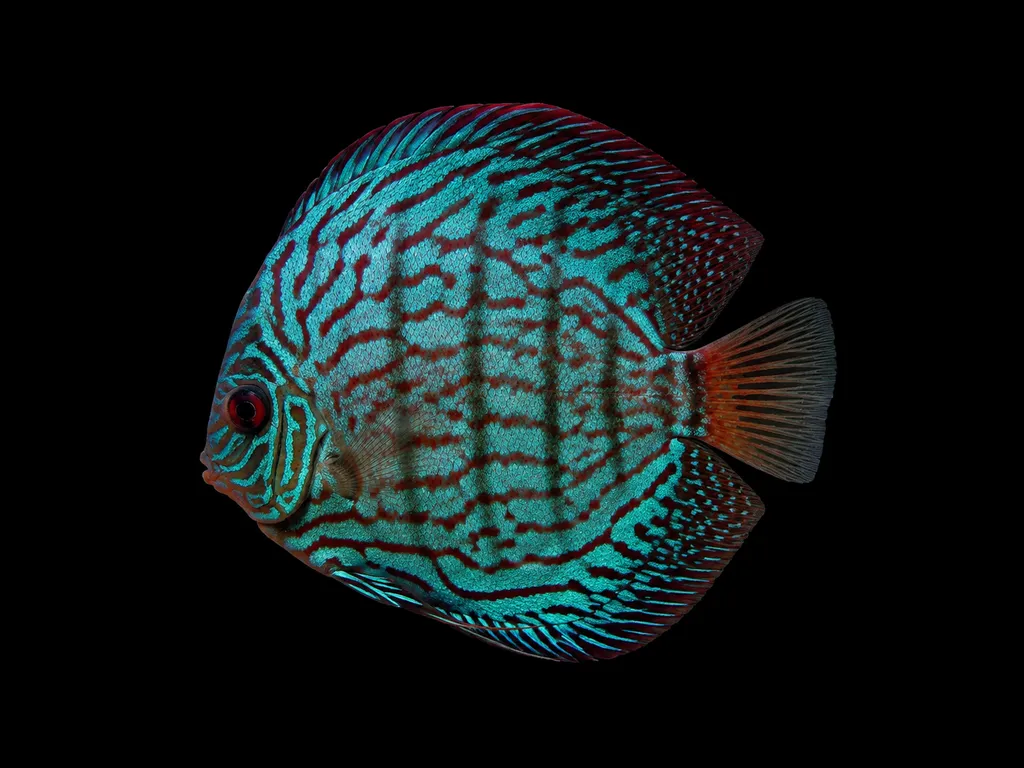
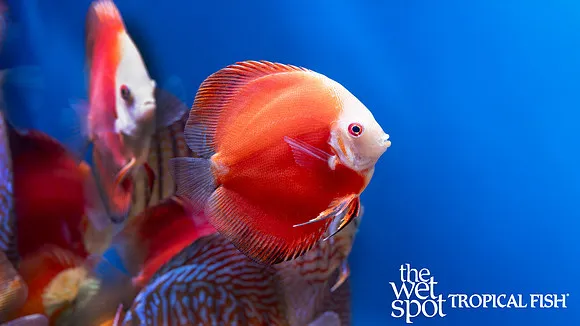
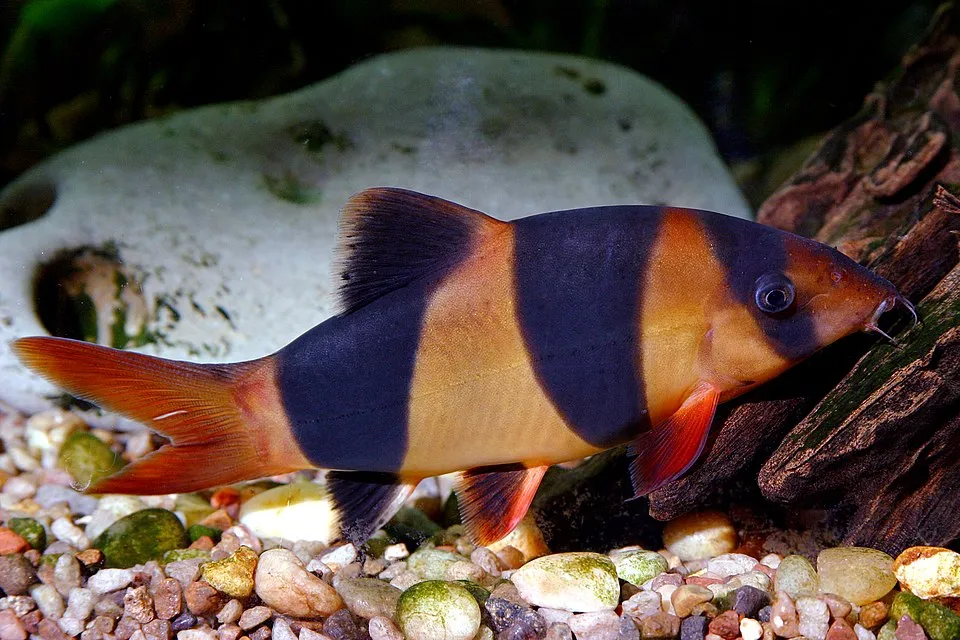
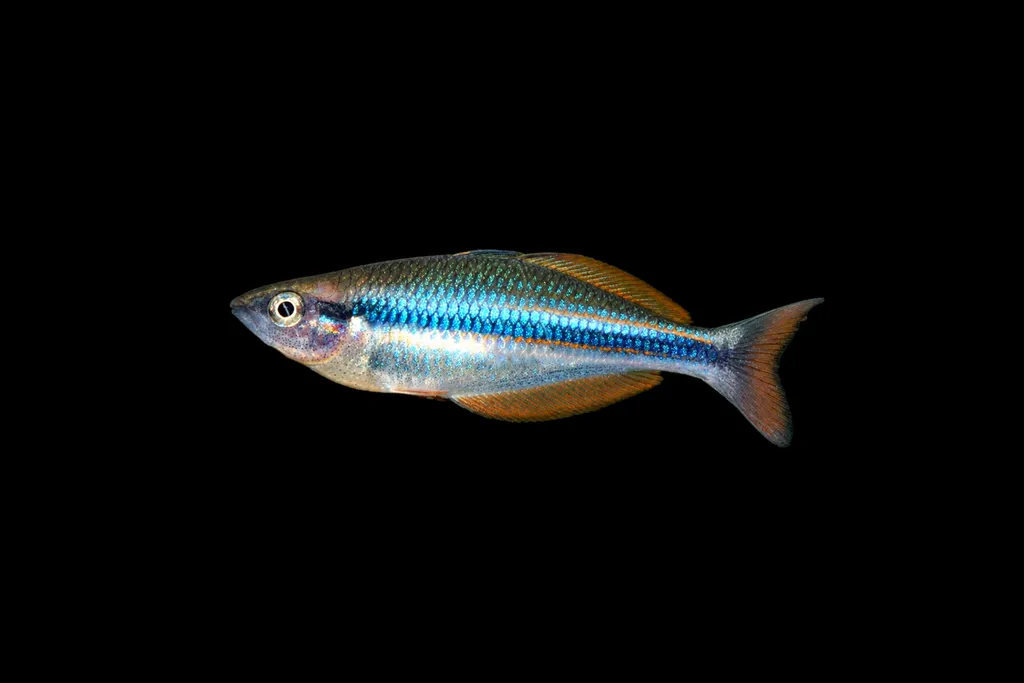
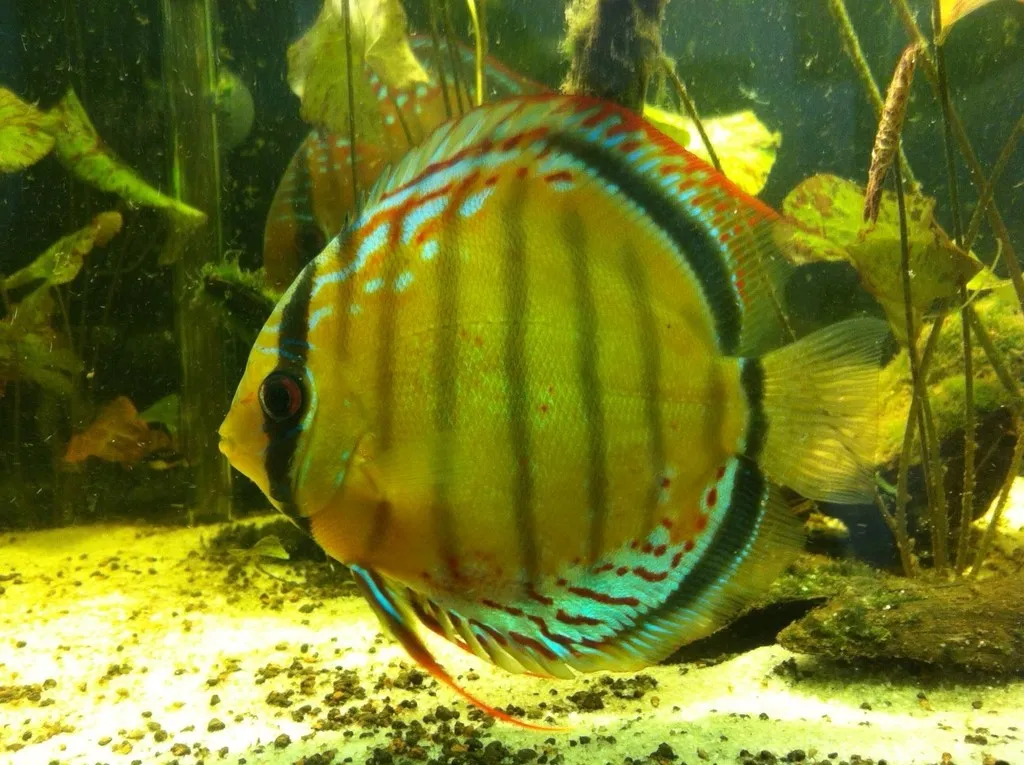
Checkerboard discus is a peaceful, shoaling species that keeps to the middle. These picks share a community profile with it, are safe together in both directions, and overlap on water type, temperature and pH.
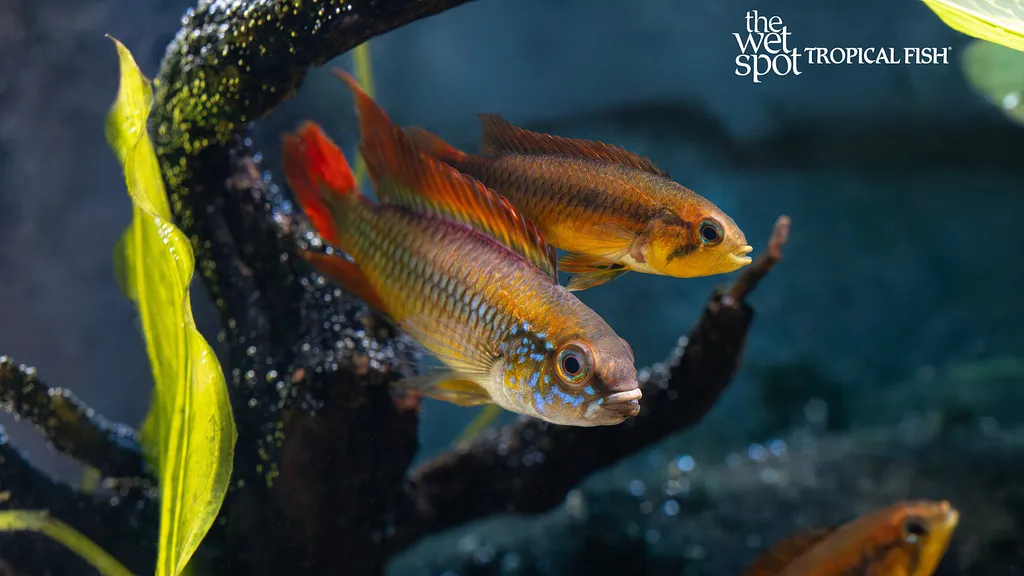
 7.9 in (20 cm)65 gal (245 L)81–88°F (27–31°C)
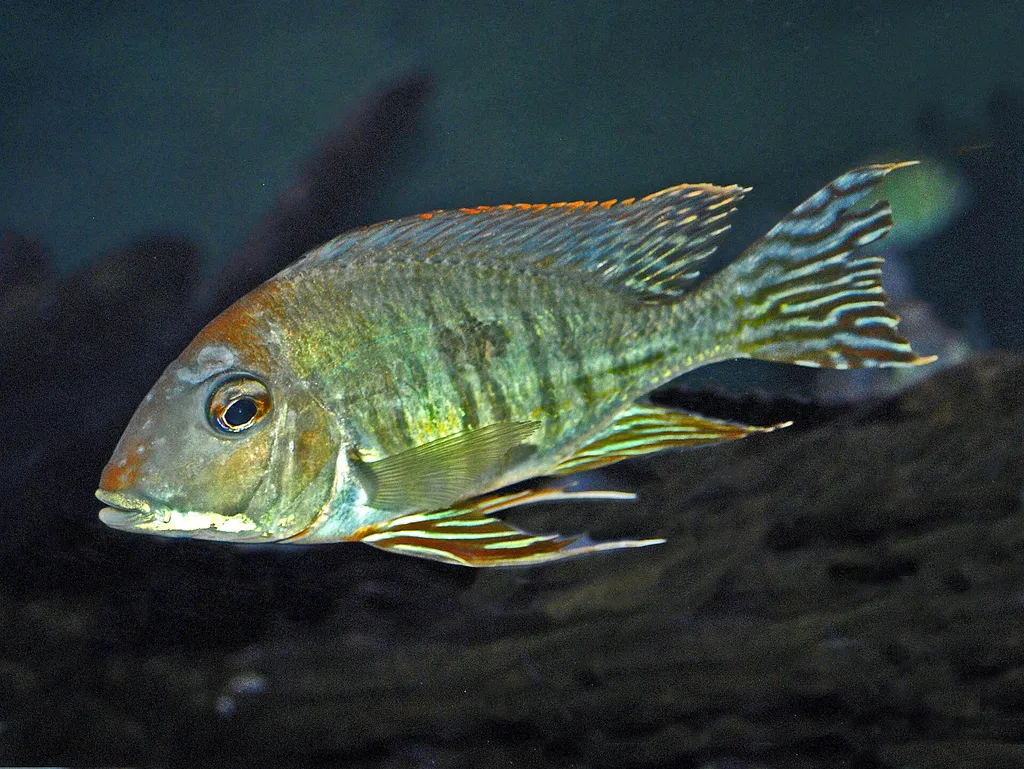
 7.1 in (18 cm)75 gal (284 L)82–88°F (28–31°C)
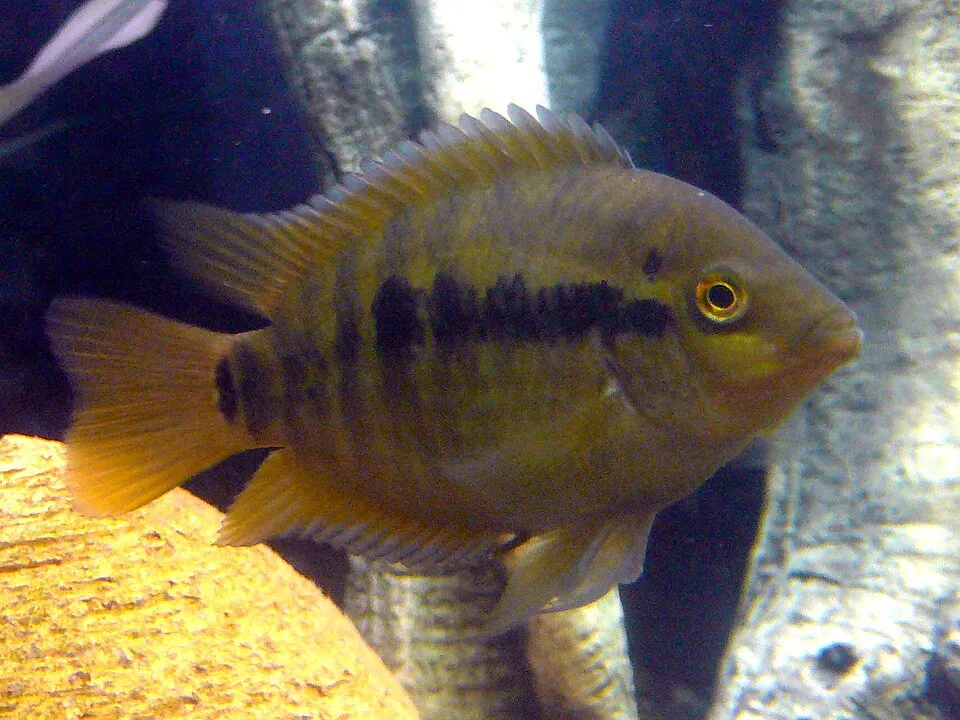
 9.8 in (25 cm)115 gal (435 L)79–90°F (26–32°C)
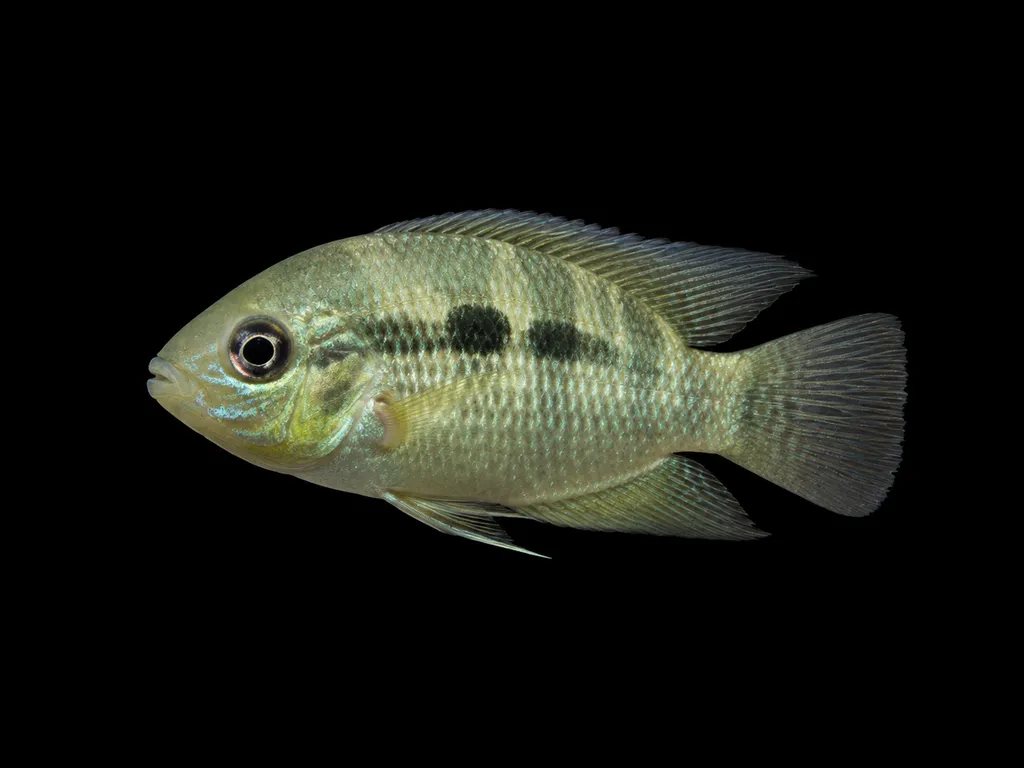
 6.3 in (16 cm)26 gal (100 L)72–82°F (22–28°C)
 5.9 in (15 cm)79 gal (300 L)75–82°F (24–28°C)
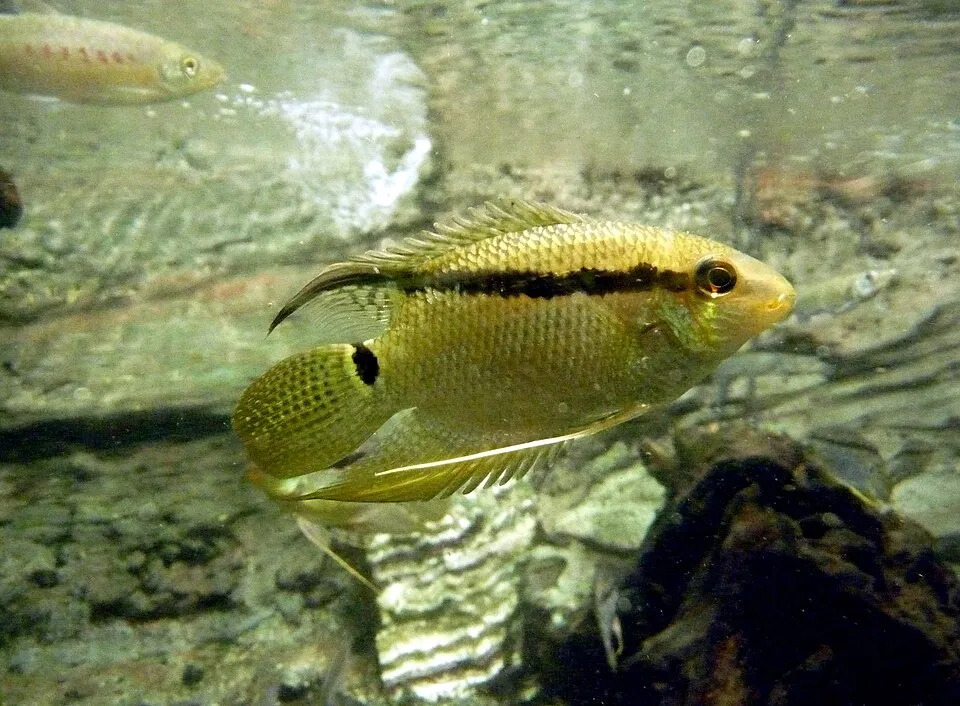 5.9 in (15 cm)37 gal (140 L)75–82°F (24–28°C)