Cupid cichlid
Biotodoma cupido
FreshwaterFish
Care at a glance
- Temperature
- 68–86°F
- 20–30°C
- pH
- 5.5–7.0
- Adult size
- 4.7 in
- 12 cm
- Minimum tank
- 53 gal
- 200 L
- Temperament
- Peaceful
- Social behavior
- Shoaling
- Swim level
- Middle
- Difficulty
- Difficult
- Breeding
- Hard
- Rarity
- Rare
- Family
- Cichlidae
- Origin
- Peru, Bolivia, Guyana, Brazil
Overview
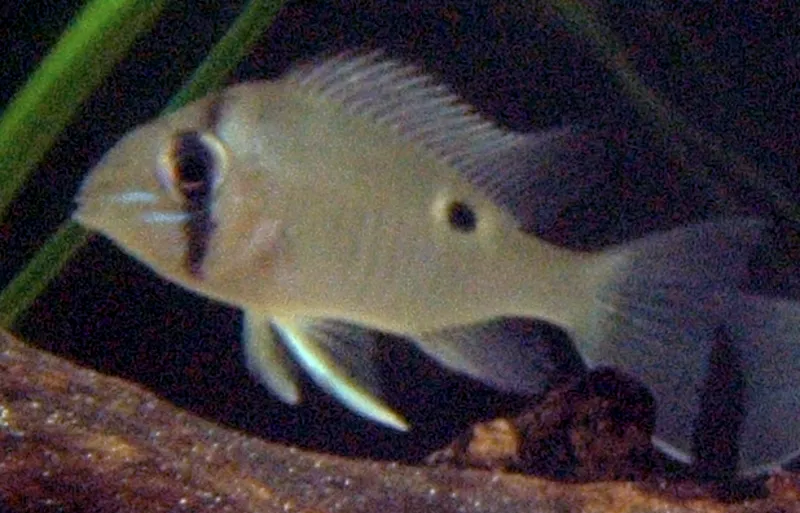
The cupid cichlid is a peaceful eartheater that lives in groups, so plan to keep at least five or six together and let them sort out a loose pecking order. It is a sensitive fish that needs clean, stable water and calm tankmates such as tetras, pencilfish, hatchetfish and other gentle Amazonian species. It spends much of its time near the bottom, taking mouthfuls of sand and sifting out small food items, so a soft sandy floor is essential to protect its delicate mouth and gills. Feed small sinking foods along with frozen and live items such as brine shrimp, daphnia and bloodworm. A tank of at least 200 liters with open sand, some wood and gentle current gives a group the space it needs to feel secure and forage naturally.
In the wild
The cupid cichlid is found across the Amazon basin through Peru, Bolivia, Guyana and Brazil, living over sand and leaf litter in slow river margins and flooded areas. Depending on locality the water ranges from soft and acidic blackwater to slightly harder clearwater, but it is always warm and gently flowing. Aim for a pH of 5.5 to 7.0 and a temperature of 20 to 30 C, with soft to moderately soft water. A fine sandy substrate is the most important feature, along with driftwood, leaf litter and some shade to mimic the sheltered backwaters it prefers.
Good to know
Biotodoma cupido belongs to the cichlid family, Cichlidae, and grows to around 12 cm. It is one of the eartheaters, a group that feeds by taking sand into the mouth and sieving out edible morsels through the gills. It is a bi-parental substrate spawner, laying around a hundred eggs on a cleaned flat rock or firm surface, after which the female tends the clutch while the male patrols the surrounding territory. Breeding in the aquarium is challenging, since the fish are fussy about water quality and pairs do not always raise their first spawns successfully.
Did you know
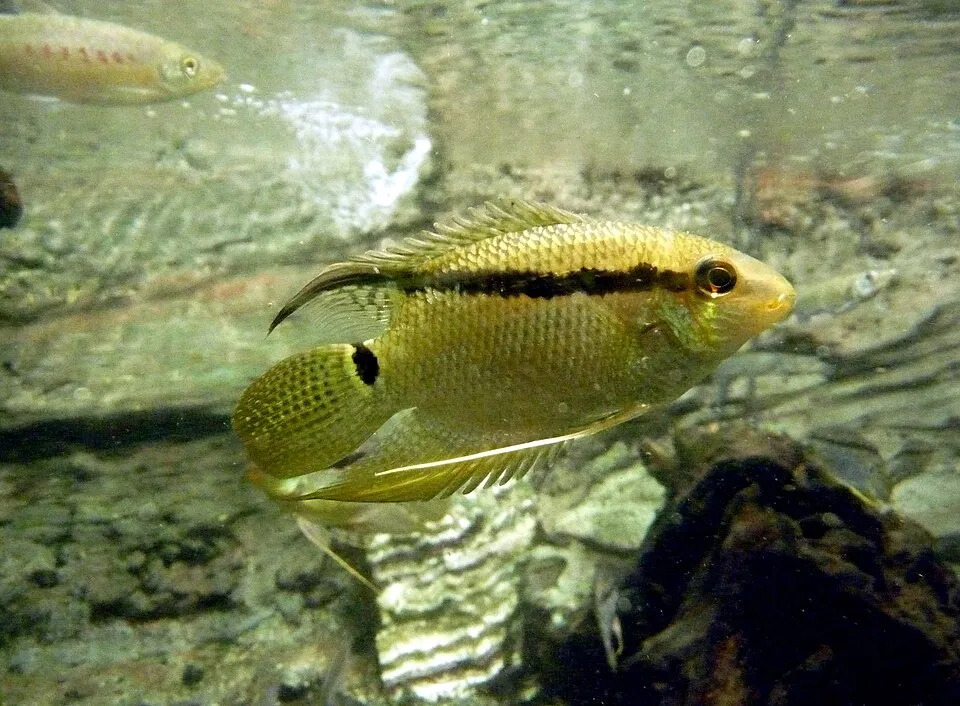
The cupid cichlid is marked by a dark spot high on the flank below the dorsal fin and a diagonal stripe through the eye. As an eartheater it constantly sifts sand for food, so a soft sandy bottom is far better for it than gravel.
Weekly picks
Tank mates
Cupid cichlid is a peaceful, shoaling species that keeps to the middle. These picks share a community profile with it, are safe together in both directions, and overlap on water type, temperature and pH.
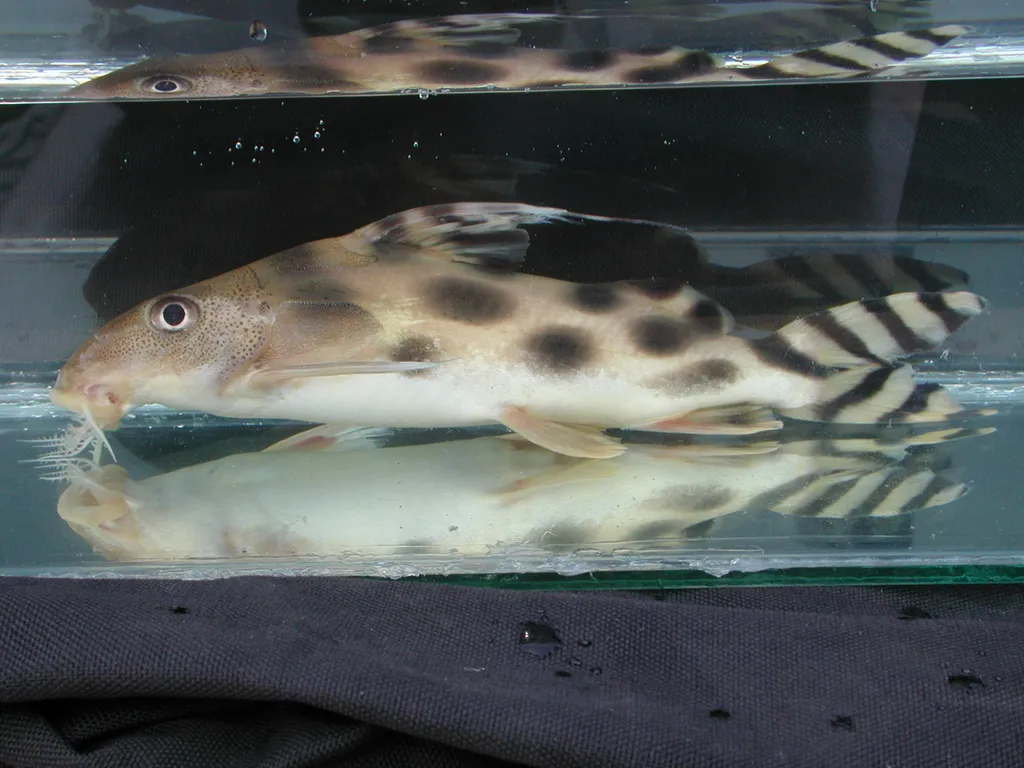
Decorated squeaker
Synodontis decorus
Freshwater11.8 in (30 cm) · 53 gal (200 L)72–81°F (22–27°C)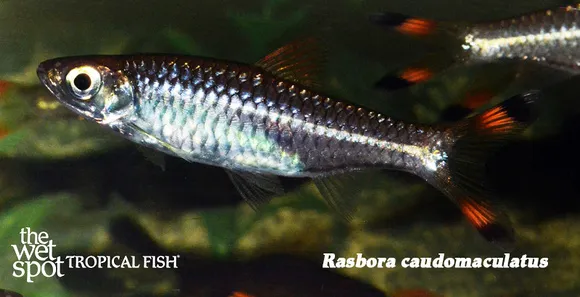
Greater scissortail
Rasbora caudimaculata
Freshwater5.1 in (13 cm) · 53 gal (200 L)68–79°F (20–26°C)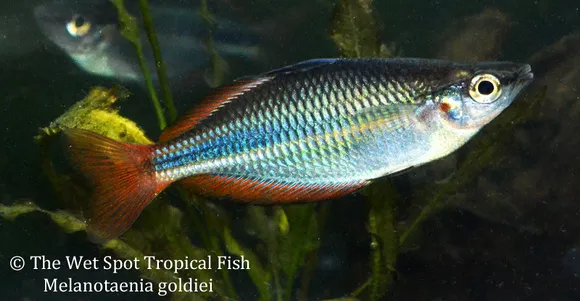
Goldie River rainbowfish
Melanotaenia goldiei
Freshwater5.1 in (13 cm) · 53 gal (200 L)75–86°F (24–30°C)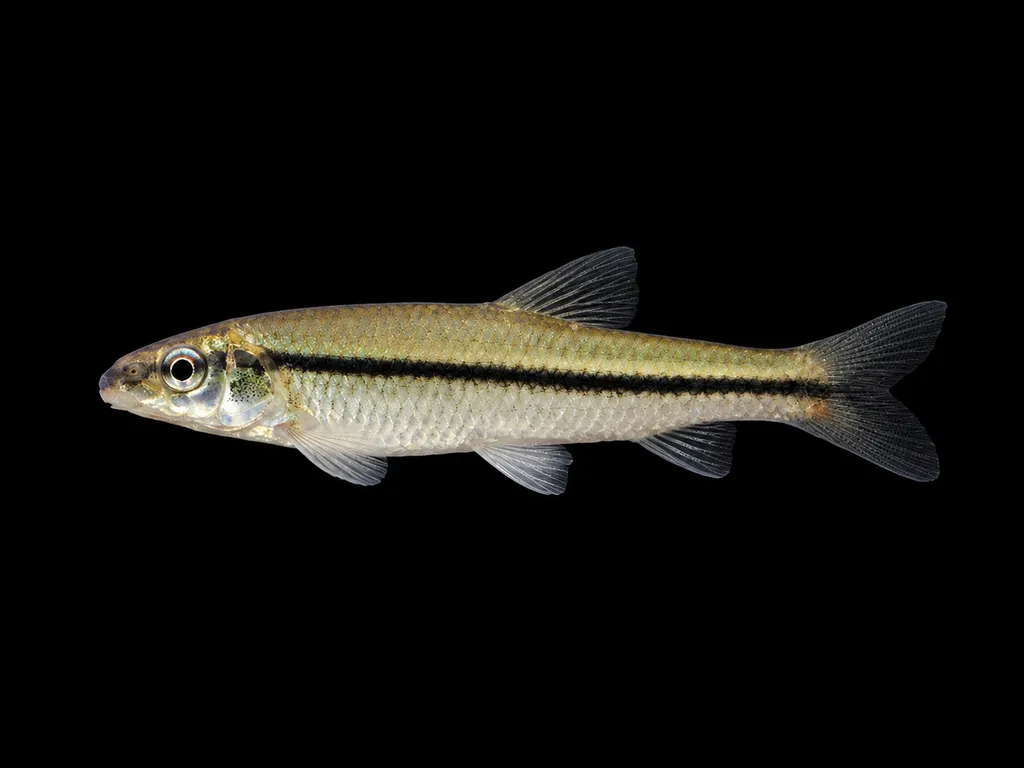
Darter characin
Apareiodon affinis
Freshwater7.1 in (18 cm) · 53 gal (200 L)64–77°F (18–25°C)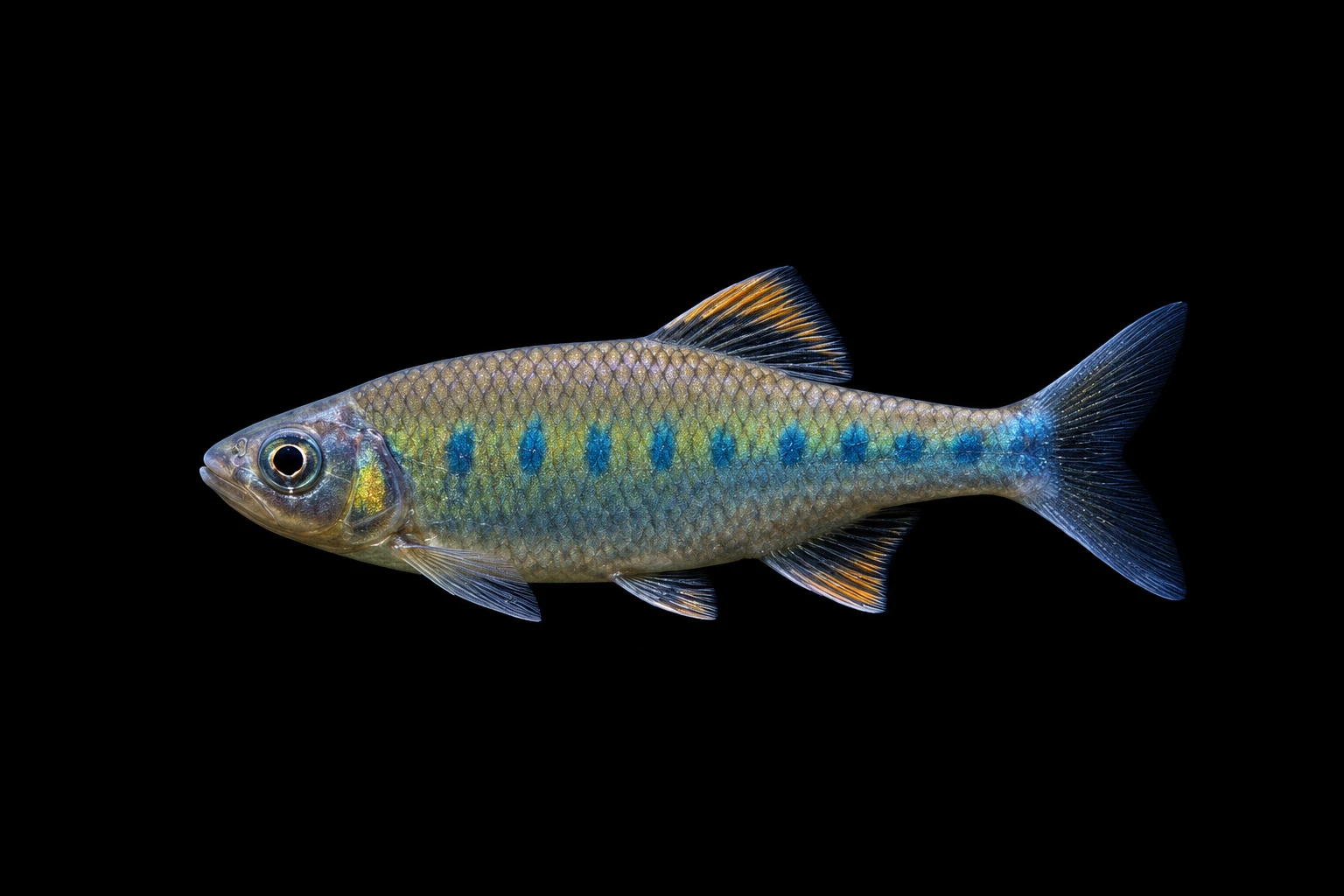
Blue spotted hill trout
Barilius bakeri
Freshwater5.1 in (13 cm) · 53 gal (200 L)64–79°F (18–26°C)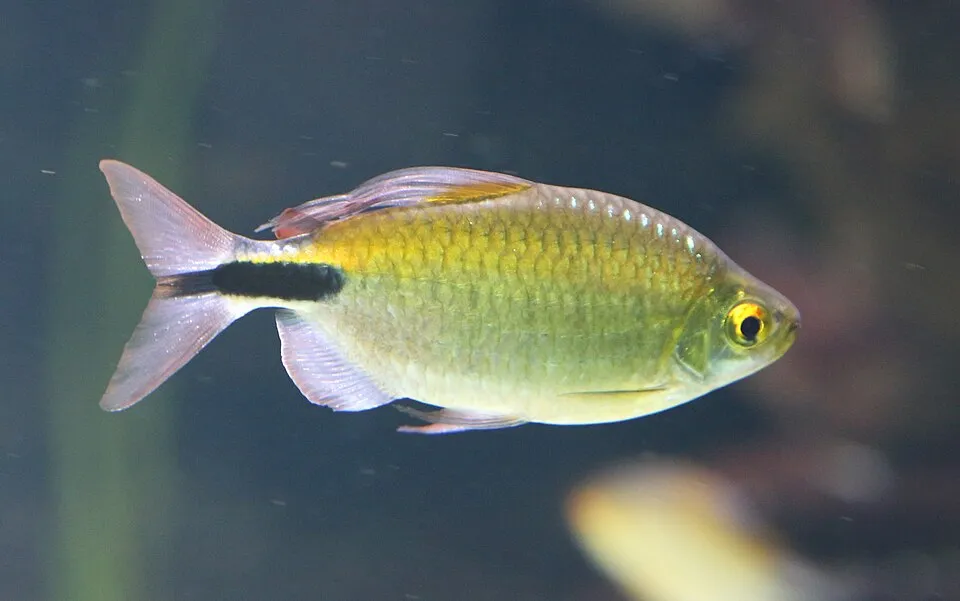
Long-fin tetra
Brycinus longipinnis
Freshwater4.9 in (12.5 cm) · 50 gal (190 L)72–79°F (22–26°C)
Common questions
What size tank does a Cupid cichlid need?
A Cupid cichlid needs at least 53 gal (200 L). It spends most of its time in the middle.
What temperature and pH does a Cupid cichlid need?
A Cupid cichlid is comfortable at 68–86°F (20–30°C) with a pH of 5.5–7.0.
How big does a Cupid cichlid get?
An adult Cupid cichlid reaches about 4.7 in (12 cm).
Does a Cupid cichlid need a group?
Yes. A Cupid cichlid is a shoaling species and should be kept in a group, not singly.
Related species
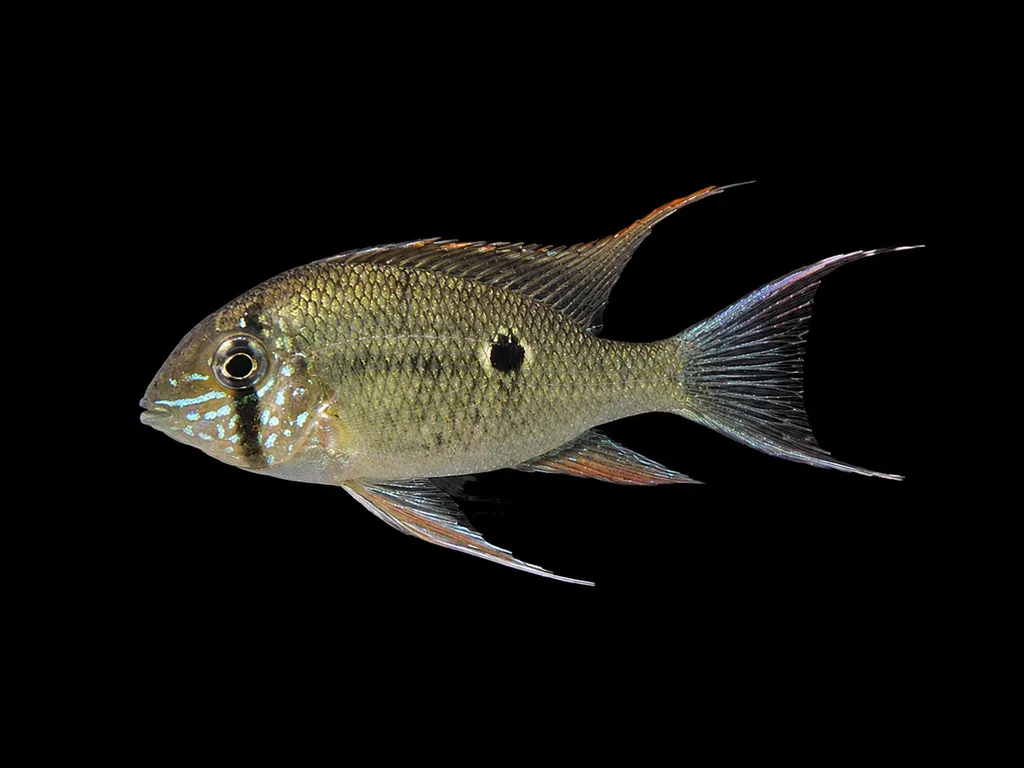 4.7 in (12 cm)66 gal (250 L)77–84°F (25–29°C)
Orinoco cupid cichlid
Biotodoma wavrini
4.7 in (12 cm) · 66 gal (250 L)
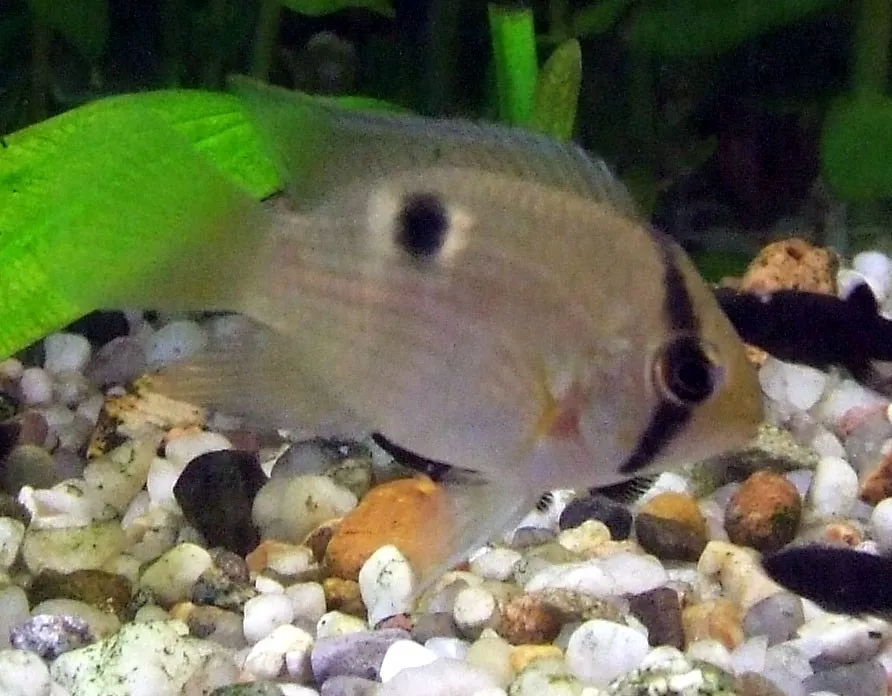 4.3 in (11 cm)25 gal (95 L)70–82°F (21–28°C)
Keyhole cichlid
Cleithracara maronii
4.3 in (11 cm) · 25 gal (95 L)
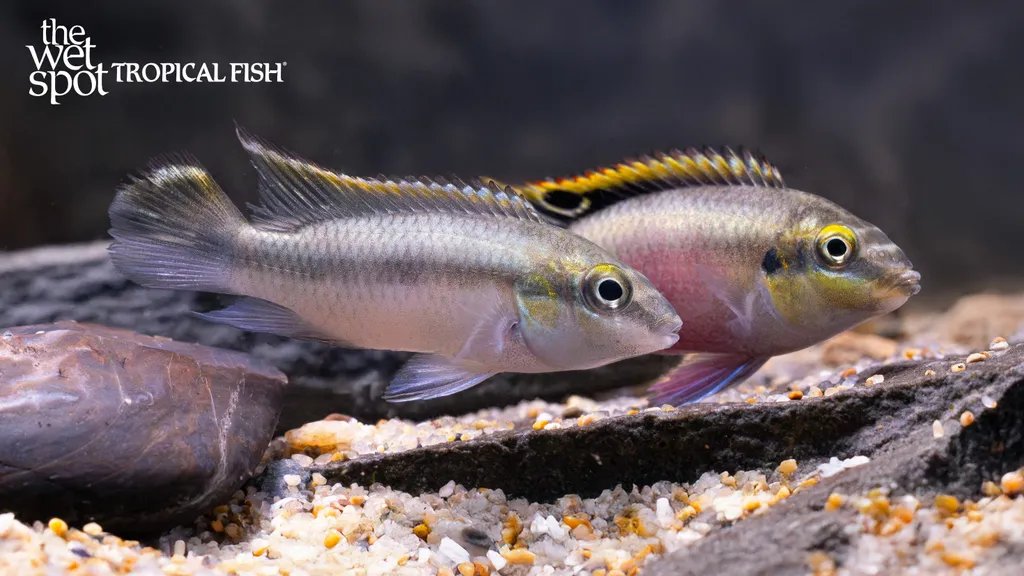 3.9 in (10 cm)20 gal (75 L)75–81°F (24–27°C)
Kribensis
Pelvicachromis pulcher
3.9 in (10 cm) · 20 gal (75 L)
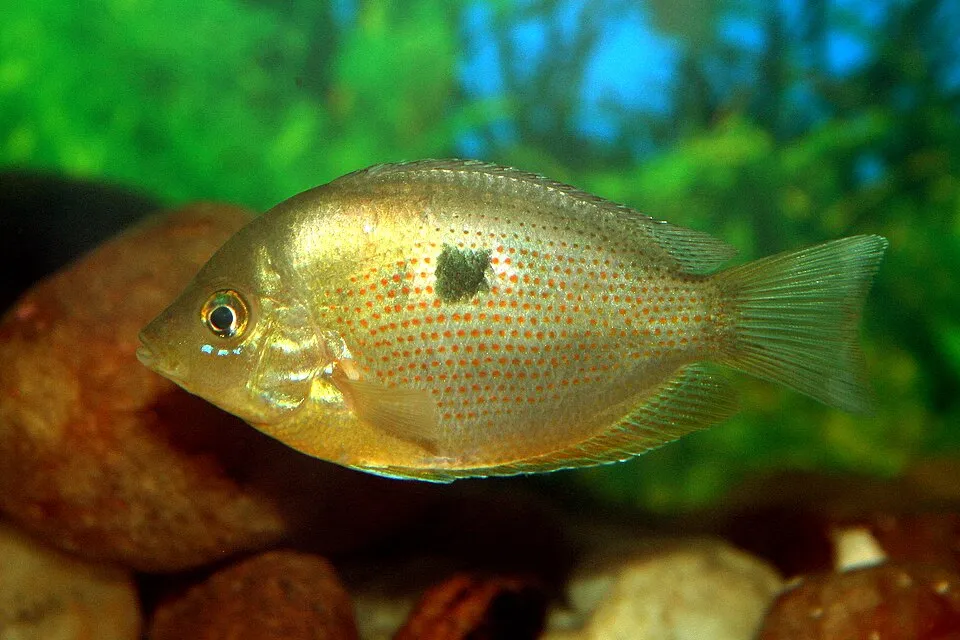 3.9 in (10 cm)55 gal (210 L)68–82°F (20–28°C)
Orange chromide
Etroplus maculatus
3.9 in (10 cm) · 55 gal (210 L)
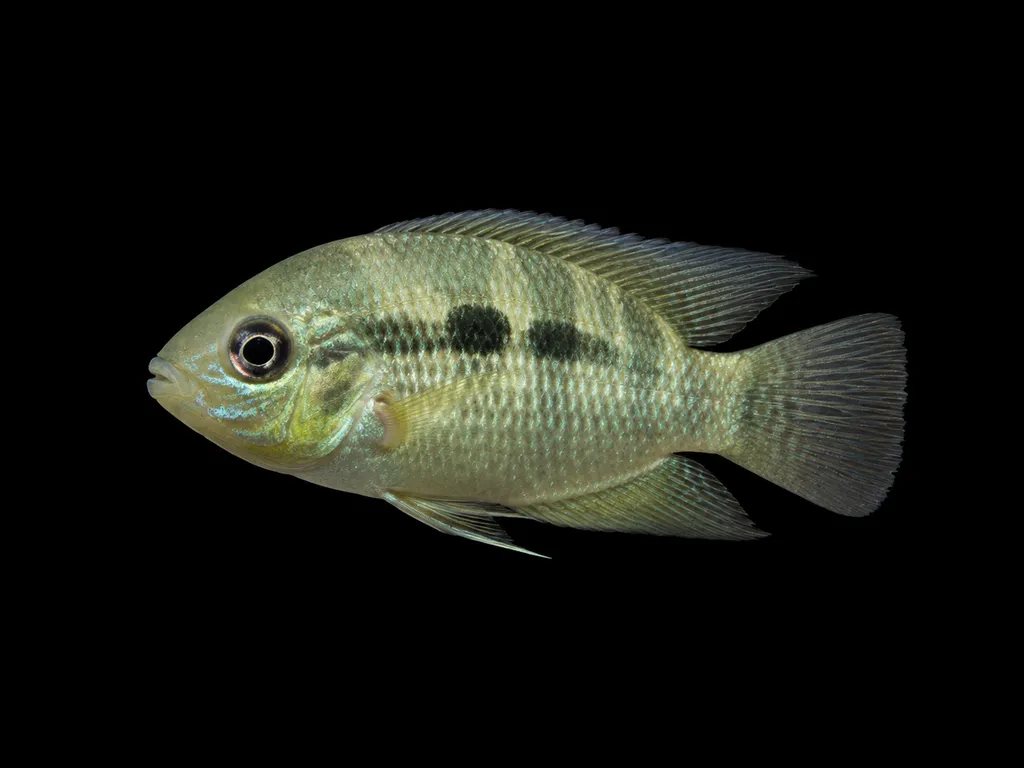 5.9 in (15 cm)79 gal (300 L)75–82°F (24–28°C)
Filter-feeding cichlid
Chaetobranchopsis orbicularis
5.9 in (15 cm) · 79 gal (300 L)
 5.9 in (15 cm)37 gal (140 L)75–82°F (24–28°C)
Flag cichlid
Mesonauta festivus
5.9 in (15 cm) · 37 gal (140 L)