Keyhole cichlid
Cleithracara maronii
FreshwaterFish
Care at a glance
- Temperature
- 70–82°F
- 21–28°C
- pH
- 6.0–7.5
- Adult size
- 4.3 in
- 11 cm
- Minimum tank
- 25 gal
- 95 L
- Temperament
- Peaceful
- Social behavior
- Social
- Swim level
- Middle
- Difficulty
- Medium
- Breeding
- Medium
- Rarity
- Common
- Family
- Cichlidae
- Origin
- Venezuela, The Guianas
Overview
This is one of the shyest, most peaceful cichlids you can keep. A pair will sit in the middle of the tank but bolt for cover at any sudden movement, so give them confident dither fish up top to coax them out. They eat pellets, flake, and frozen foods like bloodworms and brine shrimp. Around 95 liters works for a pair, with calm tankmates and no bullies.
In the wild
Keyhole cichlids live in slow, soft, tannin-stained waters of Venezuela and the Guianas, often near submerged wood and leaf litter. That blackwater background is why they show their best color over a dark substrate with plenty of cover. Give them driftwood, a few broad-leaf plants, and a quiet spot to retreat to. A pH on the acidic side, around 6 to 7.5, suits them well.
Good to know
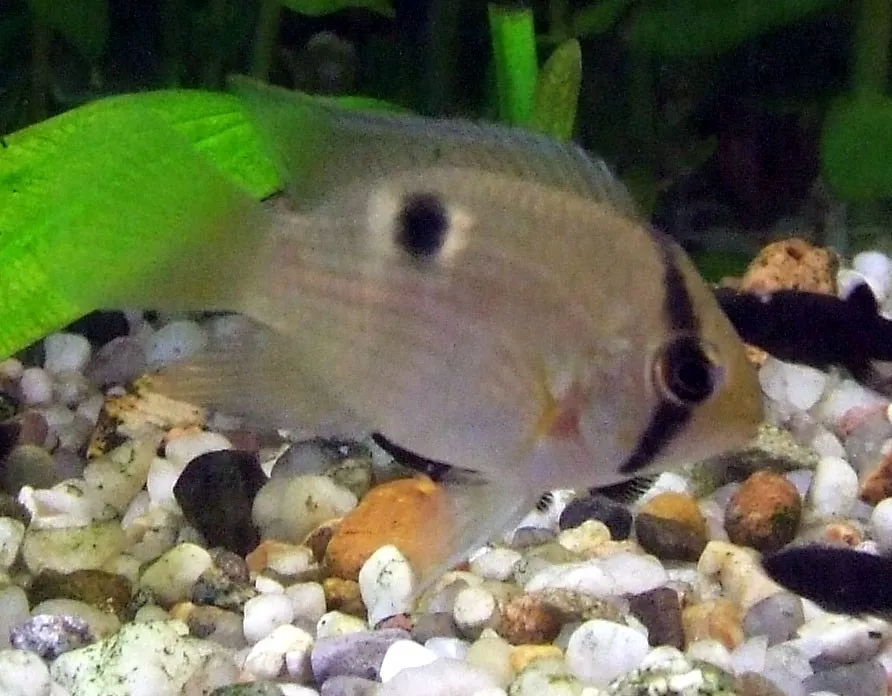
Cleithracara maronii is the only species in its genus, part of the family Cichlidae. Adults reach about 11 cm. It is a substrate-spawner that lays eggs on a flat surface, and both parents tend the eggs and fry. The tan body with a single dark eye-spot marking is where the common name comes from.
Did you know
When a keyhole gets stressed or scared, it changes color fast, going pale and showing a dark diagonal band across the body. It is one of the clearest mood-readers among cichlids, so you can tell at a glance whether your fish feels safe.
Weekly picks
Tank mates
Keyhole cichlid is a peaceful, social species that keeps to the middle. These picks share a community profile with it, are safe together in both directions, and overlap on water type, temperature and pH.
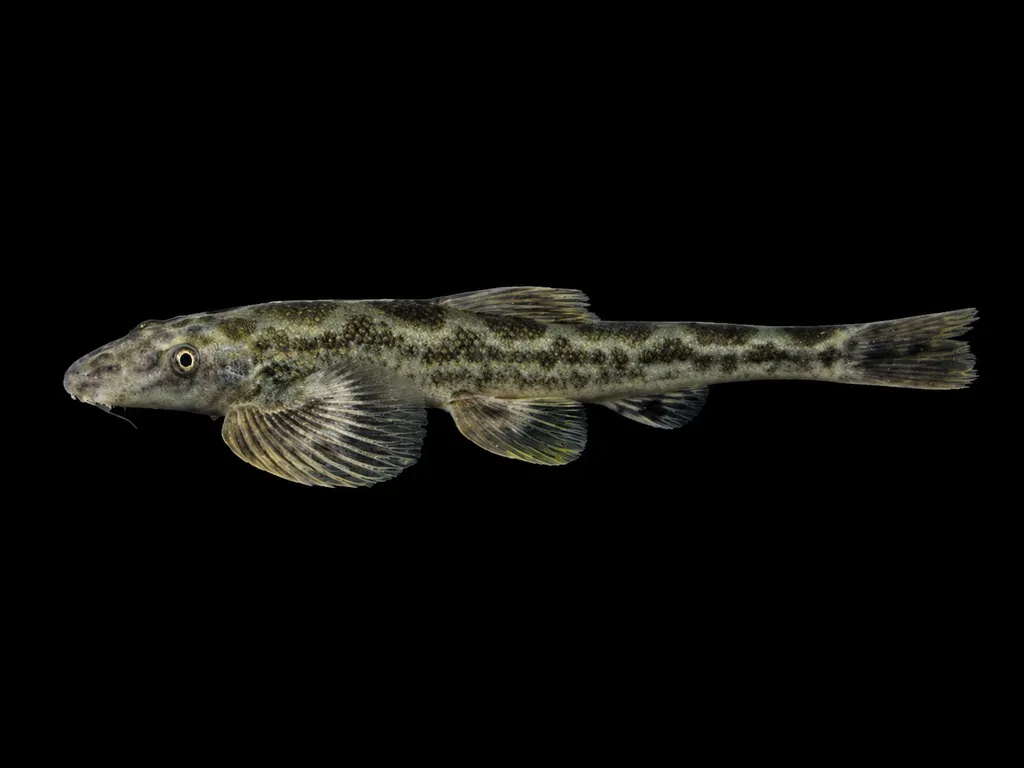
Burmese stone loach
Balitora burmanica
Freshwater3.9 in (10 cm) · 25 gal (95 L)68–79°F (20–26°C)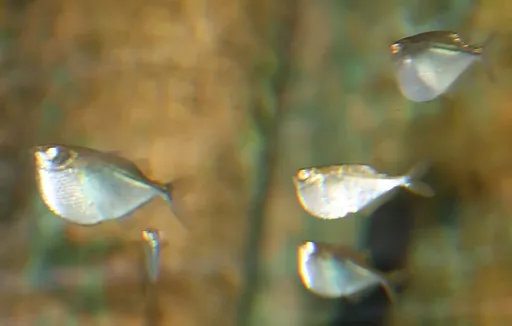
Spotfin hatchetfish
Thoracocharax stellatus
Freshwater3.5 in (9 cm) · 26 gal (100 L)73–82°F (23–28°C)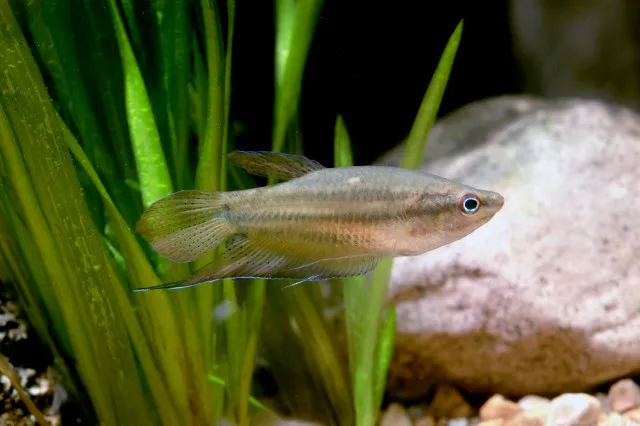
Croaking gourami
Trichopsis vittata
Freshwater2.8 in (7 cm) · 25 gal (95 L)72–82°F (22–28°C)Smooth-belly Borneo sucker
Gastromyzon psiloetron
Freshwater3.9 in (10 cm) · 25 gal (95 L)72–79°F (22–26°C)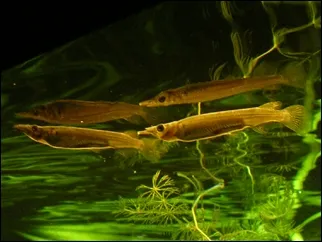
Wrestling halfbeak
Dermogenys pusilla
FreshwaterBrackish2.8 in (7 cm) · 25 gal (95 L)75–82°F (24–28°C)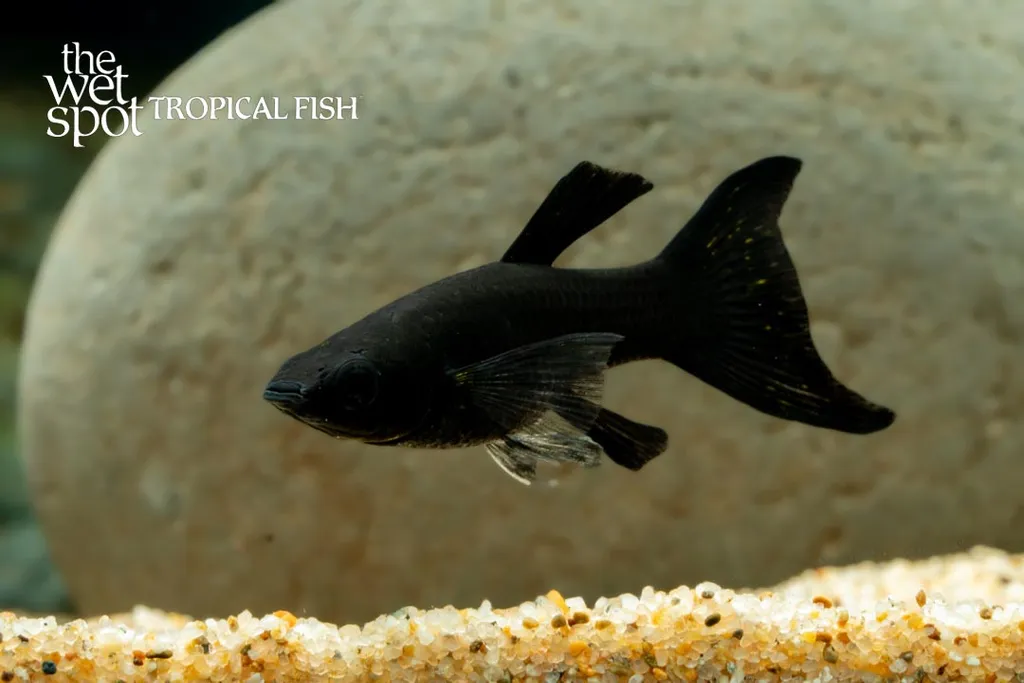
Black molly
Poecilia sphenops
FreshwaterBrackish4.7 in (12 cm) · 24 gal (90 L)70–82°F (21–28°C)
Common questions
What size tank does a Keyhole cichlid need?
A Keyhole cichlid needs at least 25 gal (95 L). It spends most of its time in the middle.
What temperature and pH does a Keyhole cichlid need?
A Keyhole cichlid is comfortable at 70–82°F (21–28°C) with a pH of 6.0–7.5.
How big does a Keyhole cichlid get?
An adult Keyhole cichlid reaches about 4.3 in (11 cm).
Related species
 4.3 in (11 cm)48 gal (180 L)75–81°F (24–27°C)
Blue neon cichlid
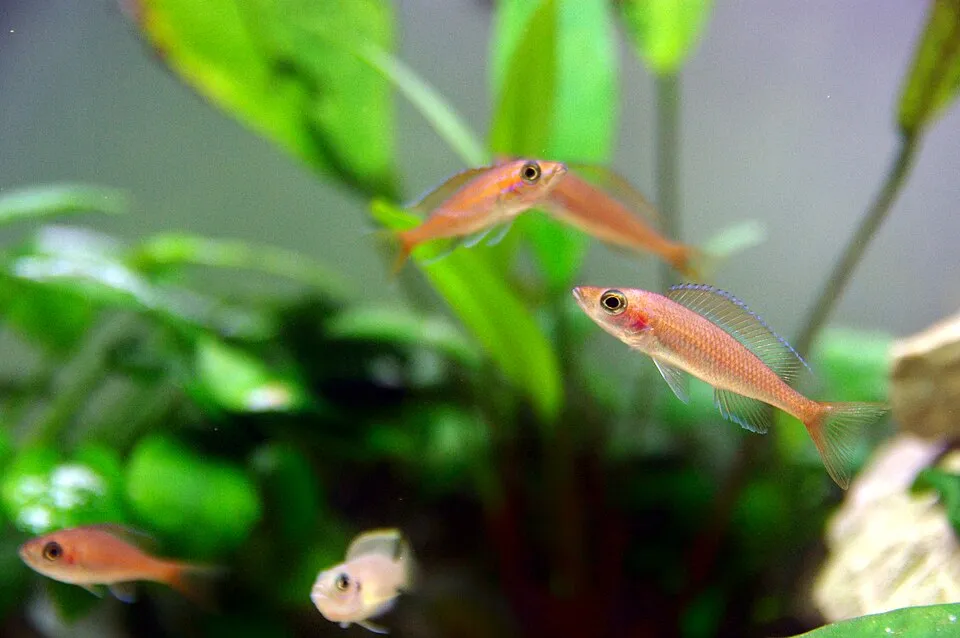
Paracyprichromis nigripinnis
4.3 in (11 cm) · 48 gal (180 L)
 4.7 in (12 cm)53 gal (200 L)68–86°F (20–30°C)
Cupid cichlid
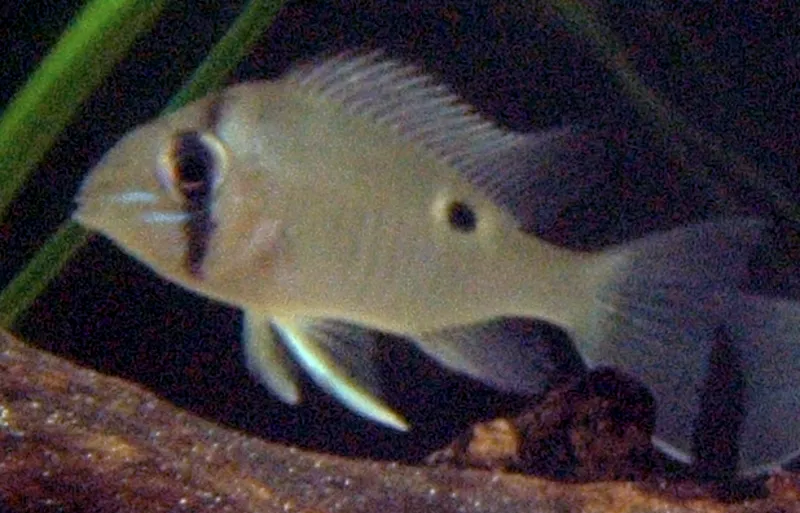
Biotodoma cupido
4.7 in (12 cm) · 53 gal (200 L)
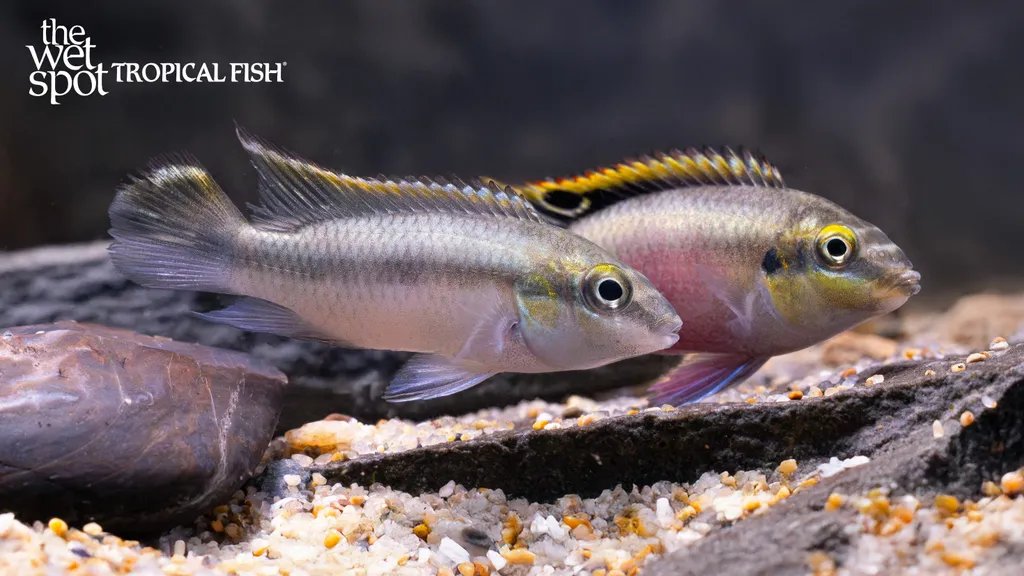 3.9 in (10 cm)20 gal (75 L)75–81°F (24–27°C)
Kribensis
Pelvicachromis pulcher
3.9 in (10 cm) · 20 gal (75 L)
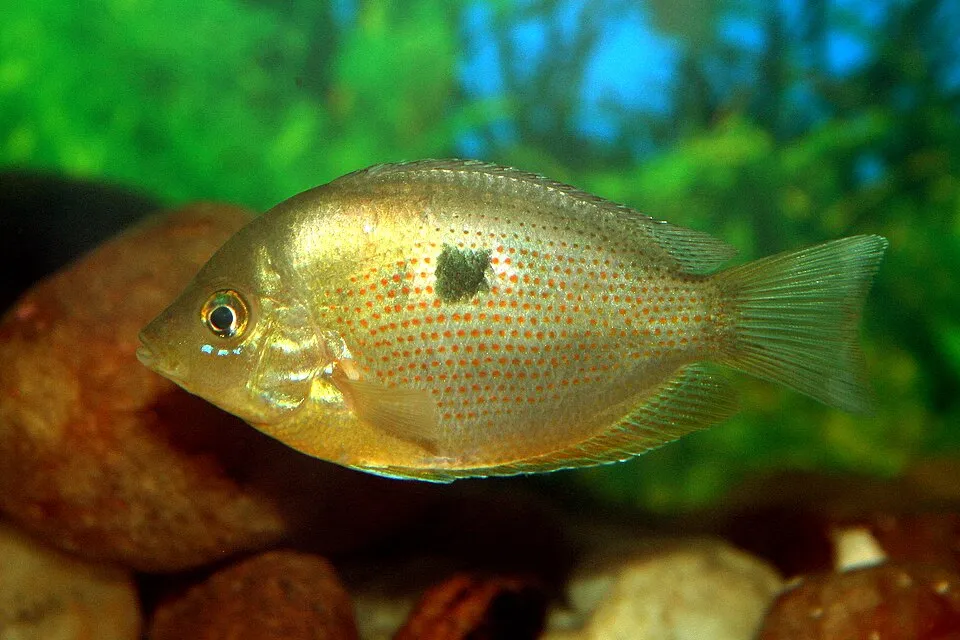 3.9 in (10 cm)55 gal (210 L)68–82°F (20–28°C)
Orange chromide
Etroplus maculatus
3.9 in (10 cm) · 55 gal (210 L)
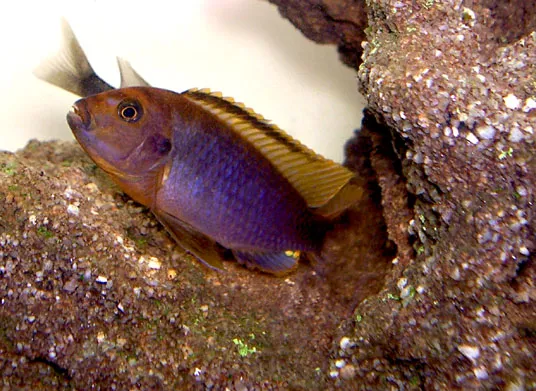 3.9 in (10 cm)24 gal (90 L)77–84°F (25–29°C)
Rusty cichlid
Iodotropheus sprengerae
3.9 in (10 cm) · 24 gal (90 L)
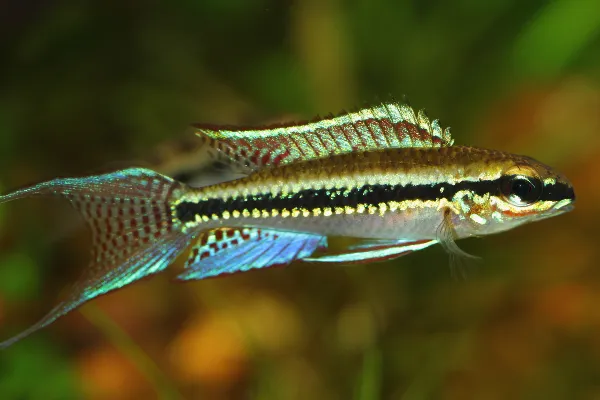 3.5 in (9 cm)20 gal (75 L)79–86°F (26–30°C)
Checkerboard cichlid
Dicrossus filamentosus
3.5 in (9 cm) · 20 gal (75 L)