Orange chromide
Etroplus maculatus
FreshwaterBrackishFish
Care at a glance
- Temperature
- 68–82°F
- 20–28°C
- pH
- 7.0–8.0
- Adult size
- 3.9 in
- 10 cm
- Minimum tank
- 55 gal
- 210 L
- Temperament
- Peaceful
- Social behavior
- Shoaling
- Swim level
- Middle
- Difficulty
- Difficult
- Breeding
- Hard
- Rarity
- Very rare
- Family
- Cichlidae
- Origin
- Sri Lanka, India
Overview
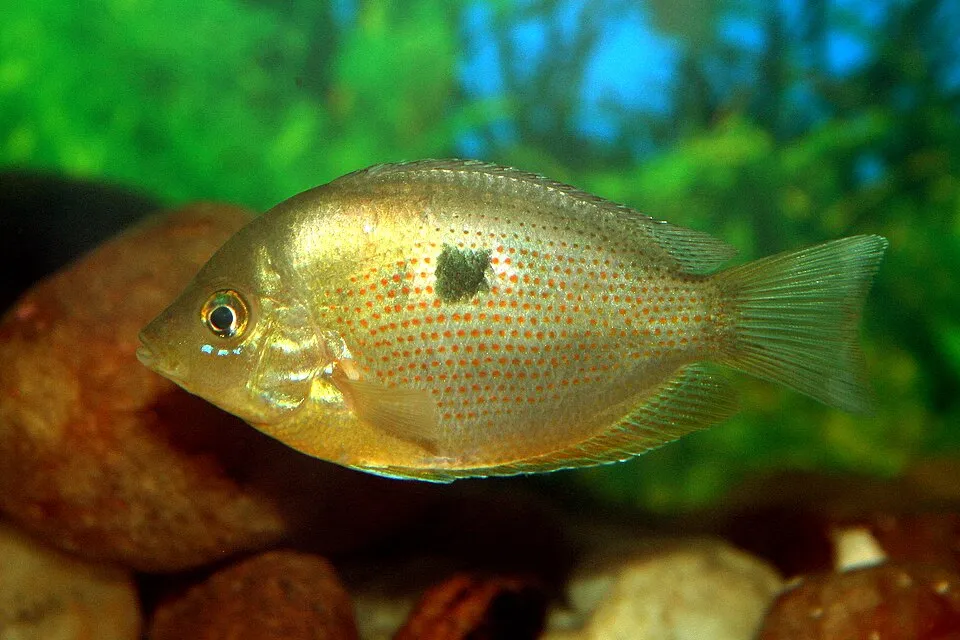
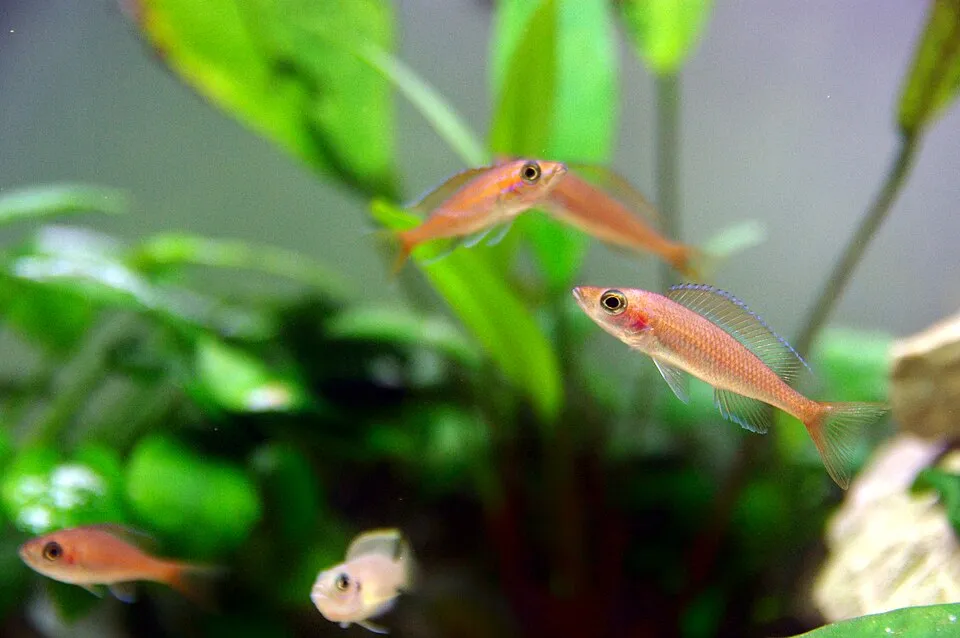
The orange chromide is a small, peaceful cichlid that does best in a group of six or more, from which pairs will form naturally at breeding time. It is gentle and a little shy, so keep it with other calm brackish tolerant tankmates and avoid anything pushy. A group is comfortable in a tank of at least 210 liters with a sand bed, rocks, roots, and some hardy or artificial plants for cover. It picks at small invertebrates, algae, and plant matter in the wild, so offer a varied diet of frozen and live foods such as brine shrimp, bloodworm, and daphnia along with a quality flake or micro pellet. Acclimate it carefully and keep the water hard and alkaline, never soft and acidic.
In the wild
Etroplus maculatus, now often placed in the genus Pseudetroplus, comes from the coastal lagoons, estuaries, and lower river reaches of Sri Lanka and southern India. It handles a range of salinities and can be kept in hard alkaline fresh water or in brackish water, though it should never be kept in soft, acidic conditions. Aim for a temperature of 20 to 28 degrees Celsius and a pH from 7 to 8, with moderately hard, alkaline water and a little marine salt if you want to mirror its native estuaries. A sandy bed with rocks, roots, and shaded cover completes a natural setup.
Good to know
A member of the cichlid family, Cichlidae, the orange chromide reaches about 10 centimeters and is the smallest of the chromides. It is a biparental substrate spawner. A pair cleans a solid surface, lays a couple of hundred adhesive eggs, and both parents guard the eggs and fry together. Getting a compatible pair to settle and raising the slow growing, sensitive fry in stable water make it a demanding fish to breed well, even though spawning itself can happen readily once a pair has bonded.
Did you know
In their first days the fry feed on a mucus coating on their parents' bodies, much like young discus do, nipping at the adults' skin for nourishment while the parents' mucus production rises to meet the demand.
Weekly picks
Tank mates
Orange chromide is a peaceful, shoaling species that keeps to the middle. These picks share a community profile with it, are safe together in both directions, and overlap on water type, temperature and pH.
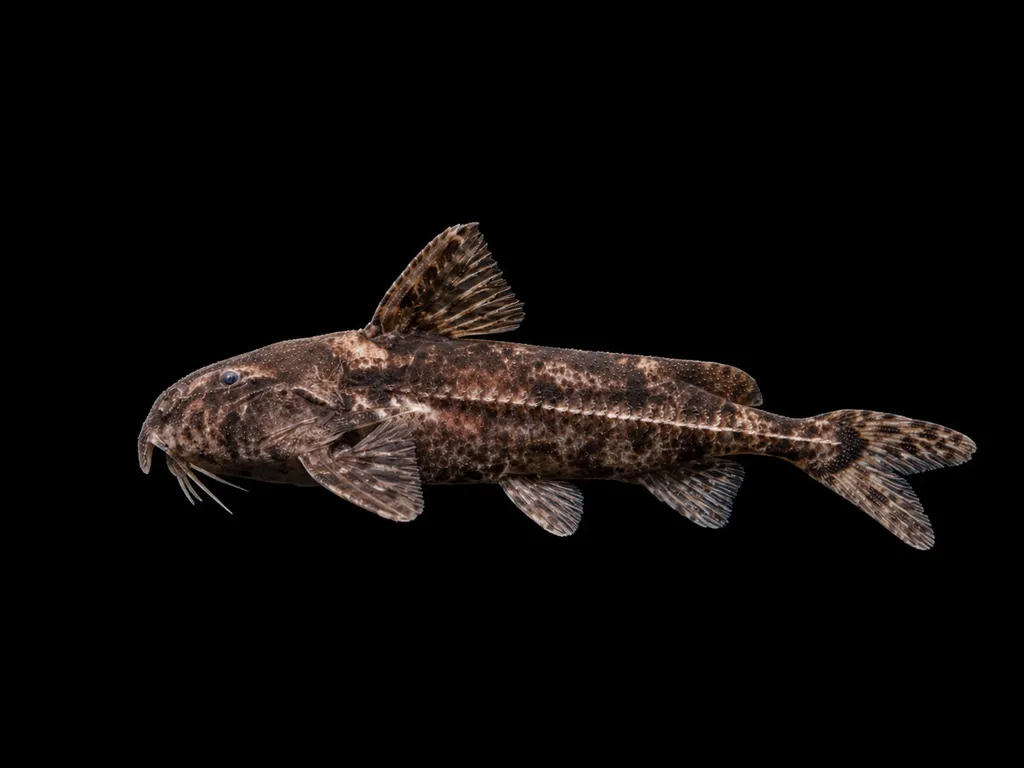
Parrot doradid
Rhynchodoras woodsi
Freshwater4.1 in (10.5 cm) · 53 gal (200 L)73–82°F (23–28°C)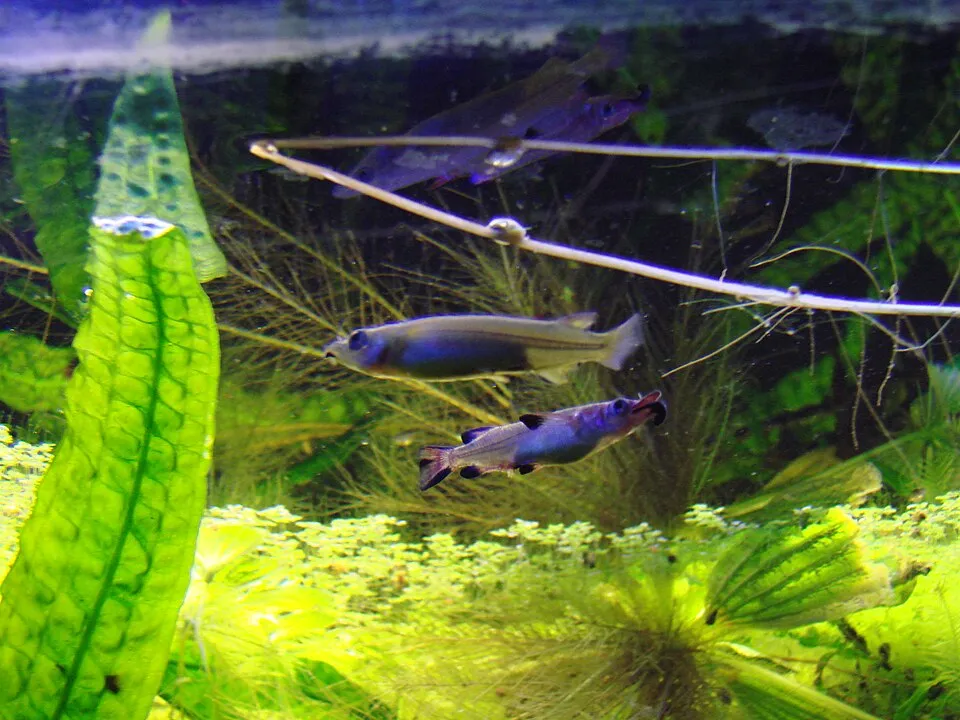
Celebes halfbeak
Nomorhamphus liemi
Freshwater3.5 in (9 cm) · 40 gal (150 L)68–77°F (20–25°C)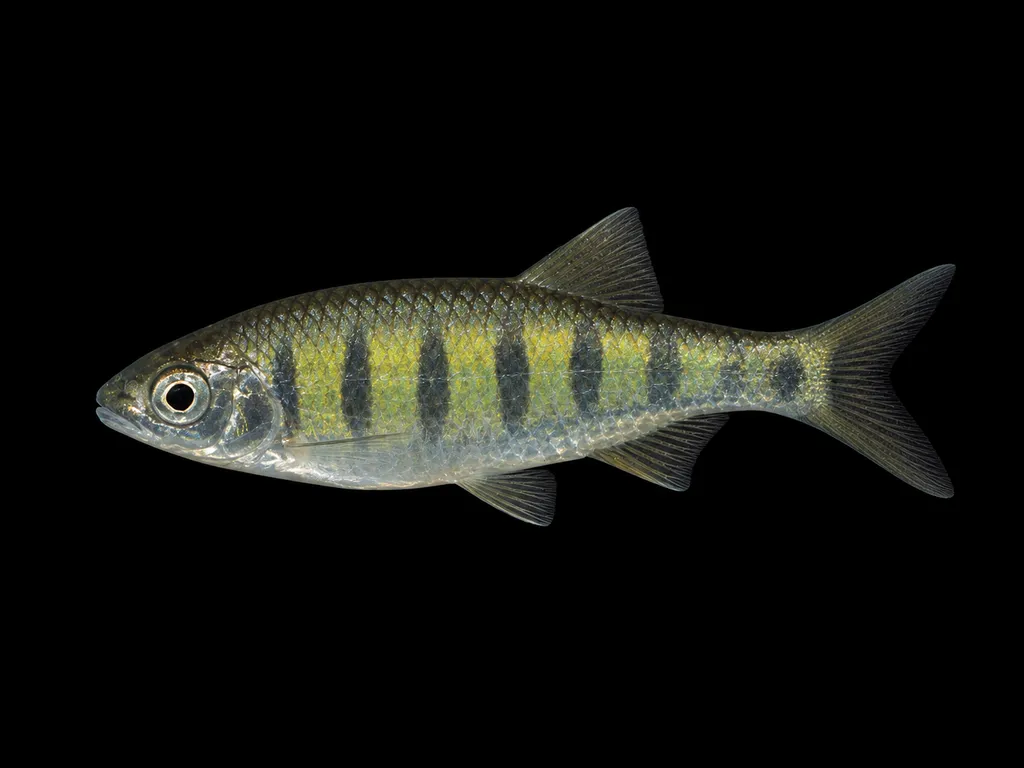
Barna baril
Opsarius barna
Freshwater5.9 in (15 cm) · 53 gal (200 L)64–79°F (18–26°C)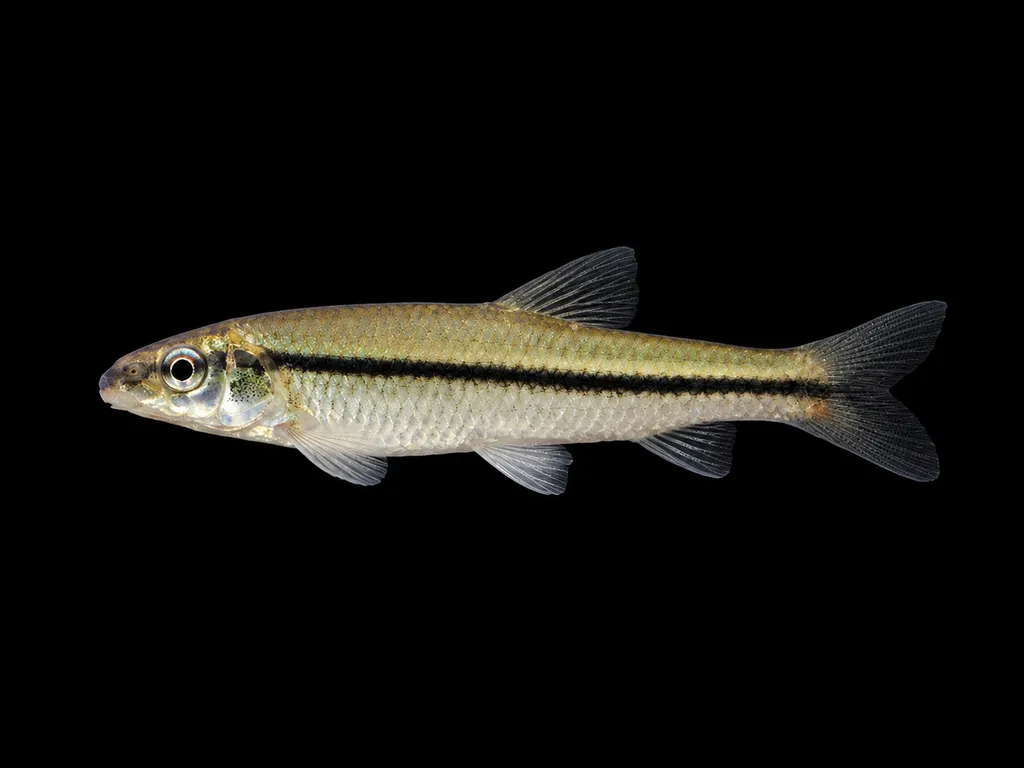
Darter characin
Apareiodon affinis
Freshwater7.1 in (18 cm) · 53 gal (200 L)64–77°F (18–25°C)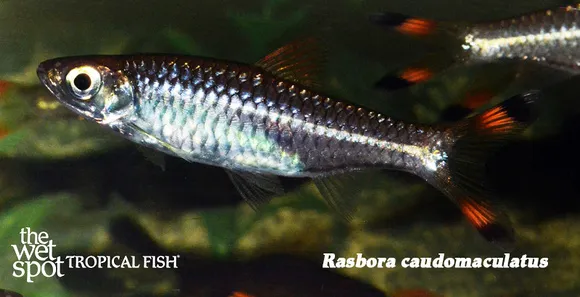
Greater scissortail
Rasbora caudimaculata
Freshwater5.1 in (13 cm) · 53 gal (200 L)68–79°F (20–26°C)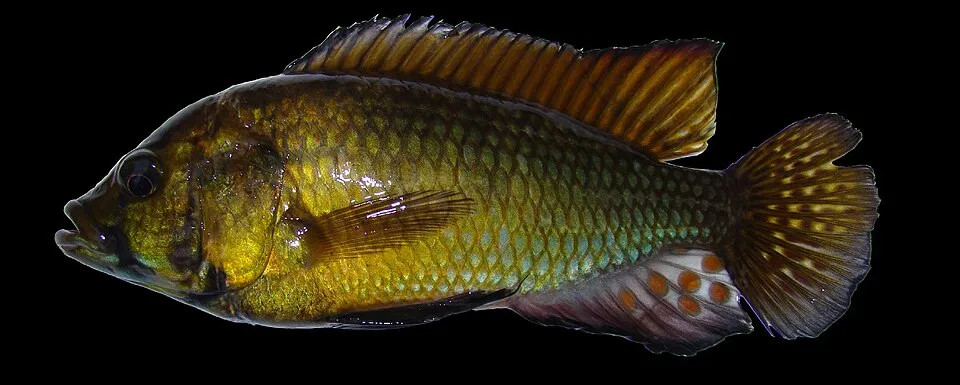
Alluaud's haplo
Astatoreochromis alluaudi
Freshwater7.5 in (19 cm) · 55 gal (210 L)73–82°F (23–28°C)
Common questions
What size tank does an Orange chromide need?
An Orange chromide needs at least 55 gal (210 L). It spends most of its time in the middle.
What temperature and pH does an Orange chromide need?
An Orange chromide is comfortable at 68–82°F (20–28°C) with a pH of 7.0–8.0.
How big does an Orange chromide get?
An adult Orange chromide reaches about 3.9 in (10 cm).
Does an Orange chromide need a group?
Yes. An Orange chromide is a shoaling species and should be kept in a group, not singly.
Related species
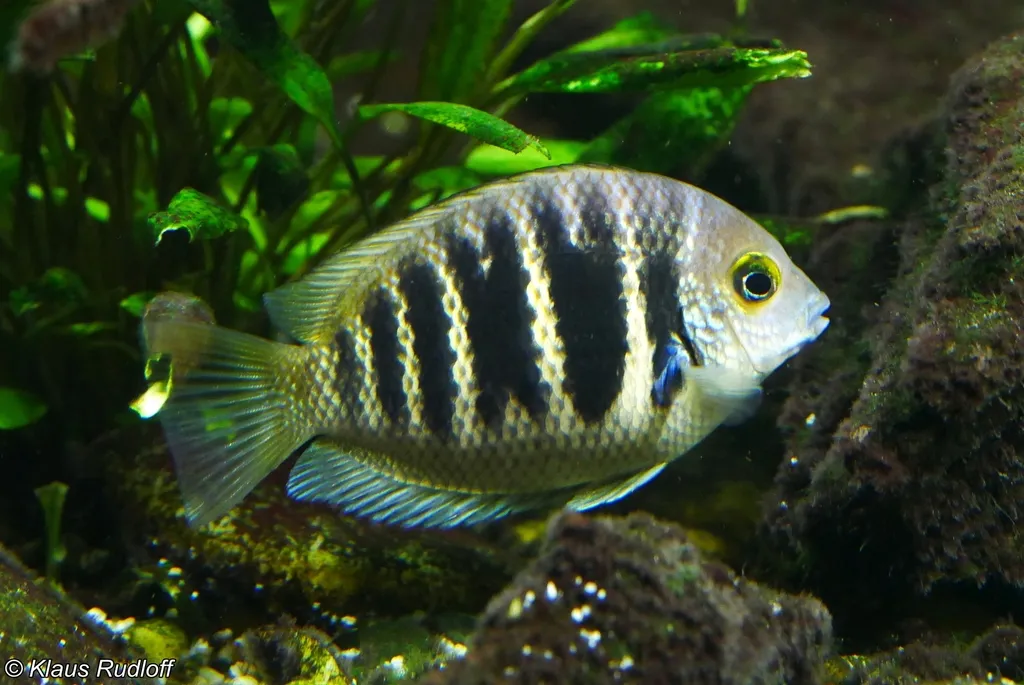 4.3 in (11 cm)55 gal (210 L)72–90°F (22–32°C)
Canara pearlspot
Etroplus canarensis
4.3 in (11 cm) · 55 gal (210 L)
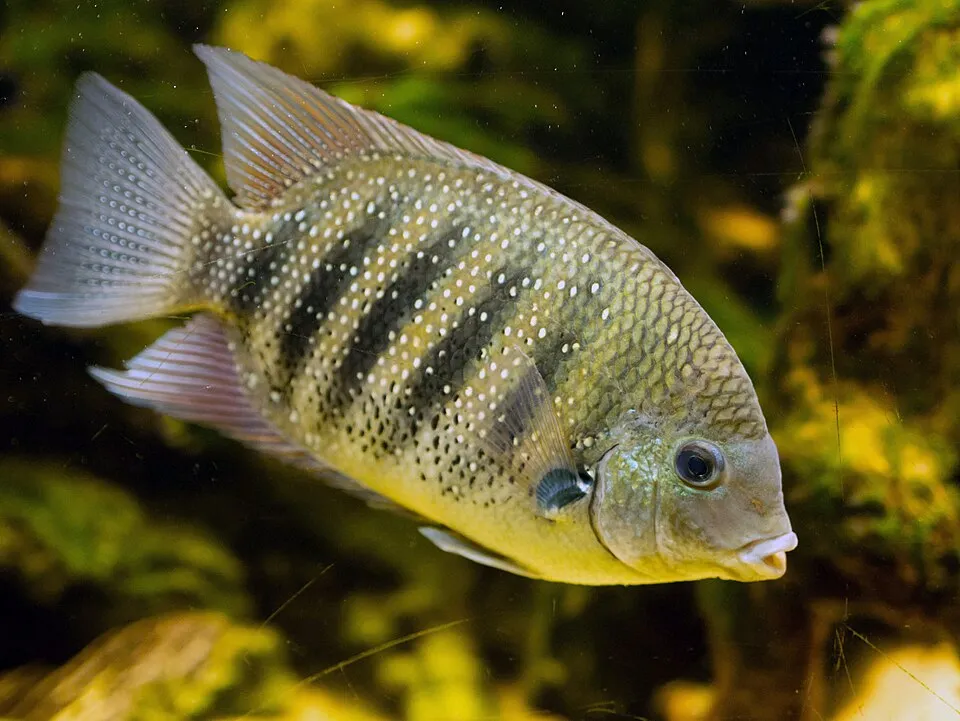 11.8 in (30 cm)145 gal (550 L)68–86°F (20–30°C)
Green chromide
Etroplus suratensis
11.8 in (30 cm) · 145 gal (550 L)
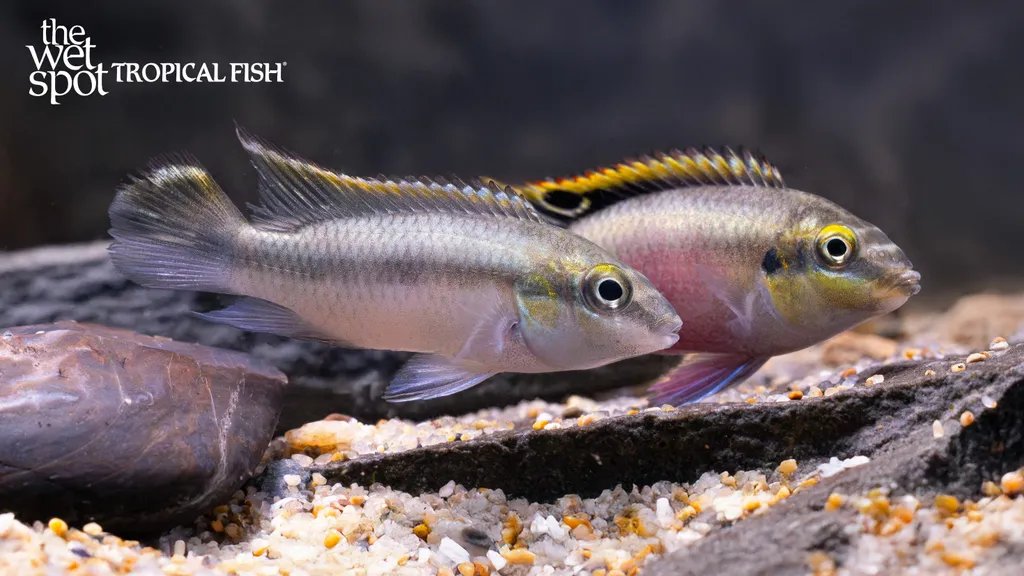 3.9 in (10 cm)20 gal (75 L)75–81°F (24–27°C)
Kribensis
Pelvicachromis pulcher
3.9 in (10 cm) · 20 gal (75 L)
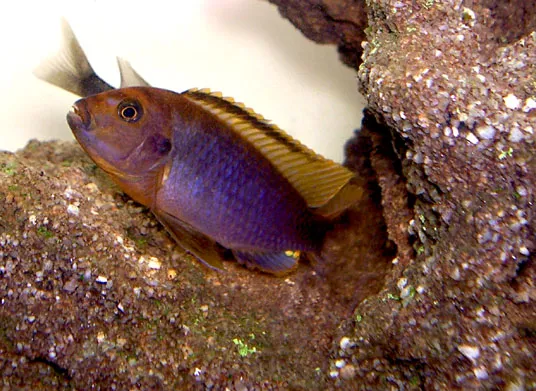 3.9 in (10 cm)24 gal (90 L)77–84°F (25–29°C)
Rusty cichlid
Iodotropheus sprengerae
3.9 in (10 cm) · 24 gal (90 L)
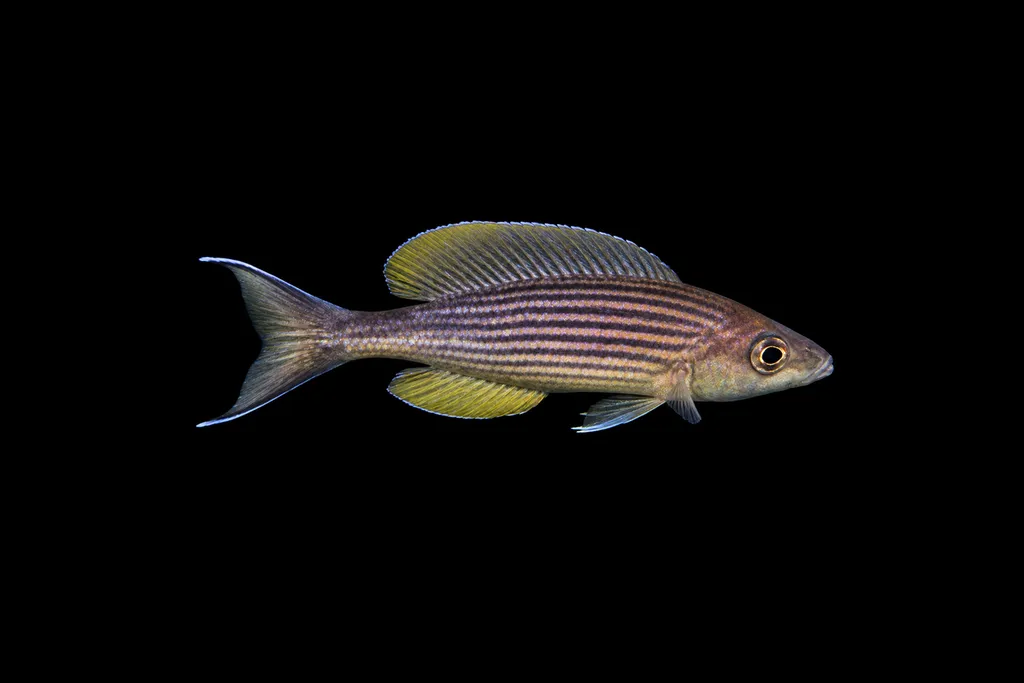 3.9 in (10 cm)79 gal (300 L)75–81°F (24–27°C)
Zebra sardine cichlid
Cyprichromis zonatus
3.9 in (10 cm) · 79 gal (300 L)
 4.3 in (11 cm)48 gal (180 L)75–81°F (24–27°C)
Blue neon cichlid
Paracyprichromis nigripinnis
4.3 in (11 cm) · 48 gal (180 L)