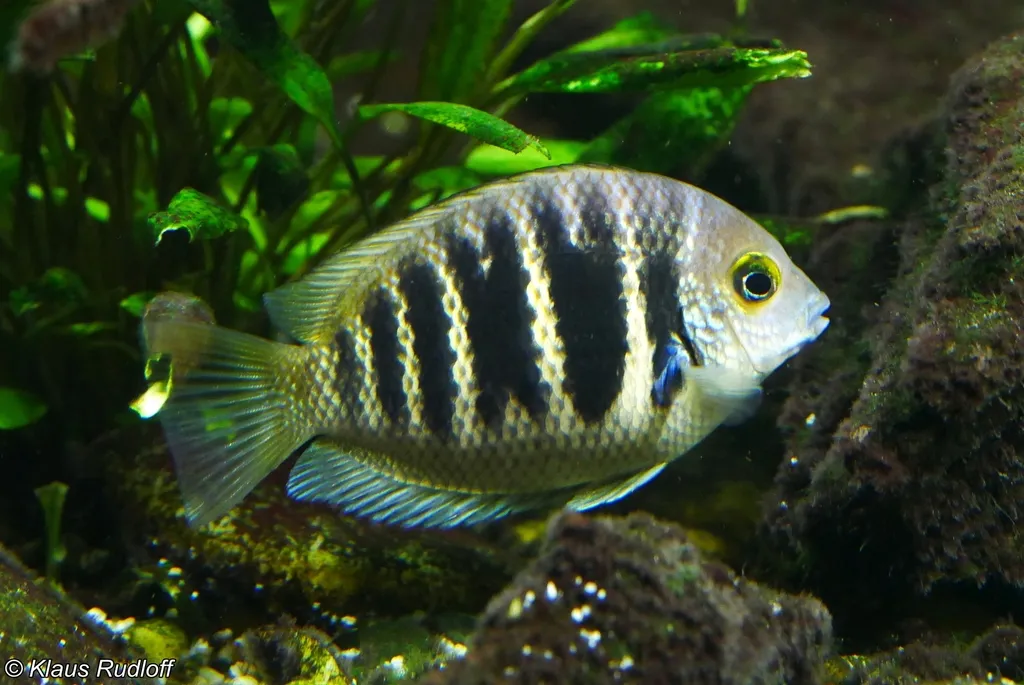
Canara pearlspot
Etroplus canarensis
Also known as banded chromide, Pearl Chromide
FreshwaterFish
Care at a glance
- Temperature
- 72–90°F
- 22–32°C
- pH
- 6.0–7.5
- Adult size
- 4.3 in
- 11 cm
- Minimum tank
- 55 gal
- 210 L
- Temperament
- Mostly peaceful
- Social behavior
- Shoaling
- Swim level
- Middle
- Difficulty
- Difficult
- Breeding
- No record
- Rarity
- Rare
- Family
- Cichlidae
- Origin
- India
Overview
Unusually for a cichlid, the canara pearlspot is a shoaling fish that wants company, so keep it in a group of six or more, where it settles and behaves far better than in ones and twos. It is mostly peaceful and can share a mature tank with other calm, similarly sized fish that enjoy clean flowing water. Give the group a tank of at least 210 liters with a substrate of sand and rounded river rock, some smooth boulders, and strong filtration with plenty of oxygen. It is a delicate species that needs pristine water, so it suits an experienced keeper. Feed a varied diet of small live and frozen foods such as bloodworm, brine shrimp, and daphnia alongside a quality dried food.
In the wild
Etroplus canarensis is found in just a few clear freshwater rivers in the Canara region of Karnataka, in the Western Ghats of southwestern India. Unlike its estuary dwelling relatives it lives strictly in fresh water, so no salt is needed. Recreate a slow to moderate river with a sand and river rock bed, some larger stones and driftwood, and a gentle current from good filtration. Keep the water clean, neutral, and well oxygenated, with a pH between 7 and 8 and a warm temperature that can sit anywhere across a broad band from the low 20s into the high 20s degrees Celsius. Stable, mature conditions matter for this sensitive fish.
Good to know
The canara pearlspot belongs to the cichlid family, Cichlidae, and is one of the Indian and Sri Lankan chromides. It grows to about 11 centimeters and is marked with dark vertical bars, giving it the other common name of banded chromide. It is a restricted range endemic listed as endangered in the wild. Like other members of its genus it is a substrate spawner that lays its eggs on a firm surface, but reliable accounts of it breeding in home aquariums are scarce, and its reproduction in captivity remains poorly documented.
Did you know
It is the only strictly freshwater member of its genus. Its close relatives, the green and orange chromides, live in brackish estuaries, but the canara pearlspot is confined to a handful of clear rivers in the Western Ghats and is considered endangered in the wild.
Weekly picks
Tank mates
Canara pearlspot is a mostly peaceful, shoaling species that keeps to the middle. These picks share a community profile with it, are safe together in both directions, and overlap on water type, temperature and pH.
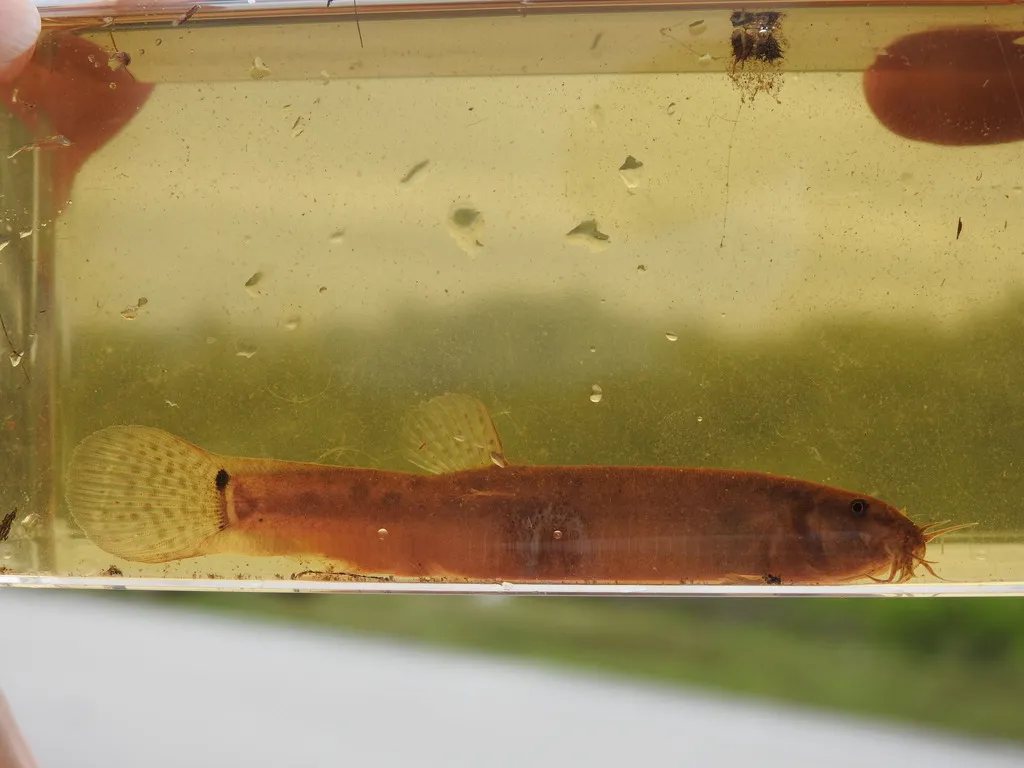
Weather loach
Misgurnus anguillicaudatus
Freshwater11 in (28 cm) · 55 gal (210 L)50–73°F (10–23°C)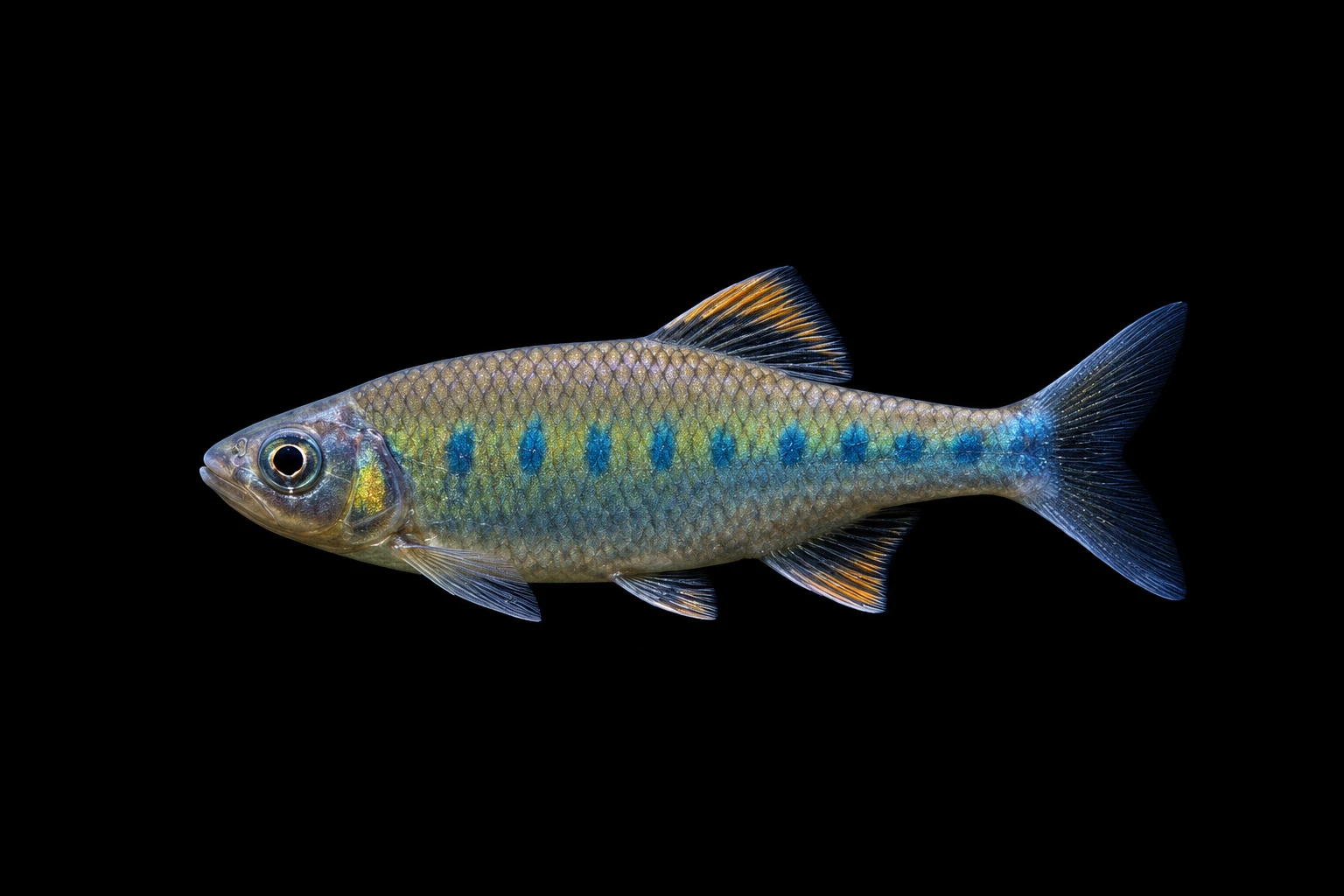
Blue spotted hill trout
Barilius bakeri
Freshwater5.1 in (13 cm) · 53 gal (200 L)64–79°F (18–26°C)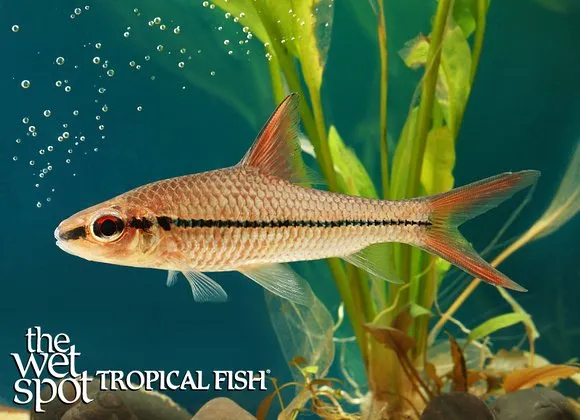
Purple-fin barb
Cyclocheilichthys janthochir
Freshwater7.1 in (18 cm) · 53 gal (200 L)73–82°F (23–28°C)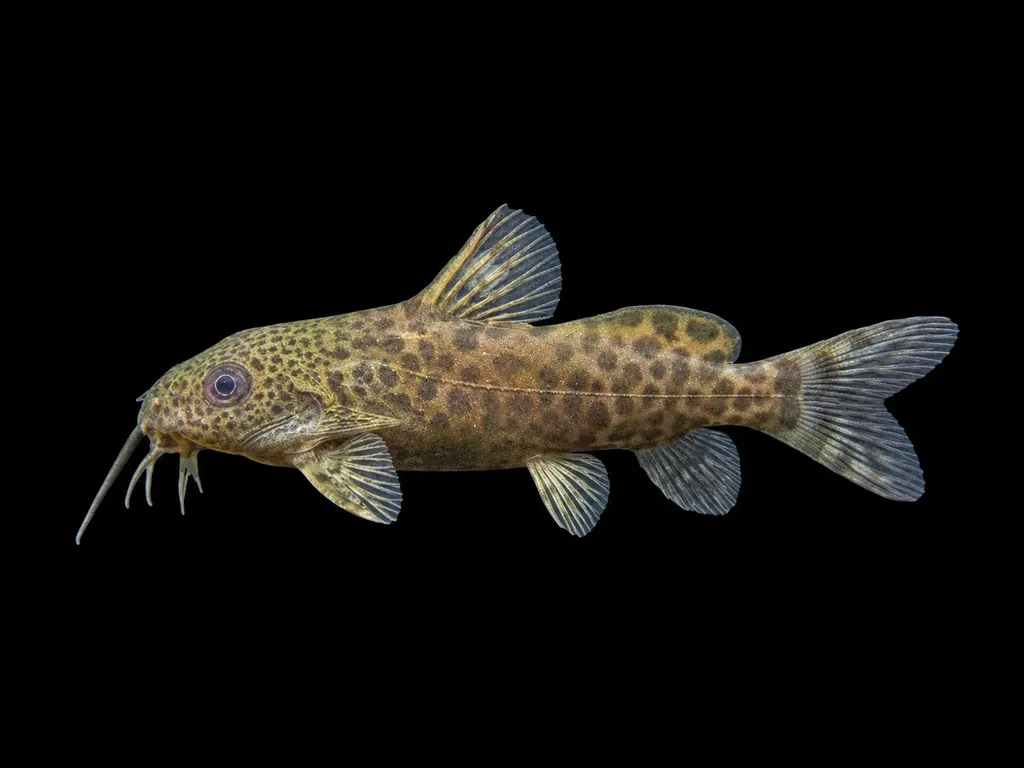
Common syno
Synodontis nigrita
Freshwater7.9 in (20 cm) · 55 gal (210 L)70–82°F (21–28°C)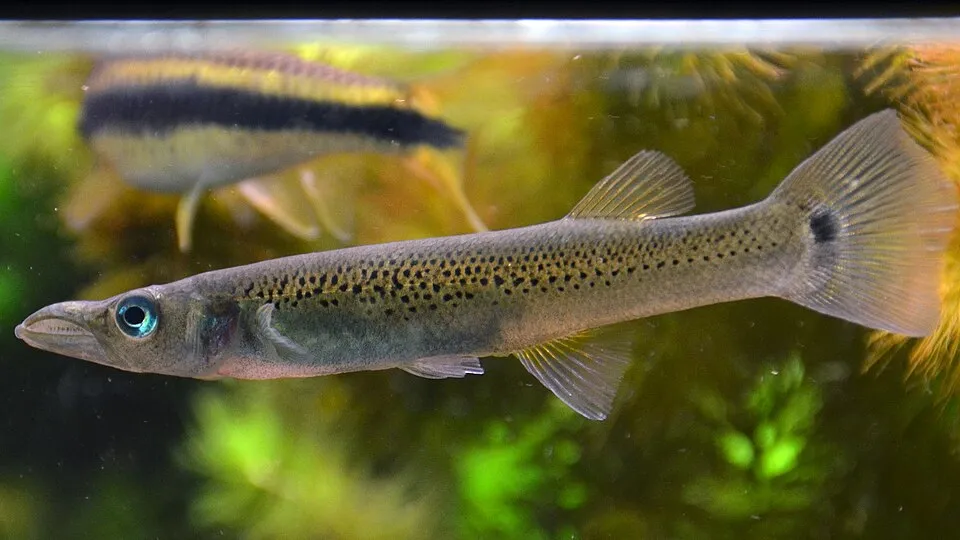
Pike topminnow
Belonesox belizanus
Freshwater7.9 in (20 cm) · 44 gal (165 L)73–82°F (23–28°C)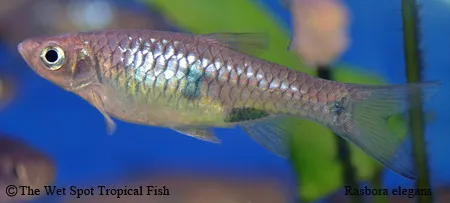
Twospot rasbora
Rasbora elegans
Freshwater7.9 in (20 cm) · 53 gal (200 L)72–81°F (22–27°C)
Common questions
What size tank does a Canara pearlspot need?
A Canara pearlspot needs at least 55 gal (210 L). It spends most of its time in the middle.
What temperature and pH does a Canara pearlspot need?
A Canara pearlspot is comfortable at 72–90°F (22–32°C) with a pH of 6.0–7.5.
How big does a Canara pearlspot get?
An adult Canara pearlspot reaches about 4.3 in (11 cm).
Does a Canara pearlspot need a group?
Yes. A Canara pearlspot is a shoaling species and should be kept in a group, not singly.
Related species
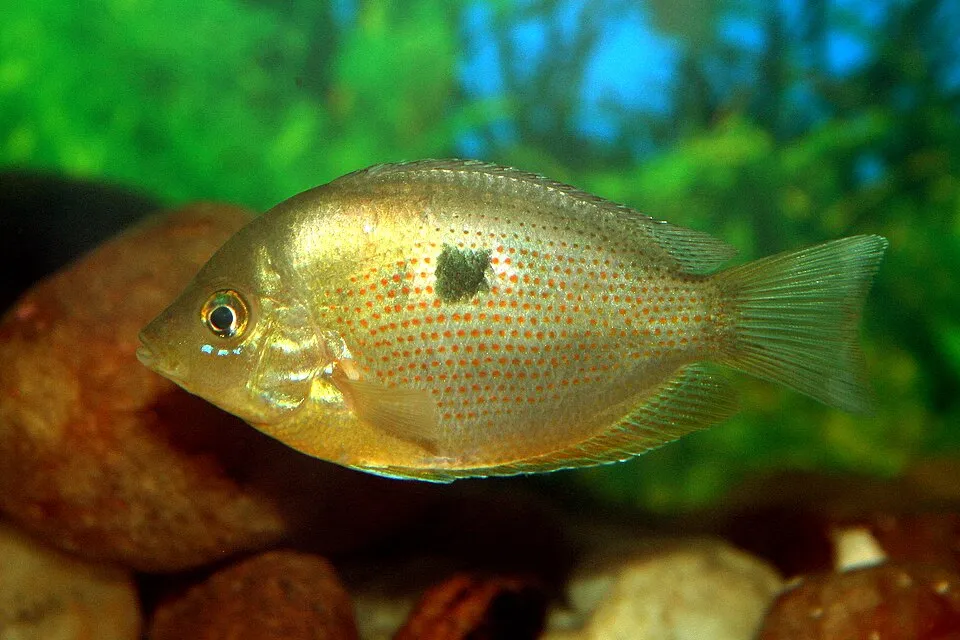 3.9 in (10 cm)55 gal (210 L)68–82°F (20–28°C)
Orange chromide
Etroplus maculatus
3.9 in (10 cm) · 55 gal (210 L)
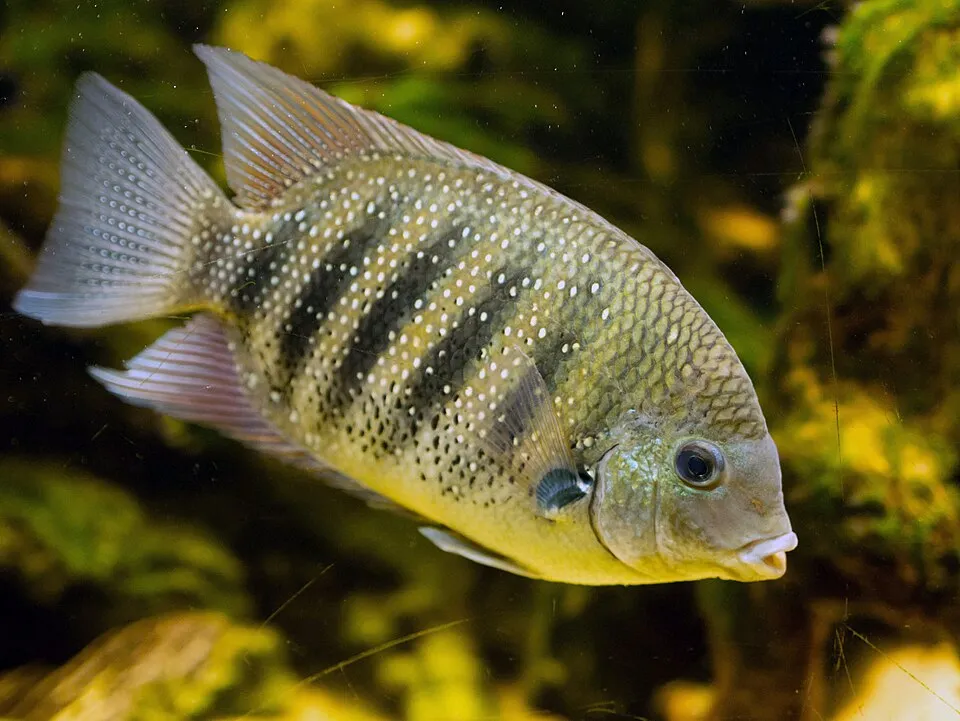 11.8 in (30 cm)145 gal (550 L)68–86°F (20–30°C)
Green chromide
Etroplus suratensis
11.8 in (30 cm) · 145 gal (550 L)
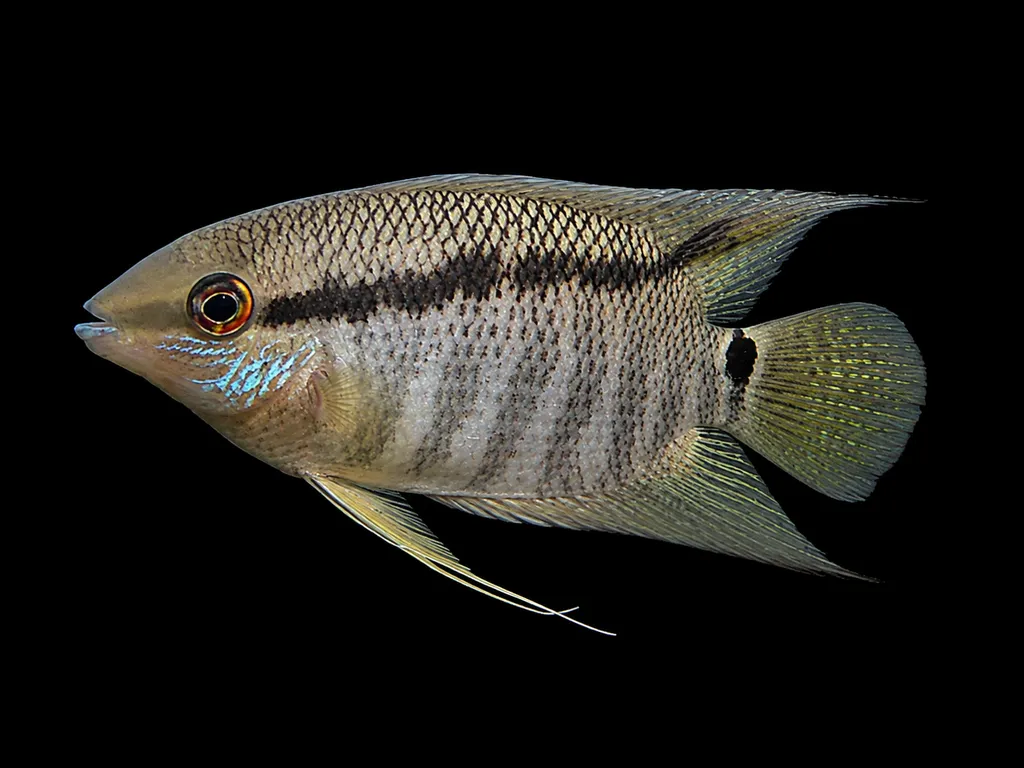 4.3 in (11 cm)66 gal (250 L)75–82°F (24–28°C)
Guyana festivum
Mesonauta guyanae
4.3 in (11 cm) · 66 gal (250 L)
 4.3 in (11 cm)63 gal (240 L)77–84°F (25–29°C)
Sunshine peacock cichlid
Aulonocara baenschi
4.3 in (11 cm) · 63 gal (240 L)
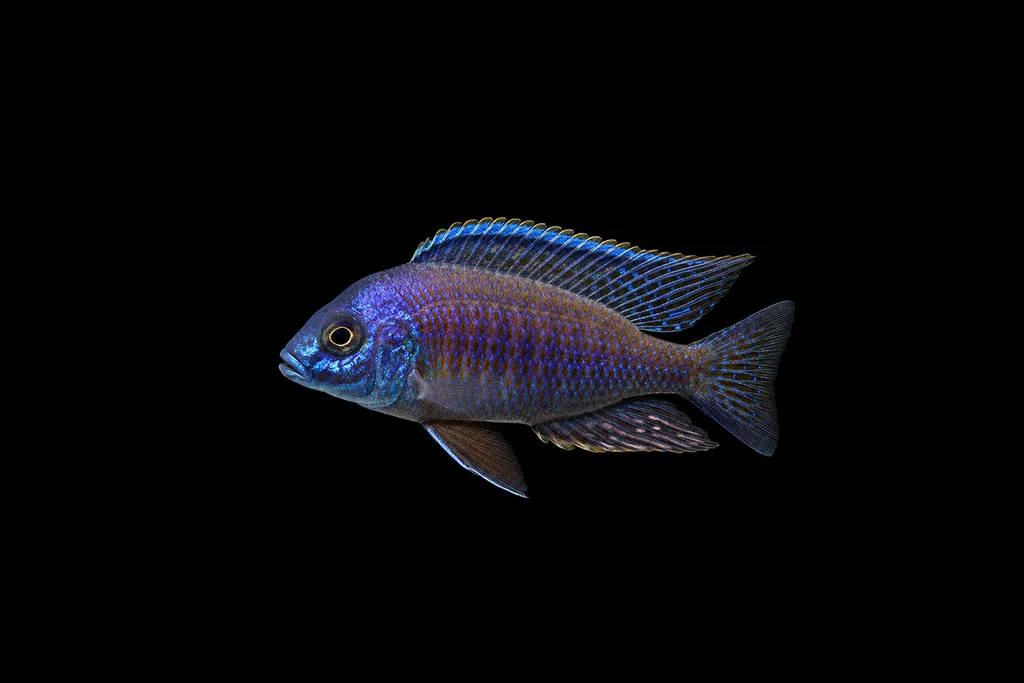 4.3 in (11 cm)79 gal (300 L)75–81°F (24–27°C)
Verduyn's utaka
Copadichromis verduyni
4.3 in (11 cm) · 79 gal (300 L)
- 4.3 in (11 cm)53 gal (200 L)73–81°F (23–27°C)
Lividus hap
Haplochromis lividus
4.3 in (11 cm) · 53 gal (200 L)