Lividus hap
Haplochromis lividus
Also known as Murchison Bay hap
FreshwaterFish
Care at a glance
- Temperature
- 73–81°F
- 23–27°C
- pH
- 7.0–8.5
- Adult size
- 4.3 in
- 11 cm
- Minimum tank
- 53 gal
- 200 L
- Temperament
- Mostly peaceful
- Social behavior
- Social
- Swim level
- Middle
- Diet
- Herbivore
- Difficulty
- Medium
- Breeding
- Mouthbrooder · Medium
- Rarity
- Rare
- Family
- Cichlidae
- Origin
- Lake Victoria, Ugandan waters
Overview
The Lividus hap is a grazing cichlid from Lake Victoria for the middle of a hard-water tank. It is best with a little experience.
Did you know
The Lividus hap now survives mainly through aquarium lines. Hobbyist tanks became its refuge, holding breeding groups of species that the lake itself could no longer support.
Caring for the Lividus hap
Give a group of Lividus haps at least 53 gal (200 L), with rock surfaces for grazing, some open sand and moderate cover. Leave open water as well. Keep the water at 73 to 81°F (23 to 27°C), neutral to hard and alkaline, with a pH of 7.0 to 8.5. Firm, clean water and steady filtration keep these fish in good color and condition.
Lividus haps swim in the middle water and graze over surfaces. They are algae grazers at heart, so feed a mixed diet that leans toward vegetable foods.
They are social and fine alone or in a group, and a group works best as one male with several females. That spreads out his display and courtship. They are peaceful enough for a community of similarly robust Victorian or riverine fish.
Mature males take on a blue-green sheen, while females stay plain. Females carry the eggs and fry in their mouths, and breeding them is of medium difficulty. Keeping this fish well and breeding it true carries real value.
Good to know
The Lividus hap is a haplochromine cichlid in the family Cichlidae, described by Greenwood in 1956. It belongs to the huge species flock of Lake Victoria, hundreds of closely related haplochromines. A great many of them collapsed after an introduced predator, the Nile perch, spread through the lake in the later twentieth century.
In the wild
Haplochromis lividus once grazed algae over the shallows of Murchison Bay, in the Ugandan part of Lake Victoria.
Weekly picks
Tank mates
The Lividus hap is a mostly peaceful, social species that keeps to the middle. These picks share a community profile with it, are safe together in both directions, and overlap on water type, temperature and pH.
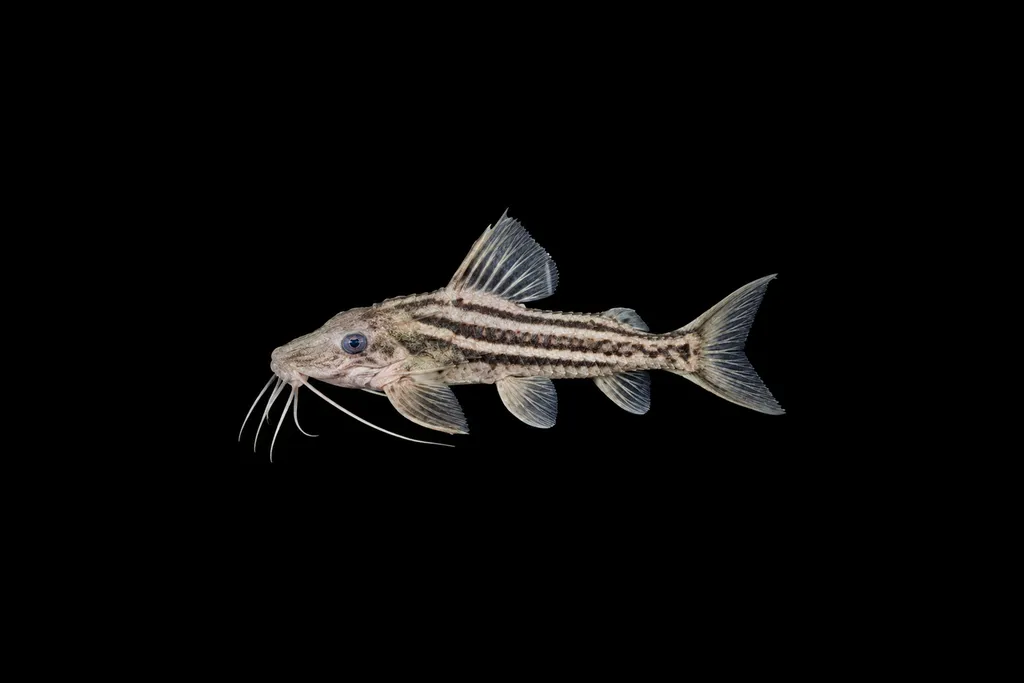
Hancock's talking catfish
Platydoras hancockii
Freshwater5.9 in (15 cm) · 53 gal (200 L)73–82°F (23–28°C)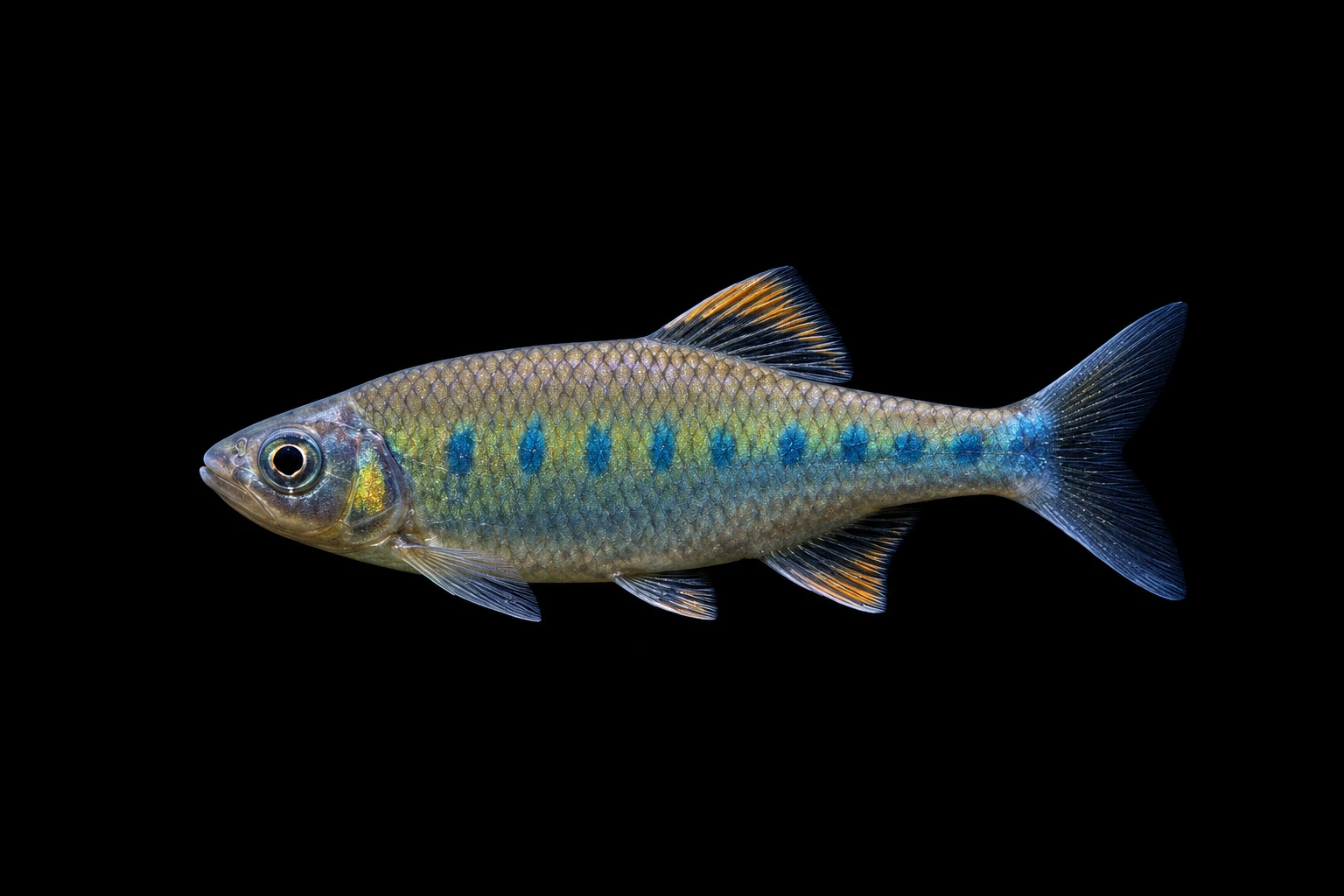
Blue spotted hill trout
Barilius bakeri
Freshwater5.1 in (13 cm) · 53 gal (200 L)64–79°F (18–26°C)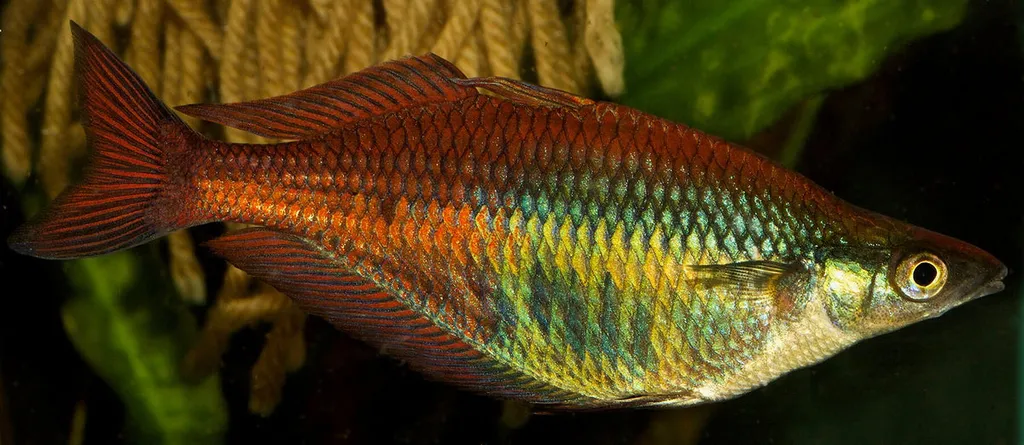
Barred rainbowfish
Chilatherina fasciata
Freshwater4.7 in (12 cm) · 53 gal (200 L)75–86°F (24–30°C)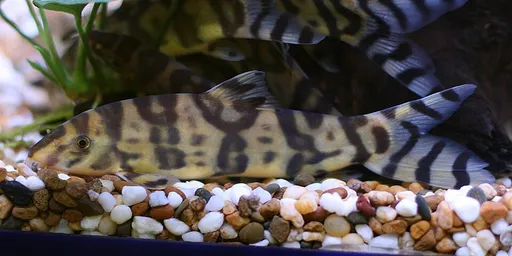
Burmese border loach
Botia histrionica
Freshwater5.1 in (13 cm) · 53 gal (200 L)72–82°F (22–28°C)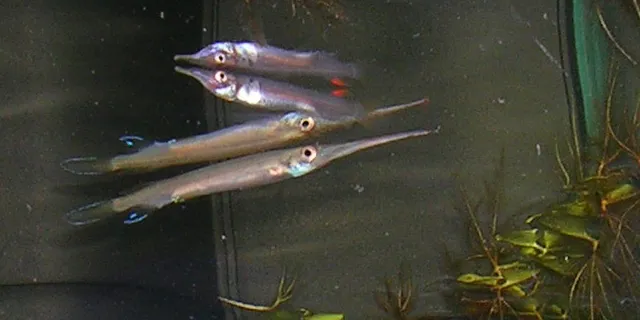
Forest halfbeak
Hemirhamphodon pogonognathus
Freshwater3.5 in (9 cm) · 34 gal (130 L)75–82°F (24–28°C)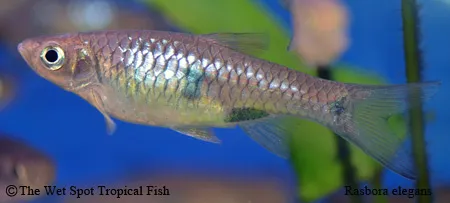
Twospot rasbora
Rasbora elegans
Freshwater7.9 in (20 cm) · 53 gal (200 L)72–81°F (22–27°C)
Common questions
What size tank does a Lividus hap need?
A Lividus hap needs at least 53 gal (200 L). It spends most of its time in the middle.
What temperature and pH does a Lividus hap need?
A Lividus hap is comfortable at 73–81°F (23–27°C) with a pH of 7.0–8.5.
What does a Lividus hap eat?
A Lividus hap is an algae grazer at heart. Feed it a mixed diet that leans toward vegetable foods.
How big does a Lividus hap get?
An adult Lividus hap reaches about 4.3 in (11 cm).
How can you tell a male Lividus hap from a female?
Males take on a blue-green sheen as they mature, while females stay plain.
How does a Lividus hap breed?
Lividus hap females carry the eggs and fry in their mouths. Breeding them is of medium difficulty.
Related species
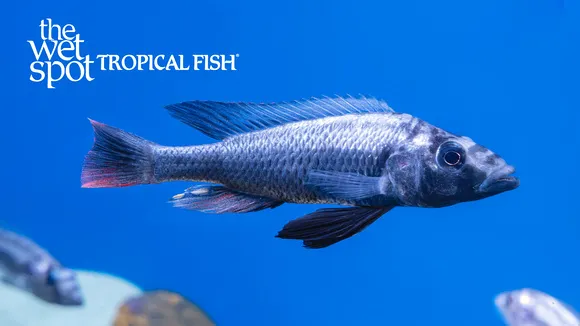 3.9 in (10 cm)53 gal (200 L)73–81°F (23–27°C)
Thereuterion hap
Haplochromis thereuterion
3.9 in (10 cm) · 53 gal (200 L)
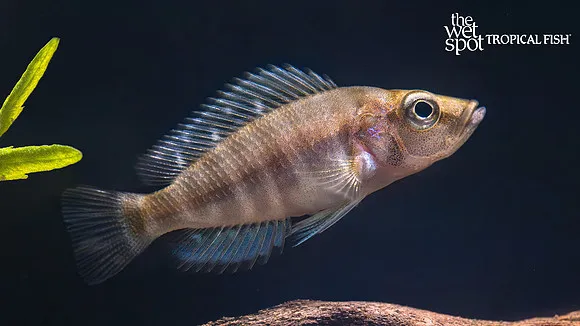 4.3 in (11 cm)37 gal (140 L)73–82°F (23–28°C)
Blue-eyed tropheus
Tropheus brichardi
4.3 in (11 cm) · 37 gal (140 L)
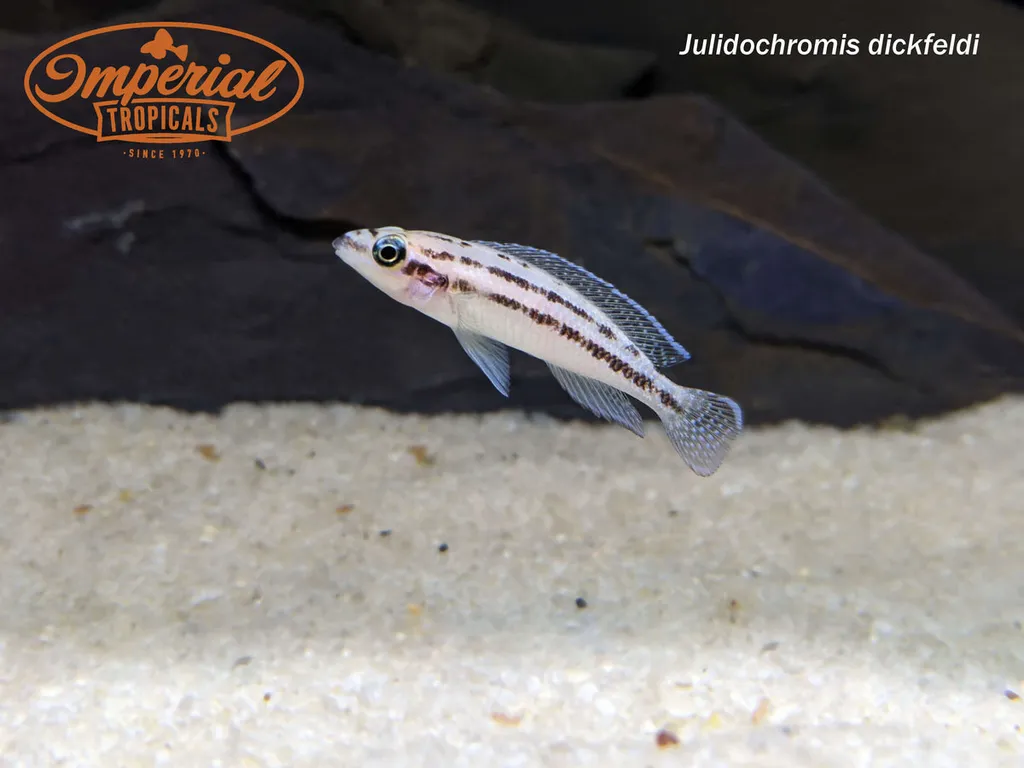 4.3 in (11 cm)20 gal (75 L)73–81°F (23–27°C)
Brown julie
Julidochromis dickfeldi
4.3 in (11 cm) · 20 gal (75 L)
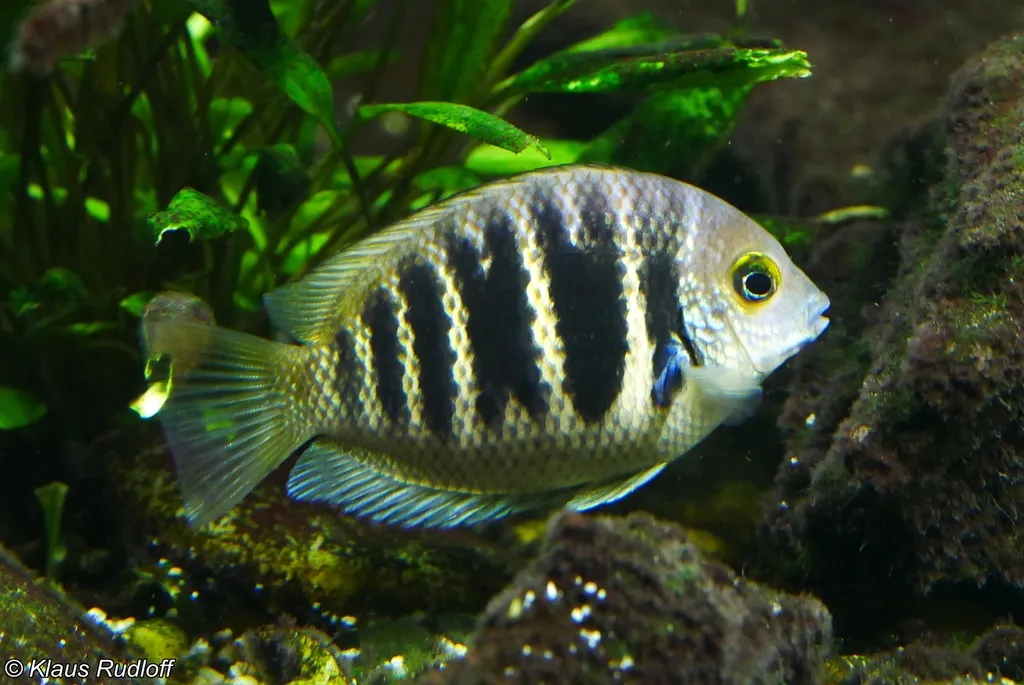 4.3 in (11 cm)55 gal (210 L)72–90°F (22–32°C)
Canara pearlspot
Etroplus canarensis
4.3 in (11 cm) · 55 gal (210 L)
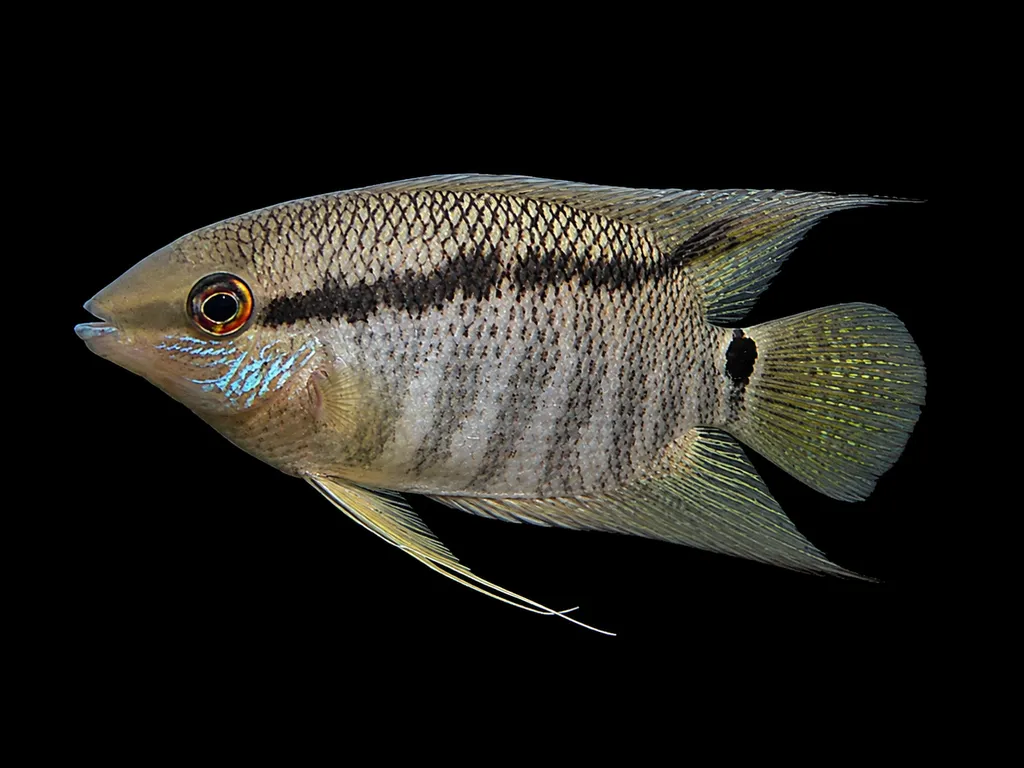 4.3 in (11 cm)32 gal (120 L)75–82°F (24–28°C)
Guyana festivum
Mesonauta guyanae
4.3 in (11 cm) · 32 gal (120 L)
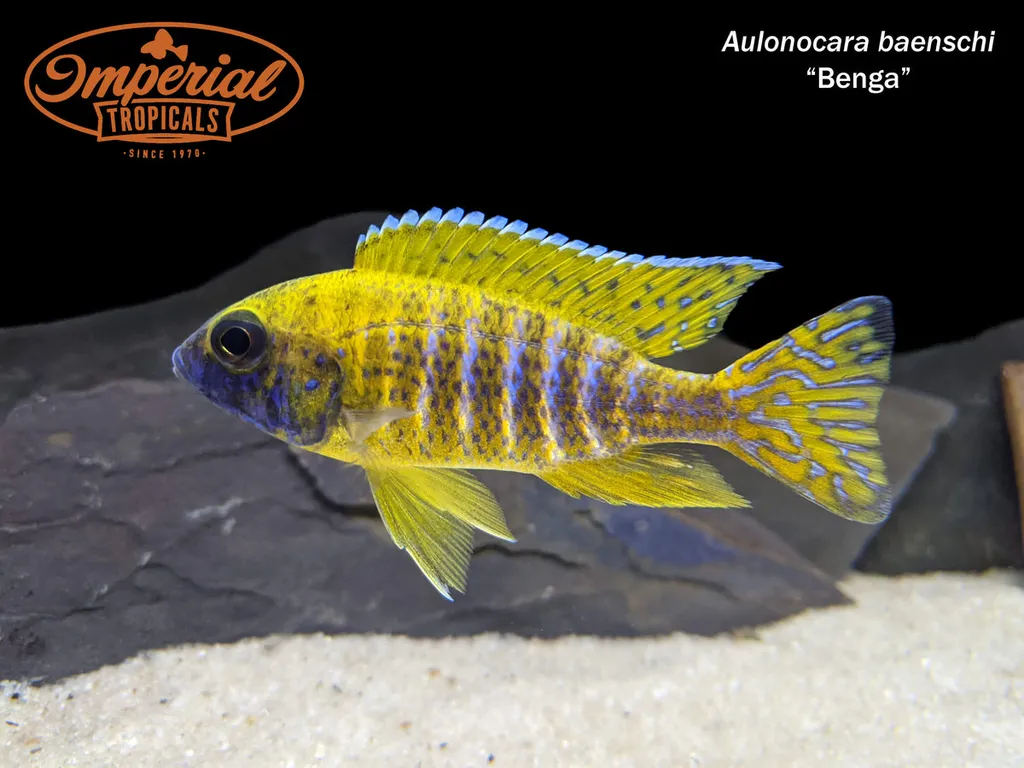 4.3 in (11 cm)63 gal (240 L)77–84°F (25–29°C)
Sunshine peacock cichlid
Aulonocara baenschi
4.3 in (11 cm) · 63 gal (240 L)